
Preparation Methods
Most of a spice's aroma is released or destroyed before it ever meets the other ingredients. These five…
5 guides Browse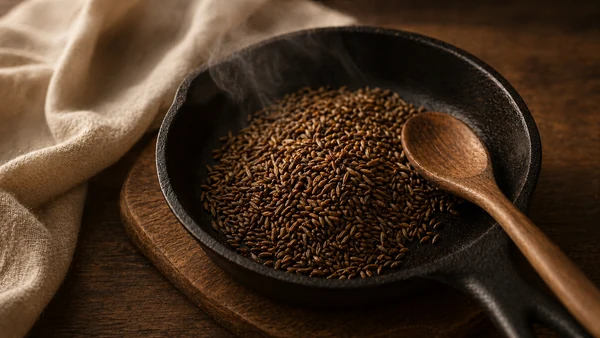
Everything that happens to a spice between the jar and the plate: how to prepare it, when to add it, and what to use when you have run out. Forty-seven substitution guides carry starting ratios, and the technique guides give the sensory cue that tells you to stop.
Method tested against heat, fat, and timing, the three things that decide whether spice tastes raw or finished.
Each group narrows the section to one kind of decision.
Most of a spice's aroma is released or destroyed before it ever meets the other ingredients. These five…
5 guides BrowseThe same spice, in the same quantity, tastes different depending on the minute it enters the pan. These four…
4 guides BrowseA good substitution replaces the job a spice was doing, not its name, which is why one swap can need three…
62 guides BrowseWhat to reach for when the jar is empty, with the ratio to start from.
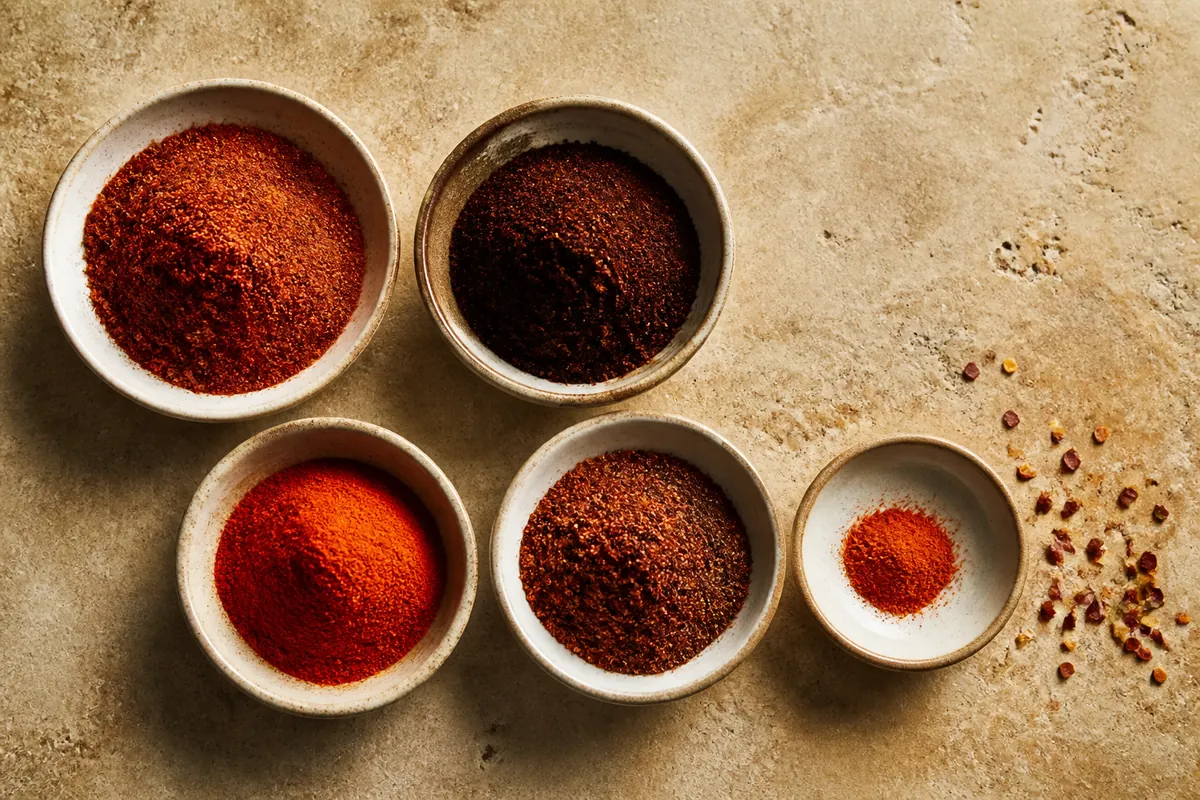
A blend of 3 parts sweet paprika and 1 part cayenne is the most practical Aleppo pepper substitute. Use the blend at a…
Read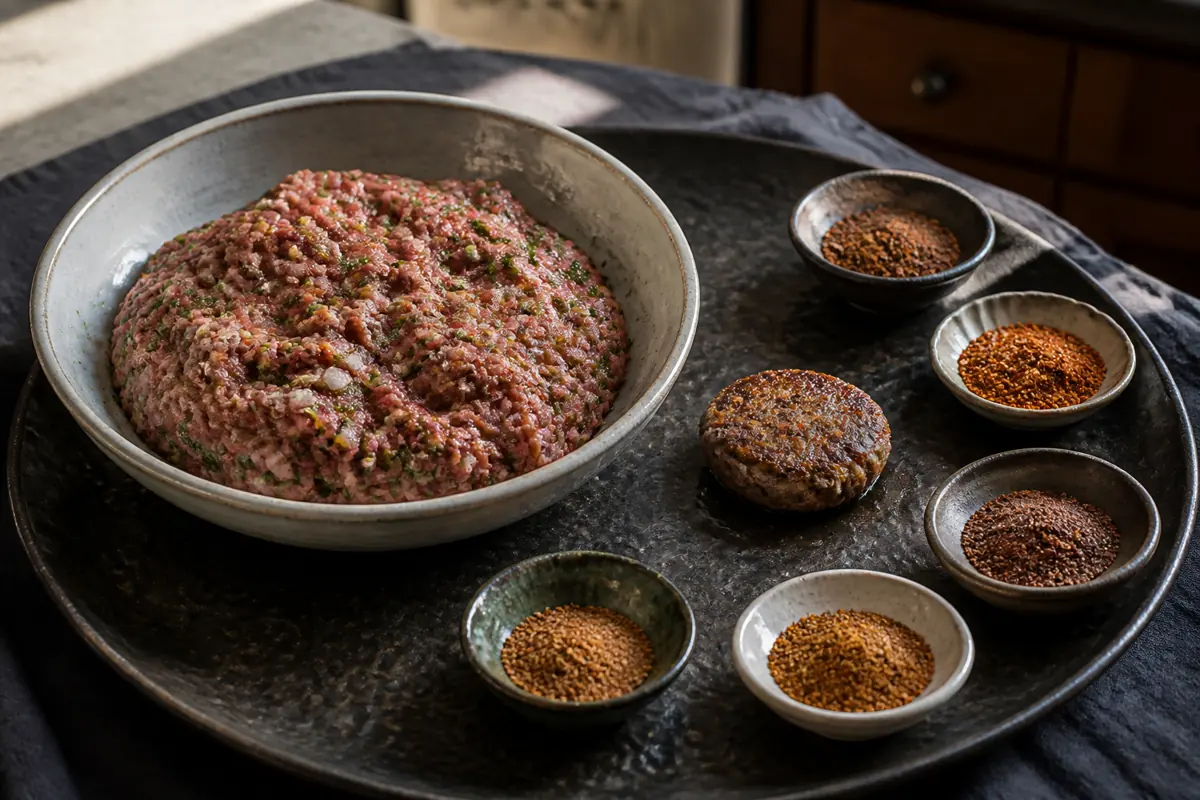
Ras el hanout is the best ready-made baharat substitute for most lamb, beef, chickpea, and roasted-vegetable dishes…
Read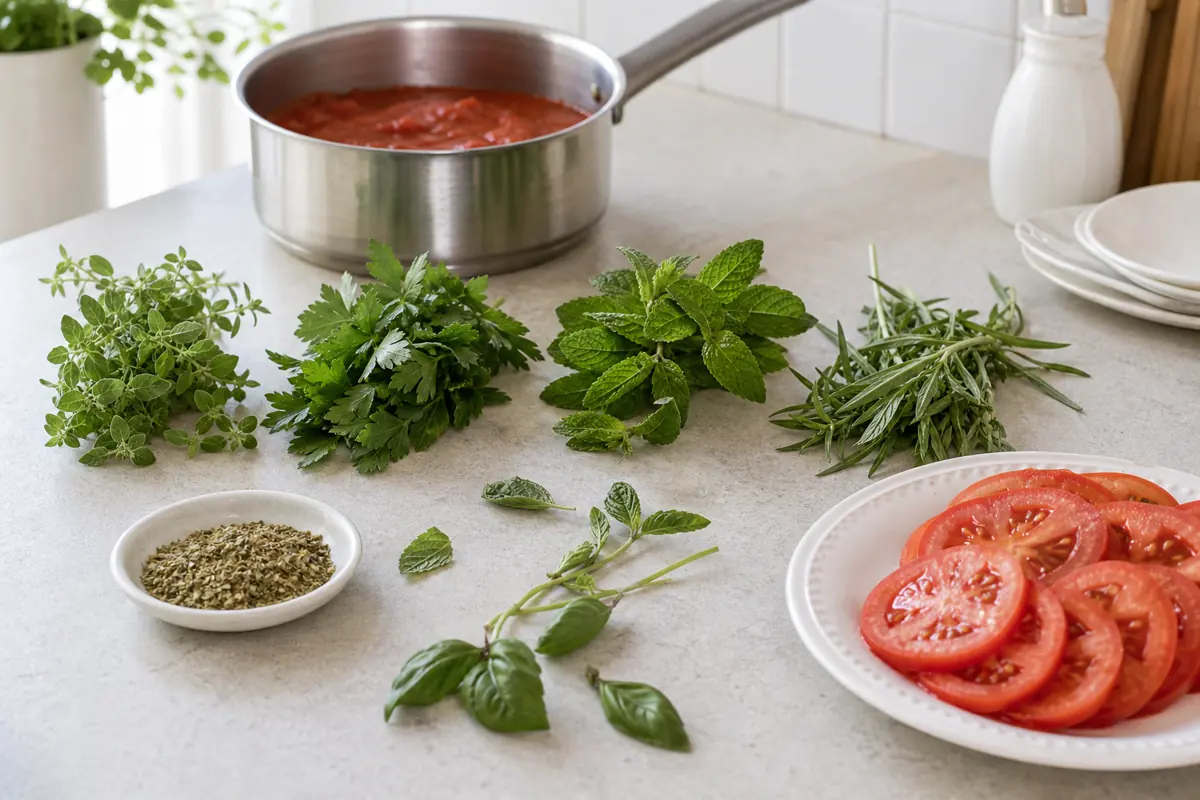
For cooked tomato sauce, start with half as much oregano as fresh basil, or one-third as much dried oregano as dried…
Read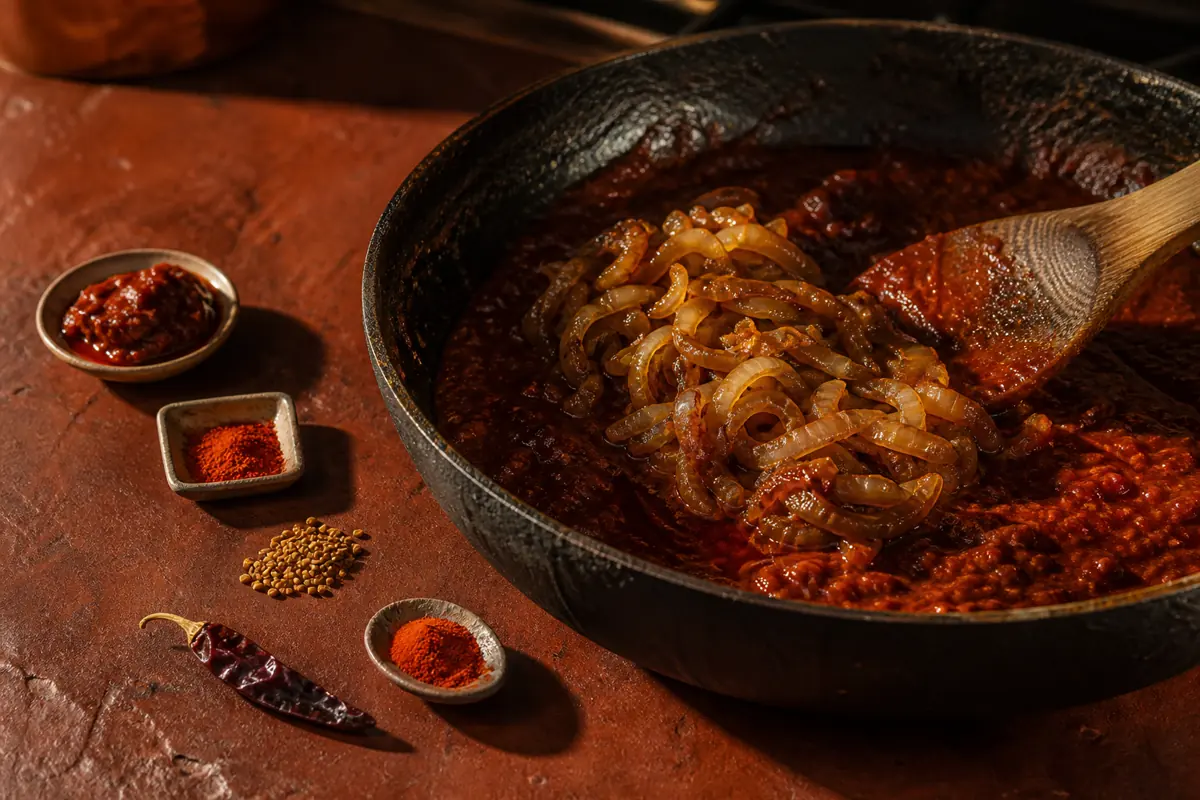
For a wet tomato stew, lentils, marinade, or roasted vegetables, start with one-half teaspoon harissa paste for each…
Read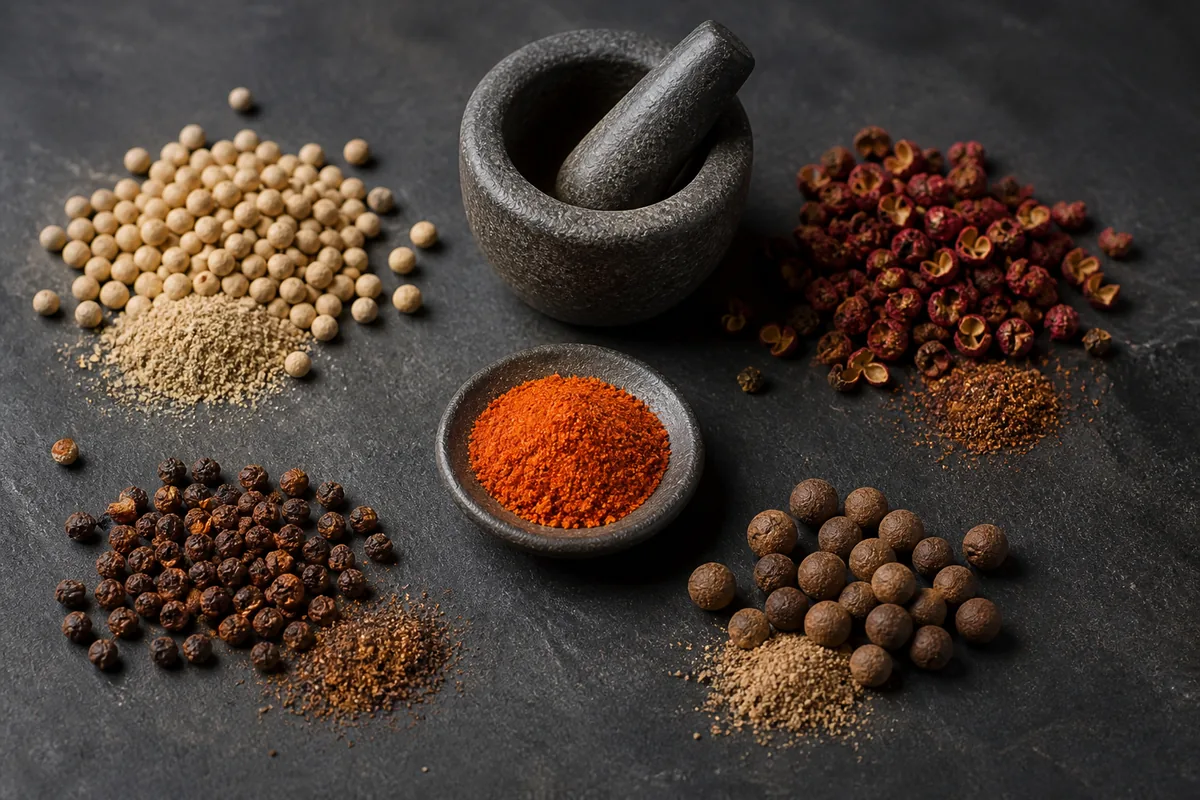
White pepper is the closest black pepper substitute and works at a 1:1 ratio for most cooking. Choose grains of…
Read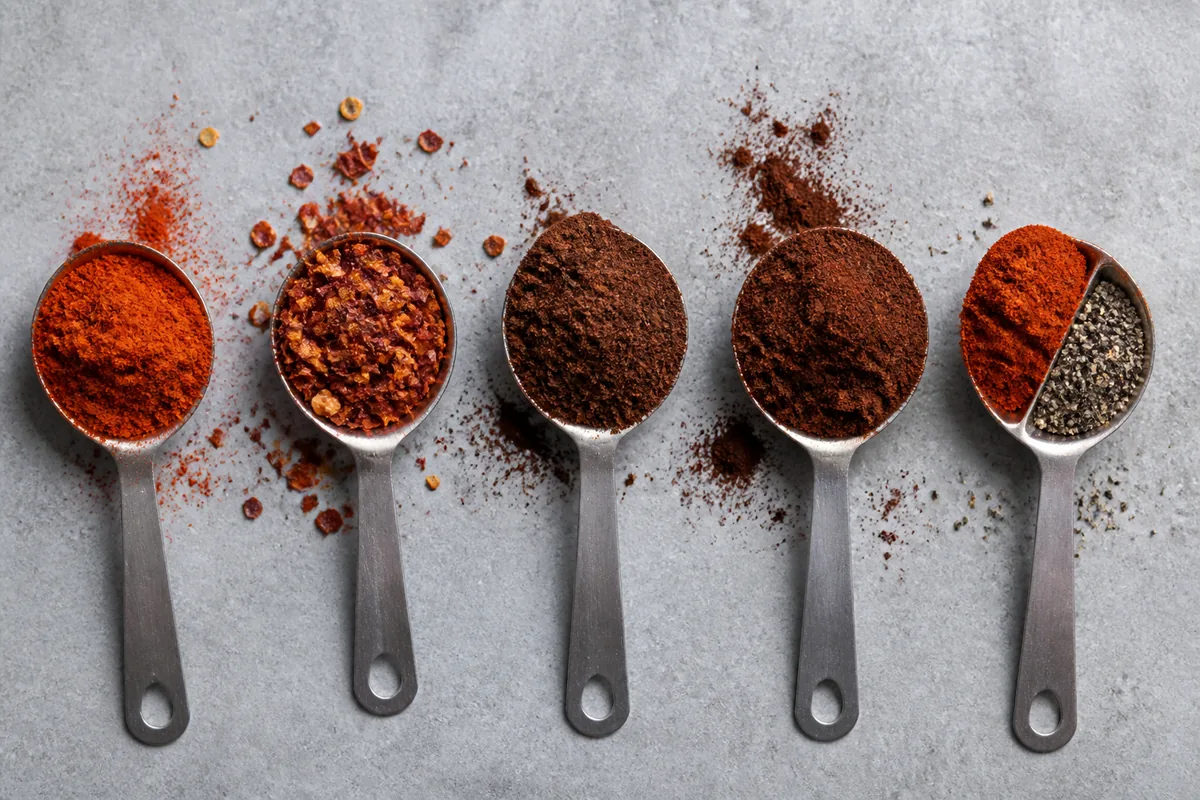
Hot paprika is the closest flexible cayenne substitute, although its heat varies by product. Start at a 1:1 ratio after…
Read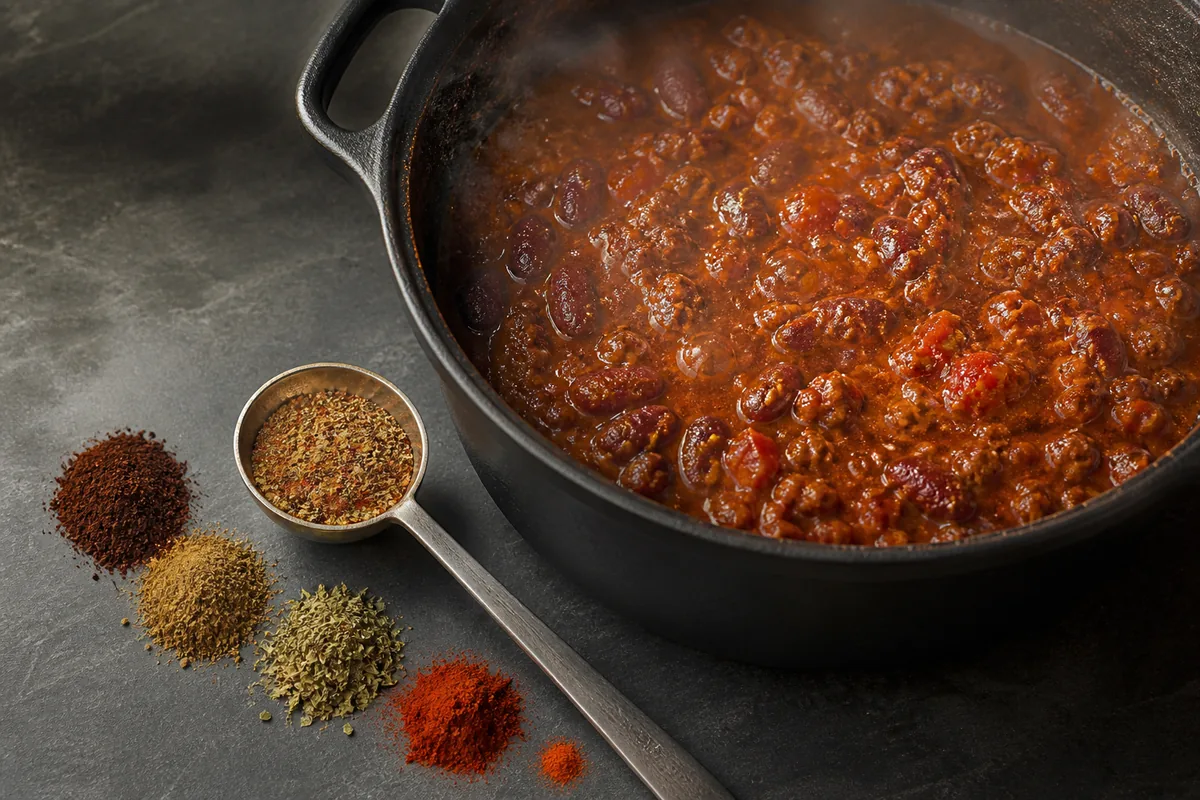
The closest chili powder substitute is a measured blend of ancho chile, cumin, and oregano because American chili…
Read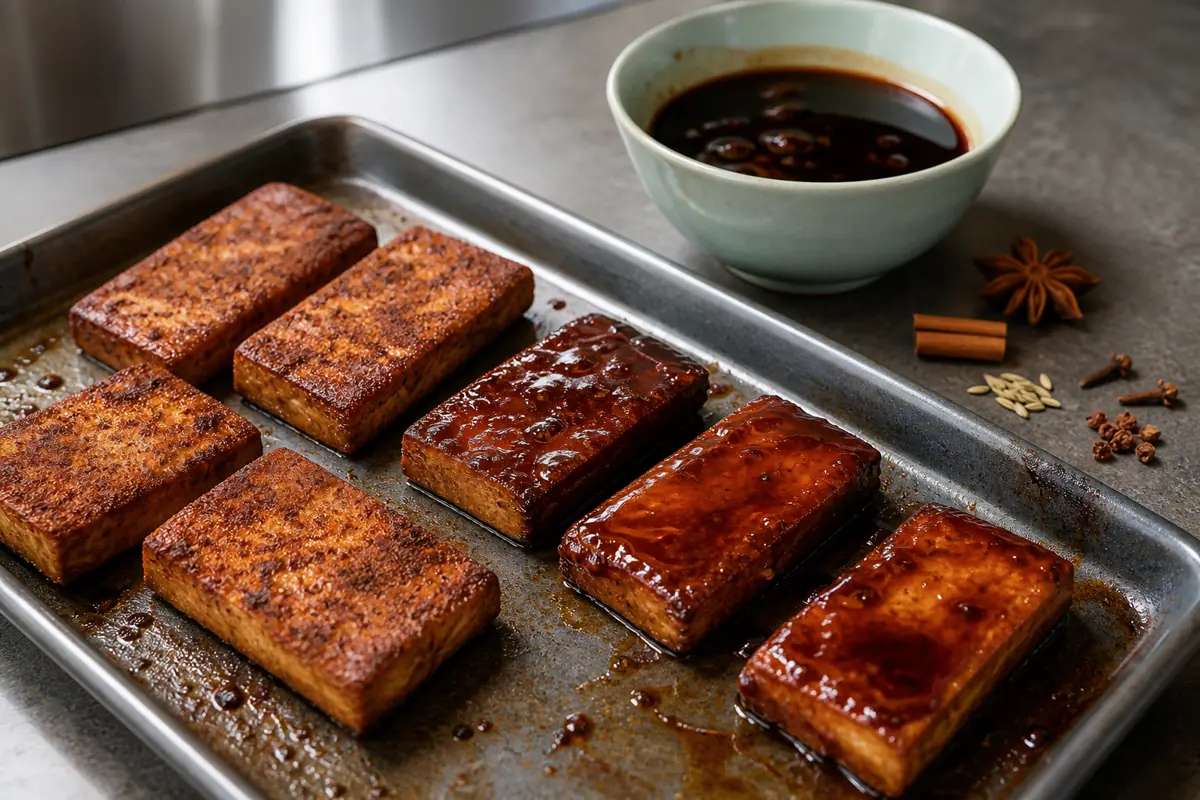
The closest replacement is a small homemade blend of star anise, cinnamon or cassia, fennel seed, clove, and Sichuan…
Read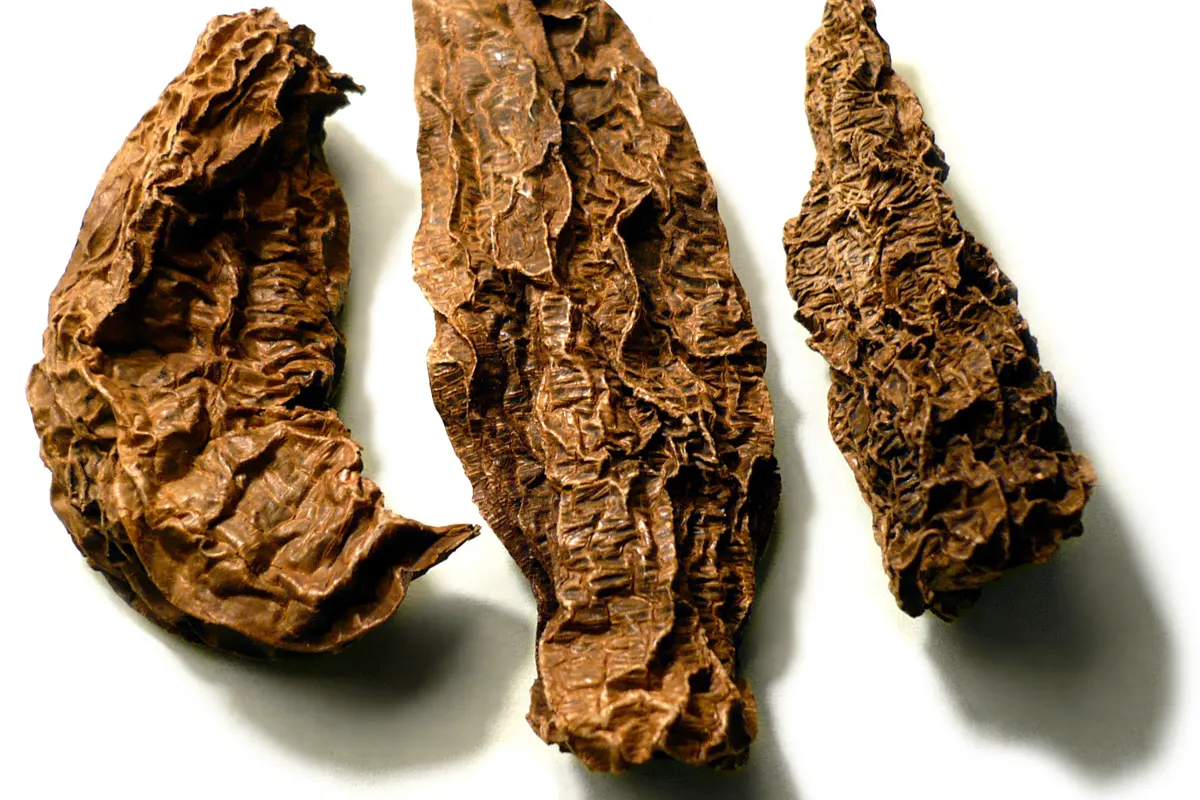
The best all-purpose chipotle powder substitute is three-quarter teaspoon smoked paprika plus one-eighth teaspoon…
Read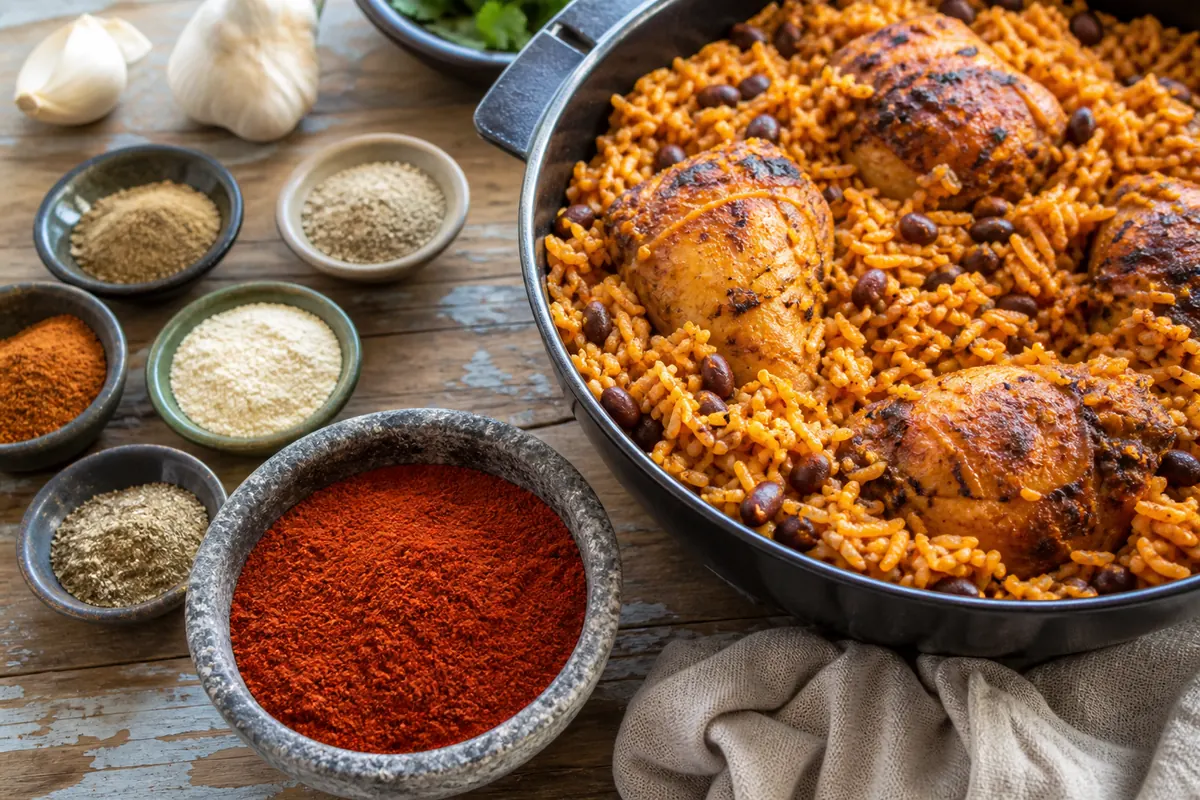
## Sazón Separates Into Color, Aromatics, and Savory Salt The closest Sazón seasoning substitute is a homemade blend…
Read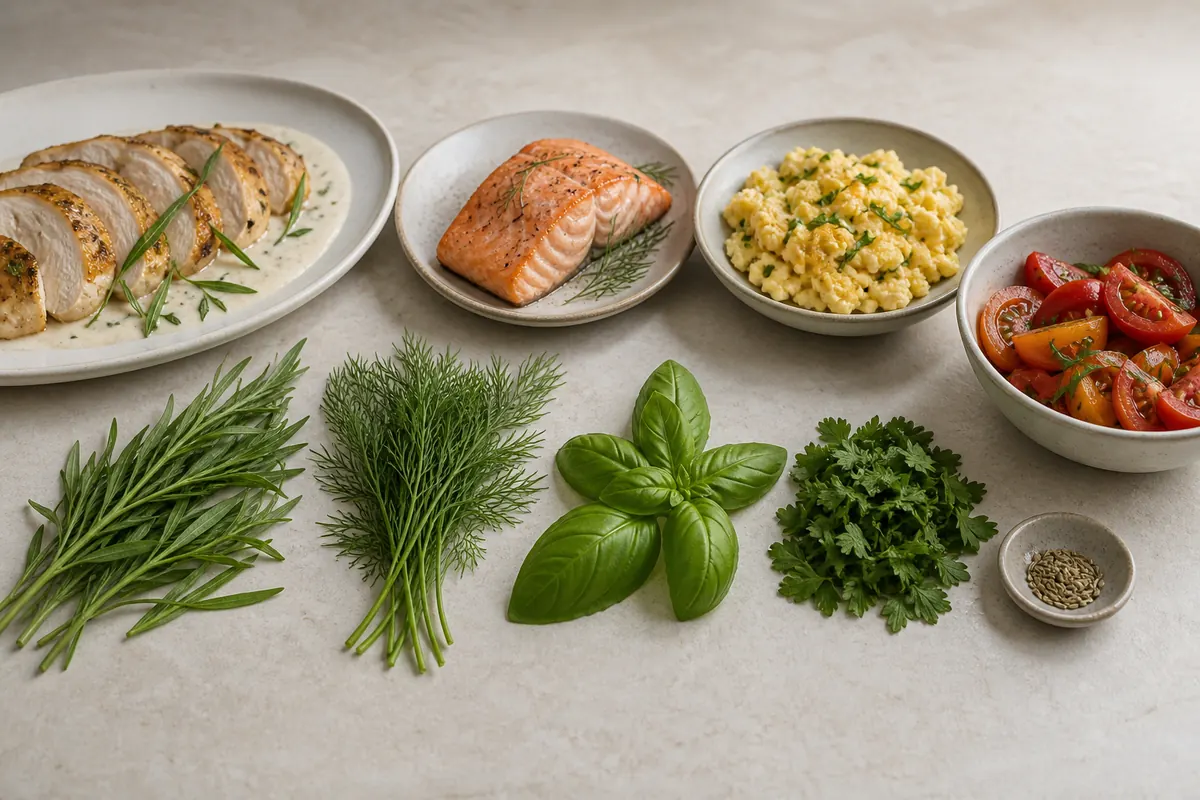
## Tarragon Contributes Anise, Green Freshness, and Late Aroma The best tarragon substitute depends on the dish. Use…
Read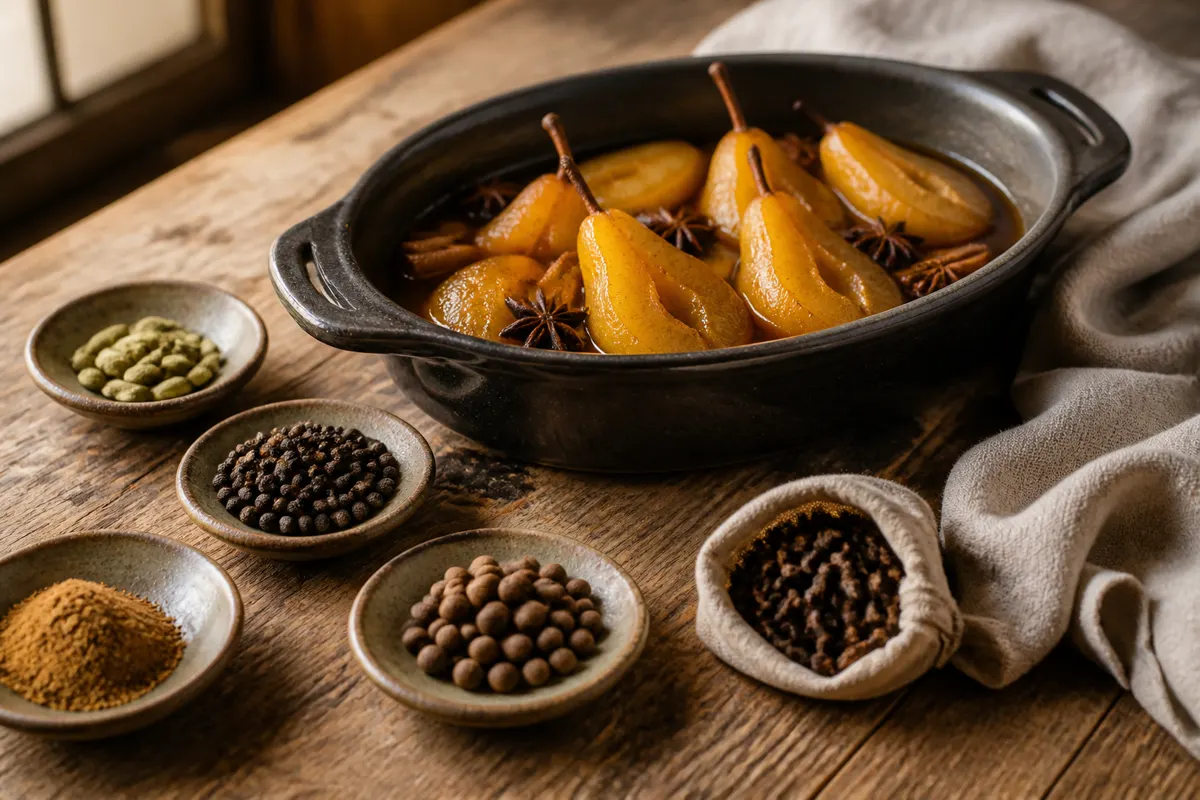
Allspice is the best general clove substitute. Use one-half teaspoon ground allspice for each teaspoon of ground clove…
Read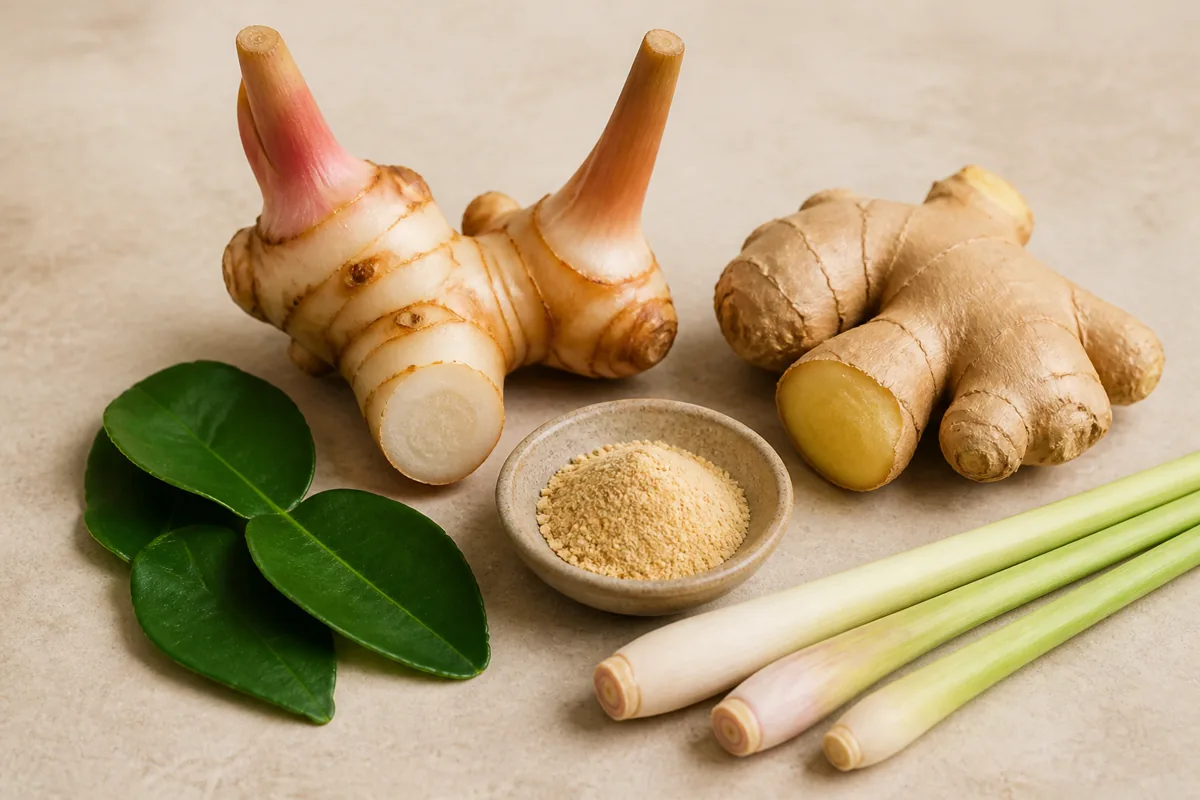
Frozen galangal is the closest substitute and works at a 1:1 ratio. Without it, use young ginger with one controlled…
Read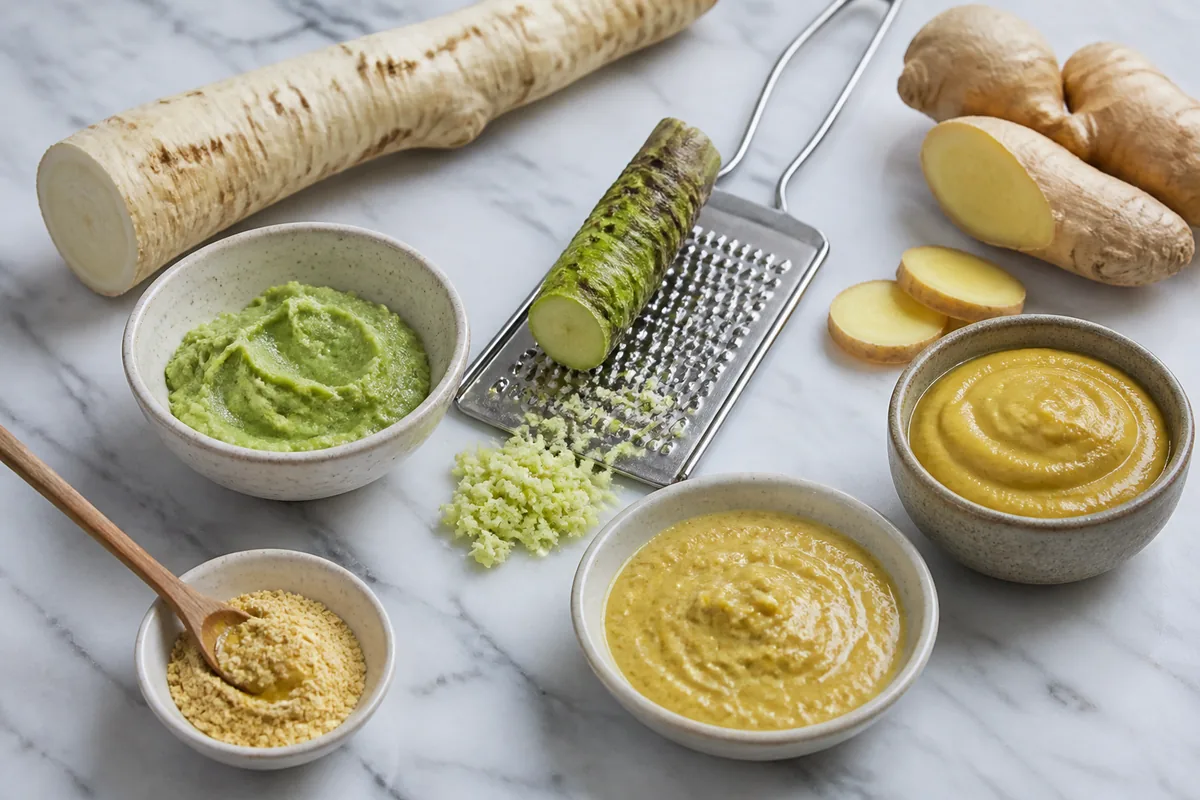
Prepared wasabi is the fastest substitute for prepared horseradish and starts at a 1:1 ratio. Fresh grated wasabi fits…
Read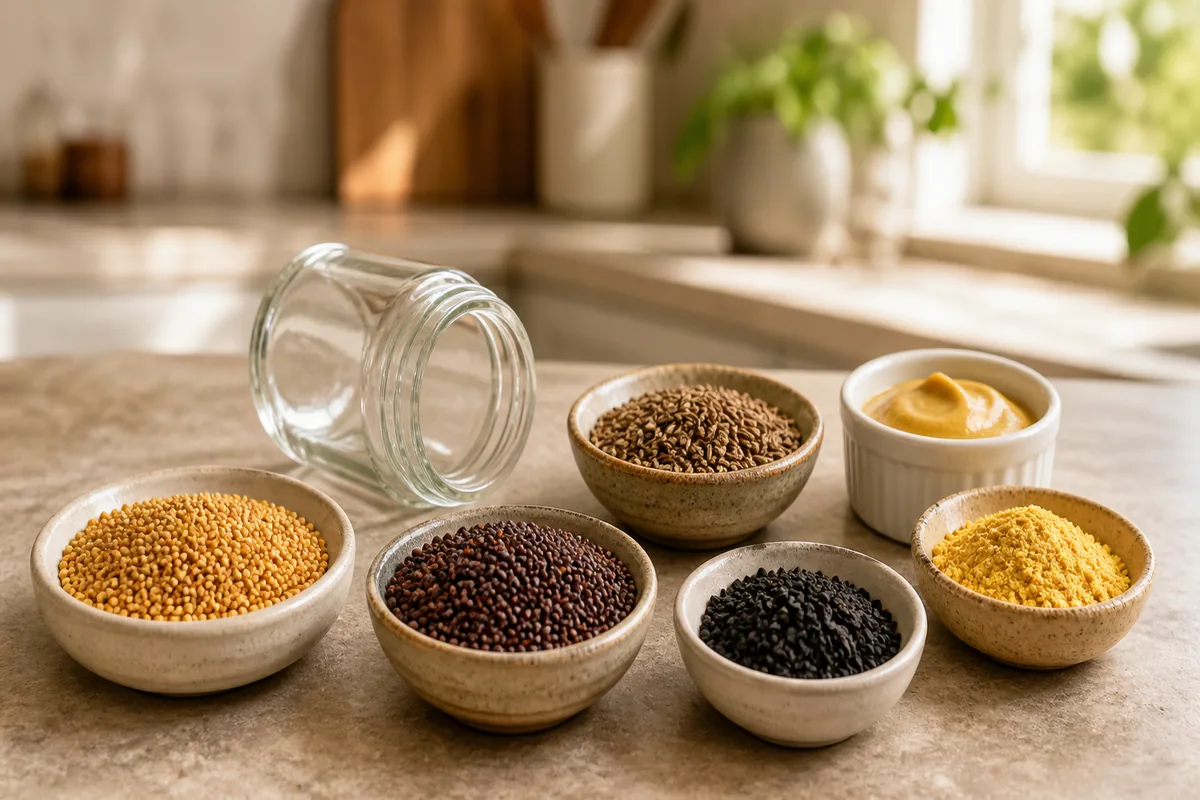
Use another color of mustard seed as the closest overall substitute, usually at the same volume. When no mustard seed…
Read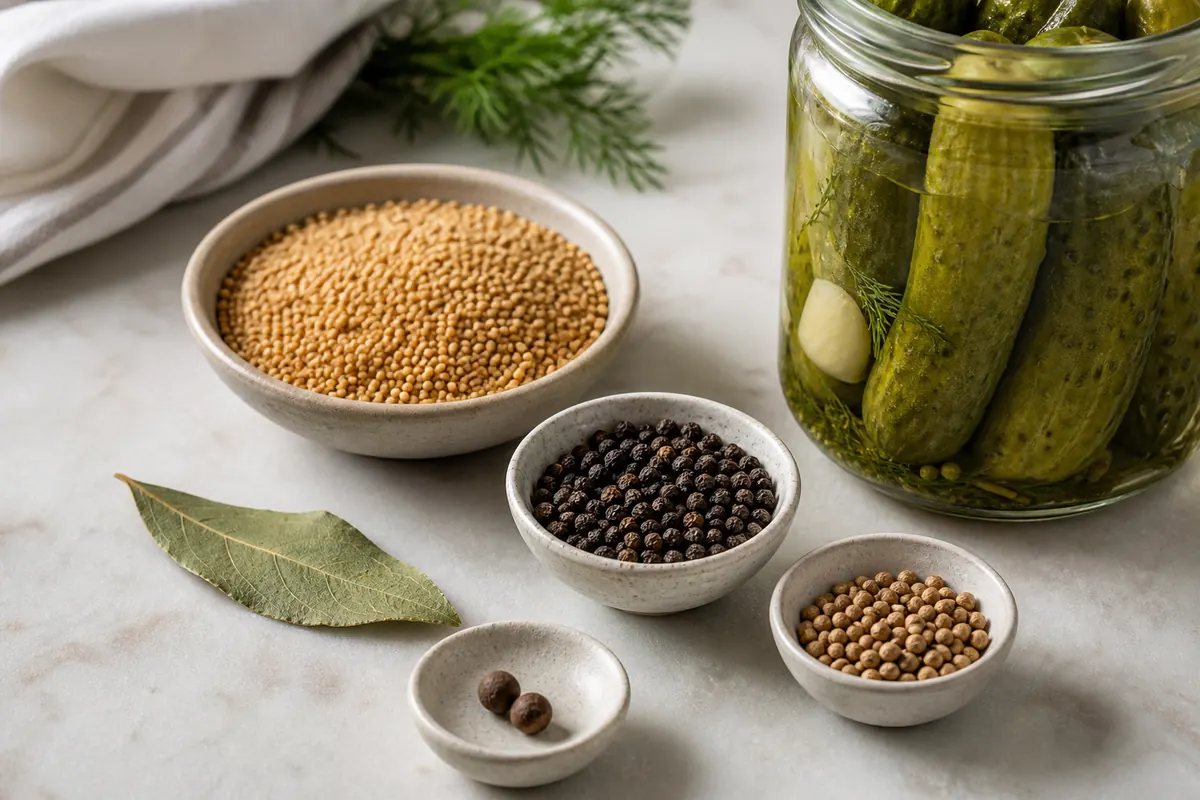
## What Pickling Spice Contributes to a Brine The most dependable pickling spice substitute is a small blend of whole…
Read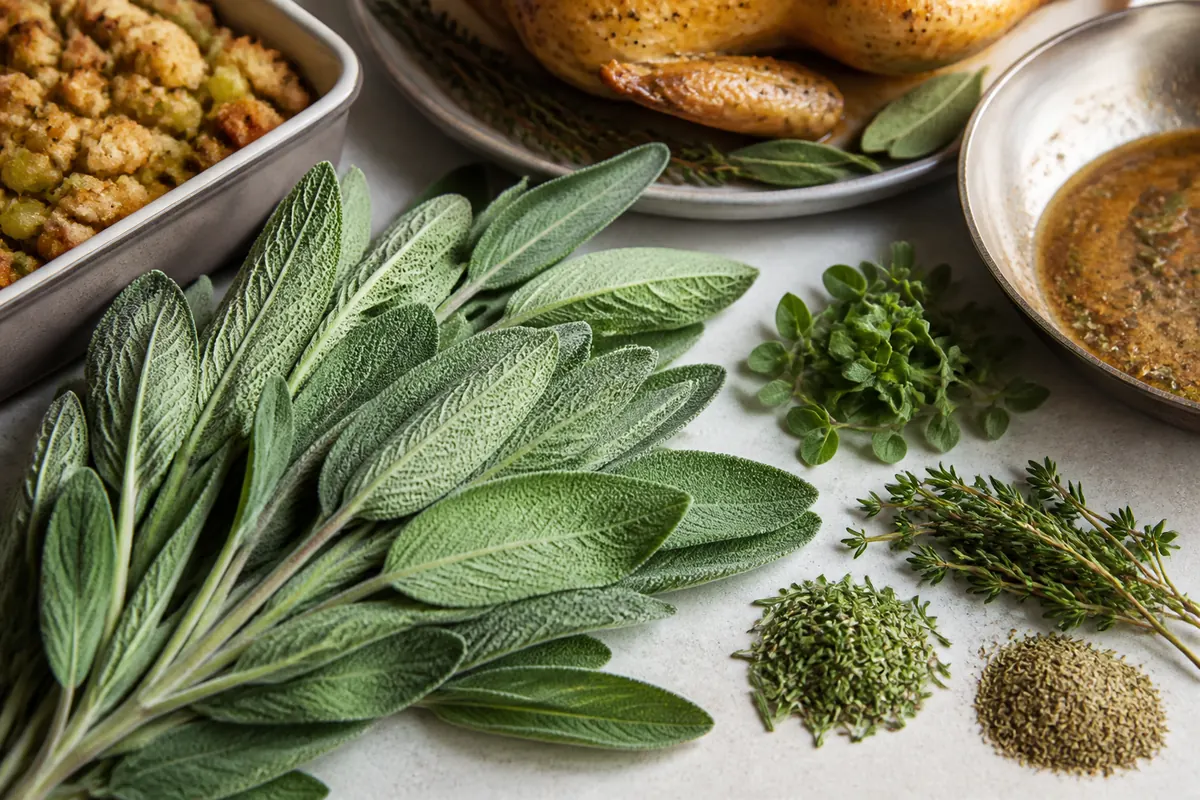
## Sage Brings Earthiness, Resin, and Fat-Soluble Aroma Marjoram is the closest gentle sage substitute for stuffing…
Read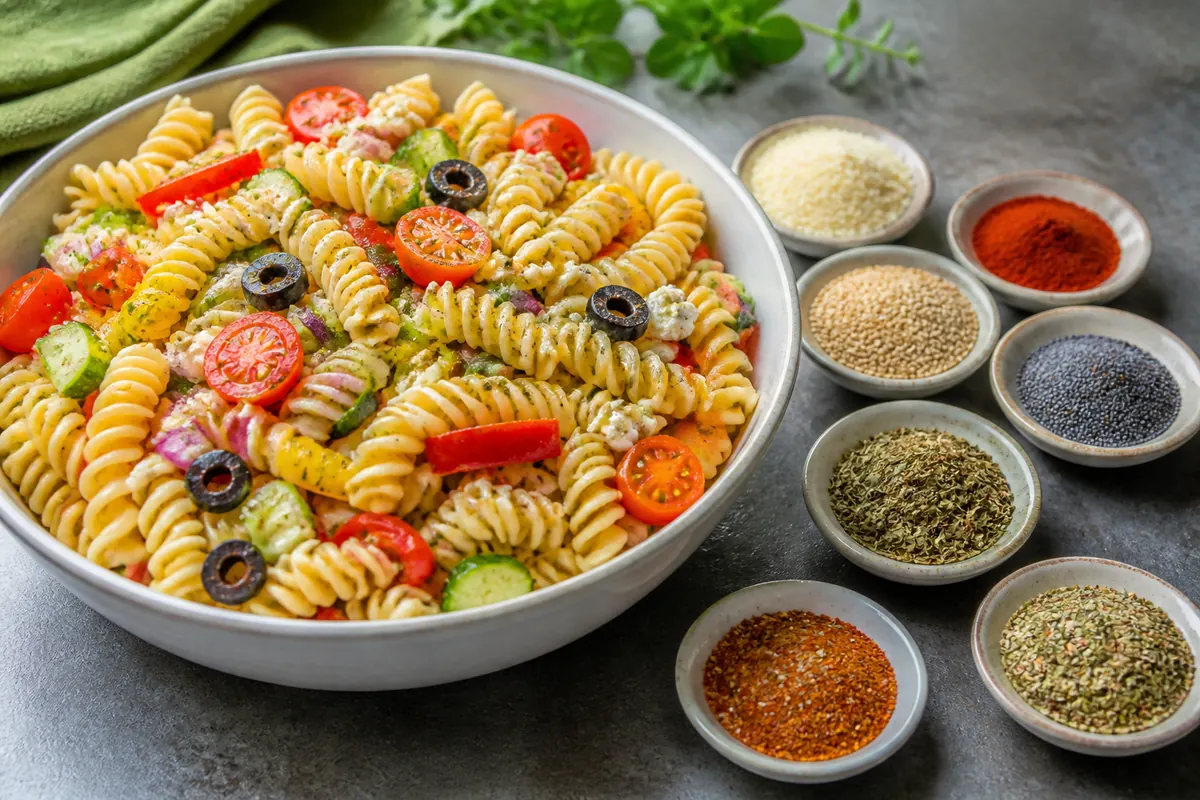
## Salad Supreme Combines Flavor, Color, and Crunch The closest Salad Supreme seasoning substitute is a small homemade…
Read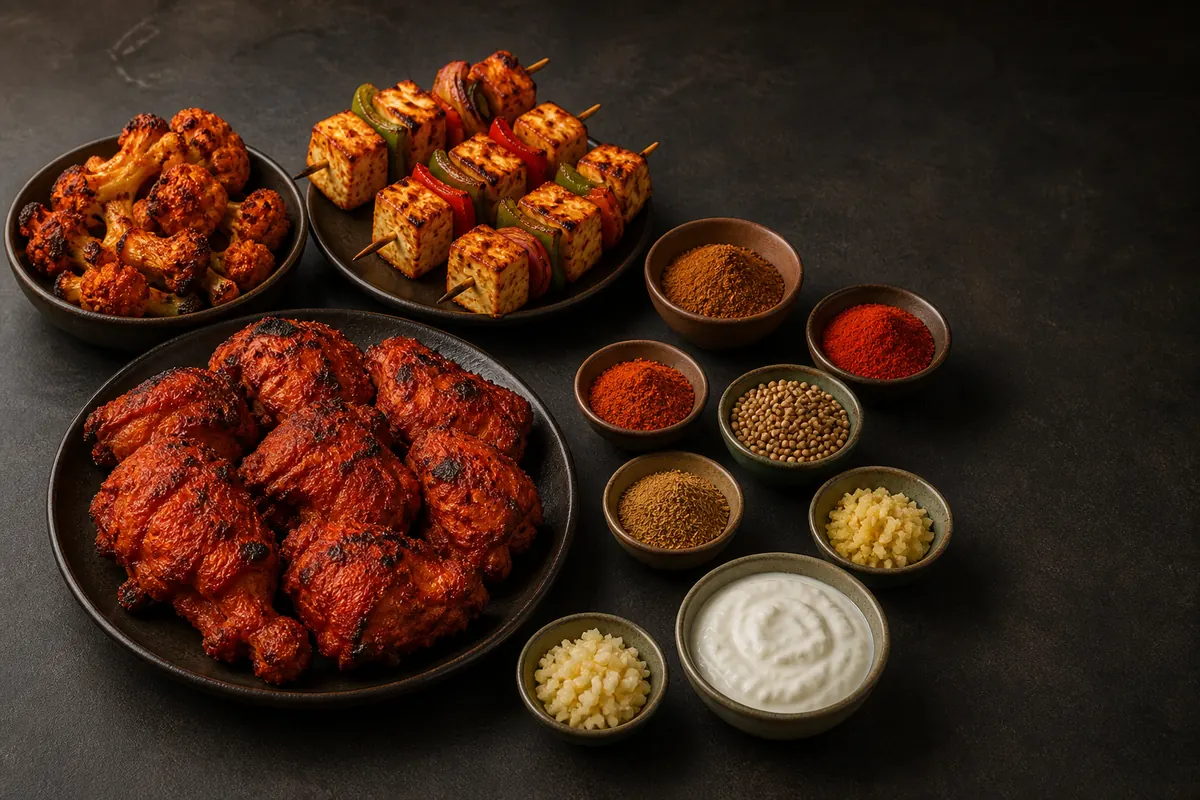
## Tandoori Masala Is the Dry Part of a Larger Marinade The closest quick substitute combines two teaspoons garam…
Read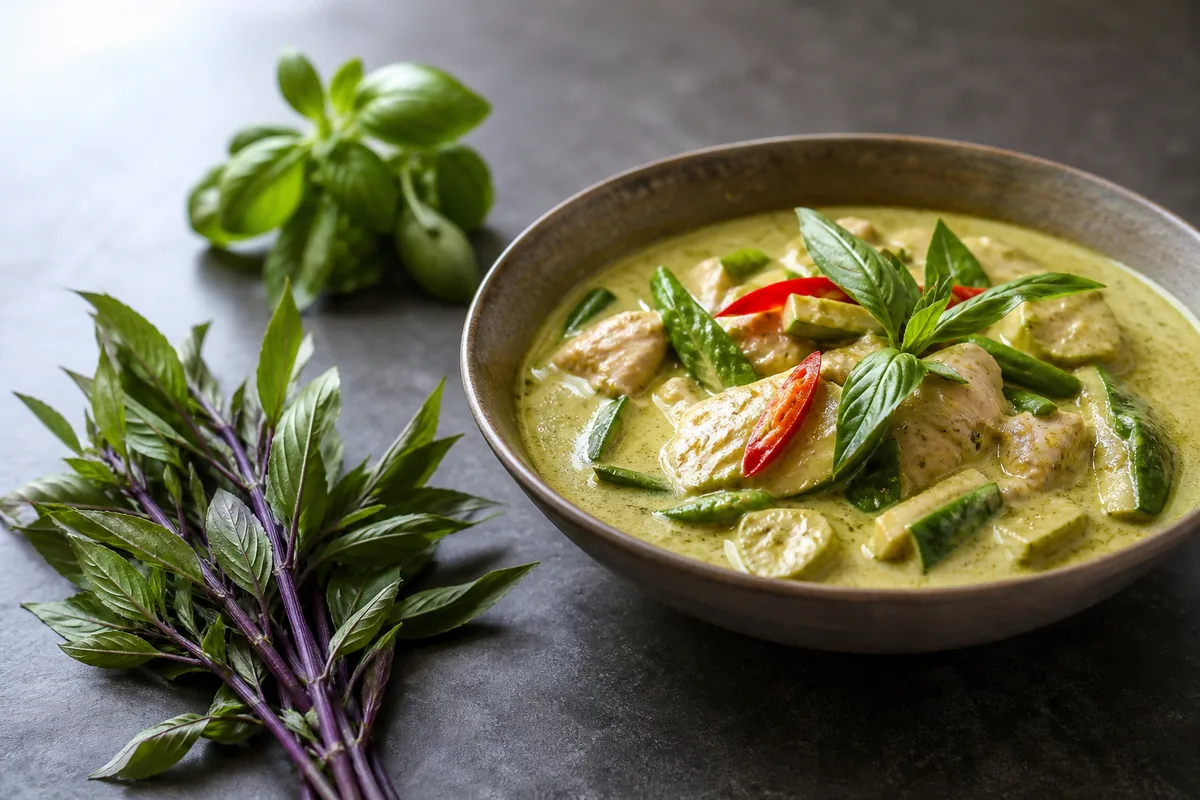
Match anise aroma, leaf structure, and timing to the dish instead of swapping by name.
Read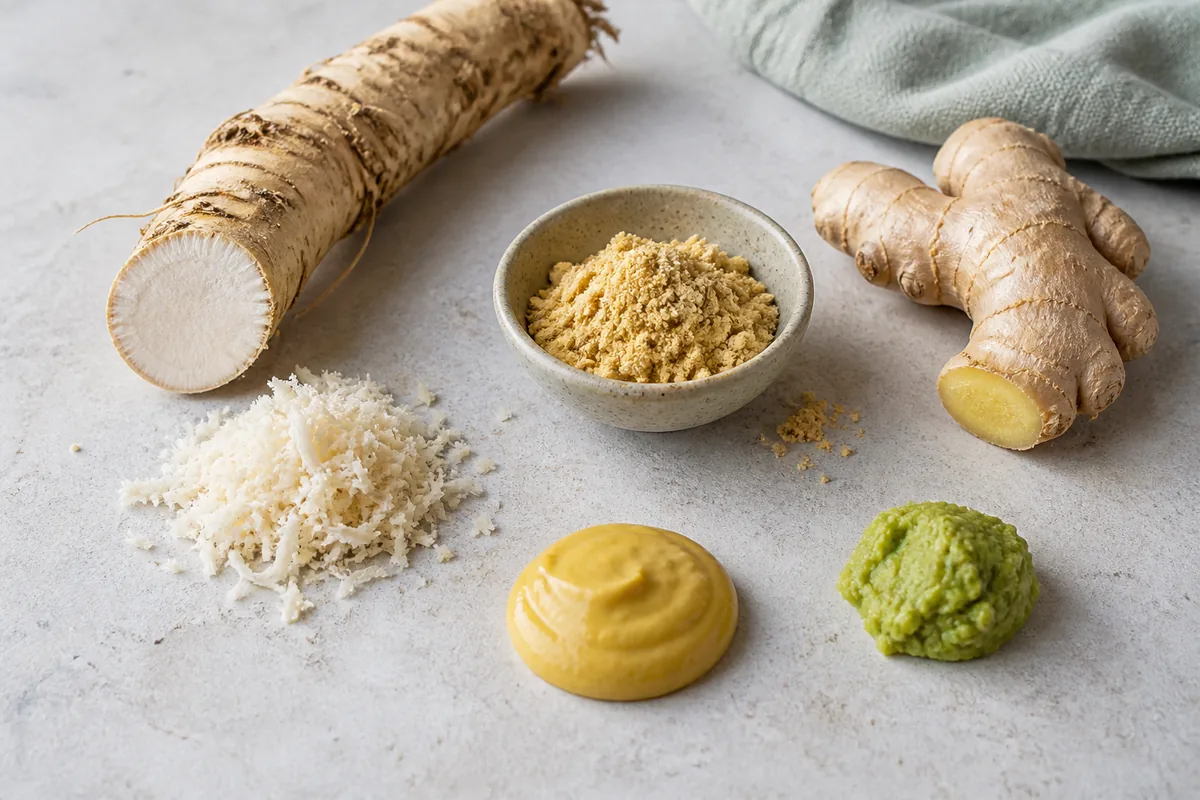
Prepared horseradish is the most practical wasabi substitute. Start with 3/4 teaspoon for each teaspoon of wasabi…
Read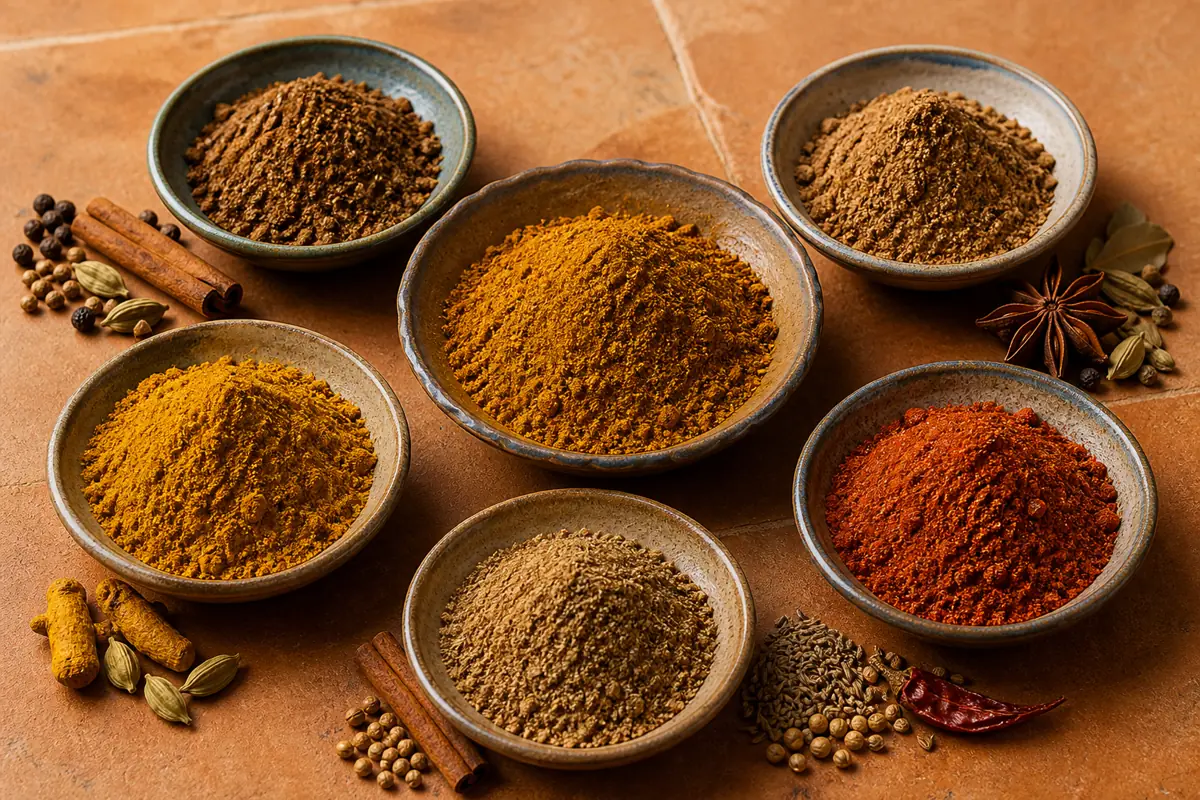
A 2:2:1:1:1 mixture of cumin, coriander, ginger, cinnamon, and black pepper is the most controllable ras el hanout…
Read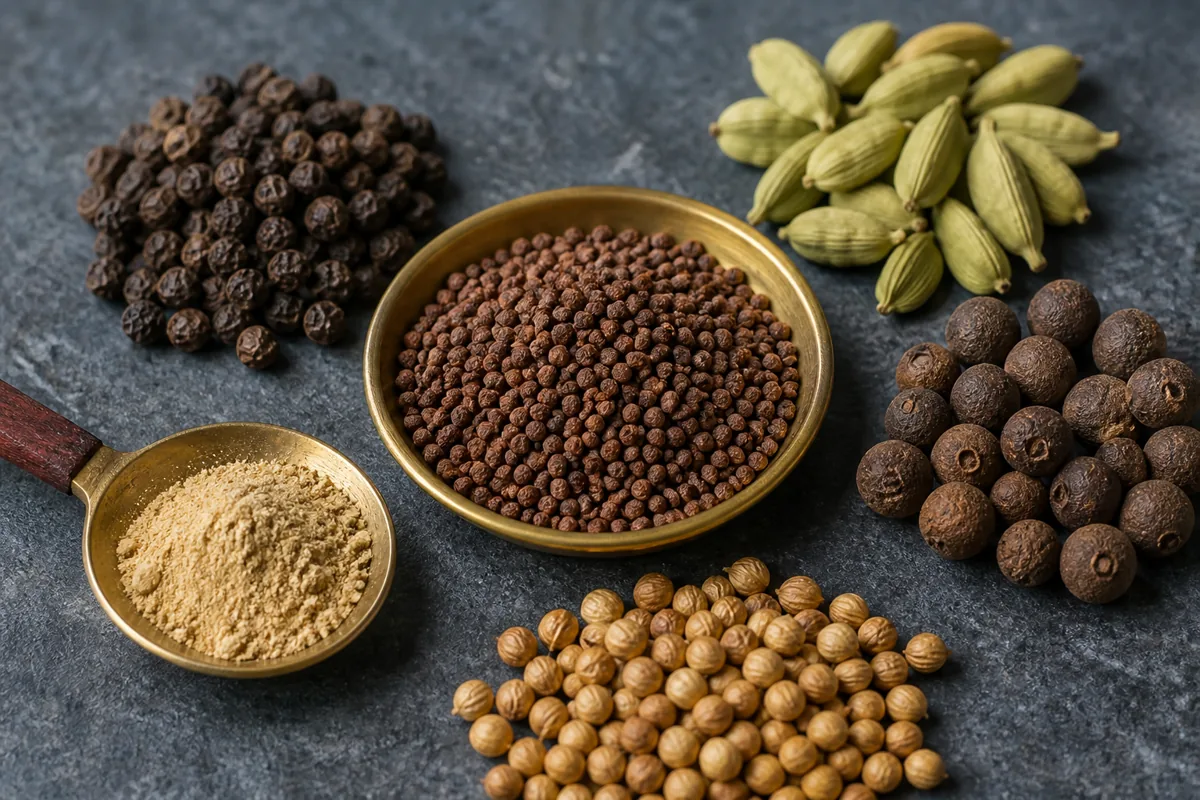
Mix 3 parts freshly ground black pepper with 1 part coriander, then use 3/4 teaspoon of that blend for each teaspoon…
Read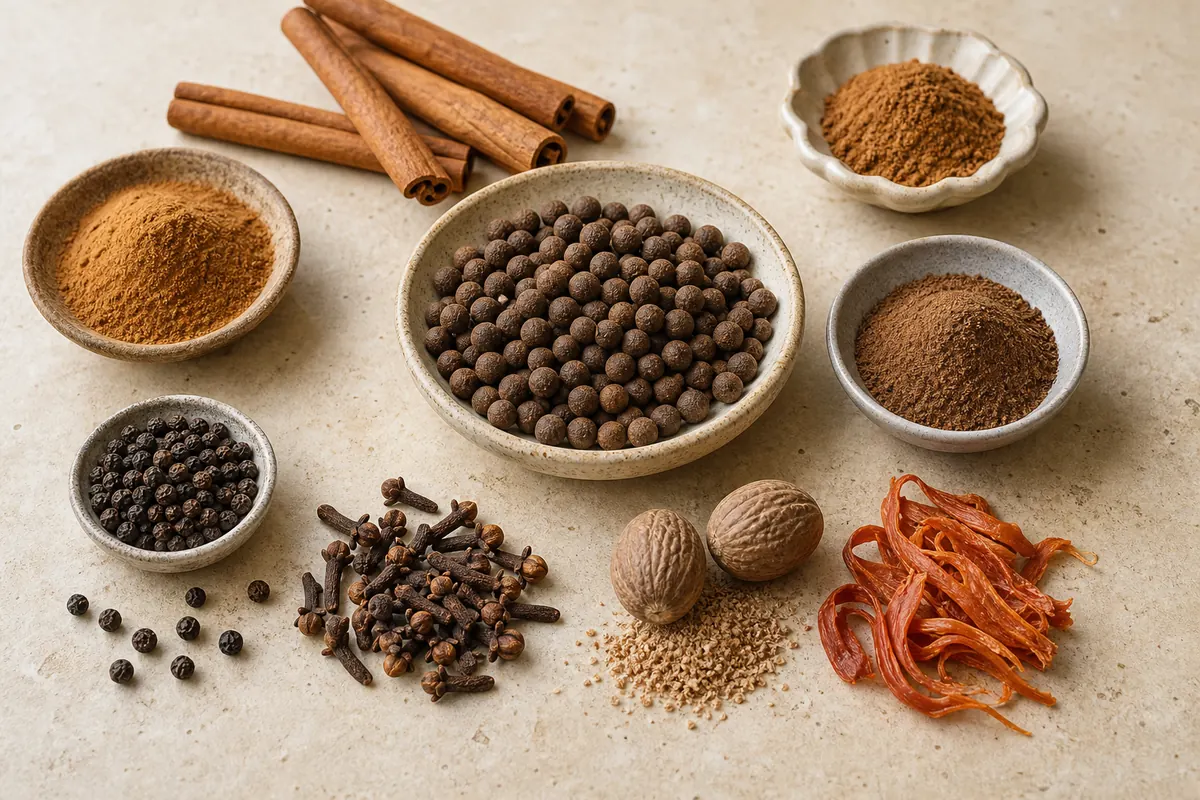
The best allspice substitute is 1/2 teaspoon cinnamon plus 1/2 teaspoon ground cloves for each teaspoon of ground…
Read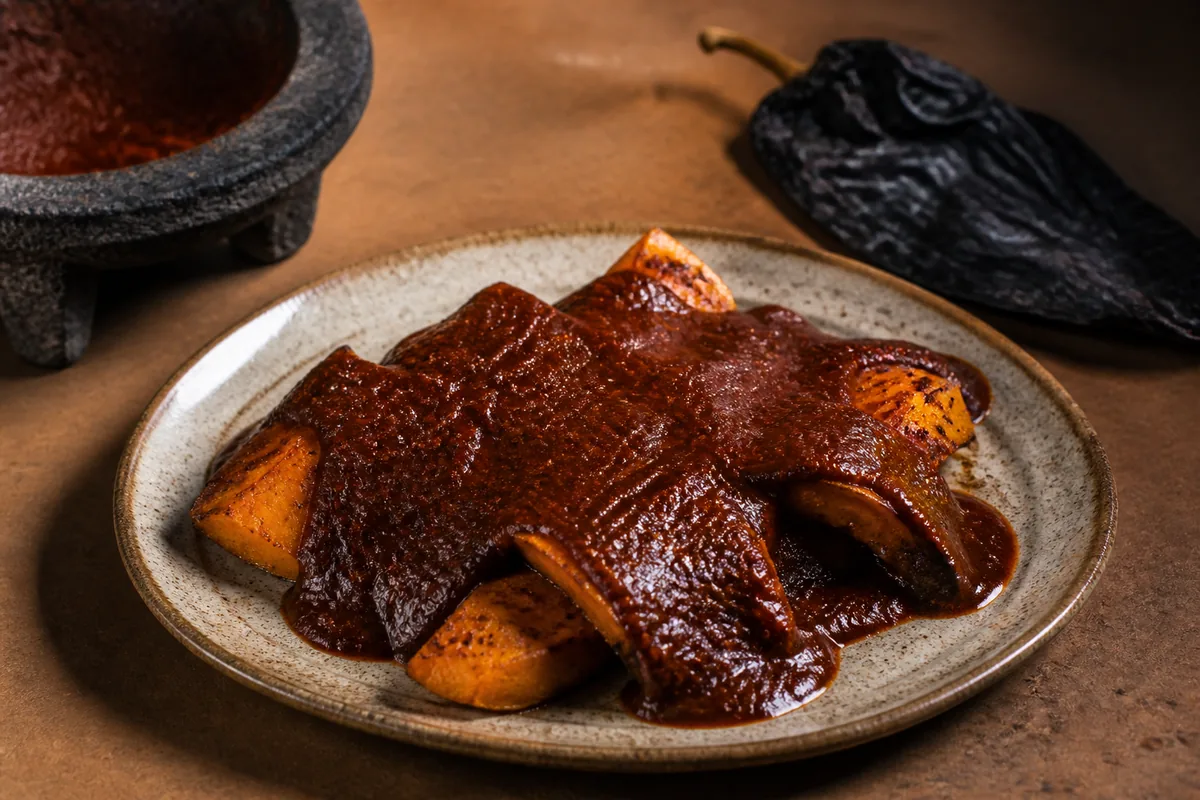
The closest ancho chili powder substitute is a whole dried ancho chile that you stem, seed, and grind. When that is…
Read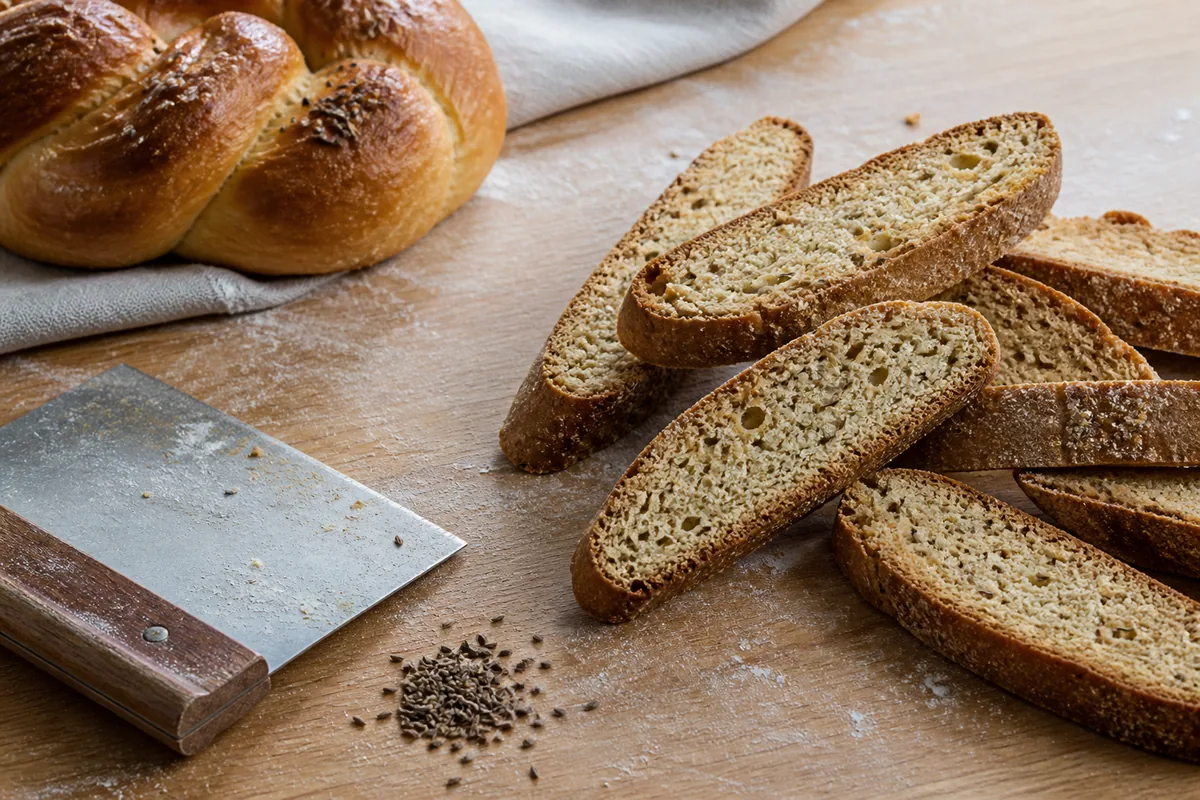
Fennel seed is the best all-purpose anise seed substitute at a one-for-one starting ratio. Use much less star anise in…
Read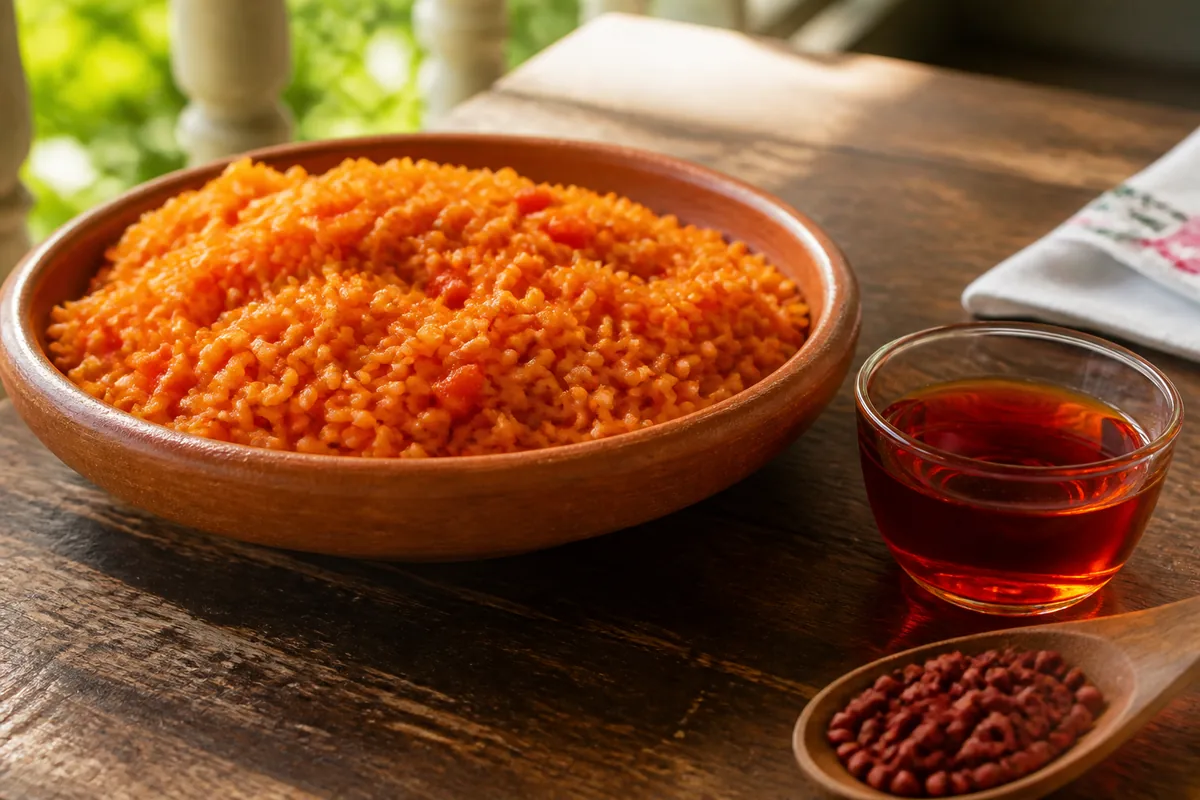
Sweet paprika is the broadest annatto seed substitute when a dish needs mild red-orange color. Use turmeric for…
Read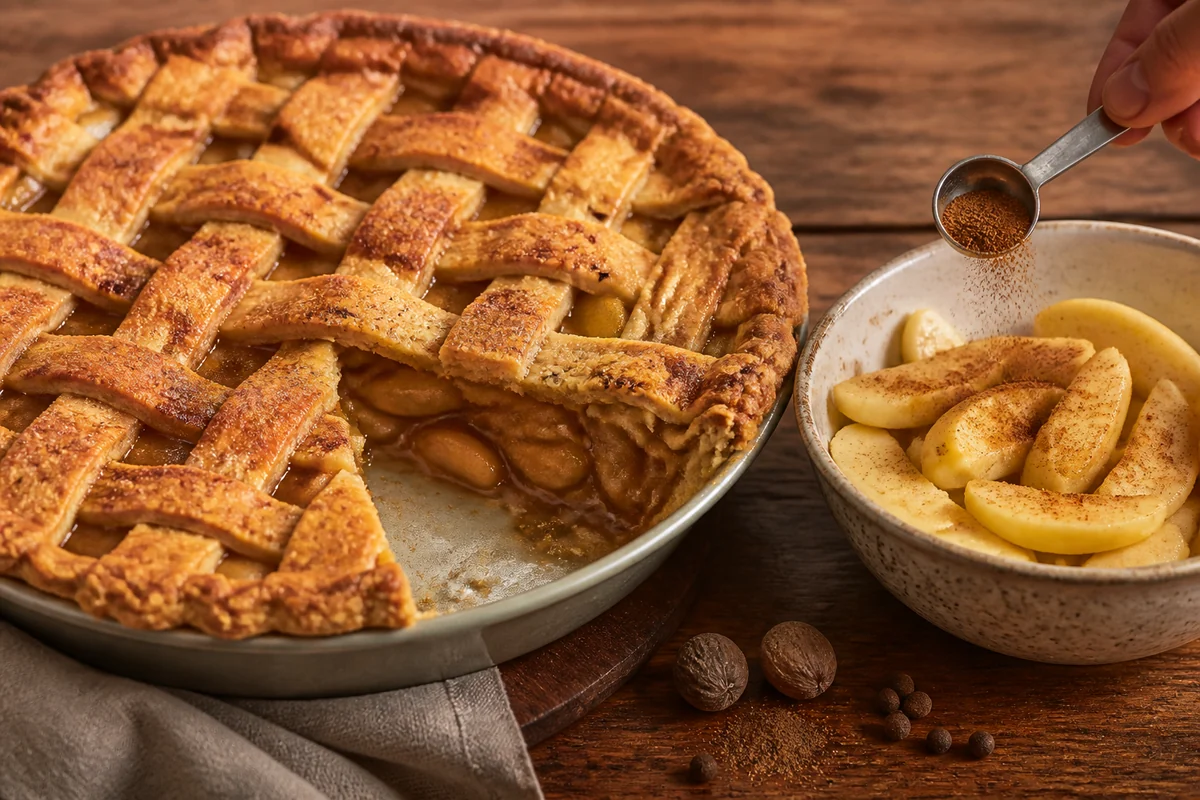
Pumpkin pie spice is the easiest apple pie spice substitute and usually works at equal volume. Use only three-quarter…
Read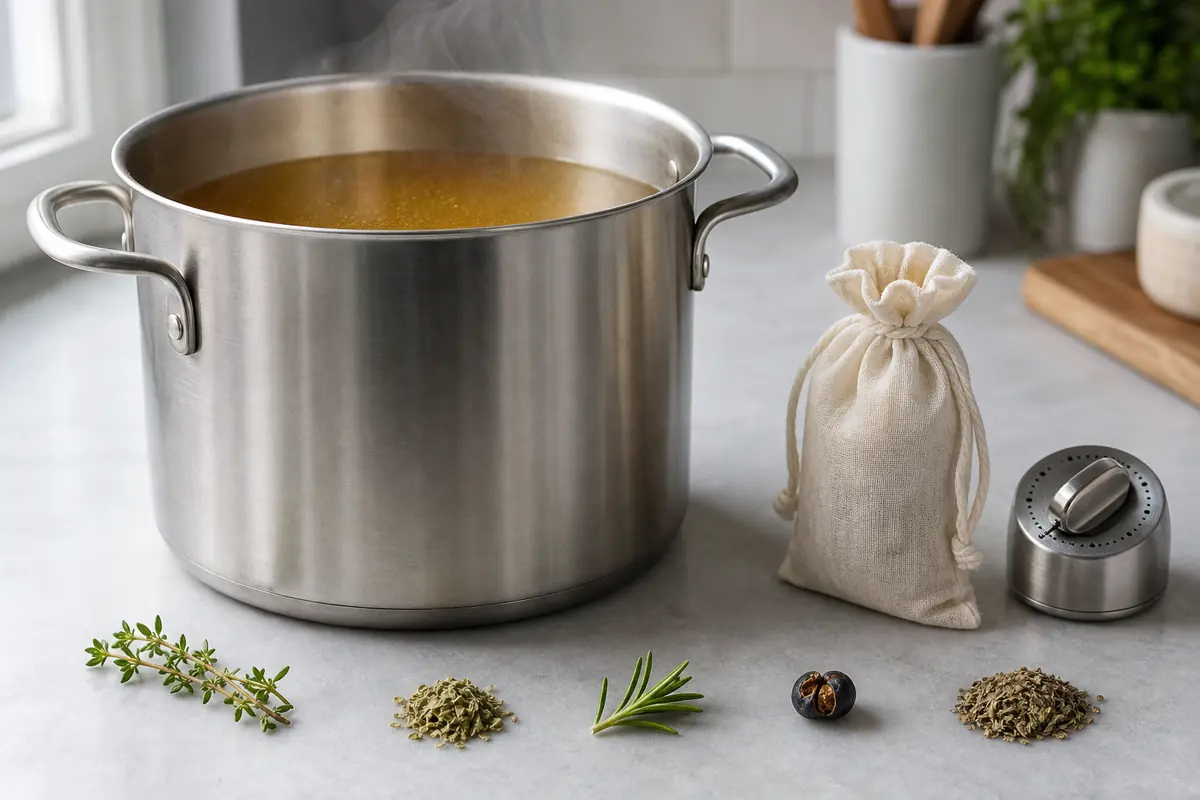
Use one-quarter teaspoon dried thyme or one small fresh thyme sprig for each bay leaf in stock, beans, poultry, or a…
Read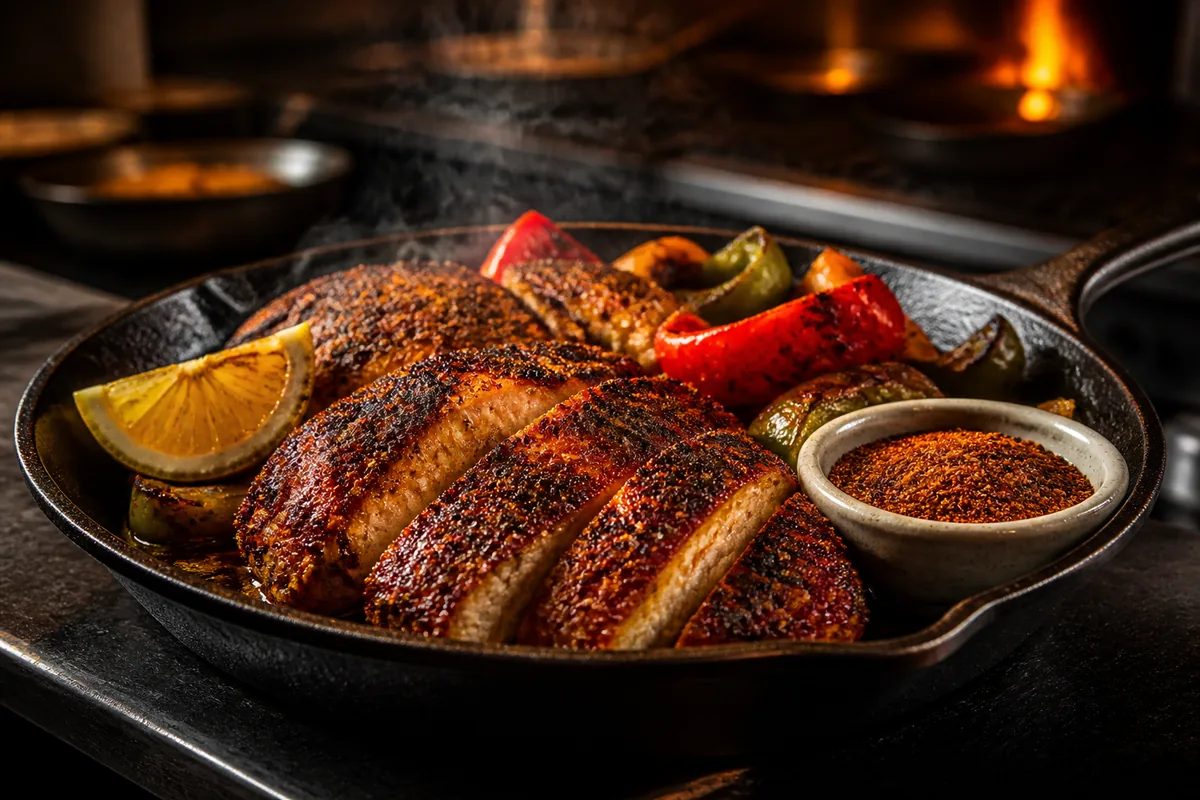
Old Bay is the quickest ready-made Cajun seasoning substitute for seafood, but begin at three-quarter volume and reduce…
Read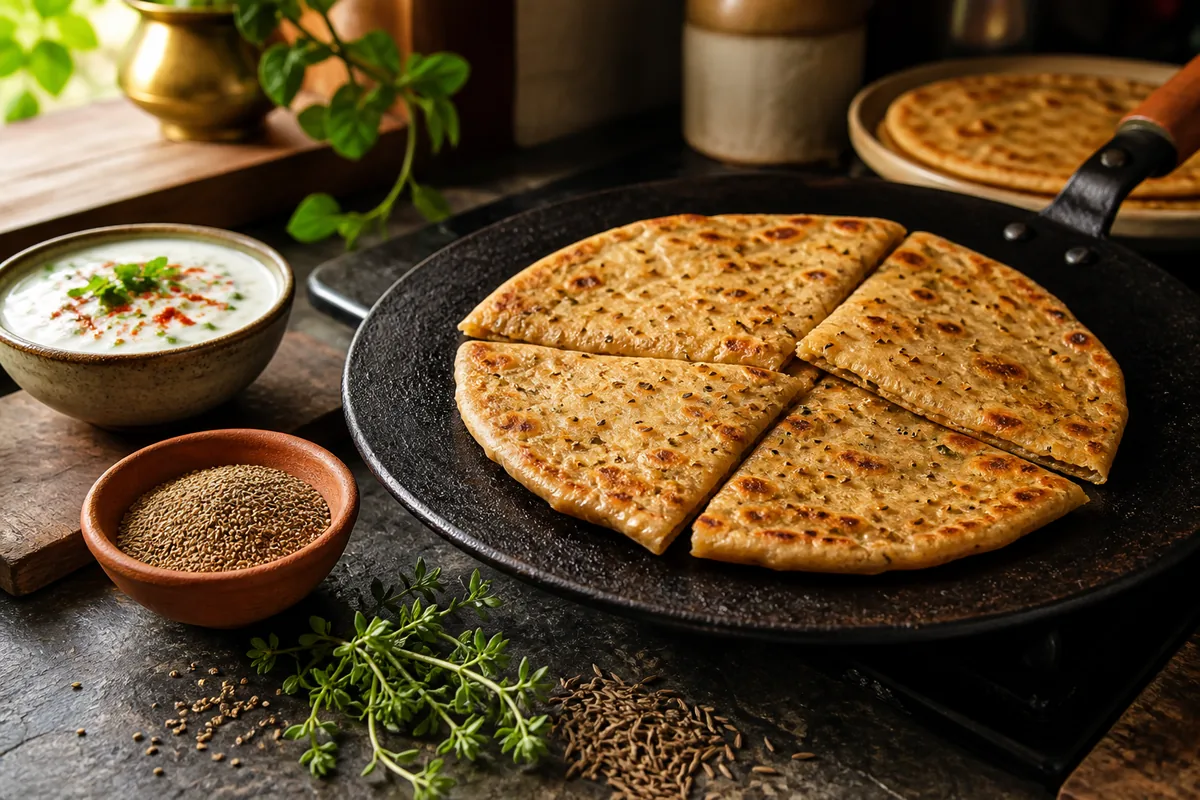
Dried thyme is the closest common carom seed substitute for aroma at a one-for-one starting ratio. Use cumin, fennel…
Read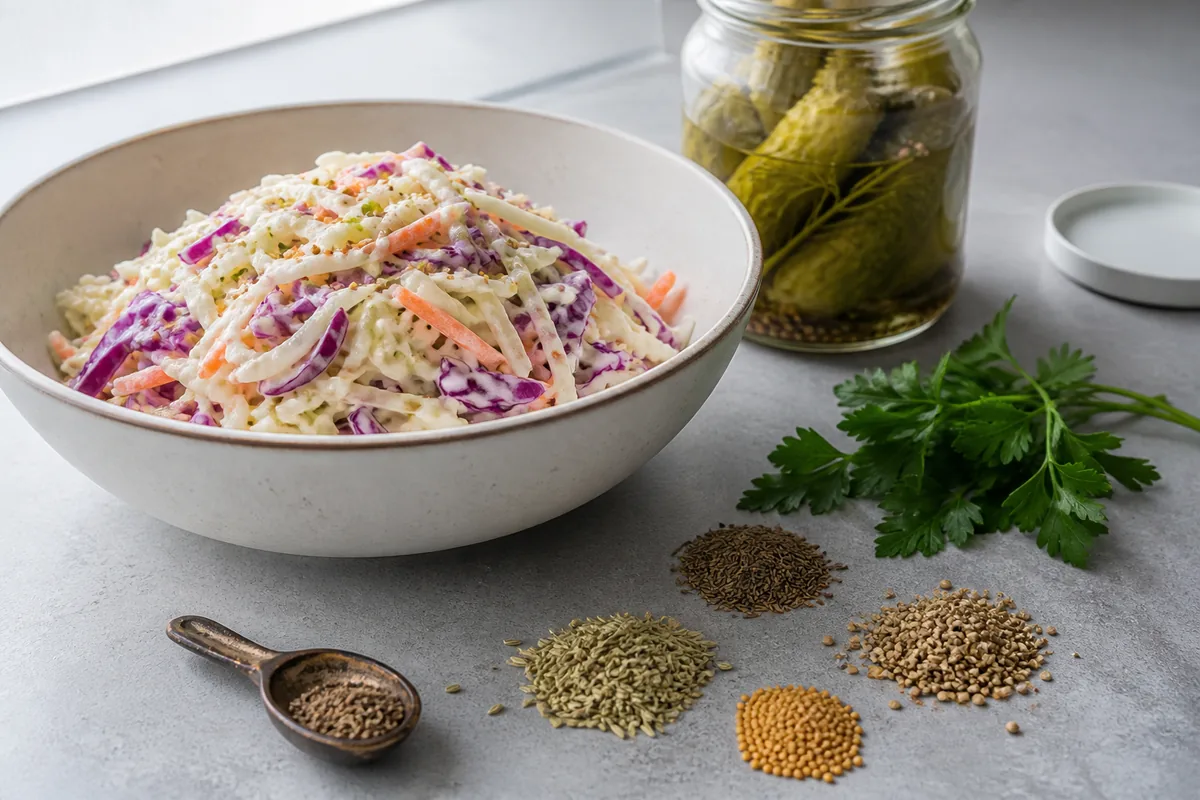
Dill seed is the best celery seed substitute for cold salads and brines, starting at three-quarter volume. Fennel…
Read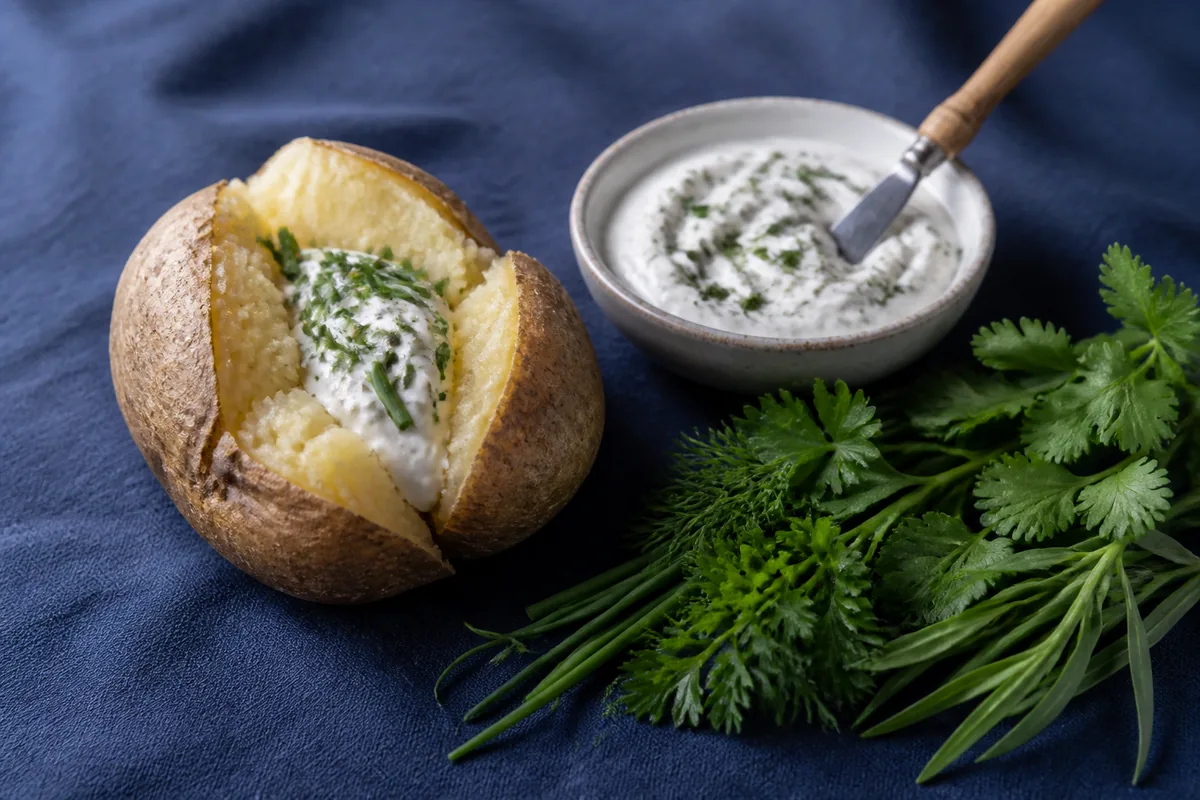
Freeze-dried chives are the closest substitute for fresh chives, using one teaspoon for every two teaspoons fresh…
Read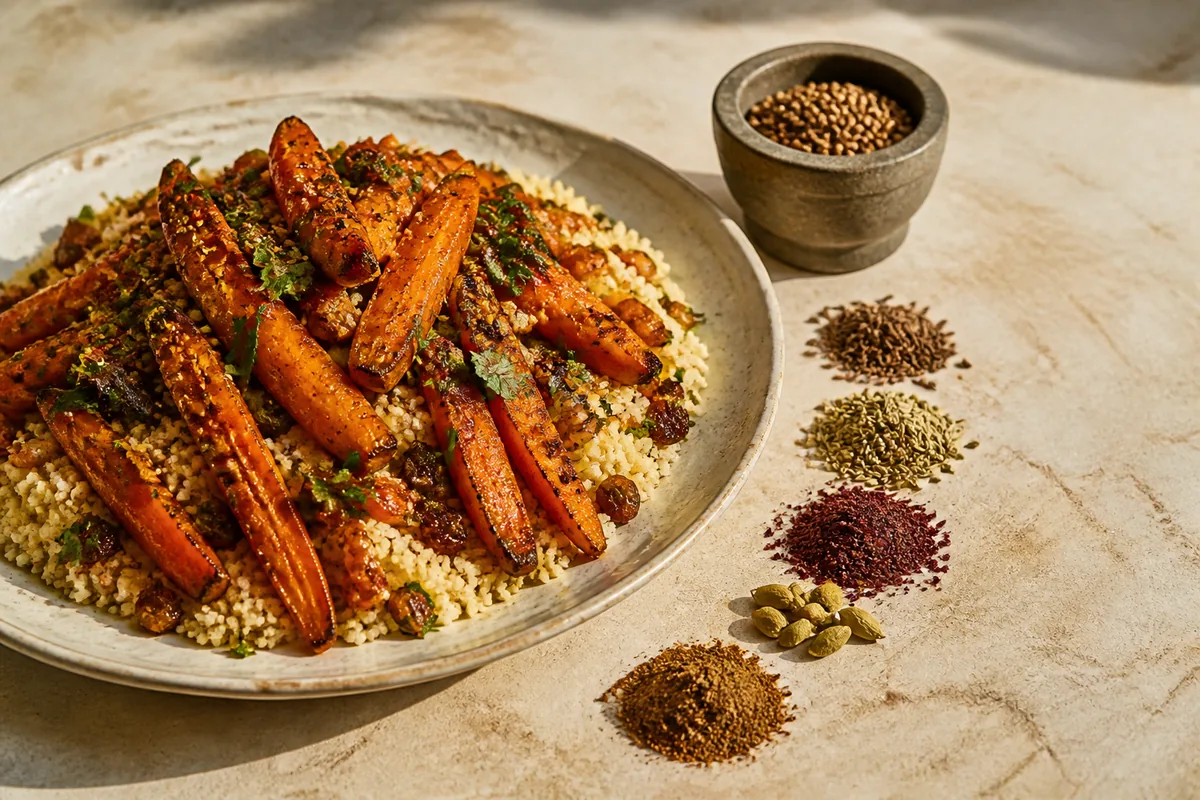
A two-part blend of cumin and fennel is the best general coriander seed substitute for cooked savory food, used at the…
Read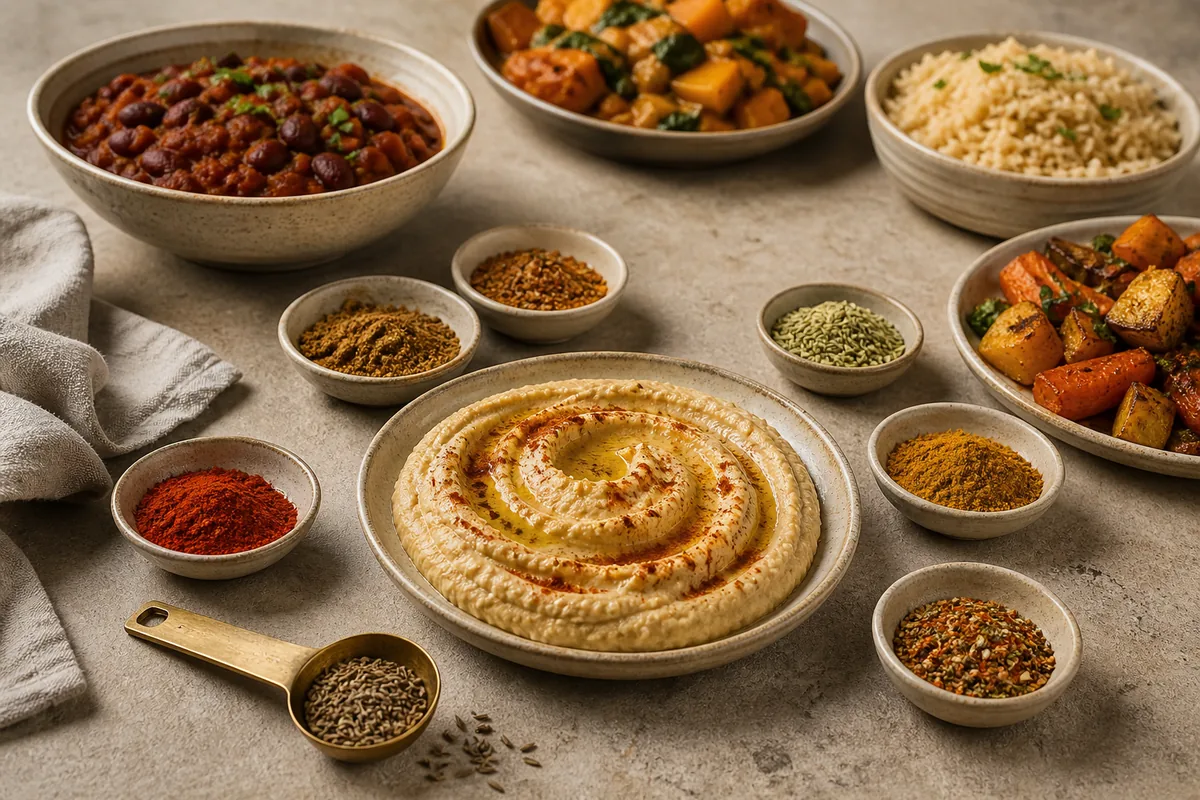
For ground cumin, begin with one-half teaspoon coriander and one-quarter teaspoon smoked paprika per teaspoon cumin…
Read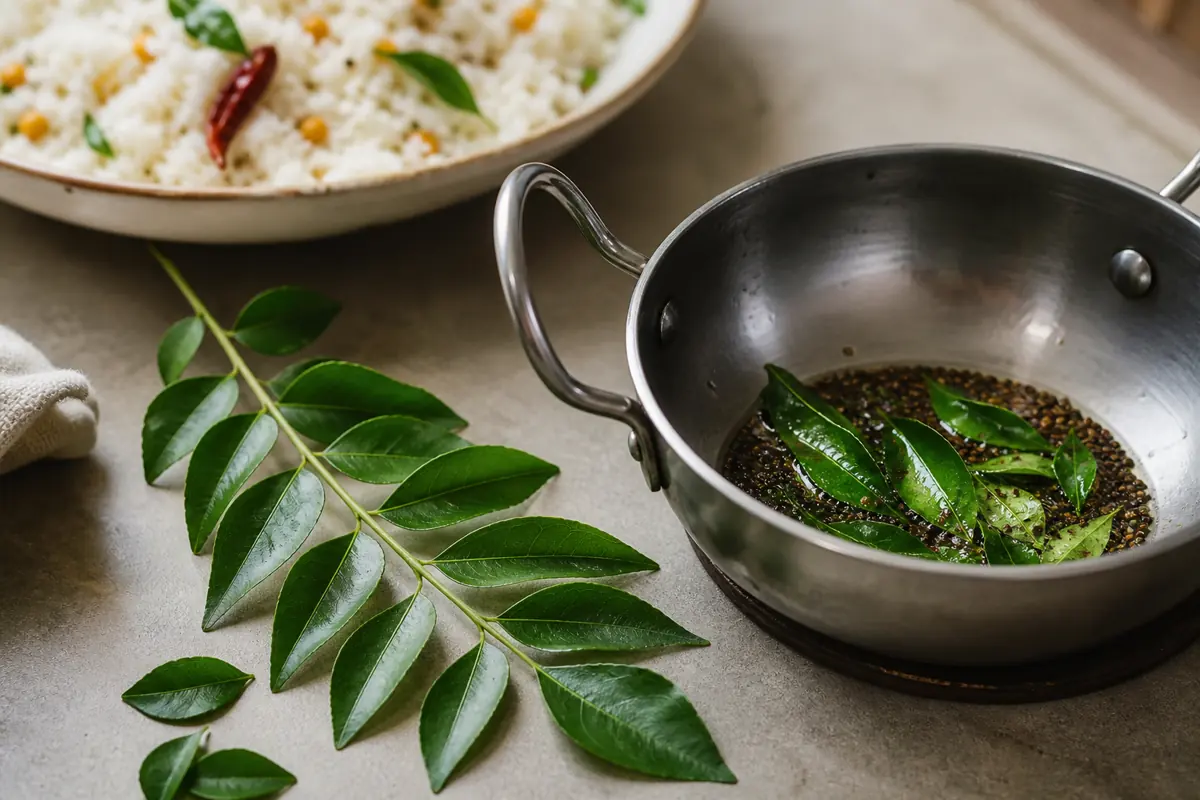
Makrut lime leaf is the best practical substitute for curry leaves in moist cooked dishes, but no replacement…
Read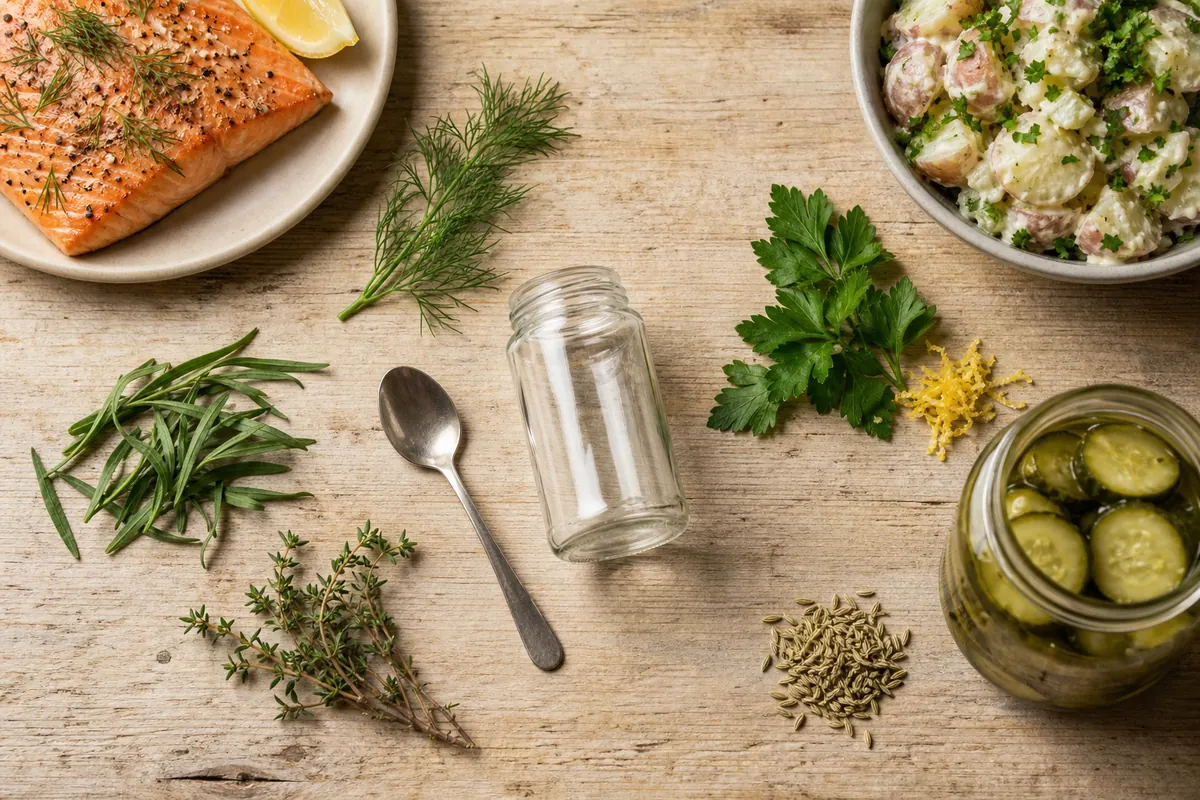
Fresh dill is the closest substitute for dried dill weed, using one tablespoon chopped fresh dill for each teaspoon…
Read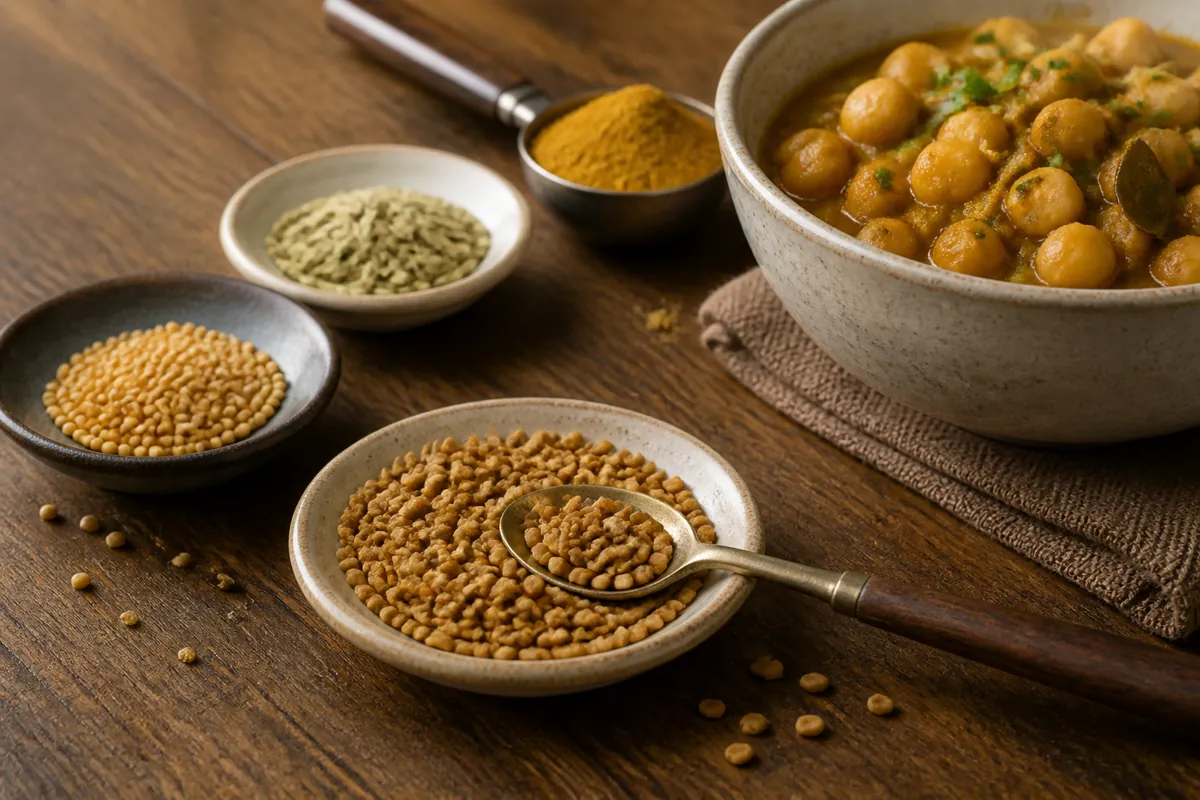
Yellow mustard seed with a trace of maple syrup is the best general fenugreek seed substitute for a cooked savory dish…
Read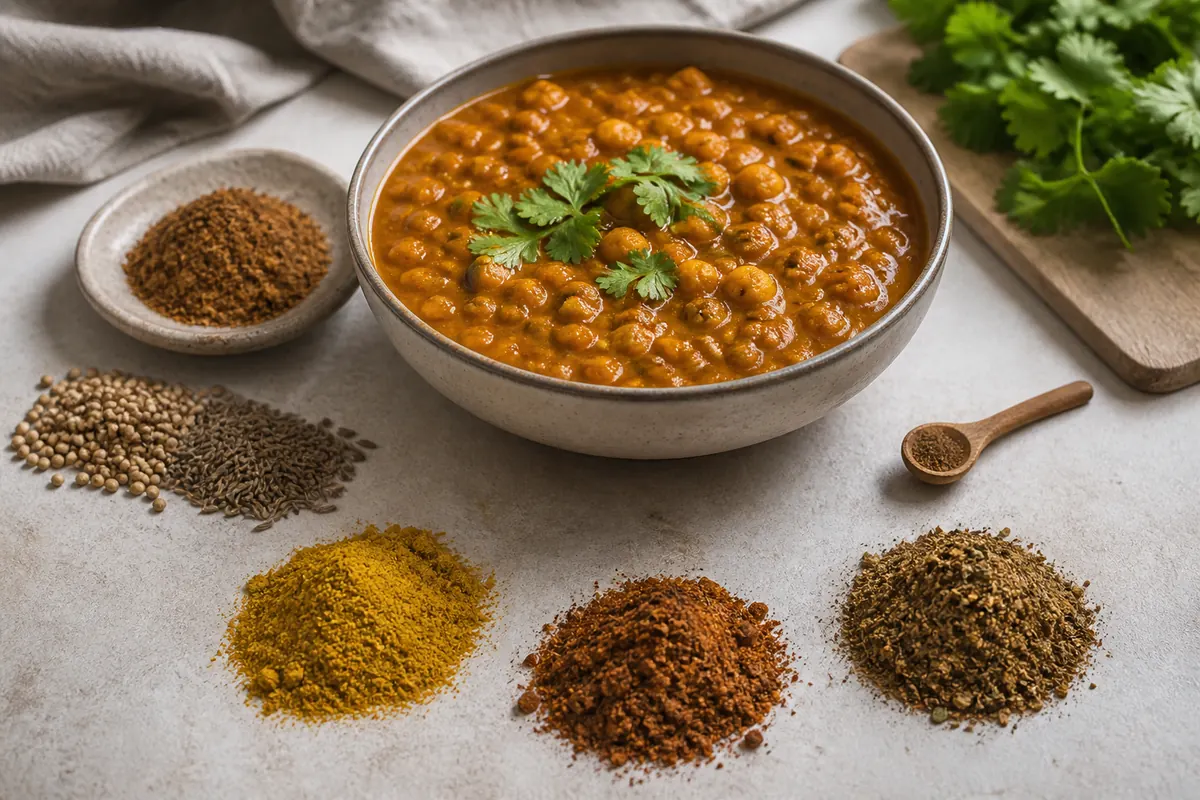
A small homemade blend is the best general garam masala substitute because you can control cumin, coriander, cardamom…
Read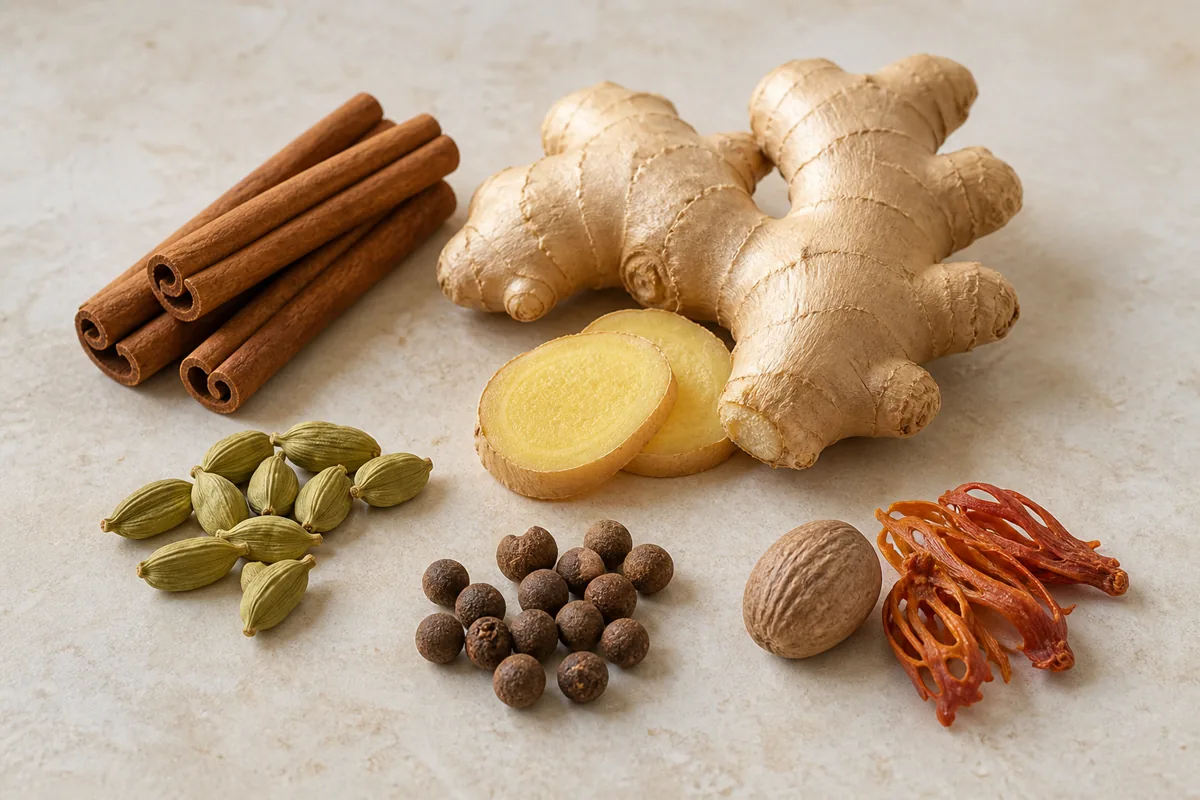
Ground ginger can replace fresh ginger in wet cooked food at 1/4 teaspoon per tablespoon, while galangal or turmeric…
Read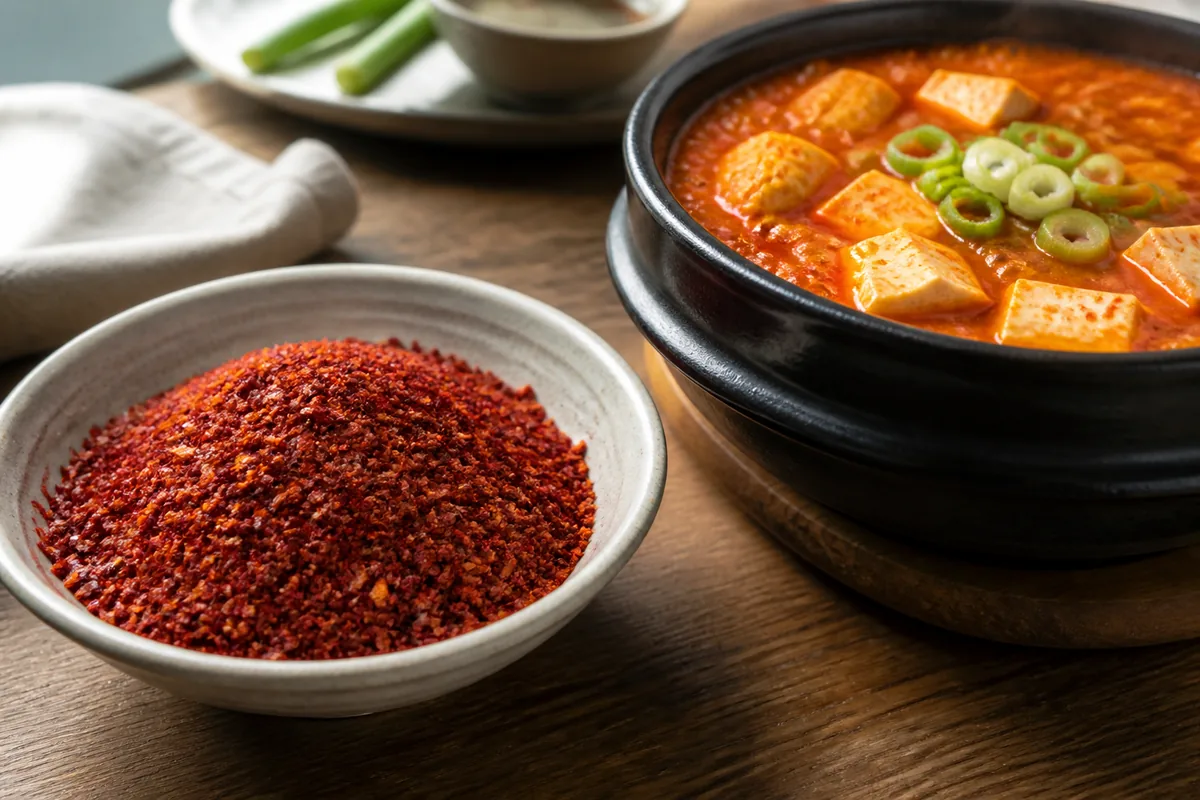
## Gochugaru Has Four Jobs to Replace Aleppo pepper is the closest single-jar gochugaru substitute for most cooked…
Read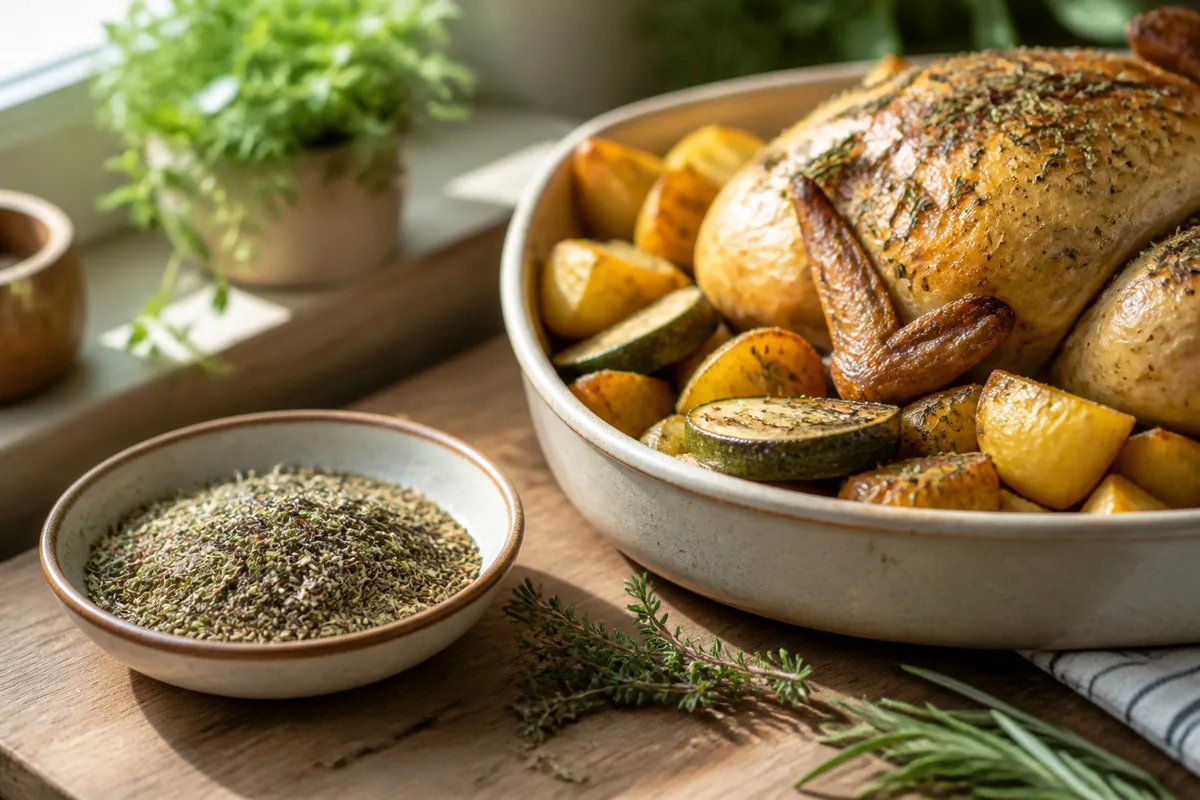
## Herbs de Provence Is a Savory Herb Blend Before It Is Floral The closest herbs de Provence substitute is a measured…
Read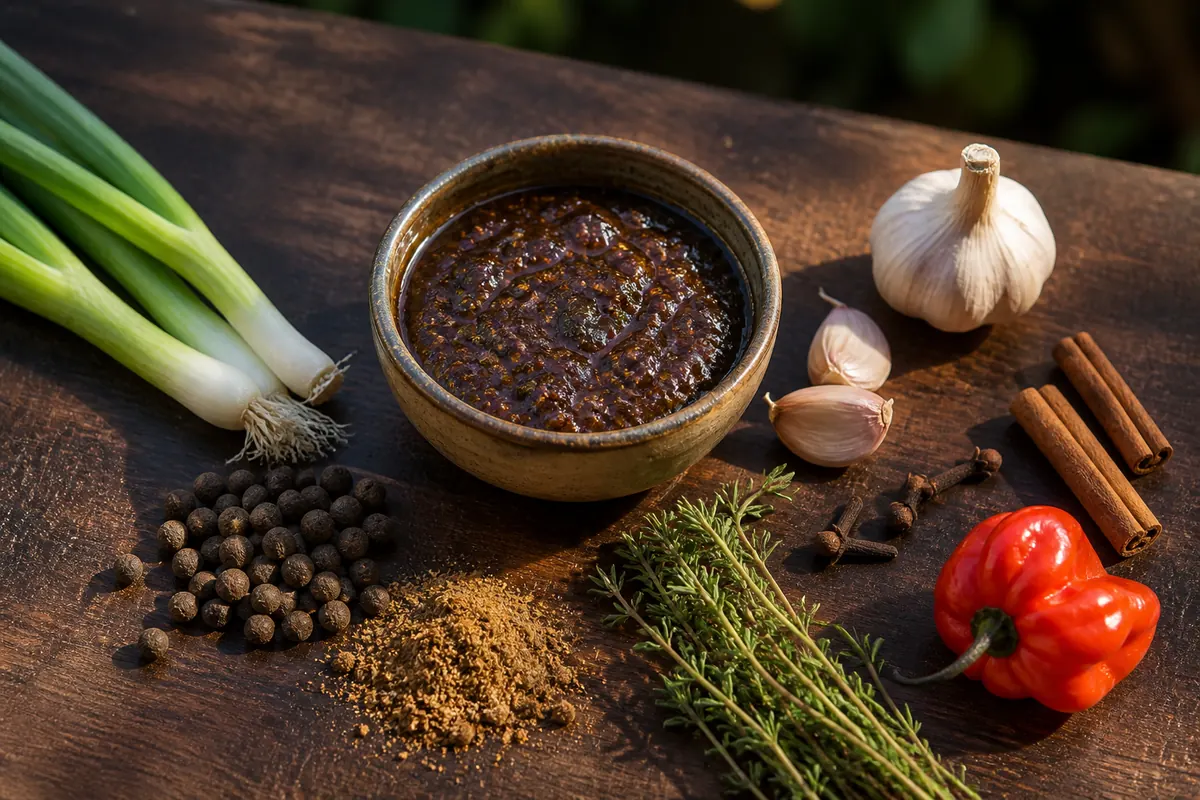
## Jerk Seasoning Needs Allspice, Thyme, and Chile Together The closest jerk seasoning substitute is a small homemade…
Read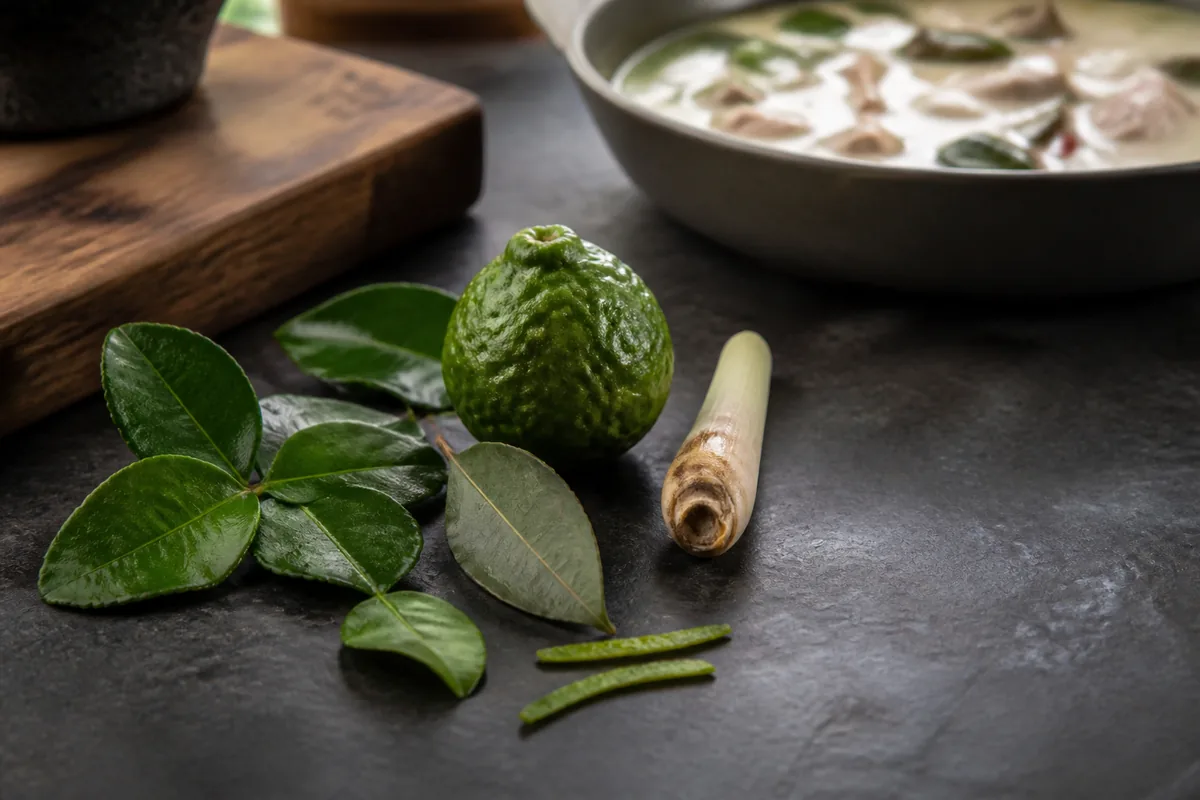
Replace the leaf by aroma, form, and cooking time instead of reaching for lime juice.
Read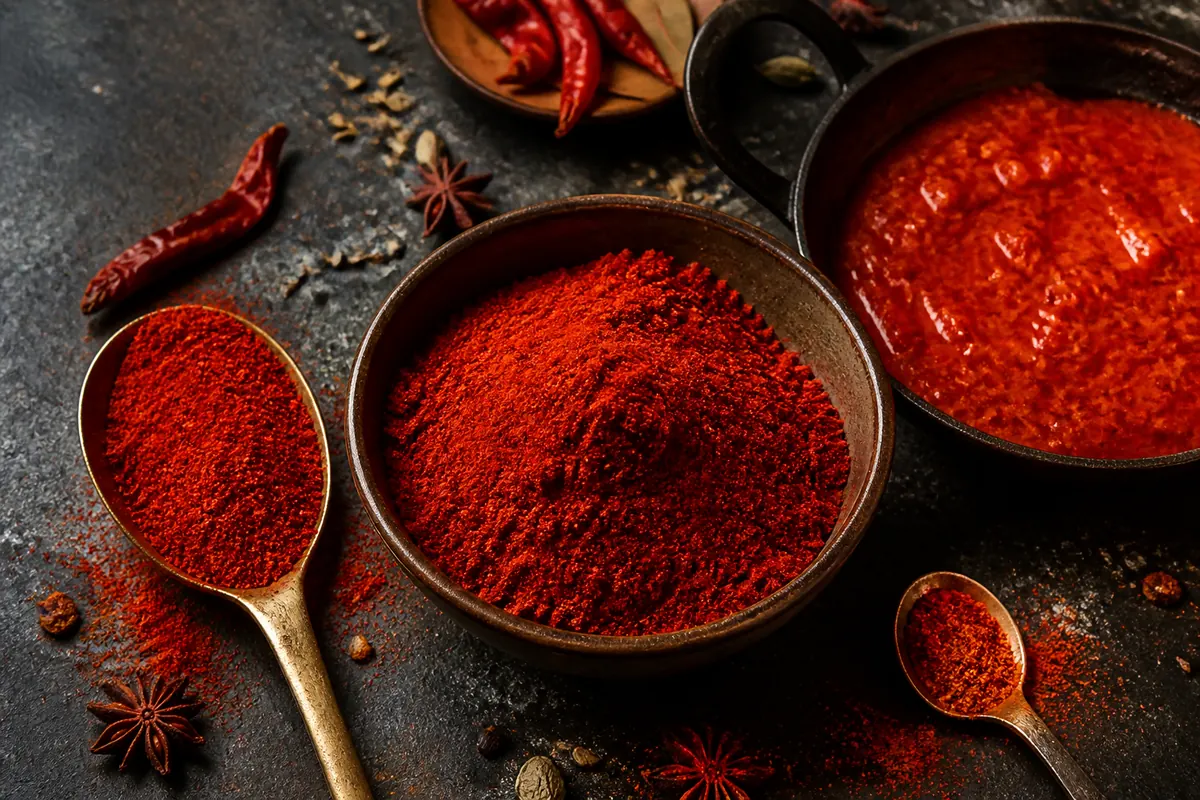
## Kashmiri Chili Powder Does Two Jobs at Once The closest Kashmiri chili powder substitute is 3/4 teaspoon sweet…
Read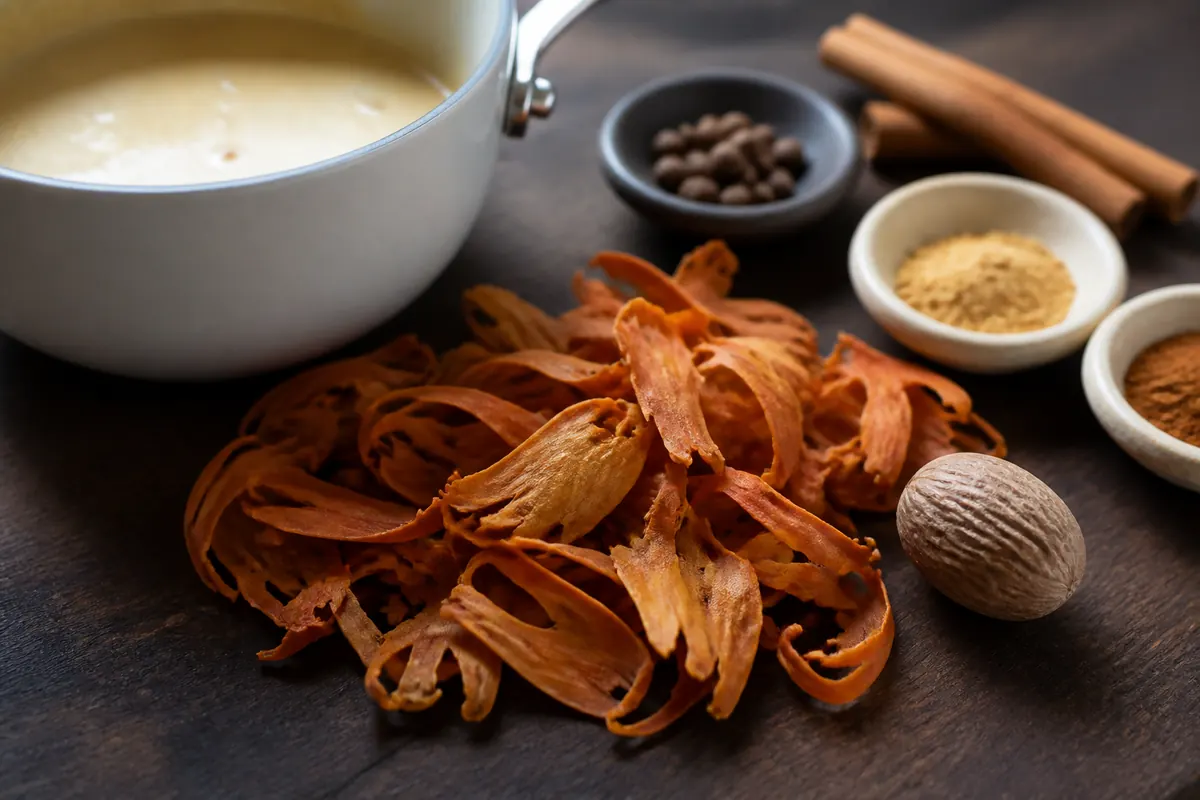
Match mace's light nutmeg warmth without darkening pale sauces or pushing cakes toward clove.
Read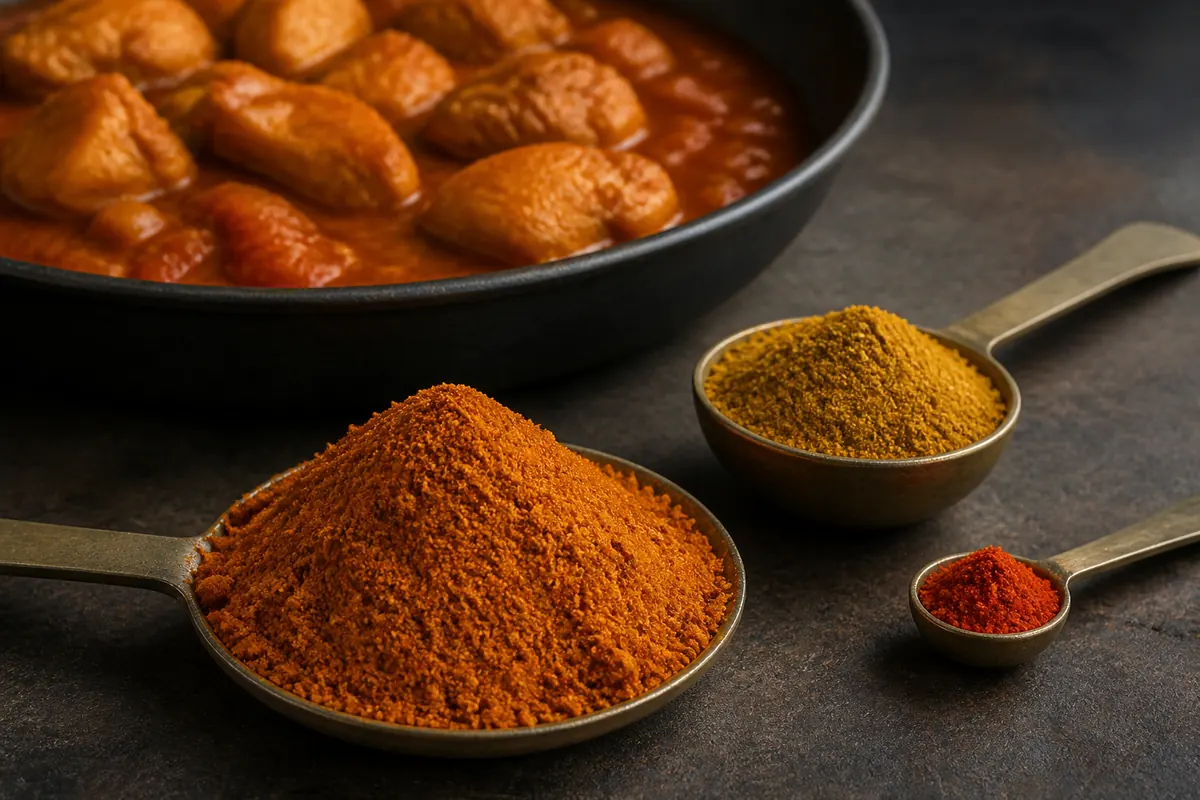
Rebuild the coriander-cumin base, turmeric color, and chile heat as separate controls.
Read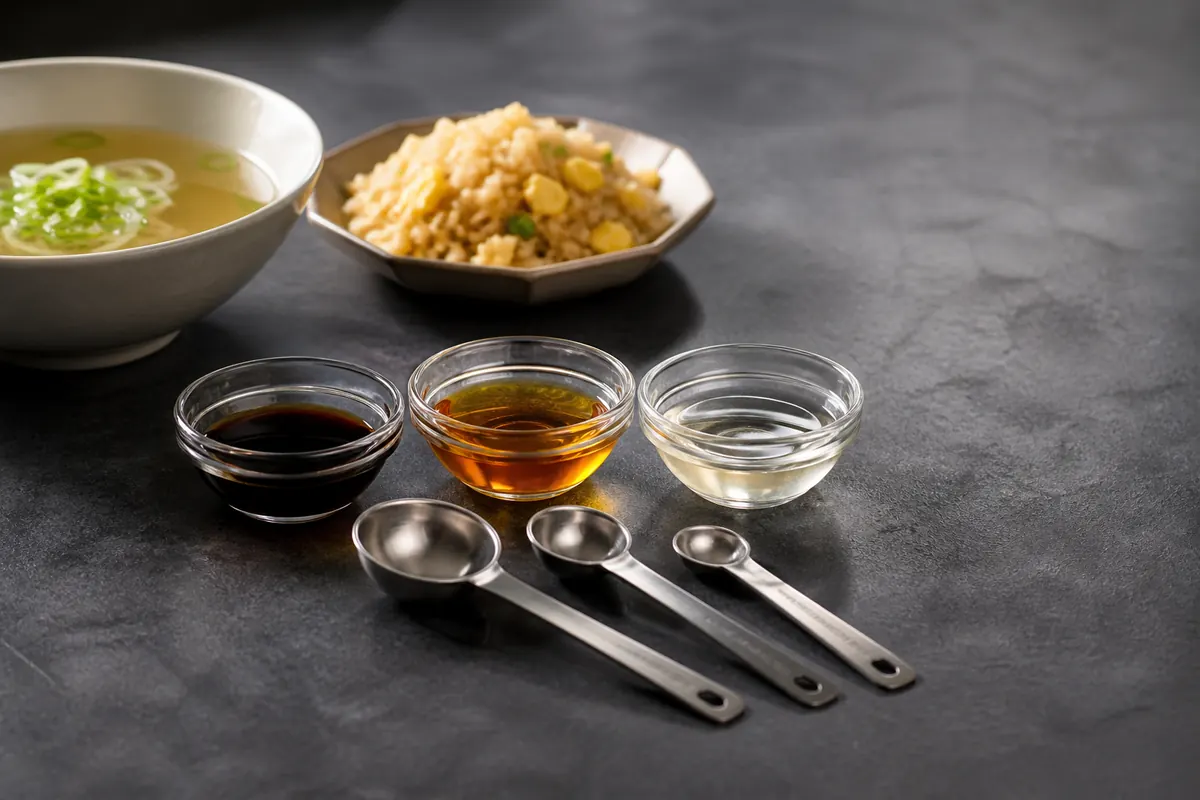
Match the salt, savory depth, and cooking job before choosing a replacement
Read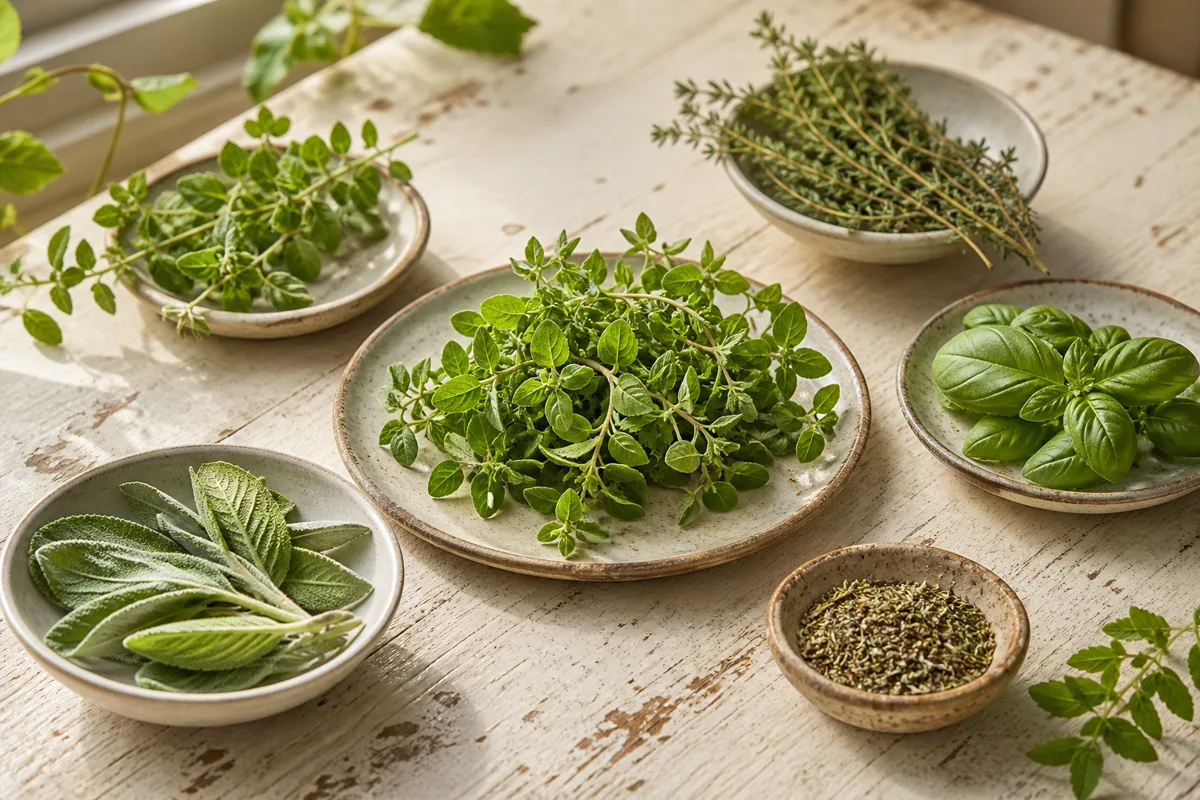
Oregano is the closest common substitute, but use only one half to two thirds as much. Thyme works better at a 1:1…
Read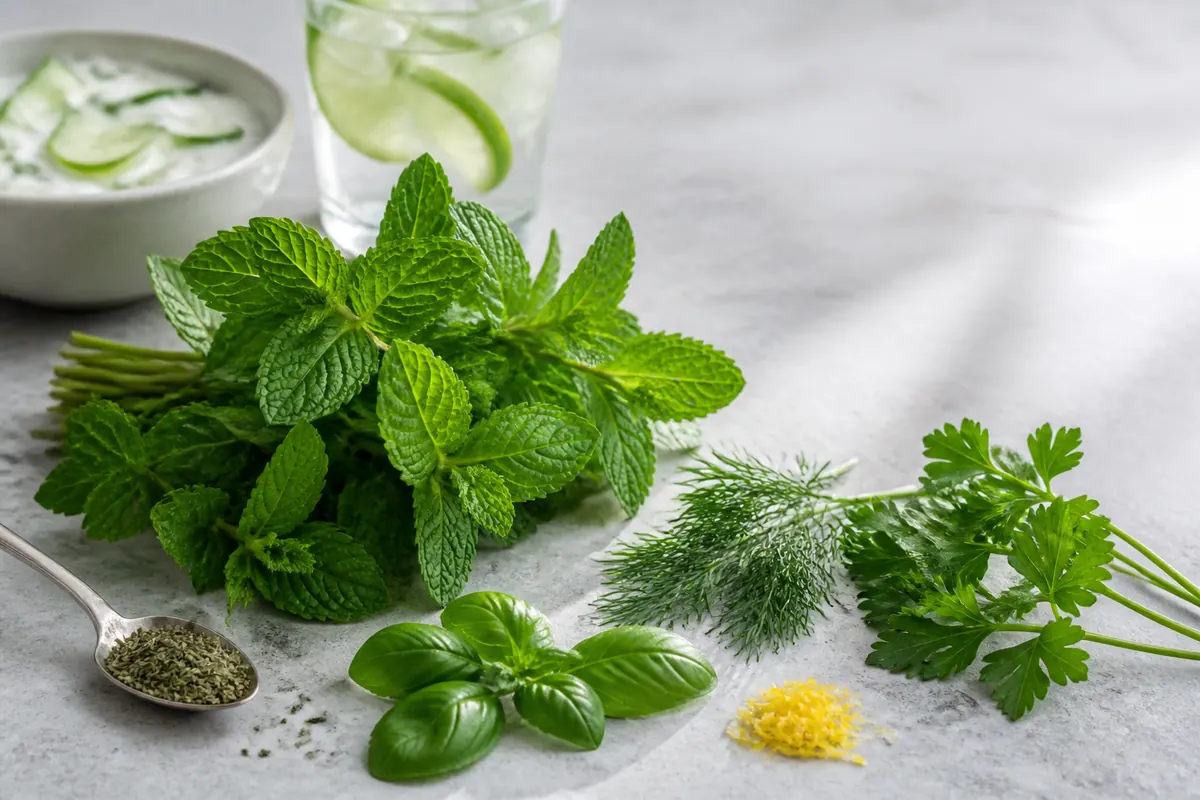
Match cooling aroma, green volume, and dish context before changing the herb
Read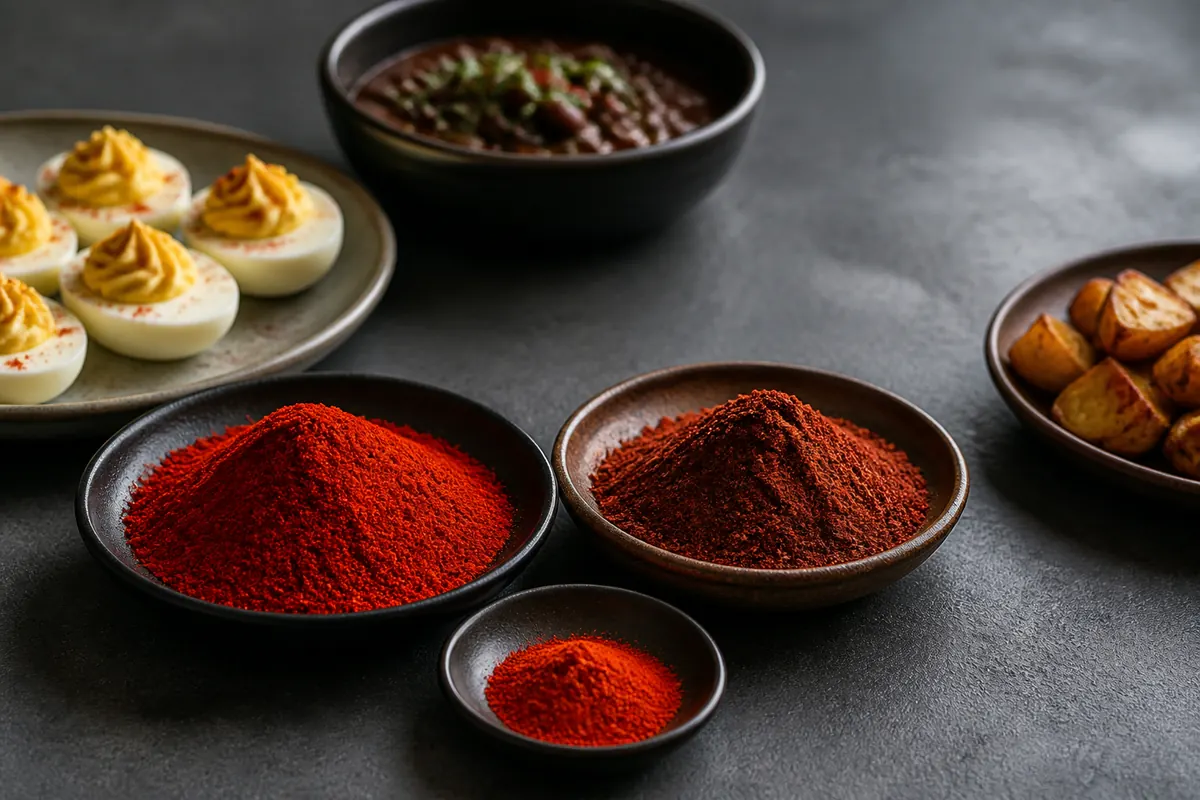
Identify the paprika type first, then replace only the job the dish needs
Read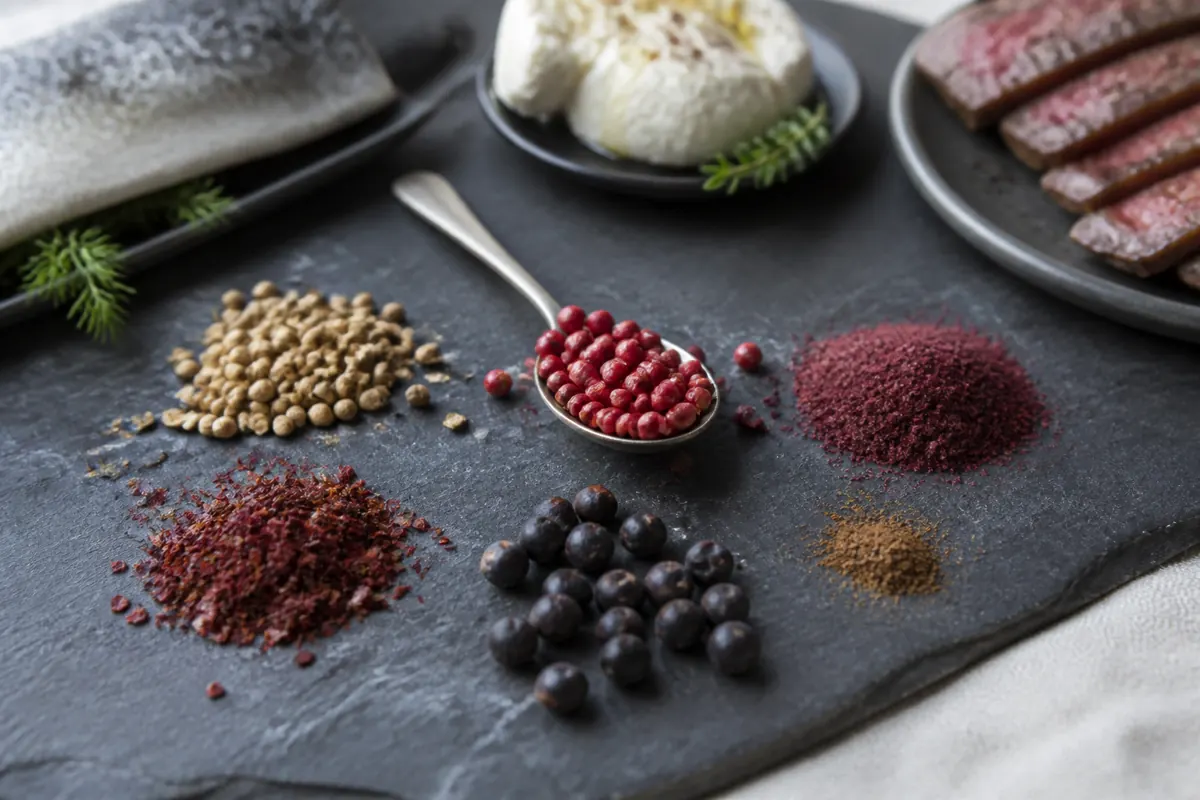
Choose for floral aroma, rosy color, resin, or gentle warmth instead of treating every pepper alike.
Read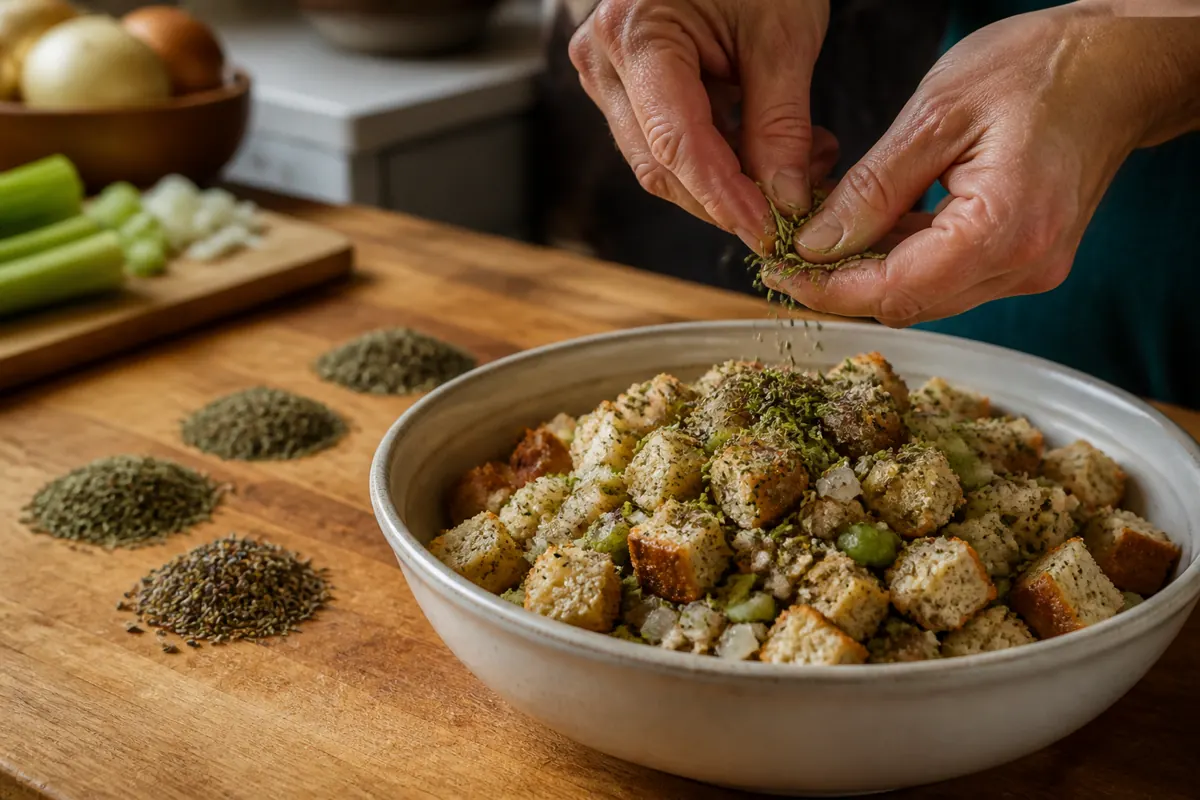
Rebuild the sage-led blend, then change the herb choice for stuffing, roast skin, soup, or gravy.
Read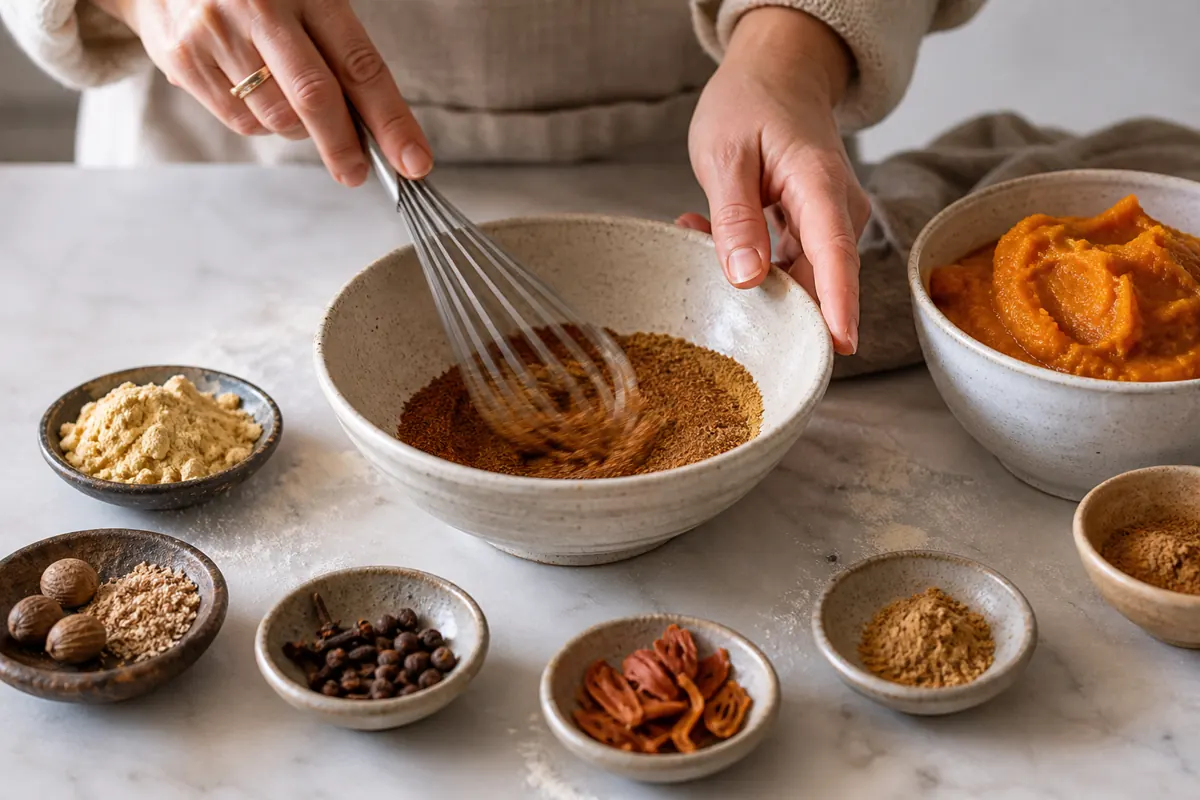
Mix the closest four-spice replacement or choose one controlled fallback for pie, cake, oatmeal, or drinks.
Read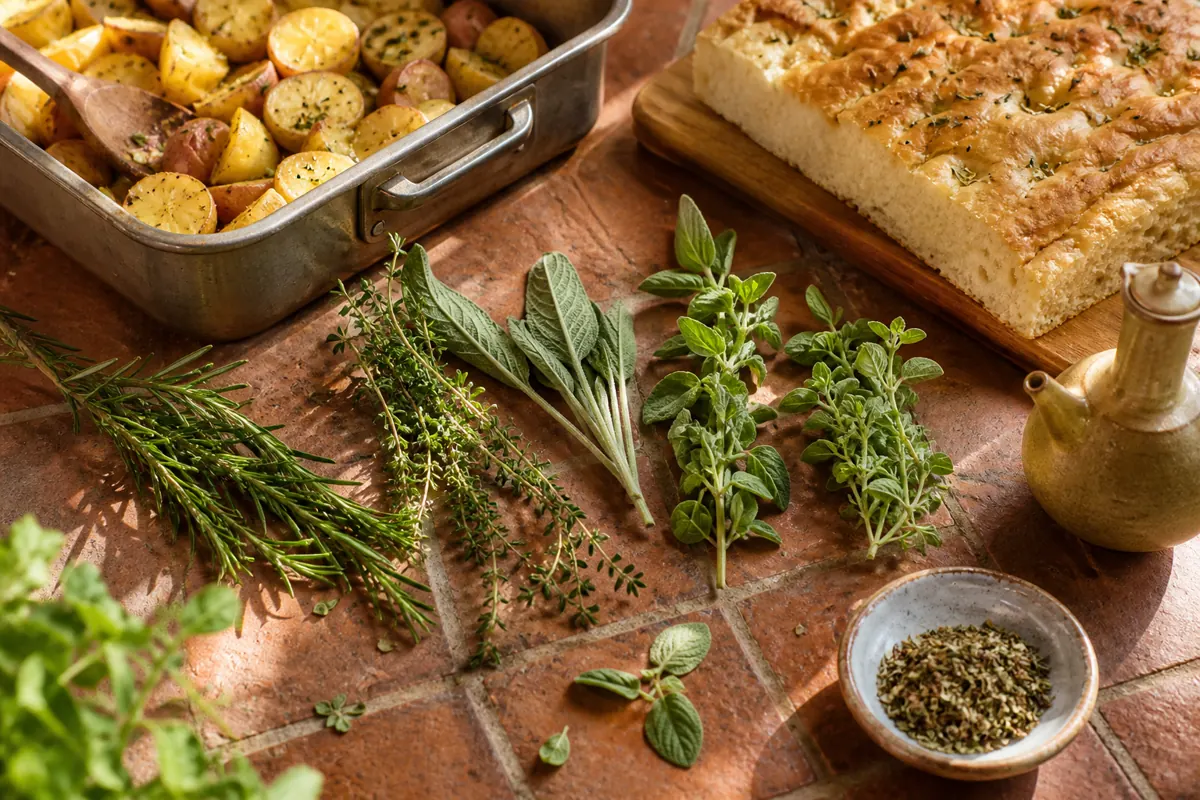
Match rosemary's woody durability with the right herb form for roasts, bread, sauce, beans, or infusion.
Read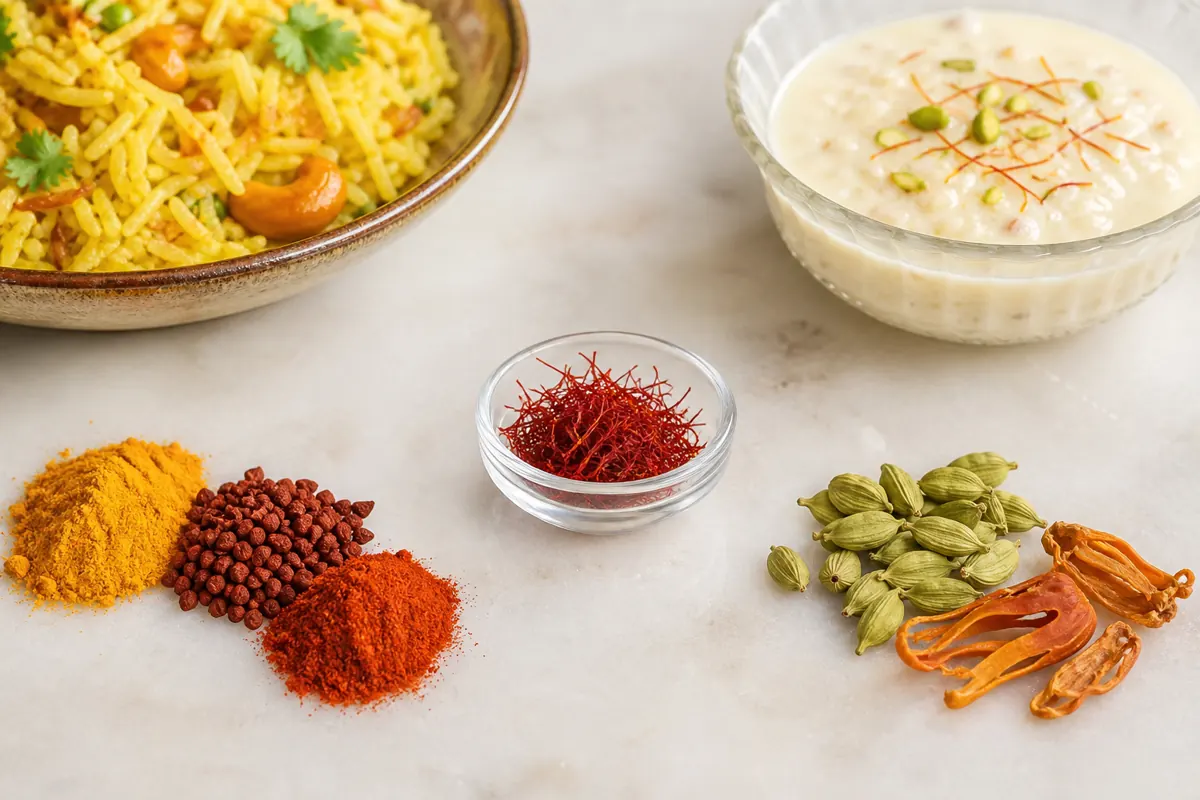
Choose a measured color substitute for savory food or an aromatic substitute for rice, dairy, and sweets.
Read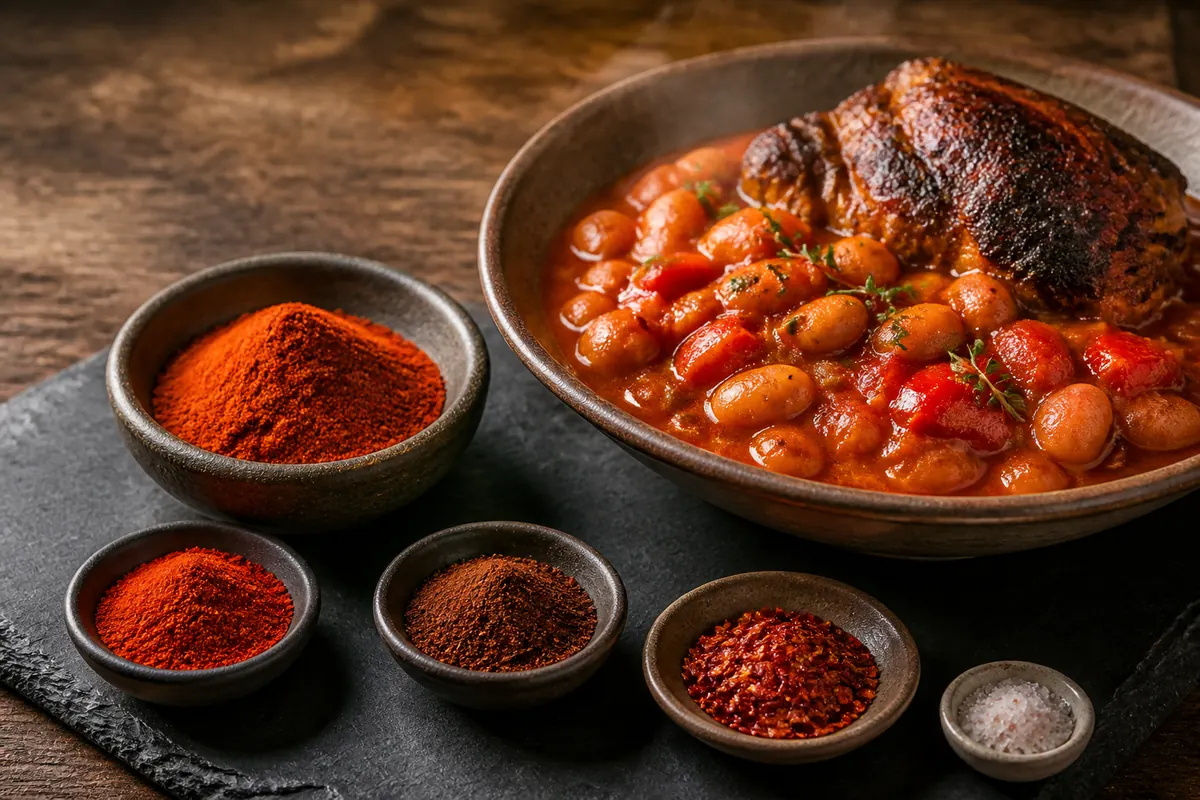
## Smoked Paprika Combines Red Pepper with Real Wood Smoke The closest controllable smoked paprika substitute is…
Read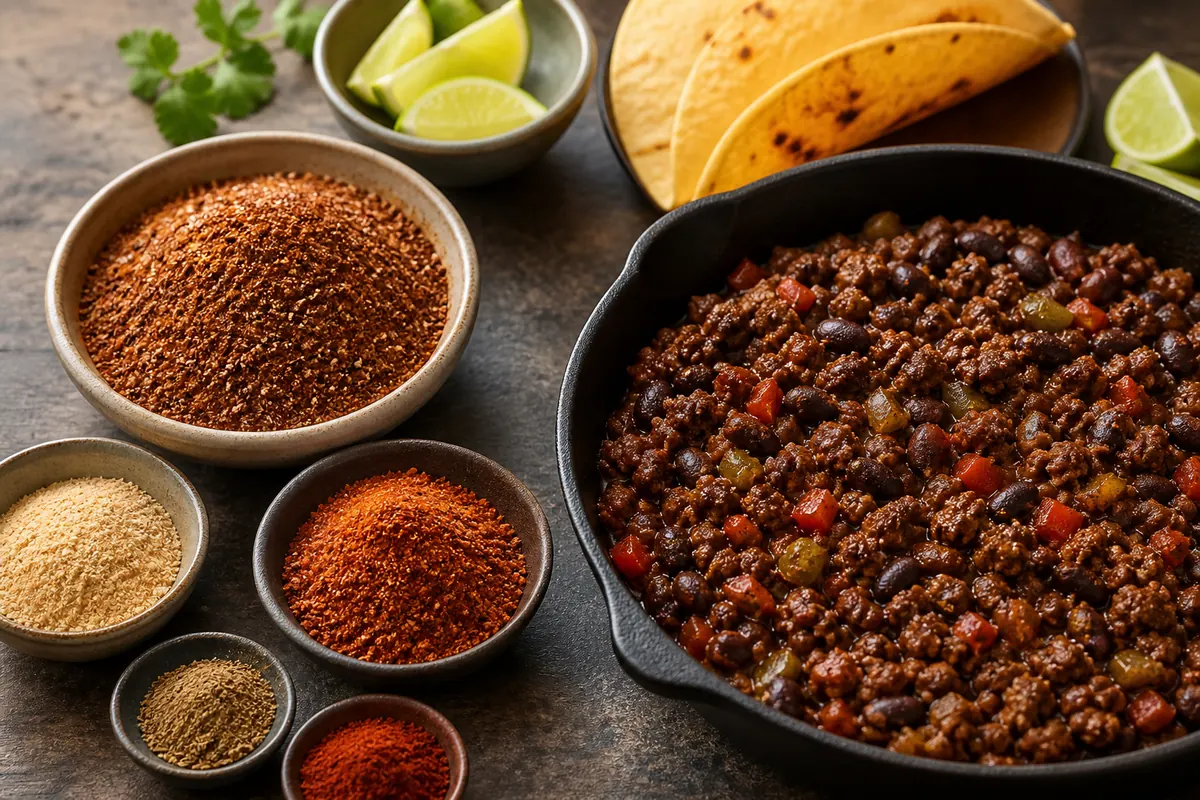
## Taco Seasoning Has a Chile-Cumin Core and Two Packet Extras The closest taco seasoning substitute is a homemade mix…
Read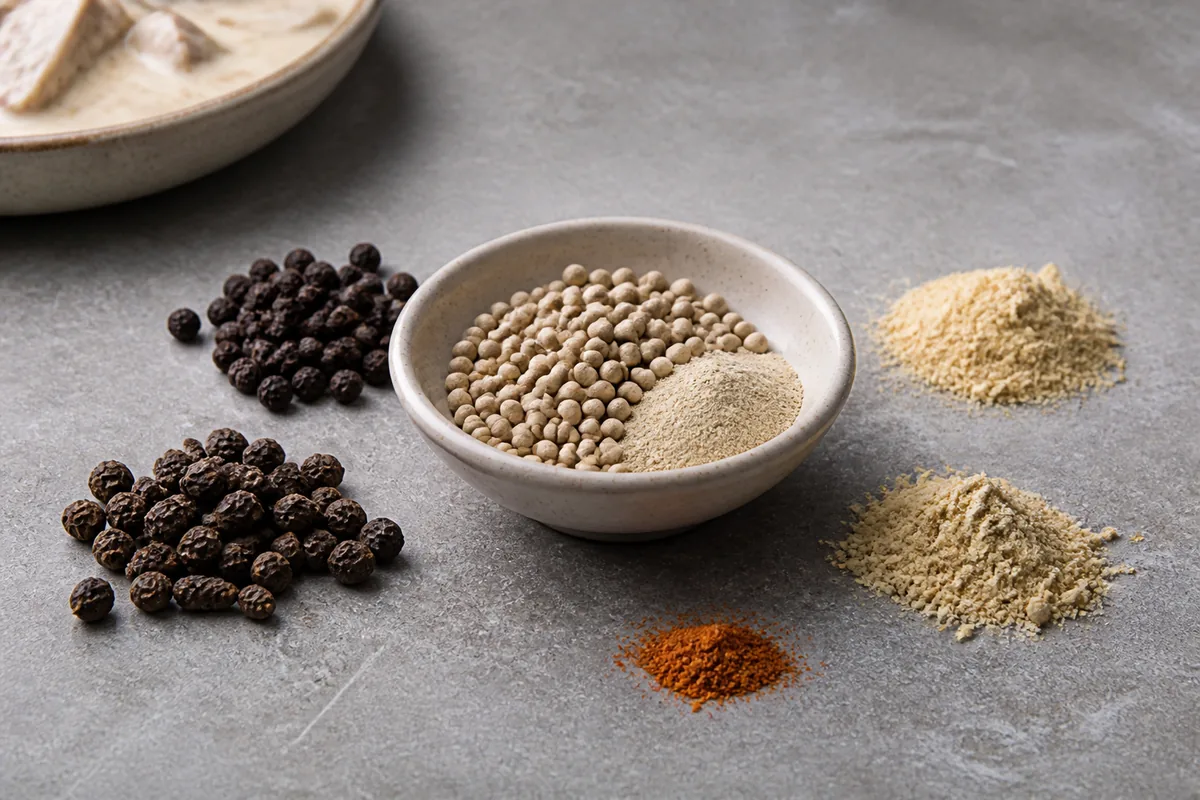
Black pepper is the closest white pepper substitute when visible specks are acceptable. Start with 3/4 teaspoon black…
Read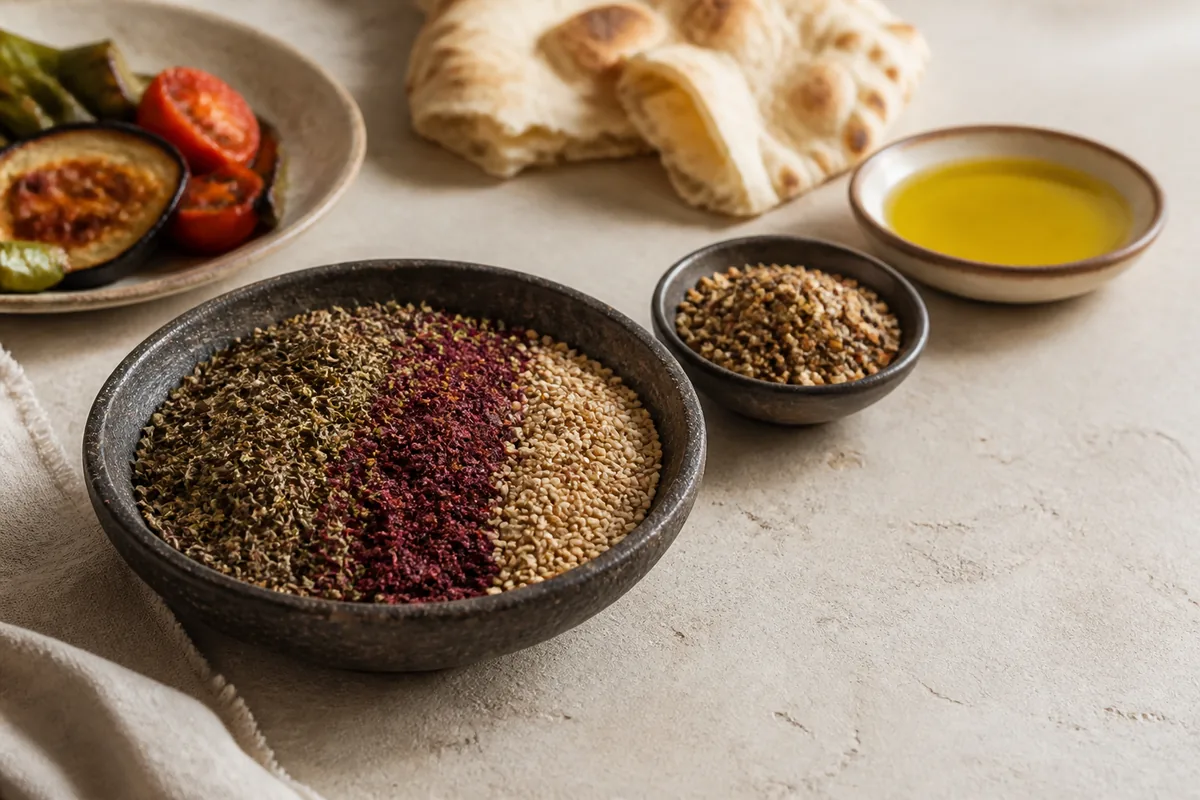
Rebuild the herb, sumac tang, and sesame texture according to whether zaatar stays visible or cooks into the dish.
ReadNothing at this heat level yet.
The handling steps that decide how much flavour survives to the plate.
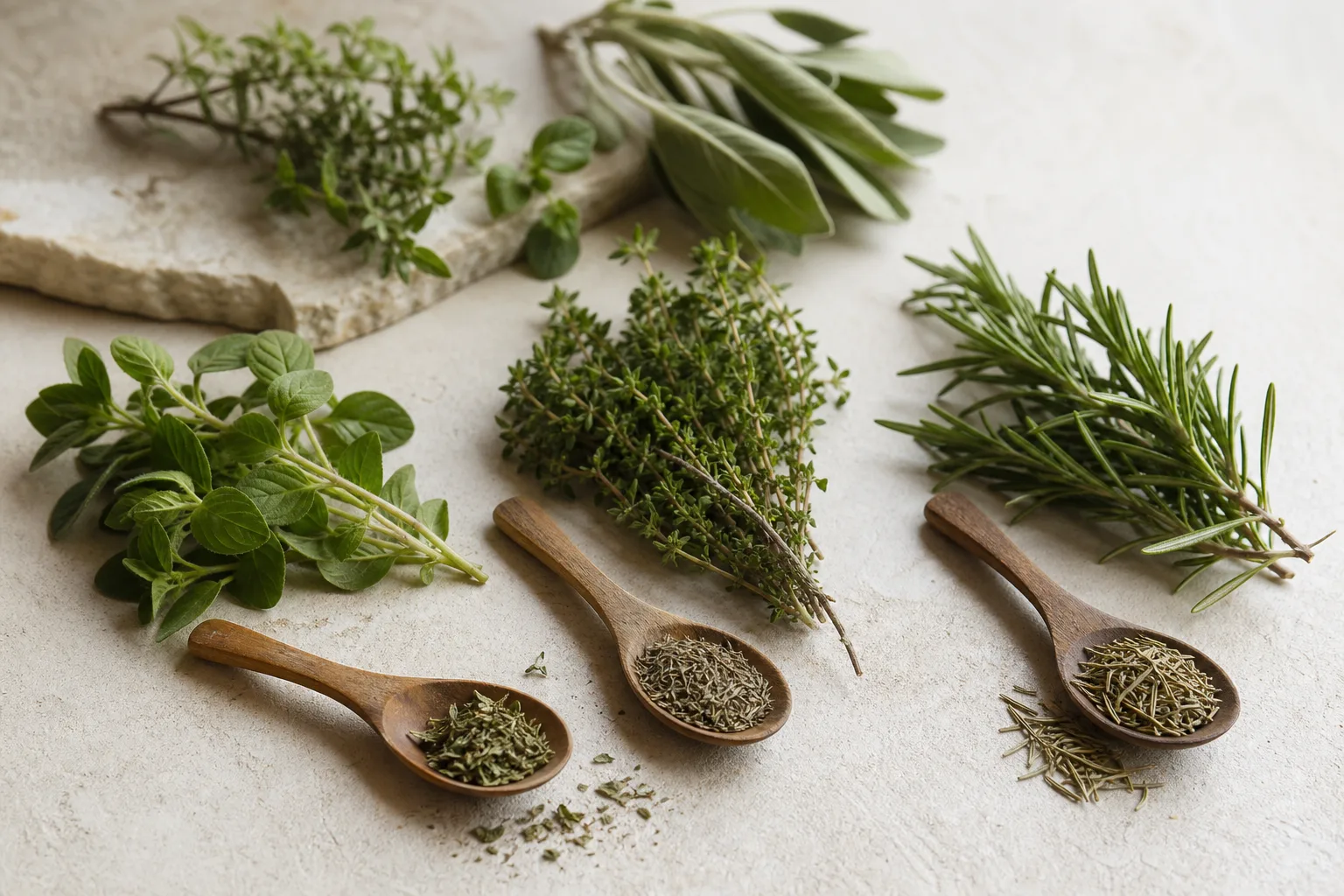
Use 1 teaspoon dried herbs for 1 tablespoon chopped fresh herbs when the herb is a background seasoning. Do not use…
Read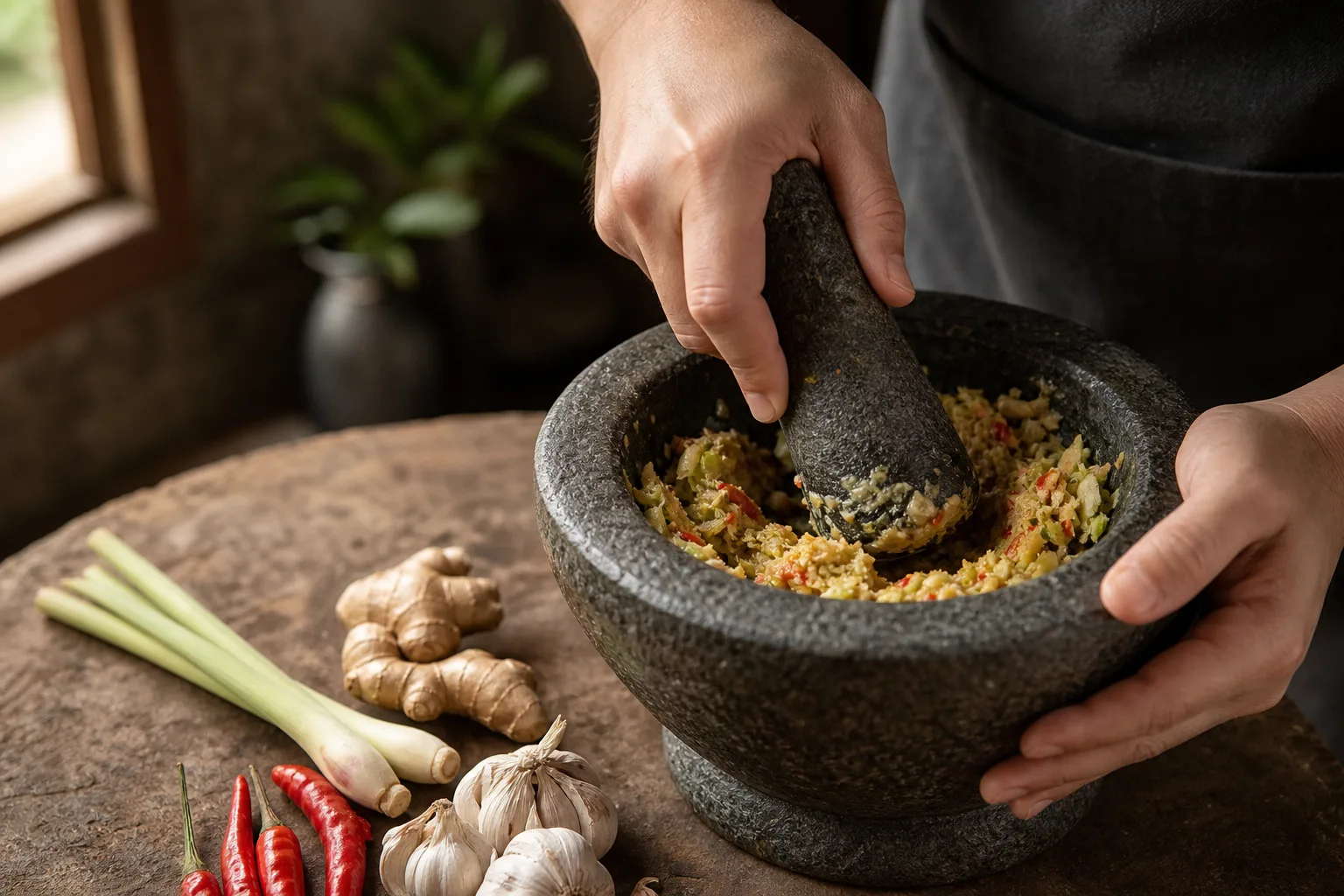
A cooking paste needs aromatic bulk, ground spice, and just enough liquid to become workable, followed by medium heat…
Read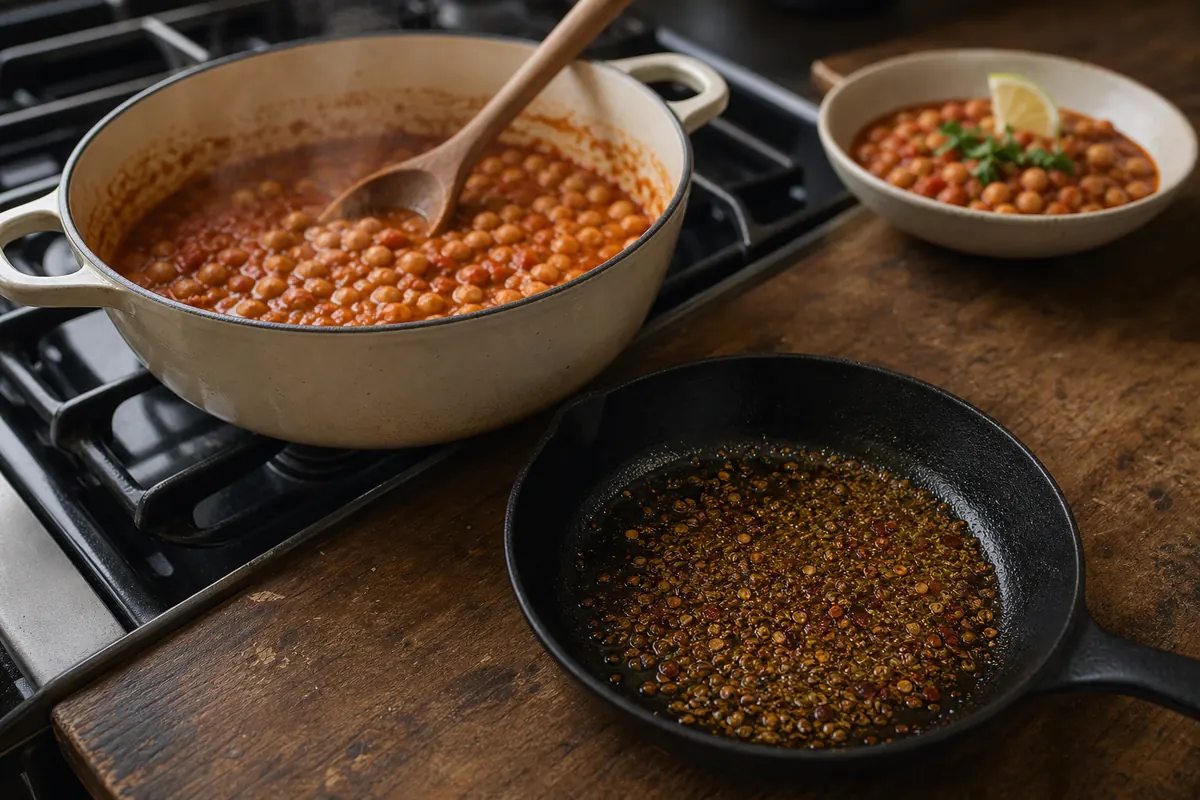
Layer spices by adding different forms at different moments, not by dumping more powder into the pot. Bloom sturdy…
Read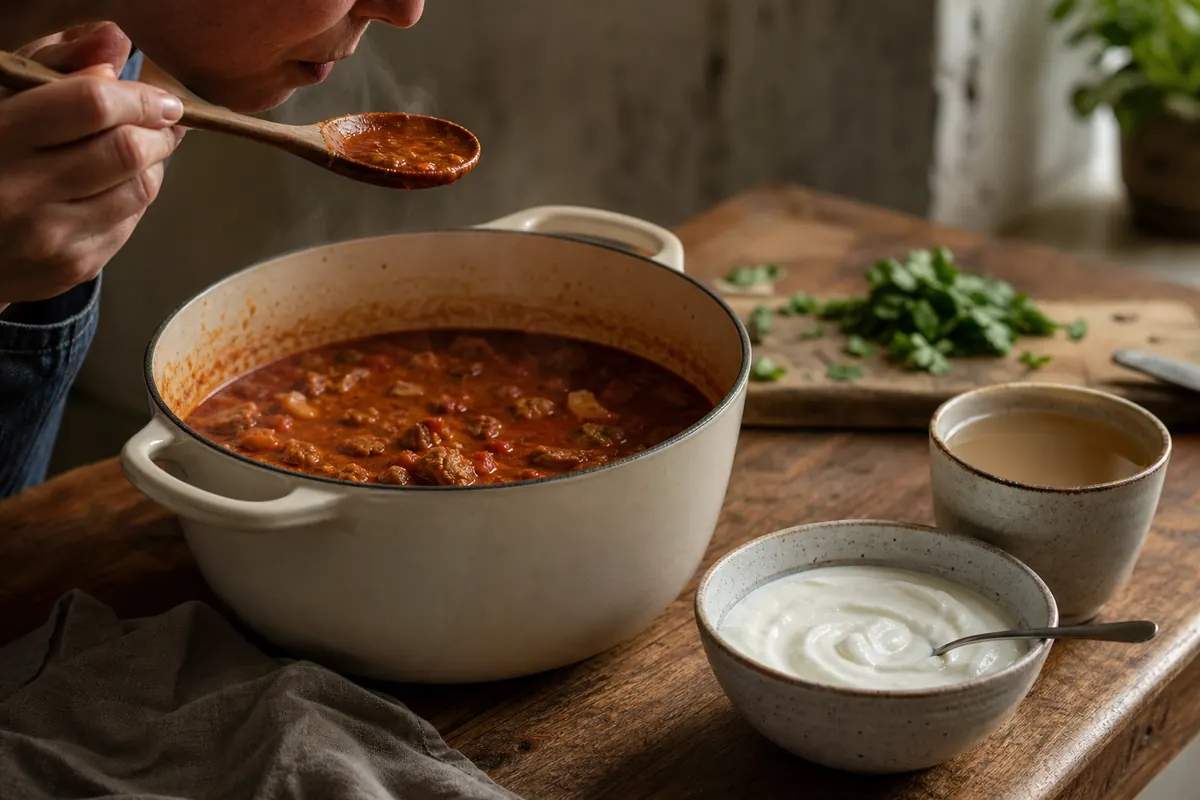
Taste the served bite, name the one flavor that blocks the rest, and correct that cause before adding an opposite…
Read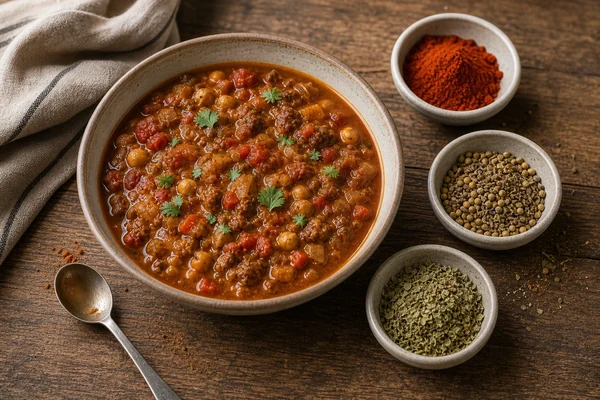
Substitute spices by the role they play in the dish. Match heat, warmth, sweetness, color, tartness, or aroma first…
Read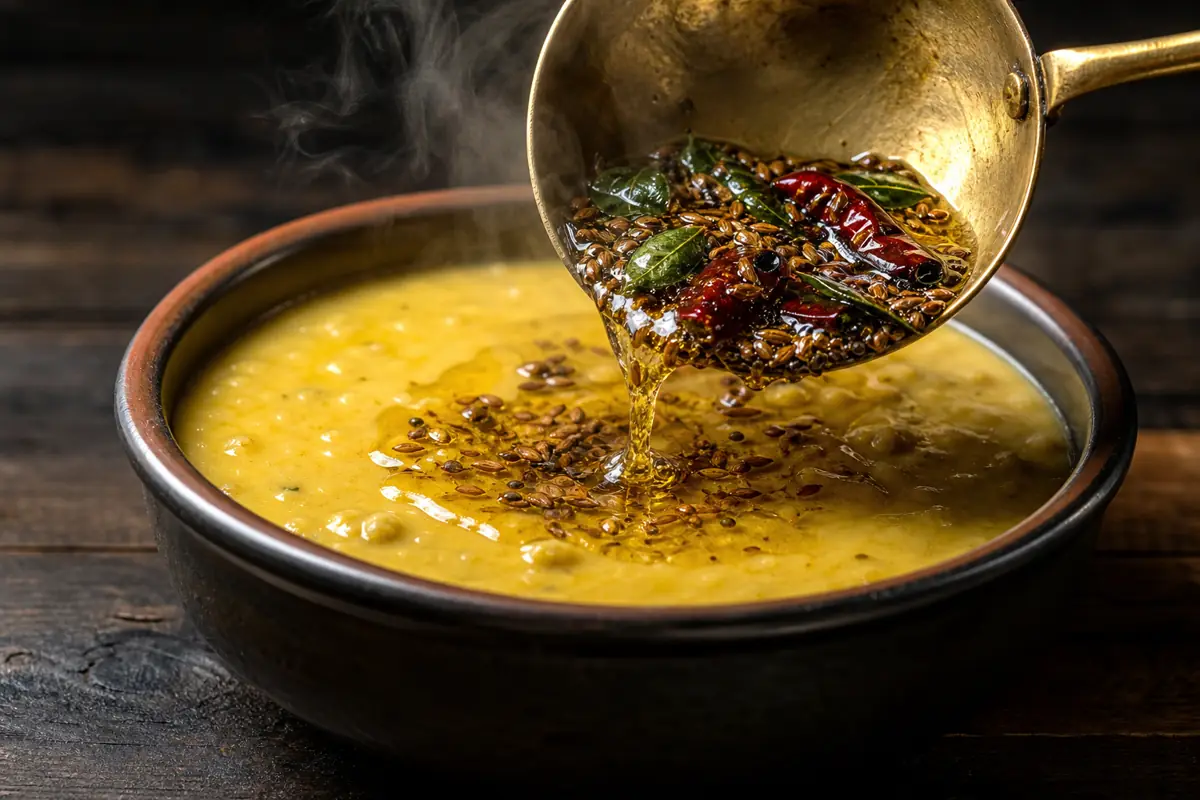
Tadka is the Indian technique of frying spices and aromatics briefly in hot ghee or oil, then using the fragrant fat at…
Read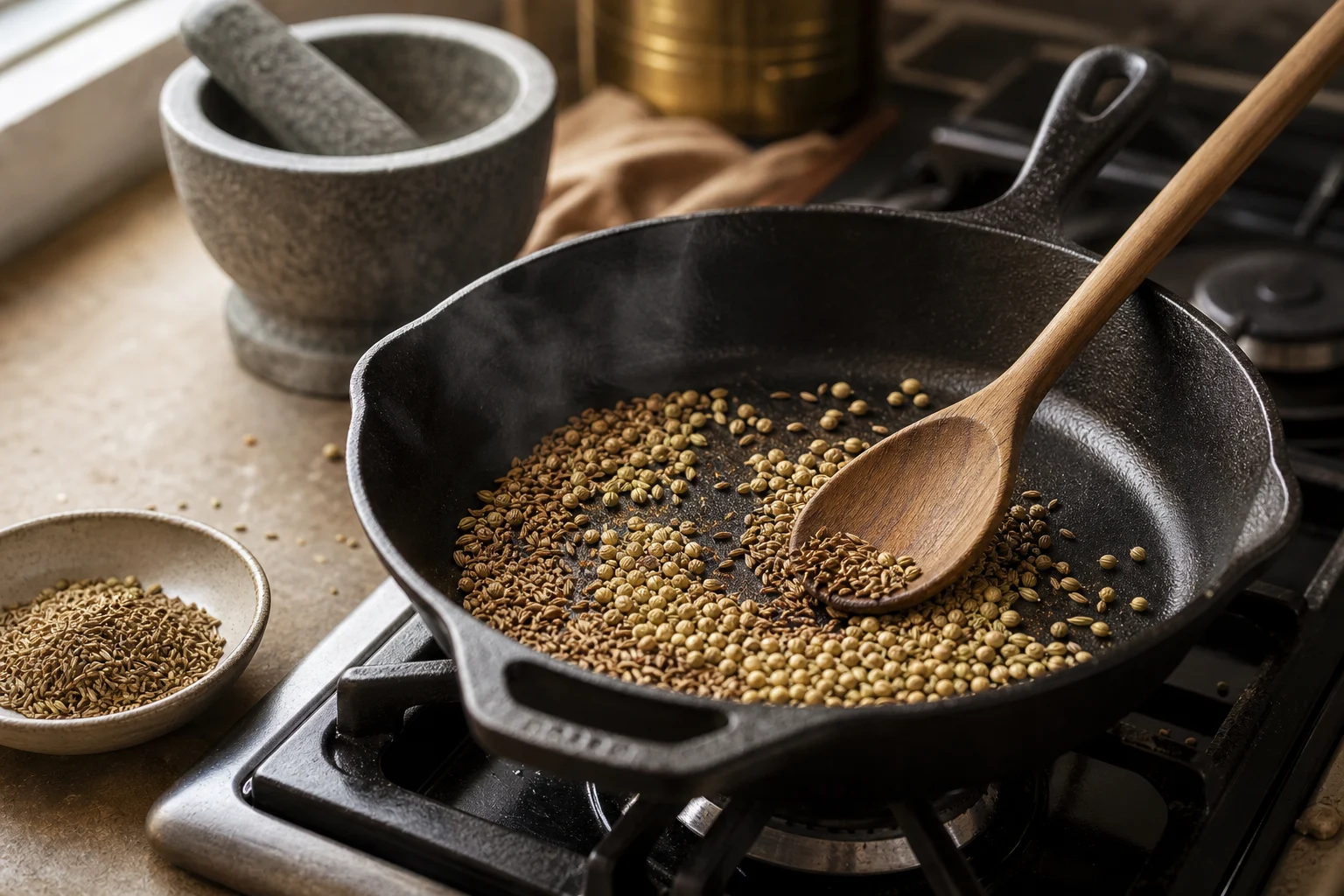
Toasting spices means heating whole spices in a dry pan until their aroma opens, usually 30 to 90 seconds. Use medium…
Read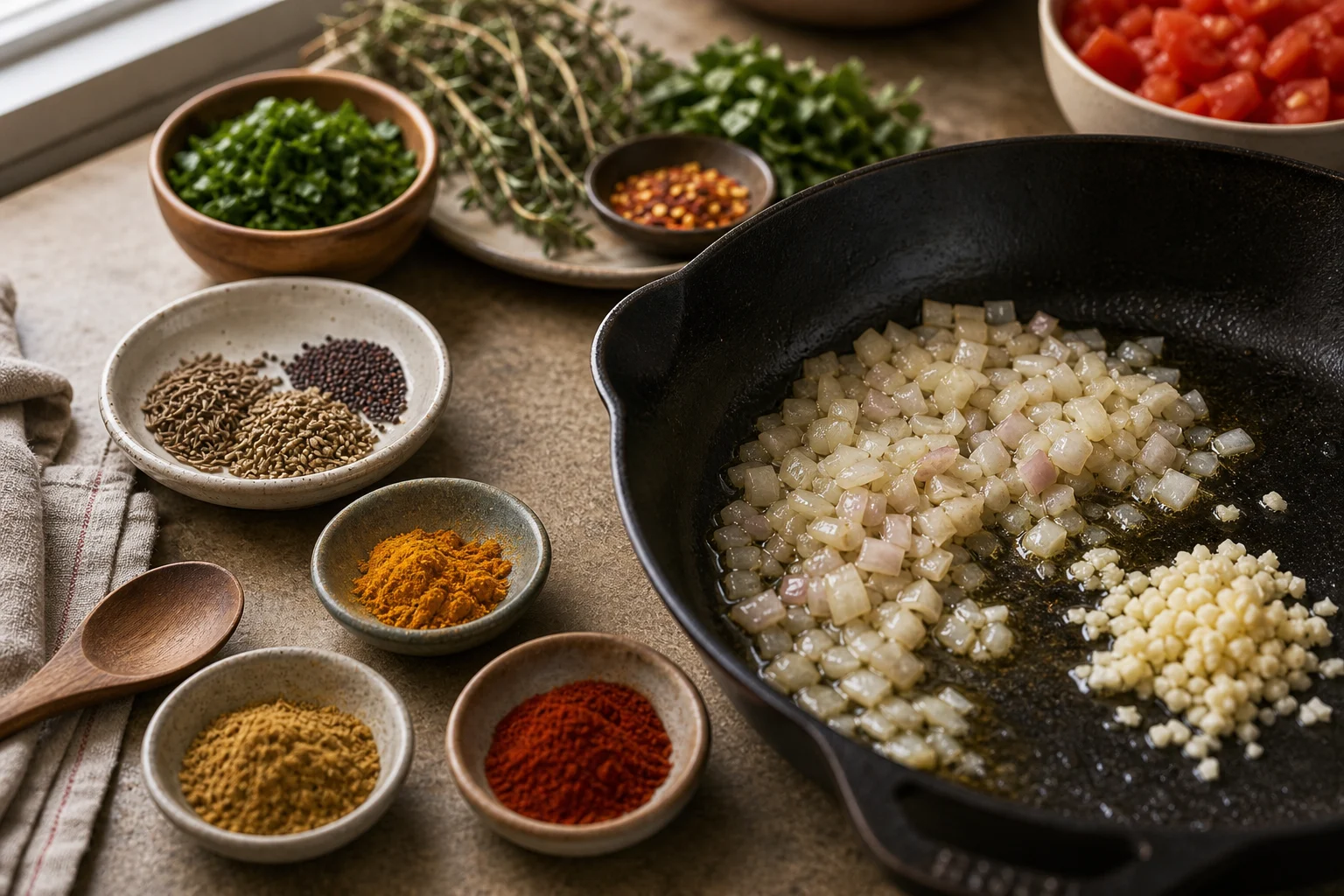
Spices should enter the pan when their form and flavor job match the cooking stage. Whole seeds usually go early…
Read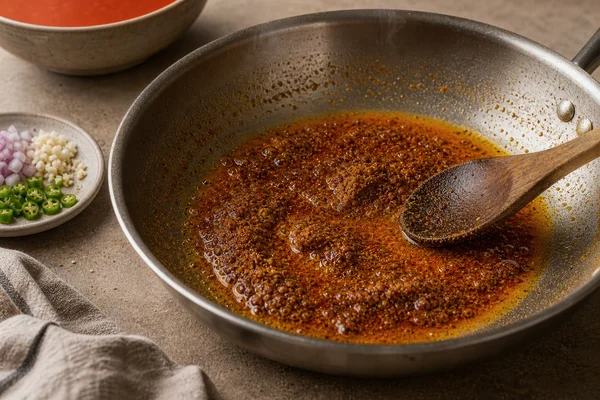
Blooming spices in oil means briefly heating spices in fat so their aroma compounds disperse before liquid dilutes the…
Read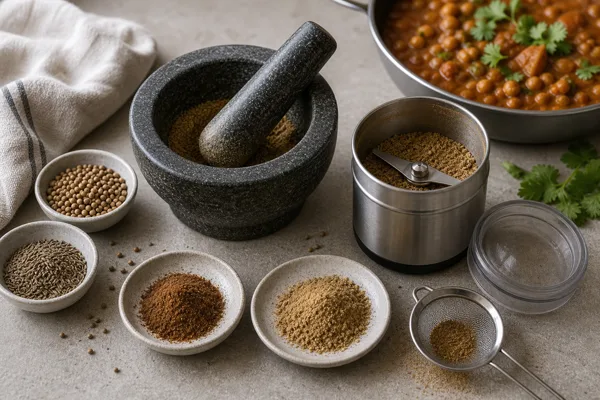
Grind spices at home right before cooking when aroma matters, especially for cumin, coriander, pepper, cardamom, and…
Read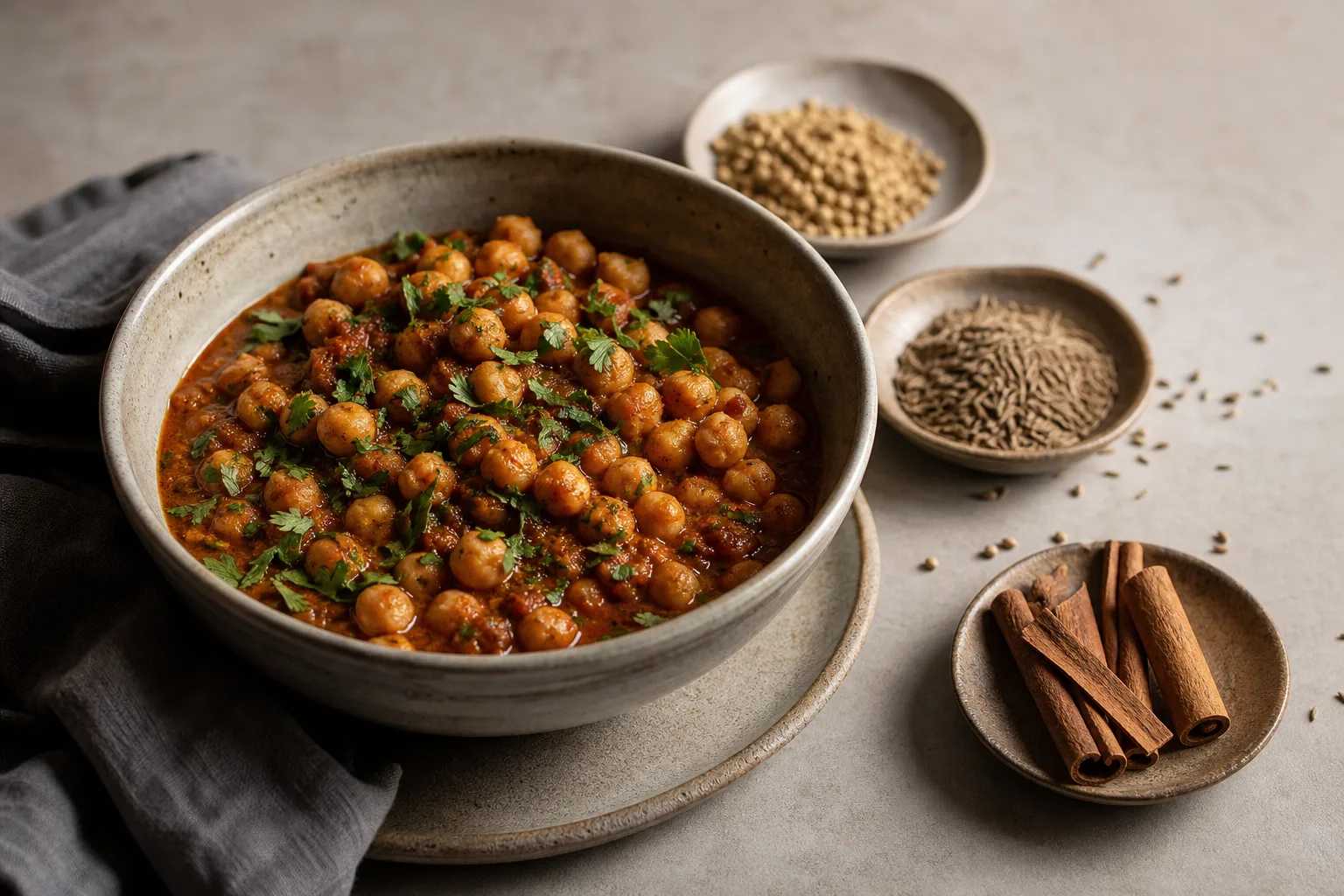
Spices pair well when they either share a useful aroma family or create a controlled contrast. The dish still decides…
Read