
How to Balance Flavors When a Dish Tastes Wrong
Diagnose the dominant taste, correct one variable, and stop before the dish becomes crowded.
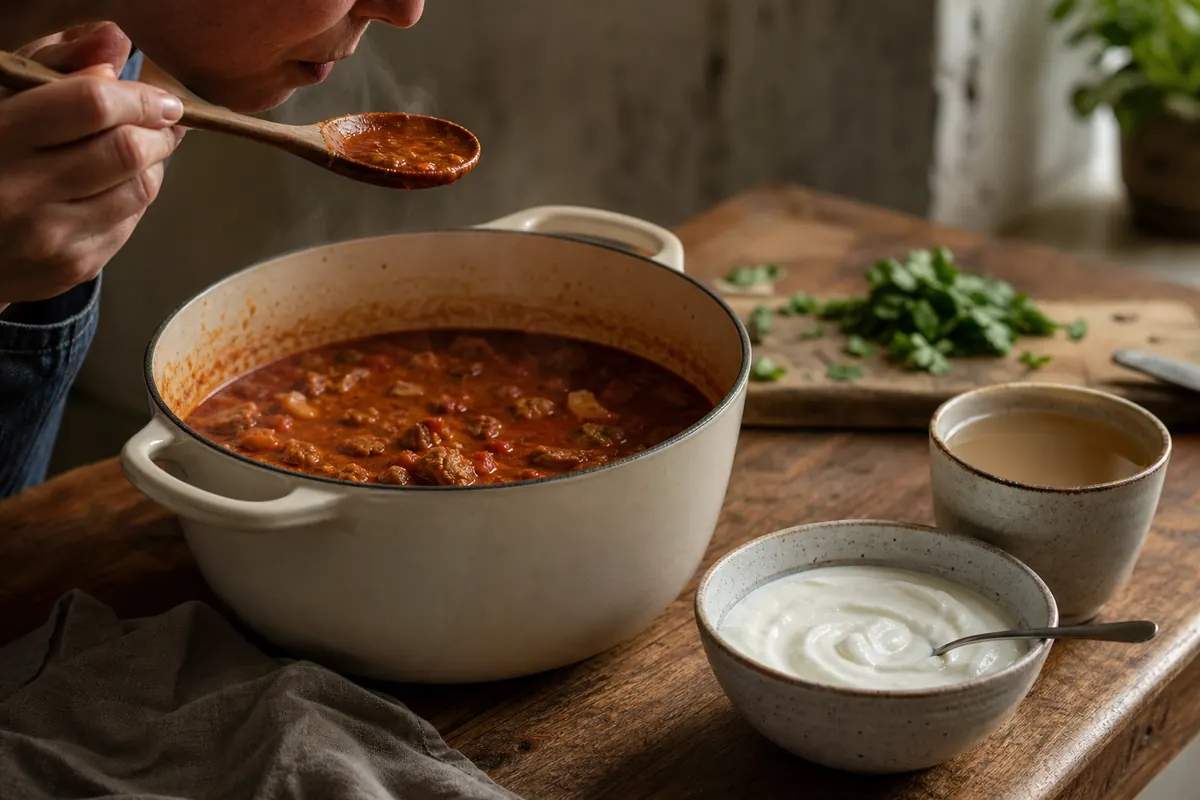
Taste the served bite, name the one flavor that blocks the rest, and correct that cause before adding an opposite taste. Dilute excess salt or chile, test measured changes in a sample, and retaste after temperature and time redistribute flavor.
How do you know which flavor is out of balance?
Flavor balance starts with diagnosis.
Taste a full spoonful that includes sauce, solids, fat, and garnish.
A sip of sauce can seem too salty while rice or vegetables make the finished bite correct. Judge the food as it will be served.
Let very hot food cool for half a minute. Heat can dull sweetness, sharpen alcohol, and make chile burn arrive before other flavors.
Ask what you notice first and what disappears behind it. A dish may seem sour because it lacks salt, or bitter because garlic burned.
| What you notice | Check first | Useful first move |
|---|---|---|
| Burning heat | Is the base also salty? | Add more base, starch, or dairy |
| Sharp sourness | Is the dish under-salted? | Add a small pinch of salt |
| Heavy sweetness | Is there enough acid or bitterness? | Add acid in teaspoon steps |
| Flat taste | Does aroma appear after salt? | Correct salt before adding spice |
| Harsh bitterness | Did spices or garlic scorch? | Remove burned solids and dilute |
Keep the first correction narrow. Changing salt, acid, and sweetness together removes your ability to learn which move worked.
This is different from choosing spices that pair. You are repairing a finished flavor signal, not designing a blend.
How do you fix food that is too spicy?
Capsaicin does not vanish when you add sugar or lime.
Those ingredients change perception while the same chile load remains in the pot.
The reliable fix is more unsalted base. Add tomatoes, beans, broth, coconut milk, yogurt, vegetables, or starch that belongs in the recipe.
Choose the extension by dish. Yogurt suits a curry, while extra tomato may make a cream sauce oddly acidic.

- Broth: Extends soup or stew without adding sweetness.
- Rice: Lowers heat in the served bite without changing the whole pot.
- Yogurt: Adds fat, protein, and cooling contrast where dairy fits.
- More base: Keeps the original dish identity while lowering concentration.
Fat can spread capsaicin away from mouth receptors, which is why dairy often feels soothing. The oil and water behavior of spices explains why plain water does little.
A small sweet or sour finish may make the remaining burn feel rounder. It cannot rescue a pot that still exceeds the diners' tolerance.
With fast cayenne heat, stop correcting early because the burn spreads evenly. Chile flakes release heat more unevenly as they sit.
What balances food that is too sweet or too sour?
Excess sweetness needs contrast, while excess sourness often needs support.
Treating both with the same opposite ingredient creates a sweet-sour loop.
| Dish problem | Start with | Stop when |
|---|---|---|
| Sweet tomato sauce | 1 teaspoon vinegar per 4 cups | Tomato tastes brighter, not pickled |
| Sweet braise | Unsalted stock and a bitter green | Meat flavor returns |
| Sour curry | Pinch of salt, then coconut milk | Acid tastes integrated |
| Sharp vinaigrette | More oil and a little water | It coats leaves without stinging |
| Sour fruit sauce | Small sugar addition | Fruit tastes ripe, not candied |
For a sweet sauce, add acid only when the recipe can carry it. Vinegar helps barbecue sauce, but lemon can make a dairy sauce split.
Bitterness can also restrain sweetness. Unsweetened cocoa, charred vegetables, coffee, or bitter greens work only when they already belong in the dish.
For a sour soup or curry, check salt before sugar. A small pinch can make fruit and tomato taste fuller without making the dish sweeter.
Acid type matters. Lime brings aroma, rice vinegar stays quiet, tamarind adds fruit, and dairy brings both acidity and body.
Add one teaspoon, stir completely, and taste again. Acid distributes quickly, so large pours are hard to reverse.
Why can flat food still taste salty or bitter?
A flat dish often needs salt, but not always more spices.
Salt can reveal aromas that were already present but hard to perceive.
- Too salty: Add unsalted liquid or more main ingredient. Potato absorbs seasoned liquid, but it does not selectively remove salt.
- Burned bitter: Move unburned food to a clean pot. Do not scrape the dark layer from the bottom.
- Raw bitter: Cook hardy greens longer or add fat and salt. Sugar alone can leave a cloying finish.
- Flat aroma: Add a fresh finishing note after checking salt. Citrus zest, herbs, or toasted spice may restore lift.
- Muddy flavor: Stop adding seasonings. A little acid or fresh herb can separate existing layers better than another powder.
Take one spoonful into a small bowl and salt that sample. If it improves, you have a seasoning problem rather than a recipe problem.
Bitterness caused by scorching needs removal and dilution. No amount of honey can rebuild flavor compounds destroyed by high heat.
A stale jar can also create dullness. Use the aroma tests from checking whether spices are still good before blaming the recipe.
When the base tastes muddy, compare its timing with clear spice layering. Repeated additions may have filled every flavor space.
A late aromatic cannot erase a burned early spice. Review when each spice entered before adding another finish.
Soup, sauce, and solid food need different repairs
The same taste problem needs a different repair in soup, sauce, salad, glaze, and dry food. Structure decides where the correction can move.
A thin soup distributes salt and acid quickly. A thick bean stew needs more stirring and resting because solids hold seasoned liquid.
In a salad, correct the dressing separately before tossing again. Pouring acid over the whole bowl can wilt greens while leaving sweet dressing pockets.
A glaze concentrates as water leaves. Stop its seasoning slightly early, then judge the final balance after it coats the food.
| Structure | Best test | Common mistake |
|---|---|---|
| Broth or soup | Taste liquid with a solid piece | Judging only the surface |
| Thick stew | Rest, stir, then retaste | Correcting before salt redistributes |
| Salad | Fix dressing in a small bowl | Pouring corrections over leaves |
| Glaze | Judge after reduction | Seasoning at the watery stage |
| Dry roast | Taste with sauce or side | Fixing one component in isolation |
Emulsions need special care because extra acid or water can break them. Whisk a correction into a small portion, then blend it back slowly.
Starches mute seasoning as they absorb liquid. Rice, potato, pasta, and beans may need a final check after resting rather than straight from the pan.
Cold food also needs more apparent seasoning than hot food. Chilled fat traps aroma, so a sauce can taste quieter after refrigeration.
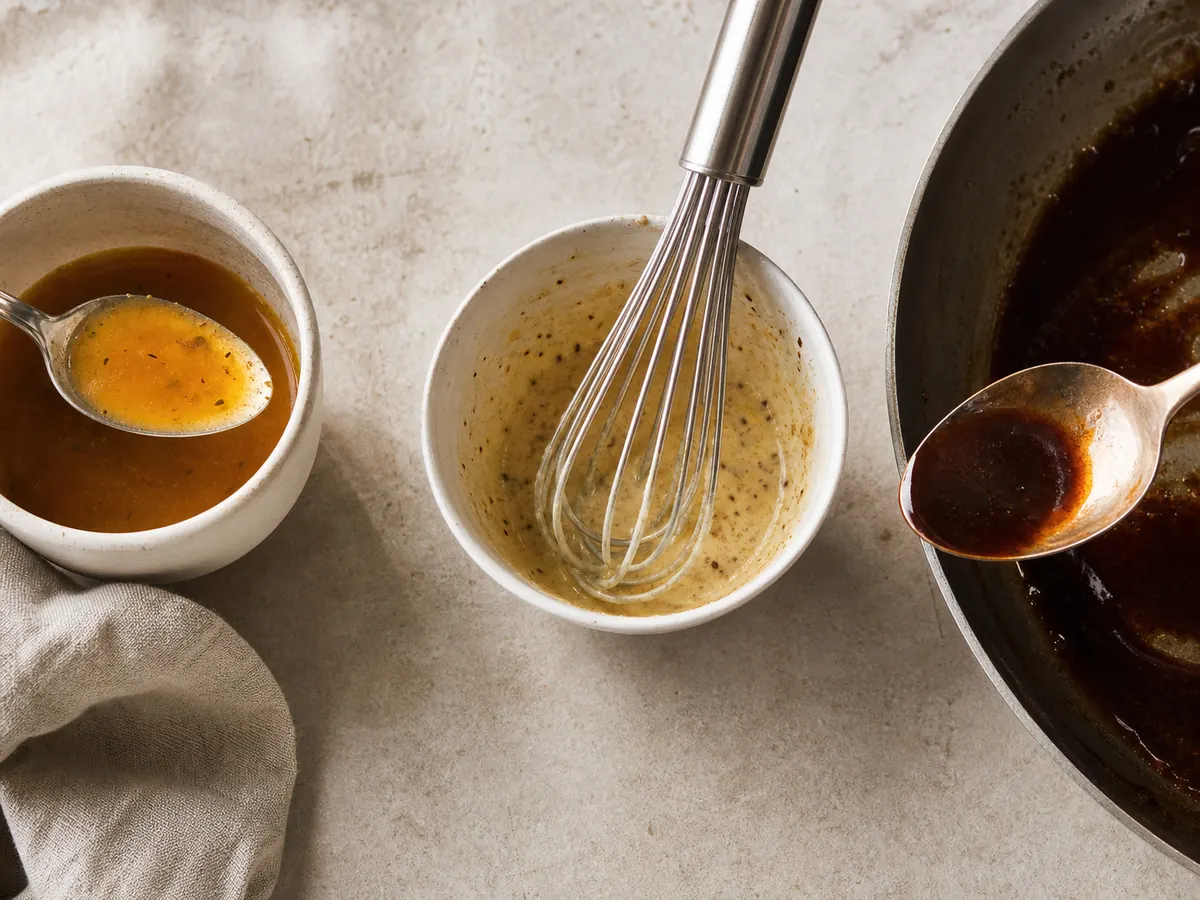
- Soup: Taste liquid with the solids that will be served.
- Dressing: Correct it separately before it touches more leaves.
- Glaze: Judge salt and sweetness after reduction.
This structure test prevents false fixes. The ingredient may be correct while distribution, reduction, or serving temperature creates the problem.
How much acid, sugar, or salt should you add at a time?
Use a correction ladder instead of improvising.
Remove a small sample, test one change, then scale the successful ratio to the pot.
A four-cup batch is a useful reference. Start with one teaspoon of acid or sugar, or one eighth teaspoon of fine salt.
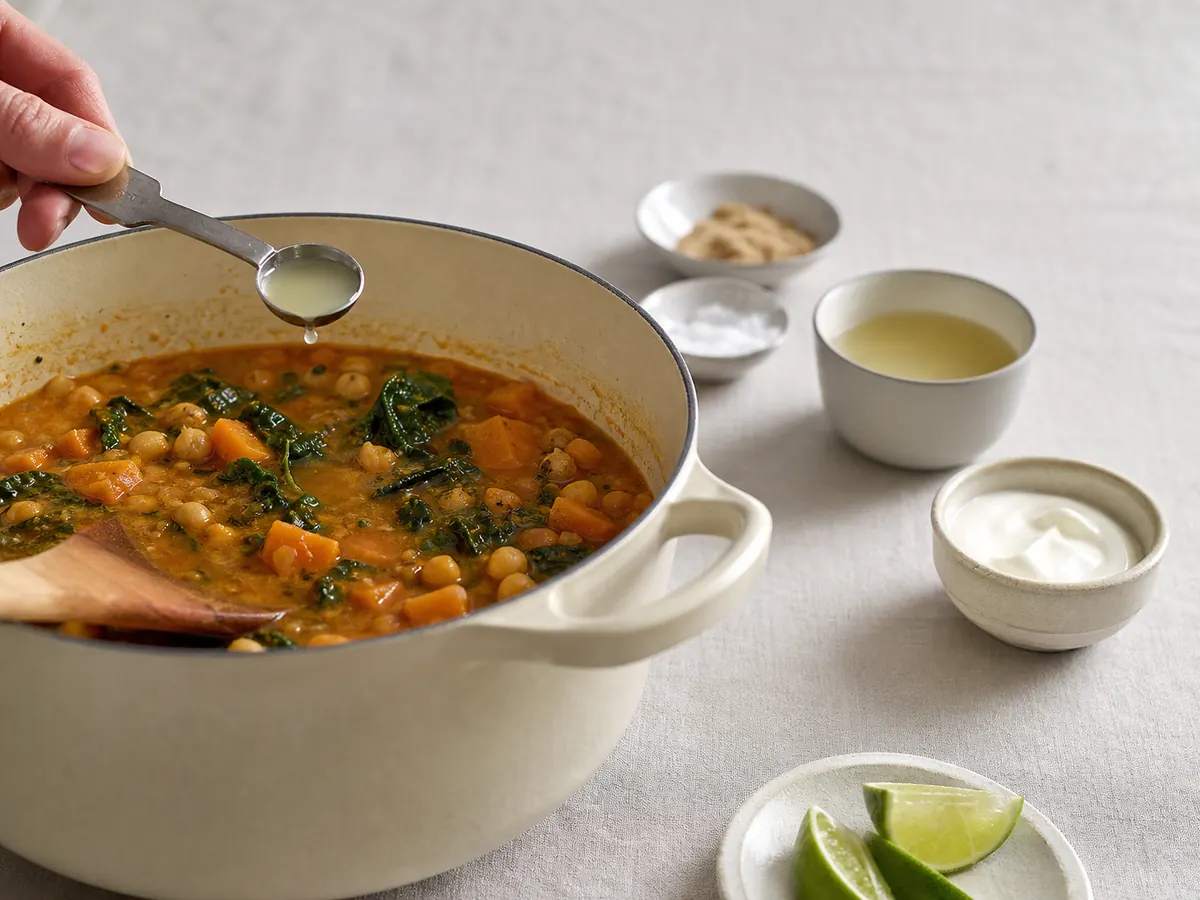
- Step 1: Cool and taste a complete serving spoon.
- Step 2: Name the loudest flavor in plain words.
- Step 3: Test one correction in a small sample.
- Step 4: Scale the successful amount to the batch.
Stir thoroughly and wait before the next taste. Sugar dissolves fast, but salt and chile trapped in solids need time to redistribute.
Retaste with the food that will accompany the dish. Bread, rice, noodles, and garnish can change the balance more than another teaspoon.
Write down the successful addition when you cook large batches. Memory becomes unreliable after several small corrections.
The ladder ends when the main ingredients become clear again. Perfect symmetry between tastes is not the goal.
When should you retaste after correcting a dish?
Flavor does not stop moving when heat turns off. Salt migrates into solids, chile continues extracting, and aromatic steam leaves the pot.
Taste a braise once hot and again after ten minutes. The resting spoon often tastes saltier and less aromatic than the first.
Tomato sauces can seem sharp early because acids remain exposed. Cooking softens raw aromas, but it does not remove the acid itself.
A chilled dip may need a brighter finish after cold fat dulls aroma. Add zest or herbs before adding more salt.

- Hot spoon: Steam carries aroma and can hide sweetness.
- Rested spoon: Salt and chile have more time to redistribute.
- Final check: Judge at the temperature diners will receive.
Use the cooled sample as evidence, not as a new serving plan. Return to the full pot only after the direction is clear.
- Before reduction: Keep salt and sugar conservative because both concentrate.
- After resting: Stir from the bottom before judging the next spoon.
- After chilling: Recheck acid and aroma when the serving temperature is cold.
- After reheating: Restore fresh notes only after the whole dish is hot.
Spice fragments can keep releasing flavor overnight. This is useful in a stew but risky when flakes, cloves, or pepper stay in the food.
If dinner will be served later, reserve the final correction. A small fresh adjustment at serving is safer than pushing the pot too far now.
When an ingredient must be replaced, use spice substitution by cooking job. A replacement should solve the missing function without restarting the imbalance.
Can every over-seasoned dish be fixed?
Stop counter-seasoning when salt, capsaicin, smoke, or concentrated acid remains physically excessive. Another strong flavor only makes the dish busier.
Divide the batch and rebuild one half with unsalted base. This protects ingredients and gives you a clean reference for blending back.
For a small serving, change the plate instead. Plain rice, bread, yogurt, greens, or an unseasoned side can correct each bite.
If dilution would double dinner, freeze the extra base or corrected portion. A practical rescue should not create waste.
Remove whole spices before extending the batch. A clove, bay leaf, or cinnamon piece keeps extracting while the new base heats.
Separate garnishes from the rescue. Cheese, chile oil, pickles, and salty crumbs can make a corrected base taste excessive again.
When only one serving is affected, keep the main pot unchanged. Build a milder plate with more starch, vegetables, or plain protein.
A sauce can also be served on the side. Diners then control the ratio instead of forcing one correction across every portion.
Do not dilute a food-safety process. Pickling brine, canning acid, and curing salt follow tested formulas that flavor preference cannot rewrite.
For those foods, correct the serving context rather than the preserved batch. Add plain sides or use a smaller portion in a larger meal.
Keep one uncorrected spoonful as a reference. It prevents repeated tasting from making a weak improvement feel complete.
Clean your palate with water and plain starch before the final check. Lingering chile, salt, or acid can distort the next taste.
The best correction is often restraint. Once the food tastes coherent, stop touching it and let the final garnish do its own job.