
How to Swap a Spice When You Match the Flavor Role
Match heat, aroma, color, texture, and timing before choosing the closest jar.
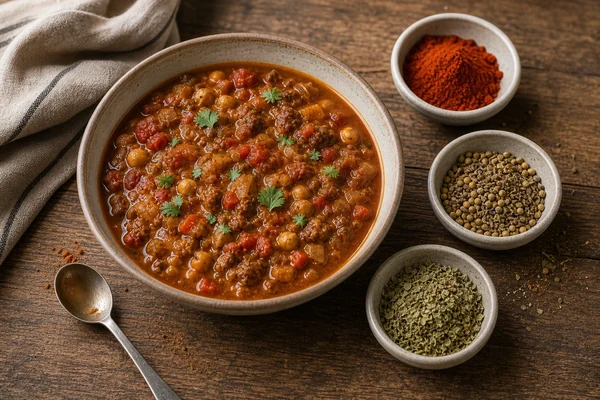
Substitute spices by the role they play in the dish. Match heat, warmth, sweetness, color, tartness, or aroma first, then adjust the ratio and timing. If the missing spice defines the dish, change the recipe direction instead of pretending a weak substitute will taste the same.
Start with the spice job
Spice substitutions work when you replace the job the missing spice was doing. A color spice, heat spice, and aroma spice need different thinking.
Find a swap for the spice you are missing
Start with the cooking technique, not just the flavor. Timing and medium can make a substitute succeed or fail.
| Missing job | Ask this first | Likely direction |
|---|---|---|
| Heat | Chile warmth or sharp bite? | Paprika, chile powder, cayenne, black pepper |
| Warmth | Does the spice create bass notes? | Cumin, coriander, cinnamon, clove |
| Color | Does color matter more than flavor? | Turmeric, paprika, annatto |
| Tartness | Is the spice replacing acid? | Sumac, amchur, lemon zest |
A substitute should answer the recipe problem. It should not merely share a shelf category.
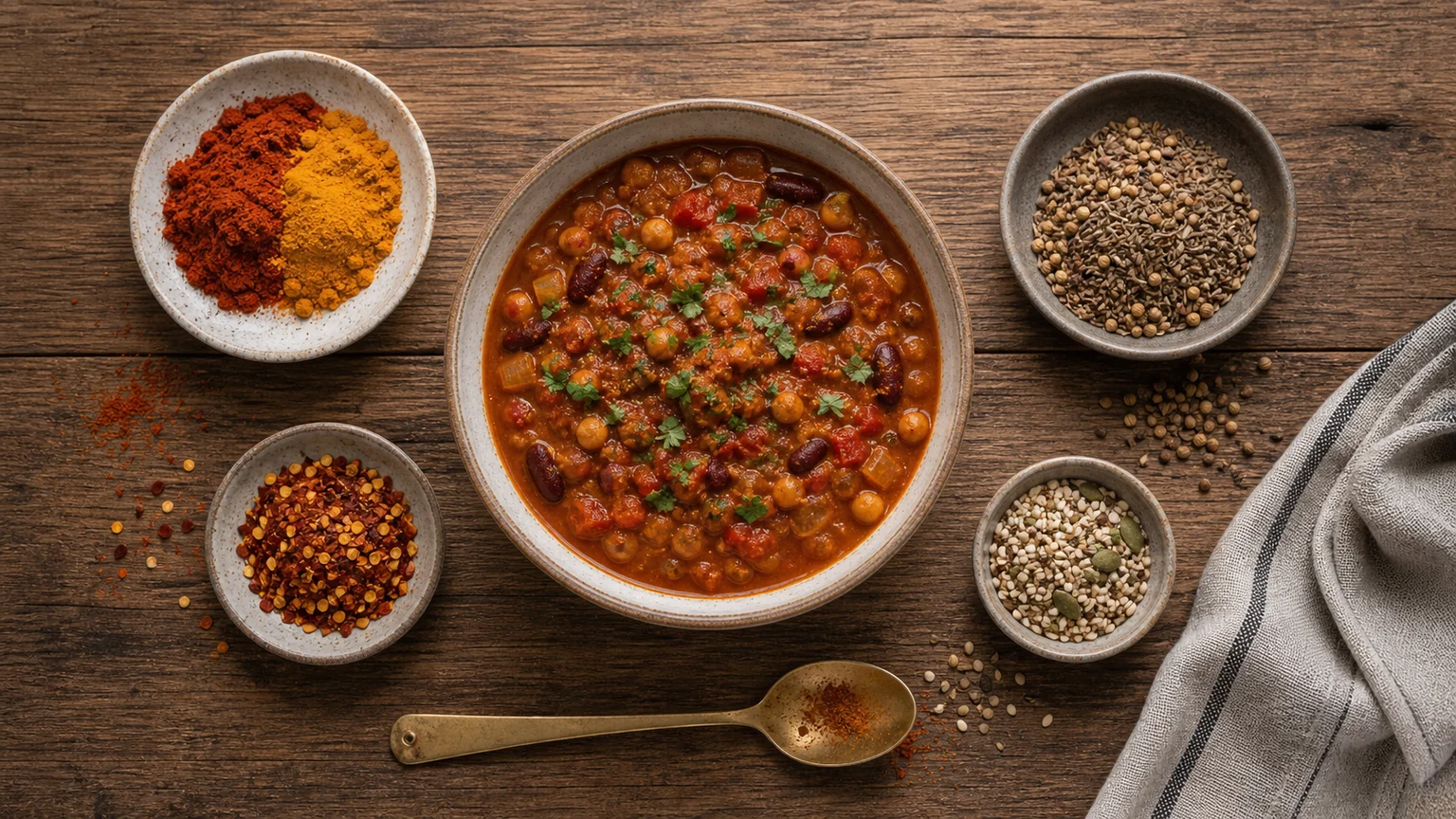
- Heat: Decide whether the dish needs chile warmth, pepper bite, or smoky red color.
- Warmth: Use cumin, coriander, cinnamon, or clove only when that base note is missing.
- Color: Treat turmeric, paprika, and annatto as visual decisions with flavor consequences.
- Tartness: Replace sumac or amchur with acid logic, not with another warm spice.
If the spice is only background, you have freedom. If it names the dish, you need caution.
The first decision is culinary role. The second decision is ratio.
That order keeps the repair practical. You choose a direction before you choose a spoon size.
Use ratios without trusting them blindly
Ratios are starting points, not permission to stop tasting. Strength changes by freshness, grind size, brand, and cooking time.
For strong substitutes, start with half and build. That protects the dish while flavor develops.
| Swap type | Starting ratio | Taste after |
|---|---|---|
| Mild for mild | 1:1 | Liquid and salt are added |
| Strong for mild | 1:2 | Five minutes of cooking |
| Blend for single spice | 1:2 | Salt and chile are checked |
| Fresh herb for dried | 3:1 | Leaves wilt or dressing coats |
A stale jar can make a ratio look wrong. Check aroma before increasing quantity.
Old spices give color without aroma, so storage and buying affects every substitution.
- Powder strength: Fine powders taste stronger at first because they spread faster.
- Whole seed swaps: Toast or bloom seeds before judging their strength.
- Salted blends: Reduce recipe salt until the substitute settles.
- Chile blends: Check heat before adding a full spoon.
Taste in the final medium when possible. Fat, water, acid, and salt reveal different sides of the swap.
A dry pinch can seem harsh, then soften inside beans or sauce. Judge after the food has absorbed it.
Substitute by flavor family
Flavor families keep substitutions practical. They help you choose a direction when the exact spice is missing.
Even within one family, individual spices still behave differently. Cumin and coriander can overlap, but they do not do the same job.
| Need | First choices | Where it works |
|---|---|---|
| Earthy warmth | Cumin, coriander, caraway | Beans, chili, roasted vegetables |
| Sweet warmth | Cinnamon, allspice, clove, nutmeg | Baking, stews, braises |
| Red color | Paprika, turmeric, annatto | Rice, rubs, sauces |
| Peppery lift | Black pepper, white pepper, chile flakes | Finishing, soups, eggs |
The gap becomes obvious with cumin and coriander. Cumin anchors, while coriander brightens.
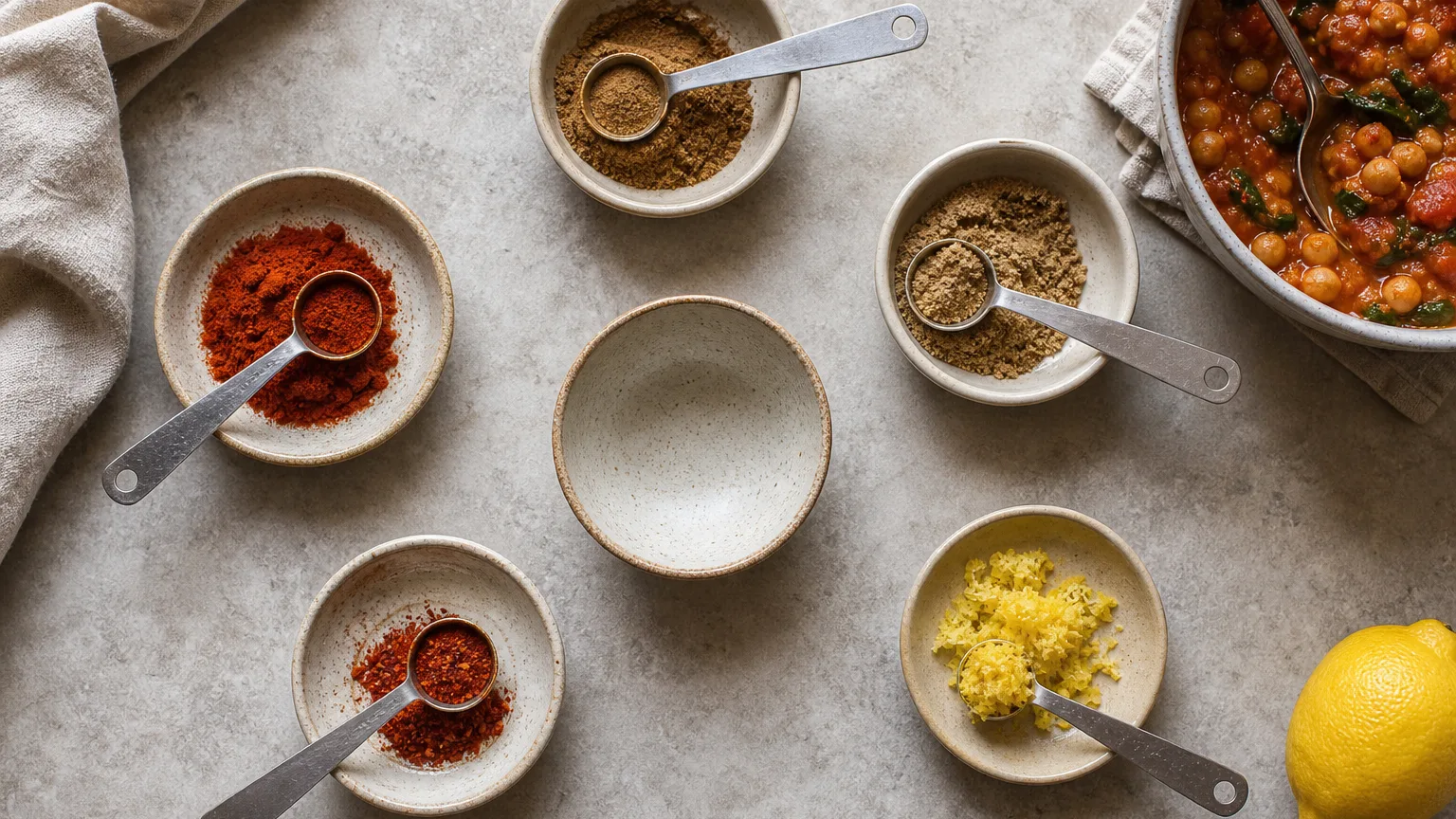
- Color: Paprika, turmeric, or annatto can replace appearance before flavor.
- Earth: Cumin, coriander, or caraway can rebuild a savory base.
- Heat: Cayenne or chile flakes need smaller starting amounts.
- Brightness: Lemon zest or herbs may fix lift better than another powder.
For sweet spices, use tiny amounts first. Clove and nutmeg can take over a pot quickly.
A family match gets you close. Timing and amount decide whether it tastes intentional.
If the family feels right but the dish still tastes flat, add contrast. Acid, fat, or fresh herbs may matter more.
Blend substitutions need extra checks
Prepared blends are harder to substitute because they combine multiple jobs. They may bring heat, salt, sweetness, color, and starch together.
Dish direction matters when swapping spice blends. A barbecue rub and curry powder solve different problems.
| Check | Why it matters | Example |
|---|---|---|
| Salt | Can over-season before aroma lands | Taco seasoning, rubs |
| Chile heat | Changes who can eat the dish | Curry powder, chili powder |
| Sweetness | Burns or skews savory dishes | BBQ rub, pumpkin spice |
| Color | Can make pale sauces look wrong | Turmeric-heavy curry blends |
Turmeric and coriander need cooking, so curry powder behaves like an early-stage seasoning when used as a substitute. Do not use it as a late garnish.
For blend swaps, write down what the original blend was supposed to do. Replace those jobs one by one.
- Missing garam masala: Use a small late pinch of cumin, cinnamon, cardamom, and black pepper.
- Missing curry powder: Use turmeric, coriander, cumin, and a little chile early in fat.
- Missing za'atar: Use thyme, sesame, sumac or lemon zest, and salt as a finish.
- Missing chili powder: Use paprika, cumin, oregano, garlic powder, and measured chile heat.
Blend substitutes work best when you control salt separately. That keeps the repair flexible.
Once salt goes too high, the spice problem becomes a volume problem. You need more food, not more seasoning.
When no substitute works cleanly
Some missing spices are too central to replace without changing the dish. In those moments, the honest move is a new direction.
Rebuilding a flavor shape usually means layering spices. Add one base note, one bright note, and one finish.
| Missing spice | Why it is hard | Better pivot |
|---|---|---|
| Saffron | Color, aroma, and luxury role combine | Make turmeric rice or lemon rice |
| Basil in pesto | Fresh leaf texture defines the sauce | Make parsley herb oil or walnut sauce |
| Smoked paprika | Smoke and red pepper arrive together | Use paprika plus a tiny smoked salt |
| Cardamom in chai | Floral eucalyptus lift defines the drink | Make cinnamon ginger tea instead |
A pivot can still taste excellent. It only fails when you pretend the original dish stayed unchanged.
When the missing spice appears in the dish name, pause before substituting. The reader or eater expects that exact signal.
- Change the name: Call it herb rice, yellow rice, or warm-spiced tea when the defining spice is missing.
- Change the garnish: Add crunch, acid, or fresh herbs when aroma cannot be matched directly.
- Change the cuisine lane: If cumin is missing from tacos, move toward garlic, oregano, and chile instead of fake cumin.
- Change the texture: Sesame, mustard seed, and poppy seed can be texture ingredients, so powder swaps may fail.
- Change the timing: A late garnish can cover a missing top note better than more powder in the pot.
No-substitute cases are not dead ends. They are invitations to make a coherent second dish.
That honesty helps readers cook better. A renamed dish can taste confident instead of compromised.
Fast fixes by dish type
The same missing spice needs different repairs in soup, rice, sauce, and dry rubs. The food format controls the fix.
A weak pre-ground substitute often improves if you have whole seeds for grinding spices at home.
| Dish type | Best repair | Avoid |
|---|---|---|
| Soup or stew | Bloom a small spice oil separately | Dry powder stirred into broth |
| Rice | Infuse fat before water enters | Adding color spice after cooking |
| Dry rub | Match salt, sugar, heat, and smoke | Replacing only the main spice |
| Sauce or dip | Use acid and fresh herbs for lift | Overloading stale powder |
For soup, make a small oil with the substitute and stir it in. That tastes cleaner than dumping powder into liquid.
For rice, repair must happen before absorption finishes. Once grains are cooked, aroma mostly sits on the surface.
- Beans: Use cumin, coriander, bay, garlic, or chile oil depending on whether you need bass or heat.
- Tomato sauce: Use oregano, basil, paprika, or black pepper according to whether the sauce needs herbs, color, or bite.
- Roasted vegetables: Use a late spice oil or finishing blend because dry powder can scorch on hot sheet pans.
- Eggs: Keep substitutes small because eggs show bitterness quickly and have little sauce to absorb mistakes.
- Marinades: Check salt and acid first because substitute blends can make the marinade too aggressive.
Dish-based fixes keep substitution practical. You repair the meal in front of you, not an abstract spice chart.
The format tells you how flavor moves. Soup spreads spice differently than rice, rubs, eggs, or yogurt.
Timing can rescue or ruin the swap
A good substitute can fail when added at the wrong time. Heat changes aroma, bitterness, color, and texture.
The substitute also depends on spice timing. Powder in fat tastes different from powder in broth.
| Form | Best timing | Risk |
|---|---|---|
| Whole seeds | Toast or bloom early | Raw seed bite |
| Ground powders | Brief fat contact before liquid | Dusty flavor if added late |
| Finished blends | Low heat or late | Burnt herbs or sugar |
| Fresh herbs | End or off heat | Lost aroma and dark leaves |
For many ground substitutes, blooming spices in oil makes them taste cooked. Keep liquid ready so powders do not burn.
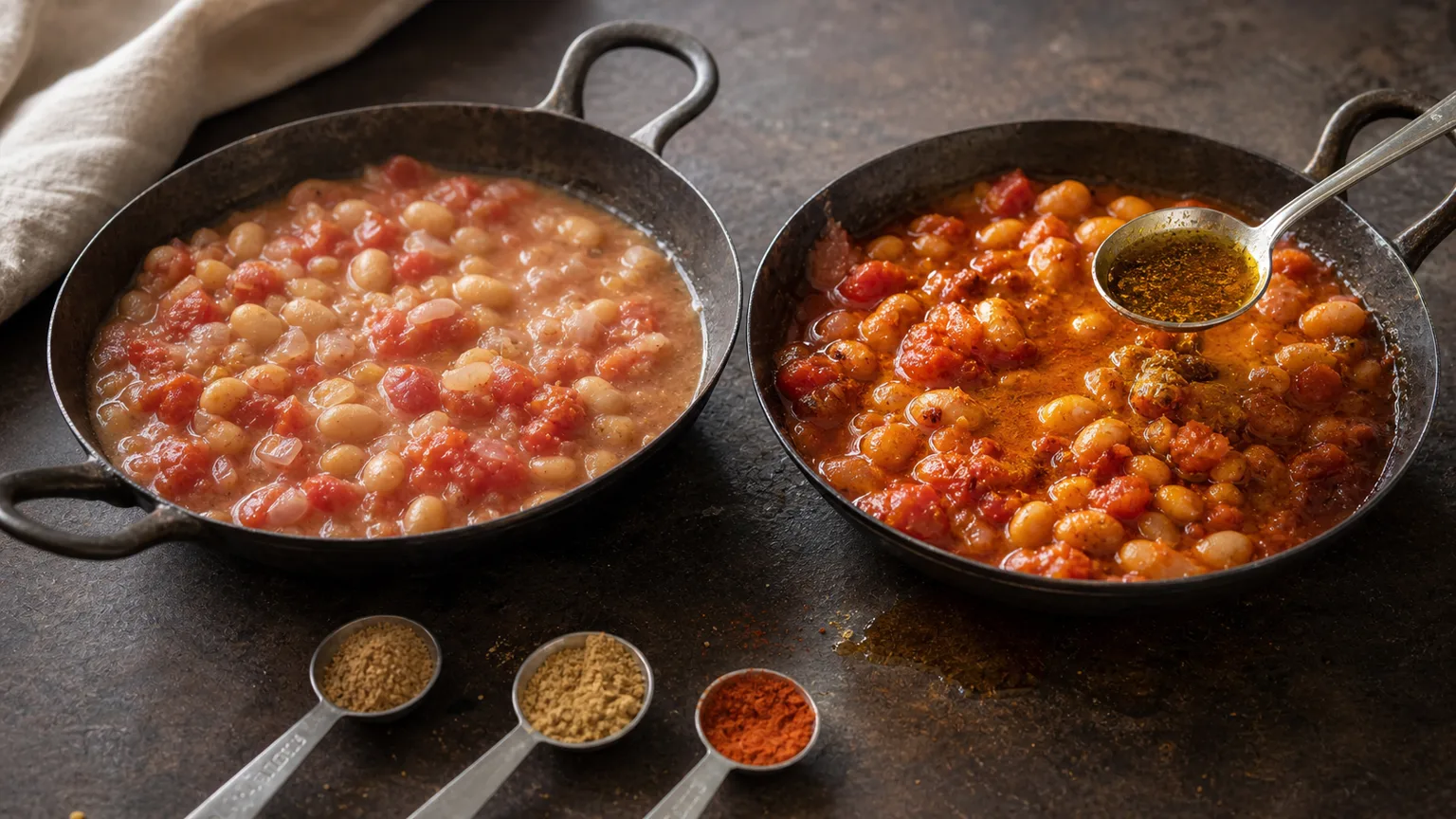
- Raw powder: Late dry additions can taste dusty even when the substitute is right.
- Spice oil: A small bloomed spoon can fix flatness without over-seasoning.
- Liquid ready: Keep sauce or stock nearby so powders do not scorch.
- Wait before judging: Beans and thick sauces need time to absorb the correction.
If the swap tastes harsh, the fix may be heat, not more spice. Give it fat, time, or acid before adding another spoon.
Substitution is a sequence, not a single measurement. Add, cook, taste, then correct.
That sequence also prevents panic. You can stop after each adjustment and keep the dish balanced.
How to taste and correct the substitute
Taste a substitute only after the dish has salt, fat, and enough cooking time. Raw powder on a spoon tells you very little.
A substitute can taste deeper after toasting whole spices without adding more powder. That helps when the dish needs warmth, not volume.
| Problem after swap | Likely cause | Correction |
|---|---|---|
| Flat flavor | Aroma did not enter fat | Make a small spice oil and stir it in |
| Too sharp | Substitute is raw or undercooked | Cook longer with fat or add dairy |
| Too hot | Chile strength was higher | Add fat, starch, or sweetness |
| Too dull | Missing acid or fresh aroma | Finish with citrus, herbs, or pepper |
Correct one axis at a time. If you add salt, acid, sugar, and more spice together, you cannot tell what worked.
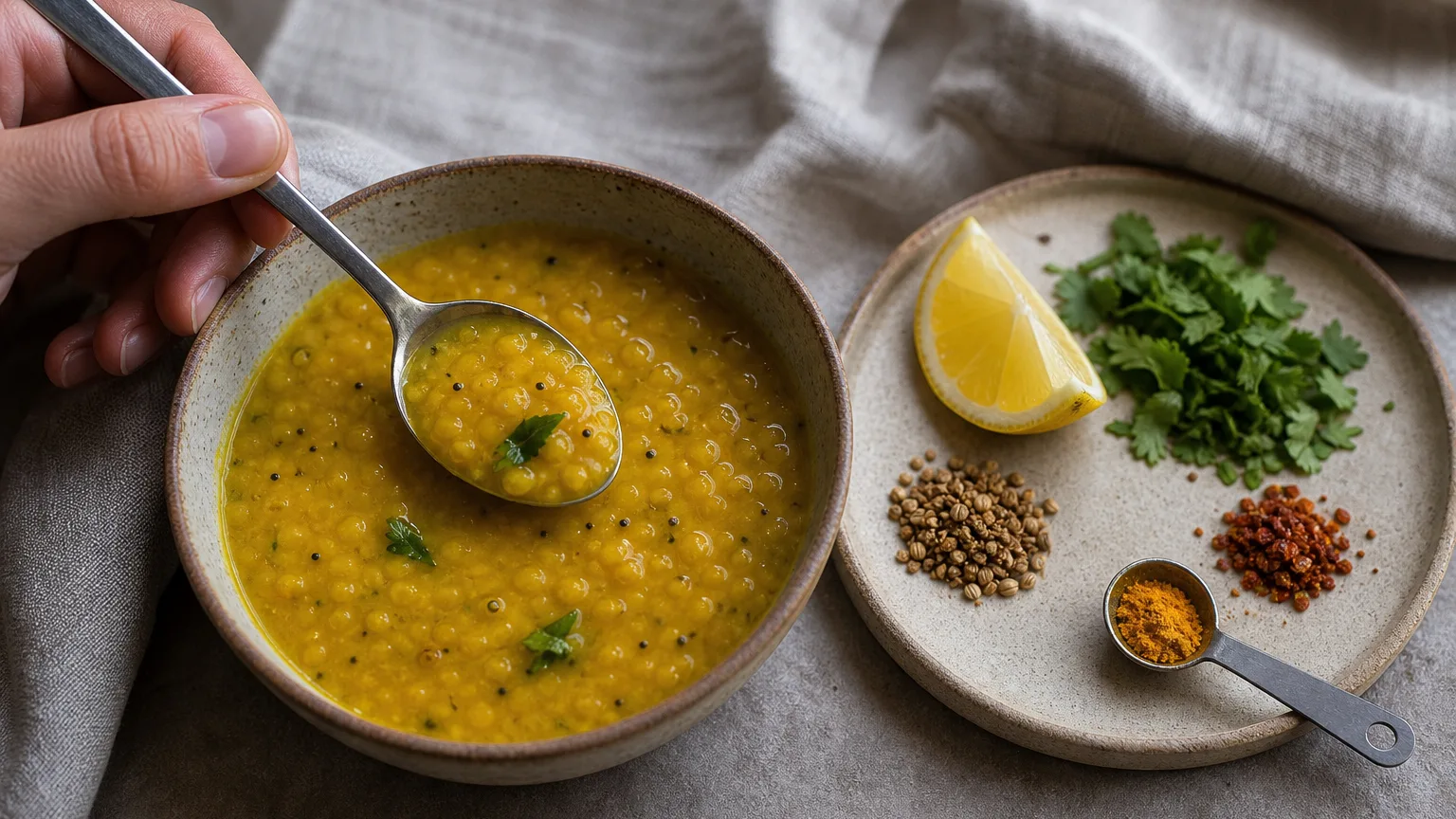
- Flat: Try a small spice oil before adding more dry powder.
- Sharp: Add fat or dairy before assuming the substitute failed.
- Dull: Add citrus, herbs, or pepper when the missing note is lift.
- Controlled: Change one thing, wait, then taste again.
Give the correction a few minutes before judging. Spices spread slowly through beans, rice, braises, and thick sauces.
- For bitterness: Stop adding spice and add fat, starch, or a small amount of sweetness if the dish allows it.
- For dustiness: Cook a spoon of the substitute in oil separately, then fold that oil into the pot.
- For missing brightness: Add lemon, vinegar, sumac, amchur, fresh herbs, or a late pepper note.
- For weak warmth: Add toasted cumin, coriander, cinnamon, or black pepper in tiny increments.
- For over-salted blends: Increase unsalted bulk with beans, potatoes, rice, tomato, yogurt, or broth.
This correction pass is what turns substitution into cooking judgment. The goal is a balanced dish, not a perfect copy.
A good substitute should disappear into the logic of the dish. It should not announce the missing jar.