
Fresh Herbs
Fresh herbs are mostly water and volatile oil, so heat is what decides whether they taste of anything by the…
8 guides Browse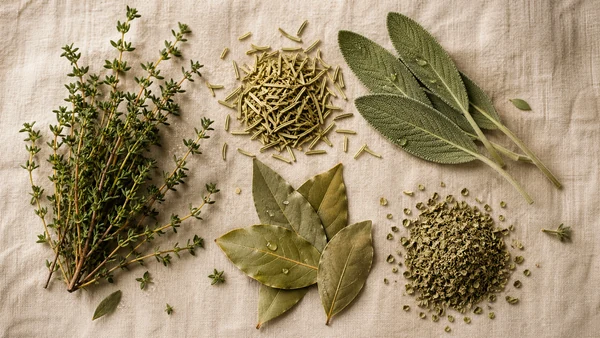
Fourteen herb profiles split by the decision that actually matters, whether the herb belongs in your kitchen fresh or dried, plus the growing and drying guides for the ones you raise yourself. Each says how much to use and how late in the cook it goes in.
Fresh and dried behave differently. Every entry says which one a recipe means, and what changes when you swap.
Each group narrows the section to one kind of decision.
Fresh herbs are mostly water and volatile oil, so heat is what decides whether they taste of anything by the…
8 guides BrowseDrying destroys the delicate herbs and concentrates the woody ones, which is why only a handful are worth…
6 guides BrowseGrowing your own only pays off if the herb survives the windowsill and the drying rack. These three guides…
3 guides BrowseOne ingredient per page: what it tastes like, where it belongs, and what replaces it.
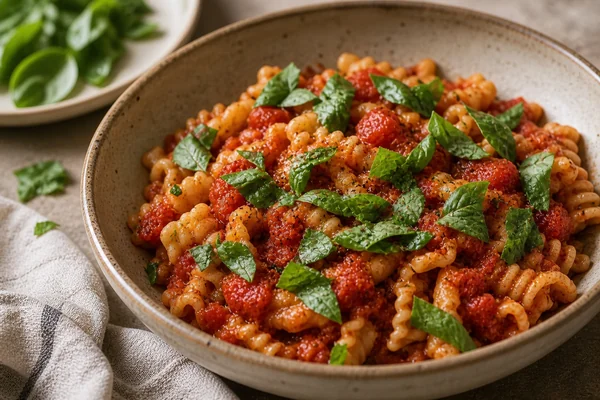
Basil is a heat-fragile herb, so add it raw or in the last seconds of cooking, or its sweet aroma turns to dull, bitter…
Read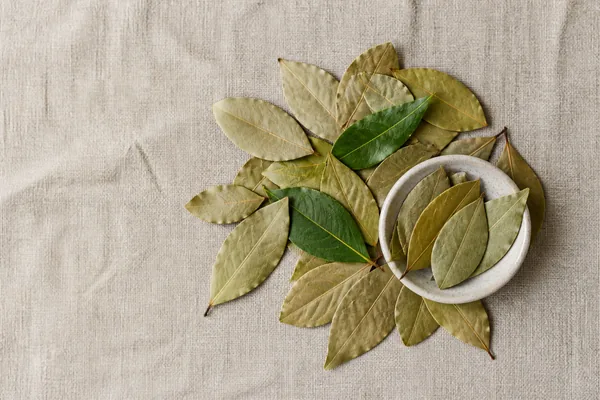
Bay leaf rarely announces itself in the first spoonful. Give a good dried leaf enough time and it adds tea, pine…
Read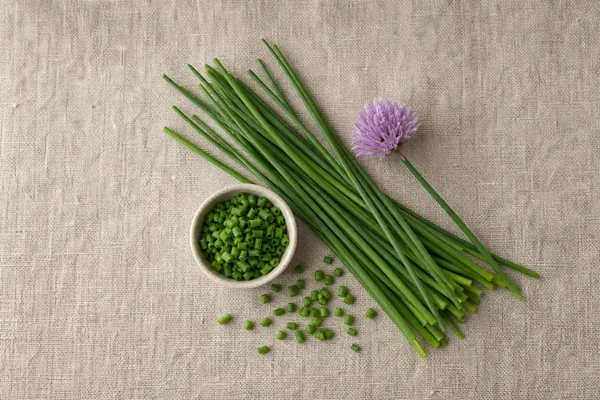
Chives are the mildest onion in the kitchen and the only allium used raw as a finishing herb. The two decisions that…
Read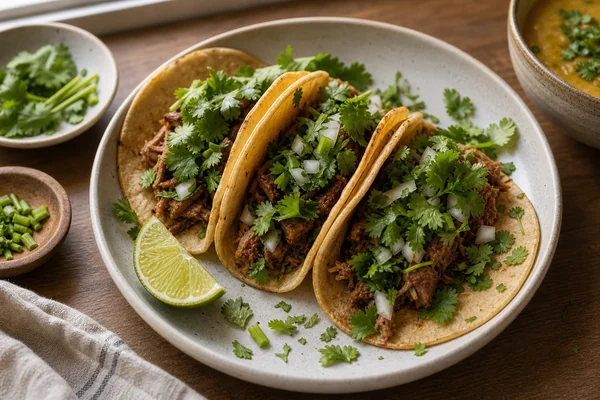
Cilantro tastes bright and citrusy to most people and soapy to some, and that split is genetic, not a matter of skill…
Read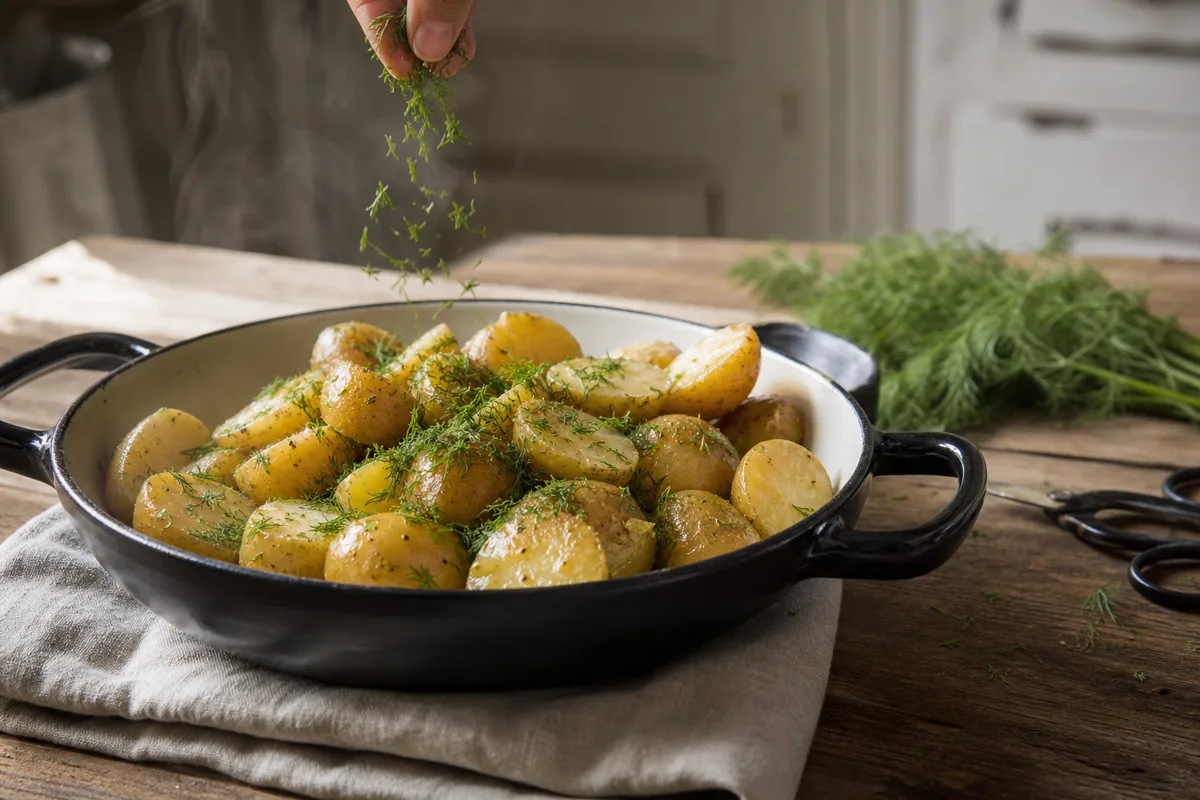
Dill loses much of its leafy aroma when it simmers for too long. Add fresh fronds near the end, give dried dill a few…
Read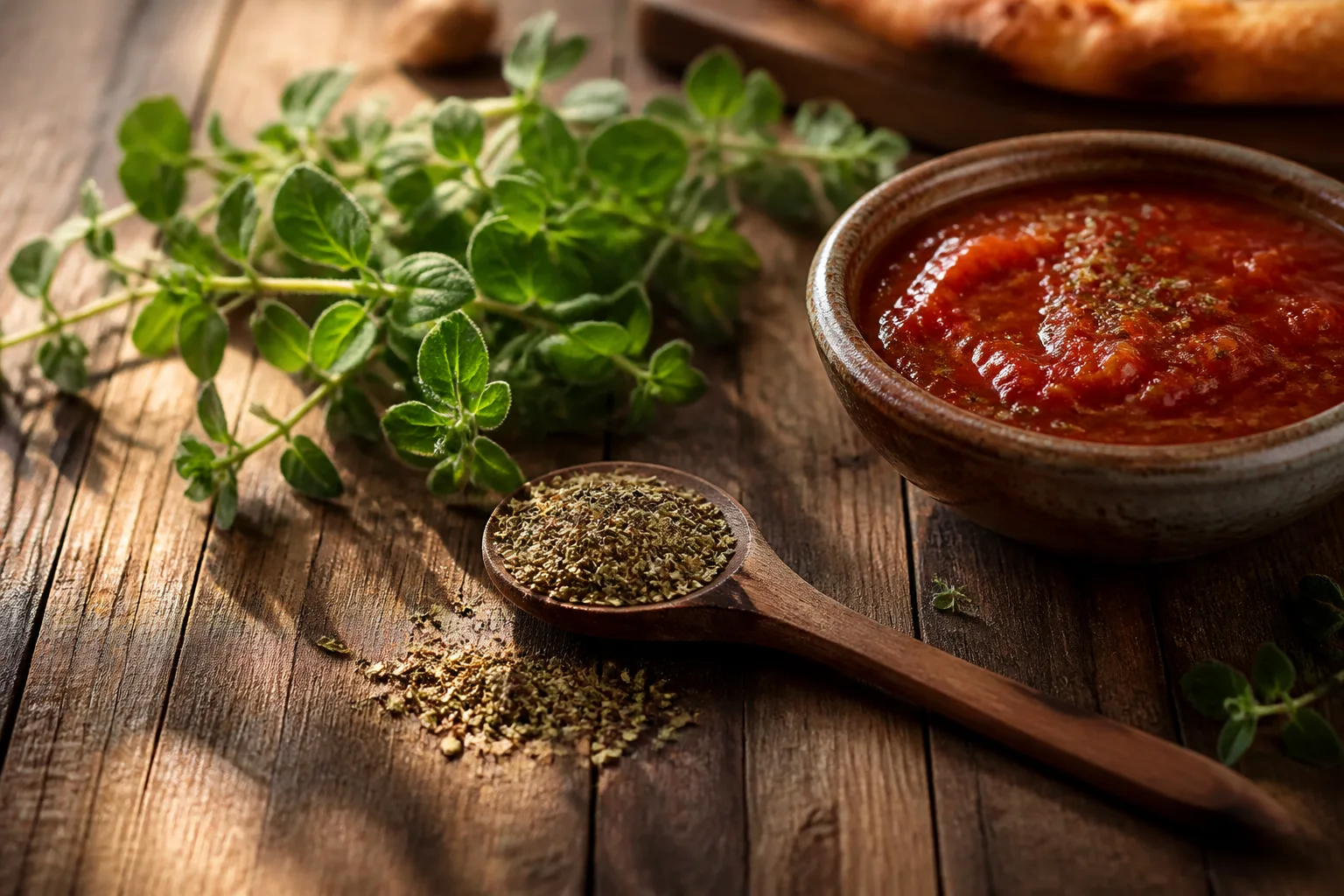
Dried oregano usually beats fresh for sauce, pizza, beans, and rubs, because drying concentrates its savory bite…
Read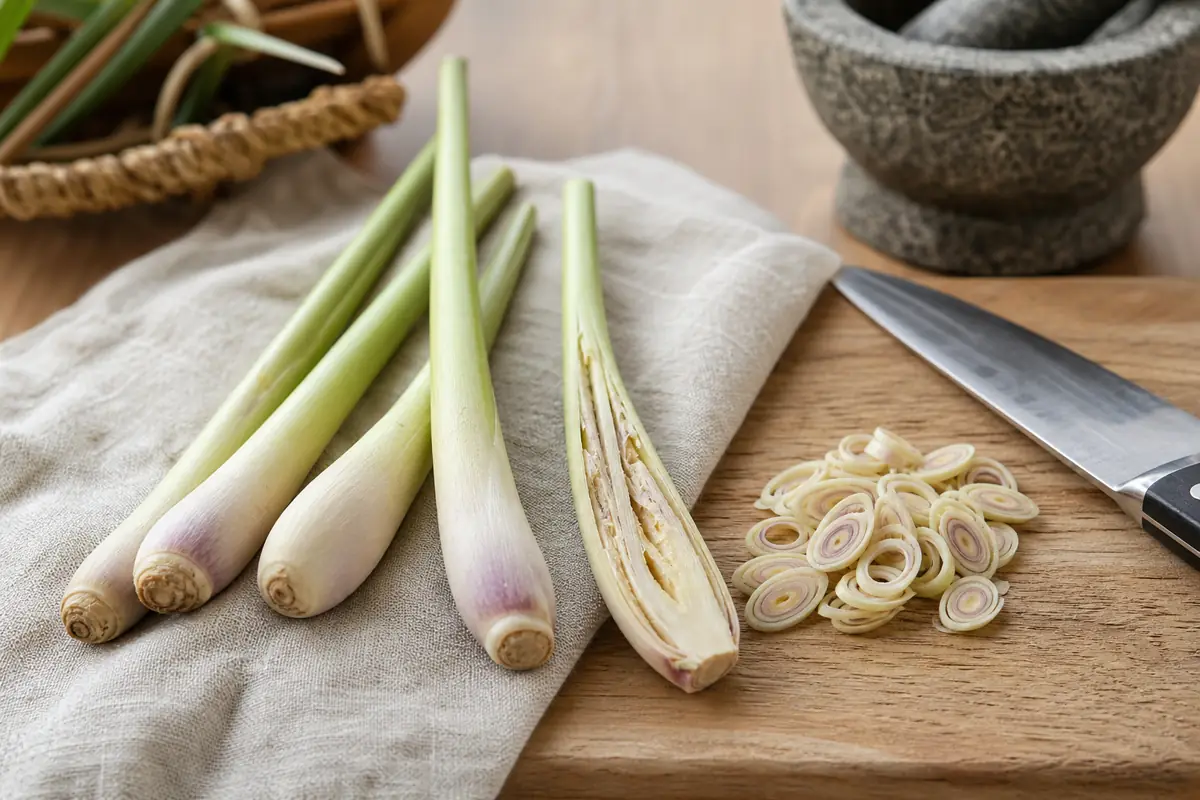
Lemongrass gives food a lemon-like aroma without making it sour. Bruise large pieces when they will perfume liquid and…
Read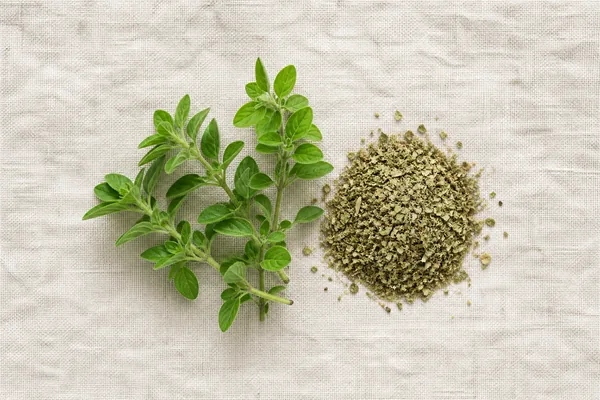
Marjoram is oregano's gentler relative and almost every habit you have with oregano runs backwards with it. Oregano is…
Read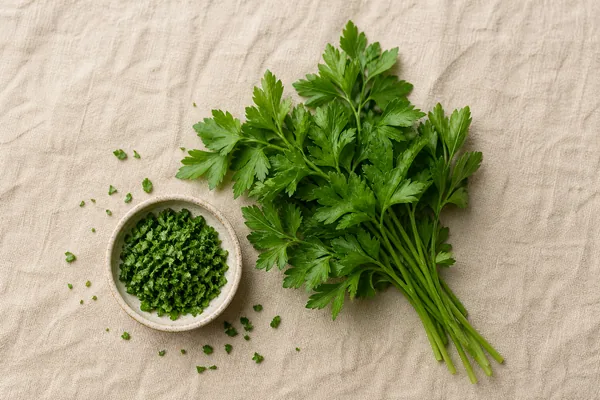
Parsley is the bulk of most dishes that made it famous, from tabbouleh to gremolata, rather than the sprig beside them…
Read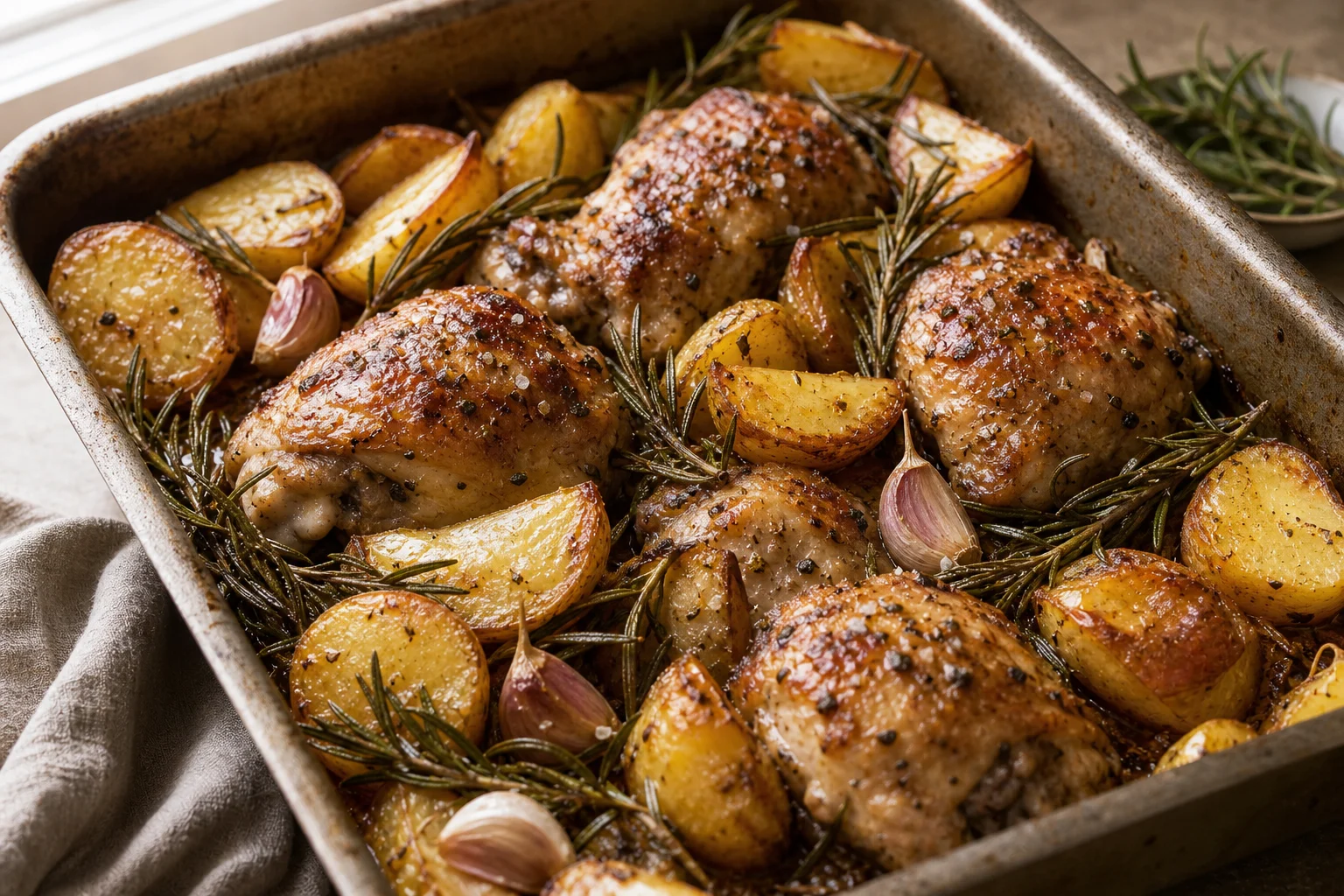
Rosemary is a strong, resinous herb that a heavy hand can push into medicinal, perfumey territory. Use it sparingly…
Read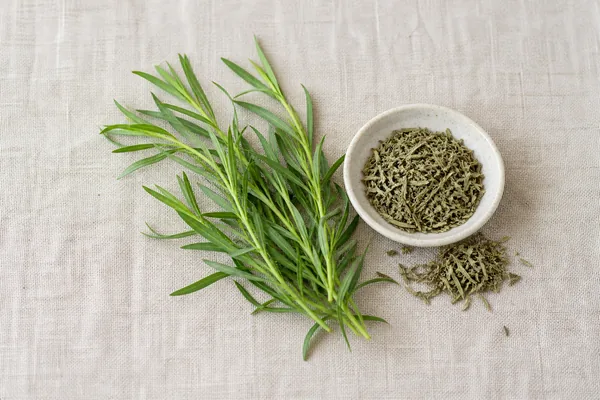
Two different plants are sold as tarragon, and only French tarragon carries the sweet anise flavor the herb is known…
Read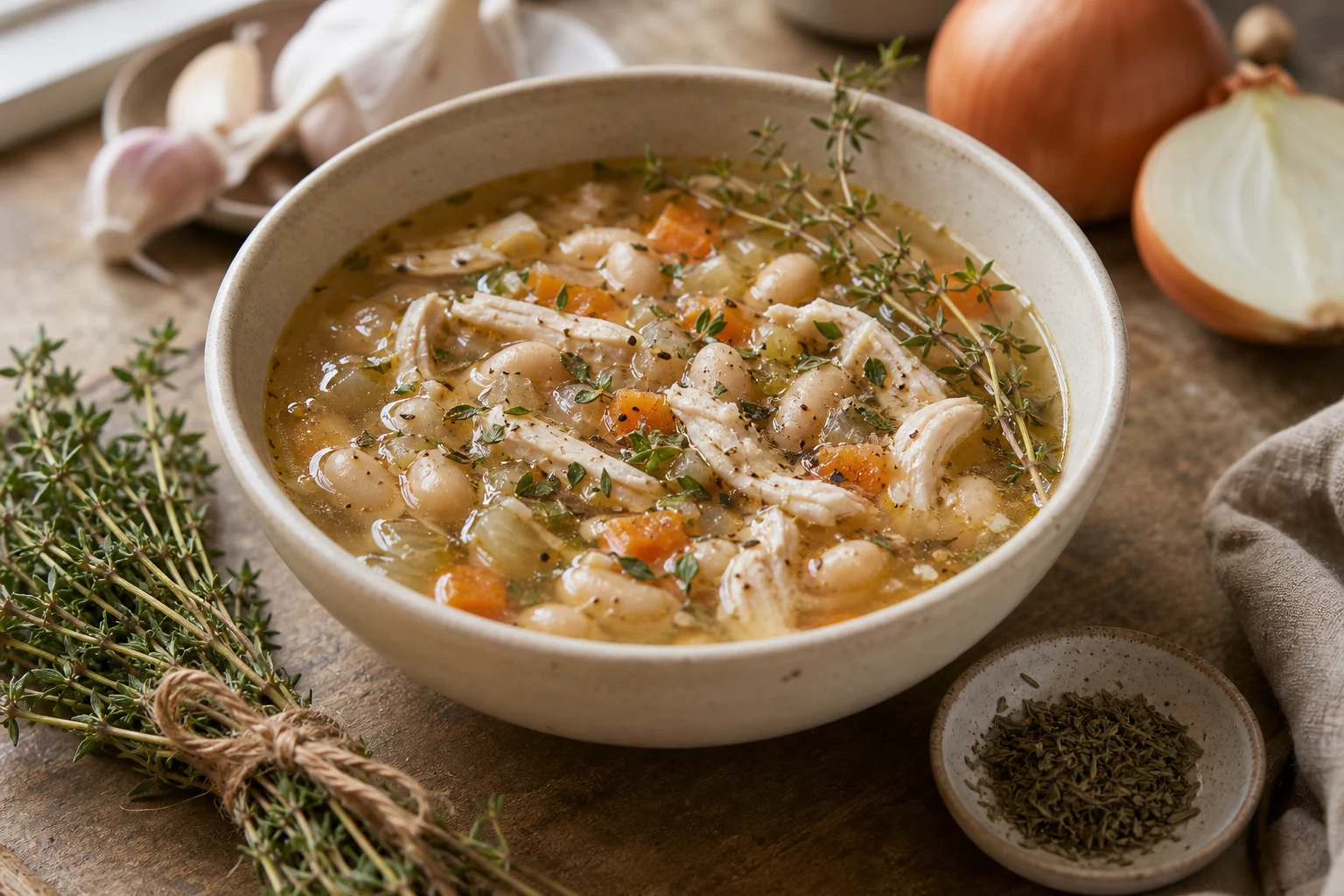
Thyme is a forgiving background herb that blends into soups, beans, stock, and roasts without taking over. Add it early…
Read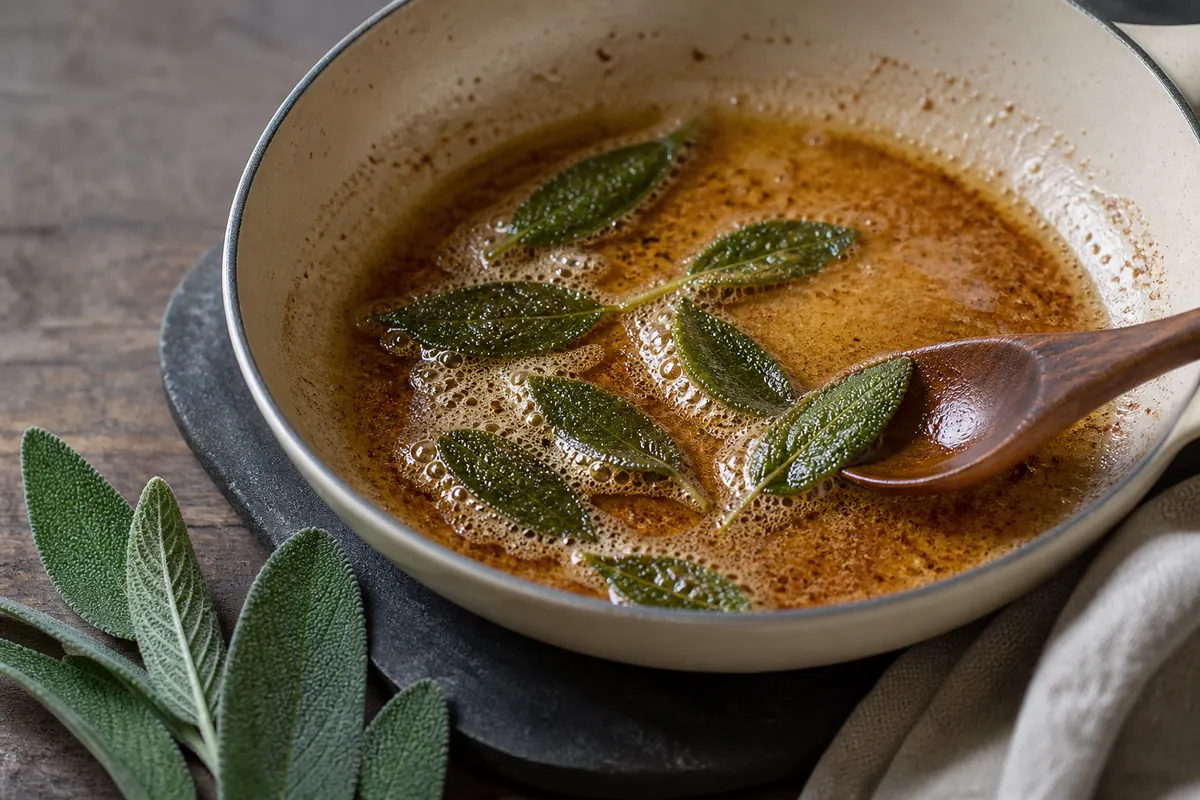
Sage is a strong woody herb that works best with fat, starch, poultry, beans, squash, pork, and brown butter. Fresh…
Read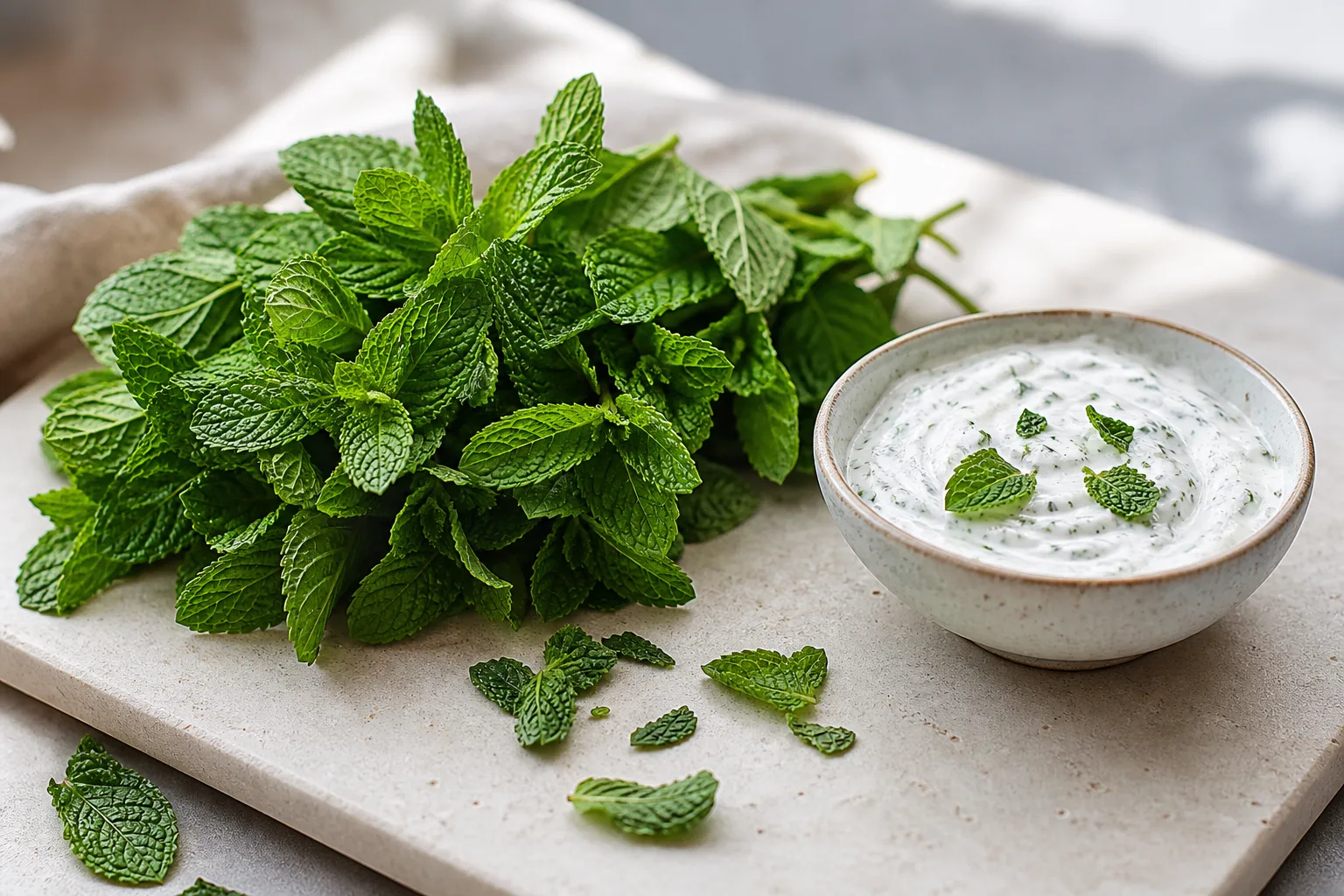
Use mint to cool and lift food that feels heavy, hot, or over-sweet, not as a base flavor. Choose spearmint for almost…
ReadNothing at this heat level yet.
The handling steps that decide how much flavour survives to the plate.
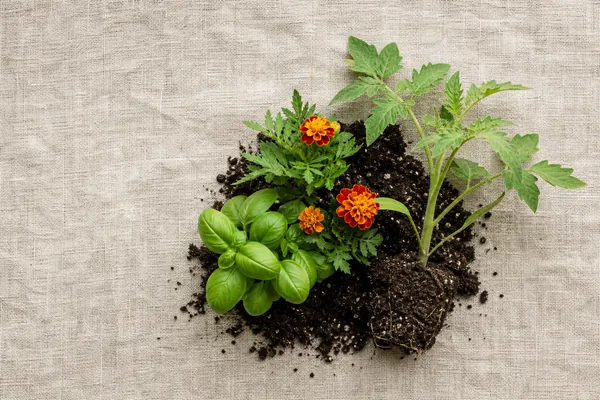
Companion planting is four different claims sharing one name, and they are not equally well supported. Letting herbs…
Read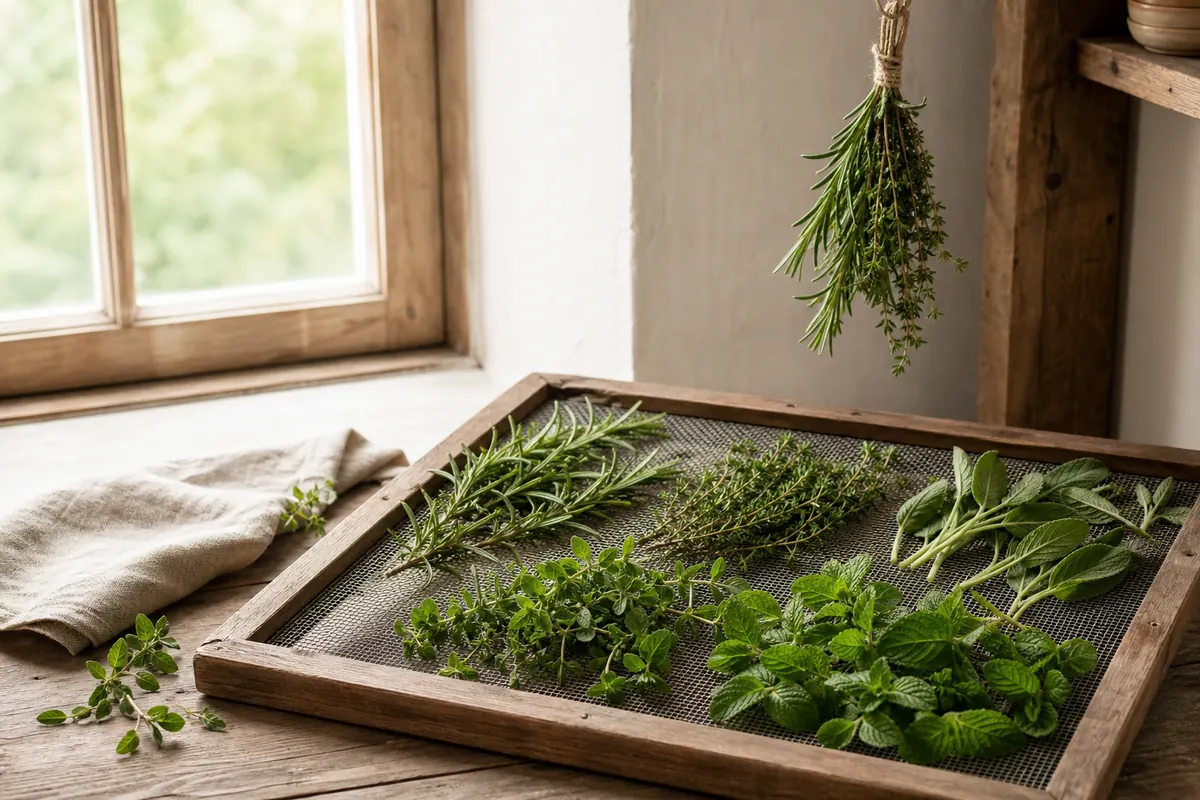
Air-dry woody herbs in small loose bundles, and use a low-temperature dehydrator for tender leaves or humid rooms…
Read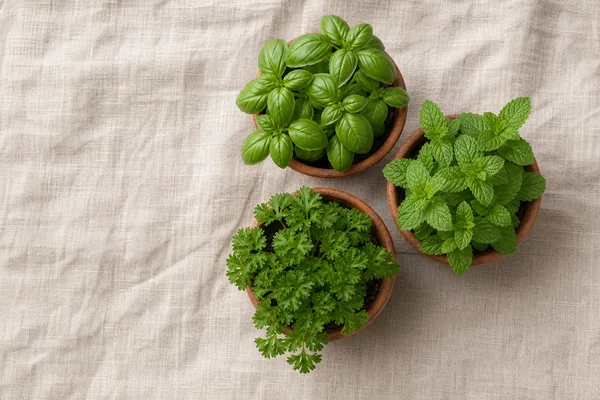
An indoor herb garden lives or dies on light long before care comes into it. A kitchen windowsill gives a fraction of…
Read