
Cilantro: Why It Tastes Like Soap, and How to Use the Whole Plant
The soap-taste divide is real, and the leaves, stems, and roots each do a different job when kept raw.
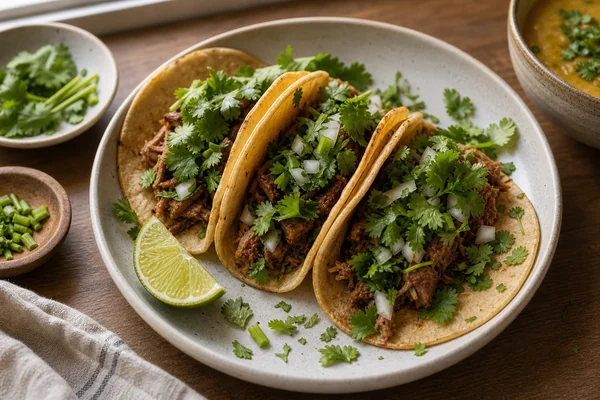
Cilantro tastes bright and citrusy to most people and soapy to some, and that split is genetic, not a matter of skill. Use the leaves as a raw finish, the stems chopped into bases, and the roots in pastes. Heat destroys its aroma, so add cilantro at the end rather than cooking it.
Why does cilantro taste like soap to some people?
Cilantro is the most divisive herb in the kitchen. To most people it tastes bright and citrusy, but to some it tastes like soap.
Check whether dried cilantro can do your dish
That split is not pickiness. It traces to genetics, specifically variations in the smell receptors that read the herb's aroma compounds.
People who taste soap are picking up on aldehydes in cilantro, the same class of compounds found in some soaps. Their receptors flag that note instead of the citrus.
If cilantro tastes like soap to you, no cooking trick fully fixes it.
One thing does genuinely reduce it, and it is chemistry rather than cooking. Crushing the leaves hard, in a mortar or by mincing them to a paste, breaks down some of the aldehydes that carry the soapy note.
The effect is partial. It shows up in a chutney or a curry paste, where the leaves are pulverised, and barely at all in a garnish that was chopped once.
Acid blunts it a little too, which is part of why cilantro and lime turn up together so often.
None of that turns a soap-taster into a cilantro fan.
If someone at your table tastes soap, serve the herb in a bowl beside the food rather than cooking it in and hoping, the way a pho shop does.
For everyone else, cilantro tastes like a sharp, green, citrus finish. It is the flavor that makes salsa, pho, and chutney taste fresh and alive.
The share of soap-tasters varies a lot between populations, and it is more common in some ancestries than others. That is part of why the herb is beloved in some cuisines and avoided in others.
Leaves, stems, and roots are three ingredients
Cilantro is not just a pile of leaves. The leaves, stems, and roots each do a different job, and throwing the stems away wastes the best flavor.
The leaves are the delicate finish. Scatter them raw over a dish at the end, where their citrus lift stays bright and green.
The stems carry more flavor than the leaves and stand up better in cooking.
Chop them fine into salsas, chutneys, and the base of a curry.
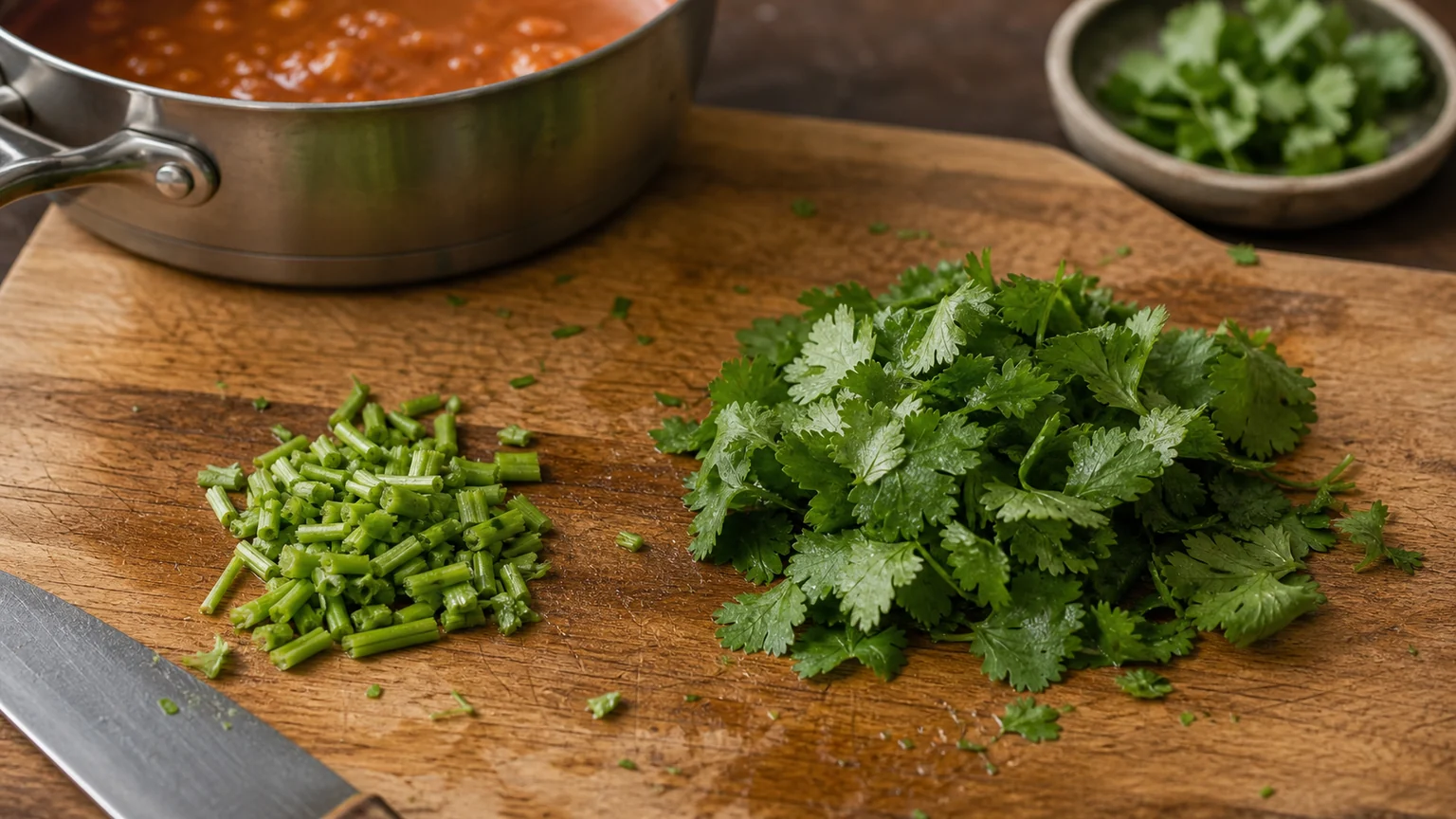
- Leaves: Raw finish for tacos, pho, curry, and salad.
- Stems: Chopped into salsa, chutney, and curry bases for deeper flavor.
- Roots: Pounded into Thai curry pastes for an earthy backbone.
The roots are prized in Thai cooking. Scrubbed and pounded into a curry paste, they add an earthy depth the leaves cannot give.
So buy cilantro with the roots on when you can, especially for Thai food. At the least, use the stems instead of tossing them with the trimmings.
Most Western supermarkets trim the roots off before the bunch reaches the shelf. When that is all you can get, pound the bottom two inches of stem instead, which carries more of the same earthy note than the leafy top does.
How much cilantro should you use?
A supermarket bunch runs about 60 to 75 grams, which is more cilantro than most single recipes want.
Chopped loosely, that bunch gives roughly two cups of leaves and a half cup of chopped stem.
Salsa is the easy one to overshoot. Half a cup of chopped leaves and stems is enough for a salsa built on four medium tomatoes, and a full cup starts tasting like herb salad.
For a dal or curry serving four, two tablespoons of chopped stem go into the base, then a small handful of torn leaves lands on top at the end.
Noodle soups are portioned at the table instead. A loose handful per bowl is normal and the eater decides the rest.
Chutney is the outlier, because there the herb is the dish rather than the finish. A whole bunch with the stems in is the starting point, not the limit.
The roots are the one part worth measuring carefully. Three or four scrubbed roots will carry a Thai curry paste for four, and more than that turns the paste muddy and bitter.
| Dish, serving four | How much | Which part |
|---|---|---|
| Fresh salsa | Half a cup chopped | Leaves and stems together |
| Dal or curry | 2 tbsp stem, then a handful of leaves | Split across the cook |
| Noodle soup | A loose handful per bowl | Leaves, added at the table |
| Green chutney | The whole bunch | Leaves and stems |
| Thai curry paste | 3 to 4 roots | Roots, pounded |
Which herbs get sold near cilantro but are not it?
Two other herbs sit beside cilantro in an Asian grocery, and neither one is a substitute.
Culantro, sold as sawtooth or ngo gai, has long serrated leaves and a louder version of the same aroma. It survives heat far better than cilantro does, so it belongs in the pot rather than on top of it.
Vietnamese coriander, rau ram, is not a relative at all. Its narrow pointed leaves taste peppery, and slightly soapy even to people who love cilantro.
Rau ram belongs raw, on a herb plate or through a salad, where that pepper is the point.
Both are worth recognising when a recipe names one. Reaching for cilantro instead gives you the freshness while losing the heat tolerance of culantro or the pepper of rau ram.
Can you cook cilantro, or should it stay raw?
Like basil, cilantro cannot take heat. Cook the leaves and their fresh citrus aroma turns dull and slightly bitter.
Add cilantro leaves at the end, off the heat, or raw as a garnish. The point of the herb is the lift, and heat is what strips it away.
This puts cilantro at the far end of the timing scale, the opposite of how you cook hardy spices early. Leaves are the last thing to touch the dish.
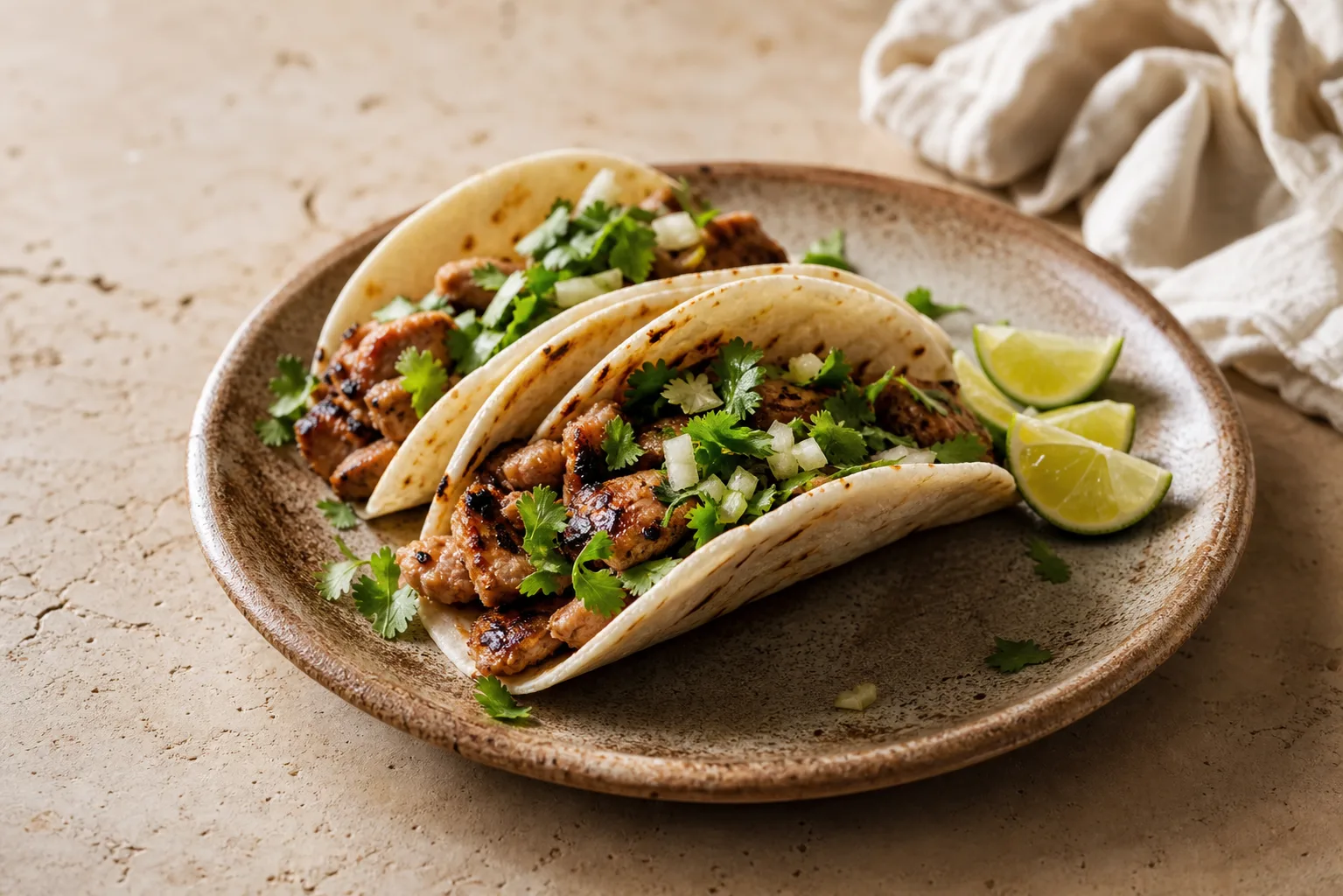
- Tacos and tostadas: Scatter leaves on just before eating.
- Soups like pho: Pile raw cilantro on at the table, not in the pot.
- Curry and dal: Stir stems in early, then finish with raw leaves.
The stems are the exception to the raw rule. Because they are sturdier, you can cook them into a base without losing everything.
A common move is to split the herb across the cook.
Simmer the chopped stems for depth, then finish with a shower of raw leaves for brightness.
Where cilantro finishes a dish
Cilantro is a finishing herb across a huge span of cooking. It shows up wherever a dish needs a sharp, fresh, citrus lift at the end.
| Dish | Part used | How to use it |
|---|---|---|
| Mexican salsa | Leaves and stems | Chop into the raw salsa |
| Tacos and tostadas | Leaves | Scatter on at the table |
| Vietnamese pho | Leaves | Pile in raw as a garnish |
| Indian dal and curry | Stems early, leaves late | Split across the cook |
| Thai green curry paste | Roots and stems | Pound into the paste |
| Chutney | Leaves and stems | Blend raw with chile and lime |
It anchors the fresh side of a Mexican salsa, where lime, chile, and onion do the rest. Leave it out and the salsa tastes muddy.
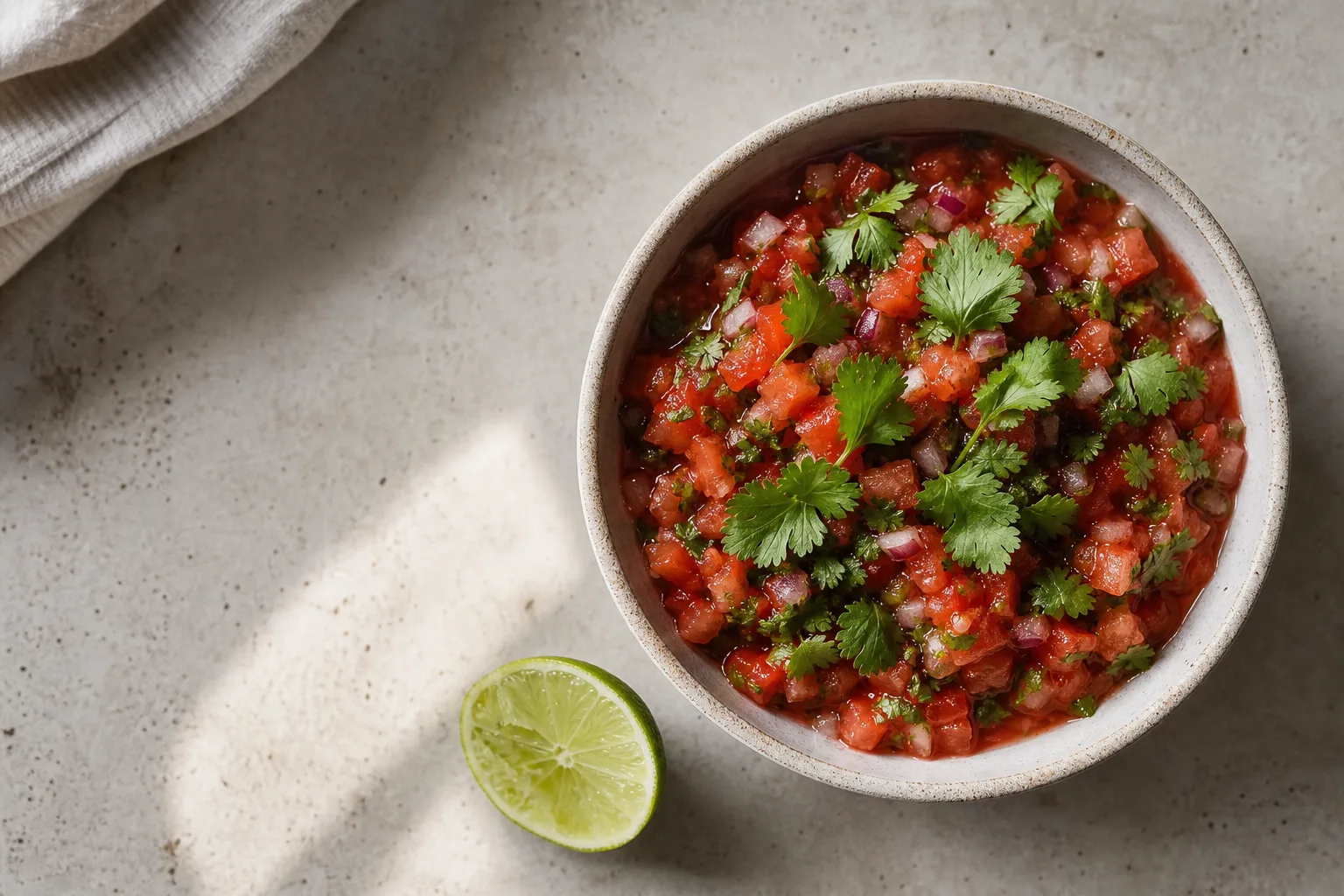
- Stems in the base: Chop fine for depth that survives the mix.
- Leaves on top: Add whole or torn for the raw citrus finish.
- Lime and chile: Cilantro's natural partners in almost every salsa.
In an Indian kitchen, cilantro finishes dal, curry, and chaat. The stems go into the base and the leaves land on top at the end.
It does the same job over a bowl of Vietnamese pho. Piled on raw at the table, it lifts the rich broth without ever seeing the heat.
Cilantro loves acid and chile.
Lime, green chile, garlic, and cumin are its natural partners across Mexican, Indian, and Thai food.
Is coriander the same as cilantro?
Cilantro and coriander come from the same plant, which confuses a lot of cooks. In the United States, cilantro means the leaves and coriander means the dried seed.
They do not taste alike and do not substitute for each other. The fresh leaf is citrusy and green, while the dried seed is warm, nutty, and mildly sweet.
The coriander seed is toasted and ground into curry powders and spice blends. It survives long cooking, which the fresh leaf never could.
So a recipe calling for ground coriander is not asking for chopped cilantro. Swapping one for the other changes the dish completely.
The plant links them, though. The seeds are what the cilantro plant produces when it bolts, which is why letting a plant flower gives you coriander seed for free.
How do you pick a bunch that will last?
Freshness in cilantro is visible from a step away.
Look for stems that hold themselves up when you lift the bunch. One that flops the moment it leaves the display has already lost the water it needed.
Three faults are visible before you pay, and only one of them is survivable.
| What you see | What it means | Worth buying |
|---|---|---|
| A few yellow leaves | Age, and nothing worse | Yes, pick them out at home |
| Black or clear patches | It sat wet in the bag | No, the damage spreads in a day |
| Dark or slimy stem ends | It has been standing a while | No, trimming will not revive the leaves |
A living pot looks like better value than a cut bunch and usually is not. Supermarket pots are dozens of seedlings crowded into one plug, and they bolt within a couple of weeks on a windowsill.
Buy it roots on where the shop offers it. The roots keep the plant drinking for longer, and they are the part Thai cooking actually wants.
Storing a herb that wilts fast
Cilantro wilts faster than almost any herb.
A bunch can go from crisp to slimy in a couple of days if you just leave it in the bag.
Treat it like a bouquet. Trim the stem ends, stand them in a glass of water, and loosely cover the leaves before refrigerating.
Do not wash cilantro until you use it. Trapped water on the leaves is what turns a bunch to black slime early.
- Stems in water: Stand the trimmed bunch in a glass, leaves loosely covered, in the fridge.
- Wash late: Rinse only what you are about to use, then dry it well.
- Freeze the extra: Chop stems and leaves into oil and freeze for cooked dishes.
- Skip dried: Dried cilantro has almost no aroma left and is rarely worth using.
This handling matters more than the usual herb storage advice, because cilantro fades so fast. A day of neglect is often the difference between crisp and slimy.
Dried cilantro is close to pointless. It loses almost all of its aroma, so it cannot deliver the fresh citrus lift that is the whole reason to use it.
Washing is where most bunches die early. Rinse only what you are about to use, in a bowl of cold water rather than under a tap, so grit falls away instead of being driven into the leaves.
Then dry it properly. A salad spinner is worth the counter space here, and a bunch rolled loosely in a towel for ten minutes gets close.
Wet leaves are not only a storage problem. Water clinging to cilantro thins a salsa and stops chopped leaves catching on anything they are meant to season.
To keep a glut, blitz stems and leaves with just enough neutral oil to make a loose paste and freeze it in an ice cube tray.
The oil is doing the same job it does in pesto, keeping air off the cut surfaces. Frozen that way the herb holds its aroma for around three months, and each cube drops straight into a curry base or a soup.
What it will not do is come back as a garnish. Thawed cilantro is limp and dark, so freeze it for the cooked half of the split and keep buying fresh for the raw half.
Like other soft herbs, cilantro follows the same freshness checks as it fades.
What can you use instead of cilantro?
No herb truly copies cilantro, so a substitute has to target the job. Decide whether you need green freshness, citrus lift, or both.
For a garnish, flat-leaf parsley with a squeeze of lime gets closest. The parsley gives the green and the lime supplies the citrus cilantro would have brought.
| What cilantro did | Closest herb | What shifts |
|---|---|---|
| Fresh green garnish | Parsley plus lime | Loses the distinct aroma |
| Salsa or guacamole | Parsley, lime, and a little mint | Fresher, less floral |
| Thai paste base | Cilantro roots or extra stems | Keep the earthy note |
| When soap-averse | Parsley or Thai basil | Avoids the soapy compounds |
For people who taste soap, the best substitute is simply another herb. Parsley, mint, or Thai basil give freshness without the compounds that taste soapy.
When cilantro defines the dish, such as salsa verde or a fresh chutney, a swap only gets you close. The substitute-by-job approach matters more than matching the leaf.