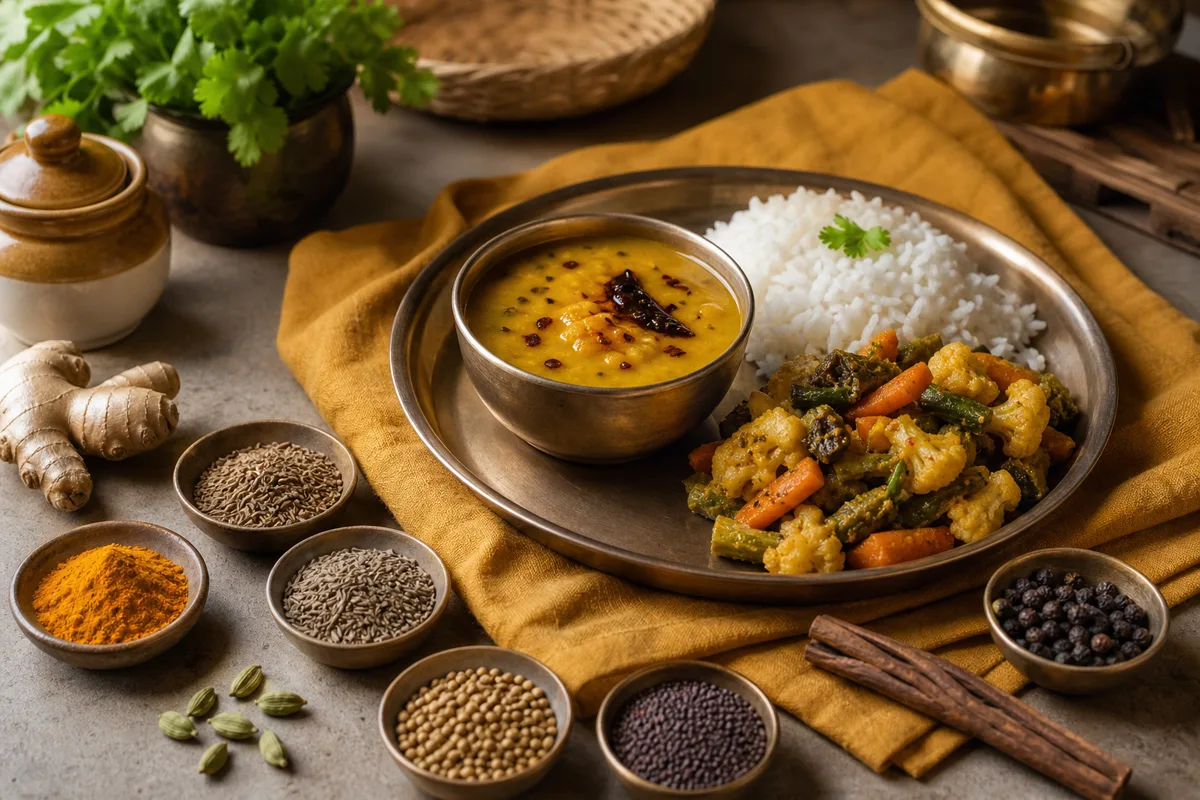
Health Benefits
Most spice health claims come from doses far larger than anything a meal contains, and the studies behind…
6 guides Browse
Spice health claims traced back to the trials behind them, including the trials that found nothing at the dose a meal actually contains. Alongside them, the safety questions worth checking first: allergies, pregnancy, and interactions with medication.
Health claims traced back to the trials behind them, including the trials that found nothing.
Each group narrows the section to one kind of decision.
Most spice health claims come from doses far larger than anything a meal contains, and the studies behind…
6 guides BrowseAyurveda and Chinese medicine classify everyday kitchen spices by effect rather than by flavour, and those…
2 guides BrowseA few spices interact with medication, trigger allergies, or carry a caution during pregnancy, and the…
3 guides BrowseThe handling steps that decide how much flavour survives to the plate.
Background that changes what you do next in the kitchen.
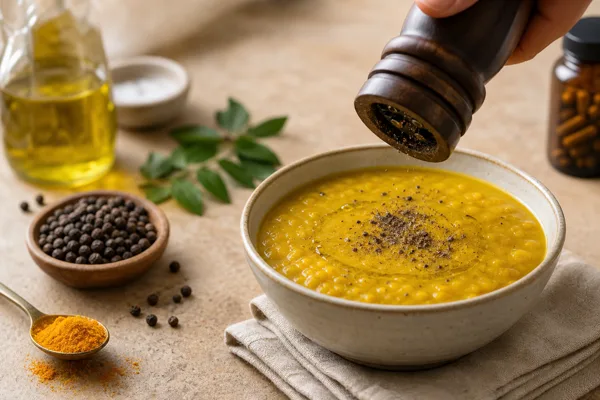
Black pepper's piperine can sharply raise curcumin exposure, but the well-known result came from measured supplement…
Read
A true spice allergy is an immune reaction that can cause hives, swelling, vomiting, wheezing, or anaphylaxis. Burning…
Read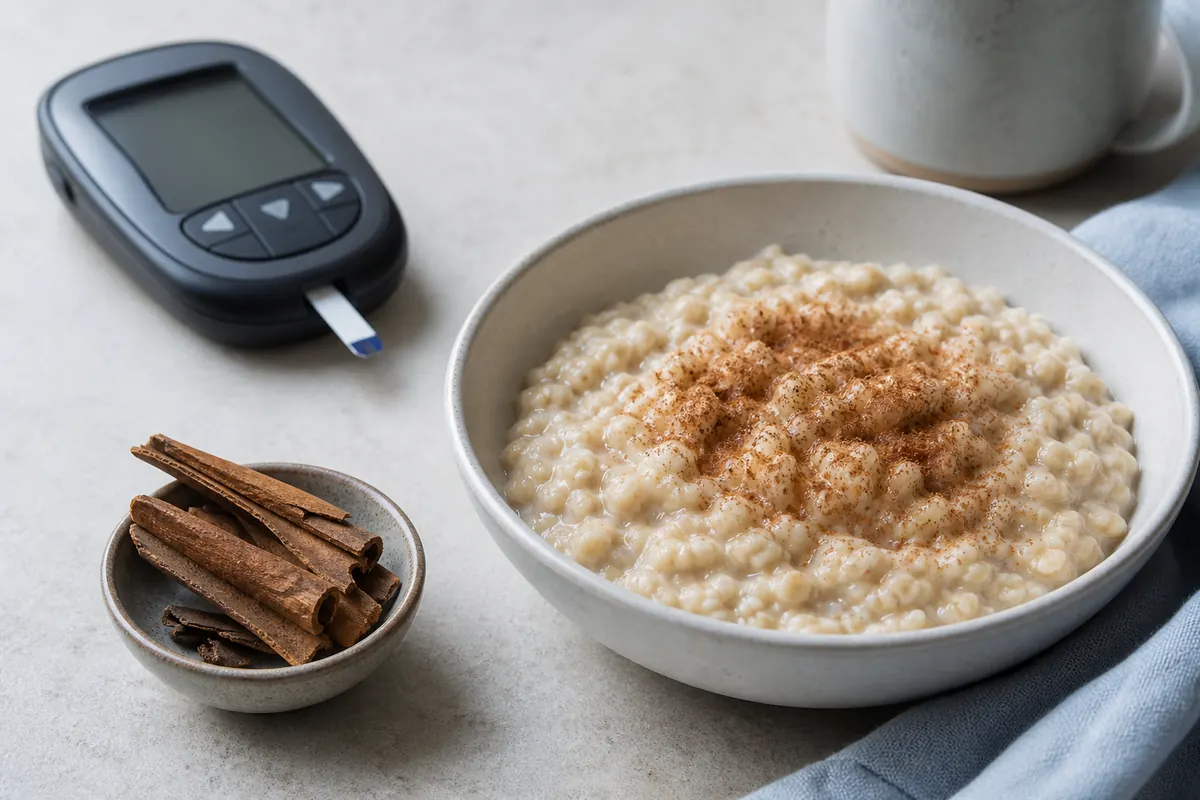
Cinnamon may change fasting glucose in some supplement trials, but inconsistent products and outcomes do not establish…
Read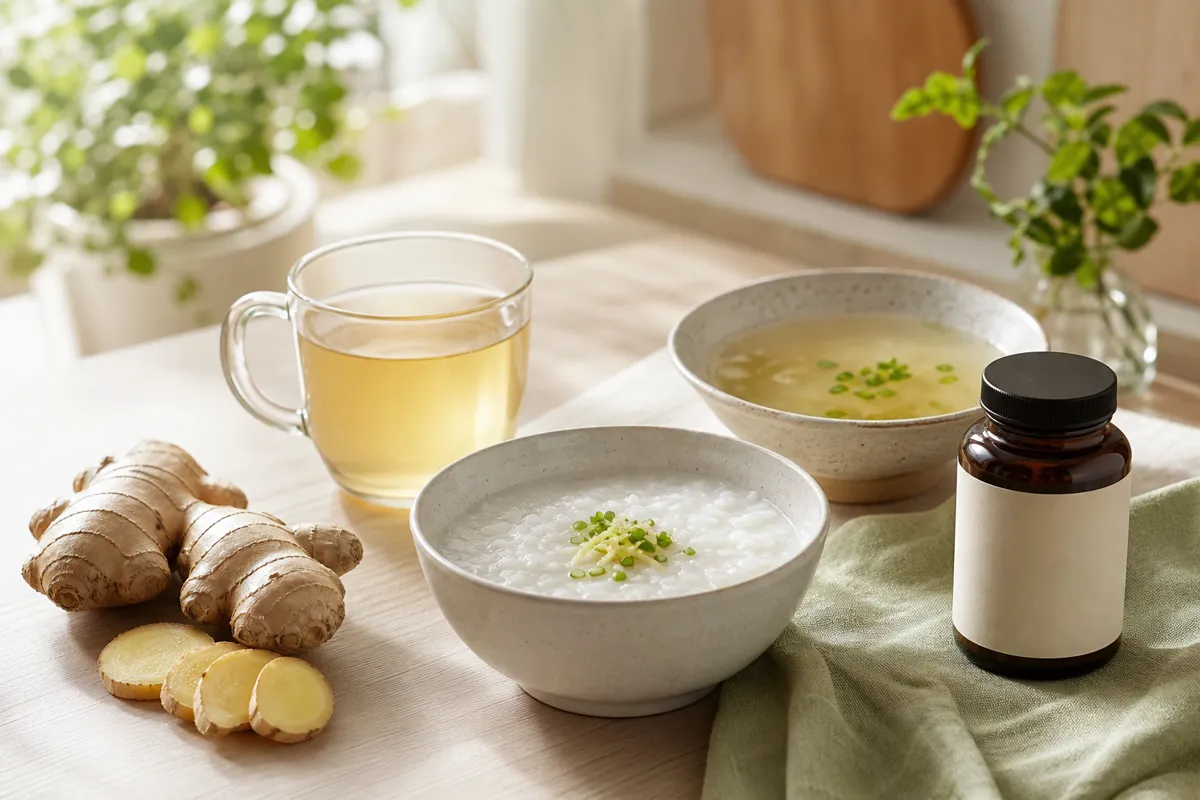
Ginger has its clearest support for some types of nausea, especially pregnancy-related nausea, though most studies…
Read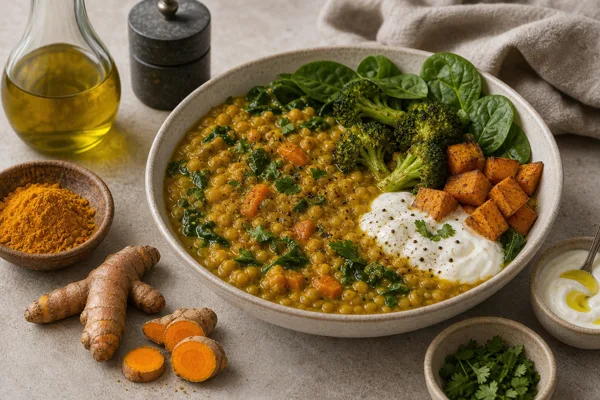
Turmeric can support an anti-inflammatory eating pattern, but a spoonful in food is far below the curcumin doses used…
Read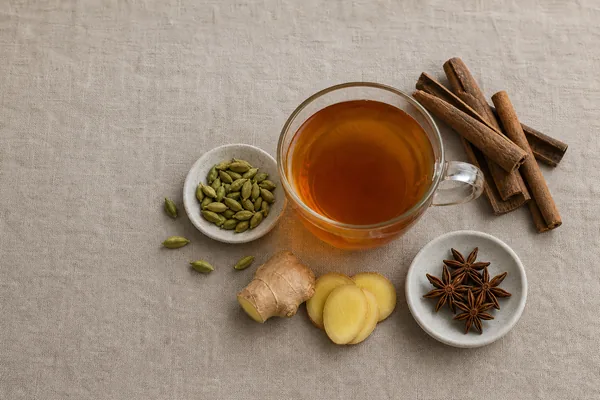
Brewing is an extraction, so what you drink is only the part hot water pulled out of the spice. Ginger dissolves well…
Read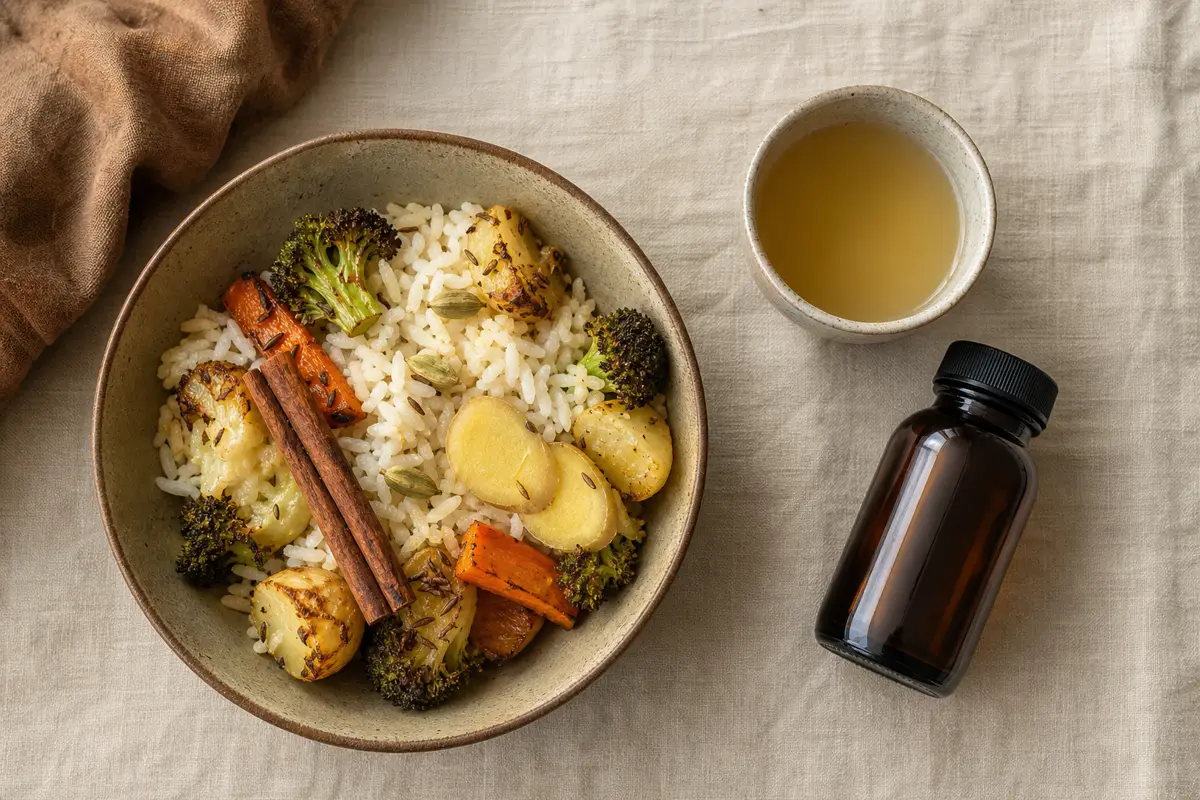
Most familiar spices used in normal meal amounts are generally a lower-risk choice during pregnancy than capsules…
Read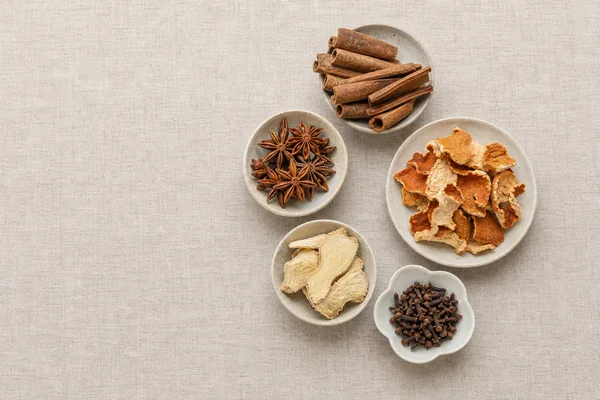
Ginger, cinnamon, star anise, clove and Sichuan pepper all appear in Chinese materia medica as well as in a spice rack…
Read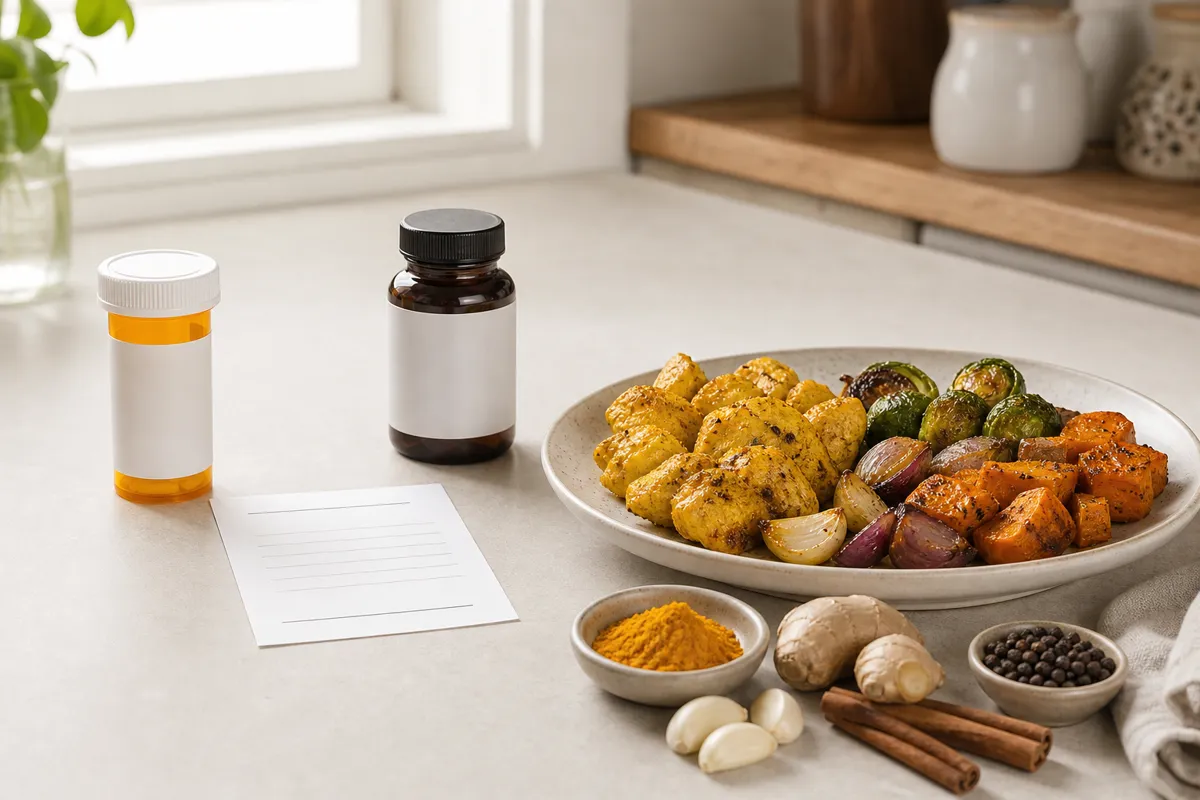
Some spice-derived supplements may change how medicines are absorbed, processed, or felt. The risk depends on the exact…
Read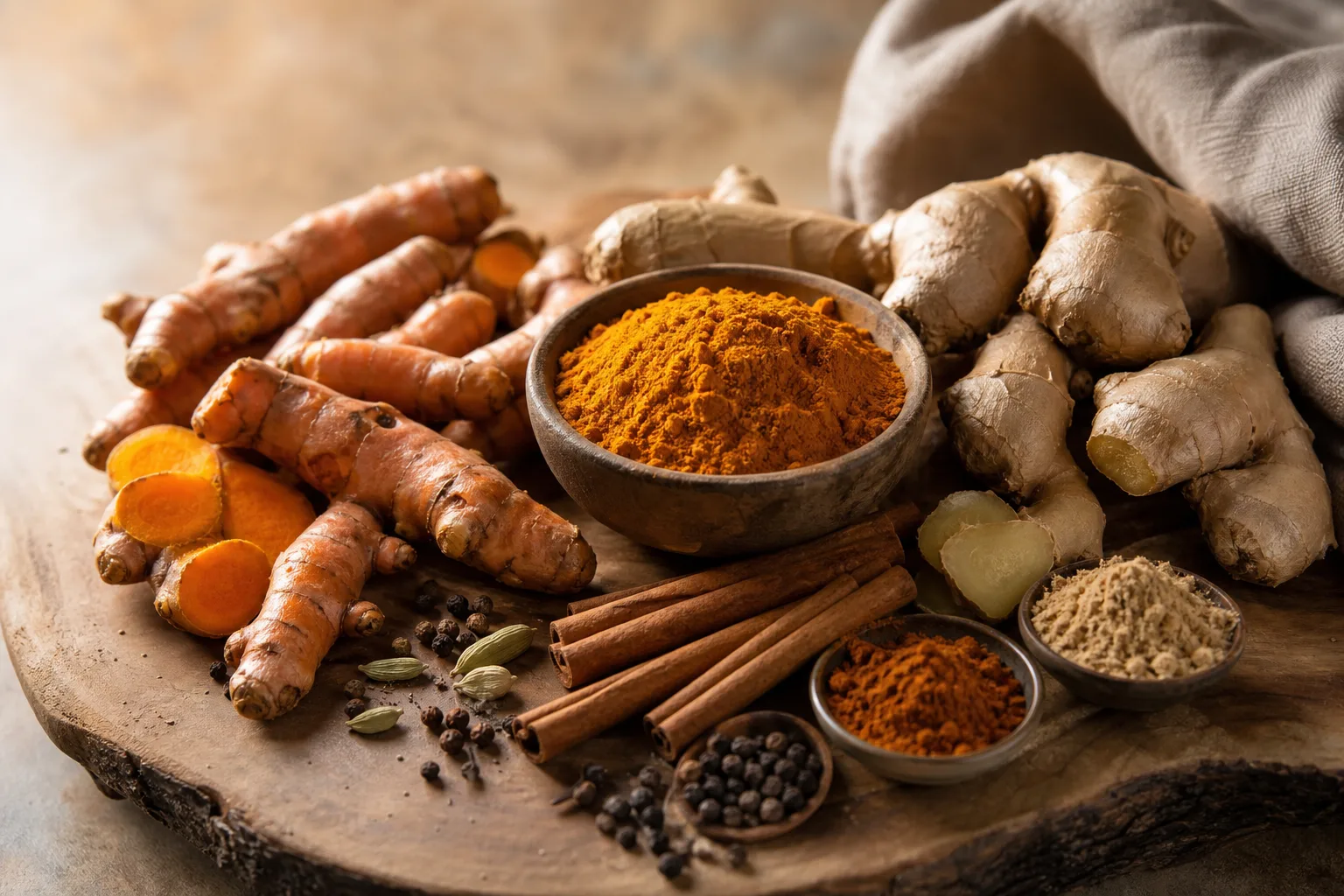
Turmeric, ginger, cinnamon, saffron, rosemary, and black pepper contain compounds studied for antioxidant or…
Read