
Spices During Pregnancy: What Is Safe in Food?
Use familiar spices with confidence in meals, then apply stricter checks to strong teas, capsules, extracts, and persistent symptoms.
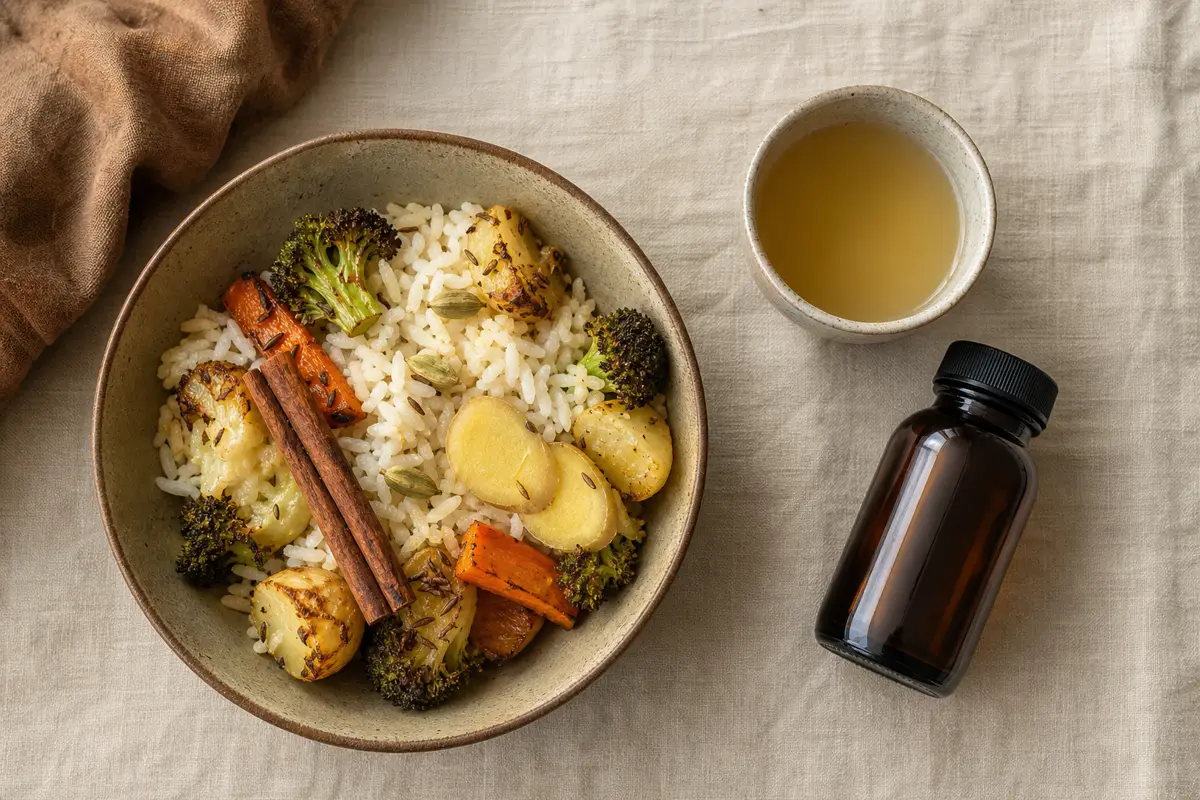
Most familiar spices used in normal meal amounts are generally a lower-risk choice during pregnancy than capsules, extracts, essential oils, or strong repeated teas. Spicy food does not reliably start labor, so check beverage and supplement labels, count caffeine, and ask the prenatal team about concentrated products.
What spices should be avoided during pregnancy?
Spices during pregnancy are best judged by form and amount, not by a single forbidden list. A pinch of cinnamon in oatmeal is a different exposure from a daily cinnamon extract.
Fresh ginger in dinner also differs from several concentrated capsules. Start with the actual product and serving rather than the spice name alone.
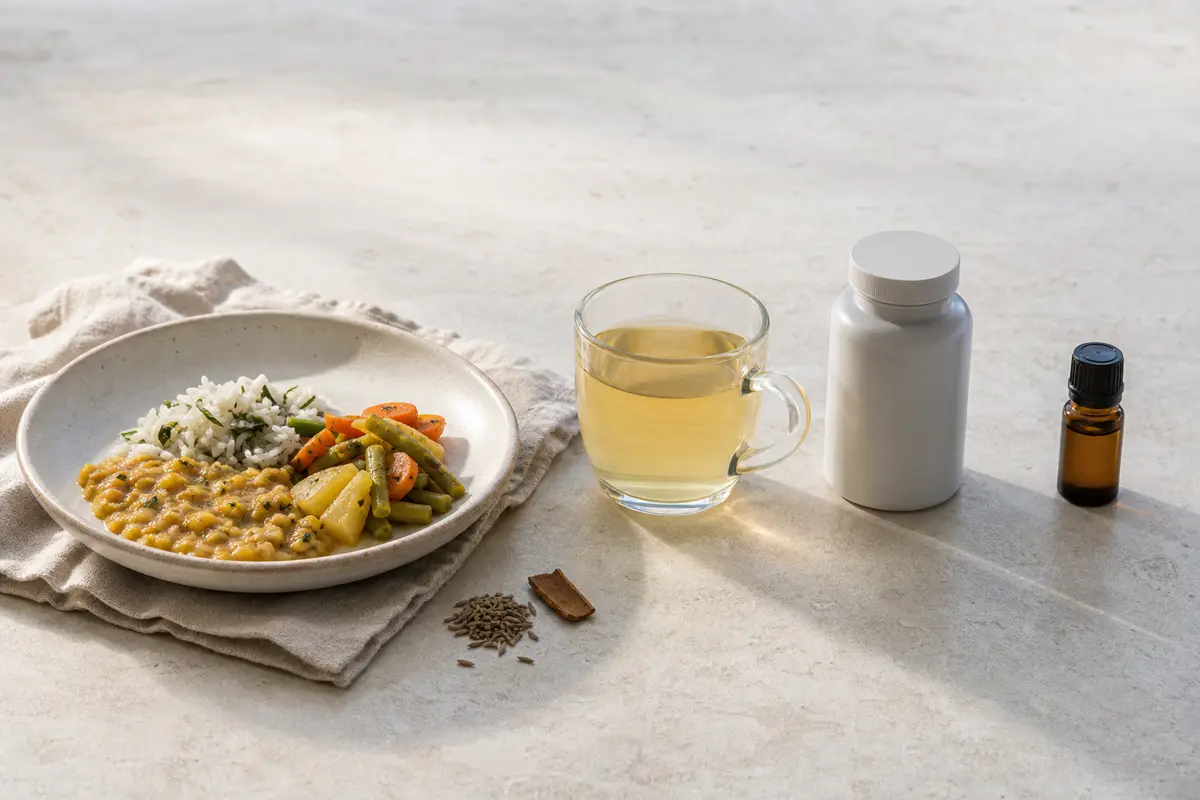
- Usually lowest exposure: Spice used in a meal
- Check frequency: Strong tea used every day
- Needs product review: Capsule, extract, or tincture
- Do not ingest casually: Essential oil
Normal culinary use means the amount that seasons a serving of food. It does not include spoonfuls taken as a remedy, homemade tinctures, essential oils, or powders packed into capsules.
Pregnancy safety data are limited for many concentrated botanical products. A label may also combine several herbs, vitamins, stimulants, or black pepper extract, so the front name rarely tells the whole story.
| Form | Practical pregnancy approach | Reason |
|---|---|---|
| Seasoning in food | Use a familiar culinary amount | The amount is small and eaten with a meal |
| Occasional mild infusion | Check ingredients and caffeine | Strength and blends vary |
| Daily strong tea or shot | Ask the prenatal team | Repeated exposure can become substantial |
| Capsule, extract, or tincture | Review before use | Concentration and interactions differ |
| Essential oil by mouth | Avoid unless medically directed | It is not equivalent to the food spice |
Read the complete ingredient panel using the spice label guide. Proprietary blends and serving instructions deserve the same attention as the named spice.
Bring a photo of the label to a midwife, obstetric clinician, or pharmacist when the product is concentrated or used repeatedly. This is more useful than asking whether one spice is always safe.
Is spicy food safe during pregnancy?
Spicy food is generally a comfort and tolerance question during pregnancy rather than a direct danger to the baby. Chile heat can still aggravate heartburn, nausea, diarrhea, or stomach pain in the person eating it.
Pregnancy can make reflux more common as hormones and physical pressure affect the digestive tract. A meal that felt comfortable before pregnancy may now cause burning, especially when it is large, fatty, acidic, and very hot at the same time.
Keep the flavor while lowering the heat by using less cayenne pepper, removing some fresh chile, or building aroma with cumin, coriander, garlic, and herbs. Change one factor at a time so the trigger stays clear.
- Choose a smaller portion when heartburn follows large meals.
- Reduce chile heat before removing every aromatic spice.
- Avoid lying down soon after a meal if that worsens reflux.
- Use safe refrigeration and thorough cooking for meat, eggs, and leftovers.
- Stop a food test when vomiting, pain, or diarrhea is becoming worse.
Restaurant spice level is only one part of the decision. Undercooked food, unpasteurized ingredients, cross-contamination, and food held at unsafe temperatures are more direct pregnancy food-safety concerns.
A mild dish can still be unsafe when it was stored poorly. A hot curry can be safe when its ingredients are cooked and handled correctly.
Judge heat and food hygiene separately.
Can spicy food induce labor?
Spicy food has not been shown to start labor reliably. The belief may persist because a hot meal can cause bowel activity or abdominal discomfort near the same time that labor begins naturally.
Digestive cramping, heartburn, and diarrhea are not proof that the cervix is changing. Using more chile can increase discomfort without producing a controlled labor effect.
Near the due date, keep eating in a way that supports hydration and comfort. A favorite spicy meal is reasonable when tolerated, but it should not replace maternity guidance.
Is ginger safe during pregnancy?
Ginger in normal food amounts is commonly used during pregnancy, and research suggests ginger may help some pregnancy-related nausea. Most clinical studies test supplements, however, so their findings do not create an exact recipe for tea or cooking.
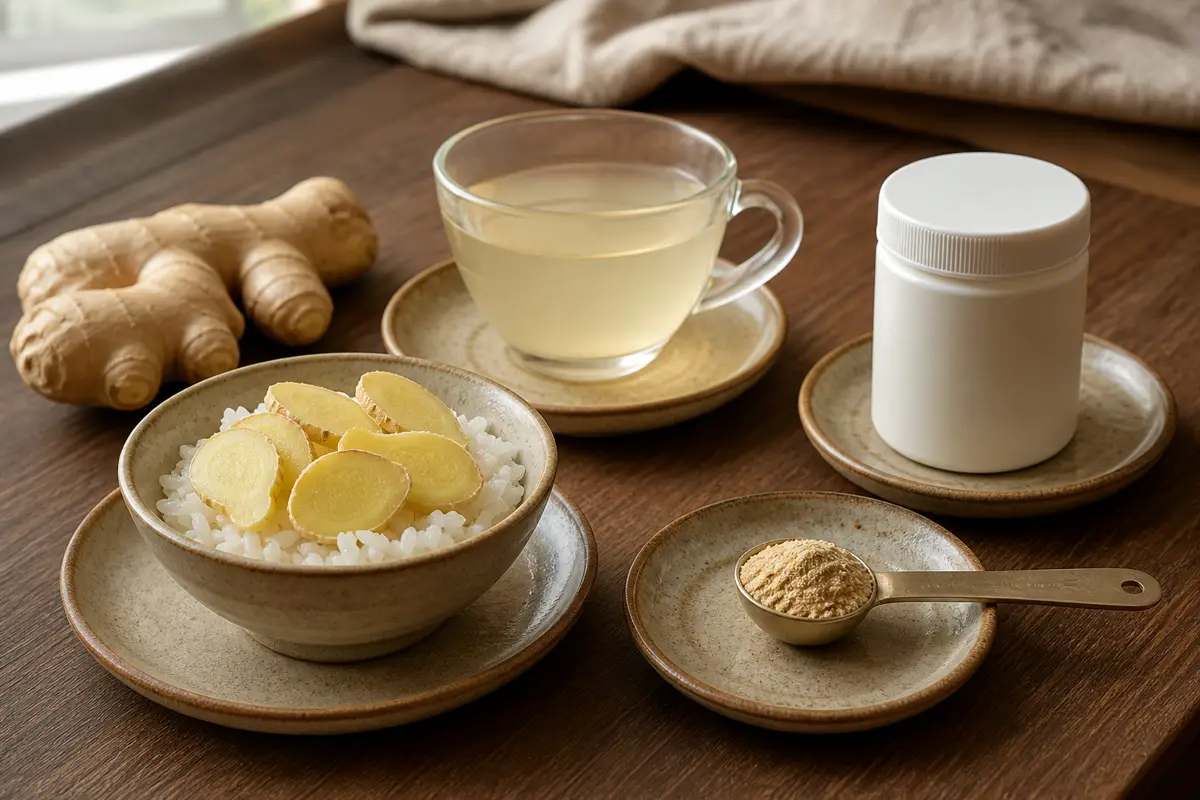
- Food: Visible, adjustable amount
- Infusion: Strength changes with time and slices
- Powder: More concentrated by weight
- Supplement: Formula and dose need review
A few thin slices in soup, rice, or a meal keep the amount visible. The main ginger guide explains how fresh and dried forms differ in flavor and kitchen use.
Tea strength changes with slice thickness, water volume, heat, and steeping time. A mild occasional cup should not be assumed equal to a reduced decoction or a bottled ginger shot.
| Choice | What is known | What to check |
|---|---|---|
| Fresh ginger in food | Common culinary exposure | Personal tolerance |
| Mild ginger infusion | Amount varies by recipe | Frequency and other ingredients |
| Dried powder | Stronger by weight than fresh | Measured amount and heartburn |
| Capsule or extract | Often closer to study products | Dose, formula, medicines, prenatal advice |
Ginger can cause heartburn, abdominal discomfort, diarrhea, or mouth irritation. The ginger digestion review separates nausea evidence from broader stomach claims.
Repeated vomiting, inability to keep fluids down, dizziness, or weight loss needs prenatal assessment. A stronger ginger preparation is not the answer to dehydration or severe pregnancy sickness.
Is cinnamon safe during pregnancy?
Cinnamon used to flavor food is a much smaller exposure than a cinnamon capsule or extract. Sprinkling it on fruit or adding a stick to a pot does not justify taking a concentrated product for blood sugar or another medical goal.
Products may contain cassia cinnamon, Ceylon cinnamon, or an unspecified species. Cassia generally contains more coumarin, a compound that can matter for the liver with high, repeated exposure.
The National Center for Complementary and Integrative Health notes that larger amounts and long-term use can cause side effects. Pregnancy safety data for larger amounts are limited.
The exact product matters.
Use the cinnamon profile for food pairings and species basics. Keep treatment decisions with the prenatal clinician, especially when gestational diabetes, liver disease, or medicines are involved.
| Use | Practical view | Main uncertainty |
|---|---|---|
| Small amount in food | Typical culinary use | Personal tolerance |
| Cinnamon stick in a shared pot | Flavoring exposure | Serving size and frequency |
| Daily strong drink | Repeated exposure | Species and concentration |
| Capsule or extract | Concentrated product | Pregnancy safety and interactions |
Do not add more cinnamon because a supplement claim sounds promising. Pregnancy blood-sugar care depends on monitoring, nutrition, movement, and medication when prescribed.
Can you drink herbal or spice tea while pregnant?
Herbal or spice tea during pregnancy requires a label check because the name on the front may hide many ingredients. A cinnamon drink, chai blend, or nausea tea may also contain black tea, green tea, liquorice root, stimulants, or several herbs.
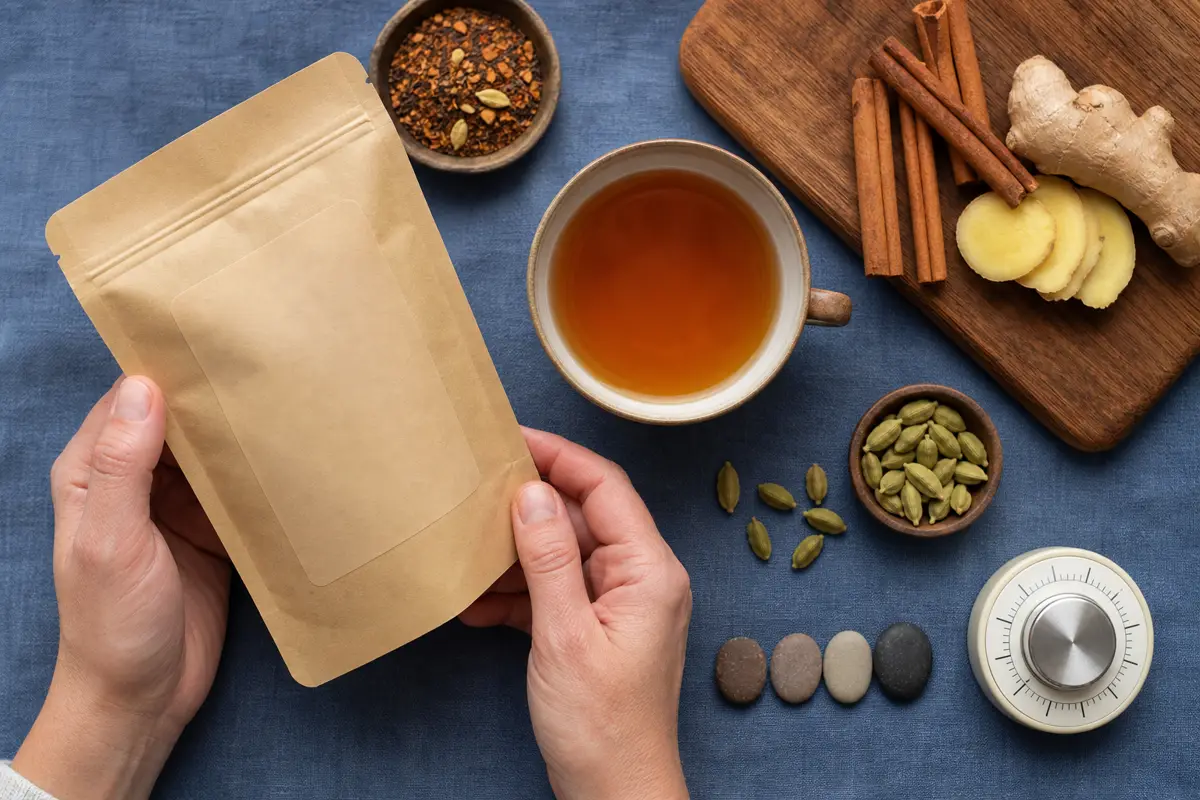
- Ingredients: Read every herb and spice
- Caffeine: Count all daily sources
- Strength: Note quantity and steep time
- Frequency: Include every cup and serving
Black and green tea contain caffeine, while a spice-only infusion may not. Chocolate, coffee, cola, energy drinks, and some medicines also contribute to the daily total.
The NHS advises limiting caffeine to 200 milligrams a day during pregnancy. It also notes that evidence on herbal teas is limited.
Its general advice is no more than four cups a day and no liquorice root.
That general limit does not make every four-cup blend appropriate. A product with an uncertain ingredient, a strong extraction, or a label warning needs a product-specific answer.
- Check whether the base is black tea, green tea, rooibos, or only spices.
- Read the full ingredient list rather than relying on the flavor name.
- Count caffeine from every drink and food source.
- Avoid liquorice-root tea during pregnancy.
- Ask about daily medicinal blends or concentrated decoctions.
The cardamom guide, clove guide, and star anise profile cover culinary identity. They do not turn a multi-herb wellness blend into a pregnancy-tested product.
Use the separate spice tea guide for brewing choices once that product has been cleared for your circumstances.
When do spices, supplements, or symptoms need medical review?
Review concentrated spice products during pregnancy when they are taken daily, promoted for treatment, or combined with medicines. Bring the package, ingredient panel, serving size, and actual frequency to the appointment.
A pharmacist can check whether an extract or blend conflicts with prescription drugs, over-the-counter medicines, or other supplements. The spice interaction guide explains why food and extracts require different questions.
Hives, lip or tongue swelling, wheezing, or trouble breathing can indicate an allergic reaction rather than normal spice heat. Follow emergency advice and the spice allergy steps.
Dehydration signs include dry mouth, dizziness, unusual weakness, little urination, and very dark urine. These red flags need prompt attention.
Pregnancy vomiting can become serious even when it began as common nausea.
- Stop the new tea, powder, or supplement when symptoms begin after taking it.
- Keep the package so clinicians can review every ingredient.
- Do not keep increasing a home remedy when vomiting continues.
- Use emergency services for breathing trouble, fainting, severe bleeding, or sudden intense pain.
- Follow the personal warning signs and contact instructions from the prenatal team.
Ordinary seasoning can remain part of varied meals when it is comfortable and handled safely. Concentrated products deserve a higher bar because their strength, evidence, and ingredient combinations are less predictable.
The best practical rule is simple: keep food use modest, check labels, and involve the prenatal team before turning a spice into a repeated treatment.