
The Science of Spice
The chemistry underneath
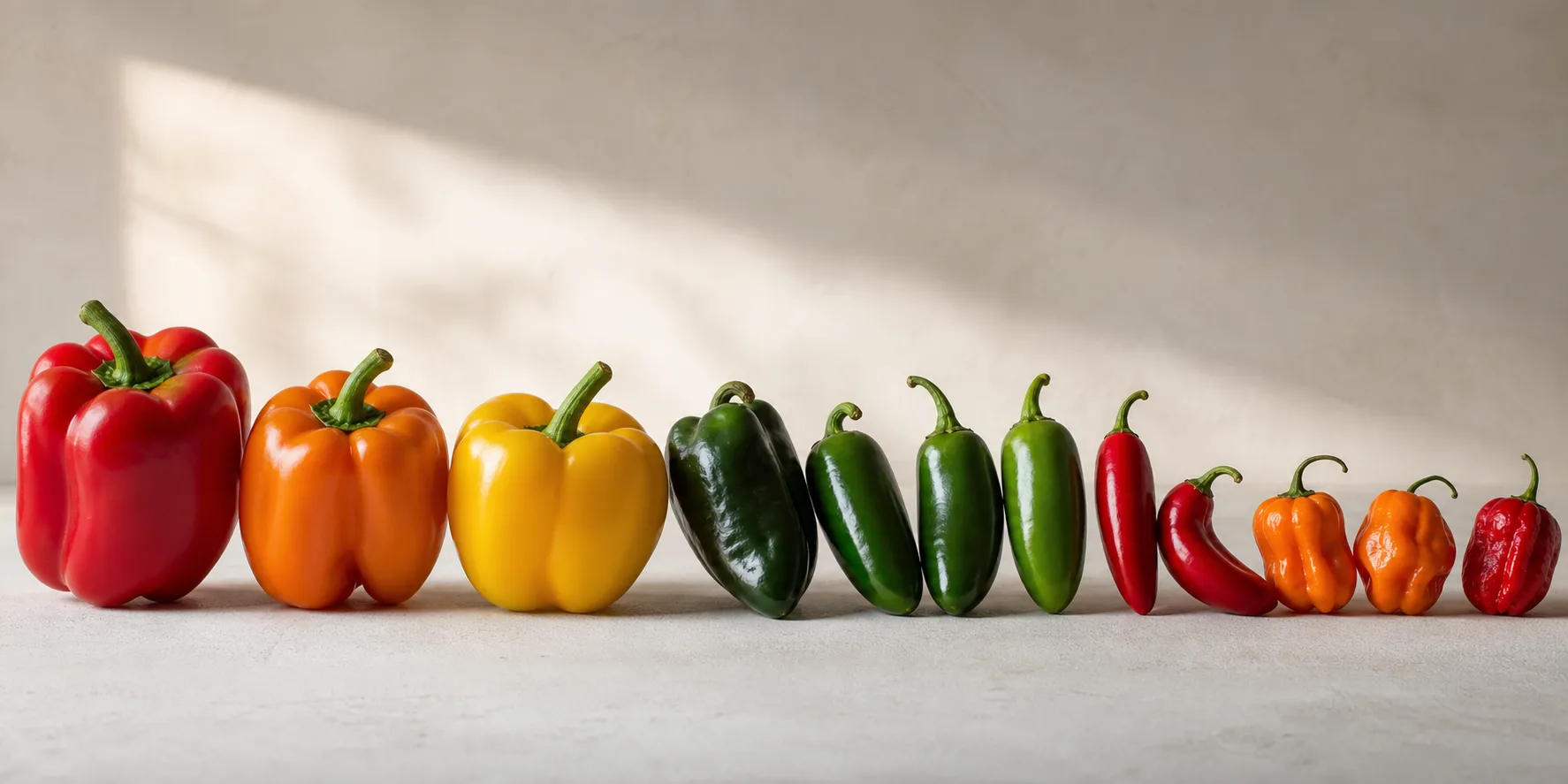
- No Heat0 SHU
- Mild100 to 2,500 SHU
- Medium2,500 to 30,000 SHU
- Hot30,000 to 100,000 SHU
- Fiery100,000+ SHU
Start here
Three guides that set up the rest of the section.
Browse by group
Each group narrows the section to one kind of decision.
In this collection 6 guides
Quick answers
From the guides in this section.

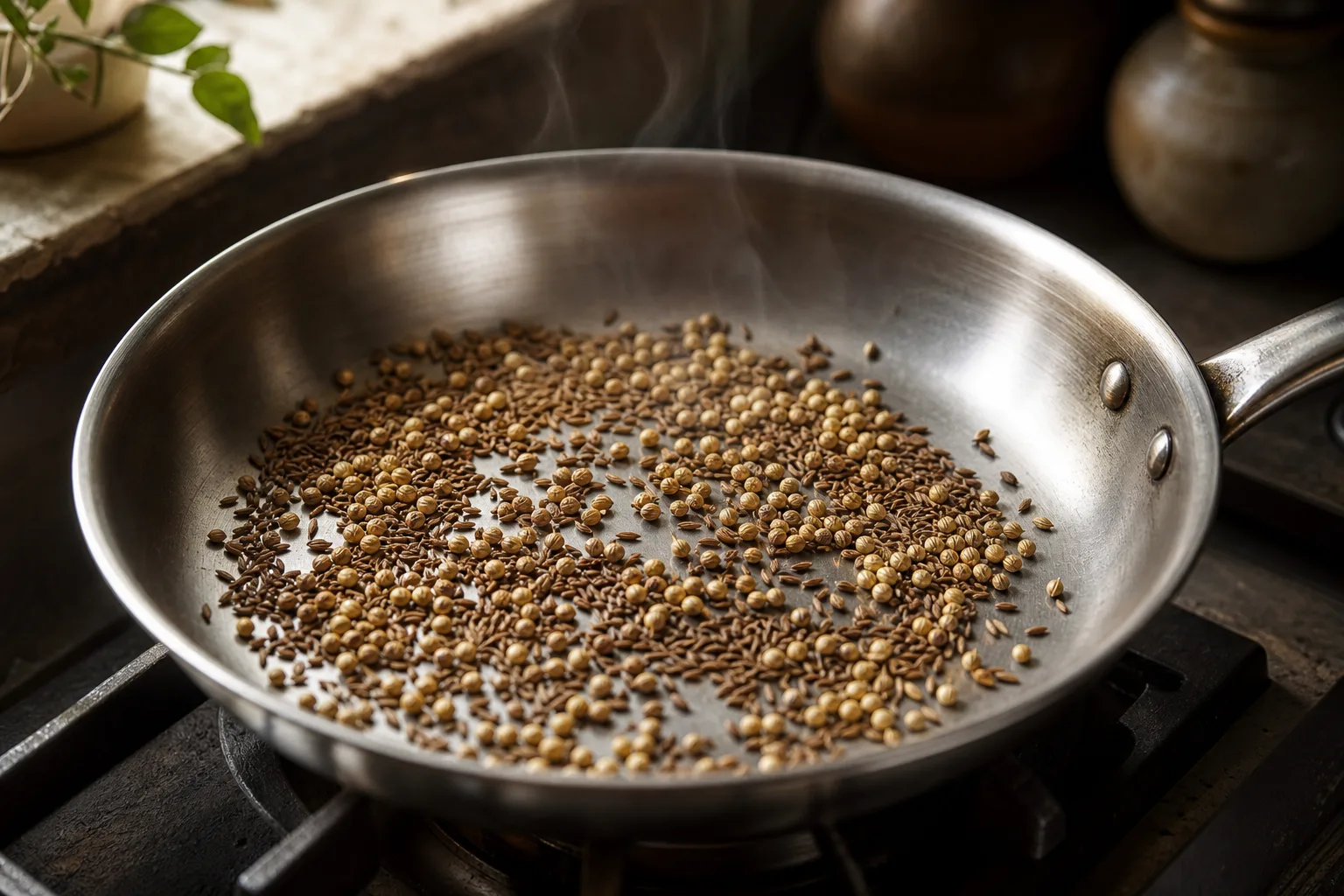
Can I toast ground spices?
Sometimes, but fine particles scorch much faster than intact seeds. Gentle contact with oil or ghee usually gives ground spices a wider useful window and distributes their aroma through the dish.
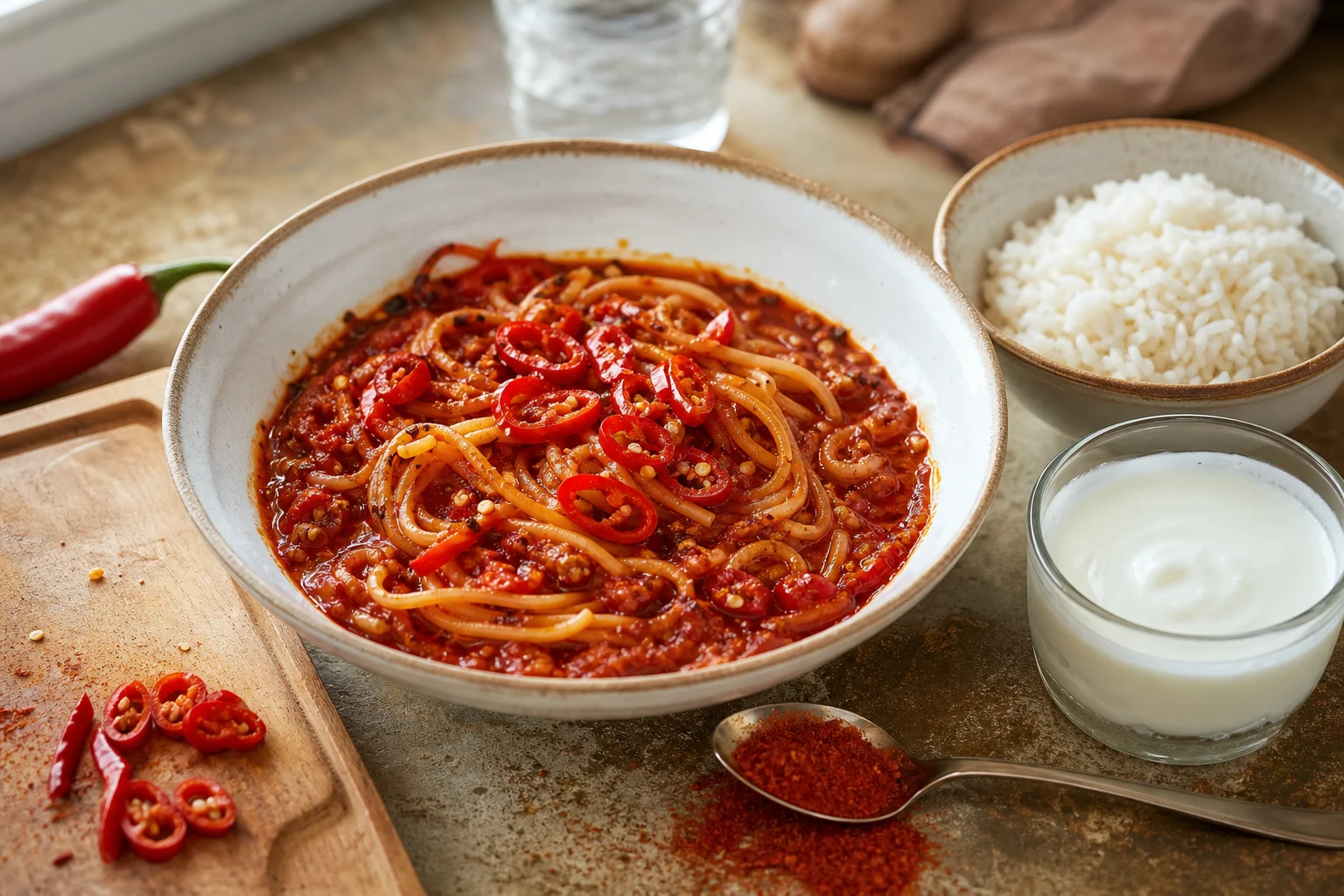
Read the guideCan capsaicin be washed away with water?
No, water does not remove capsaicin well because capsaicin is poorly water soluble. Milk, yogurt, fat, rice, bread, and dilution usually calm spicy food better.
Read the guideWhat does SHU mean?
SHU means Scoville Heat Units. It estimates chile pungency from capsaicinoids, not the full flavor of the pepper or sauce.
Read the guideWhy does black pepper make me sneeze?
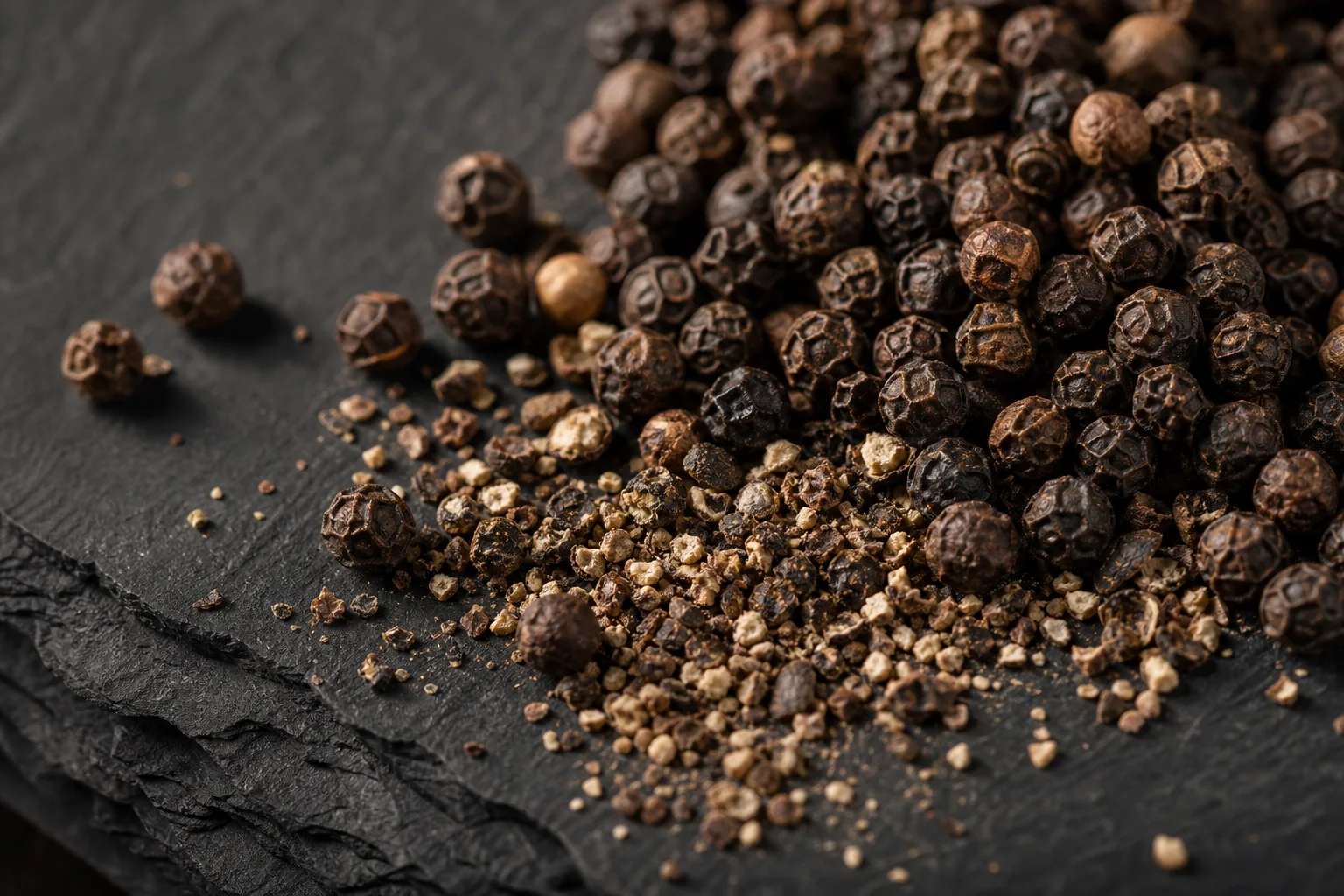
Fine pepper particles irritate nerve endings inside your nose, and piperine adds pungent irritation. The sneeze reflex tries to clear those particles.
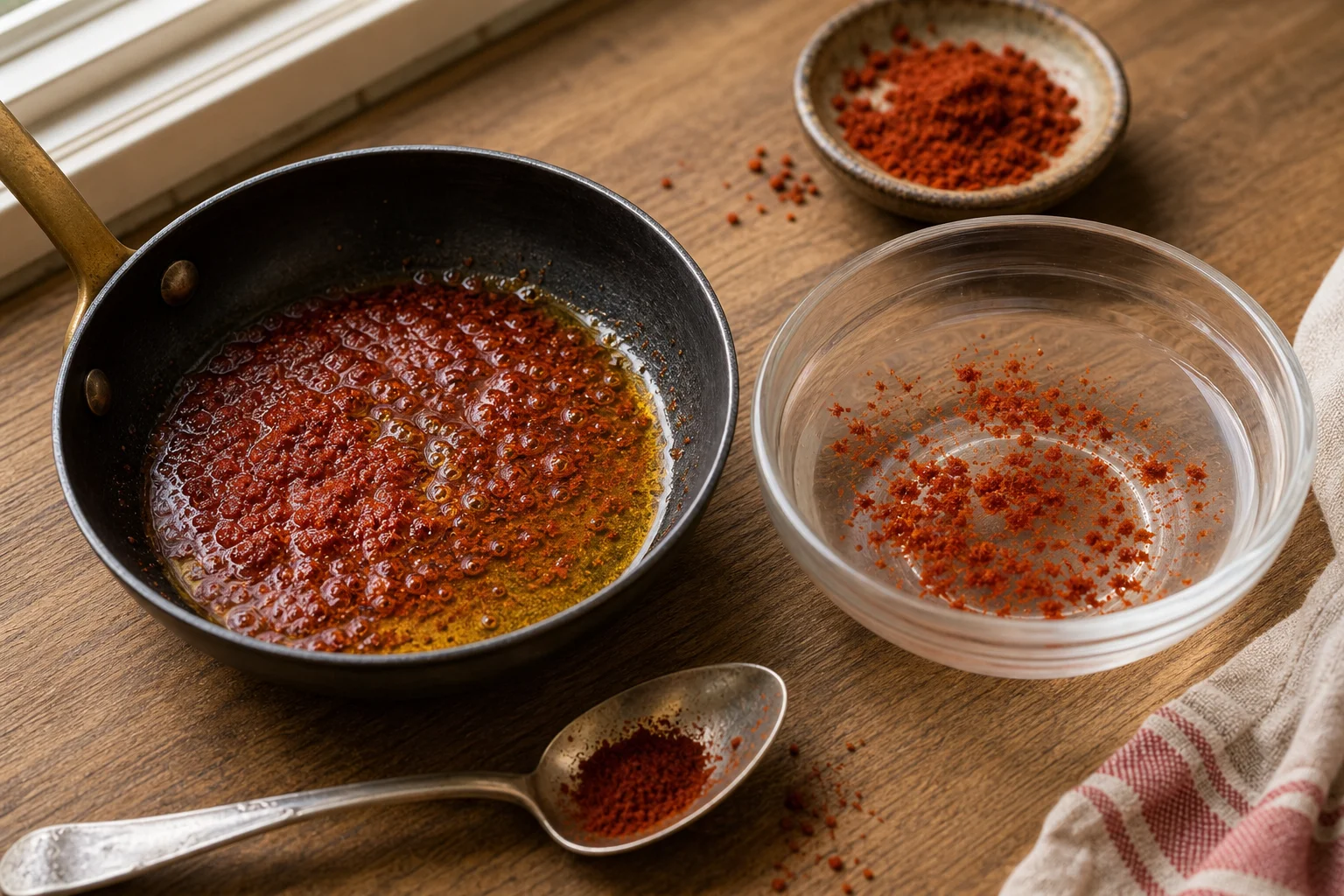
Read the guideAre all spices fat-soluble?
No. Many spices contain both fat-soluble and water-soluble compounds. The best method depends on the flavor you want released.
Read the guideOut of a spice?
211 tested swaps, each with the amount.
About this section
The chemistry underneath the technique: aroma compounds are volatile and mostly fat-soluble, which is why heat both releases and destroys them. Capsaicin, piperine, solubility, and what the Scoville scale does and does not measure.