Trade History
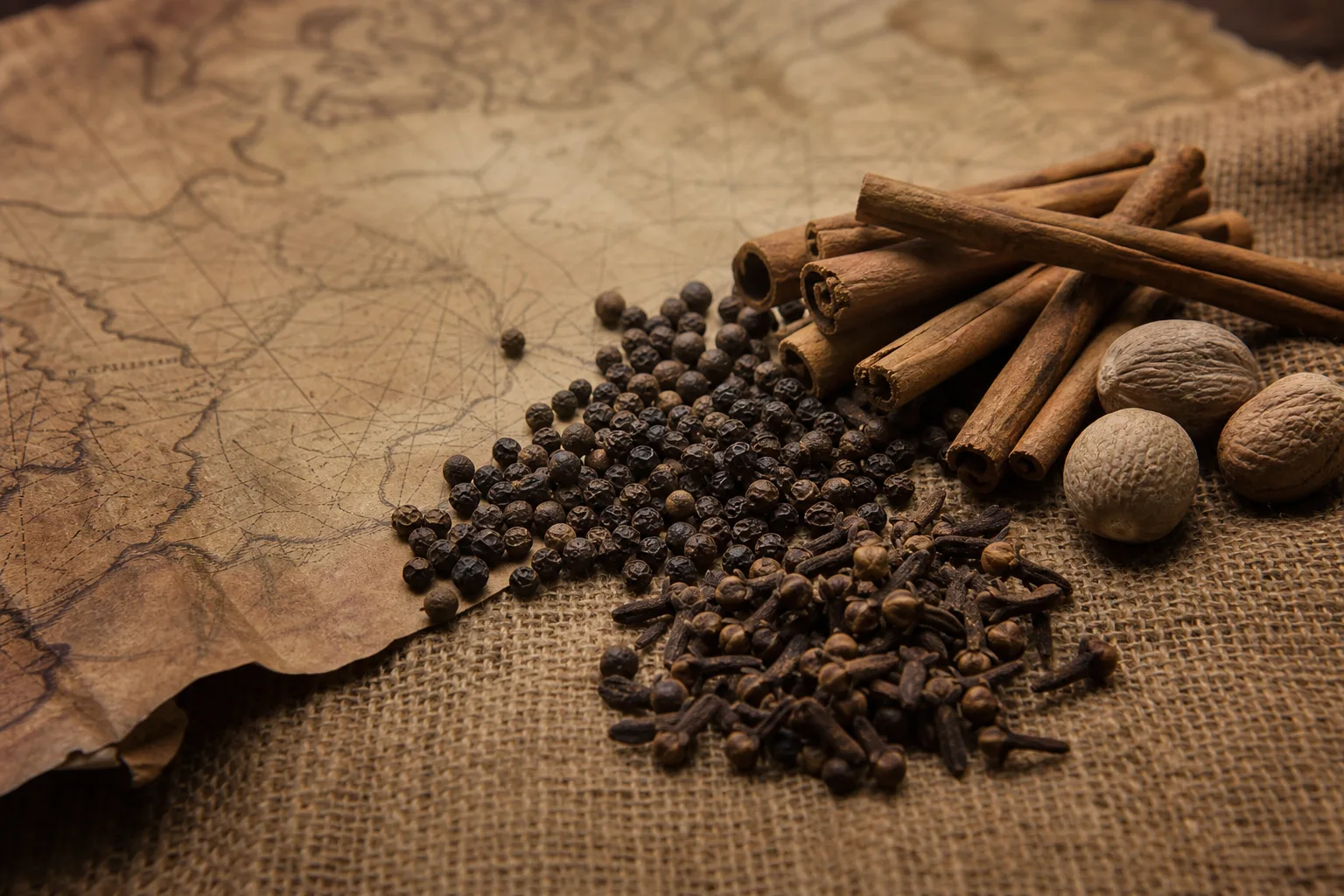
The spice trade moved plants, money, and people, and it decided which flavours ended up in which kitchens…
4 guides Browse
Trade routes and cultivation history, dated and cited, because how a culture used a spice explains quantities that look strange in a modern recipe. The Silk Roads, the turn from trading to colonial rule, and what that history left in the pantry.
Trade routes and cultivation history, dated and cited.
Each group narrows the section to one kind of decision.
The handling steps that decide how much flavour survives to the plate.
Background that changes what you do next in the kitchen.
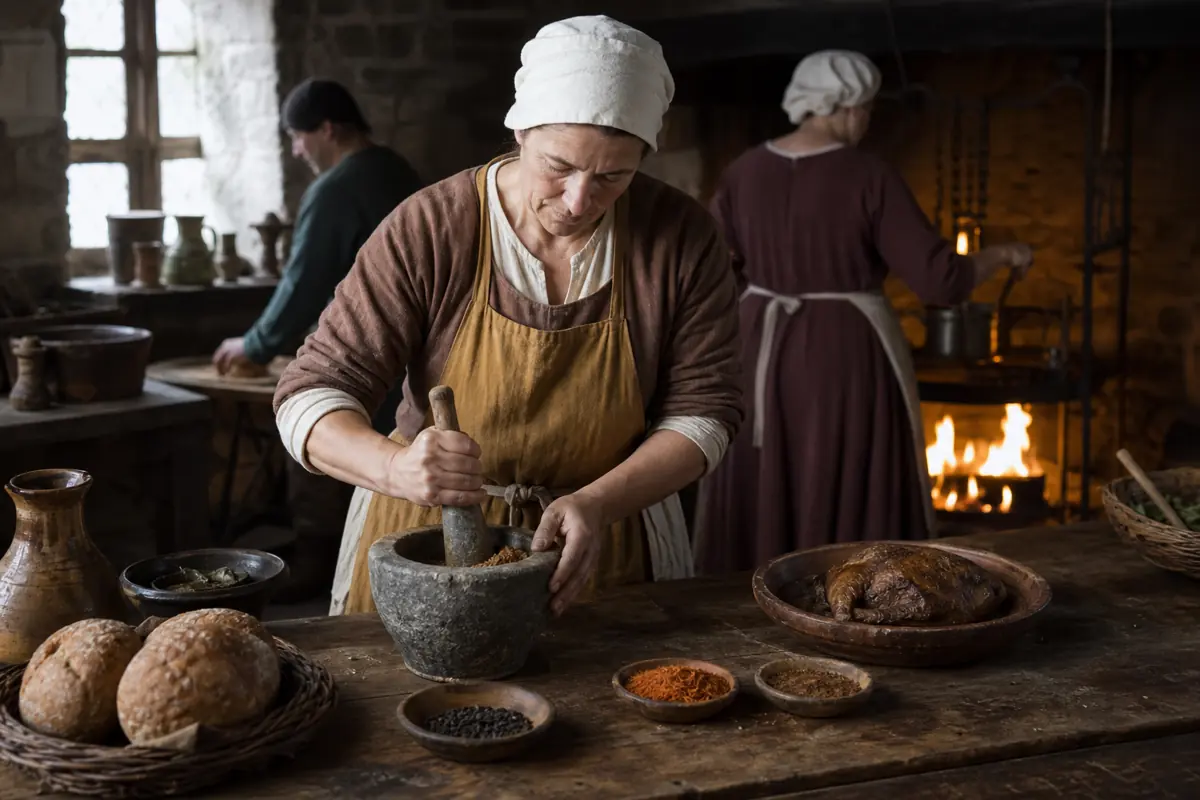
Medieval European cooks used pepper, ginger, cinnamon, saffron, and cloves for aroma, heat, color, and status, while…
Read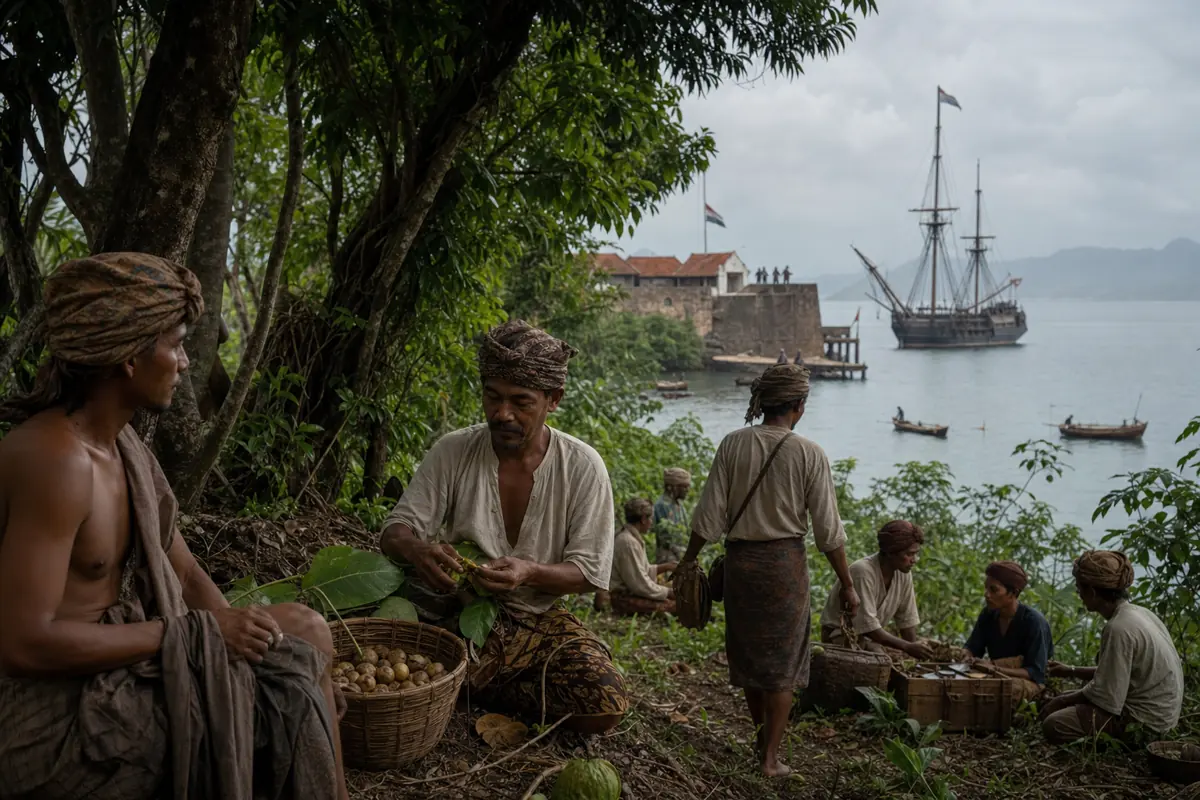
Concentrated spice value helped chartered companies turn exclusive contracts into forts, blockades, production control…
Read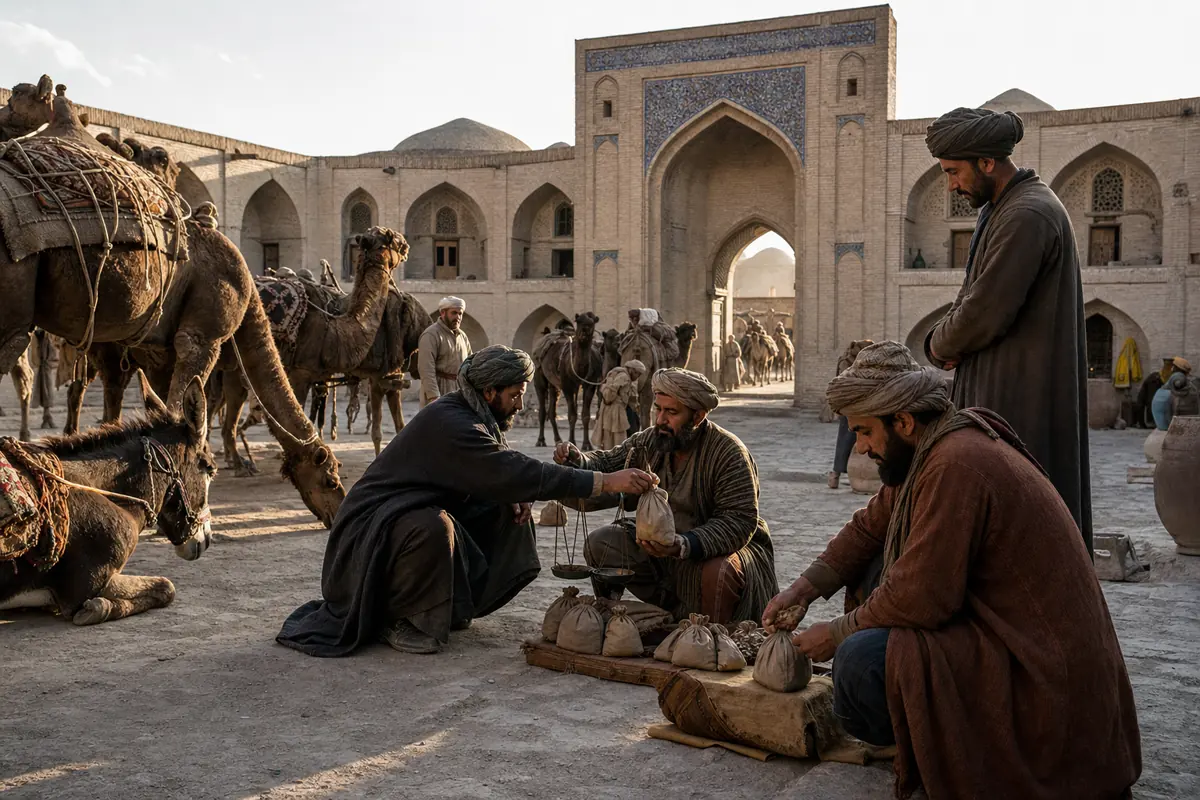
The Silk Roads linked changing land and sea networks where dry, compact spices moved through Indian Ocean ports, inland…
Read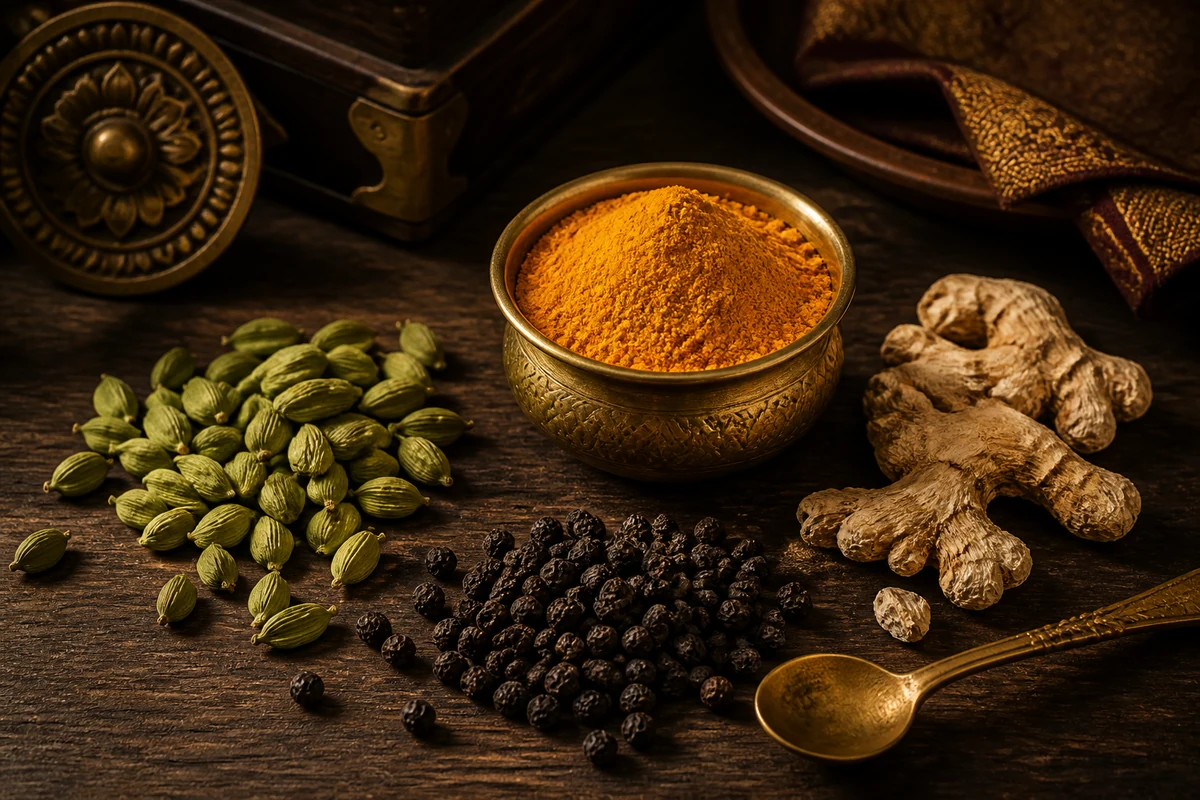
Spices hold their place in Ayurvedic tradition because the classical texts classified them systematically, by taste, by…
Read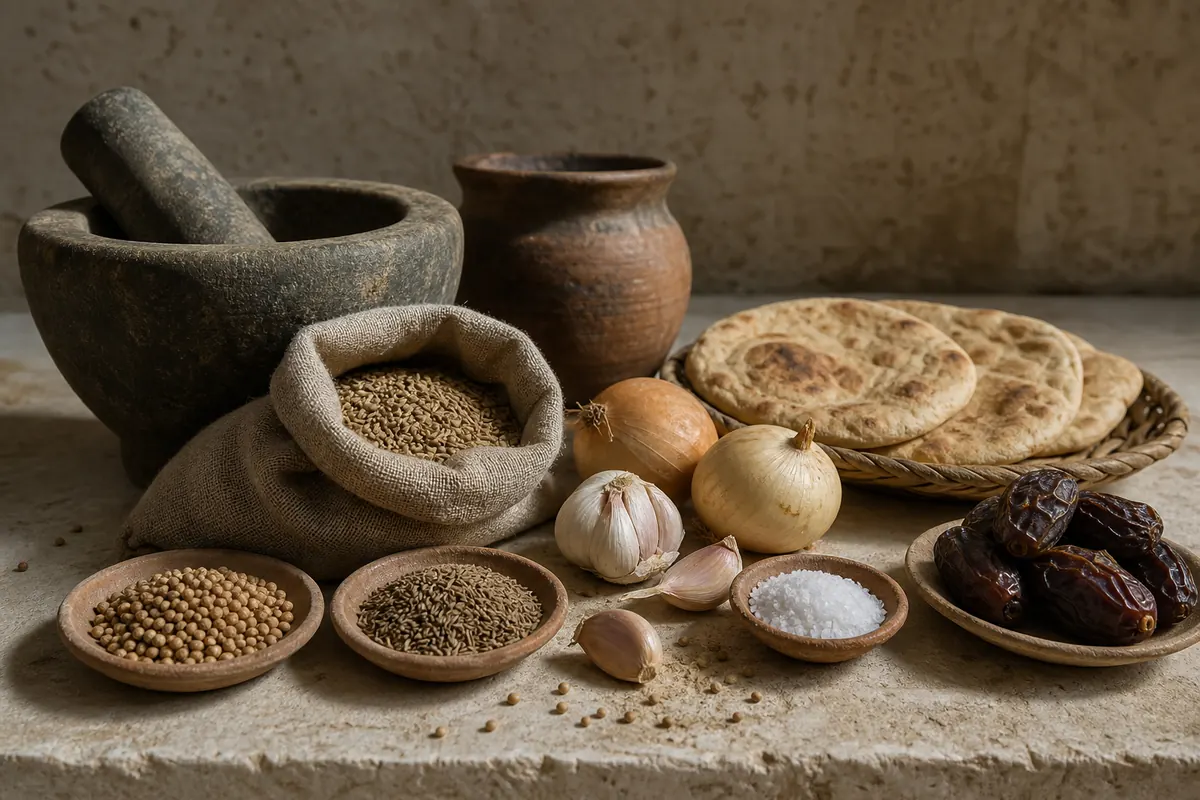
Cumin, coriander, garlic, onion, salt, and herbs have stronger food evidence than many famous imported aromatics. Judge…
Read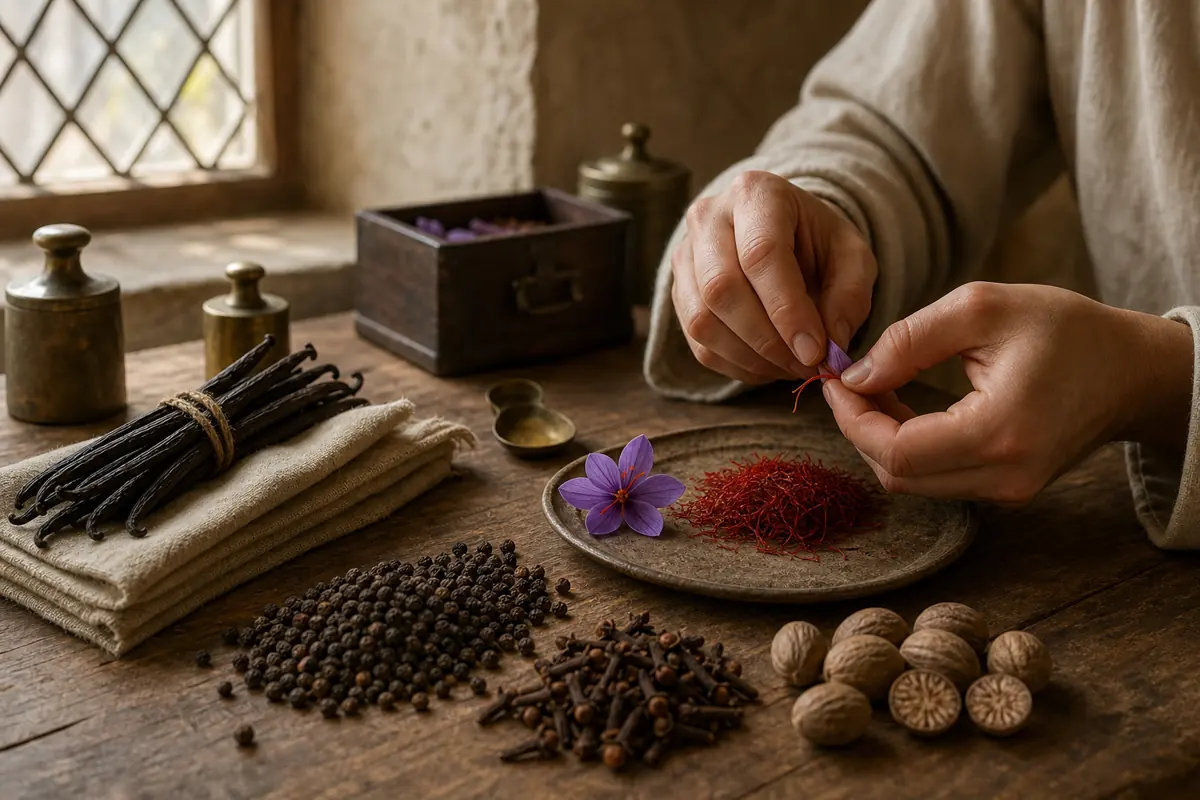
Historical spice costs came from different systems: hand-separated saffron stigmas, scaled pepper trade, controlled…
Read