
Cayenne: Fast, Clean Heat and How to Control It
Use tiny amounts early for even heat, or late when the finish needs a sharper bite.
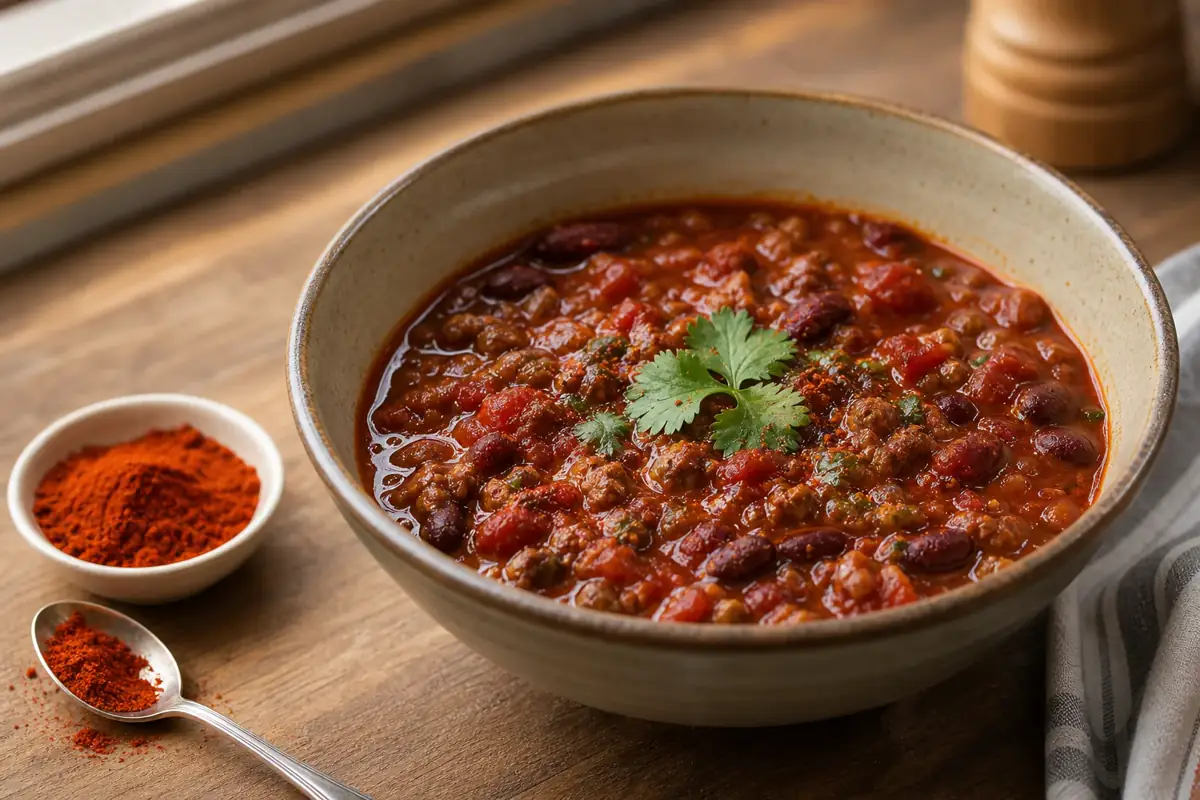
Cayenne is a fine red chile powder used for direct heat. It spreads faster than chili flakes, ancho, or paprika because the powder hydrates quickly and carries capsaicin through wet food. Start with a pinch, then build slowly because you cannot remove clean heat once it diffuses.
Why cayenne heats a dish faster than flakes
Cayenne is a fine powder of dried hot red chiles, so it brings fast, clean heat that spreads evenly through a dish.
Its heat comes from capsaicin, the compound family that makes a tiny pinch feel bigger than it looks.
Most supermarket cayenne sits far above sweet paprika on the Scoville scale. A spoonful can move a pot from warm to punishing.
Powder disperses more evenly than flakes. That helps in chili, but it can overrun thin broth or a small sauce.
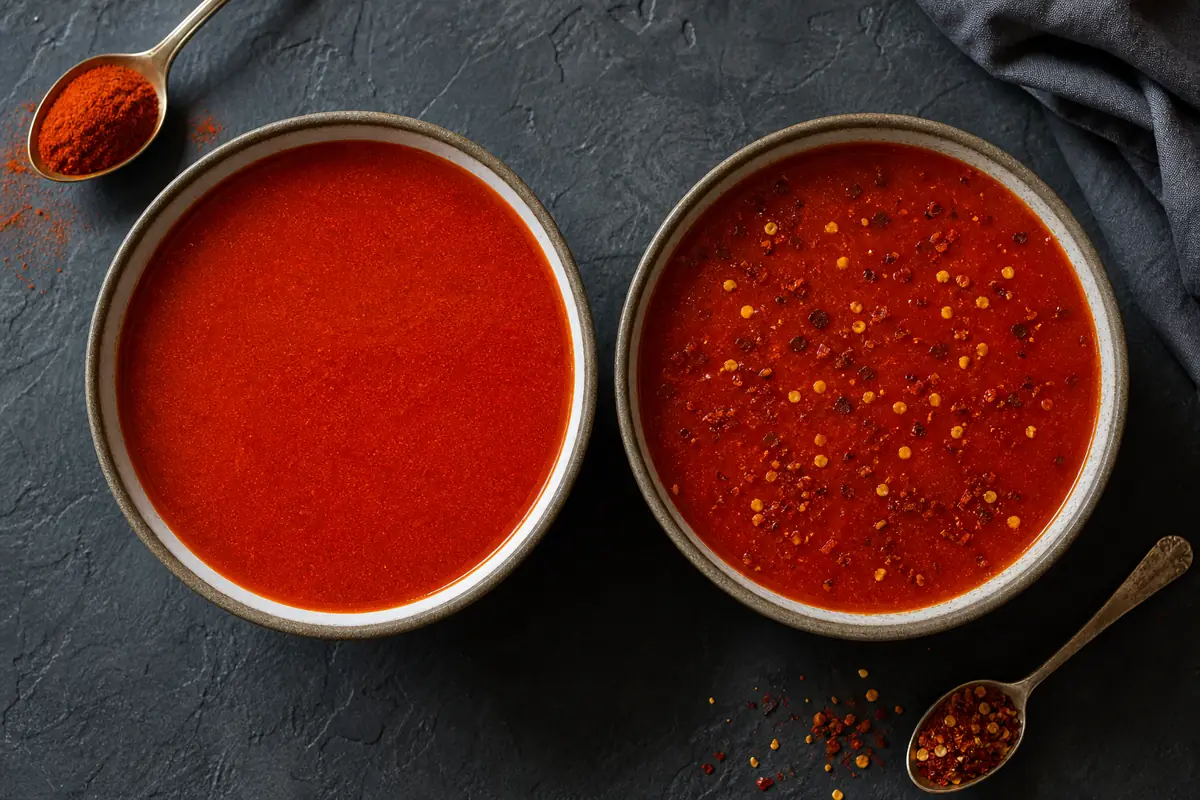
- Powder: Hydrates quickly and reaches nearly every bite.
- Flakes: Keep visible skin and release heat in pockets.
- Dry coating: Needs careful mixing to prevent one concentrated patch.
The flavor is cleaner than many dried chiles. You get direct heat first, then a light red pepper note behind it.
That fine grind is the point. It disappears into soup, chili, beans, eggs, sauces, and rubs before the eater sees it.
That makes cayenne different from chili flakes. Flakes leave texture and delayed bursts, while cayenne spreads into the whole bite.
Use cayenne when the dish already has enough flavor body. It adds fire, not fruit, smoke, or dried chile depth.
That clean heat is useful in cheese sauce, deviled eggs, fried chicken dredge, bean chili, and barbecue rubs.
If the food tastes thin, cayenne makes the thinness hotter. Add tomato, onion, fat, salt, or broth before adding more powder.
Cayenne has little visible presence once mixed in. Guests may not know where the heat came from, so restraint matters.
If you want visible chile pieces, choose flakes instead.
If you want smooth heat in every bite, cayenne fits better.
That smoothness is why cayenne works in batters and dredges. The powder seasons flour more evenly than broken chile skins.
It is weaker when the dish needs pepper flavor. In that case, build the base with paprika, ancho, or fresh chile first.
How much cayenne should you use?
Start with less cayenne than looks useful.
One eighth teaspoon can change a small pot once the powder hydrates.
For beans or chili, one eighth teaspoon per quart is a real starting dose. A quarter teaspoon already tastes deliberate.
For eggs, mayo, compound butter, or a creamy dip, start with a visible dusting. Fat can hide burn for a minute.
For dry rubs, mix cayenne with salt, sugar, and paprika before it touches meat.
Even distribution prevents one brutal bite.
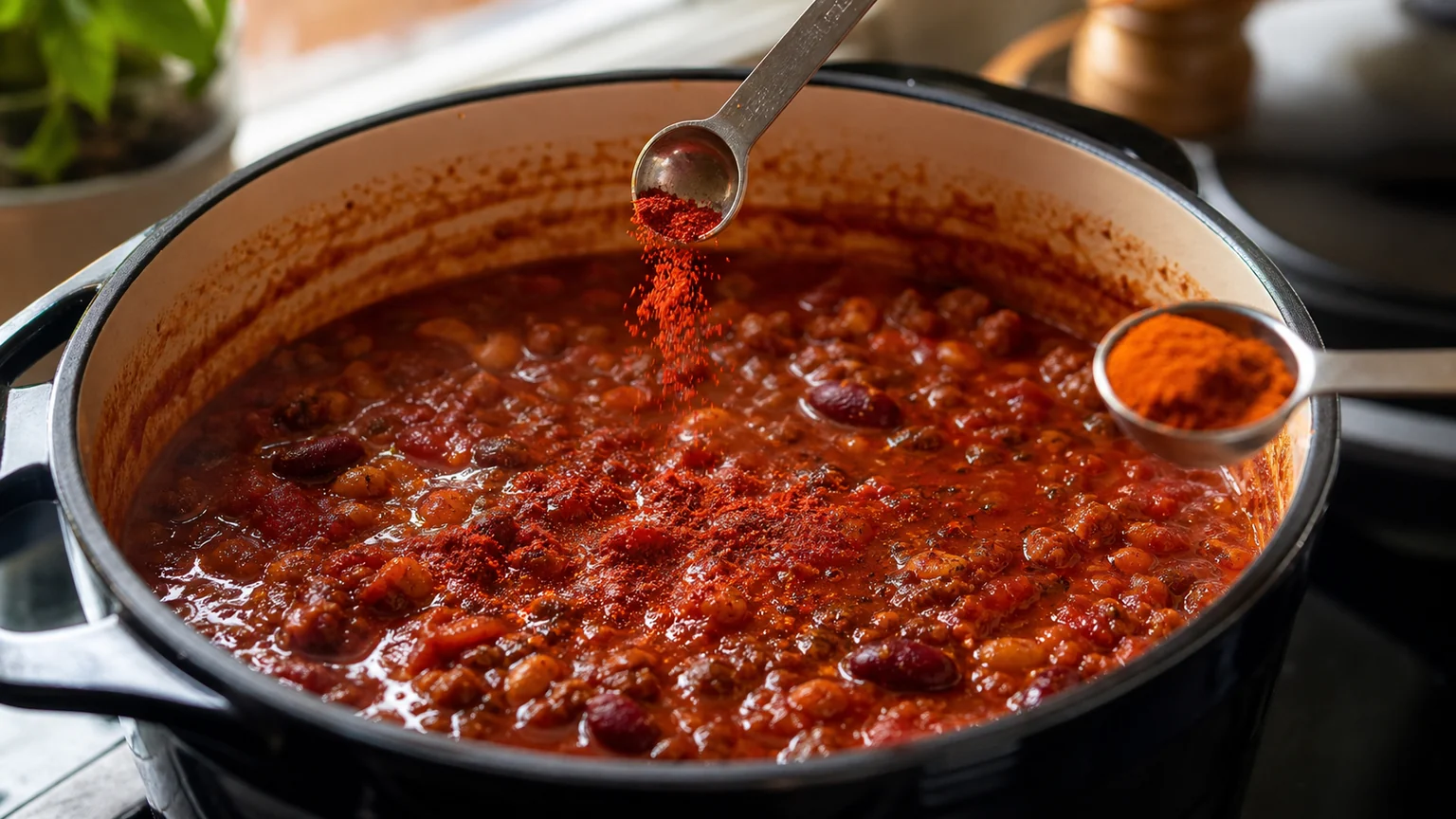
- Wet food spreads heat: Chili, soup, and beans carry powder farther than dry rubs.
- Fat softens the edge: Oil, butter, yogurt, and cheese round the burn.
- Late pinches stay sharper: Add cayenne near the end when you want a clearer sting.
- Dry rubs need rest: Give the powder time with salt before cooking meat or vegetables.
| Food | Starting amount | What to check |
|---|---|---|
| Chili or beans | 1/8 teaspoon per quart | Wait 10 minutes before adding more |
| Eggs or mayo sauce | A small pinch per serving | Fat can hide heat at first |
| Dry rub | 1/4 teaspoon per pound | Sugar and smoke can make heat feel lower |
| Soup or broth | 1/16 teaspoon per cup | Thin liquid exposes heat quickly |
Taste after the dish rests. Cayenne often gets louder once salt, acid, and fat settle around it.
For table use, mix cayenne with paprika or salt first. That keeps one pinch from landing as one hot spot.
If you cook for mixed heat tolerance, hold cayenne until the end.
The base stays shared, and hot bowls can be finished separately.
This is the safest party strategy. Cook the main dish mild, then offer chile oil, hot sauce, or cayenne salt.
Do not chase heat while the dish boils hard. Steam and salt can hide balance until the pot calms down.
If the first bite tastes perfect, stop.
A larger serving often feels hotter after several spoonfuls.
When should cayenne be bloomed, simmered, or added late?
Bloom cayenne for 10 to 20 seconds when you want rounder heat and red oil. Do not let it scorch.
Hard powder needs contact before the pot fills with liquid.
That early contact decides whether the heat tastes round or raw.
Oil blooming works because capsaicin moves through fat better than water. Heat spreads, and red color stains the oil.
Keep the pan below smoking heat. Cayenne darkens fast, and scorched powder tastes bitter before it tastes pleasantly hot.
Simmer cayenne when the dish needs even background warmth.
Add it with beans, tomato sauce, stew, or braising liquid.
Simmering hydrates the powder and softens raw edges. It will not erase heat, but it makes the burn feel less dusty.
Add cayenne late when the finish tastes dull but already balanced. A late pinch gives sharper heat with less cooked flavor.
- Bloom in oil: Use low to medium heat and stir before garlic or onion catches.
- Simmer in liquid: Give powder time to hydrate before judging the heat.
- Finish by pinch: Dust lightly into buttered corn, eggs, creamy dips, or fried food.
The wrong timing can make cayenne taste harsh. Burnt powder gives bitterness before it gives useful heat.
If garlic is already browning, wait.
Add cayenne after liquid or stir a fresh pinch into warm oil on the side.
Brief spice blooming suits cayenne only when the next ingredient is ready. A late scramble burns powders.
For finished sauces, whisk cayenne into warm liquid first. That avoids red specks and uneven bites.
Cayenne versus paprika, ancho, and chili flakes
Cayenne is the hot choice when texture and chile fruit are not the goal.
Other red spices solve different jobs.
| Ingredient | What it gives | Where cayenne falls short |
|---|---|---|
| Paprika | Color and ripe pepper sweetness | Most sweet paprika adds little heat |
| Ancho chili | Raisin-like dried chile body | Needs more volume and gives less sting |
| Chili flakes | Visible bits and delayed heat | Less even in smooth sauces |
| Hot sauce | Heat plus vinegar and salt | Changes acidity and liquid balance |
Use paprika when color matters more than burn. Add cayenne only after the paprika has done its color job.
Use ancho chili when the dish needs dried fruit depth. Cayenne cannot replace that body alone.
Use smoked paprika when the missing note is campfire aroma.
Cayenne can only supply the burn behind it.
Use chili flakes when diners should see the chile. Their seed pieces and skins release heat more slowly than powder.
Use hot sauce when acid belongs in the dish. Vinegar can brighten eggs, greens, beans, and fried food.
Use chipotle powder when smoke and heat should arrive together.
Cayenne plus liquid smoke rarely tastes as natural.
This comparison matters because red chile powders are not interchangeable. Color, burn, sweetness, smoke, and texture all move separately.
What can replace cayenne in a recipe?
The best cayenne substitute depends on whether the recipe needs dry heat, liquid heat, or red color.
If the recipe uses cayenne in a rub, stay with dry spices. Hot sauce makes the surface wet and changes browning.
If cayenne is stirred into soup or beans, hot sauce can work. Add it late so vinegar does not dominate the base.
If the recipe uses cayenne for color, paprika should do the first job. Add heat only after the red color is right.
| Heat substitute | Ratio | Best for |
|---|---|---|
| Hot paprika | 1:1 | Eggs, roasted vegetables, dry rubs |
| Chili flakes | 2:1, crushed finer | Pizza, pasta, stew, table heat |
| Hot sauce | A few drops per pinch | Soups, beans, dips, finished sauces |
| Paprika plus black pepper | 2:1 plus pepper | Color when heat must stay low |
Do not use a full spoon of cayenne for a full spoon of flakes. Powder reaches more bites.
When you replace cayenne with hot sauce, reduce another acid if the recipe already uses vinegar or lime.
When cooking, substitution logic works best when you replace the job, not the name. Cayenne mostly owns clean heat.
For a low-heat table, replace cayenne with paprika and black pepper. The dish keeps warmth without surprising guests.
How do you fix too much cayenne?
Too much cayenne needs dilution first. Add more of the main food before adding random sweetness or water.
Beans, rice, potato, tomato, broth, coconut milk, yogurt, or cream can spread capsaicin across more bites.
Fat helps because capsaicin moves better in fat than plain water. Dairy helps more when the dish already accepts dairy.
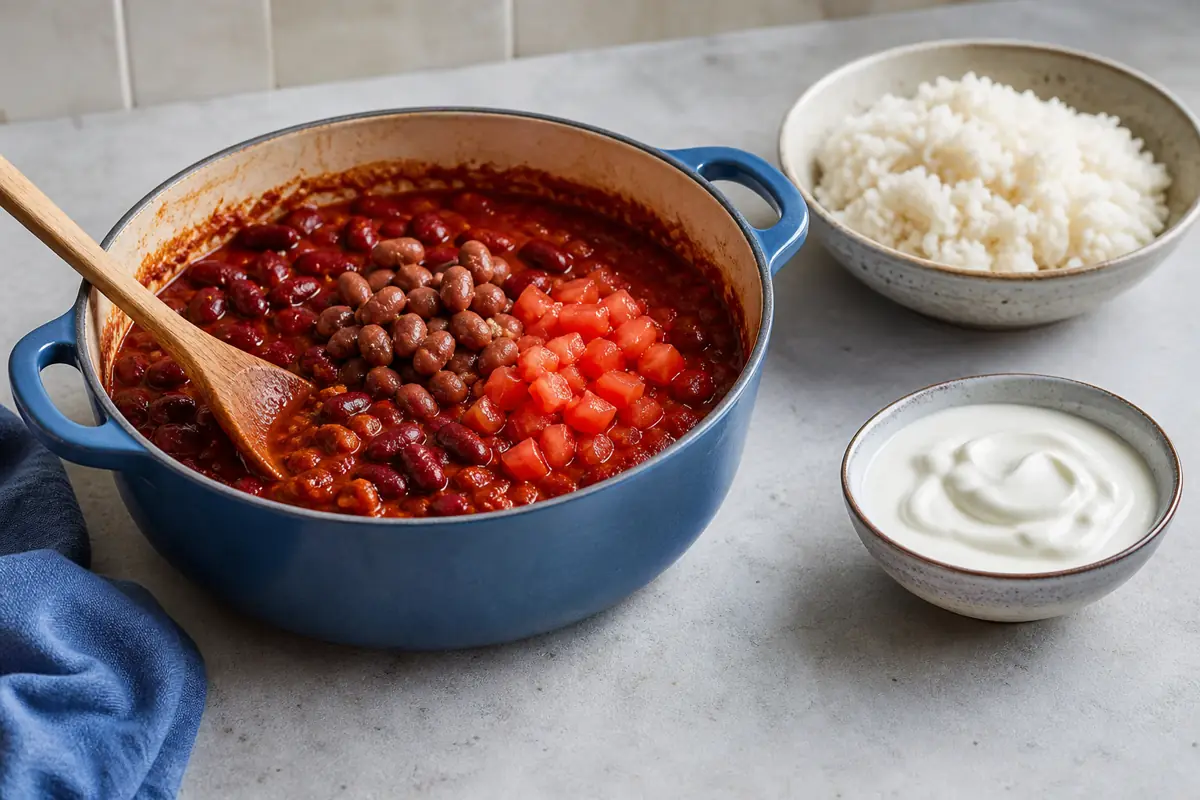
- Dilute: Add more of the dish's main ingredients.
- Use suitable fat: Yogurt, cream, or coconut milk can soften each bite.
- Avoid plain water: It thins flavor and leaves the capsaicin behind.
Sugar can soften the burn, but it does not remove heat. Use it only when sweetness fits the recipe.
Acid can make a heavy dish taste brighter after dilution. It will not wash capsaicin away.
- Chili or beans: Add more beans, tomato, onion, or rice before adjusting salt.
- Cream sauce: Add more dairy or plain starch, then re-season gently.
- Dry rub: Scrape excess rub from the surface before cooking.
- Soup: Add body, not just water, so the bowl does not taste thin.
After dilution, rebuild salt carefully. Heat can make you under-salt at first, then overcorrect later.
If the dish still feels too hot, serve cooling sides. Yogurt, rice, bread, avocado, or sour cream can help.
Do not keep simmering with the lid off as your main rescue. Water leaves, but capsaicin remains concentrated.
How should you handle cayenne powder safely?
Cayenne is pleasant on the tongue and unpleasant almost everywhere else.
The powder is fine enough to hang in the air as you pour, and a lungful sets off a coughing fit that can last several minutes. Measure it over a bowl rather than over a steaming pan, where the rising steam carries the dust straight toward your face.
Capsaicin does not rinse away with water. It binds to oil, so rub your hands with a little cooking oil first, then wash them with dish soap.
Keep your fingers away from your eyes until you have done that.
An eyelid holds the burn far longer than a tongue does, which is why the eye rule matters more than the tongue rule.
How to buy and store cayenne so it still tastes hot
Buy cayenne in small jars with a bright red color and clear chile smell. Brown powder usually tastes stale and flat.
Ground hot chile loses aroma before it loses all heat.
Old cayenne can still burn while tasting dusty.
That stale burn is easy to misread.
You add more for flavor, then the dish becomes hotter without tasting fresher.
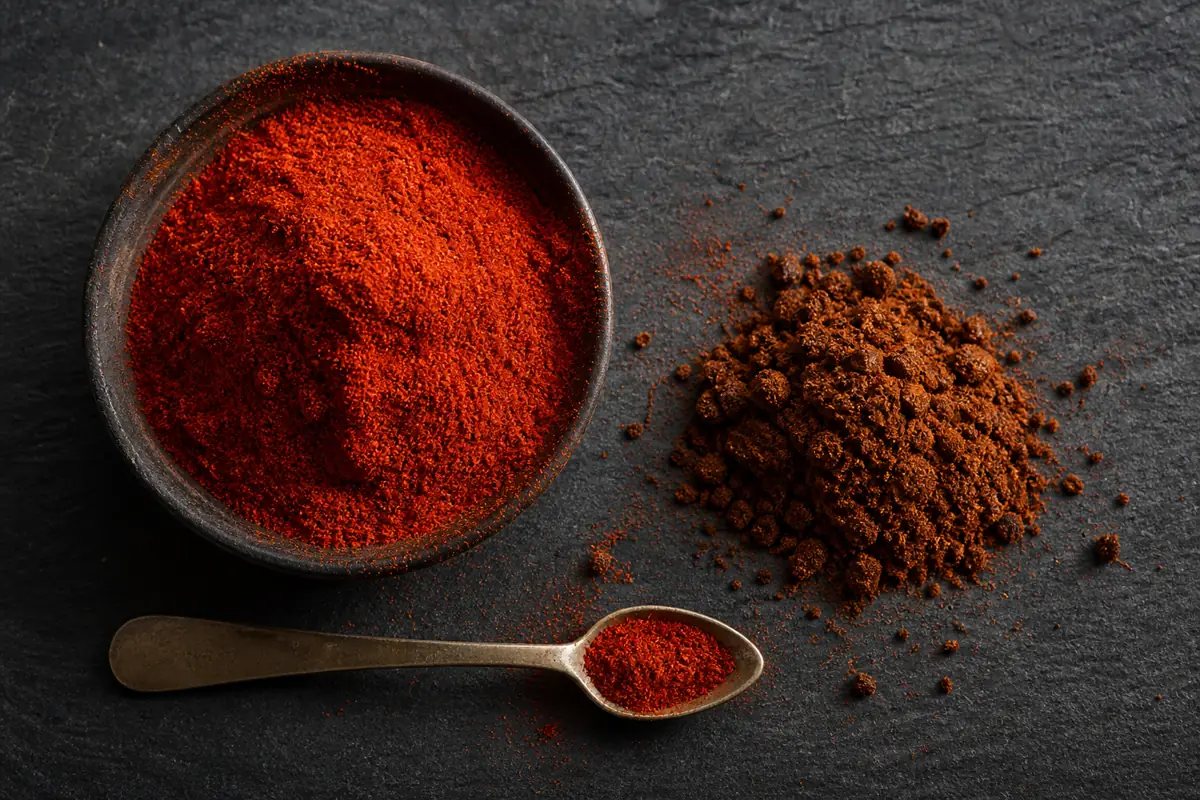
- Fresh: Brick red, loose, and clearly peppery.
- Stale: Brown, dusty-smelling, and still capable of burning.
- Moisture damage: Hard clumps signal steam or a poor seal.
Choose jars with turnover from a store that sells many spices. A dusty discount jar can be old before you open it.
- Buy small: Choose a jar you can finish within six months if you cook with it weekly.
- Check color: Brick red is normal, but dull brown signals age or poor storage.
- Protect from steam: Spoon it away from the pot so moisture does not cake the jar.
- Store dark: Light fades chile color and aroma faster than a closed cabinet.
If cayenne clumps, smells flat, or tastes mostly bitter, replace it. More stale powder only adds rough heat.
Keep it away from the stove and dishwasher. Heat, steam, and light age ground chile faster than a cool cabinet.
If you use cayenne weekly, date the jar. If it sits for a year, treat it as heat only.
A stale jar can still burn your tongue. Replace it when the chile aroma fades, not only when the heat disappears.