
Cayenne Pepper Substitutes for Heat Without Unwanted Smoke
Replace cayenne by deciding whether the dish needs clean heat, red color, fruit, or smoke.
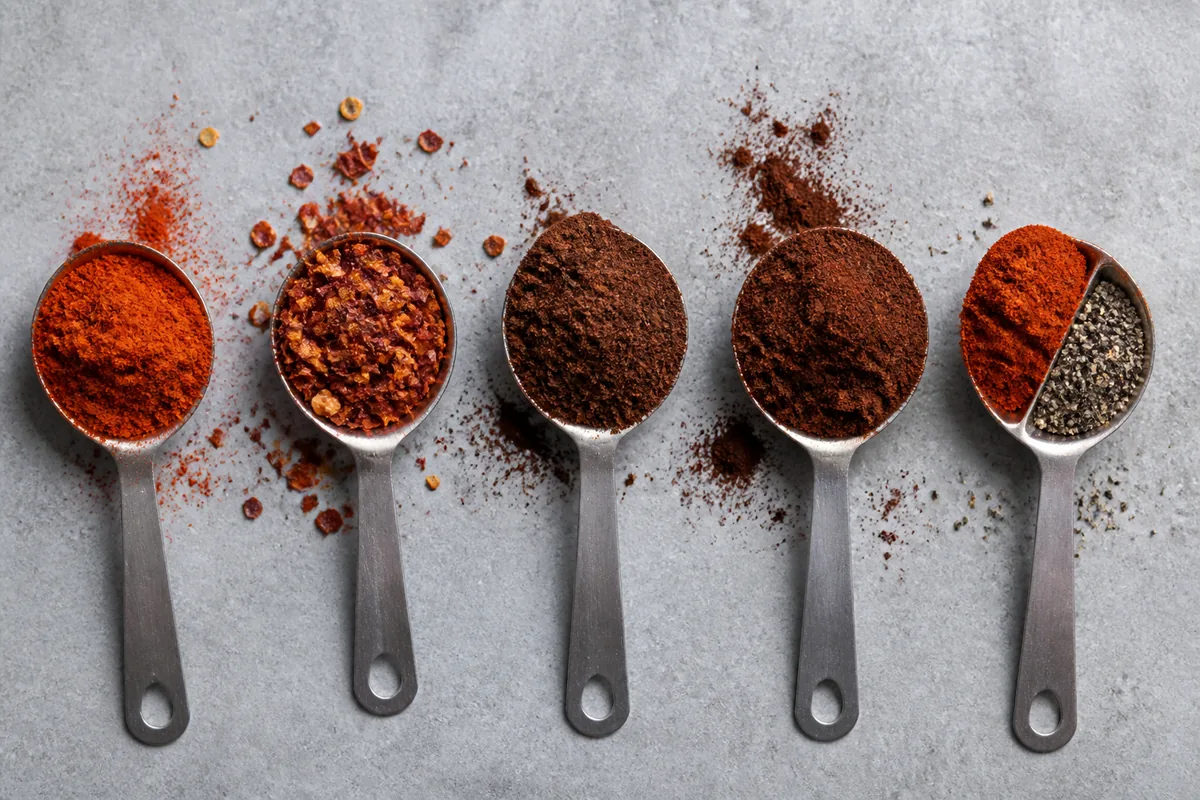
Hot paprika is the closest flexible cayenne substitute, although its heat varies by product. Start at a 1:1 ratio after checking the label, or choose Aleppo, chipotle, ancho, or a measured smoked-paprika blend for a specific flavor job.
5 Cayenne Pepper Substitutes by Heat and Flavor
Hot paprika is the most flexible cayenne replacement when its label confirms real heat.
Look for a clear hot designation rather than relying on red color, since sweet paprika and hot paprika can appear nearly identical in the spoon. It preserves red color and chile flavor, but the strength can vary enough that a careful first taste matters more than a universal conversion.
Aleppo and ancho require more volume because they are milder. Chipotle can work at equal volume when smoke belongs, while a smoked paprika and black pepper blend is designed for rubs rather than clean hot sauces.
| Number | Substitute | Starting ratio | Best use |
|---|---|---|---|
| 1 | Hot paprika | Start 1:1 after checking heat | Soup, sauce, eggs, general cooking |
| 2 | Aleppo pepper | 2 tsp per 1 tsp cayenne | Dips, vegetables, marinades |
| 3 | Chipotle powder | 1:1 | Beans, barbecue, chili, braise |
| 4 | Ancho chile powder | 2 tsp per 1 tsp cayenne | Sauce, stew, meat rub |
| 5 | Smoked paprika and black pepper | 3/4 tsp plus 1/4 tsp per 1 tsp cayenne | Barbecue rub, roasted vegetables |
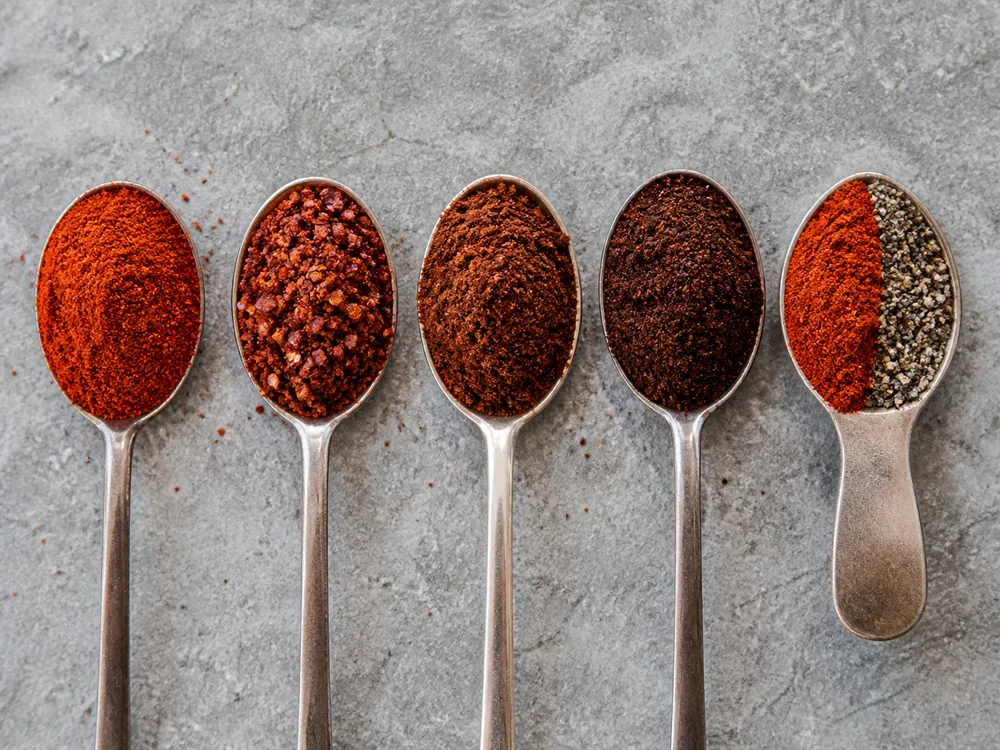
- Hot paprika: Closest variable general substitute.
- Aleppo: Milder fruit and visible flakes.
- Chipotle: Equal-volume smoke for sturdy food.
- Ancho: Dark mild fruit rather than intense heat.
1. Hot Paprika
Start with 1 teaspoon hot paprika for each teaspoon of cayenne after checking the package and tasting a tiny pinch.
- Starting ratio
- start 1:1, then adjust after checking the label and tasting
- Best for
- soups, sauces, eggs, and general cooking
- Main tradeoff
- heat varies by product
- Adjust
- do not assume sweet paprika provides cayenne heat
When the recipe serves only one or two people, begin with half that trial amount because a small pan offers less food to distribute an unexpectedly hot powder. Products labeled hot paprika vary, so use half the amount first when the brand or regional style is unfamiliar.
When the package gives a regional style or heat description, use that information as the first guide and treat the visual redness as color evidence only. It usually adds more sweet pepper body and less clean direct heat than cayenne.
Bloom it briefly over moderate heat or stir it into a wet base. Paprika can turn bitter when a fine powder sits in very hot dry oil, so have the next liquid ingredient ready.
Do not substitute sweet paprika and expect the same result. Sweet paprika can restore color, but a separate hot ingredient must supply the missing pungency.
A Hungarian hot paprika and a mild supermarket blend can share a label while delivering very different heat.
2. Aleppo Pepper
Use 2 teaspoons Aleppo pepper for each teaspoon of cayenne when a milder, fruitier result is acceptable. Its moderate warmth and coarse flakes work especially well on vegetables, in dips, through marinades, and as a finishing chile.
- Starting ratio
- 2 teaspoons per 1 teaspoon cayenne for a milder result
- Best for
- dips, vegetables, marinades, and finishing
- Main tradeoff
- fruitier and less hot
- Adjust
- not efficient when intense heat is the main goal
Its flakes also hydrate more slowly than fine cayenne, so allow a sauce or marinade a few minutes before deciding the first measure is too weak. This can improve a recipe that used cayenne only for background warmth, but it will not satisfy a dish designed to be intensely hot.
Crush coarse flakes before adding them to a smooth sauce. In a dry seasoning, keep the flakes visible so they can provide texture that fine cayenne never supplied.
Adding more than twice the volume deepens fruit and increases the amount of dry spice before it reaches cayenne strength. Stop when the flavor is balanced rather than filling the missing heat at any cost.
Aleppo moves the dish from sharp heat toward rounded red-pepper fruit.
3. Chipotle Powder
Use chipotle powder at a 1:1 starting ratio in beans, barbecue sauce, chili, braised meat, and roasted vegetables. Its heat can occupy a similar practical range, but the smoked ripe chile flavor is unmistakable.
- Starting ratio
- 1:1 by volume
- Best for
- beans, barbecue, chili, and braises
- Main tradeoff
- strong smoke
- Adjust
- avoid when the dish needs clean, neutral heat
A covered braise retains smoky aroma more strongly than an open grill, where some volatile aroma leaves with the cooking air. Smoked salt, smoked paprika, charred chiles, bacon, and a wood grill can stack with chipotle until the dish tastes more smoked than seasoned.
Reserve part of the measured amount in a long braise because reduction concentrates smoke along with salt and heat even when no additional chile enters the pot. In a quick sauce, whisk it into oil or another liquid before serving so fine powder does not form dark concentrated streaks.
Do not use it by default in a bright hot sauce, delicate seafood, or a lemon-led dish. Those foods expose the smoke that a long braise can integrate.
Check the recipe for other smoke sources before adding chipotle. Give it time in a wet dish because smoke and ripe-chile fruit need the full base to spread before the final judgment.
Smoke is a flavor direction rather than a neutral carrier for heat.
4. Ancho Chile Powder
Start with 2 teaspoons ancho chile powder for each teaspoon of cayenne. Use it for mole-like sauces, tomato stews, bean dishes, meat rubs, and braises where dark fruit and mild chile character can replace some of the missing heat.
- Starting ratio
- 2 teaspoons per 1 teaspoon cayenne, then add more only for flavor
- Best for
- sauces, stews, and meat rubs
- Main tradeoff
- much milder with raisin-like fruit
- Adjust
- extra volume will not recreate cayenne-level heat efficiently
Its larger powder volume can absorb a little liquid in a tight sauce, so check consistency before adding another spoon merely for heat. The larger ratio restores chile presence and powder volume, but it still produces a gentler dish.
Lower the pan heat before blooming the powder. A scorched mild chile tastes bitter and cannot be repaired by adding more unburned spice on top.
Use the larger ratio to build chile flavor, then decide separately whether the finished dish still needs concentrated heat. Adding more ancho efficiently deepens fruit and color, but it does not efficiently recreate cayenne burn.
Ancho builds dried-fruit chile flavor much faster than it builds heat.
5. Smoked Paprika and Black Pepper
Combine 3/4 teaspoon smoked paprika with 1/4 teaspoon black pepper for each teaspoon of cayenne in a barbecue rub or roasted-vegetable seasoning. The blend supplies red smoke and dry pepper bite rather than cayenne's direct chile burn.
- Starting ratio
- 3/4 teaspoon smoked paprika plus 1/4 teaspoon black pepper per 1 teaspoon cayenne
- Best for
- barbecue rubs and roasted vegetables
- Main tradeoff
- smoky with pepper bite instead of chile burn
- Adjust
- not suitable for a clean hot sauce
A medium grind gives the blend visible bite without leaving whole peppercorns that fall from the surface during cooking. Coarse particles create isolated bites, while fine pepper distributes more evenly across a small vegetable or meat surface.
Do not use this blend in a clean hot sauce or recipe that already contains strong smoke. It is a targeted rub alternative rather than a general cayenne copy.
Grind the black pepper to match the other rub ingredients so the blend adheres evenly. Keep salt and sugar outside the substitution ratio because they control seasoning and browning rather than cayenne heat.
Color Is Not the Same Job as Heat
Cayenne can add visible red color even when its main purpose is heat.
In a pale cream or cheese sauce, any red substitute changes appearance, so choose a small hot measure for function instead of adding a large mild powder for volume.
Check whether the recipe contains tomato, red pepper, or another color source before choosing a replacement primarily for appearance. A cook who sees only that color may add mild paprika repeatedly and still wonder why the dish remains flat.
| Recipe job | Best direction |
|---|---|
| Color-led | Use sweet or hot paprika near the original volume and accept lower heat |
| Heat-led | Use a verified hot paprika or a smaller measured hot chile |
| Fruit-led | Choose Aleppo or ancho and let the dish become milder |
| Smoke-led | Choose chipotle or smoked paprika only when smoke belongs |
Decide which quality the original teaspoon supplied before measuring. A garnish on eggs, a chile-forward sauce, and a red barbecue rub may name the same powder but ask it to do different work.
Ancho darkens food toward brick red or brown, while Aleppo leaves visible flakes. Choose those changes deliberately rather than correcting them later with more cayenne.
Dry Rubs Magnify Smoke and Sugar
Spice on the surface receives more direct heat and tastes more concentrated than the same amount dispersed in a pot.
Apply the trial rub to one piece or one corner first, cook it fully, and correct the remaining raw batch rather than seasoning every portion from an untested mixture.
Oil the food lightly before applying a fine rub so the powder adheres in an even film instead of gathering in damp patches. Fine chipotle or paprika can form a nearly continuous layer, while Aleppo flakes create spaced points of flavor.
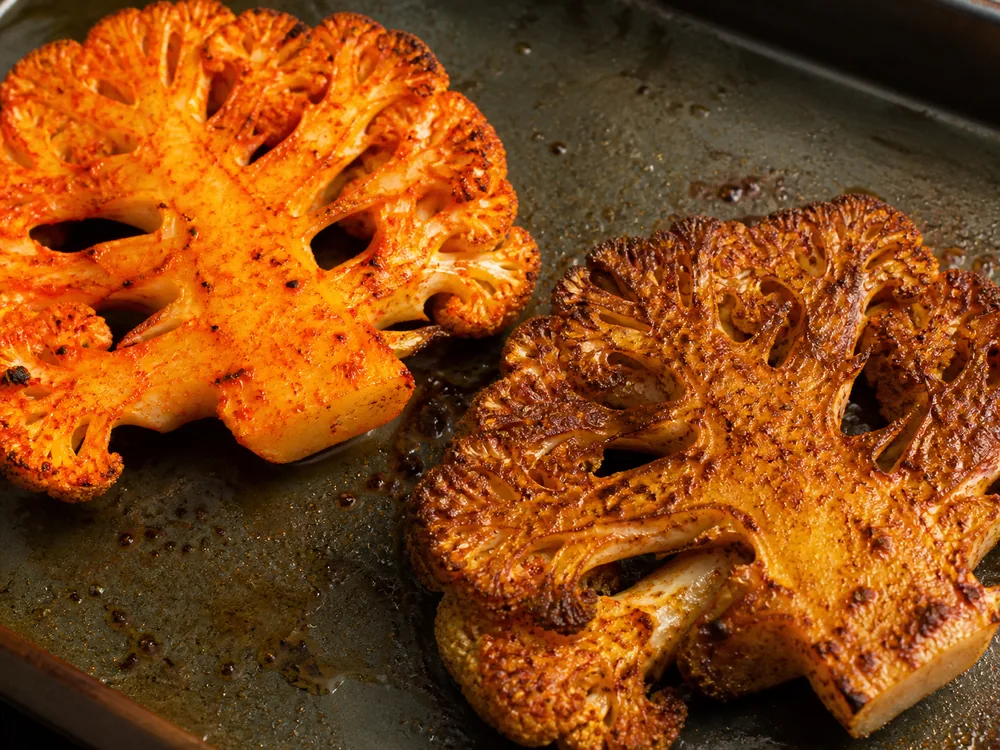
- Fine powder: Apply a thin even coating.
- Smoke source: Use chipotle or smoked paprika, not every smoked ingredient together.
- Sugar: Keep it separate from the substitute ratio.
- Color cue: Stop cooking before the spice layer turns black.
- Mix the substitute through the whole rub before applying it.
- Season salt separately so chile adjustments stay measurable.
- Cook a small test piece or corner when the chile is unfamiliar.
- Judge the browned spice layer, not the raw mixture alone.
- Reduce smoke before adding sweetness or acid to compensate.
The smoked paprika and black pepper blend works here because both ingredients can stay on the surface. In a soup, the same blend produces smoke and pepper aroma without the clean cayenne heat the liquid may need.
Hot Sauces and Braises Dilute at Different Speeds
A thin hot sauce distributes chile quickly and may be tasted near its final concentration.
A sauce intended for a squeeze bottle must also remain fluid, so avoid chasing cayenne heat with repeated ancho additions that can thicken the liquid with extra powder.
Blend or whisk before sampling because fine powder floating on the surface gives a hotter reading than the same amount dispersed through the bottle. A braise can lose substantial water during cooking, so a substitute approved at the beginning may become much stronger at the end.
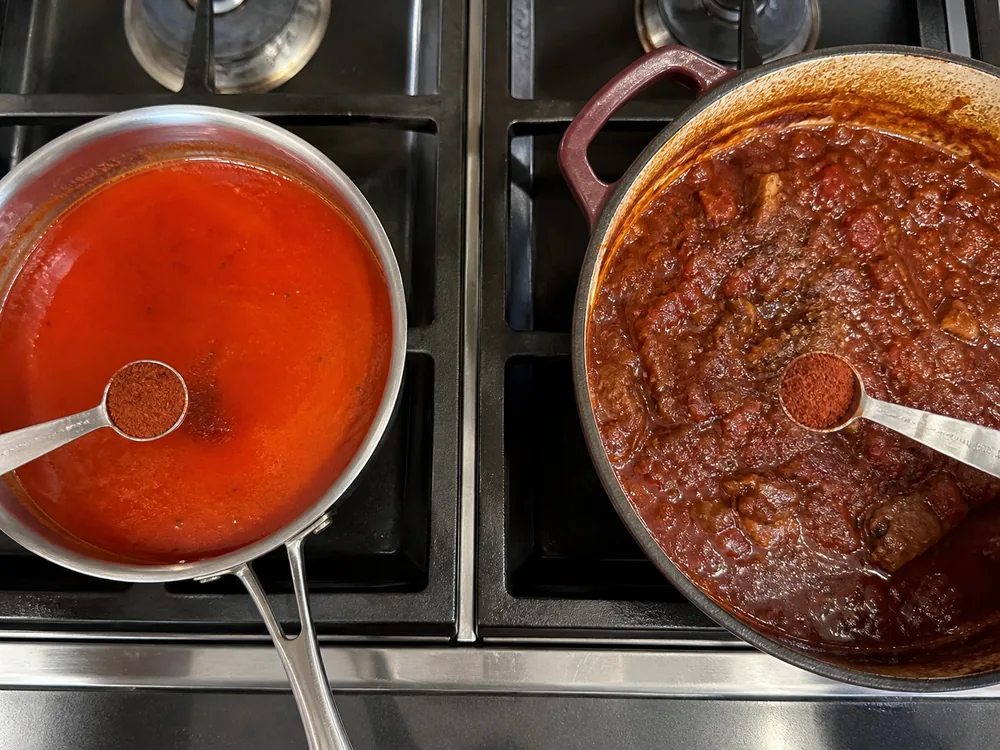
- Thin sauce: Mix fully before the first judgment.
- Braise: Reserve part of the hot substitute until reduction is nearly complete.
- Powder: Give fine particles time to hydrate.
- Finish: Rebalance salt and acid only after heat is settled.
| Dish | Early addition | Middle check | Final check |
|---|---|---|---|
| Thin hot sauce | Add most after liquid is combined | Check dispersion | Adjust by small pinch |
| Braise | Add half to two thirds | Watch reduction | Add reserved amount only if needed |
| Dry rub | Apply complete test blend | Check browning | Adjust the next batch, not the cooked crust |
Fat, starch, and solids also spread the sensation across more food. Compare the same spoonful in the complete serving, not only in a drop of cooking liquid.
Fix a Dish That Is Hotter Than Planned
Stop adding spice and increase the original unseasoned base.
Record how much base you added so salt, acid, and other seasonings can be restored proportionally instead of through repeated blind tasting. Use more tomato and stock for a tomato stew, more beans for a bean dish, or a fresh portion of the same sauce without chile.
Sugar can make heat feel less abrupt, but it also changes the recipe. Use sweetness only when the dish already needs it rather than turning a savory sauce sweet to hide a measuring error.
If only one component is too hot, keep it separate and use less of it on the plate. A powerful chile oil, rub, or garnish can become optional while the main dish remains balanced.