
Aleppo Pepper Gives Food Slow Heat and Fruit, Not a Burn
Let burgundy flakes add fruit and warmth before they add fire.
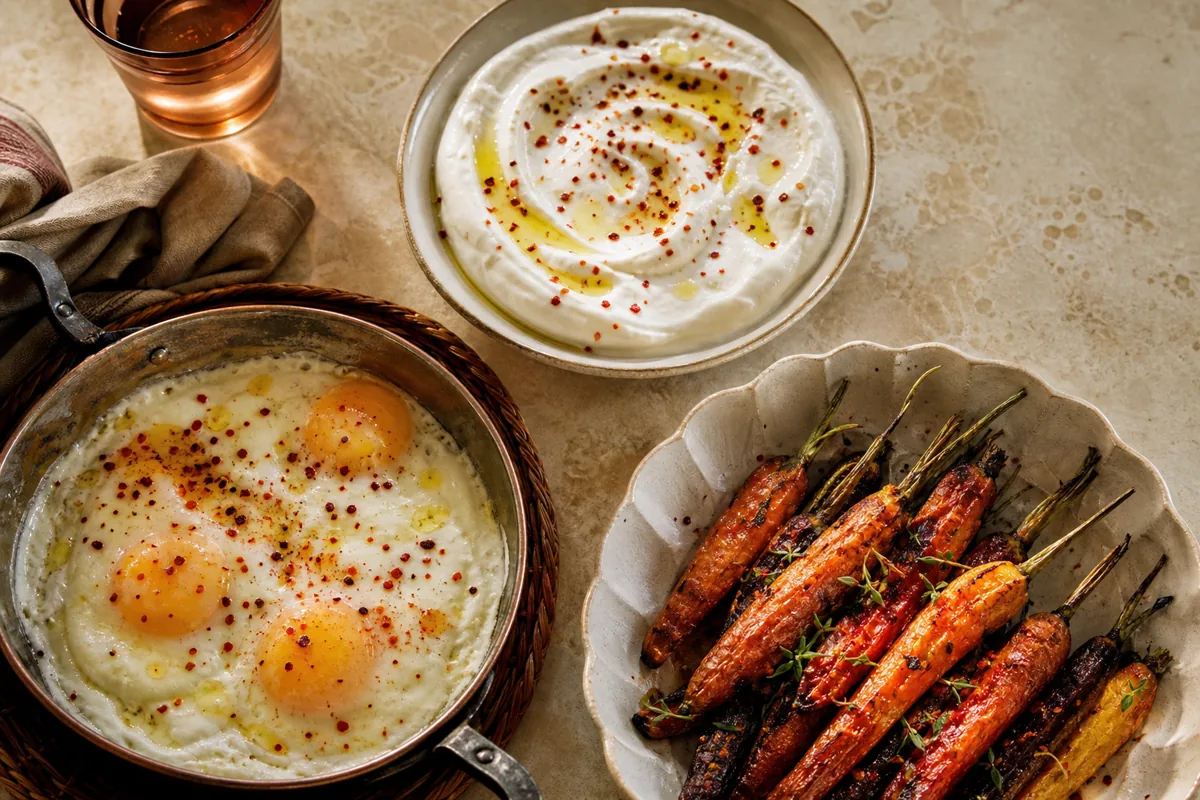
Aleppo pepper brings moderate, slow-building heat with raisin, tomato, and lightly earthy notes, so start with one-half teaspoon for four servings. Add it late for the clearest fruit, warm it briefly in fat for a rounder aroma, and check packages for salt or oil before seasoning the dish.
What does Aleppo pepper taste like?
Expect fruity, moderate heat with a light earthiness and, in some products, a little salt or oil. The best flakes suggest raisin, sun-dried tomato, and ripe red pepper before the heat builds.
Coarse texture creates small bursts, so a bite with several flakes feels warmer than the surrounding food.
The fruit comes from the pepper itself and its drying, not from added sugar. Mild cumin-like savor can make the flakes taste fuller than plain red pepper.
Capsaicin still supplies the heat, but aroma determines whether the chile feels interesting or merely hot. The capsaicin guide explains why that burn can keep growing after the first bite.
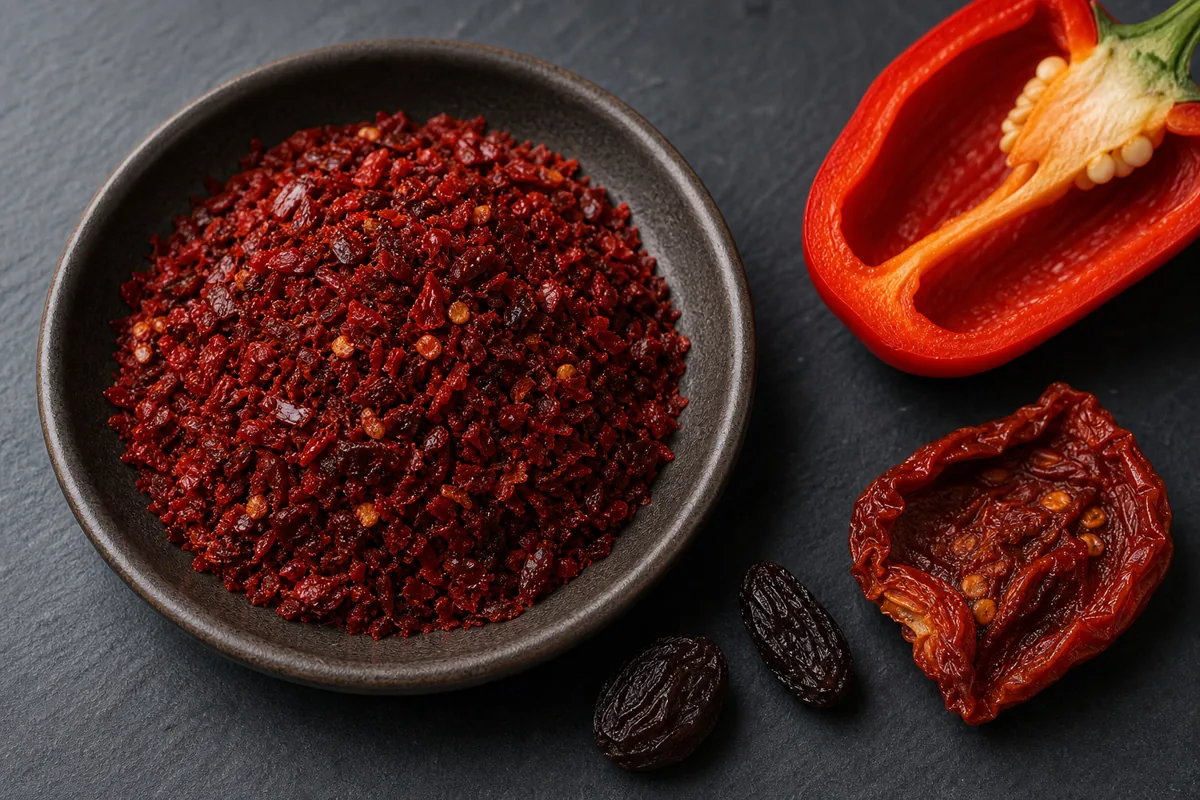
- Color: Burgundy-red flakes look vivid rather than dusty brown.
- Aroma: Fruit and ripe pepper appear before a dry hot smell.
- Texture: Coarse flakes feel slightly pliable in oiled products.
- Finish: Moderate heat rises after the savory fruit is clear.
Fresh Aleppo pepper should not taste smoky like chipotle or sharply acidic like some hot sauces. Those flavors can suit the same food, but they are different choices.
Taste a few flakes on plain yogurt or bread when opening a new package. A neutral food reveals fruit, salt, and heat more clearly than a spiced stew.
How hot is Aleppo pepper?
Most Aleppo pepper is moderately hot, with many references placing it near 10,000 Scoville Heat Units. Treat that number as a rough starting point rather than a guarantee.
Pepper variety, growing conditions, seed content, processing, and country of production all change the final heat.
Common crushed red pepper often includes hotter peppers and more seeds, so its burn may feel sharper. Cayenne powder disperses even faster and can taste much hotter per spoonful.
The Scoville scale measures capsaicinoid concentration, but the food still changes perception. Fat, starch, serving temperature, and distribution all matter.
| Chile form | Typical heat feel | Texture | Starting swap |
|---|---|---|---|
| Aleppo pepper | Moderate and gradual | Coarse soft flakes | Use the recipe amount |
| Generic chili flakes | Medium to hot and sharp | Seed-heavy coarse flakes | Use half as much first |
| Cayenne powder | Hot and immediate | Fine powder | Use one-quarter as much |
| Sweet paprika | Mild | Fine powder | Adds color and pepper flavor, not heat |
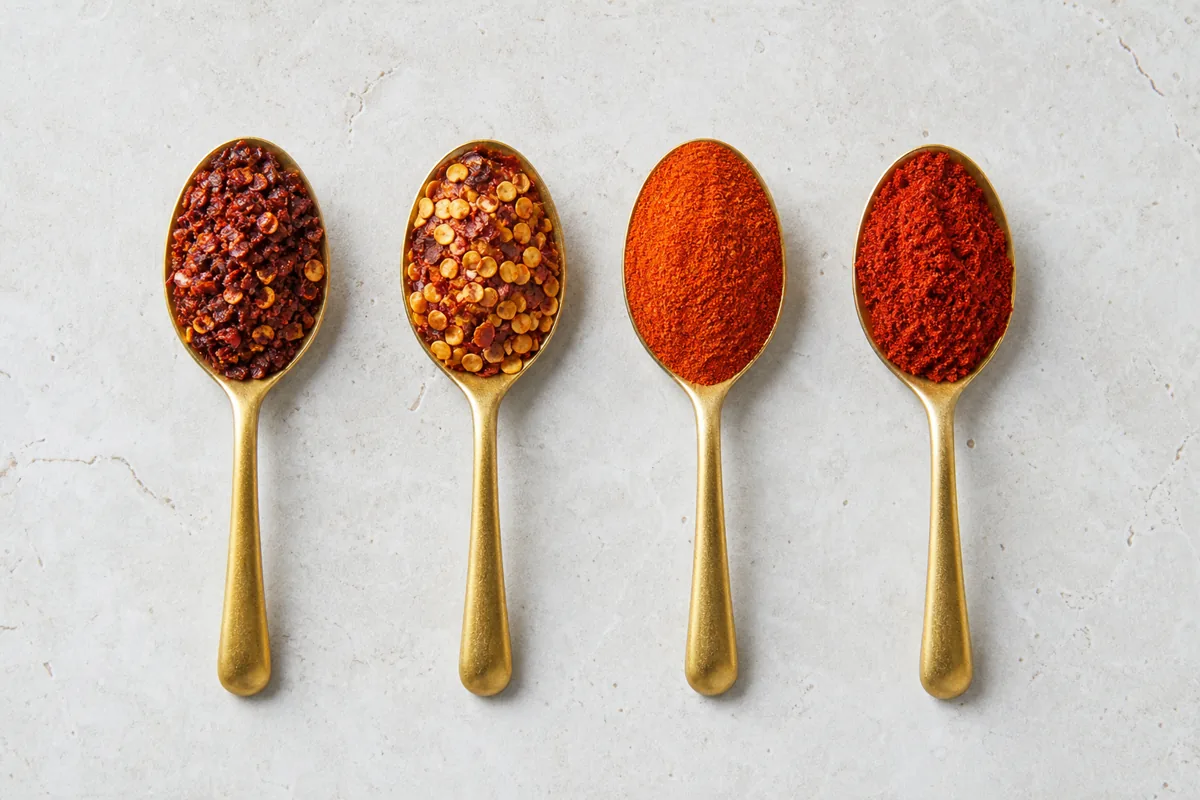
- Aleppo: Fruit arrives with a broad, moderate warmth.
- Generic flakes: Seeds and mixed peppers can produce sharper hot spots.
- Cayenne: Fine powder reaches more of each bite immediately.
- Paprika: Sweet types restore red-pepper body without much heat.
When heat tolerance is uncertain, mix one-quarter teaspoon into a spoonful of the finished food. Wait a minute before changing the whole pot.
Is Aleppo pepper the same as pul biber?
The names Aleppo pepper and pul biber overlap but do not guarantee identical flakes. Pul biber is Turkish for flake pepper and can refer to several regional styles.
Modern Aleppo-style products may use related peppers grown outside the traditional Syrian city and nearby growing region.
Some pul biber contains salt, vegetable oil, or both. Salt changes how much the rest of the dish needs, while oil makes the flakes softer and darker.
A package labeled Maras or Urfa pepper is not simply another Aleppo label. Those Turkish peppers can be hotter, darker, smokier, or more raisin-like.
Buy by aroma and ingredient list when possible. A vivid unsalted Aleppo-style pepper is more useful than a famous name on stale brown flakes.
When should you add Aleppo pepper?
Add Aleppo pepper near the end when you want visible flakes, fruit, and a clear finishing warmth. Cook it earlier when the heat should spread through a sauce or stew.
For an early addition, stir the flakes into softened onion or tomato over moderate heat just before liquid enters.
A five-second warm in butter or olive oil releases aroma for eggs, beans, or yogurt. The fat should be warm and fragrant, not smoking.
For finishing, scatter flakes over hummus, roasted vegetables, grilled meat, soup, or eggs after plating. The red color and individual warm bites remain distinct.
- Early in wet food: Heat integrates and spreads through the dish.
- Briefly in fat: Aroma rounds out while the fruit remains clear.
- At the finish: Flakes stay visible and create warm bursts.
- At the table: Each diner controls the final heat.
This timing choice follows the broader spice timing method. Ground spices and coarse flakes do not need the same direct heat.
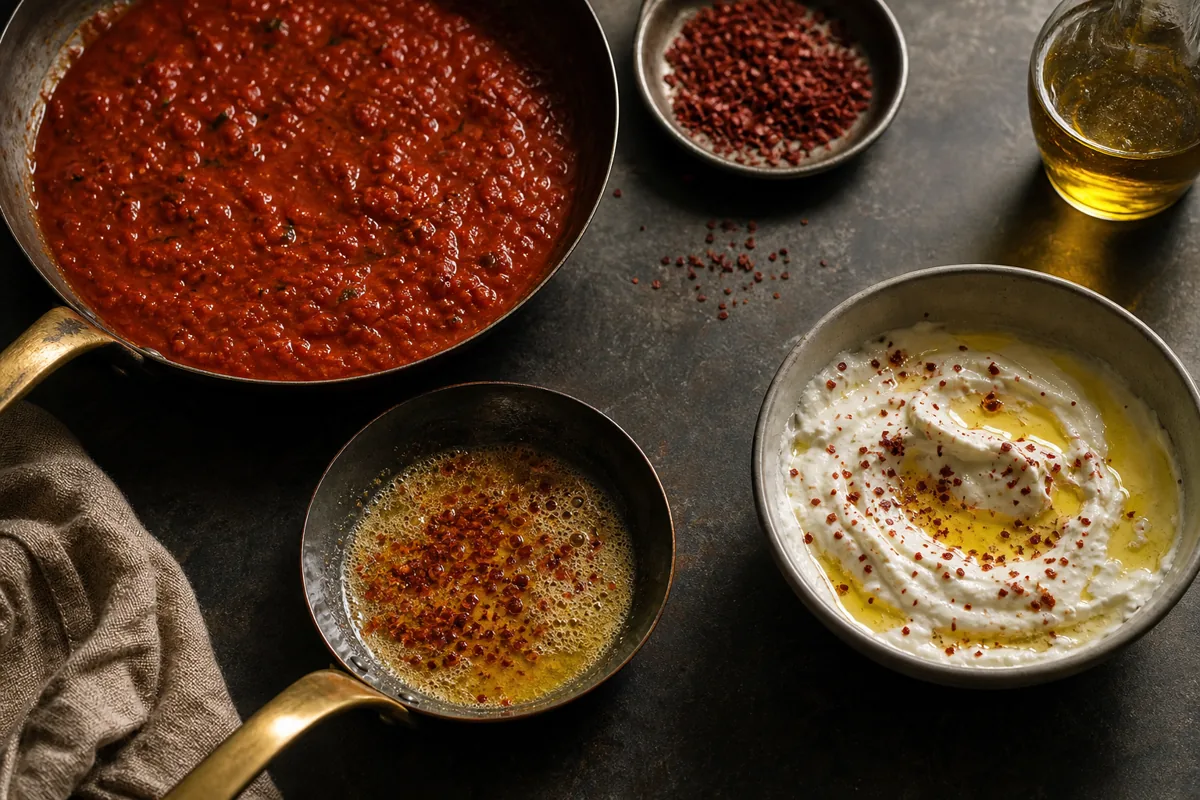
- Sauce: Early flakes soften and distribute through moisture.
- Warm butter: A short contact carries aroma without burning.
- Yogurt finish: Fruit and color stay easy to notice.
- Layered use: A small early dose plus a smaller finish builds even heat and fresh aroma.
Burned flakes taste bitter and lose their fruit. Remove them and restart the small amount of fat instead of hiding them under more pepper.
What foods taste good with Aleppo pepper?
Eggs, yogurt, cheese, beans, vegetables, chicken, lamb, and tomato sauces all welcome moderate heat and a ripe red-pepper note.
Yogurt and soft cheese cool the heat without hiding the fruit, while a little olive oil helps the flakes cling and spread.
Fried or scrambled eggs need only a finishing pinch. The pepper also works in warm butter poured over poached eggs.
Roasted carrots, squash, cauliflower, and potatoes hold coarse flakes on their browned surfaces. Add some before roasting and refresh the aroma with a smaller amount afterward.
Beans and lentils distribute the heat across many bites. Pair the pepper with ground cumin when an earthy base suits the dish.
| Food | Starting amount | Timing | Why it fits |
|---|---|---|---|
| 4 eggs | 1/4 teaspoon | Finish or warm in butter | Fruit remains easy to taste |
| 1 cup yogurt dip | 1/2 teaspoon | Stir in and garnish | Dairy softens the heat |
| Sheet pan vegetables | 1 teaspoon | Split before and after roasting | Flakes cling to browned edges |
| 4 servings beans | 1/2 to 1 teaspoon | Stir in near the end | Moisture spreads moderate heat |
Use restraint on delicate white fish or mild fresh cheese. One visible pinch can season the surface without redirecting the main ingredient.
How much Aleppo pepper should you use?
Start with one-half teaspoon of Aleppo pepper for four servings. That amount gives moderate warmth without covering the food.
For a finishing garnish, begin with one-quarter teaspoon across the whole plate. Individual flakes create hotter bites than an evenly stirred powder.
- Four servings of soup or beans: Start with 1/2 teaspoon.
- One cup of yogurt or hummus: Start with 1/2 teaspoon.
- Four eggs: Start with 1/4 teaspoon.
- One sheet pan of vegetables: Start with 1 teaspoon split before and after roasting.
Check the label before adding salt because some flakes are already seasoned. Use a level spoon when comparing brands.
Stir, wait, and taste again before adding more. Chile heat can feel stronger after the flakes hydrate and spread.
If the dish becomes too hot, add more unsalted base rather than sugar alone. Yogurt, beans, vegetables, or broth can lower the concentration when they belong.
What is the best substitute for Aleppo pepper?
The most practical Aleppo pepper substitute is sweet paprika mixed with a small amount of cayenne. Paprika restores ripe-pepper body and color, while cayenne supplies controlled heat.
For each teaspoon of Aleppo pepper, start with three-quarters teaspoon sweet paprika and one-eighth teaspoon cayenne. Add more cayenne only after tasting.
Ancho chile gives raisin-like fruit with less heat and a darker flavor. It works well in sauces, beans, and meat rubs.
Urfa pepper is darker, smokier, and more intensely raisin-like. Use it when that deeper direction suits the food rather than expecting a neutral swap.
| Substitute | Starting ratio | Best use | Main difference |
|---|---|---|---|
| Sweet paprika plus cayenne | 3/4 tsp plus 1/8 tsp per 1 tsp | Most cooked dishes | Finer texture |
| Ancho chile powder | Use one for one | Beans, sauces, meat | Milder and darker |
| Urfa pepper | Use 3/4 as much | Meat, eggs, yogurt | Smokier and more raisin-like |
| Generic chili flakes | Use half as much | Pizza, soup, vegetables | Sharper heat and more seeds |
The spice substitution method is to replace fruit, heat, and texture separately. A red color alone does not make a useful swap.
Do not replace Aleppo pepper one for one with cayenne. Fine cayenne reaches every bite and can turn moderate warmth into a blunt burn.
How can you tell whether Aleppo pepper is fresh?
Fresh Aleppo pepper should look burgundy-red and smell fruity before it smells hot. Dull brown flakes with little aroma will add color and grit but little character.
Rub two flakes between clean fingers and smell them. Useful pepper releases ripe chile, dried fruit, and a gentle warm note.
Check the ingredient list for salt and oil, then note the country of origin and pack date when available. These details help explain texture and seasoning strength.
Oiled flakes may clump softly without being damp or spoiled. Hard wet lumps, mold, or a rancid oil smell require disposal.
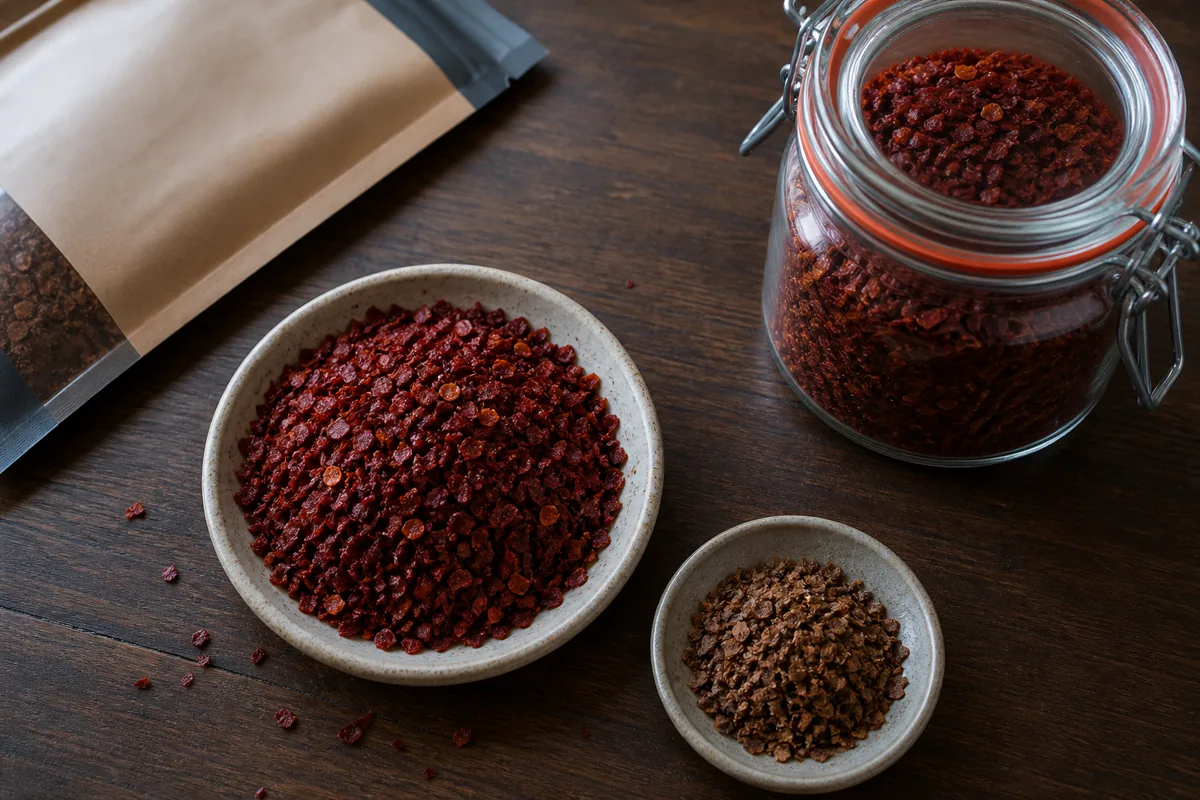
- Burgundy color: Bright red-brown flakes retain more visual life than gray-brown ones.
- Fruity aroma: Ripe pepper and dried fruit should appear before dusty heat.
- Ingredients: Salt and oil change both measurement and storage.
- Seal: An airtight jar protects coarse flakes from air and kitchen steam.
Store the pepper airtight in a cool, dark cabinet and keep wet spoons out. Follow the dry spice storage rules even when a product contains a little oil.
Buy an amount you can finish while it still smells fruity. The online spice buying checks favor a recent pack date and clear ingredients over a large discount bag.
Replace a faded jar instead of doubling every recipe amount. More stale flakes increase texture and heat without restoring lost fruit.