
Sumac Adds Tartness Without Making Food Watery
Place this burgundy berry spice late enough to preserve its tartness, color, and gentle grip.
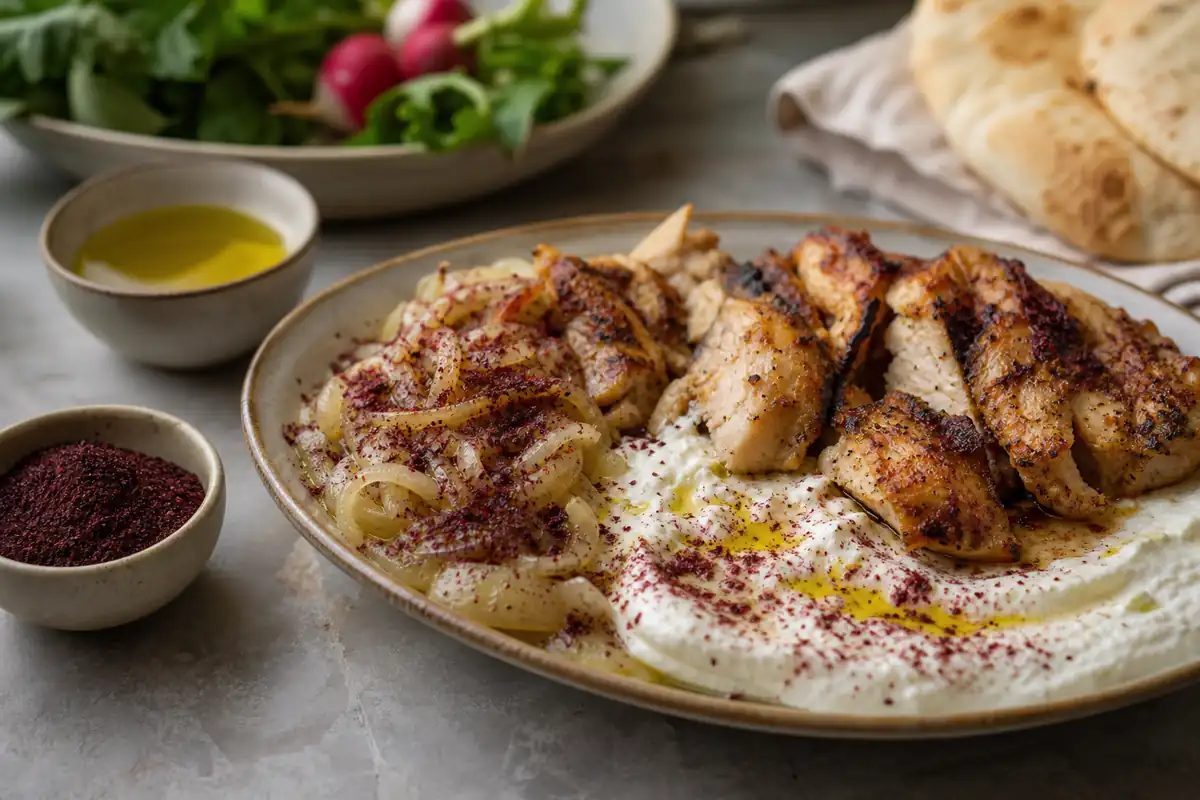
Culinary sumac is dried and ground Rhus coriaria fruit that gives food tart, fruity acidity without adding liquid. Use it late on onions, salads, yogurt, grilled meat, or fish, check for added salt before measuring, and split the dose when a dish needs both integrated flavor and a vivid finish.
What does sumac taste like?
Sumac supplies tartness through dry berry particles, so it can sharpen food without loosening yogurt, onions, or a crisp salad.
Malic acid drives much of the sour taste. The spice also carries red-fruit aroma, mild earthiness, and a gentle astringent grip.
It is less juicy than lemon and less sharp than plain vinegar. That difference matters when texture needs to remain dry or creamy.
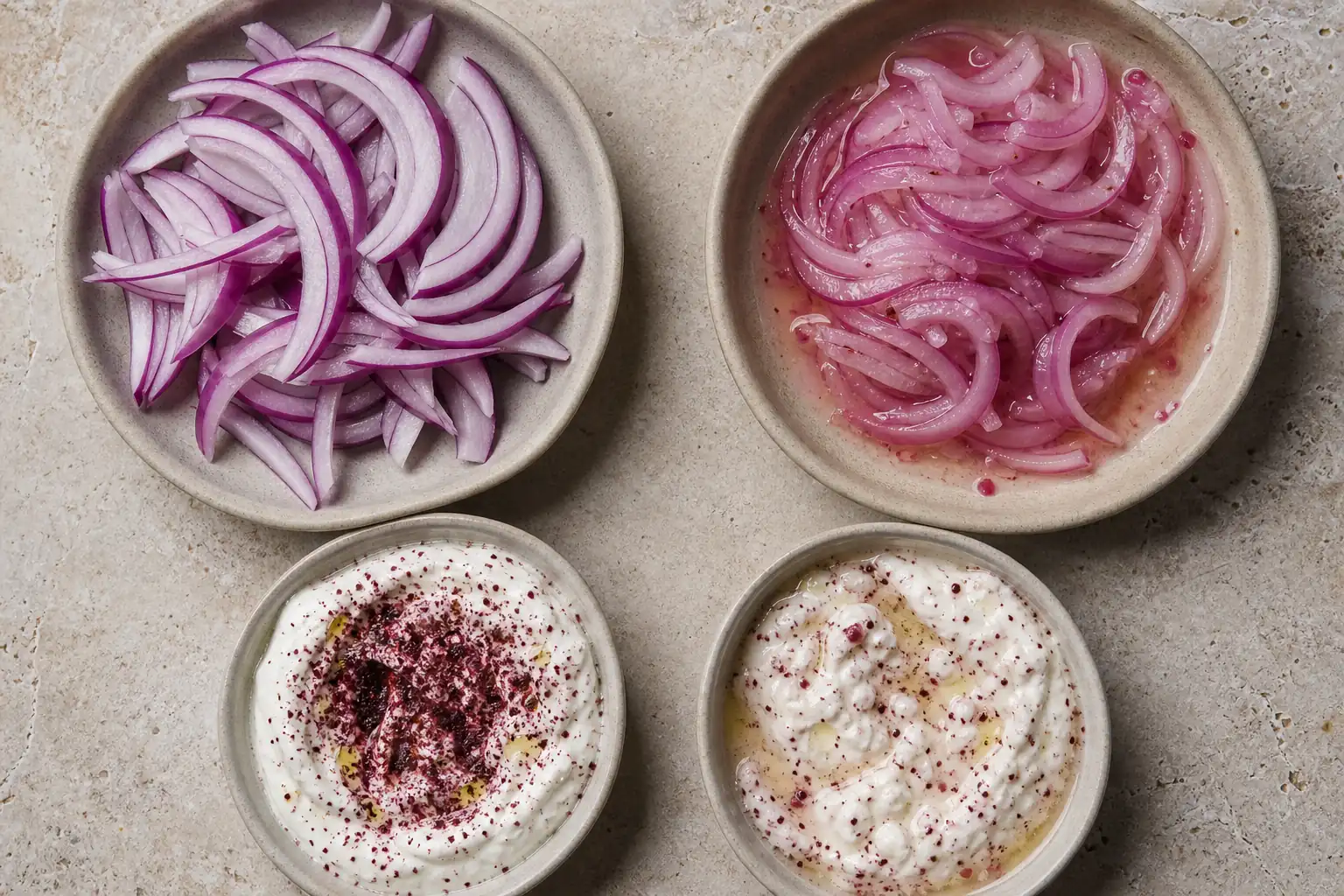
- Onions: The powder clings while the slices stay firm.
- Labneh: Tartness sits on the surface without thinning the dairy.
- Roasted food: A late dusting stays vivid instead of soaking into steam.
- Salad: Sumac can reinforce a dressing without adding another splash of liquid.
Taste sumac on a wet fingertip before cooking. Fresh spice should register as tart fruit before salt or dusty tannin takes over.
Taste another pinch on damp cucumber or yogurt because moisture releases sumac acidity faster than dry fingertip tasting.
Color alone is unreliable because crop, grind, and processing vary. A dramatic red jar can still taste flat.
Use sumac where acidity is the missing job. The flavor diagnosis should identify salt, fat, and aroma problems separately.
Is culinary sumac the same as poison sumac?
The common Mediterranean and West Asian spice comes from dried Rhus coriaria drupes. Producers grind the tart outer fruit, often with some seed.
The plant belongs to the cashew family, Anacardiaceae. That botanical fact does not make a commercial jar unsafe for most consumers.
Poison sumac is a different plant with white fruit. Commercial culinary sumac is not permission to harvest an unknown roadside shrub.
- Safe shortcut: Buy labeled culinary sumac from a food retailer.
- Species cue: Rhus coriaria is the common commercial Mediterranean spice.
- Wild boundary: Never identify edible fruit from red color alone.
- Ingredient check: The package may contain sumac alone or sumac mixed with salt.
Whole commercial berries are sometimes soaked and strained for tart liquid. Ground sumac is the practical form for most kitchens.
Grinding style changes texture. A finer powder disappears into yogurt, while a coarser grind leaves berry flecks and a firmer drying grip.
The spice also appears in zaatar blends, where sesame and herbs change its job. Pure sumac gives you direct control over acidity.
When should you add sumac while cooking?
Add sumac late when you want clear tartness and visible color. The broader spice timing choice depends on whether integration or lift matters.
A finishing dust works on eggs, yogurt, hummus, roast vegetables, fish, and grilled meat. The particles meet the tongue before the food dilutes them.
Short roasting rounds the raw edge and bonds sumac to oil. Long simmering leaves more color and tannin than fresh berry lift.
| Timing | Tartness | Best jobs | Main caution |
|---|---|---|---|
| At the table | Brightest | Labneh, eggs, hummus | Can taste powdery without fat |
| Last 5 minutes | Clear and integrated | Onions, fish, roast vegetables | Salted sumac may oversalt |
| Before roasting | Rounder | Chicken, squash, potatoes | Color darkens |
| Long simmer | Soft and muted | Stew needing background acid | Fresh character disappears |
Split the dose for roasted food. Use part before heat for contact, then add the rest after cooking for a fresh tart top.
The first dose seasons oil and surface moisture. The second reaches the tongue before heat softens its fruit and darkens its color.
Oil helps the dry particles cling, but too much fat can cushion the acid. Taste after the food rests and surface oil settles.
For fried food, season immediately after draining. The remaining surface oil catches the powder without dissolving a crisp crust with juice.
In a wet sauce, reserve the finishing dose until the last stir. Early powder can supply background fruit while the late dose restores clear acid.
If tartness disappears, add fresh sumac rather than cooking the existing dose longer. The layering method preserves different jobs at different times.
Why does musakhan use so much sumac?
Palestinian musakhan shows sumac acting as a structural acid. The spice saturates softened onions and olive oil before chicken reaches the bread.
Onions provide sweetness, while sumac gives tartness and a slight drying grip. Olive oil carries both across the bread.
The chicken contributes browned skin and savory juices, yet the seasoned onion layer keeps the dish from feeling heavy.
Cook the onions until soft without drying them into a jam. They need enough moisture to carry sumac into the bread.
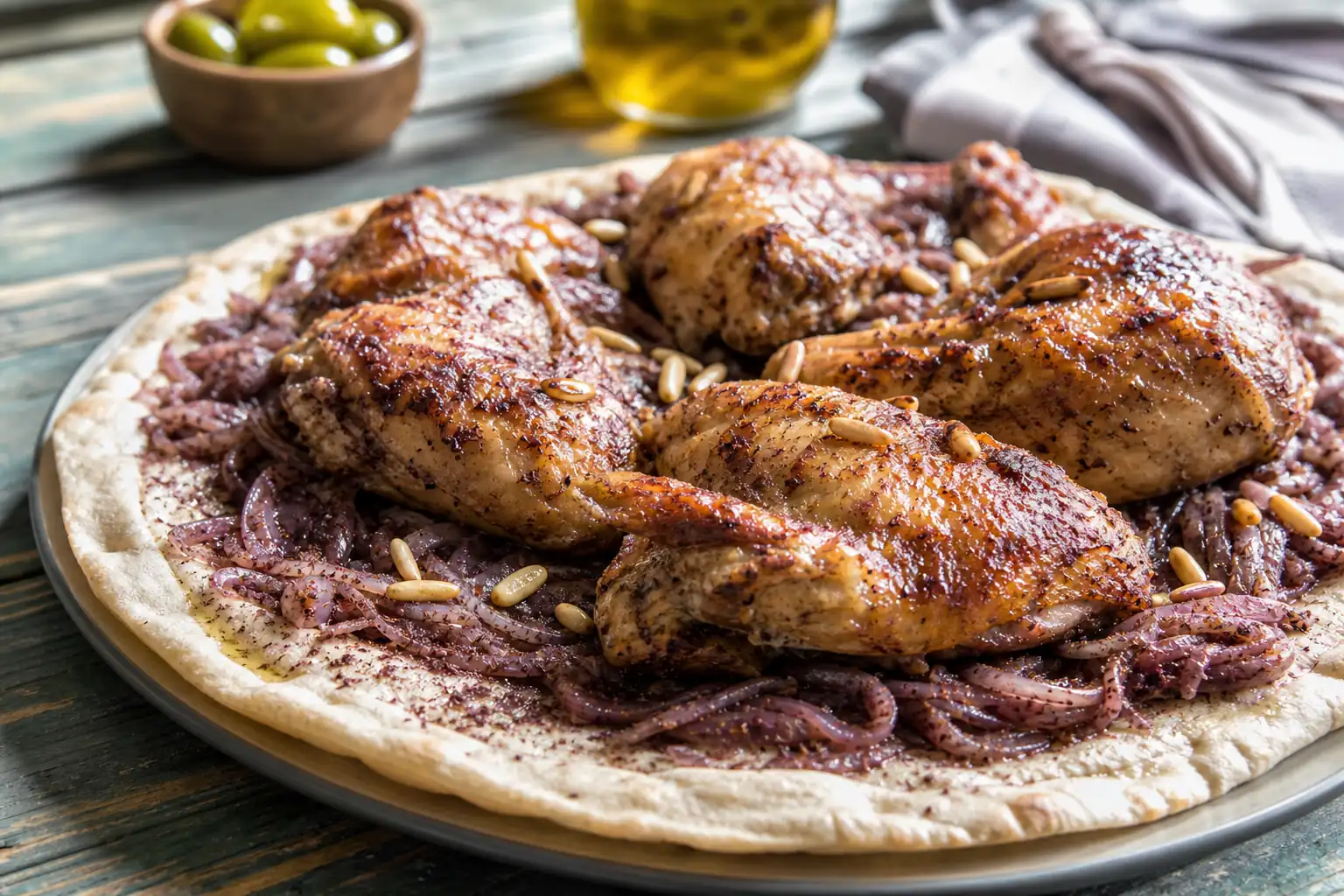
- Onion: Slow softening creates the sweet base for tart sumac.
- Olive oil: Fat distributes the berry particles through the onions.
- Bread: The loaf absorbs seasoned oil and chicken juices.
- Chicken: Browning supplies the savory counterweight.
Add enough sumac for the onions to taste clearly tart before assembly. Bread and chicken will spread that intensity through the serving.
Taste one onion with a piece of bread before adding chicken. That bite predicts the final acid balance better than tasting onions alone.
Spread the onion mixture to the bread edges so every portion receives seasoned oil. A center pile leaves outer pieces rich but flat.
Recipes vary by household, bread, and chicken size. Follow the onion’s taste rather than chasing one universal spoon count.
In Middle Eastern cooking, musakhan shows how sumac can season a complete onion layer instead of serving as garnish.
What foods go best with sumac?
Fattoush needs sumac in the dressing and near service. Wet vegetables and toasted bread absorb acid at different rates.
Labneh needs surface contact. Olive oil catches the particles while thick dairy keeps the tart layer distinct.
Kebabs need sumac after grilling or mixed with sliced onion. Direct high heat can mute the spice before the meat reaches the plate.
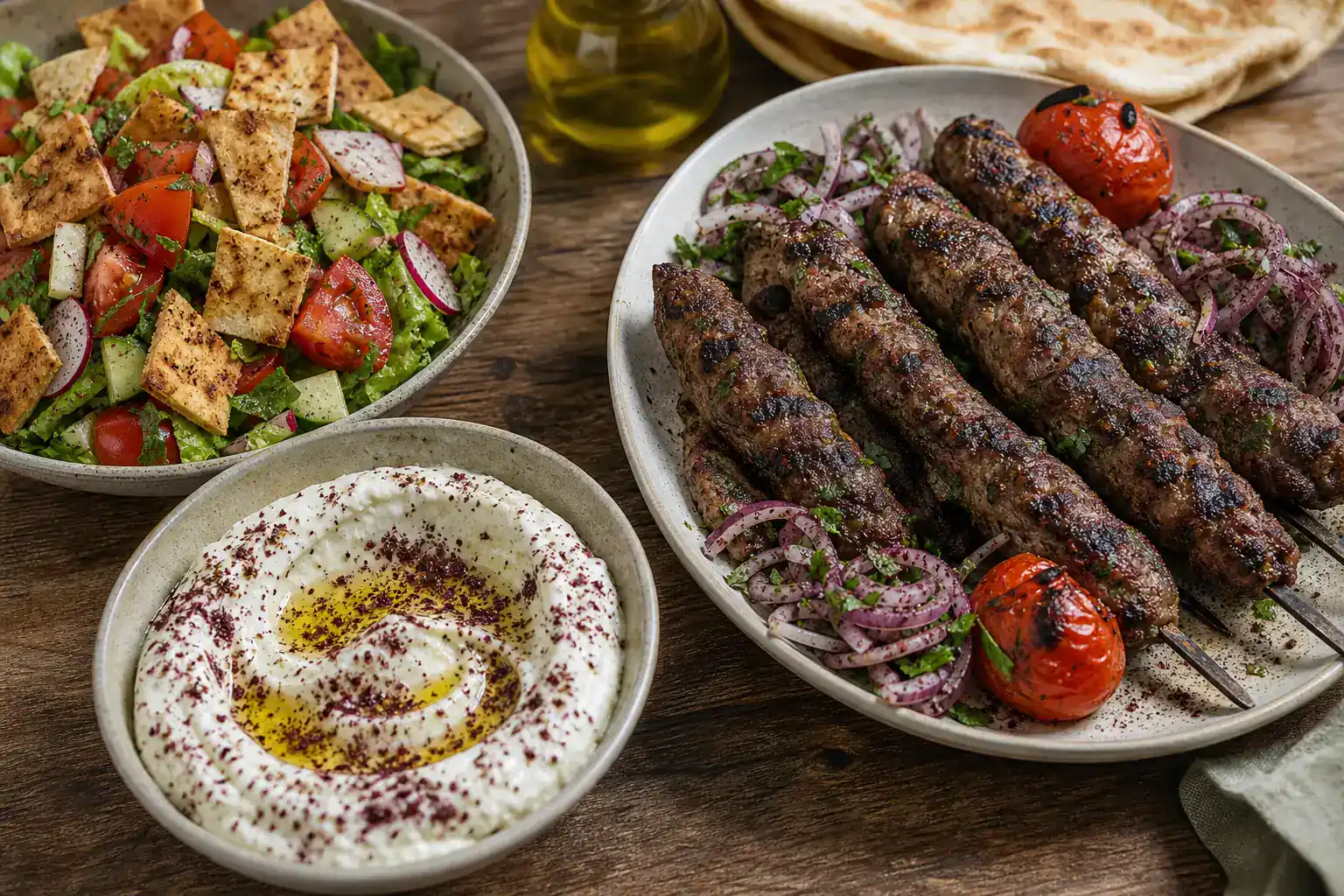
- Fattoush: Put some sumac in the dressing and save some for the final toss.
- Labneh: Dust the surface after adding a shallow pool of olive oil.
- Kebab: Finish the meat or season raw onions served beside it.
- Fish: Add sumac after cooking so delicate flesh keeps a clean tart edge.
Raw onion benefits from a brief massage with sumac and salt. The slices soften slightly while keeping enough bite for grilled food.
Roasted vegetables accept a split dose because oil anchors the first addition. The final pinch restores color and fresh fruit.
Hummus can carry sumac on top, but the spice should not replace lemon inside the purée automatically. The two acids change texture differently.
The surface decides the timing. Match the powder to the part of the food that should taste tart first.
How much sumac should you use?
Read the ingredient line before measuring sumac. Some products contain substantial salt, while others are pure ground fruit.
For pure sumac, start with one half teaspoon for two servings. Salted products need a smaller dose and less separate salt.
A pan of onions can take two teaspoons or more because sweetness, oil, and bread spread the tartness. Taste before assembly.
| Food | Pure sumac start | Adjustment cue |
|---|---|---|
| Two servings labneh | 1/2 teaspoon | Add after olive oil |
| Salad for four | 1 teaspoon | Split between dressing and finish |
| One pound kebabs | 1 teaspoon | Finish after grilling |
| Large onion pan | 2 teaspoons | Taste before bread absorbs it |
| Roasted vegetables for four | 1 teaspoon | Reserve half for service |
Do not measure by redness. A pale fresh crop can taste stronger than a dark salted powder.
Excess sumac feels dry and puckering. Add more base food, olive oil, or mild dairy rather than more sugar.
Salt changes perception as well as sodium. Correct salt first, wait one minute, then decide whether the dish still needs more berry acid.
What can you use instead of sumac?
The best sumac substitute depends on whether you need dry aroma, liquid acid, or dark fruit. No single replacement supplies all three.
Lemon zest brings dry citrus aroma but little acidity. It suits rubs and finishing mixtures when wetness would hurt the surface.
Lemon juice supplies acid and brightness, yet it loosens yogurt and softens crisp food. Add it gradually.
| Substitute | Best job | Starting move | Tradeoff |
|---|---|---|---|
| Lemon zest | Dry rub or finish | Use a small fresh pinch | Aroma without enough acid |
| Lemon juice | Dressing or sauce | Add by teaspoons | Adds water |
| Mild vinegar | Marinade or salad | Use half the usual acid | Lacks berry fruit |
| Pomegranate molasses | Glaze or braise | Use drops | Adds sweetness and dark color |
Pomegranate molasses works in meat glaze or onion dishes where sweetness belongs. It is a poor dry finish for eggs or labneh.
A small mixture of zest and salt can imitate sumac’s dry placement, but the tongue will still miss malic-acid tartness.
Use the substitution job test before choosing. Texture may matter more than a rough flavor resemblance.
How can you tell whether sumac is fresh?
Taste is the best freshness check for sumac. The first impression should be tart fruit, not salt, dust, or stale tea.
Read the ingredient line for salt, oil, anti-caking agents, or a zaatar blend. Pure sumac gives the clearest control.
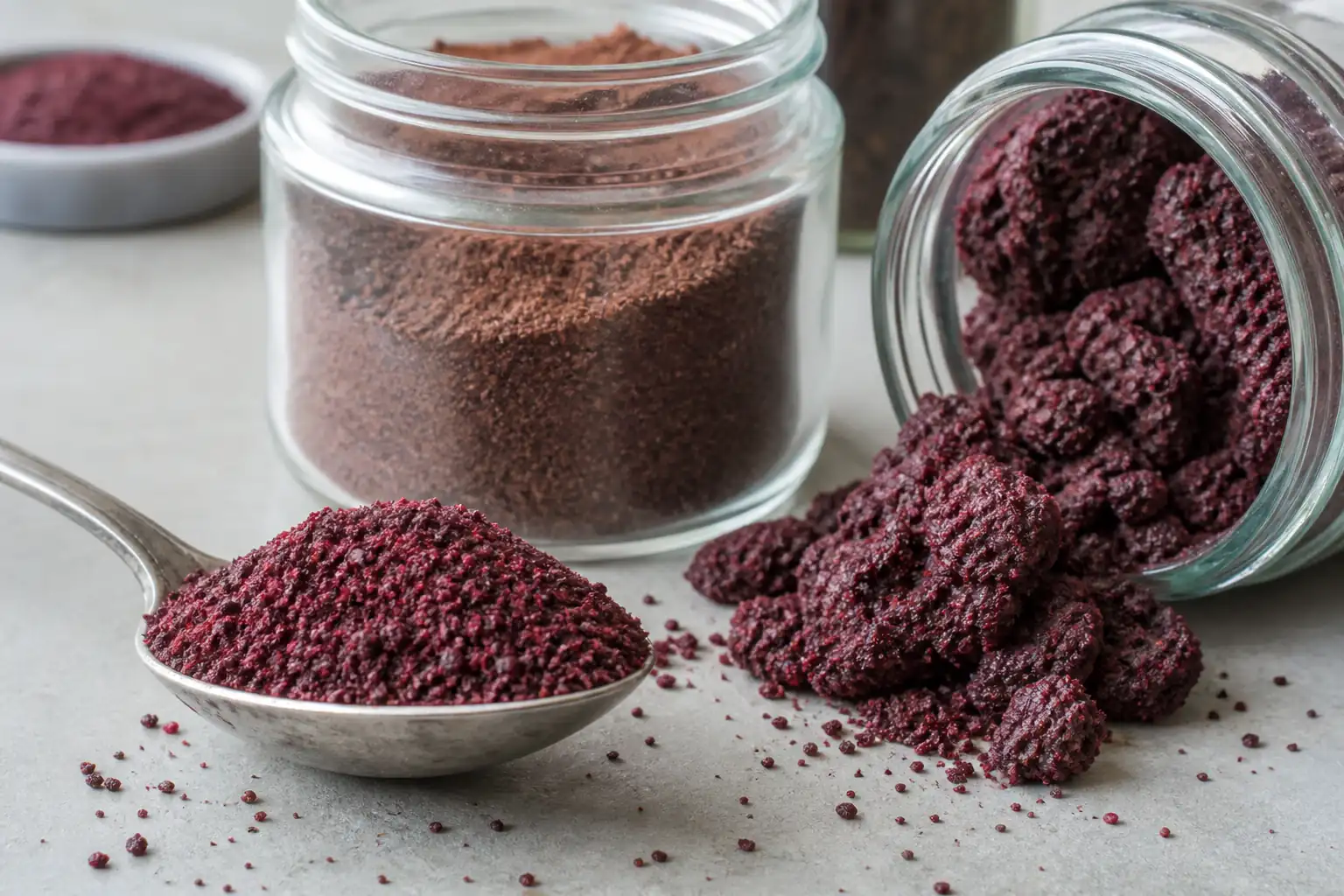
- Taste: Tart berry should arrive before dust or salt.
- Texture: Loose powder is easier to judge and distribute than damp clumps.
- Label: Check whether salt is already part of the product.
- Size: Buy an amount you can finish while the tartness remains clear.
Avoid damp clumps or a musty odor. Sumac contains plant material that should remain dry inside the package.
Color varies from brick red to burgundy with crop and processing. Fluorescent brightness cannot replace a clean ingredient list and tart taste.
Store it airtight and away from steam, light, and stove heat. A small opaque jar protects both color and aroma.
Check the broader spice freshness windows, then trust this ingredient’s tartness rather than a date alone.
Replace flat sumac instead of doubling it. More stale powder adds tannin and grit without recreating the missing fruit.
Before replacing the jar, test a pinch on plain cucumber or yogurt. A neutral wet surface reveals both acid strength and unwanted salt.