
Could That Reaction Be a Spice Allergy? What to Check
Use symptoms, timing, labels, and medical testing to make safer decisions without guessing at home.
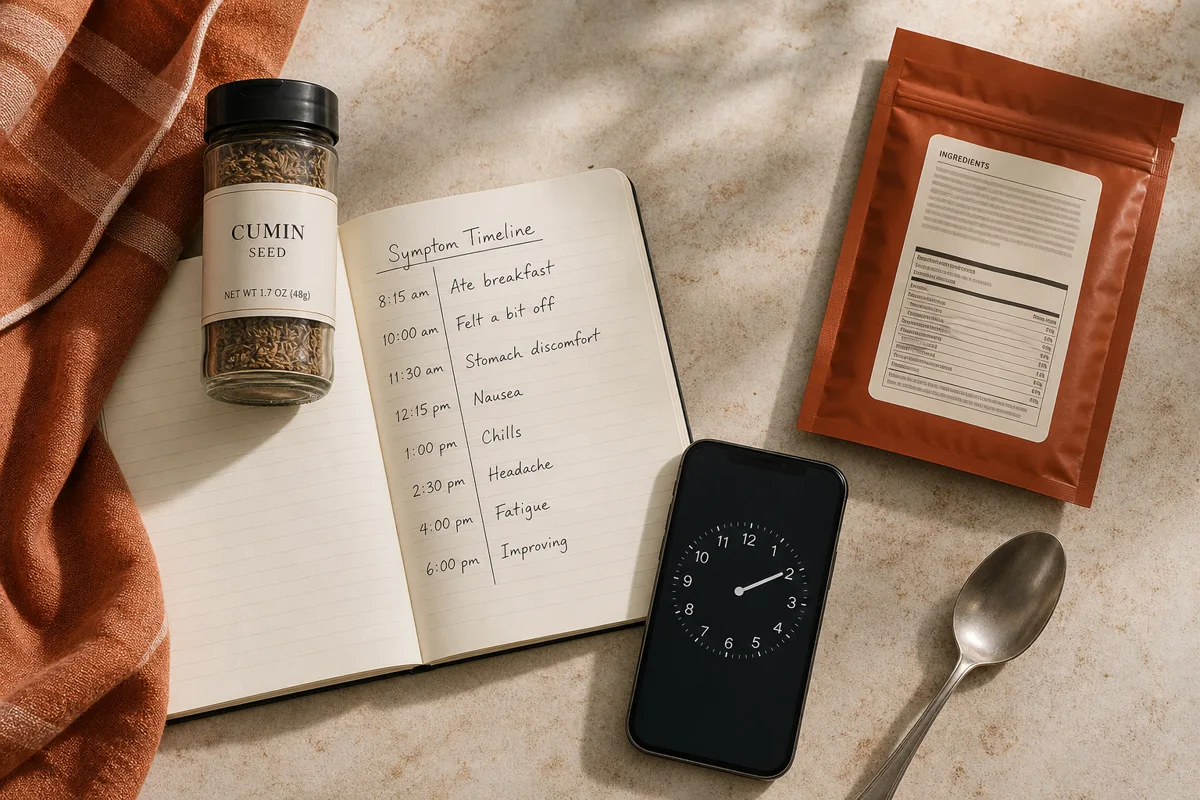
A true spice allergy is an immune reaction that can cause hives, swelling, vomiting, wheezing, or anaphylaxis. Burning from chile and stomach upset from a large dose can occur without allergy. Stop eating a suspected product, treat emergency symptoms according to your medical plan, save the label, and ask an allergist to interpret the pattern.
Can you really be allergic to spices?
A spice allergy is possible, although it is reported less often than allergy to foods such as peanut, milk, egg, or shellfish. The immune system reacts to a protein in the spice or to another allergen hidden in the blend.
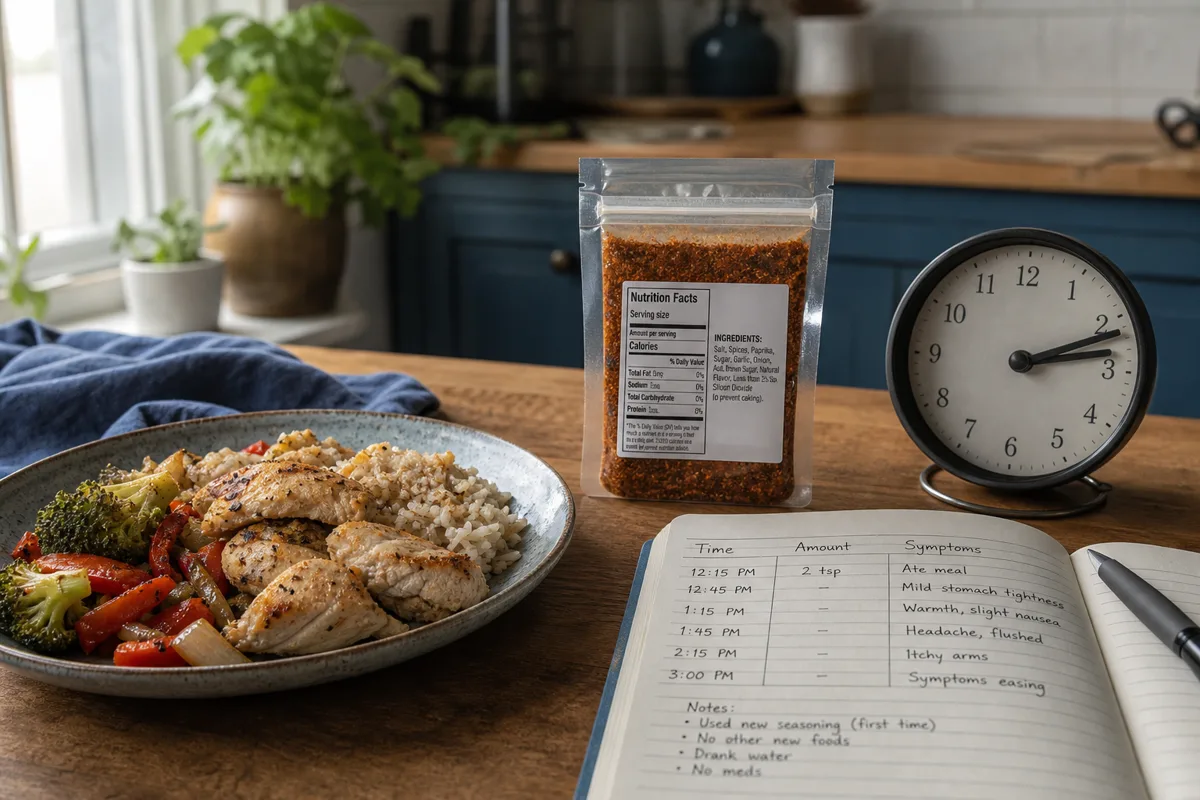
- Record: Exact product and amount
- Time: When symptoms began
- Keep: Label or package photo
A reaction blamed on one spice may come from mustard, sesame, wheat, milk, soy, nuts, or another ingredient in a seasoning mix.
Cross-contact during grinding or packing can also matter for someone with a diagnosed allergy.
The name of a dish cannot identify the cause.
Save the full ingredient list and ask how restaurant food was prepared instead of assuming that the visible red or brown powder was responsible.
The broader spice safety guide covers choking, contamination, and excessive doses. This guide focuses on immune reactions and closely related symptoms.
What are the symptoms of a spice allergy?
Spice allergy symptoms can affect the skin, mouth, gut, breathing, or circulation.
Hives, lip or tongue swelling, repeated vomiting, coughing, wheezing, throat tightness, dizziness, and faintness need careful attention.
Symptoms often begin within minutes to a few hours, but timing alone cannot prove the trigger. Write down the first symptom, how it changed, what else was eaten, and any treatment used.
- Skin: hives, widespread itching, flushing, or swelling
- Mouth and throat: itching, lip or tongue swelling, tightness, or trouble swallowing
- Gut: repeated vomiting, cramping, or diarrhea with other allergic signs
- Breathing: cough, wheeze, noisy breathing, or shortness of breath
- Circulation: weakness, confusion, faintness, or collapse
A rash that appears only where cinnamon oil touched skin may be contact irritation or dermatitis.
Widespread symptoms after eating call for a different level of assessment.
Is it an allergy, irritation, or intolerance?
An allergy involves the immune system, while irritation comes from direct contact with a pungent chemical. Intolerance is a broad term for digestive or other symptoms that do not use the same allergic pathway.
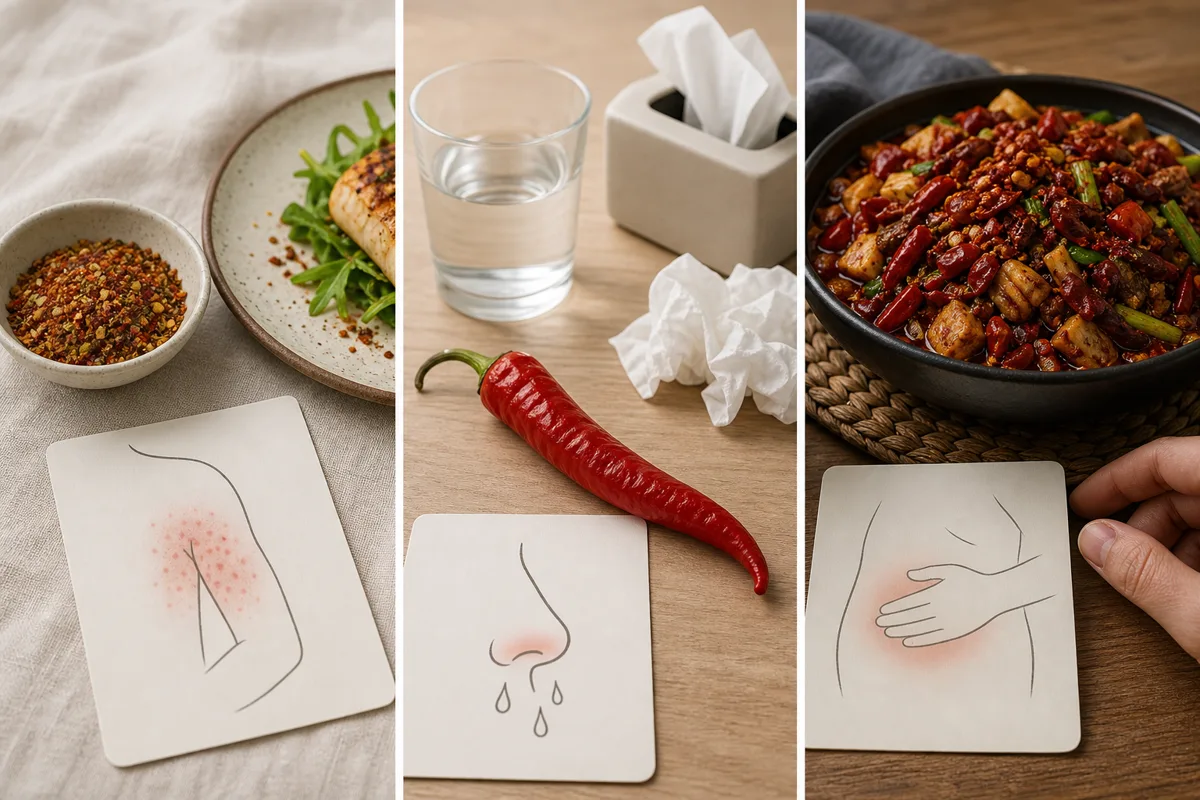
- Allergy: Hives, swelling, breathing signs
- Irritation: Local burning or coughing
- Intolerance: Digestive symptoms without allergic signs
Capsaicin in cayenne pepper activates heat and pain receptors.
Burning lips, a runny nose, sweating, or coughing after a very hot bite can happen without an allergy.
Large amounts of pungent spice can also cause heartburn, stomach pain, or diarrhea. Those effects are uncomfortable, but they do not automatically predict anaphylaxis.
| Pattern | Typical clues | Next step |
|---|---|---|
| Possible allergy | Hives, swelling, wheeze, repeatable small exposure | Stop exposure and seek medical assessment |
| Irritation | Burning limited to contact area, dose-related | Rinse exposure and avoid the irritating dose |
| Intolerance | Mainly digestive, often amount-related | Discuss persistent symptoms with a clinician |
| Contact dermatitis | Delayed itchy rash where product touched | Avoid skin contact and seek assessment if persistent |
Can a spice allergy cause anaphylaxis?
A spice or an allergen inside a spice blend can cause anaphylaxis.
Treat breathing trouble, throat swelling, faintness, or rapidly progressing symptoms as an emergency.
Do not wait for a rash. Anaphylaxis can involve breathing or circulation without obvious hives, and a reaction can worsen after a mild beginning.
After emergency treatment, medical observation may be needed because symptoms can return.
Follow the instructions from emergency clinicians rather than resuming the meal to test what happened.
What should you keep after a reaction?
The package is the most useful thing you can save.
Keep the container with its ingredient and allergen panel intact, because an allergist may need the exact product rather than a general spice name. A photograph of the panel is a weaker substitute, though it beats nothing.
Write the timeline while it is fresh.
Note what was eaten, when the first symptom appeared, how it changed over the next hour, and what treatment was given. Memory reshapes that sequence within a day or two.
Keep leftover food frozen if a clinician asks for it.
A restaurant meal cannot be recovered later. Write down the dish name, the time, and the receipt while you are still at the table.
Do not repeat the exposure to confirm it.
A second reaction can be more severe than the first, and it still will not show which ingredient in a blend was responsible.
Which spices and blend ingredients deserve a closer label check?
Mustard and sesame deserve special attention because both are established food allergens in different labeling systems. In the United States, sesame must be declared as a major allergen on packaged foods.
A jar labeled curry powder, seasoning, or masala can include many ingredients.
Mustard seed, sesame, celery, fenugreek, coriander, cumin, pepper, and chile may share one blend.
People with pollen allergy can sometimes react to botanically related seeds or herbs. That connection is a clue for an allergist, not a reason to remove an entire plant family without testing.
Ground products can contain carriers, anticaking agents, or allergenic ingredients that are not present in the plain whole spice.
Compare the ingredient and allergen statements every time the package changes.
| Product | What to check | Why |
|---|---|---|
| Curry or masala blend | Mustard, sesame, wheat, milk | Recipes vary by maker |
| Seasoning packet | Milk, soy, wheat, sesame | Flavor powders and carriers |
| Prepared mustard | Mustard plus formula allergens | Not just ground seed |
| Restaurant spice mix | Recipe and shared equipment | No retail package to inspect |
Why can pollen allergy complicate the picture?
Some people with pollen allergy develop itching or mild swelling in the mouth after eating related plant foods. This is often called pollen food allergy syndrome or oral allergy syndrome.
Cross-reactivity has been reported with celery, carrot, parsley, coriander, fennel, anise, and related plants.
A person may react to one form and tolerate another, so a long avoidance list based only on plant relationships can remove foods unnecessarily.
Tell the allergist about hay fever, seasonal timing, raw versus cooked exposure, and whether coriander seed or fresh cilantro caused the problem. Those details help select useful tests.
Breathing trouble, widespread hives, vomiting, or faintness is not a mild mouth-only pattern.
Use the emergency plan for the symptoms actually present.
Can airborne spice dust cause a reaction?
Some people react without eating anything.
Grinding, opening a large sack, or shaking out a dry rub puts fine particles into the air, and those particles reach the nose, eyes, and airway. Bakers, line cooks, and spice packers report this pattern more often than home cooks do.
The usual symptoms are sneezing, a runny nose, itchy eyes, or coughing.
Wheezing or throat tightness sits at a different level and belongs in your emergency plan rather than in a wait-and-see. Tell the allergist if breathing symptoms started before the first bite.
Airborne exposure is also why a shared kitchen can matter more than a shared plate.
Powder settles on surfaces and drifts between stations, so a dish cooked without the spice can still carry traces. Ask about the grinder and the prep bench, not only the recipe.
Irritation from pepper dust is not the same as an allergic response.
Almost everyone coughs near freshly ground black pepper, and that reaction on its own tells an allergist very little.
- Usual pattern: Sneezing, runny nose, itchy eyes, or coughing near airborne powder.
- Different level: Wheezing or throat tightness belongs in your emergency plan, not a wait-and-see.
- Shared kitchens: Powder drifts between stations, so ask about the grinder and prep bench.
- Not the same thing: Nearly everyone coughs near fresh pepper dust, and that alone means little.
How is a spice allergy diagnosed?
An allergist starts with the exact exposure and symptom history, then may use skin testing, blood testing, or a medically supervised food challenge. No single test result should be interpreted without the history.
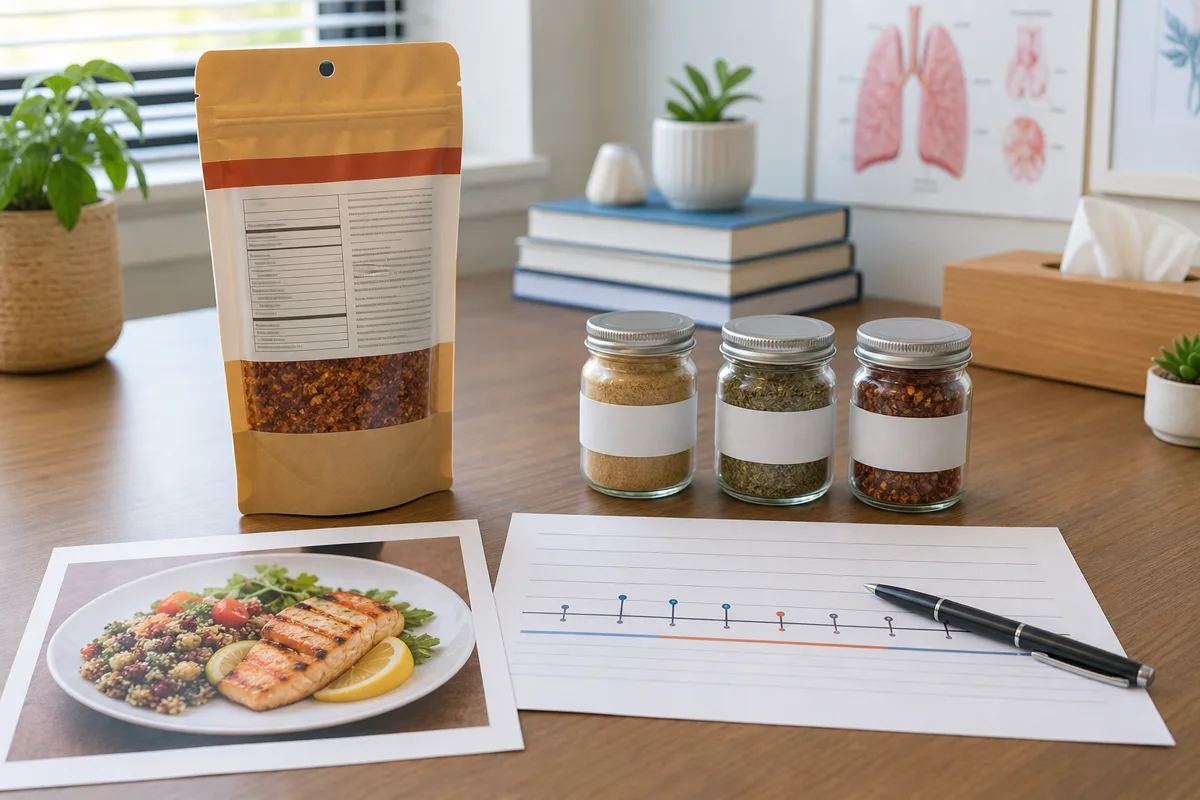
- Bring: Package and photos
- List: Foods, medicines, timing
- Avoid: Home challenge
Commercial tests are not available or reliable for every spice. An allergist may need the actual product or a carefully selected ingredient, which makes the saved package especially useful.
Do not rub spice on the skin, inhale powder, or eat a test dose at home. A home experiment can irritate tissue, produce a serious reaction, and still fail to identify the ingredient.
Keep using foods already known to be safe unless a clinician advises otherwise. Broad restriction can make meals harder and may hide the specific pattern that needs investigation.
How do you eat out with a suspected spice allergy?
Restaurant risk usually sits in the blends, not in the named ingredients.
A kitchen that lists no mustard on the menu may still use a house rub, a stock base, or a bought curry powder that contains it. Ask what goes into the seasoning rather than whether the dish contains the spice.
Name the ingredient you avoid and ask staff to check the container label.
A cook can read a panel in the storeroom far more reliably than they can recall a recipe from memory. That one request removes most of the guessing.
Fryers, grills, and grinders are shared surfaces.
A grinder used for a house blend all week leaves traces in the next batch, and a shared fryer carries whatever coating went in before. Those questions are worth asking before the order, not after.
Carry your emergency medication even for a meal you expect to be safe.
The reaction that matters is the one nobody planned for.
- Ask about the seasoning: House rubs, stock bases, and bought curry powder carry what the menu does not name.
- Ask staff to read the label: A cook can check a panel in the storeroom more reliably than recall a recipe.
- Ask about shared surfaces: Grinders, fryers, and grills carry traces from the batch before.
- Ask before ordering: These questions are useless once the plate arrives.
- Carry your medication: Including for a meal you expect to be safe.
Do food labels name every spice, and how can exposure be reduced?
United States labels may use the collective term spices for some flavoring ingredients, but major allergens must be declared by name under federal rules. Sesame has been one of the nine major allergens since January 1, 2023.
The word spices is therefore not a complete ingredient map for every sensitivity. Use the label reading guide, contact the manufacturer when the answer matters, and do not rely on an old online ingredient list.
- Save a photo of the exact package, lot, and ingredient panel.
- Buy plain single-ingredient spices when that reduces uncertainty.
- Use separate clean spoons and keep jars away from flour or nut dust.
- Ask restaurants about blends, marinades, garnishes, and shared grinders.
- Replace a product if its label or formula changes and the new ingredients are unclear.
Whole cumin seed is easier to identify than an unlabeled brown blend, but plain appearance does not guarantee freedom from cross-contact. Choose products with labeling that matches the medical plan.
Store the safe set together and clearly mark any household products that contain the allergen. The health and wellness library provides context for evidence and safe culinary use without replacing individual care.