
How Long Do Spices Last? A Practical Shelf Life Chart
Use form, opening date, aroma, color, and storage conditions to decide which jars still deserve space.
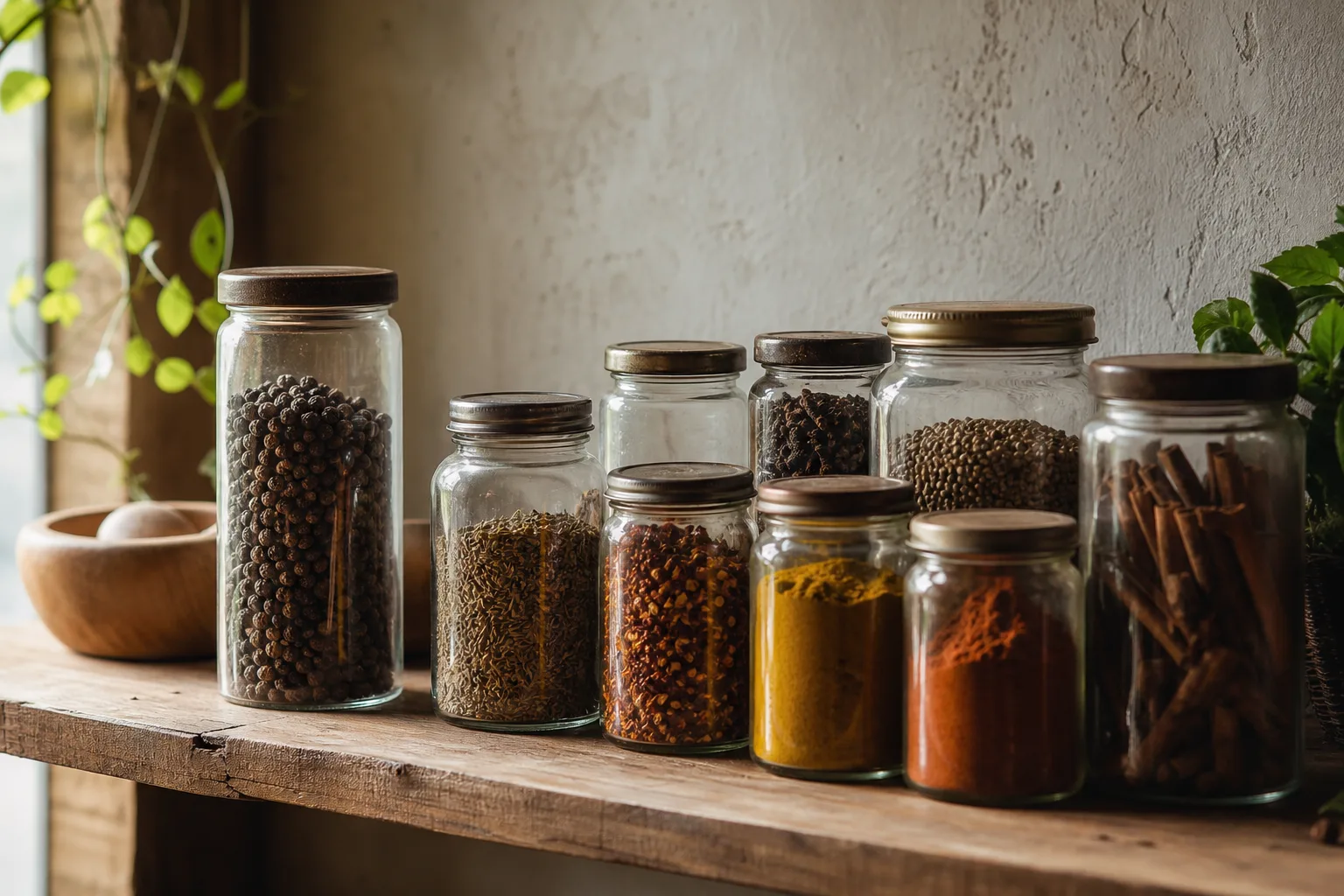
Use a spice shelf life chart as a flavor calendar, not a safety deadline. Whole spices usually keep useful aroma longest, ground spices and blends fade sooner, dried herbs lose green aroma quickly, and heat, light, steam, or loose lids shorten every range.
Use the chart as a flavor calendar
Spice shelf life is mostly about useful flavor. Dry spices can stay safe after their best flavor has faded.
The chart gives a starting window for normal pantry storage. Your nose, eyes, and cooking use still make the final decision.
| Form | Best flavor window | Replace sooner when |
|---|---|---|
| Whole spices | 3 to 4 years | Cracked pieces smell flat |
| Ground spices | 1 to 3 years | Powder smells dusty or color fades |
| Dried leafy herbs | 1 to 2 years | Leaves smell like hay or paper |
| Seasoning blends | 1 to 2 years | Salt leads and spice aroma drops |
| Extracts | Often longer if pure and sealed | Aroma smells weak or diluted |
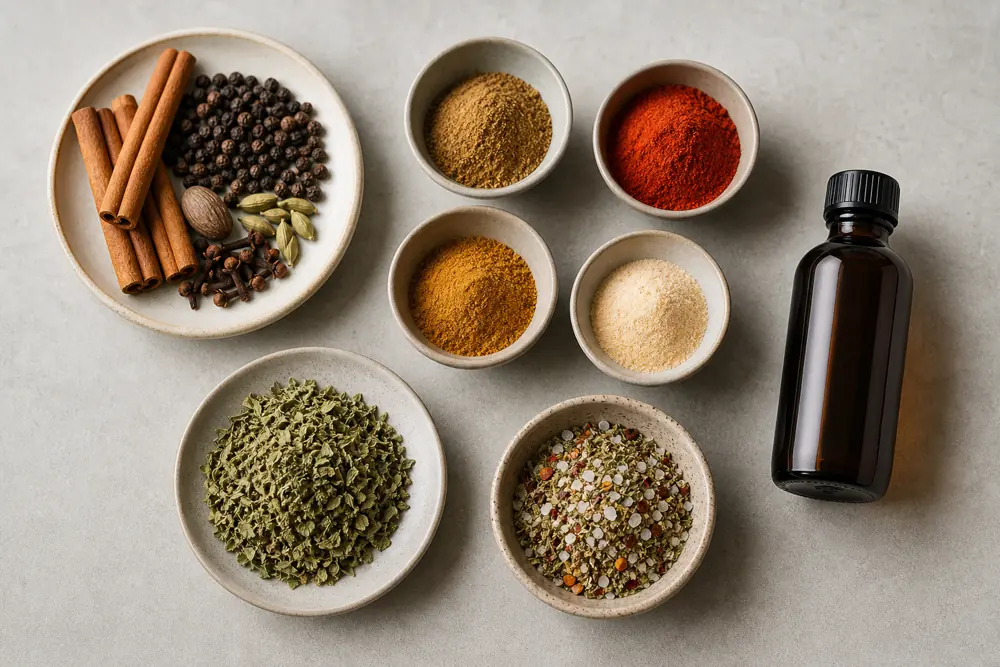
- Whole form protects aroma longer.
- Ground powders expose more surface area.
- Blends age by their weakest ingredient.
These ranges assume cool, dark, dry storage with tight lids. A jar beside the stove can fall outside the chart fast.
Use the short end of the range for jars opened often, stored warm, or bought already ground. Use the long end only for sealed, cool, slow-aging forms.
The chart also starts after useful exposure begins. An unopened jar in a cool cabinet ages more slowly than a half-used jar opened every week.
If a jar shows dampness, pests, mold, rancid odor, or a sour smell, skip the chart and use bad spice signs instead.
Whole spices keep aroma longest when they stay intact
Whole peppercorns, cumin seed, coriander seed, cardamom pods, cloves, and cinnamon sticks protect aroma inside seed coats, pods, buds, and bark.
That protection is why whole spices often deserve the longest shelf-life window. Crack one piece before judging the jar.
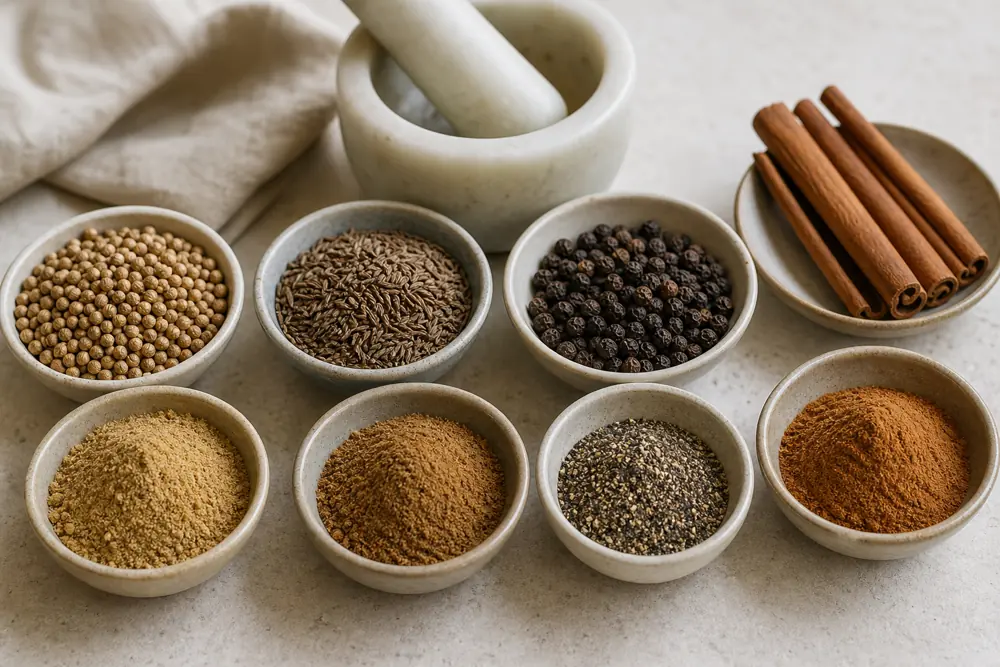
- Crack one piece before replacing a whole jar.
- Grind small amounts when aroma matters.
- Keep slow-use spices whole when practical.
The whole versus ground decision matters most for slow-use jars. Whole form buys time without forcing you to cook faster.
Black peppercorns show the pattern clearly. They keep more bite than pre-ground pepper because the outer shell protects the volatile aroma.
Replace whole spices when the cracked interior smells quiet, woody, or stale. Toasting can wake aroma, but it cannot create fresh oils.
Whole spices are also easier to rescue for one more dish. Crack, toast briefly, and smell again before you decide whether the jar still has enough to give.
If the spice stays flat after cracking and warming, stop spending recipe space on it. A fresh small jar will do more than a larger dose of old seed.
Ground spices need shorter windows and stricter color checks
Ground spices age faster because grinding breaks the protective structure. Air reaches more of the spice at once.
That is why ground cumin, coriander, ginger, nutmeg, and cinnamon often need a smell test before the printed date feels old.
Bright powders add another clue. Paprika, turmeric, and chile powders can lose useful color before they smell empty.
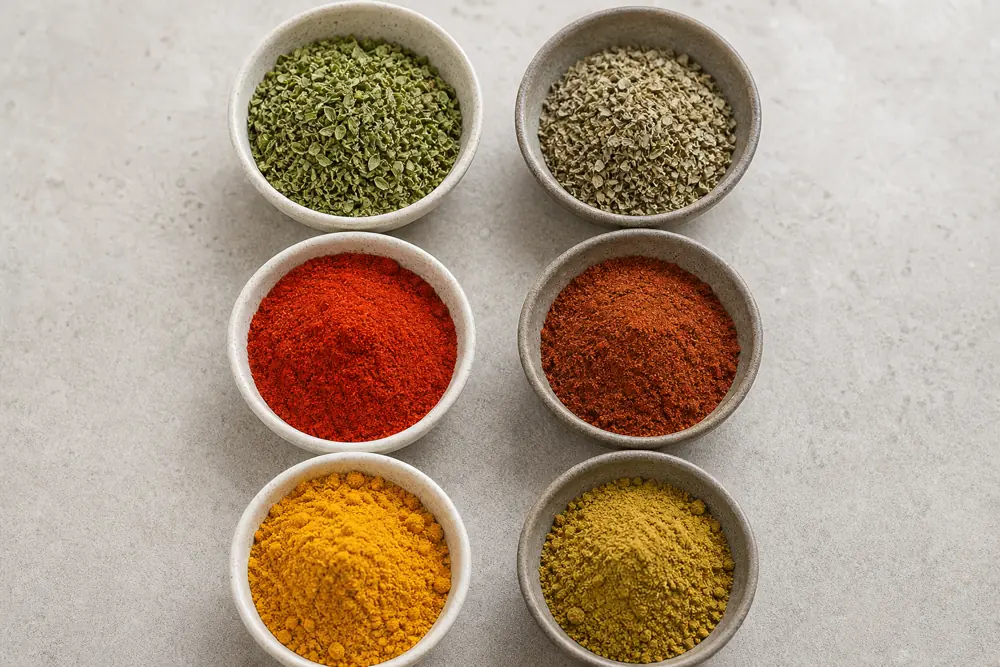
- Check red and yellow powders in good light.
- Replace color spices before visual dishes.
- Use smell and color together, not one alone.
Smoked paprika is one of the clearest color-risk jars because light can dull red color and smoke aroma.
Ground turmeric can still stain after flavor fades, so judge bitterness and aroma along with the yellow color.
| Spice type | Typical flavor window | Main cue |
|---|---|---|
| Ground cumin and coriander | 1 to 2 years | Dusty aroma or weak earthiness |
| Paprika and chile powder | 6 months to 2 years | Dull red color and flat aroma |
| Ground cinnamon and ginger | 1 to 2 years | Warm aroma turns quiet |
| Ground nutmeg | 1 to 2 years | Sweet warmth fades fast |
Buy ground spices in small jars unless you use them weekly. A bargain size is not cheap if half goes stale.
Ground spices used raw or near the end of cooking need the stricter end of the chart.
Heat and sauce cannot hide stale powder in a finishing sprinkle.
Ground spices used early in long cooking get more support from fat, salt, acid, and aromatics. They still need clean aroma, but they have more backup.
Dried herbs and blends age by their weakest part
Dried herbs usually lose green aroma faster than hard seeds and bark. The leaves are thin, broken, and exposed.
Dried oregano, thyme, rosemary, mint, and basil should smell like the plant, not hay, dust, or old paper.
Blends are more complicated because each ingredient ages at a different speed.
The most fragile ingredient sets the practical window.
| Item | Typical flavor window | Watch for |
|---|---|---|
| Dried leafy herbs | 1 to 2 years | Pale leaves and haylike smell |
| Salt-heavy blends | 1 to 2 years | Salt leads while herbs fade |
| Chile or paprika blends | 6 months to 2 years | Red color and aroma fade |
| Pure vanilla extract | Long keeping if sealed | Weak aroma after dilution or heat |
| Imitation extract | Follow label quality window | Flat aroma in visible recipes |
A blend can taste flat even when the salt, sugar, or garlic powder still hits hard. Smell before adding more blend.
Pure vanilla extract behaves differently from dry spices because alcohol protects the extract. Keep the cap tight and avoid heat.
Homemade blends start aging the day you grind or mix them. Label the mixing month because no printed date exists.
For blends with salt, judge aroma before saltiness.
A salty blend can taste strong while the spice part has already faded.
For extracts, watch the cap and storage spot. Evaporation, heat, and loose caps can weaken aroma even when the liquid still looks normal.
Storage conditions can cut the chart in half
Heat, light, steam, and loose lids shorten every number. A jar stored over the range may fade long before the chart says it should.
Steam is especially rough on powders because moisture can clump the spice and carry aromas away.
Shake into your hand, not over a boiling pot.
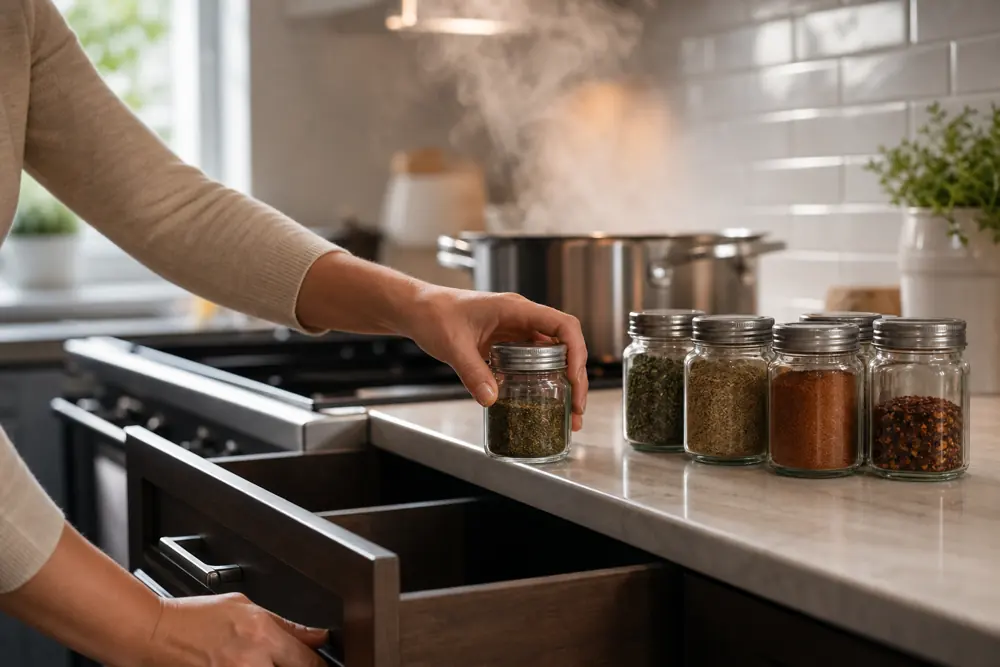
- Move jars away from the stove.
- Use dry spoons and clean lids.
- Keep bright powders away from light.
The storage setup from storing spices well matters more than brand once the jar is open.
- Best shelf: cool, dark, and away from stove heat.
- Best container: tight lid with a clean dry rim.
- Best habit: pour away from steam, then close the jar fast.
- Worst habit: keeping powders in clear jars beside bright windows.
If a spice lives in rough storage, move it into the shorter end of the chart. Do not trust the longest number for a hot cabinet.
Humidity matters even when the jar stays closed most of the time. A sticky rim or caked lid can warn you before the powder clumps.
Clear jars can work inside a drawer. On an open shelf, light becomes part of the aging problem, especially for red and yellow powders.
Does the freezer or the fridge change the chart?
Cold storage helps some spices and quietly ruins others. The deciding factor is how often you open the container.
The freezer works for a sealed reserve you will not touch for months. Whole seeds, dried chiles, and high-oil spices such as poppy or sesame hold aroma noticeably longer that way.
It fails for a working jar.
Every time you open a cold container in a warm kitchen, moisture condenses on the contents. Repeated cycles push water into a product whose whole shelf life depends on staying dry.
Let a frozen container reach room temperature before you open it. That one habit prevents most of the damage people blame on freezing.
The fridge is the worse of the two. It is humid, it does little for aroma retention, and it parks your spices beside foods with strong smells.
Keep the daily jars in a dark cupboard and save the freezer for backup stock.
Label jars by opening month, then rotate by use
A shelf-life chart works best when you know when the jar entered your kitchen. The printed date may tell you less than the opening month.
Write the month on the lid, bottom, or a blank sticker. Keep the mark simple so you will actually do it.
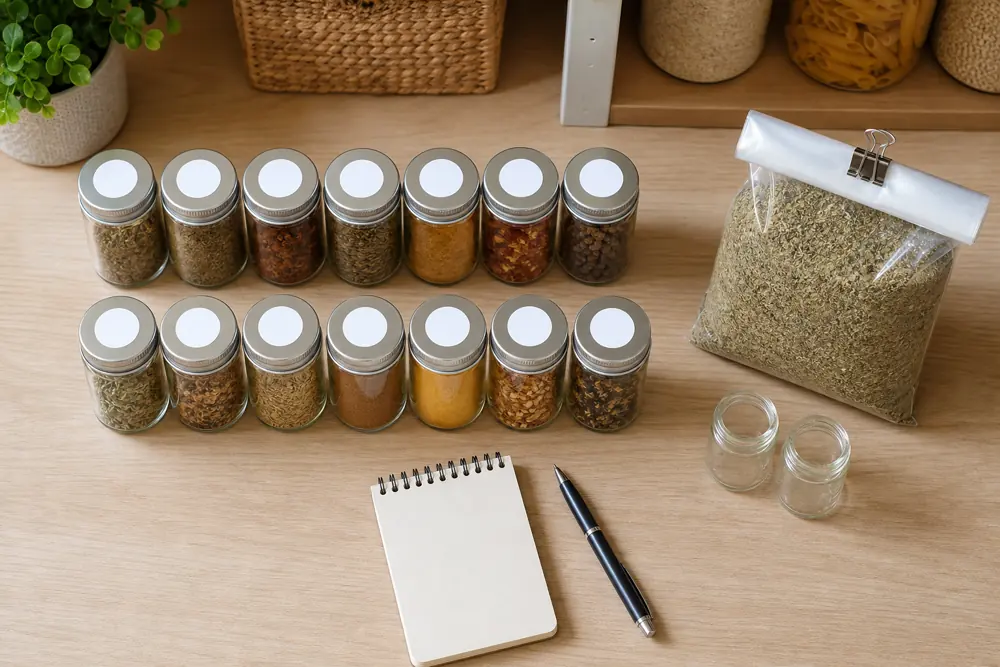
- Mark the opening month.
- Refill small working jars from sealed reserves.
- Buy less of slow-use powders.
When you are buying spices online, choose pack sizes that match your actual cooking.
High turnover beats a large stale reserve.
Large bags can work for cumin seed, peppercorns, cinnamon sticks, or daily-use chile powder. They are risky for rare blends and fragile dried herbs.
| Use rate | Best buy | Why |
|---|---|---|
| Weekly use | Medium jar or refill bag | You will finish it inside the flavor window |
| Monthly use | Small jar | Less open air time |
| Holiday use only | Smallest jar or whole form | Slow turnover makes powder fade |
| Bulk reserve | Sealed backup only | Working jar stays small and dry |
Rotation is not about throwing away good food. It is about giving the most visible dishes the freshest jars first.
If you refill from a bulk bag, label both containers.
A fresh-looking working jar can still hold spice from an old reserve.
Keep one working jar and one sealed reserve only for spices you use often. For rare spices, the reserve usually becomes the stale part.
Replace by recipe risk, not only age
A low-risk dish can tolerate a slightly tired spice. A high-risk dish exposes stale aroma immediately.
Old bay leaves in a long stew are less damaging than old paprika in a chicken rub.
The rub has nowhere to hide flat color or dull aroma.
| Recipe use | Freshness demand | Reason |
|---|---|---|
| Dry rubs | High | Spice sits on the surface |
| Finishing oils | High | Aroma is the point |
| Rice color | High | Color needs to show |
| Long stews | Medium | Broth and aromatics help |
| Background baking spice | Medium | Sugar and fat can soften weakness |
This is why a pantry audit should start with high-impact jars. Replace the spices that carry recipes alone before replacing every old bottle.
For rubs, blends, oils, and quick sauces, fresh powder matters more than age math. For long simmered dishes, a dry but quiet jar may still be useful.
The rule also protects your budget.
Replace the jars that change dinner first, then use up dry low-impact jars where precision matters less.
A good audit order is paprika, chile powder, cumin, dried herbs, curry-style blends, then whole seeds. That order finds the fastest fading jars first.
After that, check the expensive jars you avoid replacing. Saffron, vanilla, cardamom, and nutmeg should earn their space through aroma, not price.
When the chart cannot decide, run a freshness test
The chart cannot smell your jar.
Use it to know which jars deserve testing, then let aroma, color, texture, and storage damage decide.
Rub a pinch, smell it, check color in good light, and look for moisture or pests. Do that before adding extra spoonfuls to a recipe.
- Keep: dry jar, clear aroma, normal color, no damage.
- Use soon: dry jar with weak but clean aroma.
- Replace: flat aroma in a spice that carries the recipe.
- Discard: moisture, mold, pests, rancid oil, sour smell, or sticky clumps.
This is the handoff between a chart and a decision. Dates tell you where to look, while the jar tells you what to do.
Do not add double the amount just because the chart says a jar is old.
Test first, then decide whether more spice would help or only add dust.
If you only remember one thing, remember this. Whole spices age slowest, powders and herbs fade faster, and bad storage shortens every range.