
Aleppo Pepper Substitutes for Fruity Heat and Dry Rubs
Replace Aleppo pepper by balancing fruity red chile flavor before adding heat.
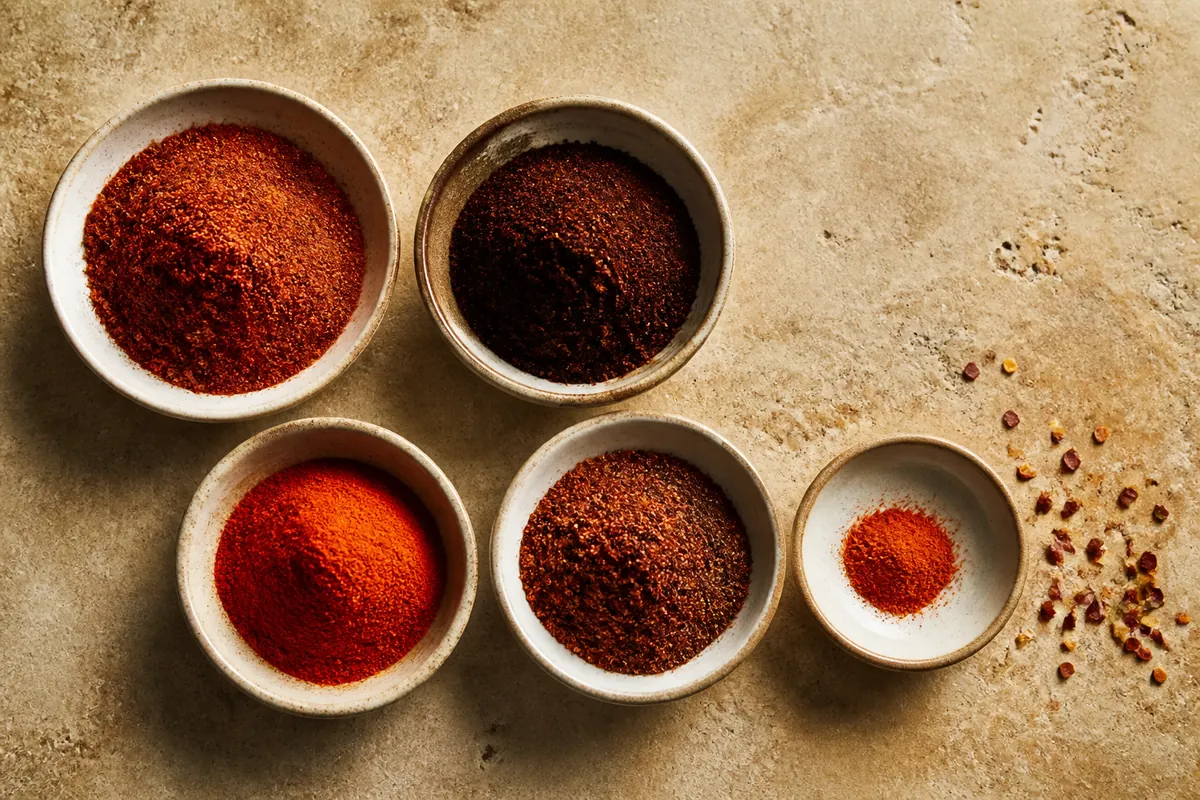
A blend of 3 parts sweet paprika and 1 part cayenne is the most practical Aleppo pepper substitute. Use the blend at a 1:1 ratio, then choose ancho, paprika, or chipotle when fruit, low heat, or smoke matters more.
5 Aleppo Pepper Substitutes for Fruit, Heat, and Texture
A measured blend of sweet paprika and cayenne is the most balanced pantry replacement for Aleppo pepper.
Make the blend before it reaches food so the concentrated cayenne cannot settle in one corner of a dip, rub, or marinade. Paprika supplies red color and mild fruit, while the smaller cayenne portion supplies heat without taking over the dish.
Single-spice alternatives make sense when the recipe values one quality more than the others. Ancho brings dark fruit, sweet paprika keeps heat low, chipotle adds smoke, and cayenne should be treated as a concentrated heat adjustment.
| Number | Substitute | Starting ratio | Best use |
|---|---|---|---|
| 1 | Sweet paprika and cayenne | 3/4 tsp plus 1/4 tsp per 1 tsp Aleppo | Dips, marinades, general cooking |
| 2 | Ancho chile powder | 1:1 | Sauces, stews, rubs |
| 3 | Sweet paprika | 1:1 | Garnish, dips, low-heat dishes |
| 4 | Chipotle powder | 1/2 to 3/4 tsp per 1 tsp Aleppo | Beans, barbecue, roasted food |
| 5 | Cayenne | 1/8 to 1/4 tsp per 1 tsp Aleppo | Heat in cooked dishes |
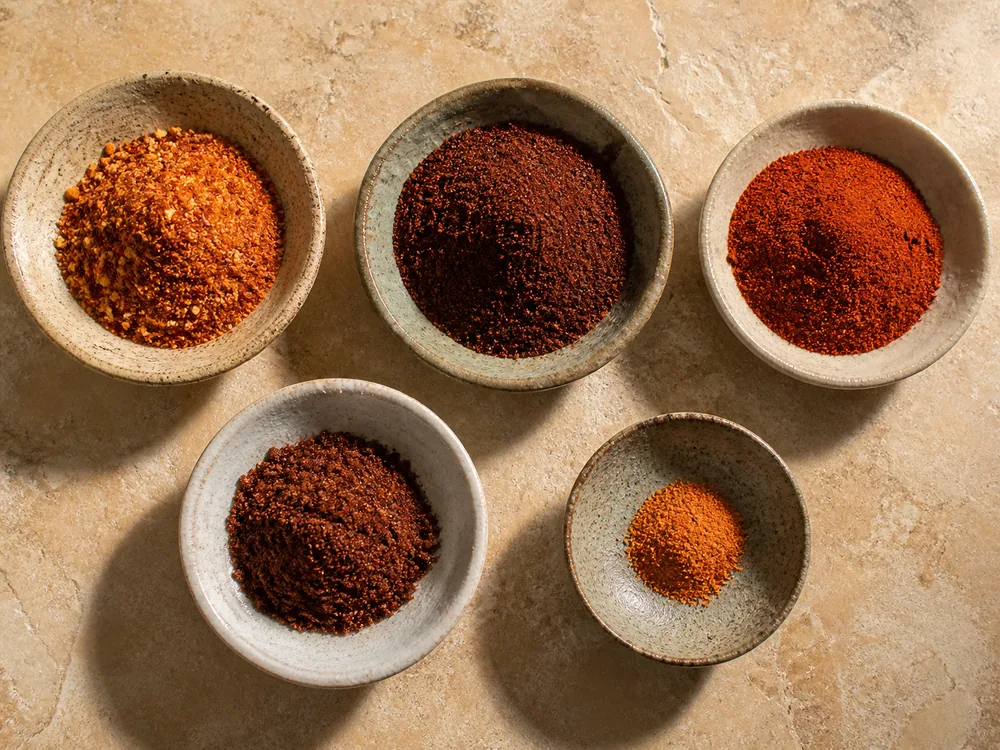
- Paprika blend: Most balanced pantry choice.
- Ancho: Dark fruit with mild heat.
- Chipotle: Useful only when smoke fits.
- Cayenne: Heat adjustment rather than full replacement.
1. Sweet Paprika and Cayenne
Mix 3/4 teaspoon sweet paprika with 1/4 teaspoon cayenne to replace 1 teaspoon Aleppo pepper. Use the blend at the original stage, whether the recipe blooms it in oil, stirs it into a dip, or applies it as a dry seasoning.
- Starting ratio
- 3/4 teaspoon sweet paprika plus 1/4 teaspoon cayenne per 1 teaspoon Aleppo pepper
- Best for
- dips, marinades, and general cooking
- Main tradeoff
- finer texture
- Adjust
- reduce cayenne for heat-sensitive dishes
For an oil bloom, keep the pan moderate and add the next wet ingredient as soon as the paprika smells sweet because fine cayenne and paprika can darken before coarse Aleppo flakes would.
Level each spoon with a straight edge because a heaped quarter teaspoon of cayenne can change the blend much more than a heaped spoon of paprika. This lets you reduce cayenne for a mild cold dish without losing the paprika volume that provides color and body.
The blend is finer than coarse Aleppo flakes, so it spreads across more surface. In a dry rub, apply a thin even layer instead of packing the same visible thickness onto the food.
If the cayenne in your pantry is unusually hot, begin with 1/8 teaspoon and make up the remaining volume with paprika. The correct stopping point is balanced red chile flavor, not a fixed sensation of burn.
Measure the paprika and cayenne separately before combining them.
2. Ancho Chile Powder
Use ancho chile powder at a 1:1 ratio. It works best in tomato sauces, bean dishes, stews, meat rubs, and other recipes that can carry its darker color and raisin-like fruit.
- Starting ratio
- 1:1 by volume
- Best for
- sauces, stews, and rubs
- Main tradeoff
- darker and earthier
- Adjust
- not ideal when bright red color is essential
A coarse-ground ancho product preserves more visible texture than a flour-fine powder, which matters on eggs, flatbread, and finished vegetables. The replacement therefore preserves chile character better than cayenne does, but it does not reproduce the same bright red finish or moderate direct heat.
Toast or bloom ancho gently because fine chile powder can scorch. If the recipe begins with very hot dry oil, lower the heat before adding the substitute and stir it into another wet or fatty ingredient promptly.
Do not keep adding ancho merely to chase cayenne-like heat. Extra powder deepens fruit and color faster than it raises pungency.
If the dish finishes with lemon, yogurt, or fresh herbs, reserve part of those bright ingredients until the ancho has cooked. Restore contrast after tasting rather than adding more chile powder to solve a dull finish.
Ancho is milder and earthier, so extra volume deepens fruit faster than heat.
3. Sweet Paprika
Use sweet paprika at a 1:1 ratio when the dish needs red color and gentle pepper fruit but little heat.
- Starting ratio
- 1:1 by volume
- Best for
- garnishes, dips, and low-heat dishes
- Main tradeoff
- little or no chile heat
- Adjust
- add heat separately only if the recipe needs it
This limitation can be useful at a shared table because heat can remain in a separate finishing pinch instead of being fixed throughout the dish. If the finished dish tastes flat, add a measured pinch of cayenne to the full batch rather than increasing paprika indefinitely.
Use smoked paprika only when smoke belongs in the recipe. A default swap from sweet Aleppo pepper to smoke can redirect a lemony dip or delicate cheese dish.
Paprika restores red pepper body but cannot supply Aleppo pepper warmth by itself.
A fresh jar should smell sweet and peppery before its color reaches the food.
4. Chipotle Powder
Start with 1/2 teaspoon chipotle powder for each teaspoon of Aleppo pepper. Increase toward 3/4 teaspoon in beans, chili, barbecue sauce, or a roasted dish where both smoke and moderate heat belong.
- Starting ratio
- 1/2 to 3/4 teaspoon per 1 teaspoon Aleppo pepper
- Best for
- beans, meat rubs, and roasted vegetables
- Main tradeoff
- distinct smoke
- Adjust
- avoid in delicate lemony or dairy dishes
A dish cooked over charcoal or wood usually needs less chipotle than an indoor braise because the cooking method already supplies part of the same smoky impression.
Acid brightens the finished dish but cannot remove a heavy smoke flavor, so decide on chipotle before adding the final lemon or vinegar. It can reinforce grilled meat or charred vegetables, but the same quality can make hummus, yogurt sauce, and fresh salad taste as if smoke was added deliberately.
Check the rest of the recipe for smoked salt, smoked paprika, charred chiles, or wood-grill flavor. Use only one strong smoke source at first so the finished food still has room for fruit and acid.
Chipotle introduces a deliberate smoke direction that acid cannot remove later.
5. Cayenne
Use 1/8 to 1/4 teaspoon cayenne for each teaspoon of Aleppo pepper. Choose the lower end for a cold dip or finishing seasoning and the higher end for a four-serving cooked dish with enough sauce or solids to spread the heat.
- Starting ratio
- 1/8 to 1/4 teaspoon per 1 teaspoon Aleppo pepper
- Best for
- cooked dishes where heat matters more than texture
- Main tradeoff
- sharp heat without fruit or flakes
- Adjust
- never begin one-for-one
A measured paprika addition can rebuild some red-pepper body when cayenne is the only hot ingredient available. It is useful when the recipe already contains sweet pepper, tomato, roasted onion, or another ingredient that supplies body and sweetness.
Whisk cayenne into a small portion of wet food before returning it to the main bowl. This prevents a fine concentrated powder from forming one hot streak in a cold mixture.
Never begin with a one-for-one cayenne substitution. Once its heat is dispersed, removing visible powder from the surface will not make the dish mild again.
Cayenne replaces concentrated pungency without restoring fruit or coarse flake texture.
Hummus and Muhammara Need Fruit Before Fire
Cold red dips expose both the fruit and the texture of a chile substitute.
Oil released from tahini or walnuts carries fine chile through the mixture, which makes complete stirring more important than a decorative surface dusting. Their heat will not fade through a long simmer, and a late dusting of cayenne can leave concentrated pockets on the surface.
Use the paprika and cayenne blend for the closest pantry result. Ancho also works when its darker fruit fits the walnuts and roasted pepper in muhammara, while sweet paprika alone is the safest direction for a mild hummus.
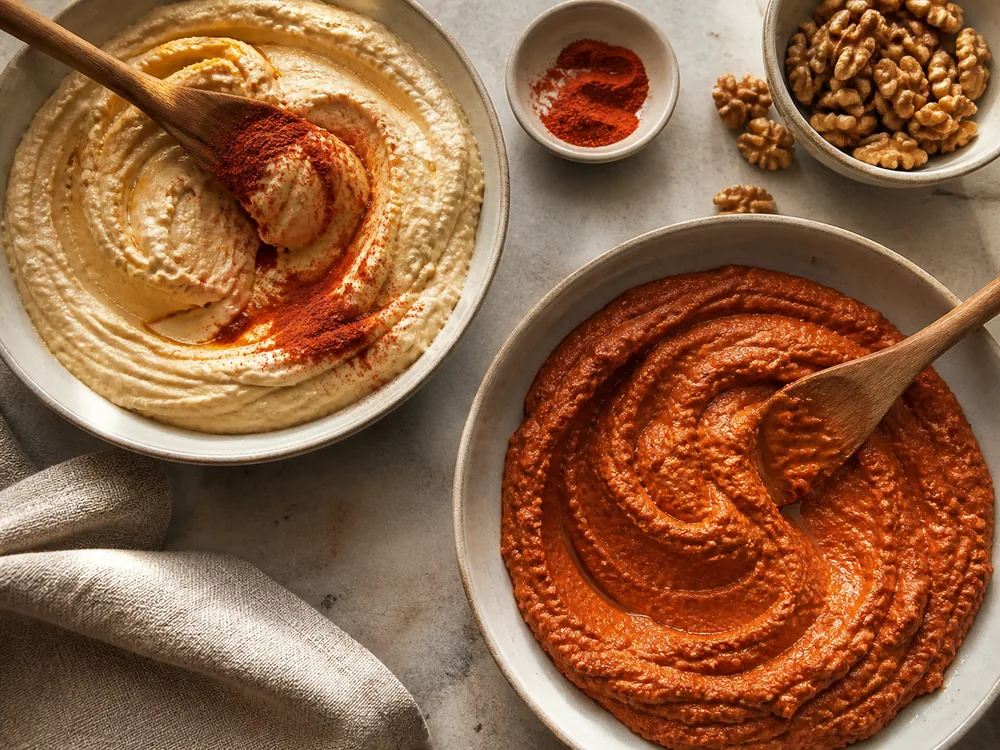
- Hummus: Paprika keeps the color bright and heat restrained.
- Muhammara: Ancho can support roasted pepper and walnut flavor.
- Cayenne: Dilute it in a spoonful of dip before mixing.
- Final taste: Judge after the dip reaches serving temperature.
- Measure the mild powder before the hot powder.
- Mix through the full dip rather than dusting one area heavily.
- Hold back a little salt until the substitute is dispersed.
- Chill briefly, then taste at the temperature you will serve.
- Add garnish for appearance only after the heat is correct.
Fat and starch can soften the first impression of heat, but they do not erase excess cayenne. If a dip becomes too hot, increase the original unsalted base in measured portions and restore lemon and salt afterward.
Dry Rubs Need Coarse Flakes That Do Not Scorch
Aleppo flakes add visible particles as well as seasoning.
If a recipe depends on that appearance, reserve a few coarse mild flakes from the ancho or paprika blend rather than using more hot powder. Fine paprika, cayenne, and chipotle cover more surface at the same spoon measure, which can make a rub taste stronger and scorch sooner.
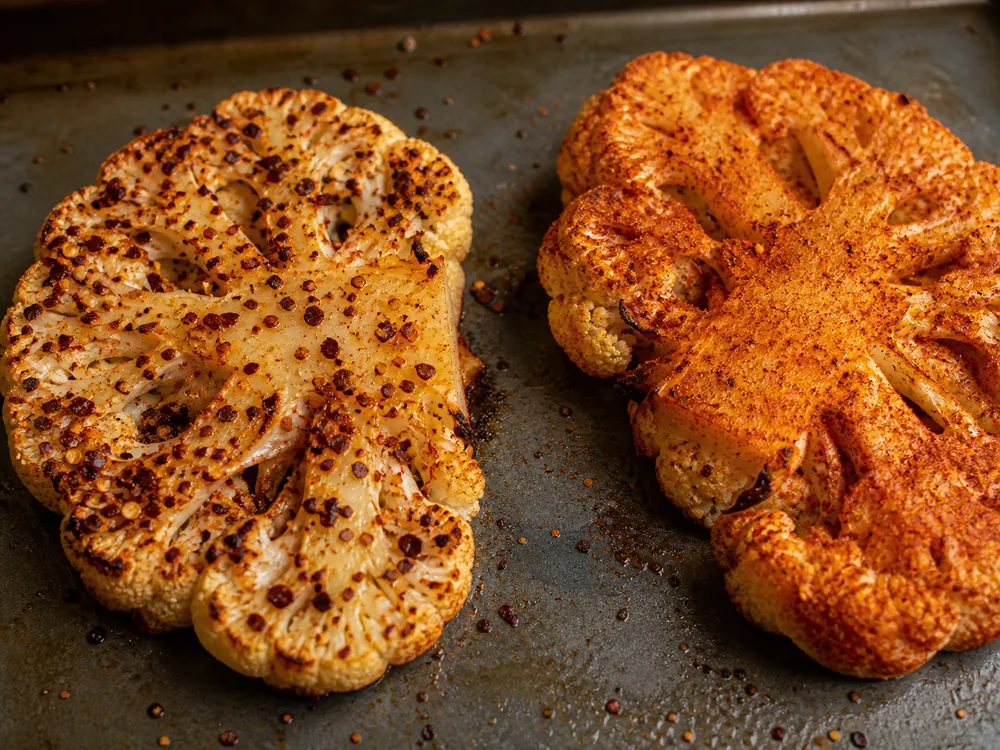
- Coarse grind: Better visible texture and slower surface concentration.
- Fine powder: Use a thinner, more even coating.
- Smoke check: Avoid stacking chipotle with another smoked ingredient.
- Cooking cue: Pull the food before the spice layer turns nearly black.
For a rub, ancho is often more forgiving than straight cayenne because its mild fruit can occupy the original volume.
Crush a coarse product between your fingers before mixing only when large flakes would fall from the food, since a completely powdered rub loses the texture Aleppo normally contributes. The paprika blend also works, although a very fine product should be mixed thoroughly with the other rub ingredients before application.
Do not add extra sugar merely to soften chile heat. Sugar browns quickly on a hot exterior and can make a poorly measured rub burn before the food is cooked.
Paprika and Cayenne Need Separate Measuring
The 3:1 blend scales cleanly only when its parts remain visible in the measurement.
Shake or stir a stored batch before measuring because powders with different particle sizes can settle during pantry storage. Combine 3 teaspoons paprika with 1 teaspoon cayenne to make 4 teaspoons, or 3 tablespoons paprika with 1 tablespoon cayenne for a larger batch.
| Finished blend | Sweet paprika | Cayenne |
|---|---|---|
| 1 teaspoon | 3/4 teaspoon | 1/4 teaspoon |
| 1 tablespoon | 2 1/4 teaspoons | 3/4 teaspoon |
| 4 tablespoons | 3 tablespoons | 1 tablespoon |
Use a lower cayenne proportion for a hot brand or a heat-sensitive table. Keep salt out of the replacement blend because the original recipe must remain in control of its own seasoning.
Store a larger batch only if both spices are fresh and you expect to use it soon. Label the blend clearly so it is not mistaken for mild paprika in another recipe.
Correct a Substitute That Turned Too Hot or Smoky
Excess heat and excess smoke need different responses.
A garnish can be removed before service, but a powder dispersed through oil or puree requires dilution with the same unseasoned food base. Heat can be diluted with more unseasoned sauce, beans, vegetables, or dip base, while smoke remains obvious even after the immediate burn is softer.
Paprika can restore red color and a little pepper fruit after dilution. It cannot remove smoke, so do not keep adding red powder to a chipotle-heavy dish merely because the color looks weak.
Retaste after the food reaches serving temperature. Hot liquid, cold dip, and a browned rub can present the same chile amount differently.