
Cajun Seasoning Works When the Three Peppers Stay Distinct
Build the pepper profile for the cooking method, then decide whether herbs and salt belong in the jar or the dish.
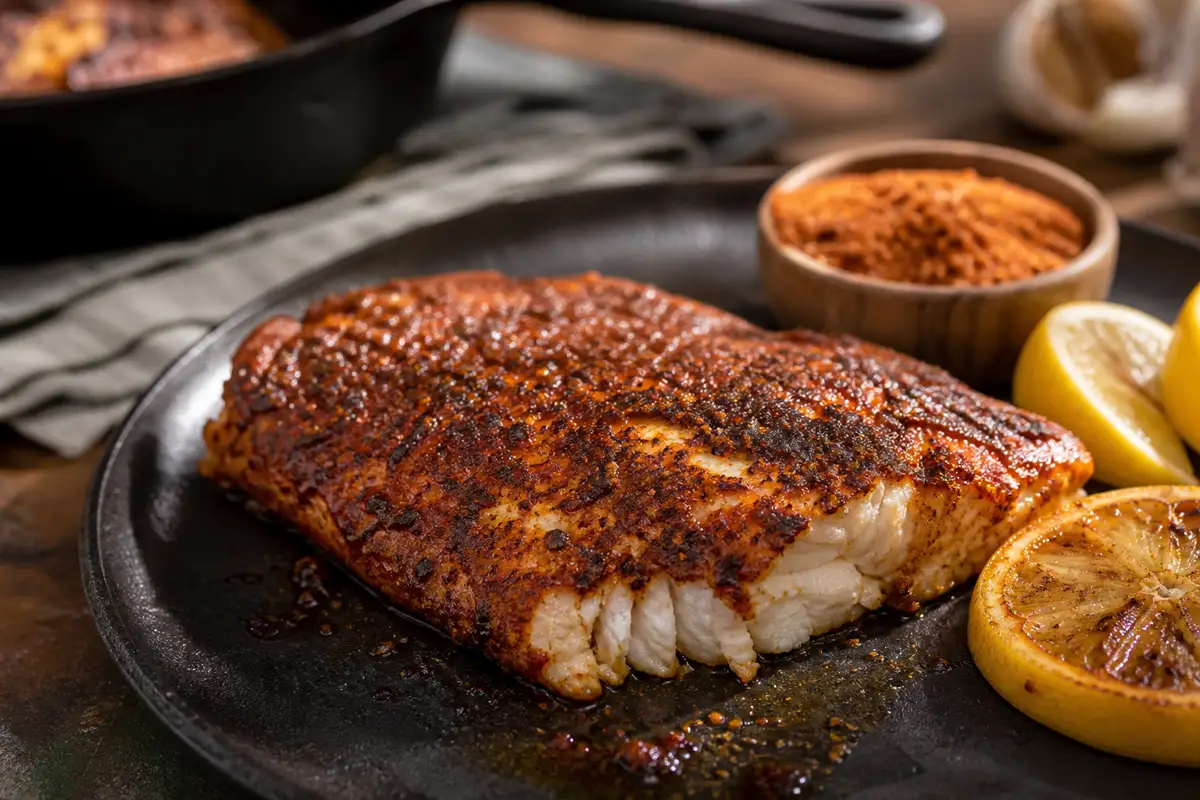
Cajun seasoning usually combines paprika for color, cayenne for direct heat, black pepper for slower pungency, and a savory base of garlic, onion, and herbs. Salt varies widely, so use a thin coat for blackening, season wet dishes in stages, and check seafood or sausage before adding more.
What makes Cajun seasoning taste peppery instead of merely hot?
A useful Cajun blend gives paprika, cayenne, and black pepper separate jobs.
Sweet paprika supplies red color and mild pepper body.
Ground cayenne delivers quick heat.
Black pepper adds a woody bite that arrives more slowly and lingers.
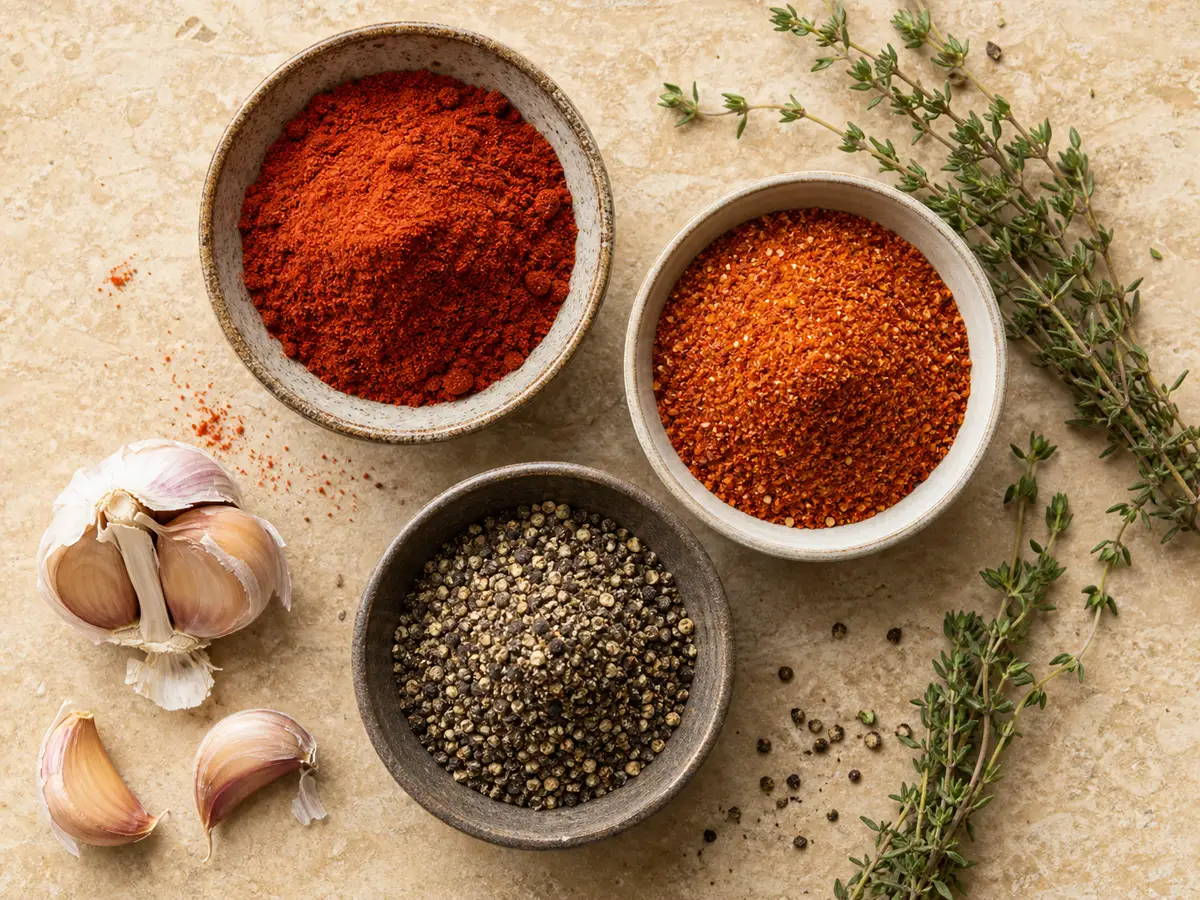
- Paprika: Color and broad pepper flavor.
- Cayenne: Immediate chile heat.
- Black pepper: Coarse aroma and a slower bite.
If every bite only burns, lower the cayenne. Do not remove paprika and black pepper, because they build the profile beneath the heat.
Smoked paprika can suit grilled meat, but a large amount makes smoke the main flavor. Sweet paprika is the more flexible base.
Fine cayenne spreads across every bite, while coarse black pepper creates brief points of stronger pungency. Grind changes perception even when weight stays constant.
Paprika also darkens in hot fat. A deep red crust can form before cayenne heat or black pepper aroma reaches its best balance.
Test the trio in buttered rice rather than on a dry fingertip. Fat exposes aroma and makes the true heat easier to judge.
Is Cajun seasoning the same as Creole seasoning?
The three-pepper test matters because Cajun and Creole labels overlap more than package names suggest.
Packaged Cajun and Creole seasonings often share paprika, pepper, garlic, onion, oregano, and thyme.
People sometimes call Cajun blends hotter and Creole blends more herbal. That shortcut cannot predict every jar or household recipe.
Read the ingredients and taste the food. A label cannot tell you whether salt leads, cayenne dominates, or herbs are prominent.
| What you notice | Likely effect | Cooking response |
|---|---|---|
| Salt listed first | Behaves like seasoned salt | Reduce stock, sausage, or added salt |
| Cayenne near the front | Fast, forceful heat | Use a thinner coating |
| Oregano and thyme prominent | More herbal finish | Pair with chicken, beans, or tomato |
| Smoked paprika prominent | Smoke arrives before searing | Avoid stacking heavy smoke flavors |
The dish owns the final balance. Gumbo, jambalaya, blackened fish, and roasted potatoes do not need the same jar dose.
Does your Cajun seasoning already contain enough salt?
Commercial blends range from salt-free spice mixes to products where salt is the first ingredient.
That difference becomes critical with andouille, shrimp, canned beans, broth, and brined chicken. These foods may already carry enough sodium.
Taste a pinch, then inspect the ingredient order. A salty first impression means you should measure the blend as salt.
- For shrimp: Season lightly before cooking and correct after tasting.
- For sausage pots: Brown the sausage before deciding on extra salt.
- For dry rubs: Separate salt from spice when you want overnight contact.
- For fries: Use a salted blend only after the food leaves the oil.
Salt-free seasoning lets you add pepper flavor twice during cooking without doubling the sodium.
The same check applies when reading seasoning labels for sugar, starch, and anti-caking ingredients.
Injected chicken and frozen shrimp may list a salt solution in small print. Season a cooked test piece before coating the entire batch.
A cup of reduced stock can carry more salt than a cup from a fresh carton. Taste after reduction rather than trusting the starting label.
When sausage releases fat and salt, remove a spoonful of broth and cool it before tasting. Very hot liquid can hide salinity.
How do you build a Cajun blend for a specific cooking job?
Once sodium is accounted for, the spice ratio can follow the cooking method instead of the package serving size.
Combine three tablespoons sweet paprika with one tablespoon coarse black pepper. Add two teaspoons each of garlic powder and onion powder.
Add one teaspoon dried oregano and one teaspoon dried thyme. Begin with half a teaspoon cayenne, then test the blend on food.
| Cooking job | Adjustment | Reason |
|---|---|---|
| Blackened fish | More black pepper, modest cayenne | Coarse pepper survives the hot crust |
| Rice or beans | Keep oregano and thyme | Herbs spread through the moist pot |
| Roasted vegetables | More paprika, less cayenne | Larger surface area amplifies heat |
| Grilled chicken | Small smoked paprika branch | Adds smoke without covering the grill |
Crush the herbs between your fingers so they distribute with the finer powders. The chosen pepper grind changes both separation and perceived bite.
Cook a teaspoon in butter or oil and taste it on rice. Raw powder makes cayenne seem louder and dried herbs seem duller.
Keep the master batch salt-free. Add salt to each recipe after accounting for broth, sausage, brine, and finishing sauce.
Use dried oregano leaves rather than a fine dust. Visible flakes keep their identity beside paprika and garlic.
If the blend tastes flat, increase black pepper before cayenne. More heat can hide the missing aroma without actually restoring it.
A small smoked paprika branch suits indoor cooking. Keep the base unsmoked so it still works with seafood and long-simmered dishes.
Blackening needs a hot pan and a thin spice coat
Blackening creates a dark, aromatic crust from butter, spices, and high pan heat. It should taste toasted rather than burned.
Pat fish or chicken dry. Brush it lightly with melted butter, then press on one even layer of seasoning.
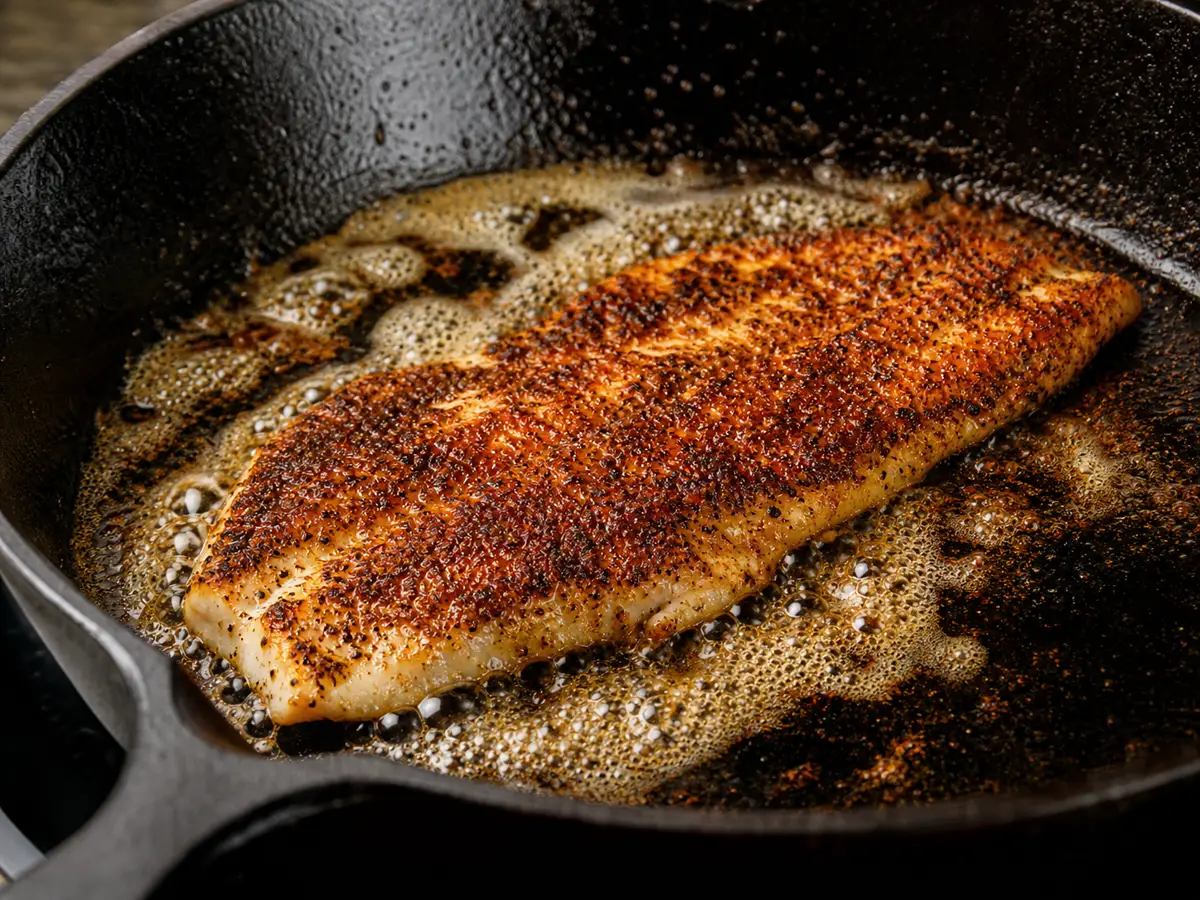
- Pan: Preheat cast iron until evenly hot.
- Coat: Keep the spice layer thin and continuous.
- Ventilation: Expect smoke from butter and spices.
- Stop: Acrid smell means the coating is burning.
Cook outside or ventilate the kitchen well. A screaming pan and milk solids can create more smoke than a normal sauté.
Sugar has little place in this coating because it scorches quickly. Save sweet glazes for a lower-heat finish.
Thin fish cooks fast enough for the crust and center to finish together. Thick chicken may need a gentler oven finish.
Clarified butter tolerates higher heat than whole butter because its milk solids are removed. Whole butter browns faster and creates more smoke.
Use an instant-read thermometer for thick poultry. Crust color cannot prove that the center has reached a safe temperature.
When should Cajun seasoning enter gumbo, rice, or beans?
In gumbo, rice, beans, or tomato sauce, one early dose can fade during a long simmer.
Add part of the blend with the aromatic vegetables. Heat wakes the paprika and pepper while the herbs enter the cooking liquid.
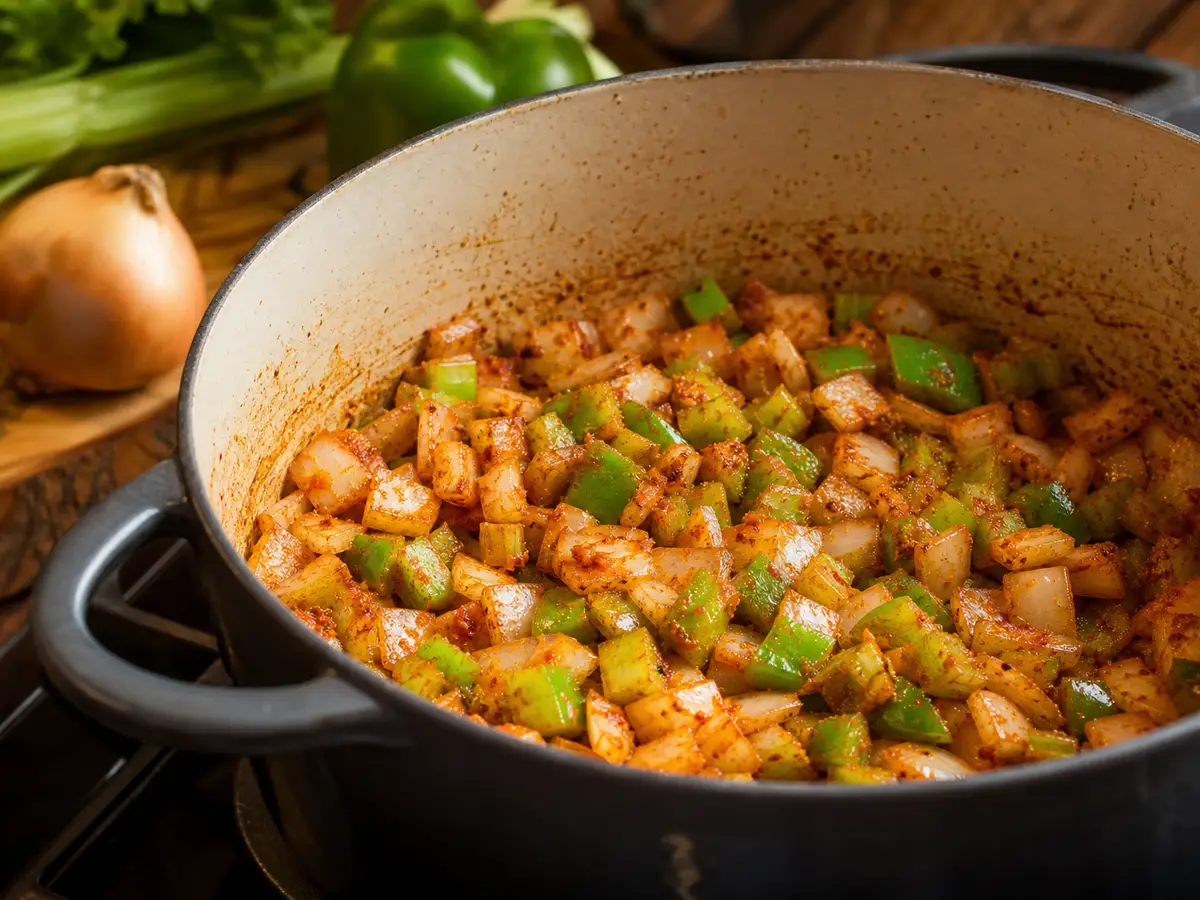
- Early: Cook seasoning with the aromatic vegetables.
- Middle: Taste after broth, sausage, or canned ingredients join.
- Late: Add a small salt-free dose for fresh aroma.
Wait until sausage and stock simmer before correcting salt. Liquid reduction can turn a balanced pot salty near the end.
A late cayenne pinch raises heat but not complexity. Use a small amount of the complete blend when the pot tastes flat.
Acid at the table can brighten a heavy pot. Flavor correction cannot repair a burned roux or an oversalted stock.
Bloom the first dose for less than one minute before liquid enters. The vegetables should smell peppery without collecting black scorched flecks.
Add shrimp late because it cooks quickly and releases some liquid. Retaste after it turns opaque, then decide on the final seasoning.
For rice, account for absorption. A broth that tastes slightly assertive may season the grains correctly after they take up the liquid.
The spice timing guide explains why an early foundation and a small late aroma dose do different jobs.
Which quick foods expose a weak Cajun blend?
Quick foods reveal the blend without long reduction or stock changing the test.
Roasted potatoes reveal salt, cayenne, and herb balance in one bite. Coat them with oil before adding a salt-free blend.
Corn, eggs, shrimp, cauliflower, and popcorn also give fast feedback without committing to a large pot.
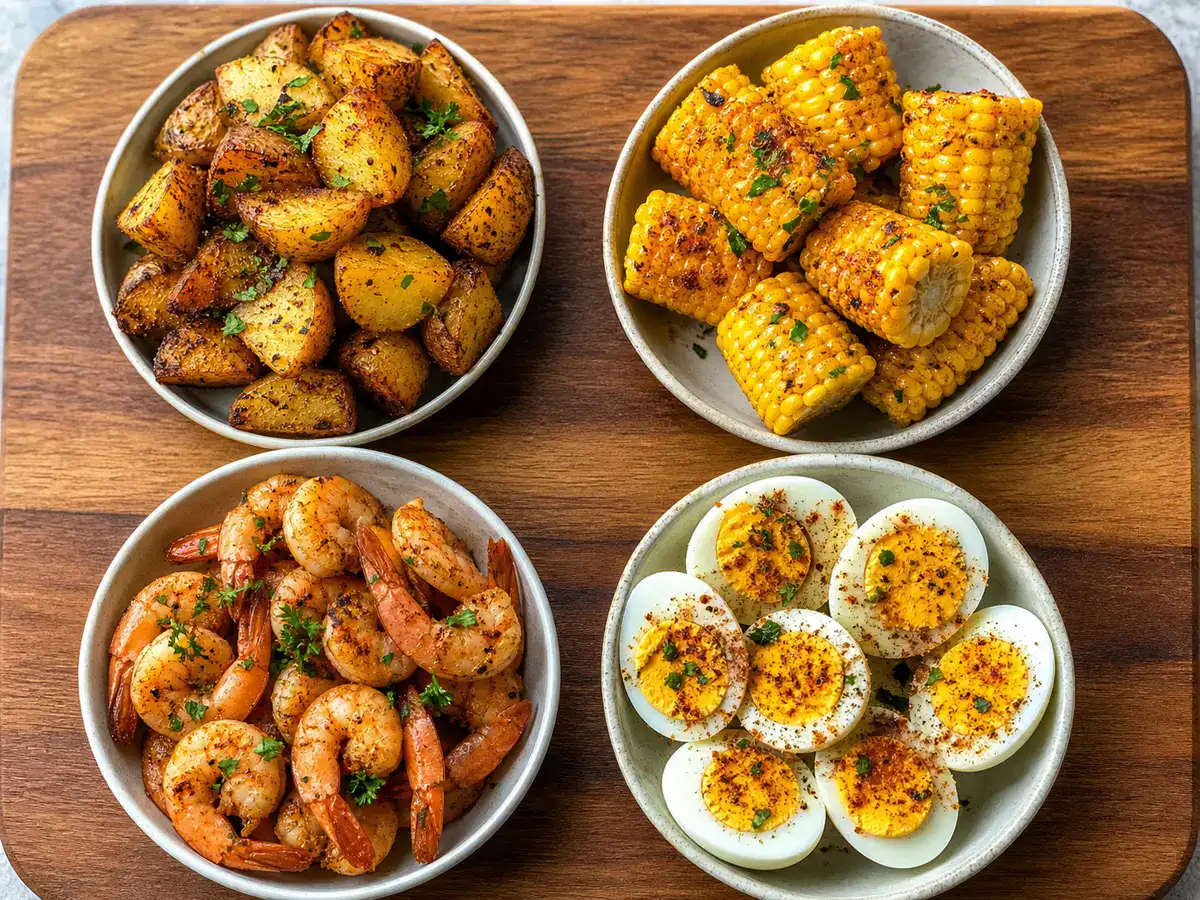
- Potatoes: Show overall balance.
- Shrimp: Expose excess salt and cayenne quickly.
- Eggs: Reveal oregano and thyme.
- Corn: Shows whether paprika and butter work together.
Start with half a teaspoon for two servings, then add more after cooking. Surface area makes finishing spice feel stronger than pot seasoning.
For a dip, stir a small pinch into mayonnaise or yogurt and rest it ten minutes. Hydration reveals garlic and herb strength.
Roasted cauliflower has many dry edges that catch powder. Use a lighter coat than potatoes and turn the florets before the garlic darkens.
Can Creole seasoning or BBQ rub replace Cajun seasoning?
Creole seasoning is often the closest packaged substitute, while BBQ rub structure usually brings different sugar and bark priorities.
For an emergency replacement, rebuild the three pepper jobs first. Add garlic, onion, and herbs only after color, heat, and pungency feel balanced.
Use substitutes by cooking job. Taco seasoning brings cumin, while chili powder can add unfamiliar chile flavors and salt.
Aroma, not red color, reveals a fading Cajun blend
Old paprika loses its sweet pepper aroma, while black pepper becomes flat. Cayenne may still feel hot after the rest of the blend fades.
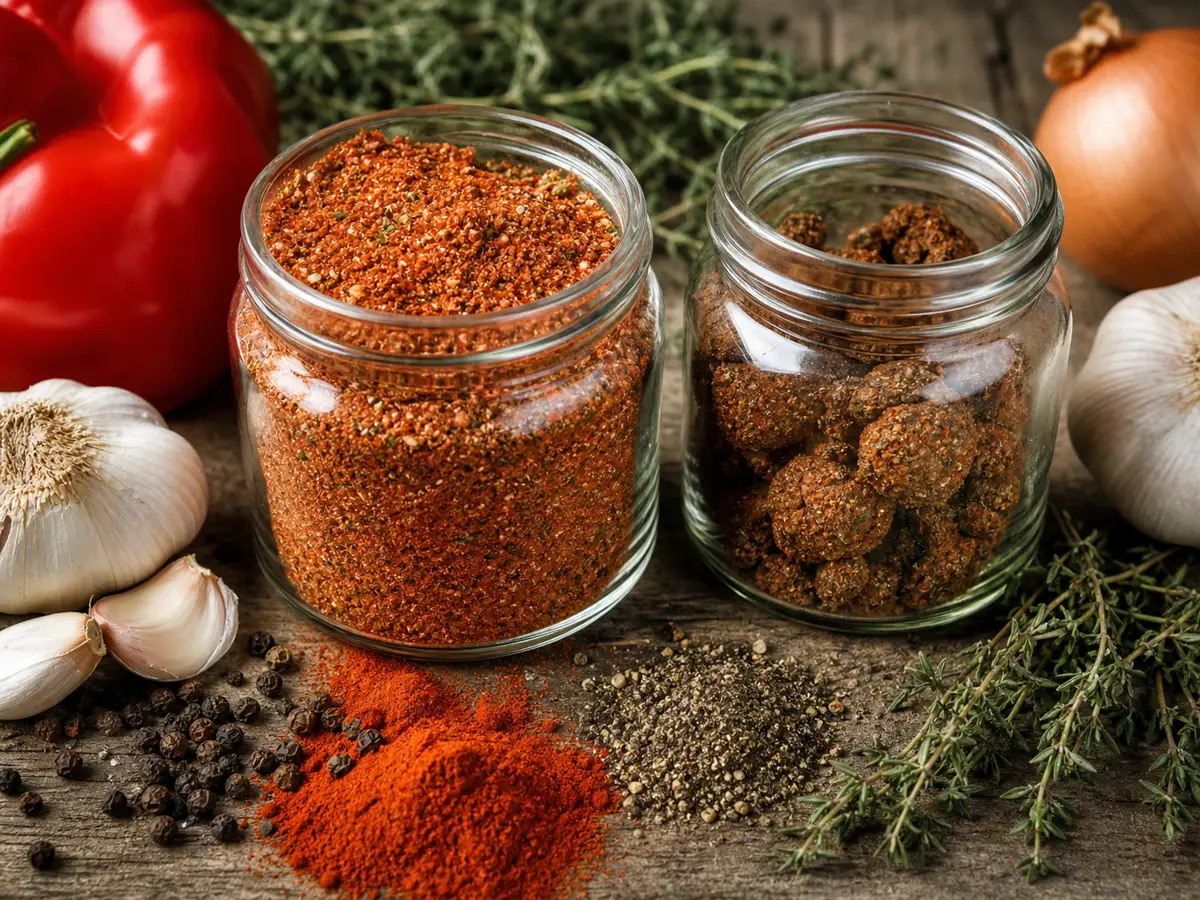
- Fresh: Paprika, pepper, garlic, and herbs are distinct.
- Fading: Cayenne heat remains but aroma feels thin.
- Damaged: Steam creates damp clumps or a musty smell.
Spoon seasoning away from the stove instead of shaking over steam. Store a small airtight jar in a dark cabinet.
Date the jar and smell it beside fresh black pepper after three months. Cayenne heat can remain after paprika and herbs lose aroma.
Follow the ground spice storage method when summer humidity causes repeated clumping. Never refill a damp container.
Discard any portion that touched raw seafood or poultry. Reserve clean seasoning before coating if you plan a finishing dust.