
What Is in Old Bay Seasoning, and How Do You Use It?
Read the flavor structure, compare it with Cajun seasoning, and keep the celery salt from taking over the dish.
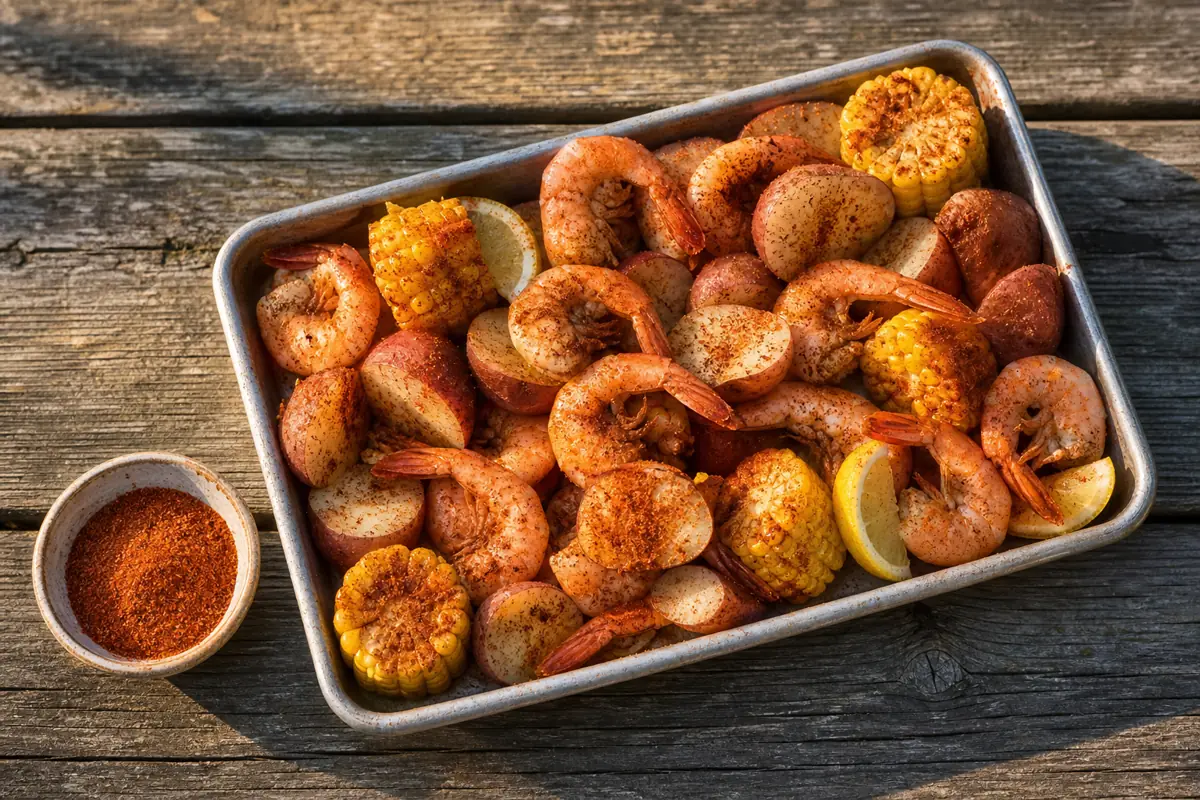
Old Bay is a salty, celery-forward Chesapeake seasoning with paprika, red and black pepper, mustard-like sharpness, and faint warm spice. Start with a measured amount, reduce separate salt, and add more only after the blend has reached the food rather than the shell or cooking liquid.
What is Old Bay seasoning made of?
Old Bay seasoning begins with celery salt, then layers paprika, red pepper, black pepper, and other spices into a reddish savory blend.
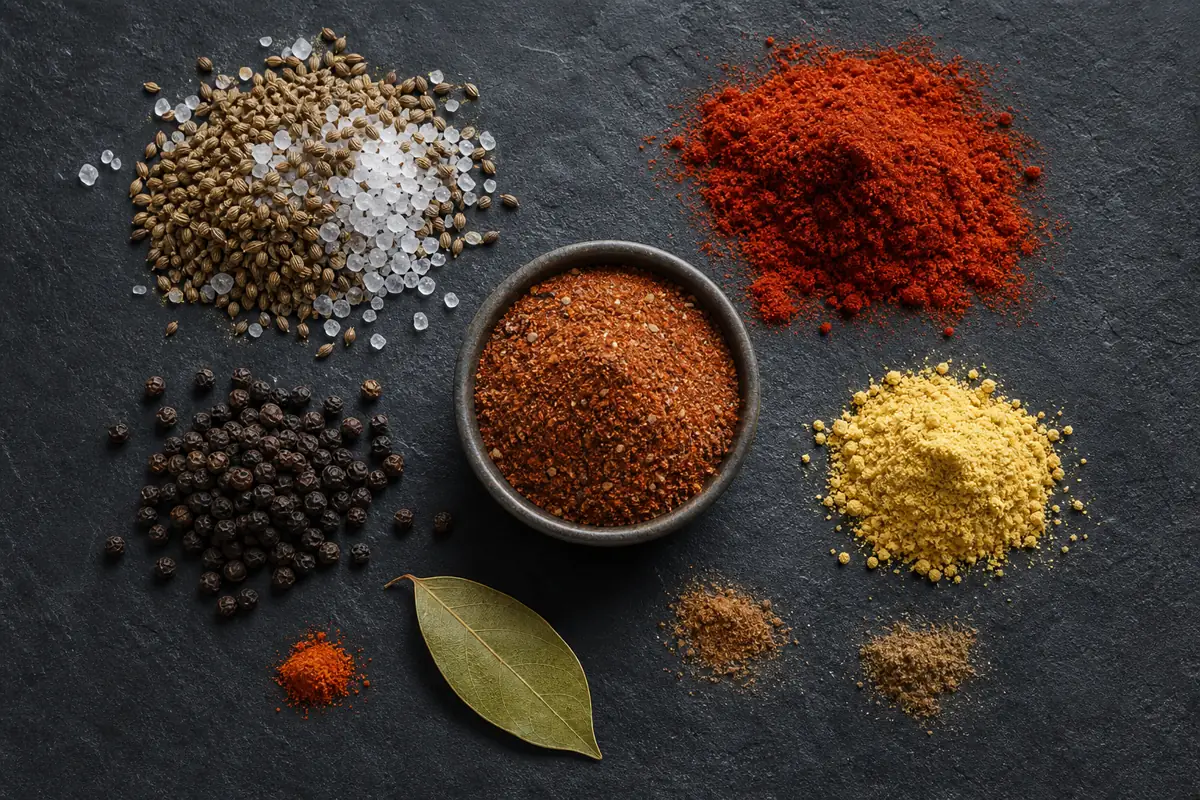
- Largest cues: Celery salt and paprika
- Heat: Black pepper and a small chile share
- Finish: Mustard and restrained warm spice
The package discloses celery salt as salt and celery seed. That first ingredient explains why Old Bay seasons food and adds sodium at the same time.
Paprika supplies red color, mild pepper body, and an earthy base. It does not make the blend taste as hot as its color suggests.
Red pepper supplies a quicker burn, while black pepper adds woody heat. Their combined warmth stays behind celery and salt in most uses.
Mustard is widely associated with the blend's dry sharpness and works naturally with shellfish. Ground mustard flavor is more pungent than creamy prepared mustard.
Warm notes can suggest clove, mace, cardamom, bay, or ginger, but the company does not publish a complete measured formula. Ingredient guesses should remain guesses.
| Part | What it contributes | What to control |
|---|---|---|
| Celery salt | Savory celery aroma and sodium | Separate salt in the recipe |
| Paprika | Red color and mild pepper body | Freshness and color |
| Red pepper | Direct chile heat | Brand and product variation |
| Black pepper | Dry woody bite | Excess on delicate fish |
| Other spices | Mustardy and warm finish | Do not claim a complete proprietary formula |
A homemade blend can copy the main flavor jobs, but it cannot prove the branded formula. Judge a substitute by how it cooks and seasons the food.
What does Old Bay taste like?
Old Bay tastes salty and celery-forward first, followed by mild paprika, pepper warmth, dry mustard, and a faint sweet-spice finish.
Celery seed smells grassy, bitter, and concentrated rather than like a fresh celery stalk. Salt carries that aroma quickly across wet seafood and buttered vegetables.
Paprika rounds the center without much sweetness. A tin that smells only dusty and salty has probably lost much of its pepper aroma.
The chile heat is noticeable but usually secondary. Cayenne becomes much sharper when a homemade substitute uses too much.
Mustard creates a brief nose-clearing edge that suits crab and shrimp. It also keeps creamy dips from tasting flat.
Warm spices sit at the finish in tiny amounts. If nutmeg tastes obvious, a copycat blend has moved too far toward baking spice.
- First: Salt and aromatic celery reach the tongue quickly.
- Middle: Paprika and peppers add earthy warmth and color.
- Finish: Mustardy sharpness and restrained sweet spice linger.
Taste Old Bay on a buttered potato or a warm spoonful of rice. Dry powder alone makes salt and chile feel harsher than they do on food.
Is Old Bay the same as Cajun seasoning?
Old Bay and Cajun seasoning overlap in paprika and pepper, but they are not the same blend and should not be swapped without checking salt.
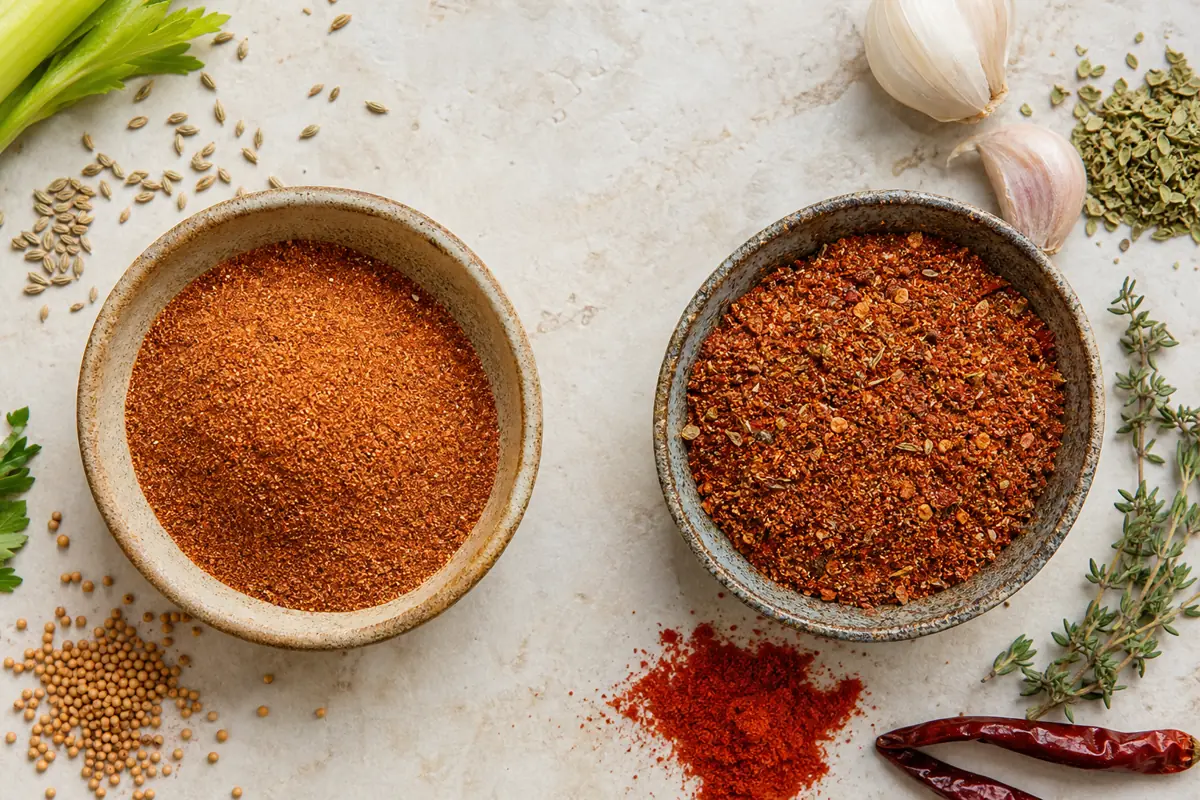
- Old Bay: Celery salt, paprika, pepper, and warm spice
- Cajun: Paprika, chile, garlic, pepper, and herbs
- Texture cue: Fine seafood blend versus coarser herb blend
Old Bay centers celery salt, paprika, and warm spice in a branded Chesapeake profile. Its celery aroma remains recognizable on steamed shellfish.
Cajun seasoning usually centers paprika, chile, garlic, pepper, and herbs such as oregano or thyme. Recipes and commercial jars vary widely.
Cajun blends often taste more garlicky and herbal. Old Bay usually tastes more celery-forward and carries a different sweet-warm finish.
Either blend may contain plenty of salt. Comparing sodium per serving prevents a one-for-one swap from making gumbo, fries, or seafood too salty.
| Question | Old Bay | Cajun seasoning |
|---|---|---|
| Flavor center | Celery salt and paprika | Paprika, chile, garlic, and herbs |
| Typical heat | Peppery, mild to medium | Mild to hot depending on blend |
| Warm spice | Noticeable in the finish | Usually less central |
| Classic setting | Steamed Chesapeake seafood | Louisiana cooking and dry seasoning |
| Swap risk | Celery and sodium | Garlic, herbs, chile, and sodium |
Cajun seasoning can cover pepper and paprika in an emergency. Add a little celery seed and adjust salt separately if the dish depends on Old Bay's defining aroma.
For a Cajun dish, use the intended blend instead of forcing Old Bay to carry garlic and herbs it may not contain. The cooking style should decide the jar.
How much Old Bay should you use?
Start with one teaspoon Old Bay per pound of peeled shrimp, fish, chicken, or cut vegetables, then taste after cooking before adding more.
Check the sodium line before salting the food. A teaspoon of seasoning plus the recipe's full salt amount can be too much on a small portion.
Shell-on shrimp and crabs need more seasoning in the pot because much of it stays on shells, steam water, and the serving surface. That boil amount should not become the dose for peeled seafood.
For soup or broth, begin with one-half teaspoon per quart and wait until the liquid reduces. Evaporation concentrates salt even when pepper aroma softens.
Potatoes and corn can start near one-half teaspoon per pound when butter or oil spreads the powder. Add a finishing pinch only after tasting the salted cooking water.
Popcorn, fries, and eggs need a light dusting. Fine powder reaches every bite more efficiently than seasoning scattered across shells.
| Food | Starting amount | When to adjust | Salt check |
|---|---|---|---|
| Peeled shrimp or fish | 1 tsp per lb | After cooking | Skip or reduce added salt |
| Shell-on seafood | Recipe-specific pot amount | At serving | Seasoning is lost to shells and liquid |
| Potatoes or corn | 1/2 tsp per lb | After butter or oil | Count salted water |
| Soup or broth | 1/2 tsp per quart | After reduction | Taste late |
| Popcorn or eggs | Small pinch per serving | At the table | No separate finishing salt first |
Record the amount that worked for the exact package in your kitchen. Low-sodium products and restaurant-size blends may require a different starting point.
Why does Old Bay work so well on seafood?
Old Bay works on seafood because salt, celery, mustard, paprika, and pepper sharpen sweet shellfish while steam carries their aroma across the surface.
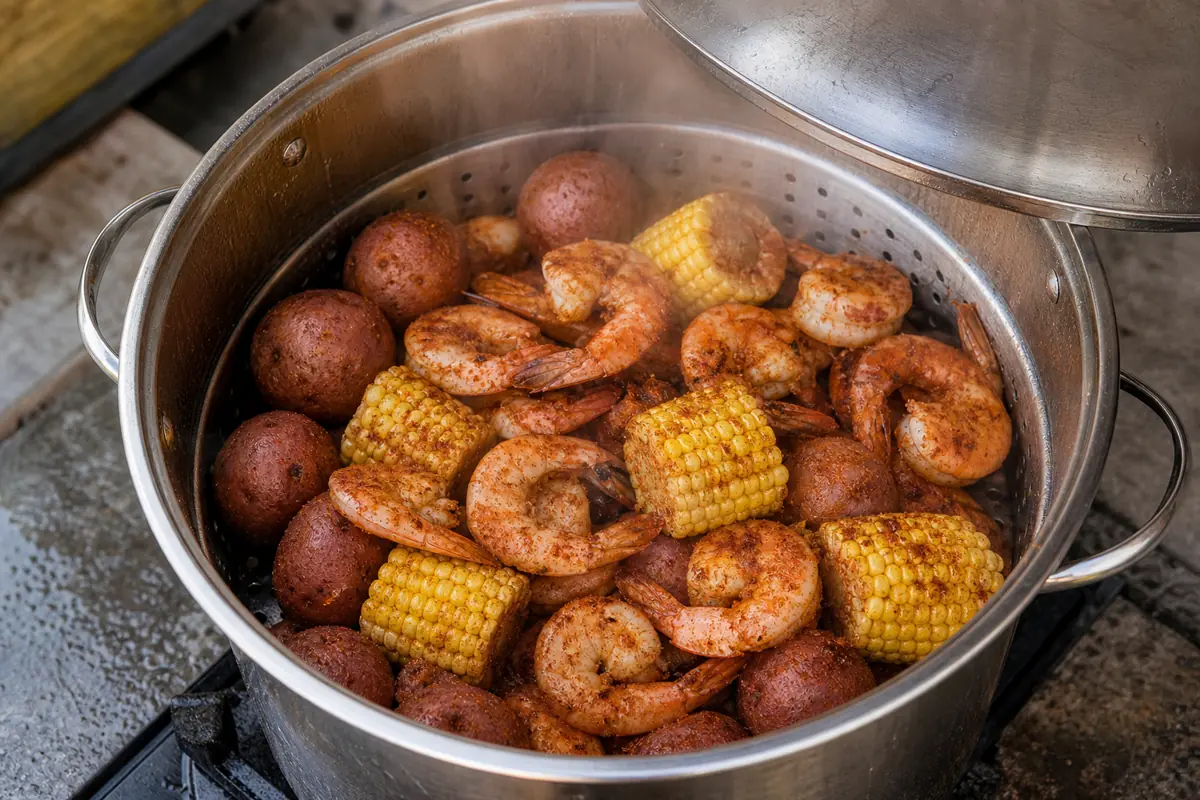
- Above water: Seasoning stays on the shells and vegetables
- Under the lid: Steam releases celery and pepper aroma
- Serve: Taste before adding more salty seasoning
Crab and shell-on shrimp protect much of the meat from direct seasoning. A generous exterior coating perfumes the eating process even when little powder reaches the flesh.
Steam releases volatile pepper and celery aromas without frying the powder. Keep enough water below the seafood so seasoning does not wash away in a full boil.
Peeled shrimp expose every surface, so they need less. Toss them with oil or melted butter and a measured spoonful just before a quick cook.
Delicate white fish takes an even lighter coat. Too much celery salt can hide the fish before paprika and mustard become useful.
Butter holds dry spice on corn, potatoes, and finished seafood. It also rounds pepper heat, but it does not remove sodium.
- Steam: Season shell-on seafood heavily enough to perfume the shell and eating surface.
- Sauté: Use less on peeled shrimp because every bite carries the coating.
- Bake: Mix the spice with butter or oil so it stays on fish instead of falling into the pan.
- Finish: Offer a small extra pinch at the table after the cook has checked salt.
Lemon brightens the same sweet and savory contrast, while excess juice can rinse powder from the surface. Add wedges at serving rather than soaking the seafood for hours.
What can you put Old Bay on besides seafood?
Old Bay works on potatoes, corn, poultry, eggs, popcorn, roasted vegetables, and creamy dips when the cook adjusts for its salt.

- Oil: Helps potatoes and wings hold powder
- Butter: Spreads seasoning across corn and popcorn
- Dose: Start lightly because the blend contains salt
Toss fries or roasted potatoes with oil first, then add seasoning while they are hot. Oil catches the fine powder and spreads celery aroma across the batch.
Corn welcomes the same butter, paprika, and pepper combination used in a seafood boil. Begin lightly if the cooking water was salted.
Chicken wings and thighs can take about one teaspoon per pound, but unsalted Old Bay is not the usual product. Dry the skin and use only enough oil for adhesion.
Eggs, deviled eggs, and mayonnaise-based dips need only a pinch. Their fat softens pepper and makes celery salt easier to notice.
Popcorn needs very fine distribution. Grind a small spoonful finer, toss with melted butter, and stop before the red color becomes an all-over salty crust.
| Food | What helps it stick | Best timing | Main correction |
|---|---|---|---|
| Potatoes | Oil | While hot | Reduce finishing salt |
| Corn | Butter | After cooking | Count salted water |
| Chicken | Dry skin and thin oil | Before cooking | Measure per pound |
| Eggs or dip | Natural fat | After mixing | Add by pinches |
| Popcorn | Melted butter | Immediately after popping | Use finely ground powder |
What can substitute for Old Bay seasoning?
The closest practical substitute combines celery salt, paprika, black pepper, mustard powder, and a small amount of cayenne.
Mix two teaspoons celery salt with one teaspoon paprika, one-half teaspoon black pepper, and one-quarter teaspoon mustard powder. Add cayenne by pinches.
A tiny pinch each of ground allspice and nutmeg can supply a warm finish. Stop before either spice becomes recognizable on its own.
This small batch copies the main jobs rather than the undisclosed branded formula. Taste it on warm buttered food before changing the ratio.
Cajun seasoning is a usable shortcut for paprika, chile, garlic, and herbs, but it lacks the same celery center. Add celery seed and review its salt before adding celery salt.
Seasoned salt plus paprika can cover salt and color in a true emergency. It will miss mustard, celery concentration, and the warmer finish.
| Option | Keeps | Needs correction | Best use |
|---|---|---|---|
| Celery salt pantry mix | Celery, paprika, pepper, mustard | Warm spice by tiny pinches | Seafood, potatoes, corn |
| Cajun seasoning | Paprika, chile, savory spice | Celery aroma and sodium | Grilled food and fries |
| Seasoned salt plus paprika | Salt and color | Mustard, celery, warm finish | Small background dose |
Make only enough substitute for the meal or two. A fresh small mix is easier to correct than a large jar built from an untested ratio.
How should you buy and store Old Bay?
Buy an Old Bay container sized to your real use, then store it sealed in a dark, dry cupboard away from the stove and dishwasher.
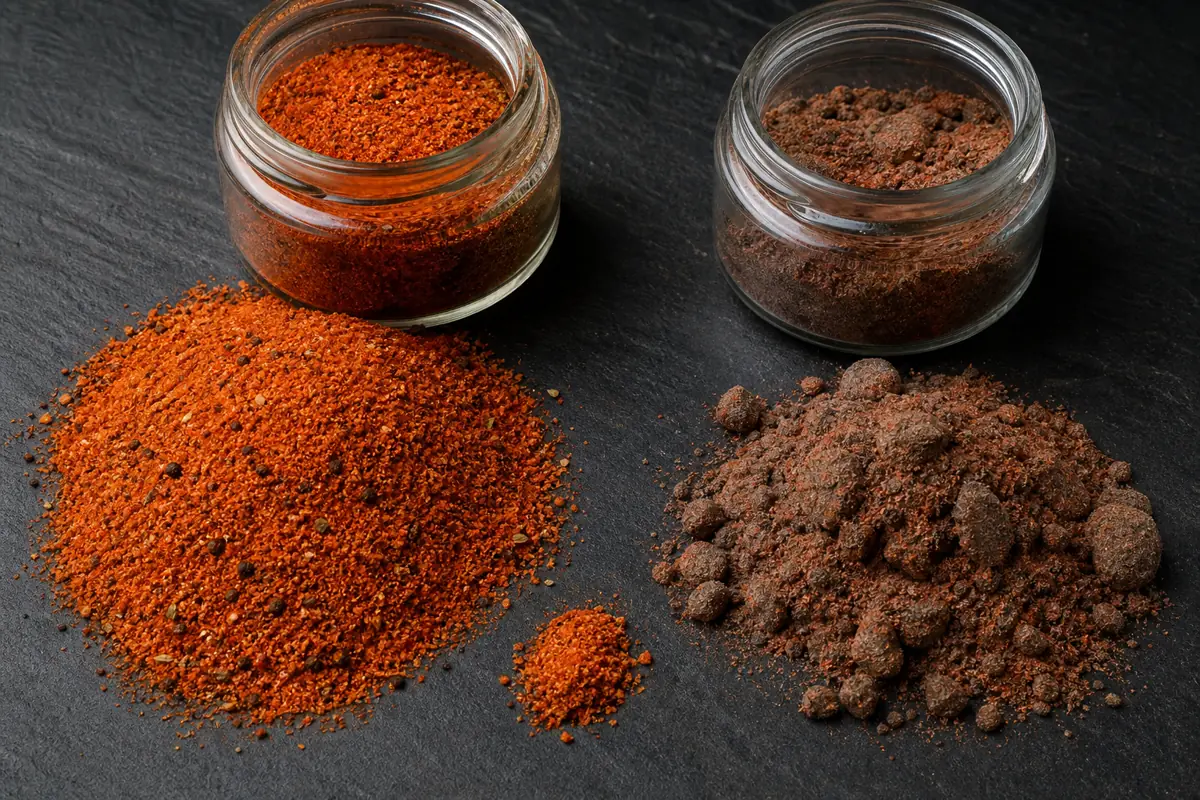
- Useful: Vivid color, pepper flecks, and clear celery aroma
- Replace: Faded aroma and dull powder
- Discard: Moisture, mold, insects, or abnormal odor
Read the full product name and sodium panel because classic, reduced-sodium, hot, and other versions do not season identically. Keep the same variant when repeating a measured recipe.
A large food-service container makes sense for frequent seafood boils. A smaller tin stays more aromatic for a cook who uses a teaspoon at a time.
Follow dry spice storage rules and spoon seasoning away from steam. Shaking a container over a boiling pot drives moisture inside and creates hard clumps.
Rub a pinch between warm fingers and smell it. A useful blend should release celery, paprika, and pepper rather than only salt and dust.
Faded aroma usually signals quality loss before a safety problem. Discard the seasoning if water, mold, insects, or an abnormal odor enters the container.
Write the opening month on bulk containers and check them before another season. Buying more cheaply does not help if the last half has no aroma.