
Which Cajun Seasoning Substitute Controls Salt and Heat?
Use a ready blend or measured pantry formula without oversalting rice, seafood, or a seared crust.
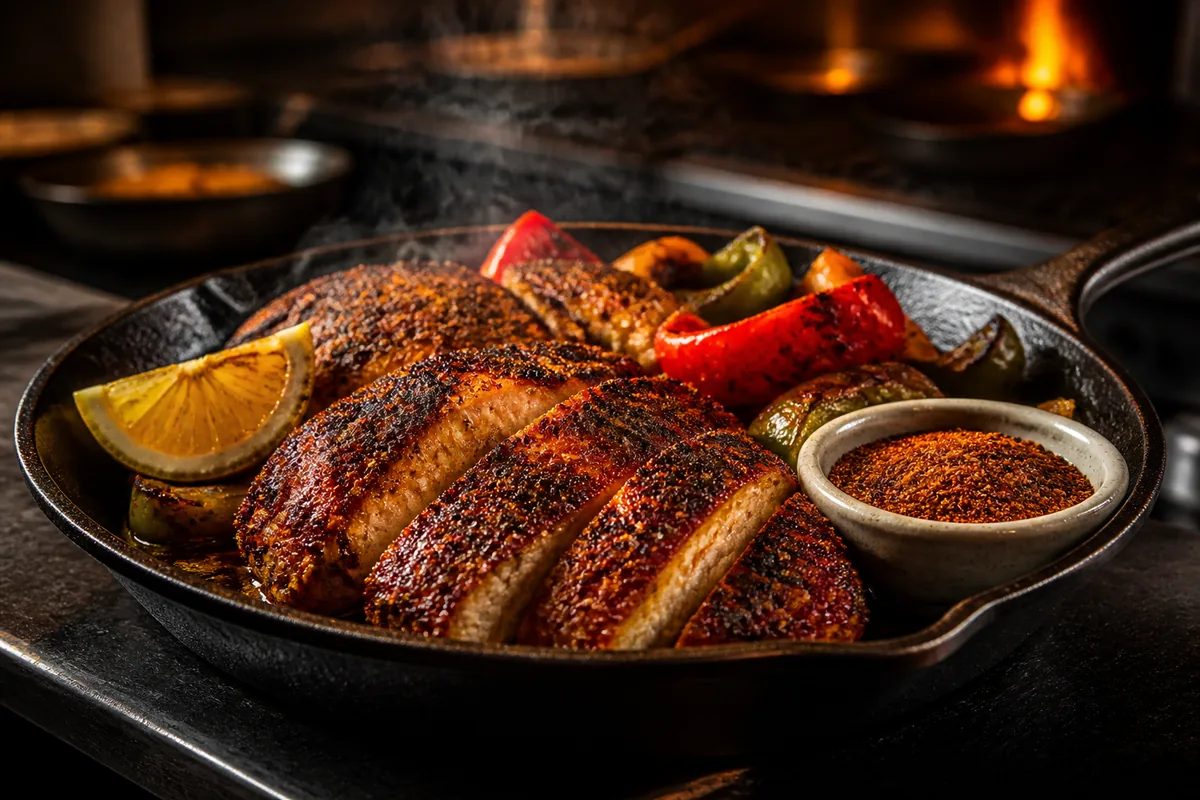
Old Bay is the quickest ready-made Cajun seasoning substitute for seafood, but begin at three-quarter volume and reduce other salt. For broader use, build a salt-free replacement from paprika, cayenne, thyme, and black pepper, then season the dish with salt separately.
Three Cajun Seasoning Replacements That Solve Different Problems
Cajun seasoning is not one fixed formula. Commercial jars may begin with salt or leave it lower in the list, while the spice portion commonly includes some combination of paprika, cayenne, black pepper, thyme, and oregano.
That variation makes the label the first measuring tool.
Replacing a salt-free blend with a salty ready seasoning at equal volume can ruin rice, gumbo, or reduced sauce before the pepper level seems wrong.
Old Bay is the most useful ready-made path for shrimp, fish, corn, fries, and potatoes. A measured paprika-cayenne-thyme blend gives better control across chicken, rice, and beans, while a smoked paprika formula belongs only where smoke improves the food.
| Number | Substitute | Starting ratio for 1 tsp Cajun seasoning | Best use | Main change |
|---|---|---|---|---|
| 1 | Old Bay | 3/4 tsp | Seafood, corn, fries, potatoes | Saltier with celery and warm spice |
| 2 | Paprika, cayenne, thyme, black pepper | 1 tsp measured formula | Chicken, fish, rice, beans | Cleaner and salt-free |
| 3 | Smoked paprika, oregano, black pepper | 1 tsp measured formula | Grilled meat, potatoes, dark sauce | Smokier and less cayenne-hot |
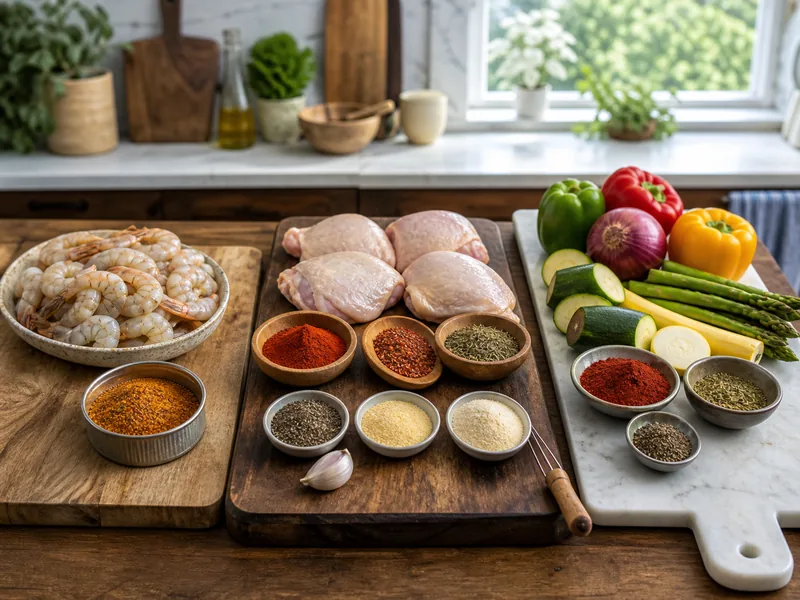
- Old Bay: Fast and salt-forward.
- Pantry formula: Heat and salt stay separate.
- Smoked formula: Strongest on browned food.
- First check: Read both ingredient labels.
1. Old Bay
Begin with three-quarter teaspoon Old Bay for each teaspoon Cajun seasoning in shrimp, crab, fish, corn, fries, roasted potatoes, or a seafood boil. Reduce or omit another measured salt until the food has cooked and the seasoning has spread.
Old Bay brings celery-led savoriness and warm supporting spices that many Cajun blends do not emphasize. That change can taste natural with shellfish and potatoes but more conspicuous in jambalaya, chicken rub, or a cream sauce.
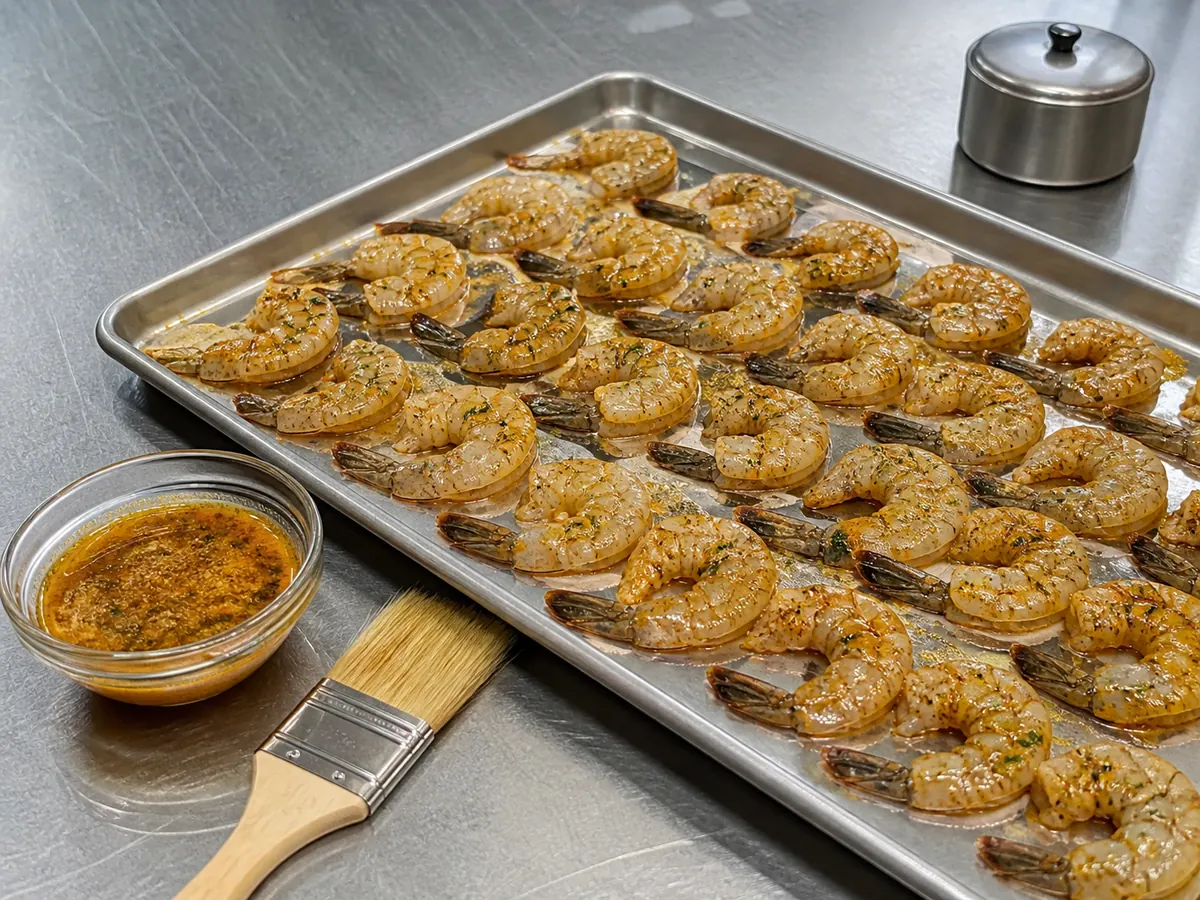
- Single layer: Exposes every shrimp to a similar coating.
- Butter and brush: Prevent one patch from receiving most of the seasoning.
- Closed cellar: Taste the cooked shrimp before adding salt.
Mix Old Bay into melted butter or oil before brushing fish or shrimp so one patch does not receive most of the seasoning. For potatoes or corn, toss while the surface is hot enough to hold the blend but before adding a second salt source.
A seafood dish may need the full one-for-one amount after tasting.
Reach that level in a second measured addition rather than assuming the jar matches the missing Cajun blend.
2. Paprika, Cayenne, Thyme, and Black Pepper
For each teaspoon Cajun seasoning, mix half a teaspoon paprika with one-eighth teaspoon each cayenne, dried thyme, and black pepper. The remaining eighth teaspoon is intentionally left open so salt and any recipe-specific aromatic can be controlled outside the blend.
Paprika supplies red color and most of the powder volume. Cayenne controls direct heat, thyme holds up during cooking, and black pepper gives a dry surface bite that tastes different from capsaicin heat.
- Starting formula
- 1/2 tsp paprika plus 1/8 tsp each cayenne, thyme, and black pepper
- Best for
- chicken, fish, rice, beans, vegetables, and pan sauces
- Main tradeoff
- less savory breadth than blends containing garlic and onion
- Adjust
- season the dish with salt separately after checking the recipe
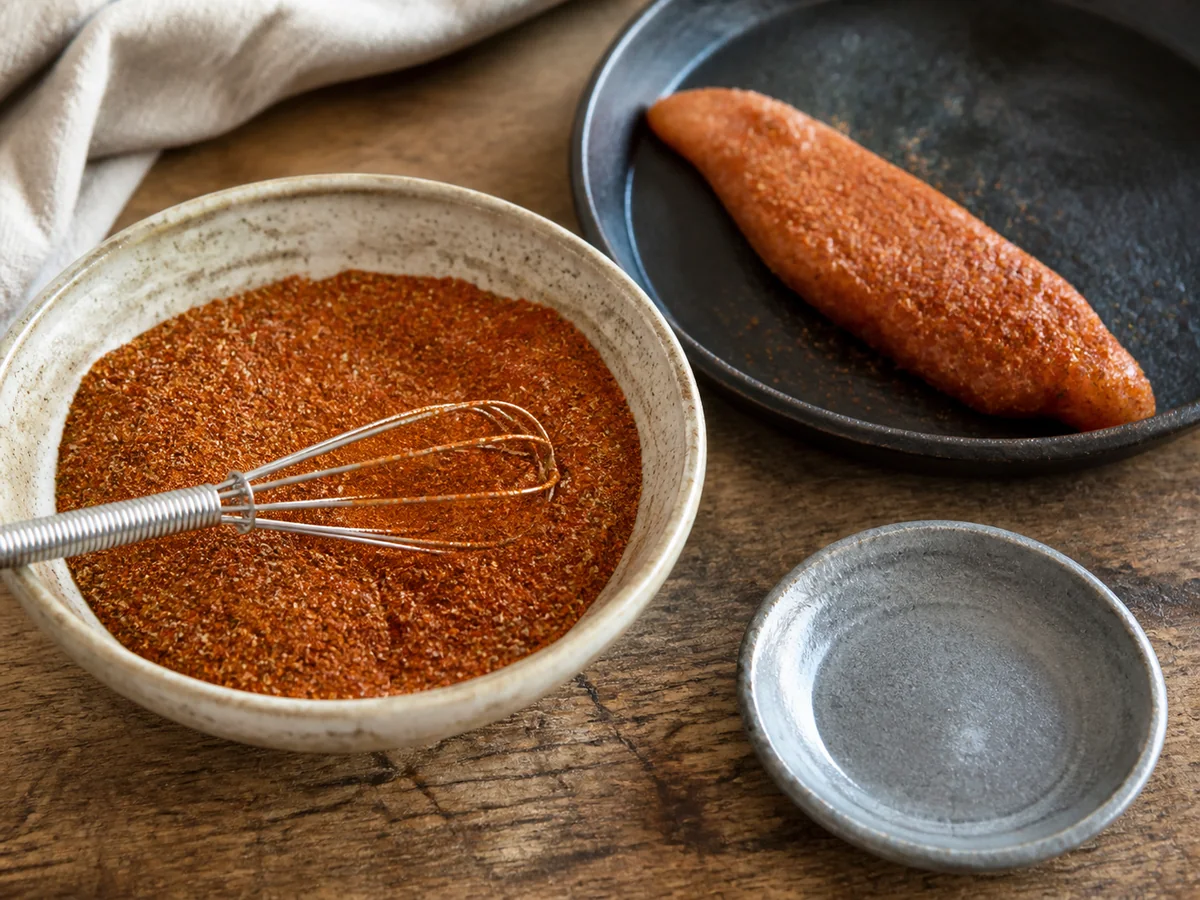
- Uniform blend: Prevents cayenne pockets.
- Thin test strip: Cooks quickly before the full batch is committed.
- Empty salt dish: Leaves seasoning control with the finished food.
Whisk the formula before applying it. Cayenne is such a small fraction that uneven mixing can create one very hot patch even when the total measure is modest.
For a wet pot, add the blend after the onions or other base ingredients soften, then move into liquid before paprika darkens. For a dry rub, apply an even thin coat and cook one test portion before raising cayenne.
This formula is deliberately salt-free.
It cannot recreate every commercial brand, but it lets the cook correct color, chile heat, herbal background, pepper bite, and salt as separate variables.
3. Smoked Paprika, Oregano, and Black Pepper
Mix half a teaspoon smoked paprika with one-quarter teaspoon dried oregano and one-quarter teaspoon black pepper for each teaspoon Cajun seasoning. Use it on grilled meat, roasted potatoes, beans, or a dark pan sauce where smoke and browned surfaces belong.
This path is less cayenne-hot but more aromatic in two other directions. Smoked paprika provides persistent wood smoke, while oregano tastes sharper and more resinous than thyme.
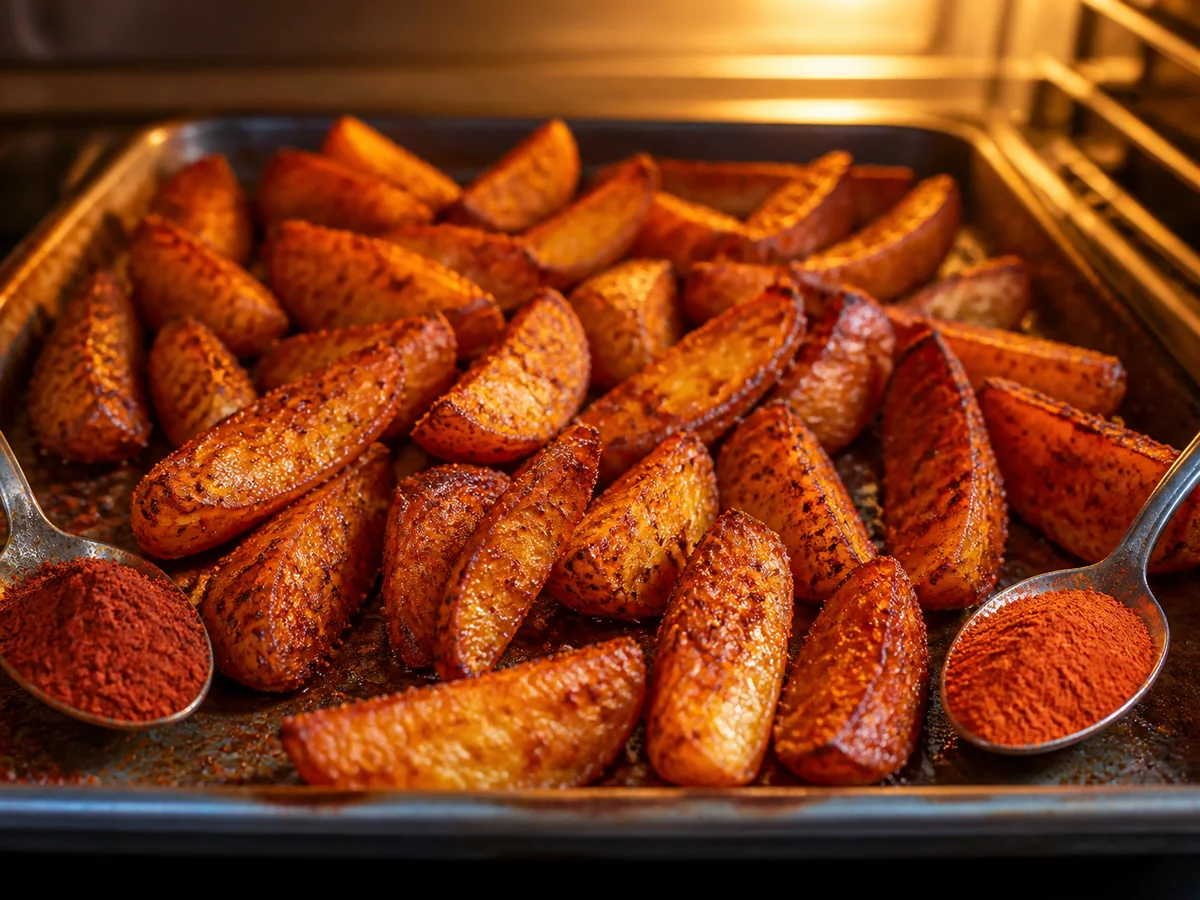
- Dark spoon: Represents the stronger smoked portion.
- Bright spoon: Replaces part of the smoke with sweet paprika.
- Roasted potato: Has enough browning to carry a restrained smoky note.
Add no automatic salt to the formula. A smoked rub often reaches food that is already brined, cured, or salted before cooking, so a salt-free mix prevents two hidden sources from stacking.
Keep this formula out of delicate cream sauce and pale rice unless a smoky direction is intentional. Dairy holds smoke and oregano clearly, and neither note behaves like a neutral background seasoning.
Salt Decides the Ratio Before Heat Does
A red seasoning can contain more salt than spice. Check whether salt appears first on the missing Cajun label and on the proposed replacement, then compare serving sizes rather than relying on the jar's color.
Rice and soup distribute salt through the full pot.
A surface rub concentrates it on the first bite, and a pan sauce becomes saltier as water evaporates.
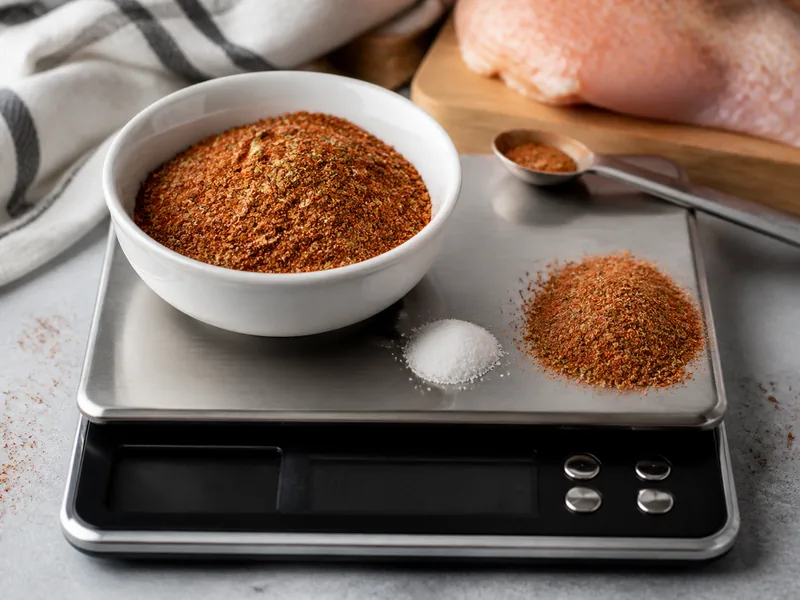
- First ingredient: Reveals whether salt drives the blend.
- Surface rub: Tastes concentrated at the first bite.
- Wet pot: Distributes seasoning throughout.
- Reduction: Raises salt even without another addition.
- Read the missing blend and replacement labels, noting whether salt appears first.
- Remove the recipe's separate salt from the first cooking stage when the replacement is salt-forward.
- Season one test portion or a small spoonful of the pot with the starting ratio.
- Cook it to the same degree the full dish will reach, including any sauce reduction.
- Restore salt only after heat, herbs, and smoke are balanced.
Do not use acid as a cure for excess salt. Lemon or vinegar can make a salty dish seem brighter for one bite, but the sodium concentration remains and may become more obvious as the food cools.
An unsalted homemade formula is the safest route when the recipe contains stock, cured meat, brined seafood, cheese, or another salty ingredient. The cook can always add salt later, but cannot strain it from rice or a thick sauce.
A Blackened Crust Comes From the Pan as Well as the Blend
Dark Cajun-style crust develops from a dry food surface, a thin film of fat, direct pan contact, and spices browning together.
It is a cooking result rather than proof that the blend contains a large amount of cayenne.
Pat fish, chicken, or vegetables dry before seasoning. Water under the powder creates steam, loosens the coating, and leaves pale wet patches while spice at the pan edge continues to darken.
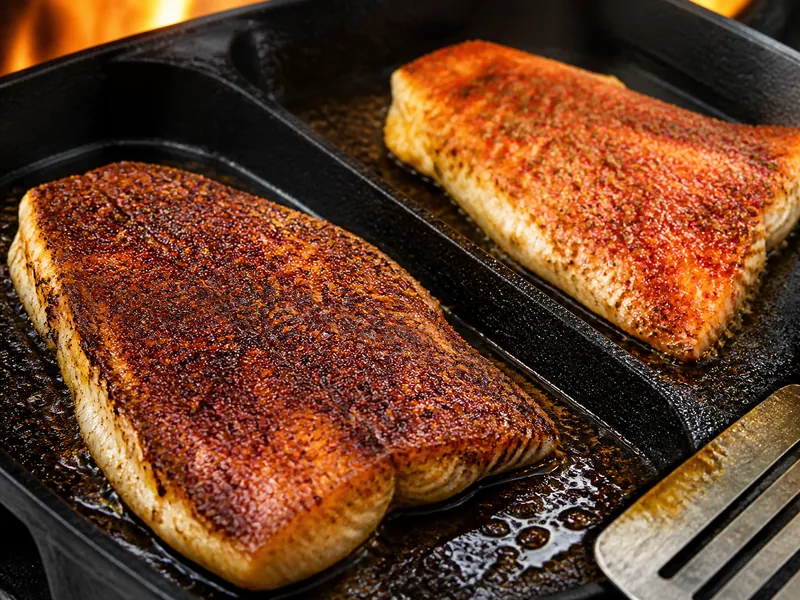
- Dry surface: Encourages even contact.
- Thin fat film: Carries heat across the coating.
- Patchy crust: Signals moisture or uneven seasoning.
- Black loose powder: Signals scorching at the pan edge.
| Visible result | Likely cause | Correction |
|---|---|---|
| Pale wet patches | Surface moisture | Pat dry and season immediately before cooking |
| Dark edge but raw powder on top | Uneven pan contact | Use a flatter portion and a thin fat film |
| Bitter black dust | Loose paprika or herbs scorched | Remove excess powder and lower contact time |
| Even dark-red crust | Dry surface and balanced heat | Rest briefly before judging pepper strength |
Paprika can scorch, and dried herbs darken even faster when they fall loose into an empty hot pan. Shake off excess blend before cooking and move the food rather than the dry spice when the pan develops bare hot spots.
Butter adds flavor but its milk solids brown quickly. Use a suitable cooking fat for the first sear, then add butter later if the dish needs it.
Gumbo, Jambalaya, and Seafood Do Not Need the Same Blend
Gumbo and other long wet dishes give herbs time to soften, but reduction concentrates salt and smoke. A salt-free paprika-cayenne-thyme formula lets the broth, stock, sausage, and final seasoning be balanced together.
Jambalaya distributes the blend through absorbent rice. Add a conservative salt measure early, because the cooked grain cannot release it after the liquid disappears.
Use the salt-free paprika formula and judge after the pot reduces.
Keep salt separate and use sweet paprika for broad color without multiplying heat.
Old Bay is practical because celery and warm spice suit the food, but the surface needs less than a whole pot.
Use either homemade formula, pat the food dry, and test the crust before raising cayenne.
Prefer sweet paprika, thyme, and restrained black pepper because dairy magnifies smoke and salt.
A replacement may create good food without reproducing the original blend.
Old Bay shrimp can be balanced and useful while still tasting distinct from a paprika-thyme Cajun-style coating.
Repair Salt, Heat, and Smoke Separately
Name the failure before changing the pot. Salt makes the whole bite taste concentrated, cayenne burns after the first flavor, black pepper catches in the throat, smoke lingers in the aroma, and excess oregano can taste dry or bitter.
- Too saltyAdd unsalted liquid, rice, beans, vegetables, or sauce base that belongs in the dish, then restore other seasoning after dilution.
- Too hotExtend the unseasoned base and serve with an existing fat-rich element when appropriate. More paprika changes color but does not remove capsaicin.
- Too smokyDilute with the same unsmoked base and switch the remaining blend to sweet paprika.
- Too herbalGive dried herbs time to hydrate, then extend the base if oregano or thyme still dominates.
- Too peppery on the crustBrush or scrape away loose surface seasoning before adding sauce or another coating.
Do not add sugar automatically. Sweetness can soften heat perception but changes gumbo, rice, seafood, and pan sauce in ways the original dish may not support.
Retaste after the food cools slightly. Steam and hot fat change the first impression of pepper, while salt often becomes clearer in a rested bite.
Batch size should be scaled from the food, not from the empty seasoning jar.
For a pound of fish, chicken, or vegetables, mix the starting formula separately and apply only enough for a thin, even coat. Thick red patches warn that one bite will carry more salt or cayenne than the rest.
Wet dishes need a different checkpoint.
Stir the blend into the aromatic base, add the recipe's liquid, and taste after stock, sausage, canned ingredients, and other salty elements are present. This sequence prevents a correct spice ratio from becoming an oversalted pot.
Commercial labels can be compared by salt placement rather than color.
When salt is first, treat the product as seasoning plus salt and reduce the recipe's separate salt before the jar enters. When salt appears late or is absent, measure the blend for pepper and herbs while salt stays independent.
Make enough homemade blend for the current recipe and one small repeat batch.
Record paprika type, cayenne, dried herbs, black pepper, garlic, onion, and salt status. A note such as hot, smoky, or celery-forward is more useful than remembering which red powder looked right.
Account for flavors already present before choosing among the three paths.
Smoked sausage, grilled meat, or fire-roasted vegetables already contribute smoke, so the unsmoked paprika-cayenne formula usually leaves more room for the food. A mild seafood pot with potatoes and corn can accept Old Bay's celery-led direction without needing the smoky formula.
Herbs in the recipe matter too.
When gumbo, beans, or a pan sauce already contains thyme and oregano, build the replacement around paprika, cayenne, and black pepper first. Add more dried herbs only after the cooked base shows that their aroma is actually missing.
For a bare chicken or fish surface, the complete homemade formula earns its extra herb structure because no long-cooked sauce will supply it later.
This dish-first check prevents every Cajun replacement from becoming the same red blend. The seasoning should fill the specific gaps left by the recipe rather than duplicate smoke, herbs, salt, or pepper that are already there.
The three numbered paths give different control. Old Bay is fastest, the paprika-cayenne formula is most adjustable, and smoked paprika creates a deliberate smoky variation.
A cooked teaspoon spread through rice does not taste like the same teaspoon pressed onto fish. Keep separate notes for pot seasoning and surface seasoning rather than forcing one master ratio.
Stop when the seasoning supports the food. A substitute has done its job when the shrimp, chicken, rice, beans, or vegetables still lead the plate and no single correction creates a second problem.