
What Spices Define Mexican Cooking Beyond Chili Powder?
Build the pantry around dried chile body, Mexican oregano, restrained cumin, warm mole spices, and achiote paste.
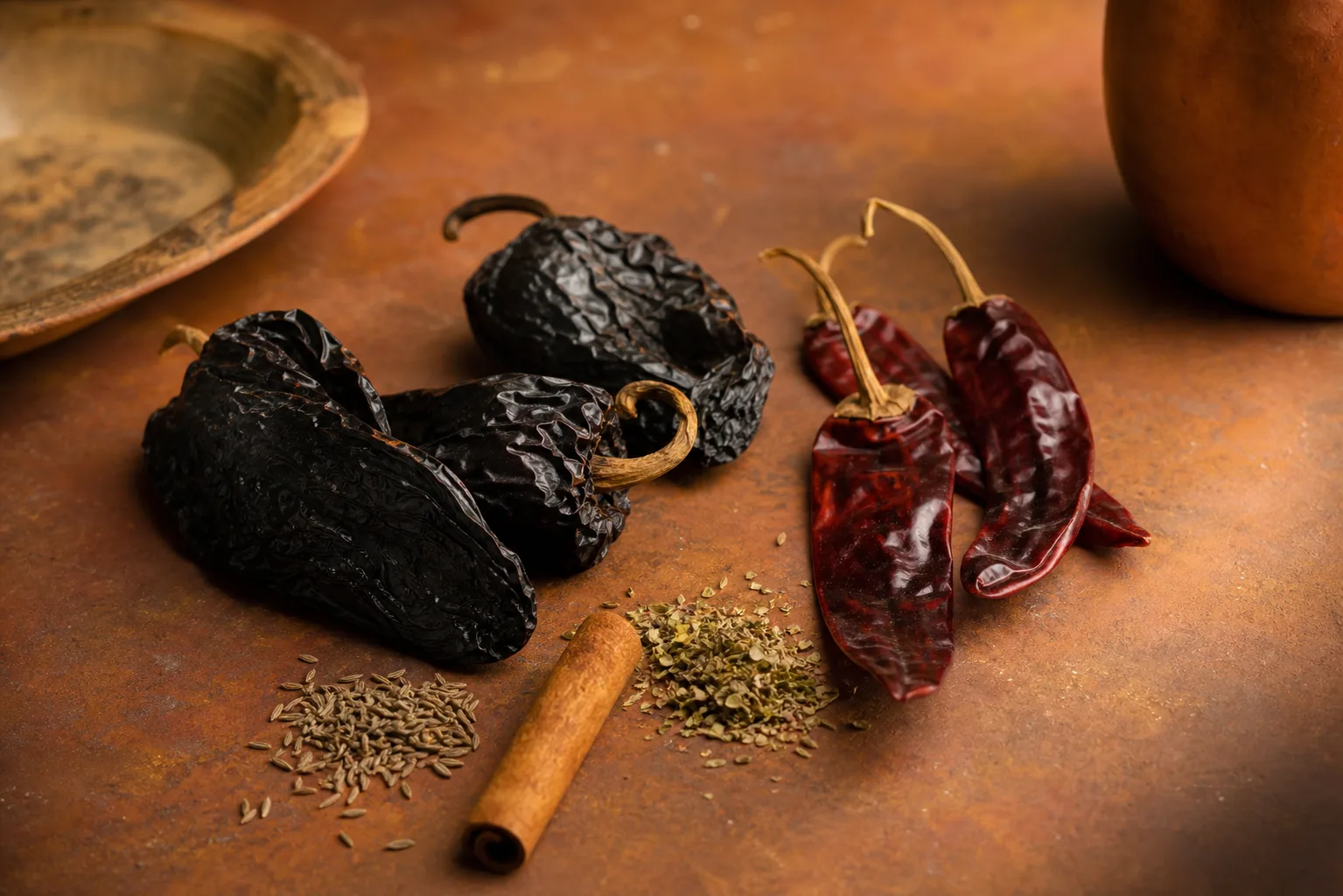
Mexican cooking is not built from one chili powder. Whole dried chiles give color, body, fruit, smoke, and heat, while Mexican oregano, cumin, cinnamon, clove, allspice, bay, and annatto solve more specific jobs.
Which dried chiles should you buy first?
Mexican essential spices start with dried chiles because they give sauce body, not only heat. A single jar of chili powder cannot do that job.
Ancho, guajillo, pasilla, chipotle, and arbol chiles each bring a different mix of fruit, color, smoke, bitterness, and burn.
Whole chiles matter when the sauce needs texture and depth. Powder is useful for speed, but it cannot replace soaked chile flesh.
This is why the pantry should begin with one mild dark chile and one bright red chile. Add a hot chile only after you know the base flavor.
Remove most stems and seeds before soaking if you want a smoother sauce. Keep a few seeds only when clean heat matters more than fruit.
Toast chiles quickly and stop when they smell warm. Blackened chile skins can make a sauce bitter before any spice can fix it.
| Chile | What it adds | Best use |
|---|---|---|
| Ancho | Raisin sweetness and dark body | Mole, adobo, rubs, beans |
| Guajillo | Red color and tangy fruit | Salsa roja, pozole, marinades |
| Pasilla | Dark fruit and slight bitterness | Mole, soups, cooked sauces |
| Chipotle | Smoke and steady heat | Beans, adobo, braises |
| Arbol | Clean sharp heat | Salsa, chile oil, finishing heat |
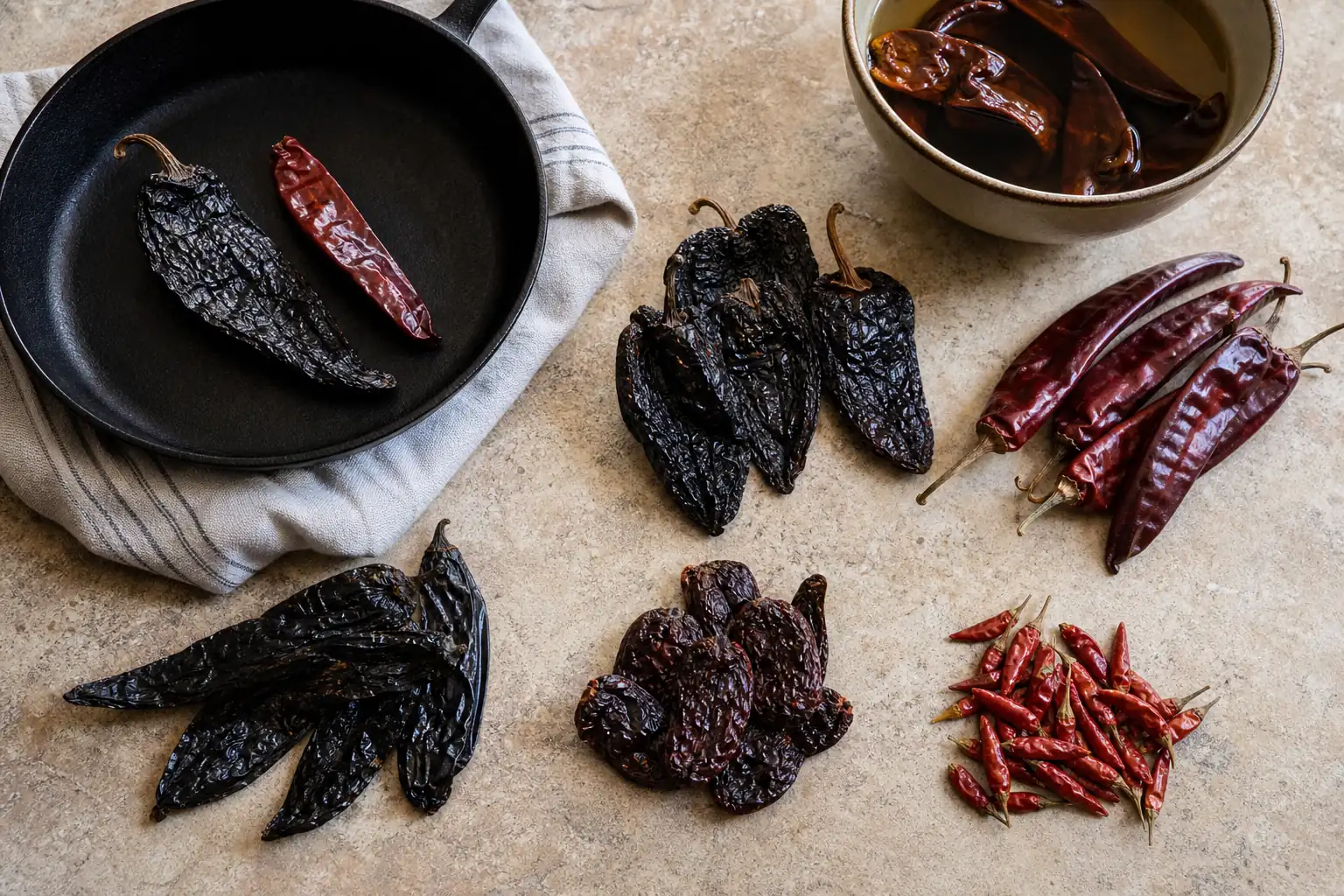
- Toast briefly until fragrant, not blackened.
- Soak chiles when the sauce needs body.
- Use powder only when speed matters more than texture.
For a focused chile profile, ancho chile shows why dried poblano gives dark fruit without aggressive heat.
Reserve some soaking liquid, then taste it before using it. If it tastes harsh, use broth or fresh water for the sauce instead.
Which of these chiles will actually make the dish hot?
Buying dried chiles by name is easy. Predicting the heat is where most people get caught.
Ancho, pasilla, and guajillo sit at the mild end. They are there for fruit, raisin, and gentle earth, and you can use several without the dish turning hot.
Chipotle steps up noticeably, because it is a ripened jalapeno that was smoked rather than a different mild chile.
De arbol and pequin are the ones that bite, and a single arbol can carry a whole pot of salsa.
Size and shape predict heat better than color does. Long broad chiles usually stay mild, while small narrow ones concentrate what heat they have.
That is why a mole can contain a dozen chiles and still taste gentle. Heat in Mexican cooking is a deliberate addition rather than a side effect of using chiles at all.
How is Mexican oregano different from regular oregano?
Mexican oregano is usually sharper, more citrusy, and more resinous than Mediterranean oregano. That edge works well with beans, pozole, salsas, and chile sauces.
Crush it between your fingers before adding it.
The aroma should smell sharp and green, not dusty or papery.
Use it when a dish needs lift without extra lime juice. It can make a heavy bean pot or red chile sauce taste less flat.
Mediterranean oregano can work in a pinch, but it leans softer and more minty. Add less, then taste before adding more.
Add oregano early in beans or pozole so it softens into the broth.
Add a small late pinch only when the cooked dish tastes dull.
Raw salsa needs more restraint because dried oregano can feel scratchy. Crush it fine and let the salsa sit before judging.
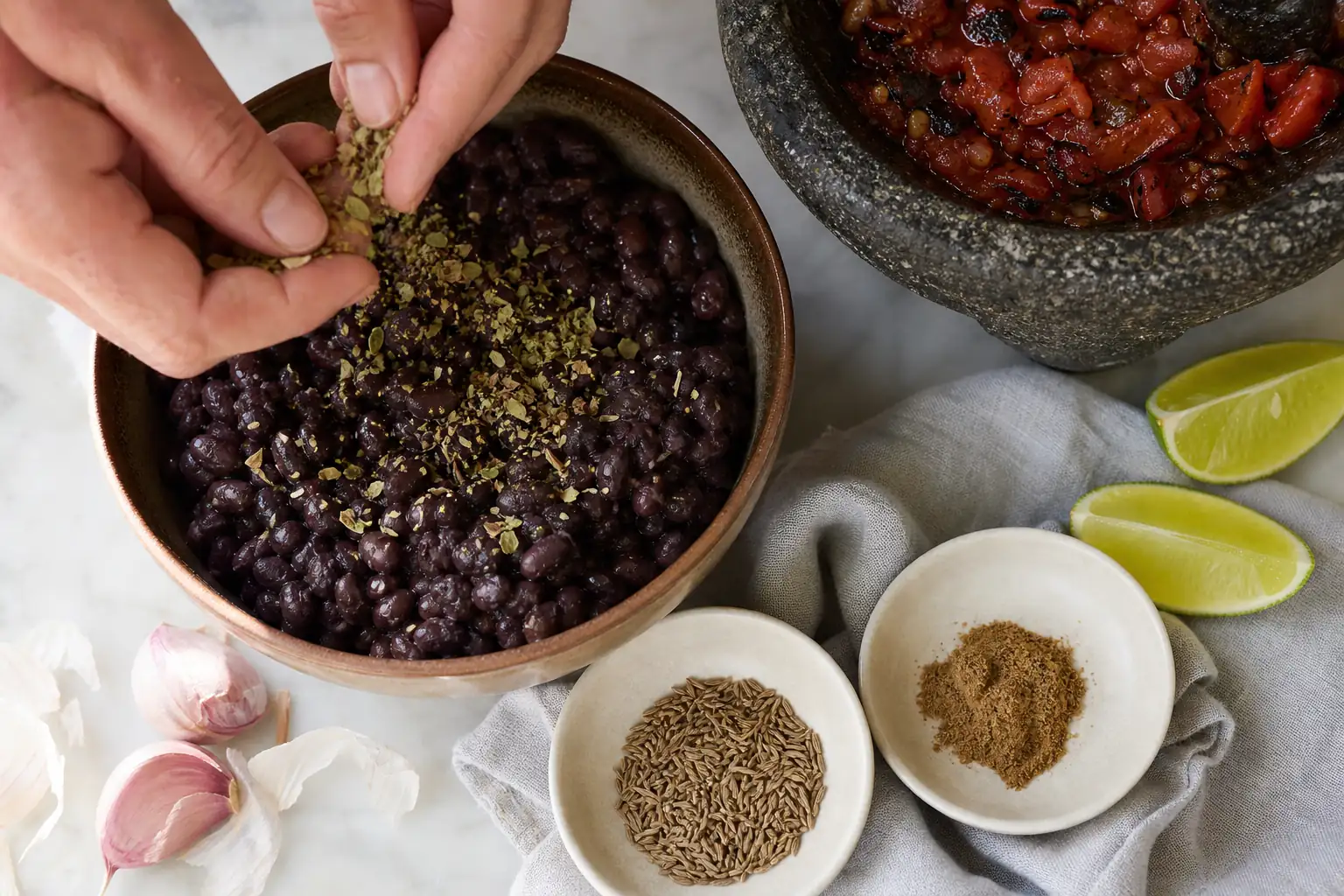
- Crush dried oregano before it enters the pot.
- Use cumin as support, not the headline.
- Taste beans after salt and acid before adding more spice.
If the dish already has lime, tomatillo, or vinegar, use oregano lightly. Too much can make acidity feel rough instead of clean.
How much cumin belongs in Mexican cooking?
Ground cumin can give beans, taco fillings, picadillo, and chile sauces an earthy floor. It becomes a problem when it turns every dish into the same flavor.
Use a small amount first, especially with ancho, guajillo, garlic, and tomato.
Chile should lead when the sauce is built around chile.
Whole cumin seed is useful when you toast and grind it fresh. Old ground cumin can taste dusty before the sauce has enough depth.
Cumin is also why many premixed chili powders taste familiar. If the blend already has cumin, do not add a second full spoon.
| Dish | Good cumin role | When to skip or reduce |
|---|---|---|
| Beans | Earthy background with oregano and garlic | When epazote or fresh herbs should lead |
| Picadillo | Savory base under tomato, meat, and raisins | When cinnamon and clove already carry warmth |
| Chile sauce | Small support for ancho or guajillo | When the chile flavor is delicate |
| Fresh salsa | Usually not needed | When brightness and raw tomato are the point |
If a dish tastes muddy, do not fix it with more cumin.
Add salt, acid, chile soaking liquid, or a fresher chile note first.
For a cleaner base, toast cumin seed and grind only what you need. Fresh cumin supports chile instead of covering it.
When do cinnamon and clove belong in savory dishes?
Mexican cinnamon, clove, allspice, and black pepper often belong in mole, adobo, picadillo, and long braises. They should stay behind chile, tomato, seeds, nuts, or meat.
Whole cloves are powerful, so count them. A few can round a sauce, while too many make it taste medicinal.
Black pepper and allspice add warmth without turning the dish sweet. They need salt and fat to stay savory.
Use the warm spices after the chile base has direction. If you add them first, they can lead the whole sauce toward holiday spice.
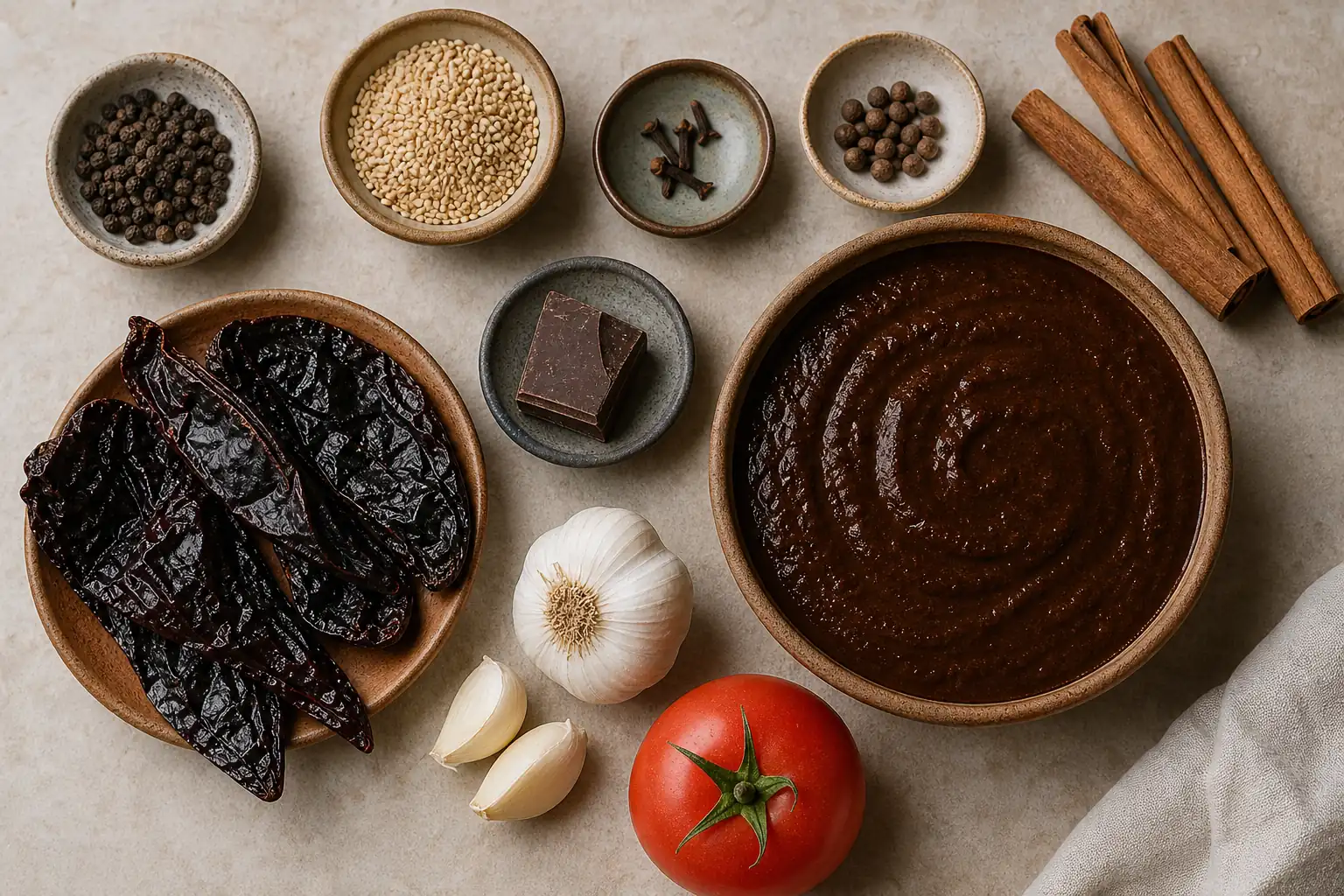
- Count cloves before they enter the pot.
- Use cinnamon for warmth, not dessert flavor.
- Let chile and sauce body stay in charge.
Use tiny amounts first.
You can deepen a mole slowly, but a clove-heavy hand is hard to repair.
If mole tastes too sweet-warm, add more chile puree, salt, or tomato before more cinnamon. The fix is usually base, not another spice.
What does achiote add besides red color?
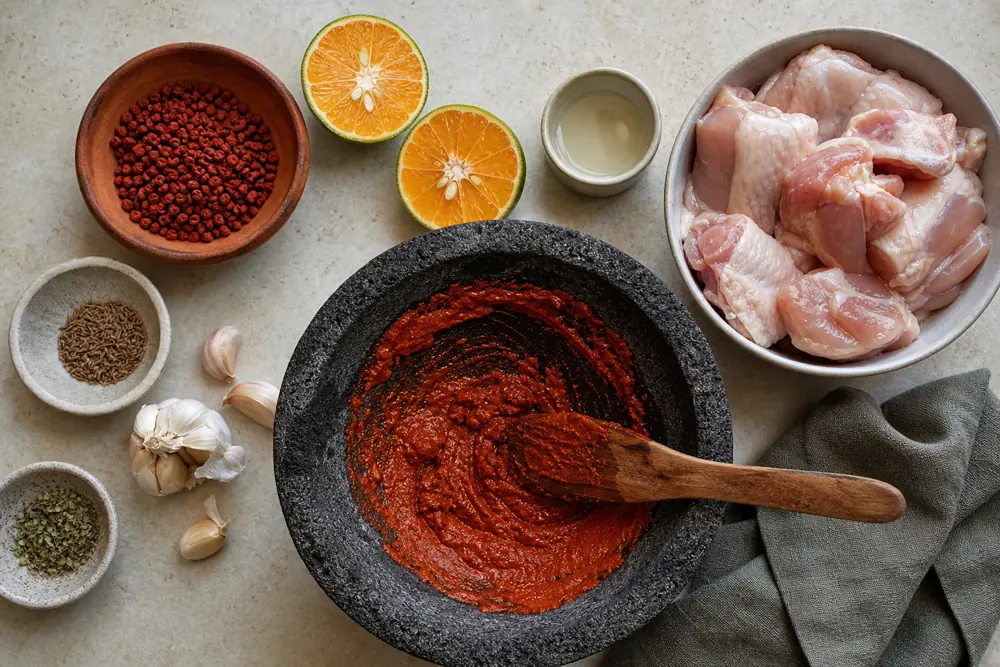
Annatto seed, often used as achiote paste, gives red-orange color and mild earthy flavor. It is not a chile and it is not mainly about heat.
Achiote paste often includes annatto, garlic, oregano, cumin, clove, pepper, vinegar, or sour orange.
The paste works best as a marinade or cooked base.
Bloom annatto in oil or grind it into paste before adding meat. Dry powder sprinkled late can taste gritty and weak.
This is the pantry path toward cochinita pibil, pollo asado, and red-orange grilled marinades. Acid carries the paste through the meat.
- Use annatto for color and earthiness.
- Use sour orange or vinegar to carry the paste.
- Cook the paste into the food, not on top at the end.
For another color-focused spice, compare ground turmeric.
The two color food differently and taste nothing alike.
If annatto stains the oil but tastes flat, add garlic, oregano, salt, and sour orange. Color alone is not the full seasoning.
Which Mexican spices fit the dishes you cook?
The best Mexican spice pantry depends on your repeat dishes. A salsa-heavy kitchen needs different jars than a mole, bean, or achiote marinade kitchen.
If you cook sauces, learn dried chiles first.
If you cook beans, learn oregano, cumin, bay, and chile timing first.
| Dish | Spices to practice | What you learn |
|---|---|---|
| Salsa roja | Guajillo, arbol, oregano | Chile color, heat, and herb lift |
| Black beans | Mexican oregano, cumin, bay | Earthiness without muddy flavor |
| Adobo marinade | Ancho, guajillo, clove, cinnamon | Warm spice inside chile body |
| Achiote chicken | Annatto, oregano, cumin, sour orange | Color paste and acid balance |
| Picadillo | Cumin, cinnamon, clove, bay | Sweet warm spices in a savory base |
| Mole style sauce | Dried chiles, sesame, cinnamon, allspice | Layered sauce without generic chili powder |
Use recipes to learn order, liquid, and texture once the spice job is clear.
A useful first shop is ancho, guajillo, Mexican oregano, cumin, cinnamon, clove, bay, and annatto. Add chipotle or arbol when you need smoke or sharper heat.
Add sweet paprika only when you need gentle red color in a shortcut rub. It cannot replace guajillo in a sauce.
- For sauces: buy whole dried chiles before buying more powders.
- For beans: keep Mexican oregano, cumin, bay, garlic, and one dried chile.
- For marinades: add annatto or achiote paste once you cook citrusy red-orange dishes.
- For mole and adobo: keep cinnamon, clove, allspice, and sesame in small amounts.
Do not buy every chile at once.
Buy two mild building chiles, then add heat, smoke, or bitterness when a dish asks for it.
The same rule keeps blends under control. A premixed chili powder can be useful, but it should not decide every bean pot, salsa, and marinade.
How should you buy and store Mexican spices?
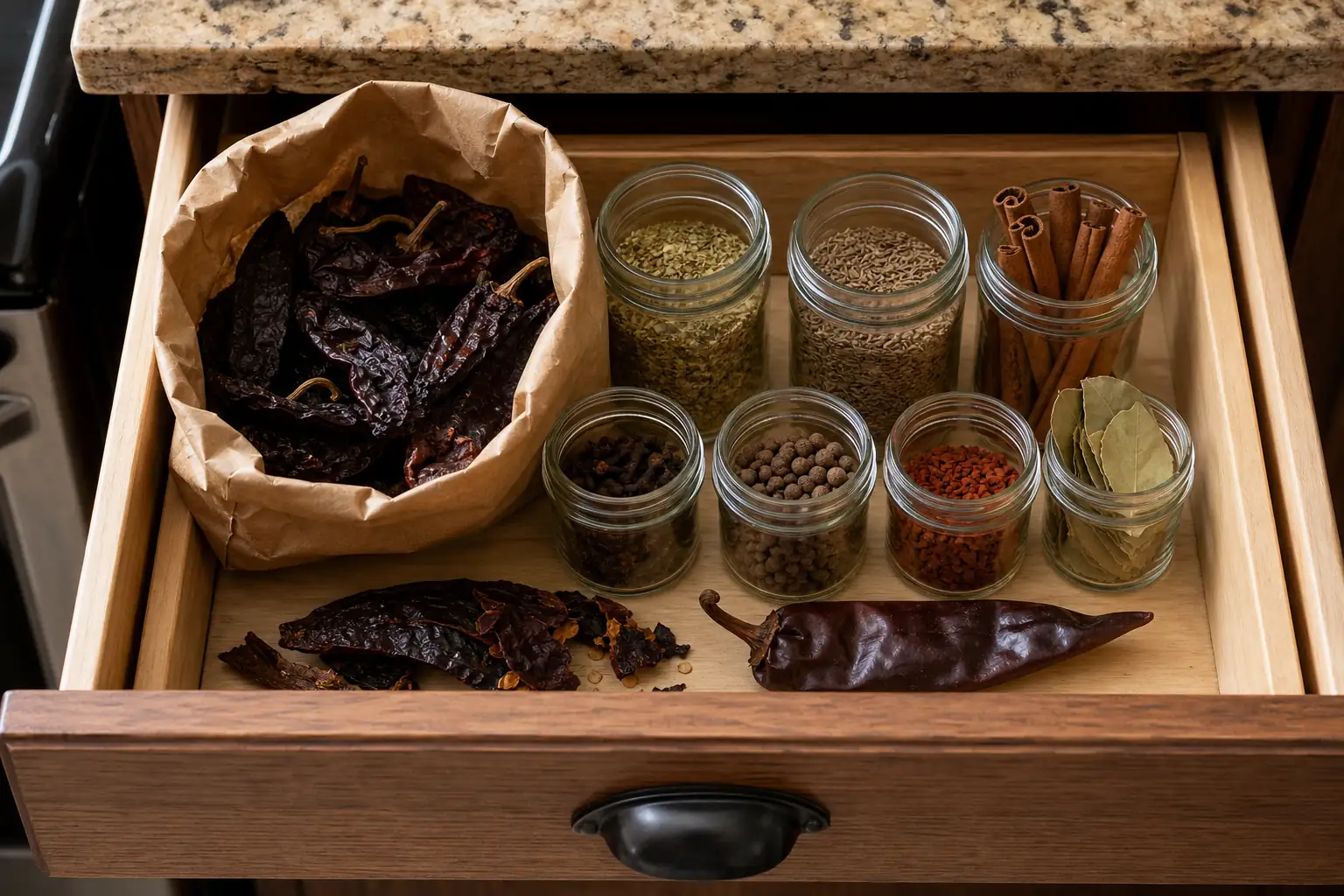
Fresh dried chiles should feel flexible, not brittle like old leaves. They should smell fruity, smoky, or raisiny before they touch heat.
Avoid chiles that smell like dust or have pale, cracked skins.
They will give weak color and bitterness after soaking.
Ground spices fade faster than whole chiles, cinnamon sticks, cloves, and cumin seeds. The same whole versus ground logic matters here.
Read chili powder labels carefully. Salt, garlic, cumin, oregano, and anti-caking agents can already be inside the jar.
- Flexible chiles usually give better color and fruit.
- Small jars beat stale bulk ground spices.
- Keep oregano and powders away from stove steam.
Store chiles in a cool dark place, then use them before they lose aroma.
If you cook Mexican food often, rotate through smaller bags.
If a chile is old but not moldy, use it in a cooked sauce with fresher aromatics. Do not use it for a clean salsa where chile flavor must carry the dish.
Store annatto and ground chile away from light because color fades before the jar looks empty. A dull red powder usually tastes dull too.
Why does a Mexican spice mix taste muddy?
The first mistake is treating chili powder as the whole pantry.
It can season fast food, but it hides chile type, salt, cumin, and garlic choices.
The second mistake is overusing cumin. Heavy cumin can flatten tomato, chile, beans, and meat into one dull flavor.
The third mistake is adding warm spices without enough chile body. Cinnamon and clove need sauce, fat, salt, and time to stay savory.
| Problem | Likely cause | Best fix |
|---|---|---|
| Sauce tastes thin | Used powder instead of soaked chiles | Blend toasted soaked chiles into the base |
| Sauce tastes bitter | Burned chile skins or too much clove | Add tomato, broth, salt, and a little sweetness |
| Beans taste muddy | Too much cumin or old oregano | Add salt, acid, and fresh oregano at the end |
| Achiote tastes gritty | Dry annatto added late | Cook paste in oil or liquid first |
| Salsa lacks brightness | No acid or fresh chile note | Add lime, tomatillo, or a fresher chile |
The practical rule is simple.
Let dried chiles create the body, let oregano sharpen, let cumin support, and let warm spices stay small.
When a dish tastes wrong, identify which job failed. Thin sauce, muddy beans, bitter chile, and gritty achiote need different fixes.
Start with two chiles and four supporting spices, then cook the same dish twice. Repetition will tell you which jar deserves more space.