
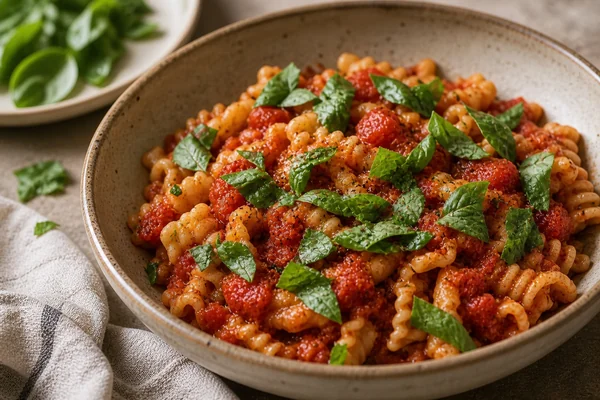
Basil: The Herb Heat Destroys, So Timing Is Everything
Basil is a heat-fragile herb, so add it raw or in the last seconds of cooking, or its sweet aroma turns to dull, bitter…
Read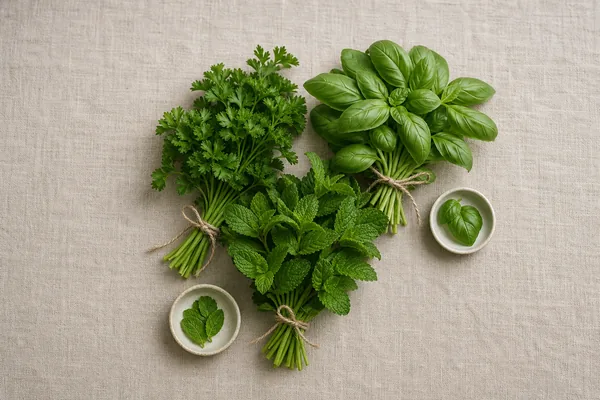
Fresh herbs are mostly water and volatile oil, so heat is what decides whether they taste of anything by the time the dish reaches the table. These eight profiles cover basil, parsley, cilantro, dill, mint, chives, tarragon, and lemongrass, and each one says how late to add it and which part of the plant to use.
Fresh and dried behave differently. Every entry says which one a recipe means, and what changes when you swap.
Basil is a heat-fragile herb, so add it raw or in the last seconds of cooking, or its sweet aroma turns to dull, bitter…
Read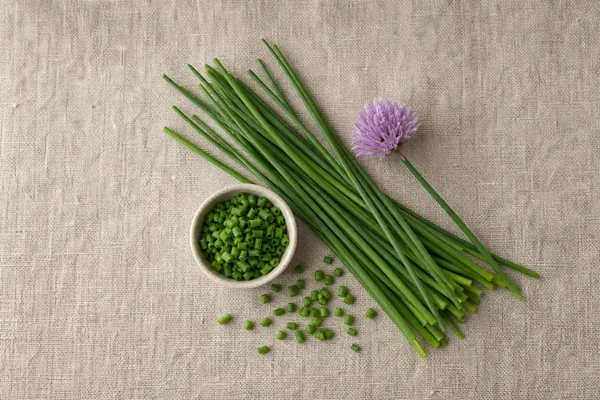
Chives are the mildest onion in the kitchen and the only allium used raw as a finishing herb. The two decisions that…
Read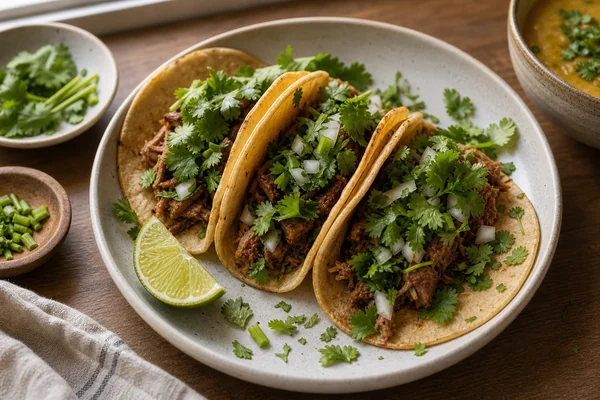
Cilantro tastes bright and citrusy to most people and soapy to some, and that split is genetic, not a matter of skill…
Read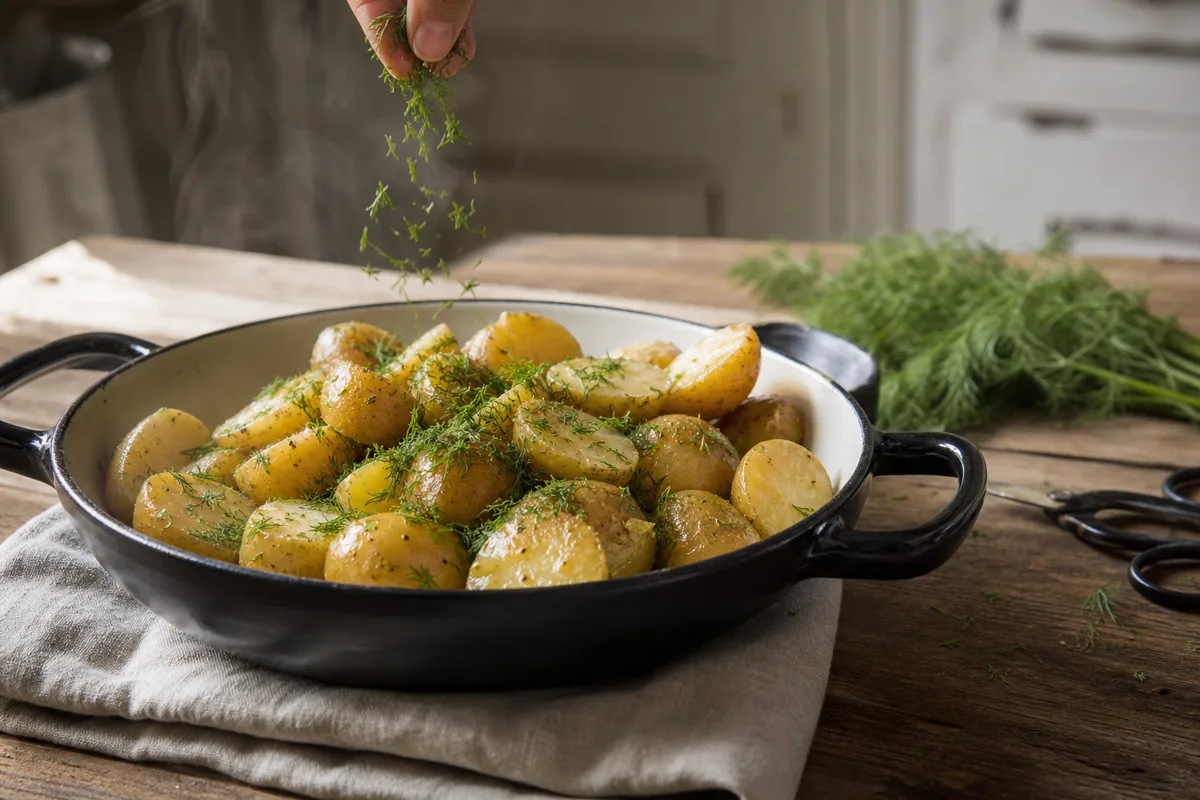
Dill loses much of its leafy aroma when it simmers for too long. Add fresh fronds near the end, give dried dill a few…
Read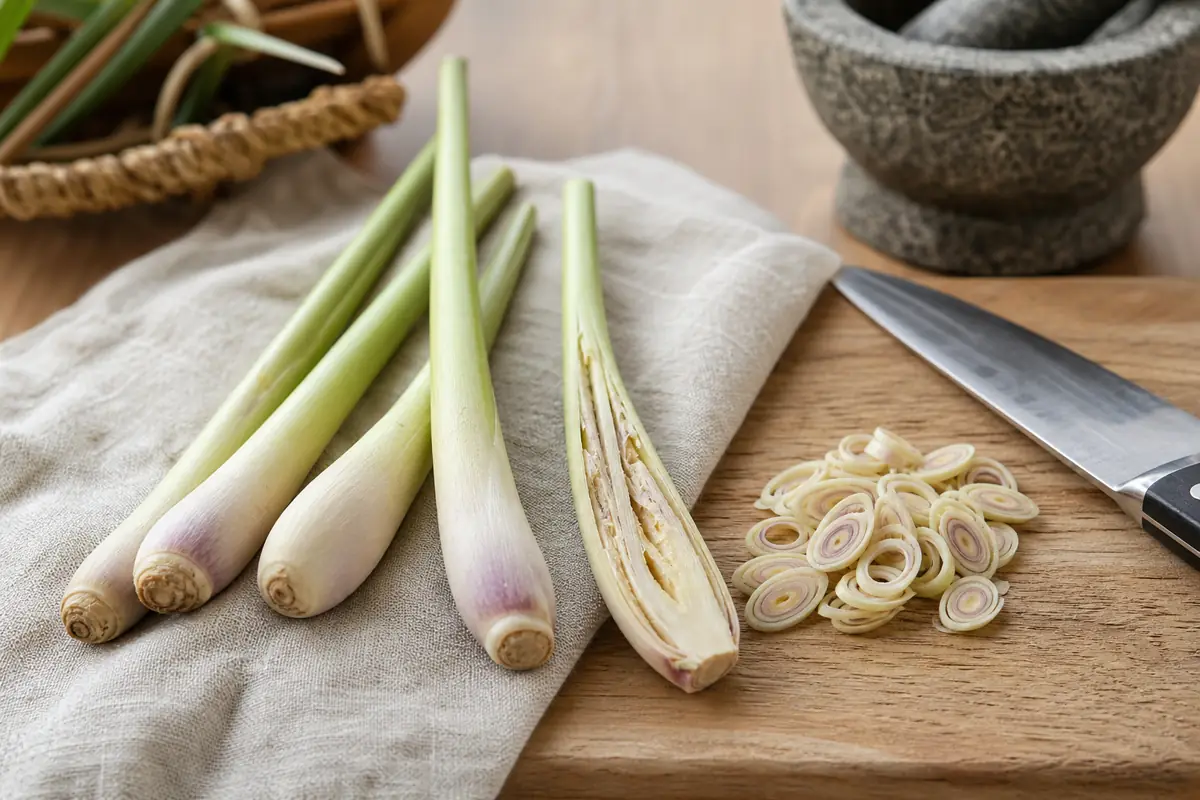
Lemongrass gives food a lemon-like aroma without making it sour. Bruise large pieces when they will perfume liquid and…
Read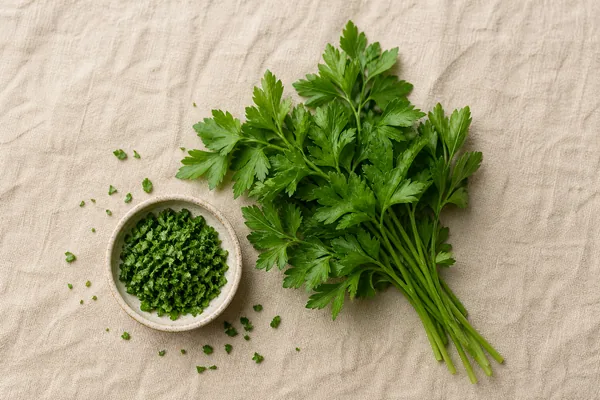
Parsley is the bulk of most dishes that made it famous, from tabbouleh to gremolata, rather than the sprig beside them…
Read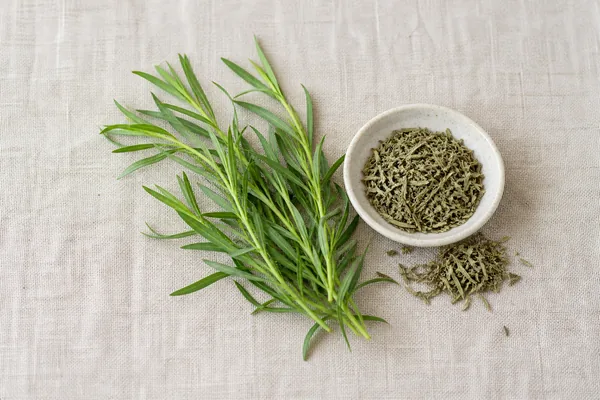
Two different plants are sold as tarragon, and only French tarragon carries the sweet anise flavor the herb is known…
Read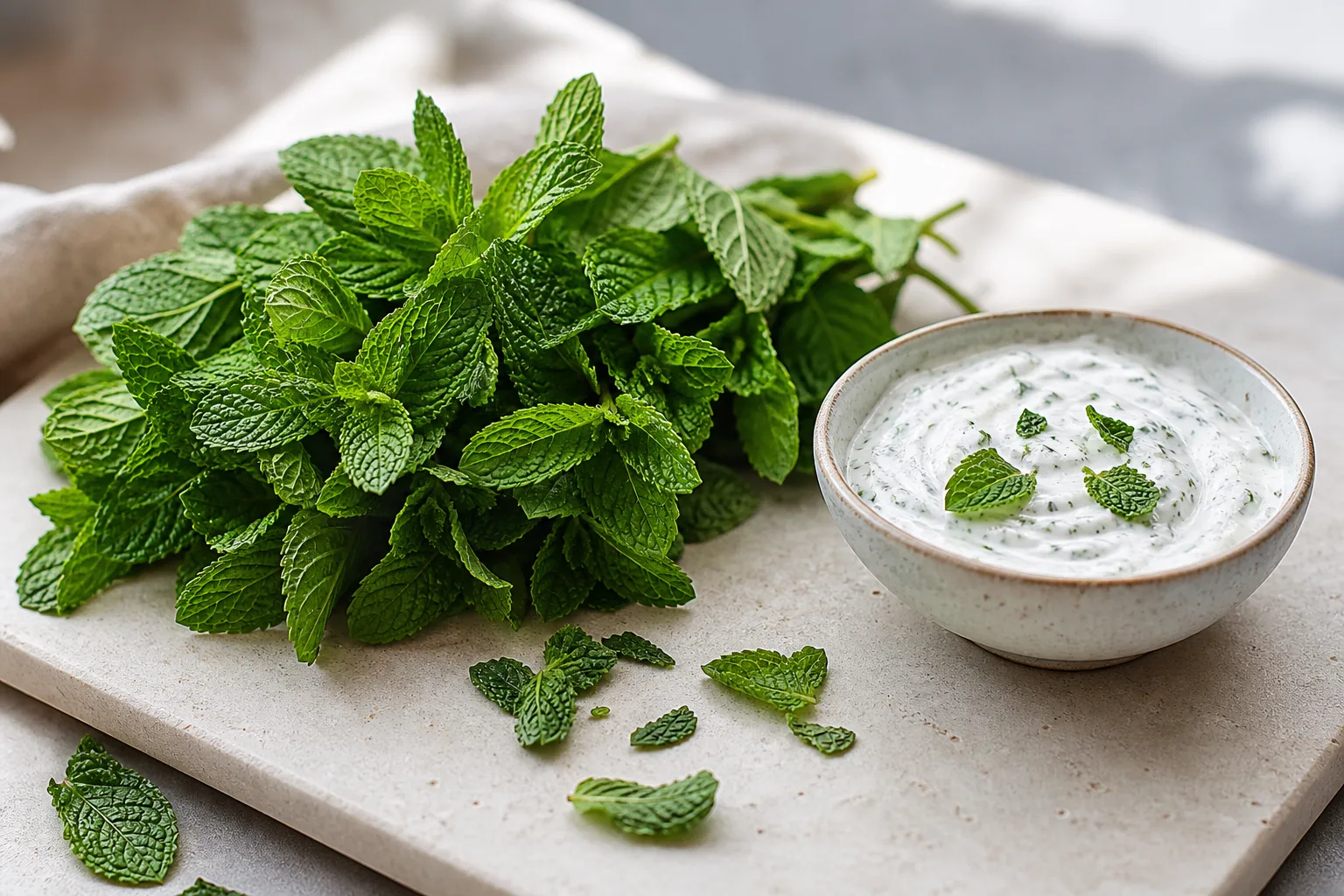
Use mint to cool and lift food that feels heavy, hot, or over-sweet, not as a base flavor. Choose spearmint for almost…
Read