
Baharat Spice Blend Substitutes That Stay Savory
Match pepper, earthiness, and sweet spice to the meat, rice, or lentils already cooking.
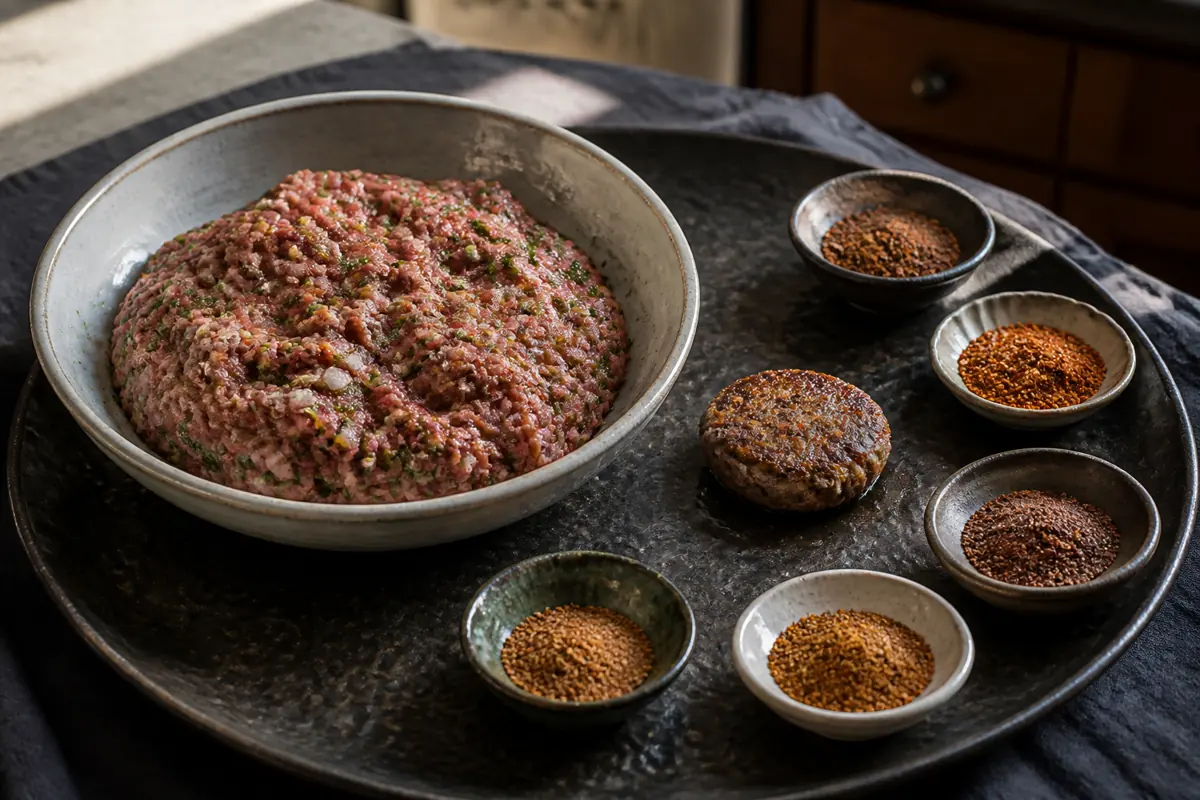
Ras el hanout is the best ready-made baharat substitute for most lamb, beef, chickpea, and roasted-vegetable dishes. Start with three-quarter teaspoon for each teaspoon of baharat, then increase only after checking whether floral spices or cardamom lead.
Five Baharat Substitutes Ranked by Savory Balance
Ras el hanout has the broadest overlap with baharat because both can contain black pepper, cumin, coriander, cinnamon, clove, cardamom, and nutmeg. Its floral edge is the main reason to begin below equal volume.
Garam masala, berbere, curry powder, and allspice each preserve a narrower part of the blend. The right choice depends on whether the dish can absorb cardamom, chile, turmeric, or concentrated sweet spice.
| Number | Substitute | Starting ratio for 1 tsp baharat | Best use | Main drift |
|---|---|---|---|---|
| 1 | Ras el hanout | 3/4 tsp | Lamb, beef, chickpeas, roasted roots | More floral and sweet |
| 2 | Garam masala | 1/2 tsp | Lentils, rice, tomato braises | More cardamom and clove |
| 3 | Berbere | 1/2 tsp | Tomato stews, grilled meat, lentils | More chile and fenugreek |
| 4 | Curry powder | 1/2 tsp | Chickpeas, rice, saucy vegetables | Turmeric and curry character |
| 5 | Allspice | 1/4 tsp | Meatballs and brown braises | Sweet spice without earthy seeds |
These ratios assume ground, salt-free blends and need adjustment when a commercial formula contains salt, rose, turmeric, or cayenne.
When salt appears near the front of the label, reserve the recipe salt until a cooked sample proves how much room remains.
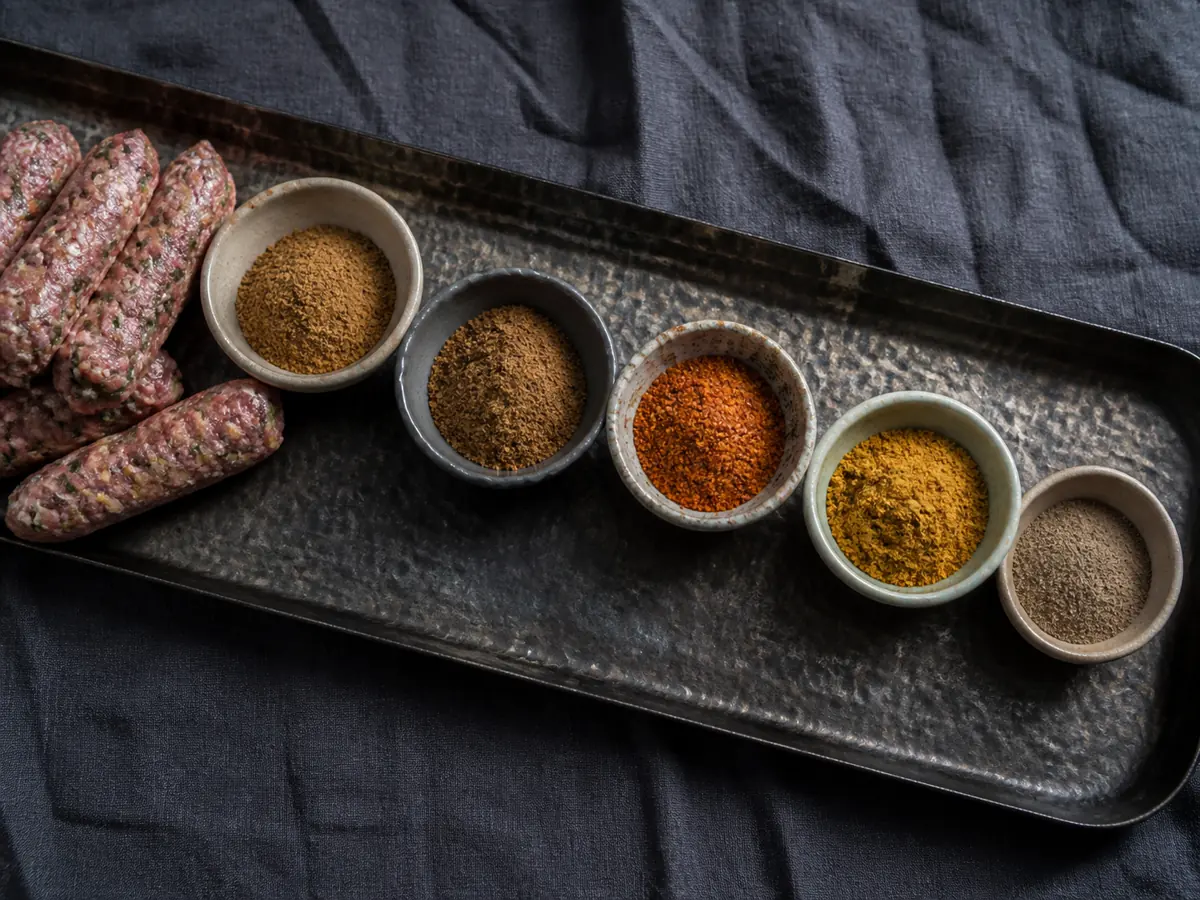
- Closest balance: Ras el hanout keeps the broadest savory overlap.
- Heat warning: Berbere's brick-red color points to a chile-led result.
- Color warning: Curry powder can turn pale food visibly yellow.
- Narrowest swap: Allspice supplies warmth but needs savory spices already in the recipe.
1. Ras el Hanout
Start with three-quarter teaspoon ras el hanout for each teaspoon of baharat. Use the full teaspoon only after a warmed sample still tastes savory rather than perfumed.
- Starting ratio
- 3/4 teaspoon per 1 teaspoon baharat
- Best for
- lamb, beef, chickpeas, couscous, and roasted root vegetables
- Main tradeoff
- more floral and sweet complexity with less direct black pepper
- Adjust
- hold at 3/4 teaspoon when rose, lavender, mace, or cardamom leads
The overlap is substantial, but the two blends point in different regional directions. Ras el hanout can bring floral ingredients and a broader perfume, while baharat usually reads as a more direct peppery seasoning.
Lamb shoulder and browned beef can carry that extra fragrance because fat and caramelized surfaces give it weight. Plain rice exposes the same amount much more clearly.
For rice, bloom the three-quarter measure with onion and smell the steam before adding the grains.
Add black pepper separately only when the warmed blend tastes sweet but otherwise balanced, since extra blend would also raise the floral spices.
2. Garam Masala
Use one-half teaspoon garam masala for each teaspoon of baharat in lentils, tomato braises, rice pilaf, or an onion-rich sauce. Its roasted spices can feel stronger at the same volume, especially when cardamom or clove sits near the front of the formula.
- Starting ratio
- 1/2 teaspoon per 1 teaspoon baharat
- Best for
- lentils, rice pilaf, tomato braises, and cooked onion bases
- Main tradeoff
- stronger cardamom and clove with little paprika
- Adjust
- add part during cooking and reserve the rest until the sauce has reduced
Many garam masalas are designed to finish a dish, while baharat often seasons meat or enters an onion base earlier. Adding the entire measure at the beginning can flatten its upper aroma before the food is ready.
Divide the dose when the recipe simmers longer than twenty minutes. Cook half with the onions, then use the remainder only if the finished pot still lacks warmth.
The blend will not supply baharat's red-brown paprika color.
3. Berbere
Begin with one-half teaspoon berbere for each teaspoon of baharat in tomato-rich stew, grilled meat, lentils, or a strongly browned onion base. Reduce any separate cayenne or chile flakes before adding it.
- Starting ratio
- 1/2 teaspoon per 1 teaspoon baharat
- Best for
- tomato stew, grilled meat, lentils, and long-cooked onions
- Main tradeoff
- more chile, fenugreek, and ginger with less mellow sweet spice
- Adjust
- reduce other chile and stop when the cooking fat turns vividly red
Berbere brings the earthy heat that ras el hanout and garam masala often lack. Fenugreek also gives the dish a bitter-savory note that reads clearly in lentils.
That strength makes it useful in a wet pot and risky in a thin coating. On kofta or grilled chicken, half volume can already create a chile-led crust.
Taste a cooled spoonful after the onions soften because raw berbere powder overstates both bitterness and heat.
Do not correct excess berbere with more cinnamon. Dilute the seasoned base or add more unseasoned food because sweetness cannot remove chile heat or fenugreek bitterness.
4. Curry Powder
Use one-half teaspoon curry powder for each teaspoon of baharat when the dish is already saucy, yellow-friendly, and built around chickpeas, lentils, rice, or vegetables.
- Starting ratio
- 1/2 teaspoon per 1 teaspoon baharat
- Best for
- chickpeas, rice, lentil soup, and saucy vegetables
- Main tradeoff
- turmeric color and coriander-led curry character
- Adjust
- avoid in pale rice, kofta, or any dish where yellow color changes the expected result
Turmeric announces this swap before the first bite. It also shifts the flavor toward coriander, cumin, and fenugreek rather than baharat's pepper and sweet-spice balance.
The substitution works when those changes belong in the food. It fails in a dry meat mixture where the cook expects a brown peppery crust.
5. Allspice
Start with one-quarter teaspoon allspice for each teaspoon of baharat in meatballs, brown braises, or a recipe that already contains cumin, coriander, and black pepper.
- Starting ratio
- 1/4 teaspoon per 1 teaspoon baharat
- Best for
- meatballs, brown braises, and dishes with cumin and pepper already present
- Main tradeoff
- concentrated clove-like warmth without baharat's earthy base
- Adjust
- keep it below equal volume and pair only with spices already required by the recipe
Allspice is one berry, not a complete blend. Its aroma suggests clove, cinnamon, and nutmeg, which makes a small amount useful when the recipe already supplies the savory half of baharat.
Without cumin or pepper underneath it, the result can resemble baking spice. Browned meat can soften that impression, but plain rice cannot.
Stop at the first rounded sweet-spice aroma. Increasing allspice to equal volume makes the finish sharper and more medicinal without restoring coriander, paprika, or cumin.
Black Pepper Keeps Baharat on the Savory Side
Baharat can contain cinnamon, clove, cardamom, nutmeg, and allspice without tasting like a baking blend because black pepper, cumin, and coriander hold those notes against meat and onions.
Black pepper contributes dry pungency without turning the oil red. Cumin gives an earthy base, while coriander lightens that base with a citrus-seed aroma.
When a substitute tastes sweet, identify what is missing before adding another warm spice. A small black-pepper correction fixes a quiet savory edge, but it cannot undo an excessive clove or cardamom dose.
Pros
- Pepper-led replacements stay savory in kofta, rice, and browned meat.
- Cumin and coriander support cinnamon without making it the main flavor.
- Paprika adds broad pepper color without extra floral aroma.
Cons
- Clove-heavy blends become medicinal as browned fat amplifies them.
- Floral ras el hanout can cover plain rice before it overwhelms lamb.
- Extra black pepper adds pungency but cannot remove excess sweet spice.
Paprika gives baharat a broad red-brown body, but it does not provide black pepper's dry bite. A replacement that has plenty of paprika and little pepper can color kofta correctly while leaving the crust strangely soft in flavor.
Read the rest of the recipe before correcting that gap. If cumin, coriander, cinnamon, or pepper already appears on a separate line, count it as part of the replacement instead of adding a complete blend and duplicating the same spice.
Salt needs its own calculation.
A pure baharat jar is normally measured as spice, while Cajun-style seasoning, seasoned curry blends, and some commercial rubs may list salt first. Taste the cooked food before adding the recipe's full salt allowance because replacing a salt-free teaspoon with a salted teaspoon changes more than aroma.
Large meat rubs need a second check because a small clove or cardamom imbalance multiplies quickly. Mix three teaspoons of the proposed substitute, cook one test piece, and scale that corrected mini-batch instead of multiplying an untested one-teaspoon guess across a whole roast.
Smell the substitute beside freshly ground black pepper. If the blend smells mainly of cardamom, clove, or rose, use the lower ratio and let the recipe's existing pepper do the anchoring.
A Thirty-Second Pan Test Exposes the Wrong Direction
A teaspoon of raw blend cannot predict how it will behave in hot fat. Oil makes cardamom, clove, turmeric, and chile easier to distinguish, while onion supplies the sweet-savory base found in many target dishes.
Test only a pinch so the experiment does not become a second recipe.
- Warm one teaspoon neutral oil in a small pan over medium-low heat.
- Add one tablespoon finely chopped onion and cook until the raw edge softens.
- Stir in a measured pinch of the substitute for 20 to 30 seconds without browning the powder.
- Remove one spoonful, cool it briefly, then smell and taste it away from the steam.
- Classify the strongest drift as floral, sweet, turmeric-heavy, chile-hot, or suitably peppery before seasoning the main dish.
Yellow oil identifies turmeric before flavor does. Vivid red oil and a quick throat burn point toward berbere or another chile-heavy formula.
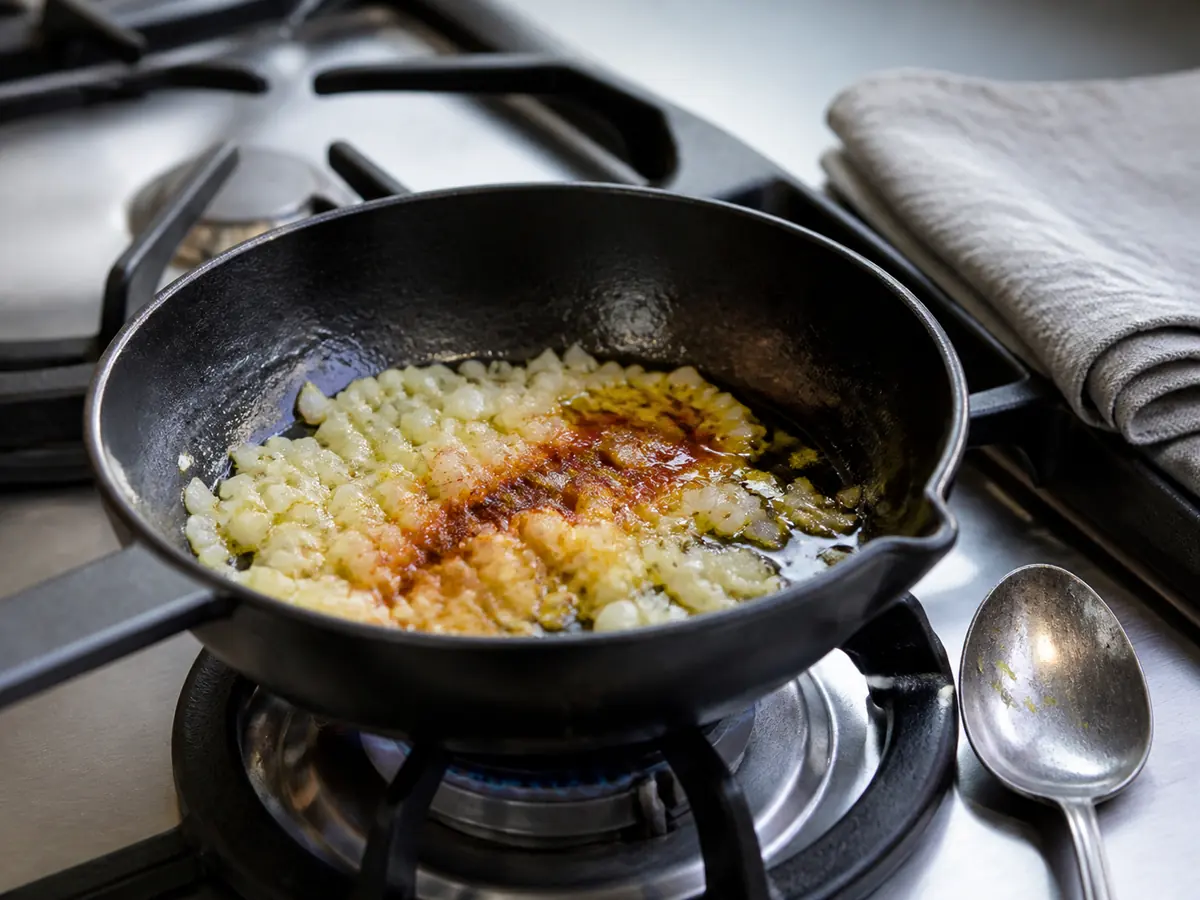
- Keep it small: One tablespoon of onion is enough for the test.
- Watch the oil: Yellow or vivid red color appears before the finished flavor.
- Cool a spoonful: Steam hides the floral and clove-heavy notes you need to judge.
- Stop at aroma: Burnt powder gives no useful prediction.
Rose, cardamom, or clove rises more slowly from the cooled onion. If that aroma reaches you before pepper and cumin, keep the substitute below the planned amount.
The pan test also reveals staleness.
A blend that colors the oil but releases little aroma will not recover through a larger dose. Choose a fresher jar or build the small batch below.
Kofta, Rice, and Lentils Reveal Different Weaknesses
Ground meat can carry more pepper and sweet spice than plain rice because fat spreads aromatic compounds and browning adds bitterness. Lentils sit between them, especially when tomato and onion already create a strong base.
This is why one substitute can work in kofta and fail in pilaf at the same ratio.
Ras el hanout works at 3/4 volume when it is not floral. Allspice needs cumin and black pepper already in the mixture.
Garam masala at 1/2 volume is safer than turmeric-heavy curry powder. Add it to the onion before the cooking liquid.
Garam masala, berbere, or curry powder can work because the wet base absorbs their regional shift. Choose by heat and color.
Ras el hanout suits carrots and squash, while berbere suits potatoes that can carry chile.
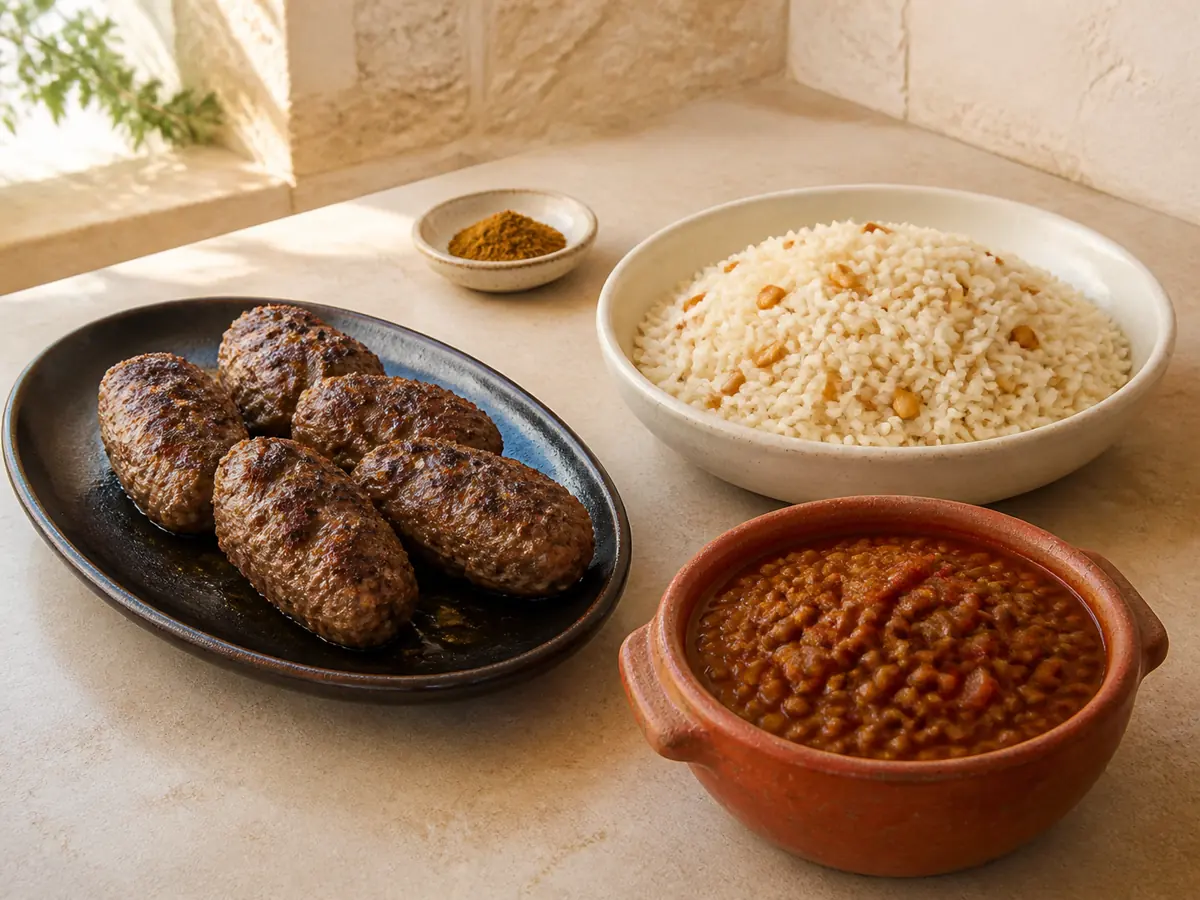
- Kofta: Judge the browned crust with one cooked test piece.
- Rice: Keep turmeric and floral notes below the point where they lead.
- Lentils: Choose heat deliberately because a long simmer does not remove it.
- Same ratio, different result: Carrier fat, color, and cooking time change the perception.
Cook a teaspoon of a meat mixture before shaping the full batch. Raw meat hides salt and aromatic balance, while one browned test piece exposes clove and cardamom quickly.
For rice, taste the seasoned cooking liquid before the grains absorb it. The liquid should smell slightly quieter than the finished steam because the covered pot concentrates volatile spice above the grains.
Lentils tolerate the broadest range, but they do not erase a bad dose. Fenugreek bitterness and curry-powder turmeric remain distinct after a long simmer.
Build a Small Batch When Regional Direction Matters
Rebuilding baharat is safer than borrowing another regional blend when the recipe depends on a peppery brown crust or a familiar kofta aroma.
For about four teaspoons, combine one teaspoon paprika, three-quarter teaspoon black pepper, three-quarter teaspoon cumin, one-half teaspoon coriander, and one-quarter teaspoon each cinnamon, allspice, cardamom, and nutmeg. Add one-eighth teaspoon ground cloves.
- Keep black pepper prominent: It prevents the smaller sweet spices from reading like dessert seasoning.
- Use paprika for body: Sweet paprika broadens color without adding berbere-like heat.
- Measure cloves last: One-eighth teaspoon is enough to deepen the batch without numbing the finish.
- Mix before seasoning: Break up cardamom and cinnamon lumps so no meatball receives a concentrated pocket.
- Make only what you need: Fresh black pepper and cardamom fade faster after grinding.
The formula is a practical savory center, not a universal regional standard. Turkish, Lebanese, Iraqi, and Gulf blends may change the paprika, mint, dried lime, cumin, or sweet-spice balance.
If you toast whole cumin and coriander for this batch, cool them completely before grinding. Warm seeds trap steam in the grinder and leave a damp blend that loses its clean peppery edge faster.
Use the reconstructed blend at equal volume where the recipe calls for baharat. If the food already contains separate cumin, black pepper, or cinnamon, reduce those lines before doubling the same flavor inside the new batch.