
What Is Ras el Hanout? The Logic Behind the Moroccan Blend
Smell the jar first, then match its earthy, sweet, peppery, or floral side to the food.
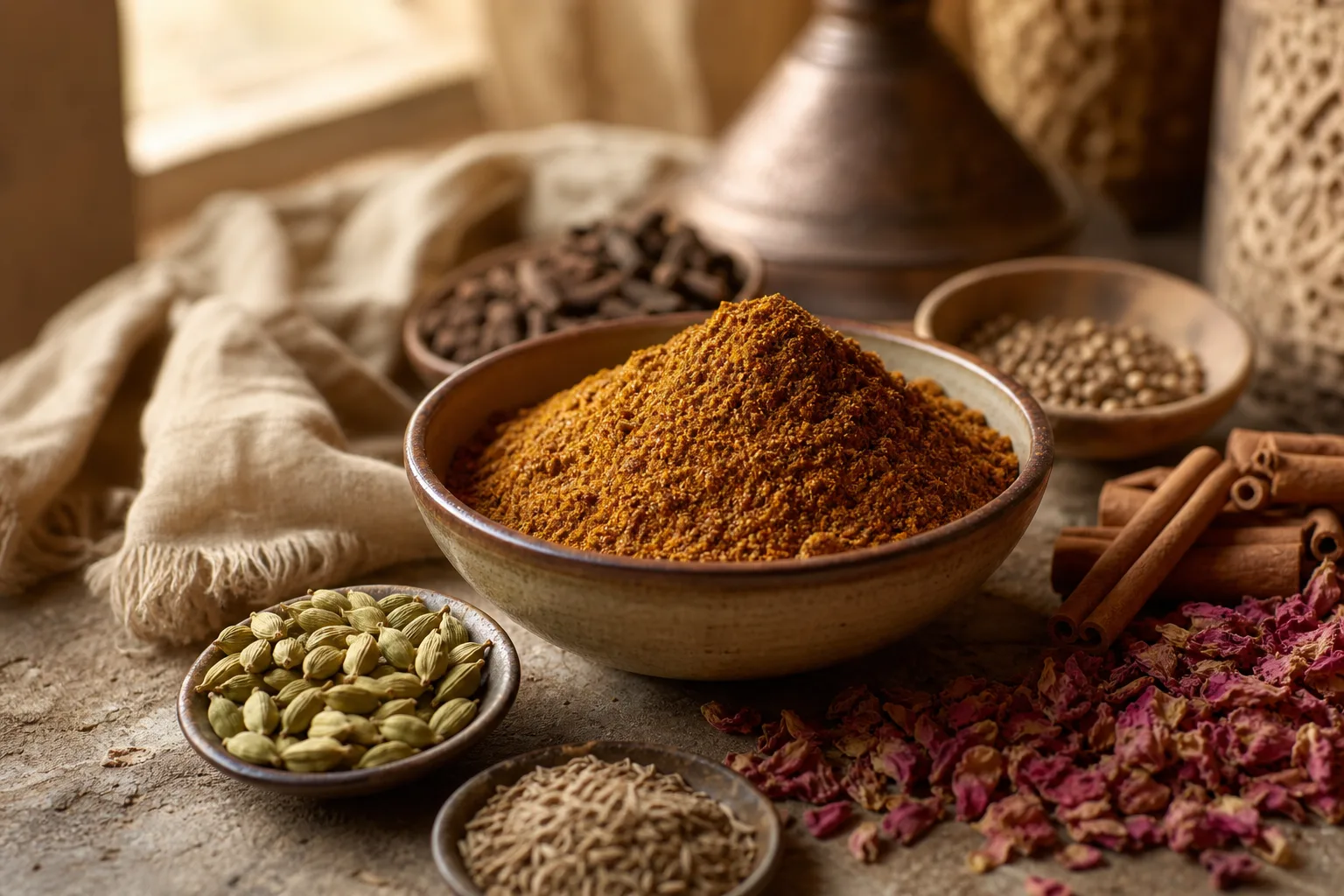
Ras el hanout is a North African spice blend whose name is often explained as the best of the shop. There is no single fixed recipe, so the useful move is to smell the jar, read the label, and match its strongest note to the dish.
What should ras el hanout smell like?
Ras el hanout is a blend style, not a locked formula. One jar can taste earthy, while another leans sweet, peppery, or floral.
That range is the point, so the first smell matters more than a printed ingredient count.
The name is often explained as the best of the shop. That idea matters because each spice seller can choose a different top-shelf mix.
A cumin-heavy jar wants lamb, carrots, chickpeas, or rice. A cinnamon-heavy jar needs more care because it can pull savory food toward dessert.
A floral jar can be beautiful in a tagine, but it turns soapy fast in a dry rub. Start lower when rose, lavender, or cardamom leads.
This is the main difference from a fixed house blend. You choose the dish by the jar in your hand, not by the name on the label.
A quick smell prevents most mistakes before the blend reaches hot oil or raw meat.
| Dominant note | Best food match | Use less when |
|---|---|---|
| Earthy cumin and coriander | Lamb, chickpeas, carrots, rice | The dish is dry or low in fat |
| Pepper and ginger bite | Chicken, squash, lentils, tomato sauce | The recipe already has chile |
| Cinnamon, clove, and nutmeg | Braised meat, onion, dried fruit | The dish is already sweet |
| Cardamom, rose, or mace | Tagines, couscous, yogurt sauces | The food is grilled or very lean |
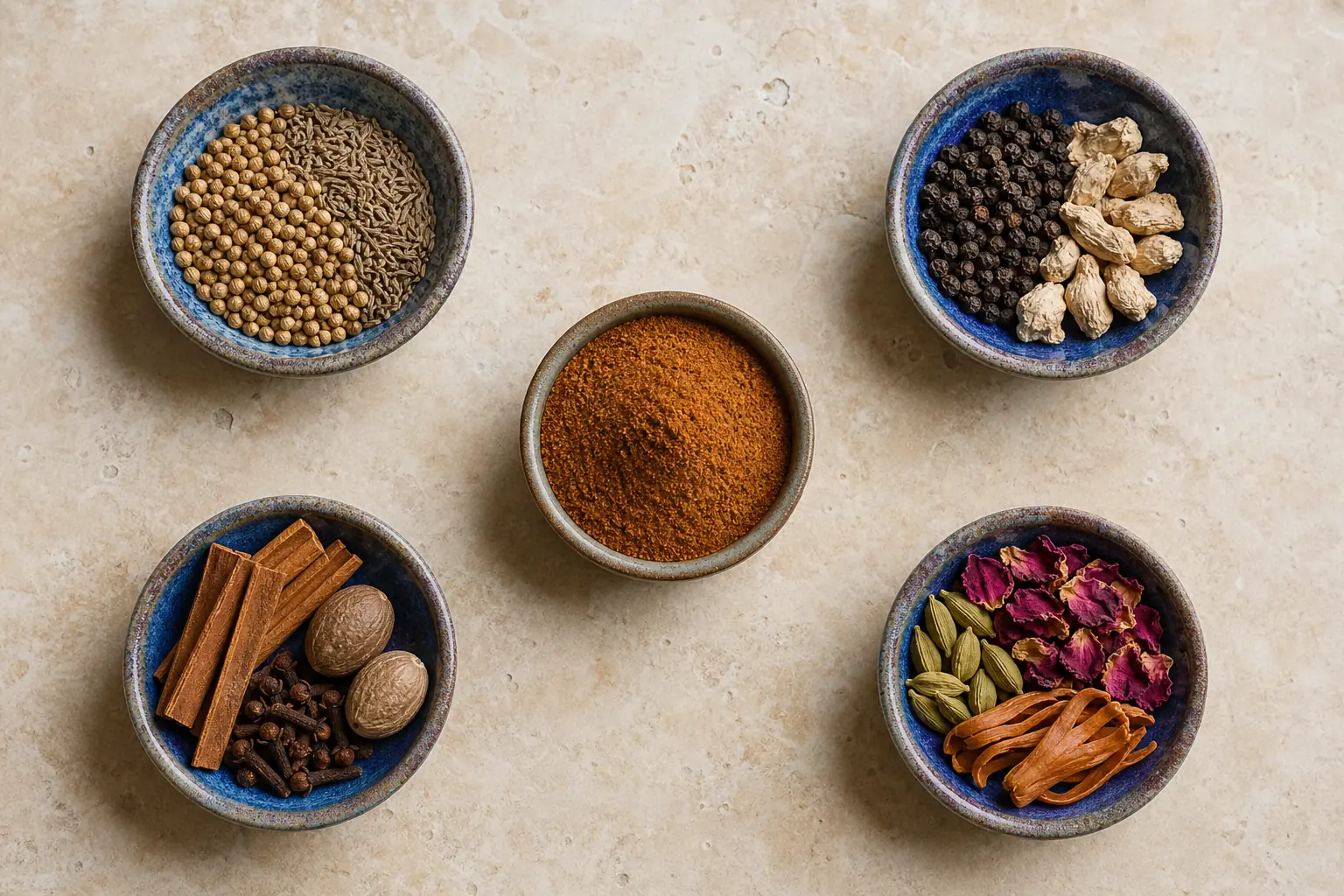
- Earthy seeds give the blend its savory base.
- Sweet bark and warm spices add roundness.
- Floral spices change the dose faster than cumin does.
Which spices are in ras el hanout?
Most jars start with a warm savory base. Earthy cumin, ground coriander, ginger, pepper, and turmeric keep the blend grounded.
That base is why ras el hanout can season legumes without tasting like baking spice.
Ground turmeric can make a jar look yellow, but color does not tell the whole story. Smell still gives the better clue.
Sweet spices move the blend toward braises and sauces. Cinnamon, clove, nutmeg, mace, and allspice need salt, fat, or onion to stay savory.
They become pushy in a lean pan, especially when the food has no sauce to carry them.
Lift comes from floral cardamom, rose petals, grains of paradise, or other aromatic extras. These notes fade first and take over fastest.
Chile, paprika, and black pepper decide the bite. A hot jar needs less extra pepper than a round, sweet jar.
Taste the cooked sauce before adding chile because heat grows as liquid reduces.
- Earthy base: cumin, coriander, turmeric, and ginger help the blend work in legumes, rice, and carrots.
- Sweet depth: cinnamon, clove, nutmeg, and mace fit slow meat, onion, and dried fruit.
- Floral lift: cardamom, rose, and similar notes suit moist dishes better than direct high heat.
- Peppery edge: black pepper, chile, paprika, or grains of paradise add bite without making every jar hot.
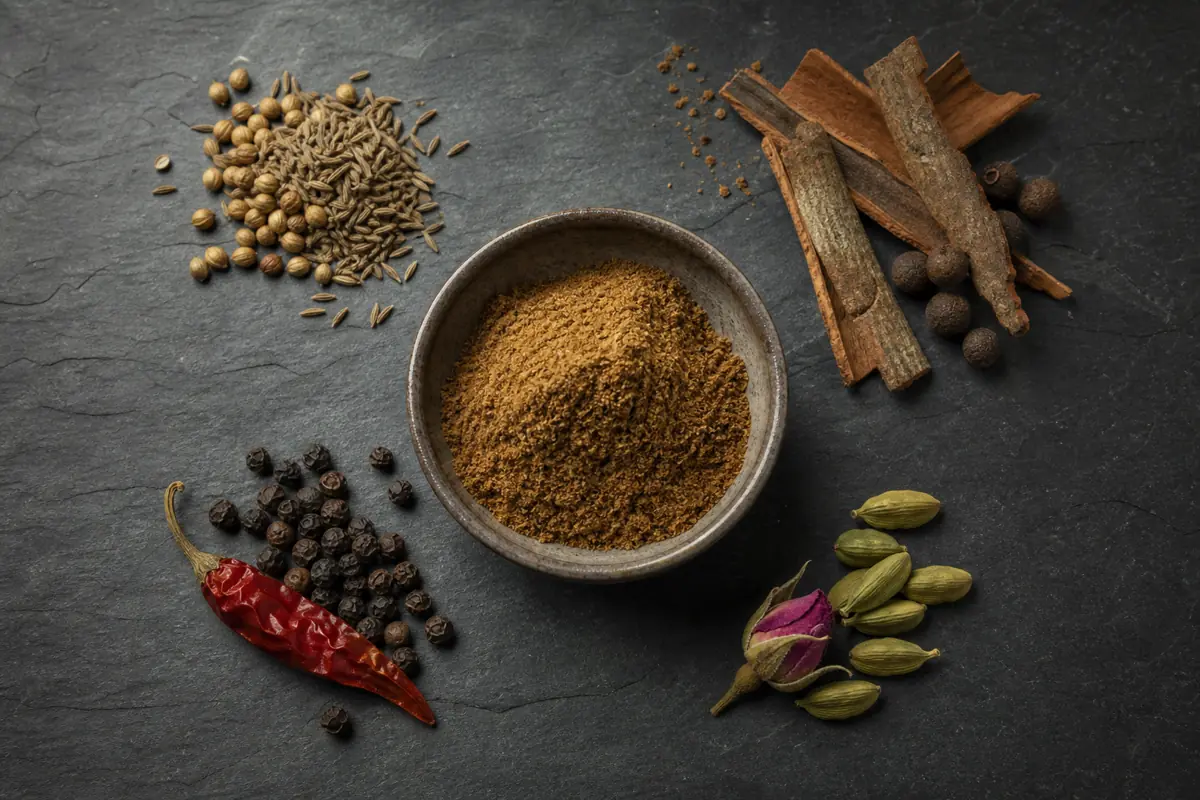
- Earthy: Cumin and coriander keep the blend grounded.
- Sweet: Cinnamon and allspice push it toward rich braises.
- Peppery: Black pepper and chile decide the bite.
- Floral: Cardamom and rose provide fragile high notes.
This ingredient spread is why two good jars can taste unlike each other. The label is not trivia because it tells you how to cook.
What foods go well with ras el hanout?
Ras el hanout works best when heat, fat, steam, or sauce can carry it through the food. Dry sprinkling wastes its layered aroma.
It needs a carrier, which is why braises and sauced vegetables are safer than a bare grilled chop.
Tagines are the classic fit because onions, meat, vegetables, and liquid give the blend time to round out. Lamb and chicken both carry it well.
Carrots, squash, chickpeas, lentils, couscous, and rice also make sense. Their mild sweetness gives warm spices somewhere to land.
Start with 1 teaspoon per pound of meat or vegetables. Use half that amount if the jar smells like clove, rose, or cardamom first.
You can always add more after simmering, but you cannot pull perfume out of a finished pot.
This is not the same use case as herb-sesame zaatar. Zaatar often finishes food, while ras el hanout usually cooks into it.
| Food | Starting amount | Why it works |
|---|---|---|
| Lamb or beef stew | 1 teaspoon per pound | Fat and long cooking soften the sweet spices |
| Chicken tagine | 3/4 teaspoon per pound | Gentler meat lets pepper and ginger show |
| Carrots or squash | 1 teaspoon per pound | Natural sweetness echoes cinnamon and ginger |
| Chickpeas or lentils | 1 teaspoon per 3 cups cooked | Earthy legumes can carry cumin and coriander |
| Couscous or rice | 1/2 teaspoon per 2 cups cooked | A small amount perfumes the grain without dustiness |
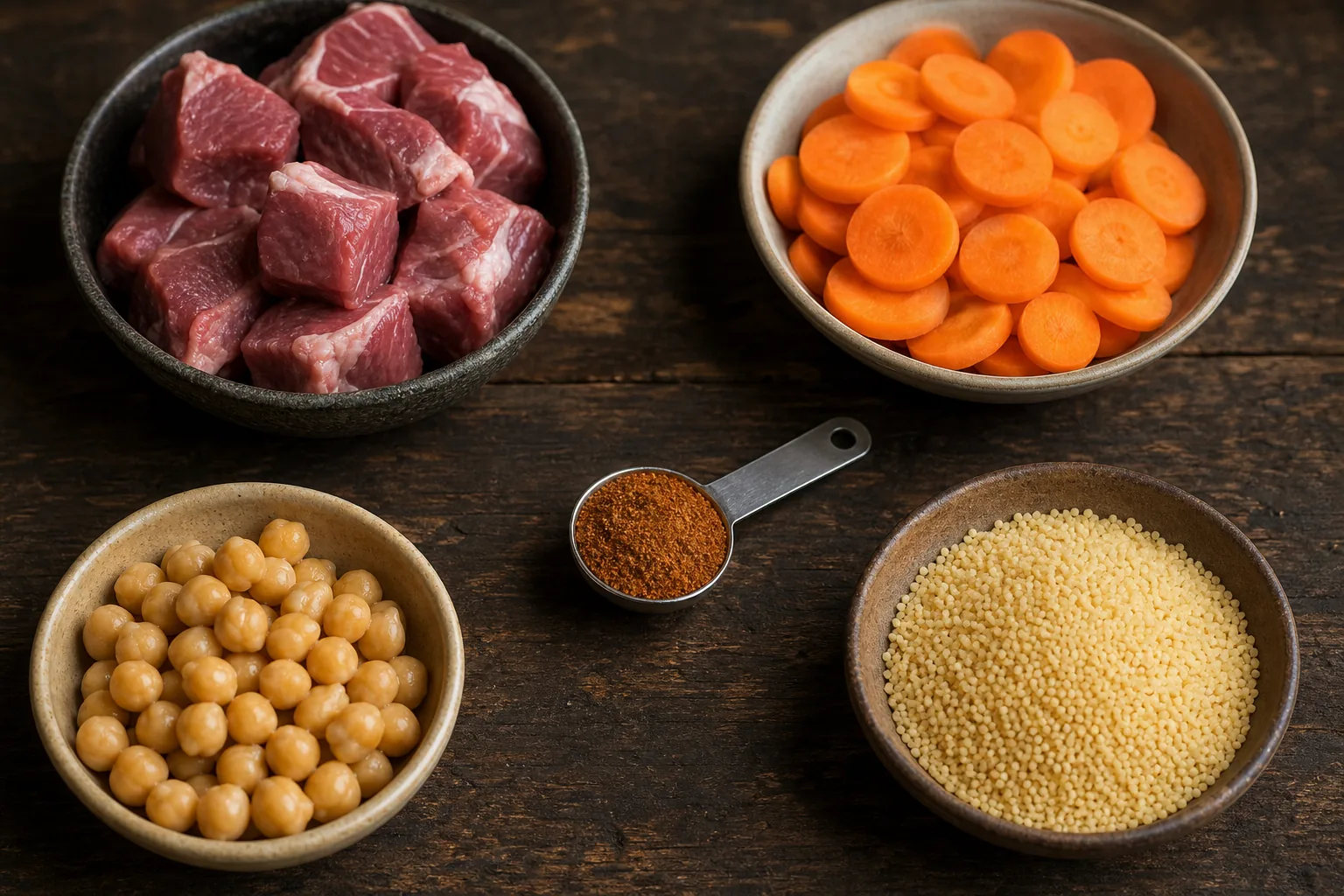
- Richer food can handle a fuller spoon.
- Grains need a lighter hand.
- Sweet vegetables need salt and acid for balance.
When should you add ras el hanout?
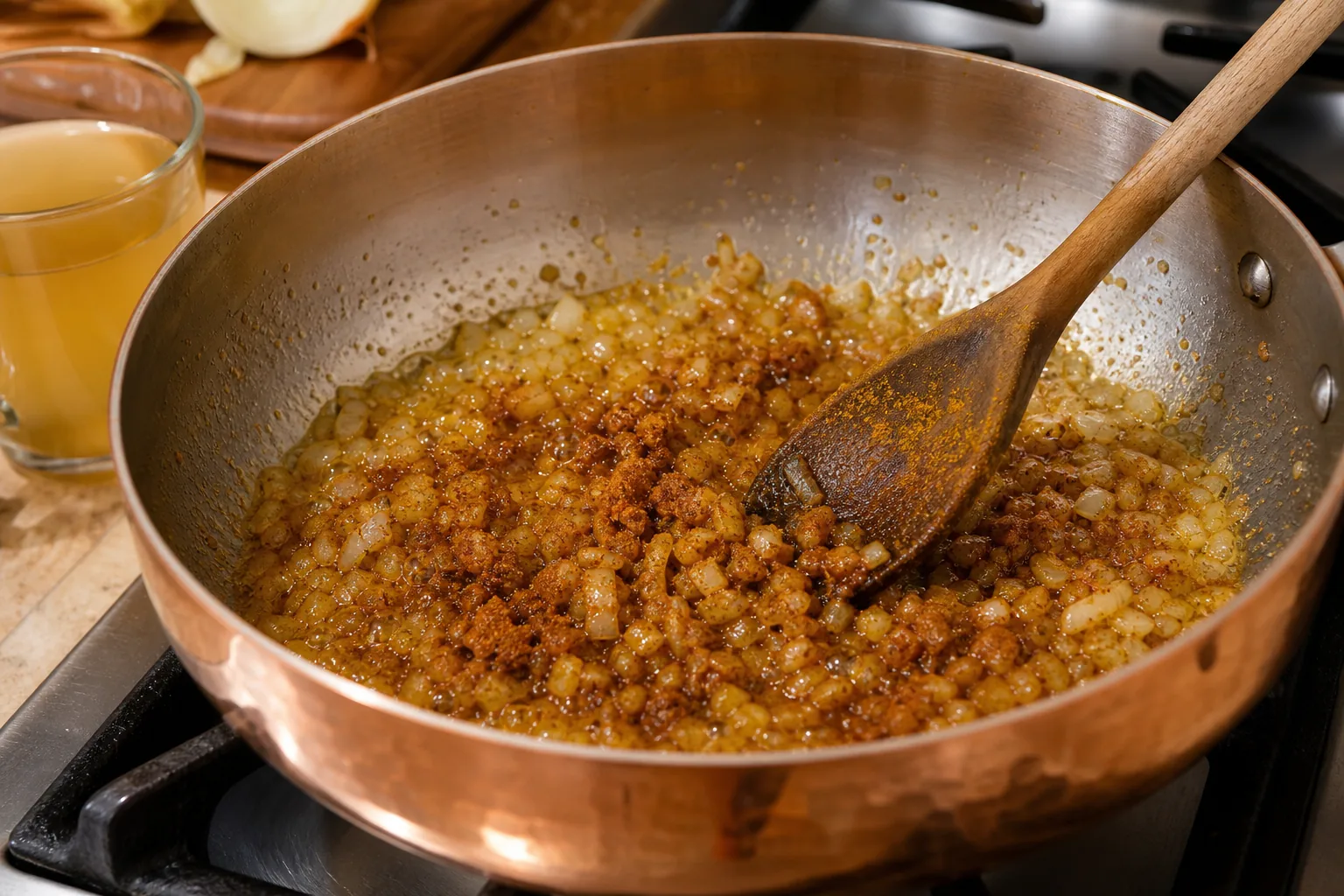
Raw ras el hanout can taste dusty on finished food. Give the powder brief contact with oil, onions, meat juices, or tomato paste.
Thirty to sixty seconds in warm fat is usually enough. Stir constantly because fine ground cinnamon, paprika, and ginger can scorch quickly.
The powder should darken only slightly, not turn bitter brown on the bottom of the pan.
After the aroma blooms, add broth, tomatoes, vegetables, or meat juices. Liquid stops the spices from burning and lets the flavor spread.
The same rule guides blooming spices in oil. Ras el hanout needs heat to wake up, then moisture to settle down.
That order gives a rounder sauce because the spices dissolve into fat before liquid thins them out.
If you add it late, mix it with warm fat or sauce first. Tossing dry powder into couscous leaves bitter pockets.
For grilled meat, make a loose paste with oil, salt, and a little lemon. Wipe off excess before high heat so the sweet spices do not burn.
- Keep the heat moderate.
- Stir until the spice smells warm.
- Add liquid before the mixture darkens too far.
What can you use instead of ras el hanout?
A good substitute starts with the dish, not with a perfect ingredient list. Replace the dominant direction you need first.
For a stew, mix cumin, coriander, ginger, cinnamon, black pepper, and a tiny pinch of clove. Add turmeric if color matters.
Leave out rose unless the dish is moist because floral notes need sauce to soften them.
A baharat blend can stand in when the dish needs peppery warmth. It will usually taste less floral and less sweet.
Garam masala works in roasted vegetables, lamb, and chickpeas. It shifts the dish toward South Asian warmth, so use a little less.
Curry powder is a rough backup only when turmeric and coriander fit the dish. It will not give the same Moroccan profile.
Use it only when the recipe can handle yellow color and a more turmeric-forward flavor.
Do not chase a thirty-spice copy when dinner needs a practical substitute. Match earthiness, sweetness, or floral lift first.
| Need in the dish | Best backup | Adjustment |
|---|---|---|
| Earthy warmth | Cumin, coriander, ginger, black pepper | Add a pinch of cinnamon for roundness |
| Sweet depth | Garam masala | Use less if it smells clove-heavy |
| Peppery savory heat | Baharat | Add cinnamon only if the dish needs sweetness |
| Yellow color and mild warmth | Curry powder | Add cumin and skip extra turmeric |
| Floral lift | Cardamom plus a tiny pinch of cinnamon | Use very little and taste first |
How should you buy and store ras el hanout?
Buy small amounts unless you cook North African food often. Ground blends lose their high notes before most large jars are empty.
Choose a jar that lists spices clearly. A label that only says spices gives you no clue about heat, sweetness, or floral strength.
Clear labels make the blend easier to dose because you can spot clove, chile, rose, or turmeric before cooking.
Smell for layers before you judge freshness. You should notice savory earthiness, warm sweetness, and some lift instead of plain dusty cinnamon.
Store it away from steam, light, and the stove. The same freshness rules that apply to whole versus ground spices matter more here.
Heat flattens the top notes first, so the jar may still look fine while its aroma is already gone.
If an older jar still has some earthy base, use it in a long stew and support it with fresh ginger or cumin. Do not use it for couscous.
- Earthy jar: use within six months for the best cumin and coriander aroma.
- Floral jar: use sooner because cardamom and rose fade quickly.
- Hot jar: keep it tightly sealed so pepper and chile do not turn flat.
- Dusty jar: replace it if warmth is gone before it touches the pan.
Do not save a stale jar for guests. Ras el hanout depends on aroma, so age removes the part you bought it for.
How do you fix too much or flat ras el hanout?
Most ras el hanout problems come from mismatch, heat, or age. Fix the dish by naming the problem before adding more spice.
If the dish tastes perfumed, stop adding the blend. Add salt, lemon, yogurt, broth, or more base food to spread the floral note.
Do not fight perfume with more warm spice because cinnamon and clove can make the problem louder.
If it tastes bitter, the spice probably scorched or too much clove landed in one spot. Add liquid and simmer gently before judging again.
If the dish tastes flat, add salt and a little acid before more powder. Under-seasoned food often makes the blend seem weak.
Fresh lemon can wake it up faster than another spoonful, especially in chickpeas, carrots, or couscous.
If the dish tastes sweet, add pepper, preserved lemon, vinegar, or tomato. Those sharper notes pull the blend back toward savory food.
| What happened | Likely cause | Best fix |
|---|---|---|
| Perfumed taste | Too much floral spice | Add yogurt, broth, or more base food |
| Bitter edge | Scorched powder or heavy clove | Add liquid and lower the heat |
| Dusty finish | Added too late or stale jar | Bloom fresh spice in fat next time |
| Too sweet | Cinnamon or nutmeg leads | Add salt, acid, pepper, or tomato |
| Not enough flavor | Old blend or too much liquid | Reduce sauce before adding a small fresh pinch |
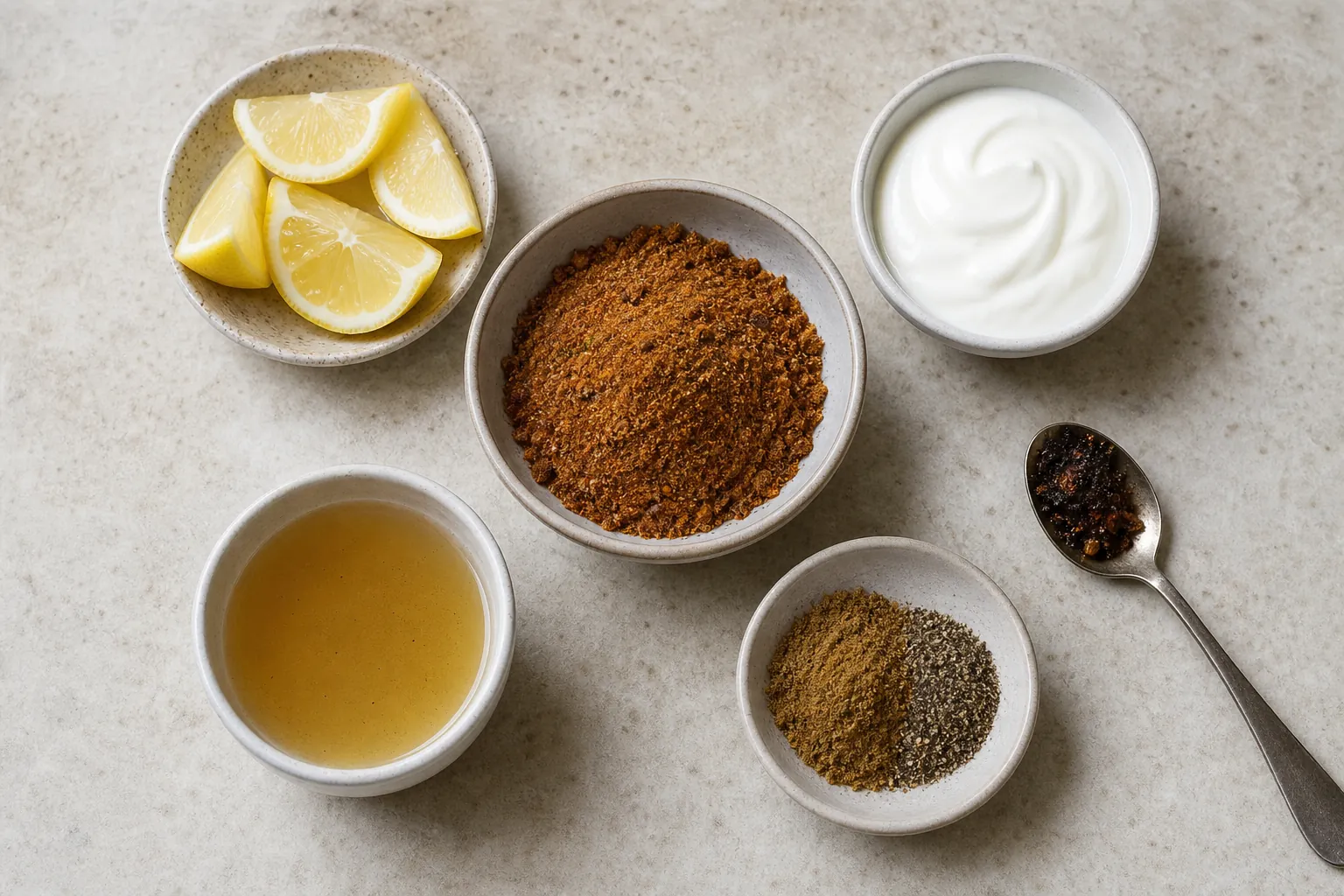
- Acid cuts sweetness and dustiness.
- Yogurt softens floral strength.
- Broth spreads a heavy spoonful.