
What Can Replace Ras el Hanout in Tagines and Rubs?
Match the missing jar's earthy, peppery, sweet, or floral lead before choosing another warm blend.
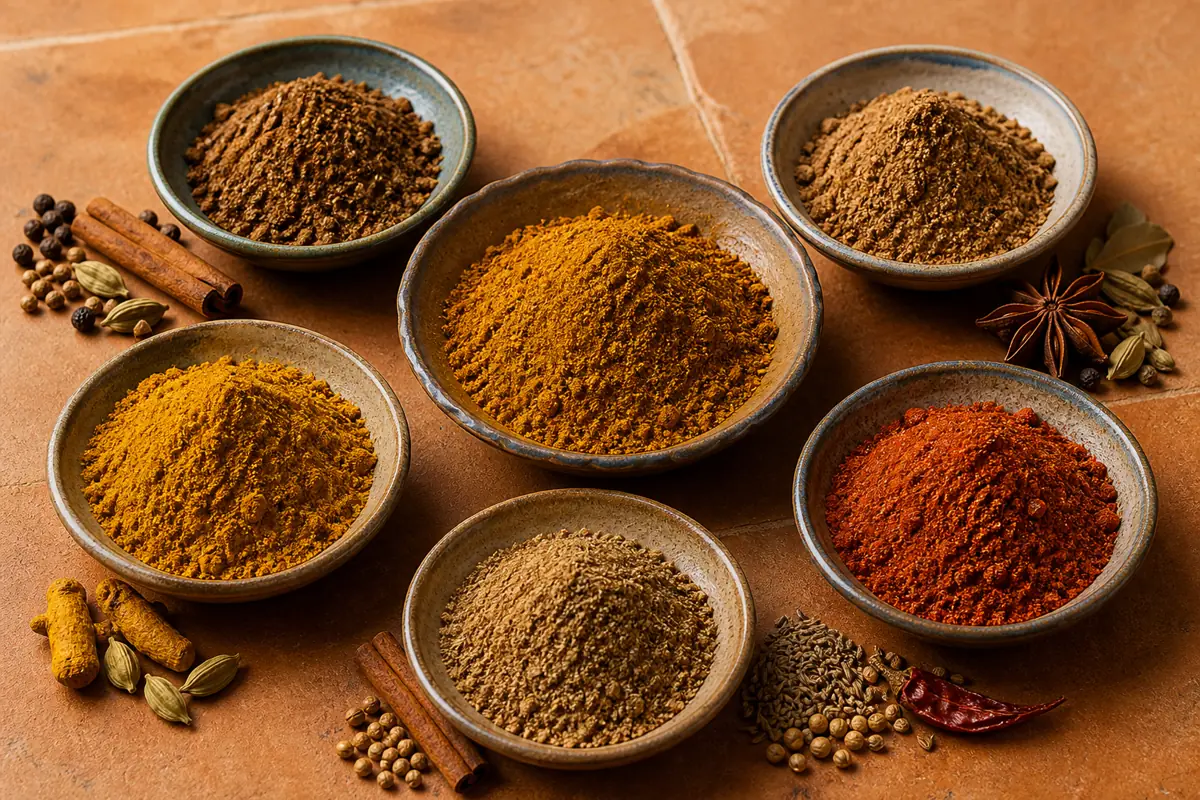
A 2:2:1:1:1 mixture of cumin, coriander, ginger, cinnamon, and black pepper is the most controllable ras el hanout substitute and works at 1:1. Baharat, garam masala, curry powder, and a cardamom-cinnamon blend each need a smaller ratio and a dish that accepts their dominant note.
5 Ras el Hanout Substitutes Chosen by Aroma
A quick blend of cumin, coriander, ginger, cinnamon, and black pepper is the most controllable ras el hanout substitute.
Use it at the same volume, then choose baharat, garam masala, curry powder, or a small cardamom-cinnamon blend only when that direction fits the missing jar and the dish.
Ras el hanout has no single formula, so smell the original jar or read its ingredient list if either is available. An earthy cumin-led mixture and a floral cardamom-led mixture should not receive the same emergency replacement.
These five numbered options separate a controllable homemade base from prepared blends and a narrow floral substitute.
| Number | Substitute | Starting ratio | Best use |
|---|---|---|---|
| 1 | Cumin-coriander DIY base | 1:1 by volume | Tagine, chickpeas, lamb |
| 2 | Baharat | 3/4 tsp per 1 tsp | Meat, tomato, rice |
| 3 | Garam masala | 1/2 to 3/4 tsp per 1 tsp | Vegetables, lamb, chickpeas |
| 4 | Curry powder | 1/2 tsp per 1 tsp | Chicken, lentils, vegetables |
| 5 | Cardamom and cinnamon | 1/4 tsp per 1 tsp | Fruit tagine, couscous |
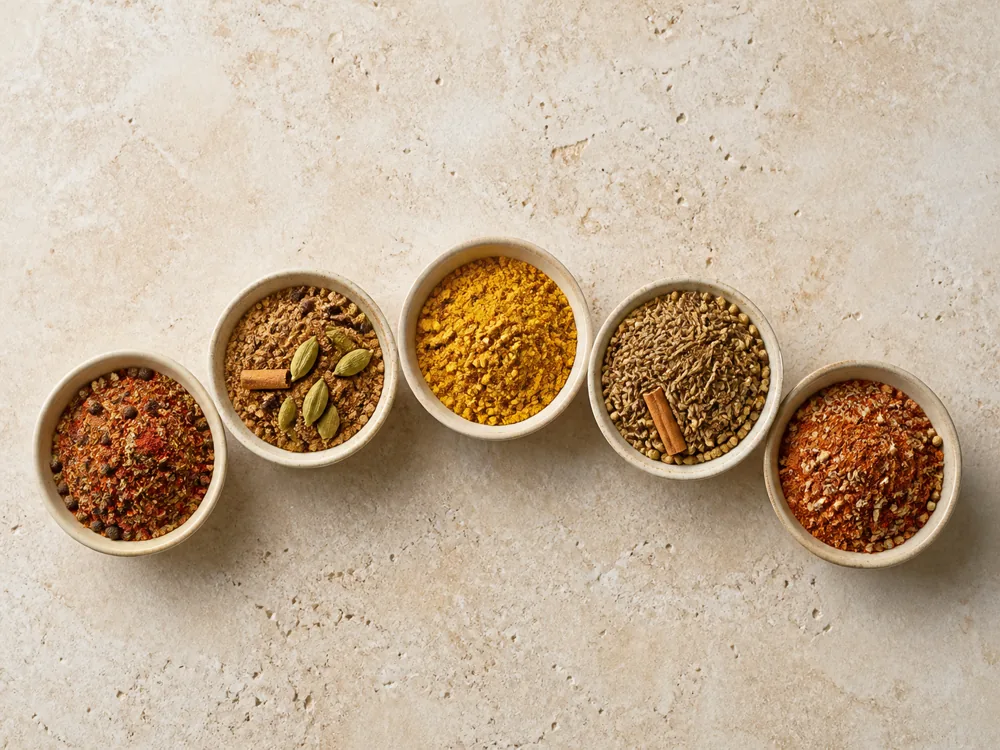
- DIY base: Earthy and adjustable.
- Baharat: Peppery and savory.
- Garam masala: Sweet and warming.
- Curry powder: Turmeric-led and yellow.
- Cardamom-cinnamon: Floral and intentionally small.
1. Cumin, Coriander, Ginger, Cinnamon, and Black Pepper
Mix 2 parts ground cumin, 2 parts ground coriander, 1 part ground ginger, 1 part cinnamon, and 1 part black pepper. Use the mixture at a 1:1 ratio for ras el hanout.
This formula supplies an earthy base, citrus lift, warm root spice, sweetness, and pepper without forcing clove or floral ingredients into the food. It works in lamb or chicken tagine, chickpeas, carrots, couscous, and tomato-rich braises.
Bloom the measured mixture for 30 to 60 seconds in warm fat or softened onion, then add liquid before the fine spices darken. Ground cinnamon and ginger can scorch while cumin still smells underdeveloped.
Do not add rose, clove, nutmeg, or turmeric merely because some ras el hanout formulas contain them.
Add one only when the missing jar or the recipe clearly needs that note.
2. Baharat
Use 3/4 teaspoon baharat for every 1 teaspoon ras el hanout. Reduce black pepper already present in the recipe because many baharat blends carry a stronger pepper base.
Baharat suits lamb, beef, tomato sauce, rice, and a savory braise. It usually tastes less floral and less sweet than ras el hanout, with black pepper, allspice, cumin, and cinnamon making a direct warm structure.
Bloom it briefly in the same way as the missing blend. Smell the jar first because formulas vary, and a clove-heavy baharat needs a smaller first dose on lean meat or dry vegetables.
Do not correct the missing sweetness by adding sugar.
A pinch of cinnamon may fit a moist braise, but sugar changes browning and sauce balance without recreating spice aroma.
3. Garam Masala
Use 1/2 to 3/4 teaspoon garam masala for every 1 teaspoon ras el hanout. Begin at half volume when clove, cardamom, or cinnamon leads the aroma.
Garam masala works with roasted carrots, squash, chickpeas, lamb, and rich onion-based sauces. It moves the dish toward South Asian sweet warmth and usually lacks the peppery, floral range of a Moroccan shop blend.
Check the recipe's timing because some garam masala formulas are designed for a late addition. In a tagine, bloom a small portion early and reserve none for the end unless the food can carry its recognizable perfume.
Avoid a full-volume swap in a dry rub or delicate vegetable.
Exposed clove and cardamom concentrate under dry heat and can make the surface taste medicinal before the center is seasoned.
4. Curry Powder
Use 1/2 teaspoon curry powder for every 1 teaspoon ras el hanout. Choose it for chicken, lentils, chickpeas, or vegetables where turmeric color and a coriander-led blend will not conflict with the dish.
Curry powder supplies earthiness and warm spice, but it usually turns the food yellow and may add fenugreek, mustard, or chile. Those changes remain visible even when the quantity is controlled.
Bloom it in oil or onion before liquid enters so turmeric and coriander lose their raw dusty edge. Reduce turmeric already listed in the recipe rather than allowing the substitute to duplicate it.
Do not use curry powder for a pale couscous, floral fruit tagine, or dry lamb seasoning that should stay brown and peppery.
The yellow color cannot be corrected once it spreads through fat and sauce.
5. Green Cardamom and Cinnamon
Mix 2 parts cinnamon with 1 part ground green cardamom and use 1/4 teaspoon blend for every 1 teaspoon ras el hanout. This is a targeted floral-sweet replacement, not a complete general blend.
Use it in apricot or prune tagine, sweet-savory couscous, roasted carrots with fruit, and a braise where cumin and pepper already come from other ingredients. Cinnamon supplies round warmth while cardamom supplies high floral citrus.
Add the blend into moist food so its small quantity disperses. A dry patch of cardamom on roasted food can taste like eucalyptus, and cinnamon powder can catch on a hot surface.
Do not use this mixture when ras el hanout provided the earthy base of the recipe.
It lacks cumin, coriander, ginger, and pepper, so a larger dose only makes the dish sweeter and more perfumed.
Smell the Missing Jar Before Choosing a Blend
An earthy jar led by cumin and coriander needs the DIY base or baharat. A sweet jar led by cinnamon, clove, or nutmeg can accept a restrained garam masala, while a floral jar needs the smallest cardamom-cinnamon dose.
Read ingredients from first to last because packaged labels list them by weight. Cumin appearing first tells you more than a decorative rose petal pictured on the front.
Use the DIY cumin-coriander base at one-to-one.
Use baharat at three quarters and reduce other pepper.
Use garam masala at one half to three quarters.
Use curry powder only when yellow color belongs.
Use cardamom-cinnamon at one quarter volume.
Smell the substitute beside the original jar when possible rather than comparing ingredient counts. One strong clove or cardamom note can outweigh five quiet ingredients listed around it.
If no original jar remains, use the dish as evidence. Lamb and tomato can carry peppery baharat, a fruit tagine can carry the floral option, and chickpeas or carrots usually tolerate the earthy DIY base.
Do not make a ten-spice emergency mix for a recipe that needs two teaspoons.
A shorter blend is easier to correct and less likely to duplicate spices already present in the food.
Tagines Need Warmth That Can Sit in Liquid
Moist tagines and braises soften cinnamon, cardamom, and pepper while giving ground spices time to disperse. The DIY base, baharat, and restrained garam masala therefore work better in liquid than on an exposed dry surface.
Cook onion until it begins to soften, add the substitute to warm fat, and stir until the aroma rises. Add tomato, broth, or another recipe liquid before the spice layer turns dark brown.
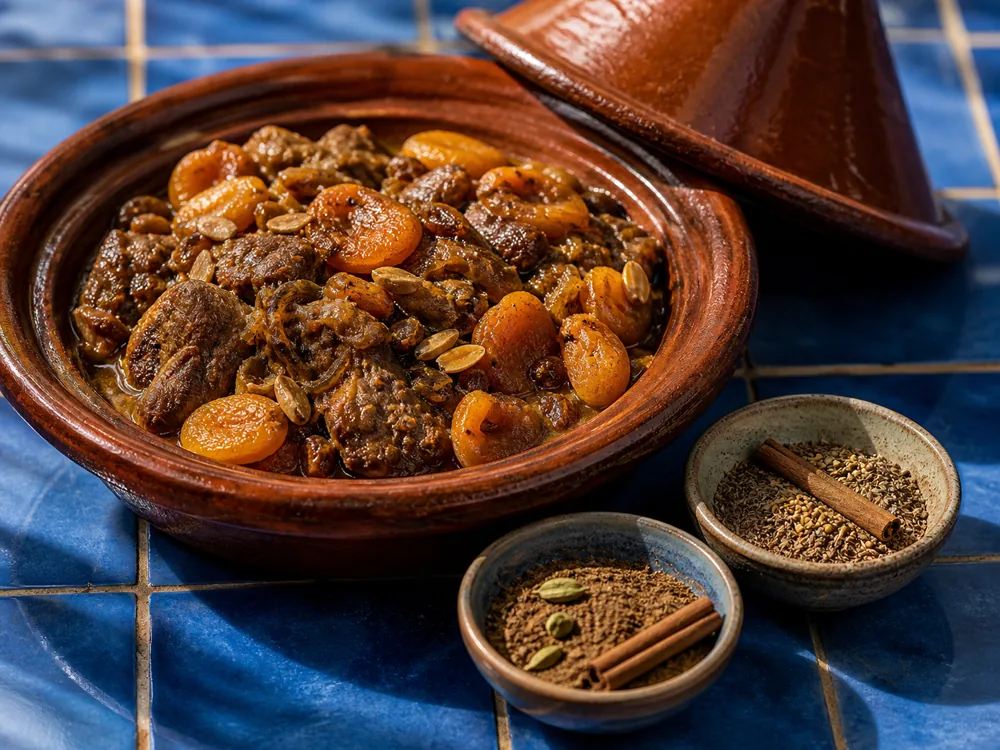
- Warm fat: Release aroma without smoking.
- Soft onion: Protect fine powder from direct pan heat.
- Add liquid: Stop browning after 30 to 60 seconds.
- Taste later: Judge clove and cardamom after the sauce reduces.
- Use the DIY base for an earthy neutral start.
- Choose baharat when pepper suits meat and tomato.
- Choose garam masala only when sweet warmth fits the sauce.
- Reduce turmeric when curry powder supplies it.
- Wait until reduction before increasing any blend.
Long reduction concentrates the substitute as water leaves. Season below the final target early, then judge the sauce close to serving rather than filling a thin broth with the full finishing dose.
Dried fruit can make cinnamon and cardamom feel sweeter without any added sugar.
Use the lower ratio in prune, apricot, date, or raisin tagines and let fruit supply its intended sweetness.
Dry Rubs Expose Sweet and Floral Spices
Baharat is the safest prepared-blend substitute for a savory dry rub because its pepper and allspice structure handles meat better than a cardamom-heavy mixture. Begin at three quarters volume and reduce black pepper elsewhere.
The DIY base also works when mixed with oil into a loose paste. Oil improves adhesion and protects fine ginger and cinnamon from the harshest direct heat.
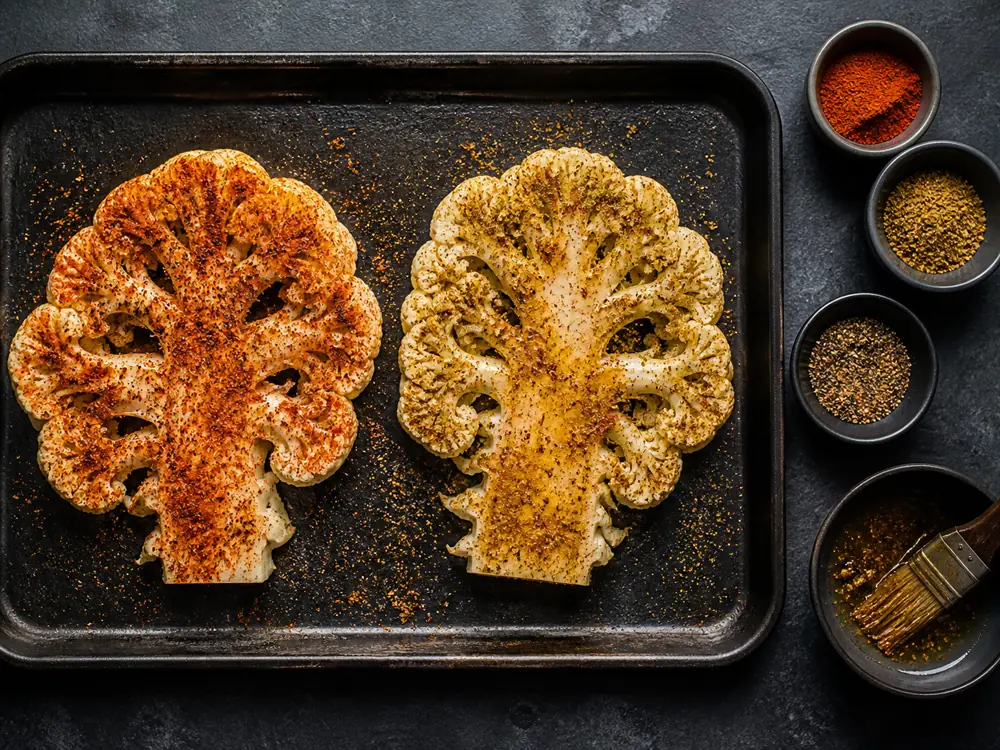
- Thin coating: Season the surface without building powder ridges.
- Moderate heat: Protect cinnamon and ginger.
- Baharat: Reduce duplicate pepper.
- Clove-heavy blend: Use less or keep it in moist cooking.
Curry powder is the weakest choice for a dry Moroccan-style rub because turmeric color and fenugreek aroma become more visible. Use it only when the recipe already accepts those ingredients and the result can become a deliberate variation.
Wipe away thick seasoning clumps before grilling.
A heavier layer does not penetrate farther into meat and only creates burnt spice on the outside.
Tagine and roast choices should not share one automatic blend.
Warm cinnamon and cardamom can settle into braising liquid, while a dry roast often needs more cumin, coriander, paprika, and pepper with less floral spice. Label reading matters with commercial blends because salt, sugar, chile, and turmeric change both the ratio and the correction you may need.
Correct Color, Sweetness, and Pepper After the Swap
Identify which part of the substitute changed the dish before adding anything else. Yellow color points to turmeric, extra bite points to pepper, a medicinal sweetness points to clove, and a high perfume points to cardamom.
Turmeric color cannot be removed, so extend the uncolored sauce or accept the visual change. Acid and salt may improve flavor balance but do not turn yellow food brown again.
If baharat makes the dish too peppery, stop adding black pepper and increase the unsalted base.
If garam masala tastes clove-heavy, dilution is cleaner than adding more cumin, cinnamon, or sugar.
- Too yellow: Extend the uncolored base and reduce curry powder next time.
- Too peppery: Stop duplicate pepper and dilute the sauce.
- Too clove-heavy: Add unseasoned food, not sweetness.
- Too floral: Dilute cardamom and avoid a late spice finish.
- Too dusty: Give the powder warm fat, moisture, and time.
- Too weak: Wait until the sauce reduces before adding more.
Change one variable, let it spread, and taste again. Adding another full blend makes it impossible to know whether cumin, clove, pepper, turmeric, or cardamom now controls the result.
Omit a background pinch when every available blend conflicts with the dish. A forced curry-powder or cardamom direction can change more than the absence of a small amount of ras el hanout.