
Which Cumin Substitute Fits the Cuisine and Cooking Form?
Replace cumin by matching earthy depth, smoke, blend context, and whole-seed behavior to the dish.
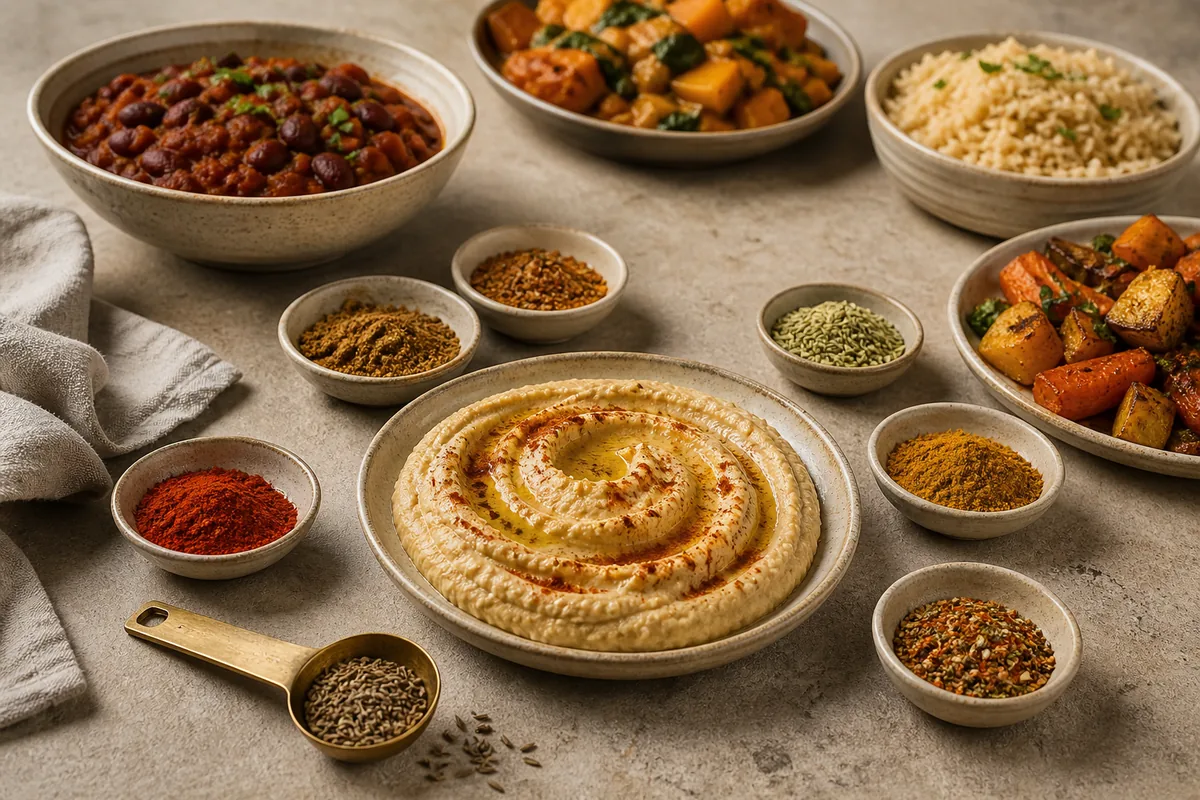
For ground cumin, begin with one-half teaspoon coriander and one-quarter teaspoon smoked paprika per teaspoon cumin. Garam masala, taco seasoning, curry powder, and fennel seeds work in narrower Indian, Tex-Mex, curry, or whole-seed situations, and each changes more than cumin alone.
Five Cumin Substitutes by Cuisine and Cooking Form
Cumin provides a dry earthy base, a warm smoky-nutty impression, and a distinctive aroma associated with cuminaldehyde. No common pantry spice duplicates all three, so the strongest replacement combines coriander for body with smoked paprika for restrained smoke.
Blends can work when their wider flavor belongs in the food. Garam masala suits Indian dishes, taco seasoning suits Tex-Mex food, curry powder suits a broad curry direction, and fennel seeds preserve whole-seed behavior at the cost of anise sweetness.
| Number | Substitute | Starting ratio for 1 tsp cumin | Best use | Main change |
|---|---|---|---|---|
| 1 | Coriander and smoked paprika | 1/2 tsp + 1/4 tsp | Hummus, beans, rubs, lentils | Brighter and smokier |
| 2 | Garam masala | 1/2 tsp | Dal, curry, biryani, vegetables | Adds several warm spices |
| 3 | Taco seasoning | 1 tsp | Tacos, chili, burritos, fajitas | Adds salt, chile, herbs |
| 4 | Curry powder | 3/4 tsp | Lentil soup, curry, chickpeas, chicken | Yellower and broader |
| 5 | Fennel seeds | 1/3 tsp | Rice, bread, cabbage, tempering | Sweeter and anise-like |
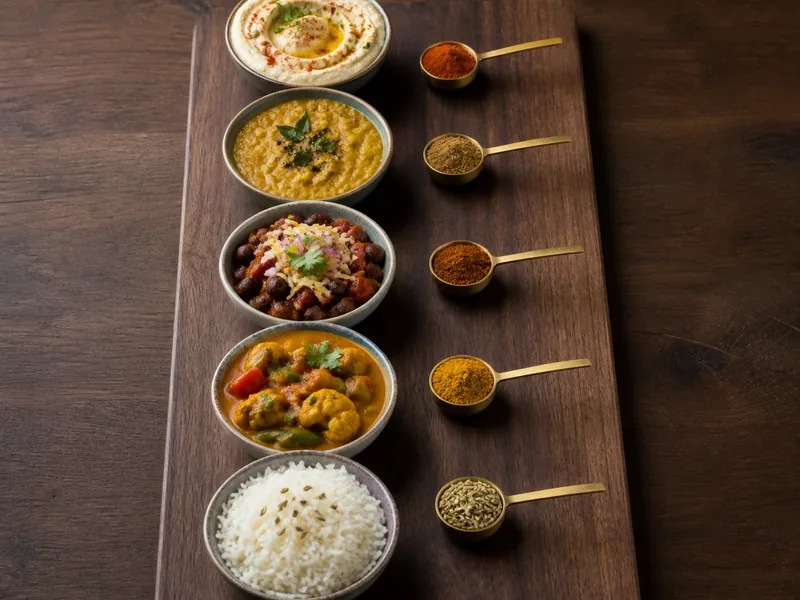
- Coriander and paprika: Salt-free ground rebuild.
- Garam masala: Indian blend context.
- Taco seasoning: Tex-Mex shortcut.
- Curry powder: Broad curry direction.
- Fennel: Whole-seed behavior.
1. Coriander and Smoked Paprika
For each teaspoon ground cumin, combine half a teaspoon ground coriander with one-quarter teaspoon smoked paprika.
Use the mixture in hummus, bean stew, lentils, roasted vegetables, or a meat rub where the food can accept a little smoke.
Coriander supplies warm body but leans brighter and more citrusy. Smoked paprika supplies color and smoke, yet neither provides the musky cumin aroma that makes jeera rice or a cumin-heavy rub immediately recognizable.
Add more coriander before increasing the smoked paprika. Excess smoke is harder to hide than a slightly light earthy base, especially in hummus or a pale sauce.
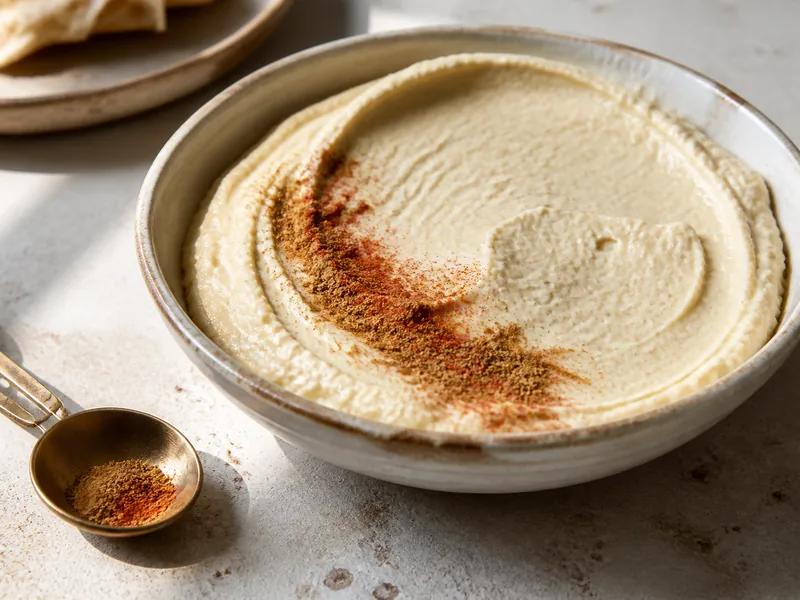
- Coriander: Main warm body.
- Paprika: Smaller smoke dose.
- Pale base: Reveals excess quickly.
Warm body with a lighter citrus edge.
Color and a controlled toasted-smoke impression.
Dry bite without increasing smoke.
2. Garam Masala
Begin with one-half teaspoon garam masala for one teaspoon cumin in dal, curry, biryani, or spiced vegetables.
Many formulas contain cumin and coriander, but they also add cardamom, cinnamon, clove, pepper, or other aromatic ingredients.
This option preserves a coherent Indian flavor direction rather than cumin alone. It can make a simple lentil dish broader and more perfumed, and it will be obviously wrong in hummus, taco filling, or a restrained Mexican bean dish.
Reduce warm spices already present and add garam masala near the end.
A long boil drives off its top notes and leaves a flatter background warmth.
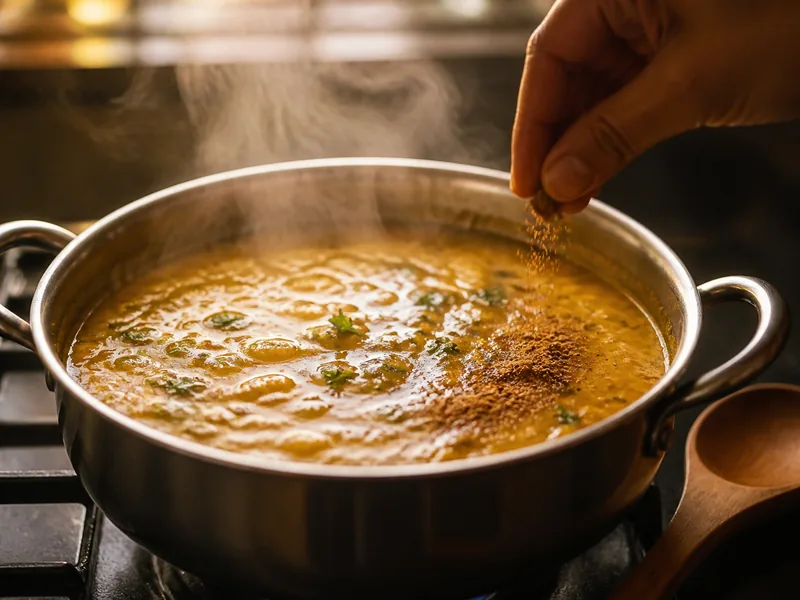
- Finished dal: Moist landing point.
- Small pinch: Broad blend stays controlled.
- Short rest: Aroma disperses before tasting.
3. Taco Seasoning
Use one teaspoon taco seasoning for one teaspoon cumin in tacos, chili, burrito filling, or fajita vegetables. The one-to-one start is practical because the blend is usually milder in cumin concentration, though brand formulas vary.
The tradeoff is everything else in the packet. Chile, oregano, garlic, salt, sugar, or starch can alter heat, sodium, and sauce thickness while the cook is only trying to restore earthiness.
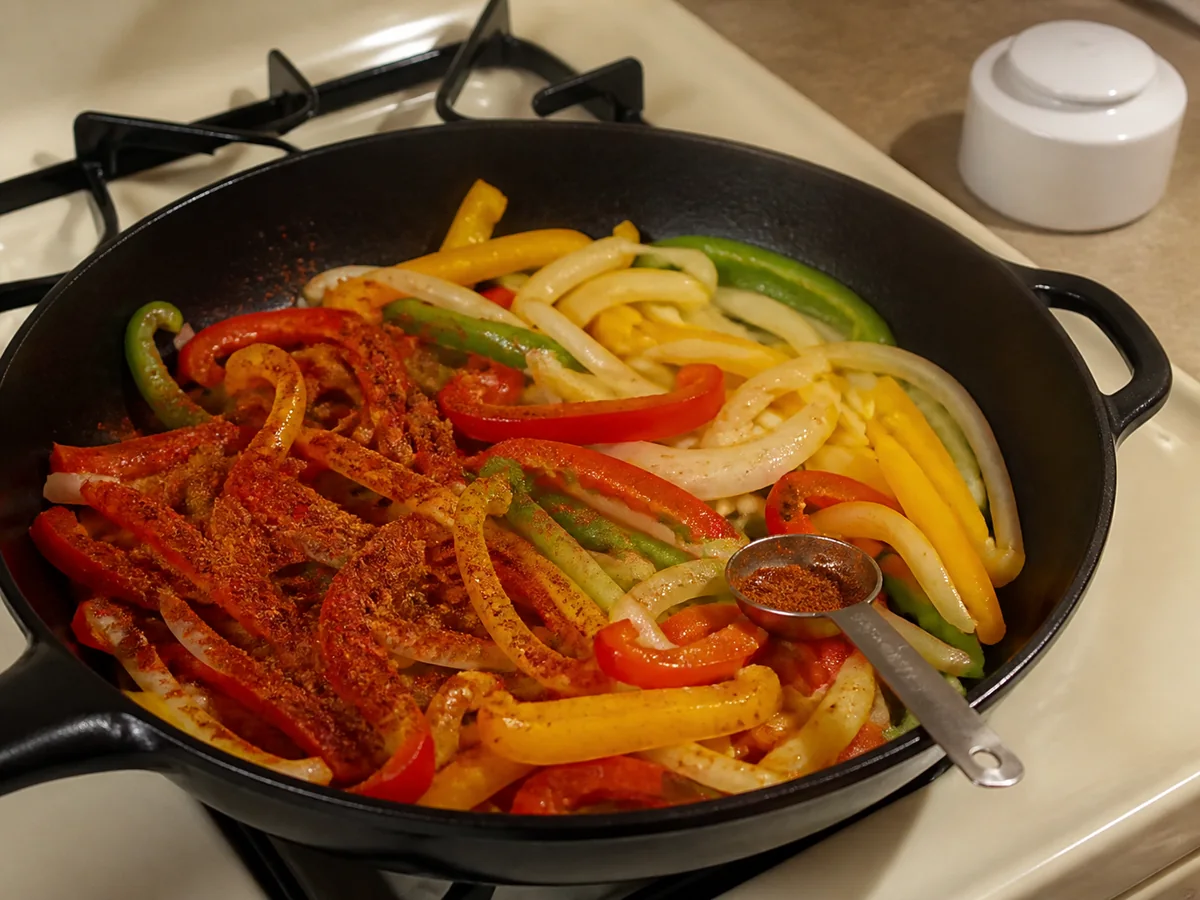
- Seasoned portion: Redder vegetables show where the blend has been added.
- Unseasoned portion: Plain vegetables leave room to correct an assertive packet.
- Small measure: Add more only after the vegetables cook and release moisture.
- Closed salt cellar: Wait to adjust sodium until the blend has been tasted.
Taco seasoning is useful only where its wider profile belongs. It should not be carried into dal or hummus simply because cumin appears on the ingredient label.
4. Curry Powder
Use three-quarter teaspoon curry powder for one teaspoon cumin in lentil soup, chickpeas, vegetable curry, or braised chicken. Many blends contain cumin and coriander, so they can recover earthy body while adding turmeric, fenugreek, chile, and other spices.
The food will become more yellow and taste like a broader curry mixture.
That is a reasonable adaptation when the recipe already has that direction, but it changes a cumin-specific dish instead of quietly repairing it.
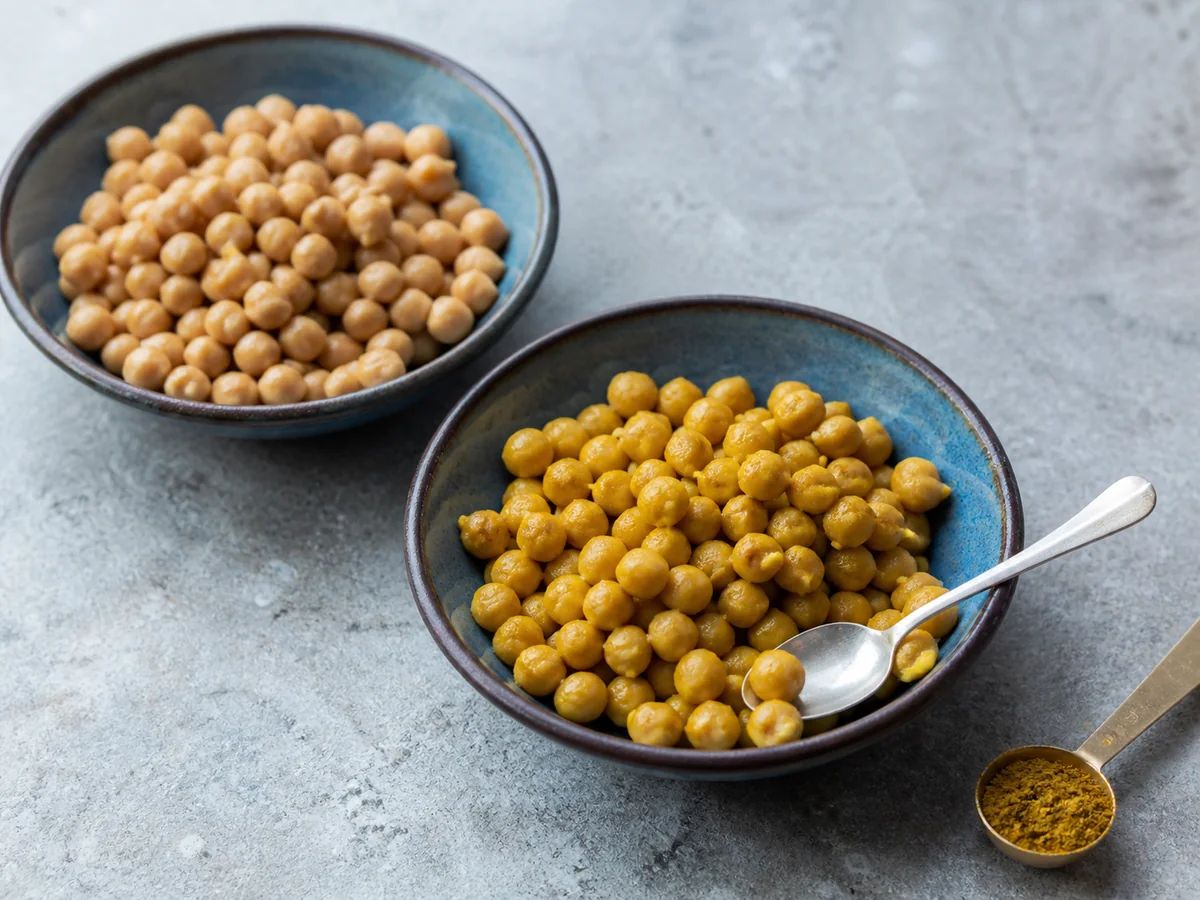
- Plain bowl: Shows the original chickpea color before the substitution.
- Golden bowl: Turmeric in the blend creates an immediate yellow shift.
- Measured powder: Start below a full teaspoon when cumin is the only missing spice.
- Separate bowls: Compare the wider curry profile against the unseasoned base.
Bloom curry powder briefly in moist aromatics or warm fat, then add liquid before the fine particles scorch. Judge the result after simmering because raw curry powder can taste dusty and disjointed.
5. Fennel Seeds
Use one-third teaspoon fennel seeds for one teaspoon cumin seeds in rice, flatbread, cabbage, carrots, or a mild vegetable tempering.
Fennel can crackle in hot oil and remain visible, so it solves a physical problem that ground blends cannot.
Its flavor is a major departure. Fennel is sweeter and anise-like, with little of cumin's dry earthiness, so the low starting ratio protects the dish from becoming licorice-led.
Crush the seeds lightly when they need to spread through dough, or leave them whole for tempering.
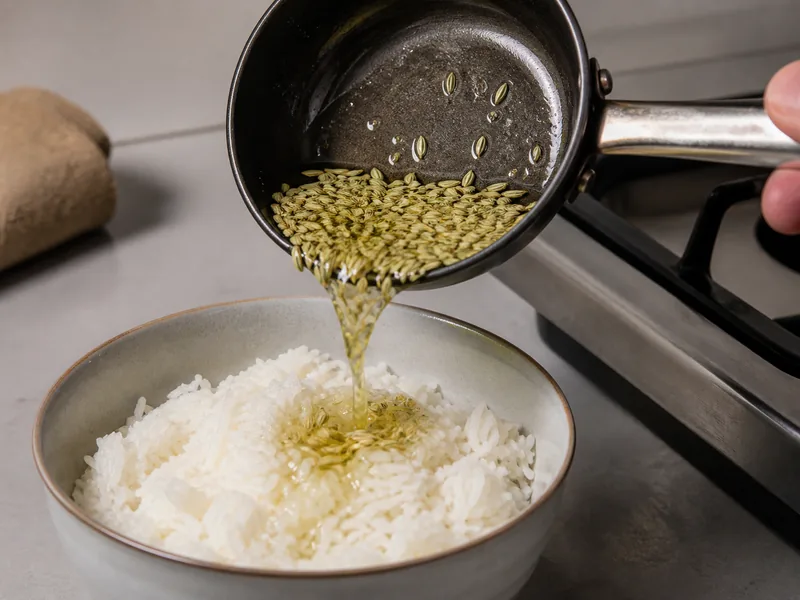
- Whole seed: Direct contact with fat.
- Fragrant stage: Stop before dark browning.
- Rice surface: Seed texture remains visible.
Add coriander elsewhere in the dish if a warm base is still missing, but do not keep increasing fennel.
Ground Cumin and Whole Seeds Are Two Different Problems
Check whether the recipe measures cumin before or after grinding. One teaspoon whole seed produces a different volume of powder after milling, so the replacement should follow the stated form rather than a guessed conversion.
A tempering step also asks the seed to signal readiness by sizzling and releasing aroma in fat. Fennel can perform that physical job, while a powdered blend must wait until moist aromatics lower the risk of scorching.
In dough or rice, visible seed distribution matters from bite to bite. Lightly crush fennel when whole seeds would be too sweet in isolated bursts, but do not turn it into powder if texture is part of the dish.
Ground applications make blending easier because coriander and smoked paprika can disperse together. Mix them before they reach the pan so one spoonful does not carry all the smoke while another carries only coriander.
Ground cumin disperses through hummus, sauce, and dry rub, while whole seeds can toast, crackle in fat, and remain visible in rice or bread. A powder may match part of the aroma yet fail the cooking method before flavor is even judged.
Coriander with smoked paprika belongs in moist food or a rub. Fennel is the only listed option that can replace the physical whole-seed step, and its sweet flavor must be accepted as part of the adaptation.
Use coriander and smoked paprika, then simmer before correcting.
Match particle size and keep smoke low because the crust concentrates it.
Use a small fennel dose and stop frying once it becomes fragrant.
Keep the seed visible only when anise sweetness suits the food.
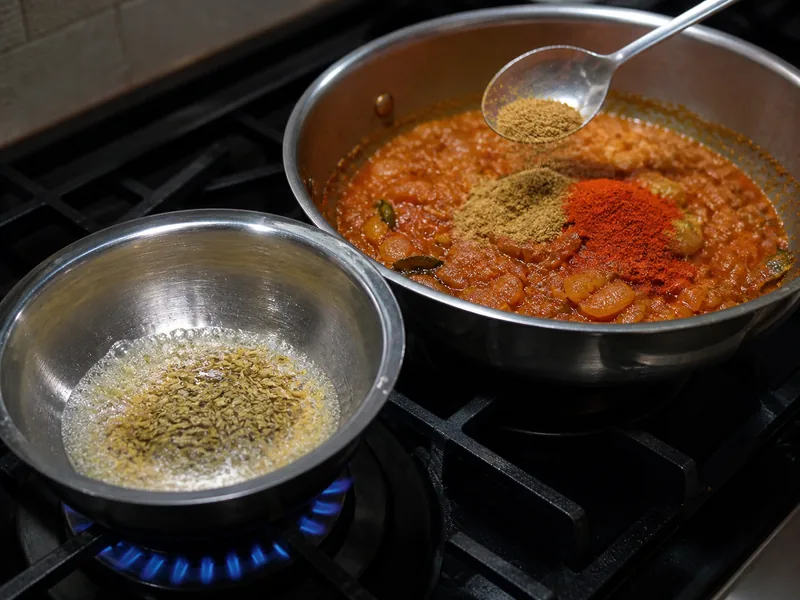
- Whole seed: Crackle and visible texture.
- Ground blend: Fast dispersion.
- Hot oil: Short fragrant window.
- Moist sauce: Safer powder bloom.
Do not pour ground coriander into smoking oil intended for a cumin-seed tempering step. Lower the heat, add moist aromatics, and treat the powder as a later seasoning instead.
Hummus, Chili, Curry, and Rubs Expose Different Gaps
Hummus exposes cumin because the base is mild and the spice is often one of few dark notes.
Coriander and smoked paprika can suggest warmth and toast, but use very little smoke or it will sit above tahini and chickpea rather than within them.
Chili tolerates a wider seasoning blend. Taco seasoning or curry powder can still be wrong depending on the style, while the coriander-paprika pair leaves salt and heat under the cook's control.
Curry values coherence among several spices, so garam masala or curry powder can work when their other ingredients are reconciled with the recipe. Adding either on top of a complete spice list creates clutter rather than depth.
Dry rubs concentrate spices on the surface and expose burnt smoke. Use the salt-free pair sparingly, grind it evenly, and test a small piece before coating a whole roast.
- Hummus: Lead with coriander and keep smoked paprika to a quiet background dose.
- Chili: Use a salt-free rebuild or a carefully audited taco blend.
- Curry: Choose garam masala or curry powder only after reducing overlap.
- Dry rub: Match particle size and remember that smoke intensifies on a dry crust.
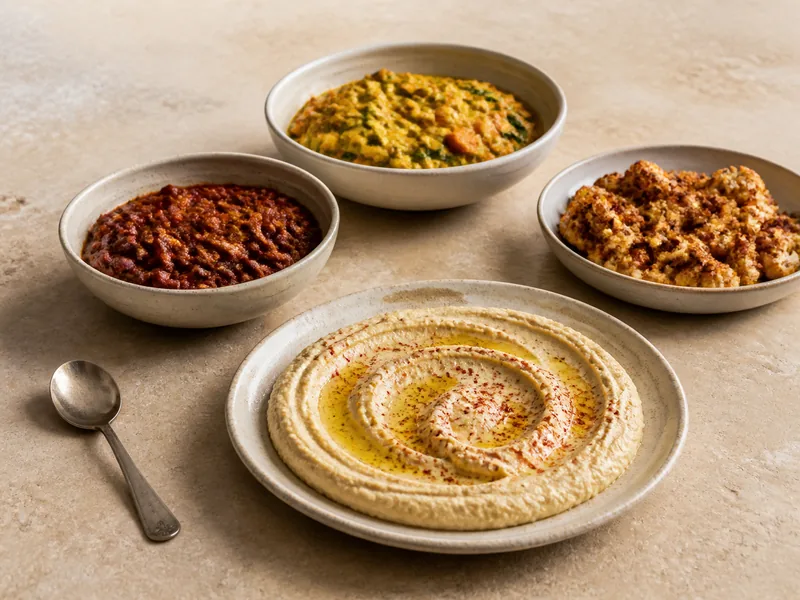
- Hummus: Musky depth is exposed.
- Chili: Blend breadth can fit.
- Curry: Overlap must be reduced.
- Rub: Smoke concentrates.
Cumin's absence also changes how salt and acid read. In hummus or beans, the earthy aroma normally makes the base seem more savory, so a cumin-free version may invite extra salt even when sodium is already sufficient.
Correct aroma before salt.
Add the chosen substitute, let it disperse, then taste with any lemon, tomato, yogurt, or vinegar the finished dish will contain because acidity can make coriander seem brighter and smoked paprika seem drier.
Form conversion needs restraint. A teaspoon whole cumin seeds and a teaspoon ground cumin do not deliver the same surface area or texture, and the ground form reaches the palate more uniformly.
When a recipe crushes toasted seeds later, use a whole-seed substitute and follow that path. When it asks for ground cumin in a wet base, begin with the ground replacement and avoid adding a visible seed merely because it looks similar.
Blooming and Late Addition Change the Result
Whole fennel seeds need direct contact with warm fat to release aroma and create a tempering cue. Fine coriander, paprika, curry powder, and taco seasoning require a shorter bloom because their small particles darken fast.
Garam masala belongs later than the other blends.
Its delicate top notes remain clearer when stirred into moist food near the end rather than fried at the start of a long simmer.
- Fry whole seeds firstLet fennel become fragrant in warm fat without taking it to a dark brown color.
- Add moist aromaticsLower the risk of scorching before fine powders enter.
- Bloom ground spice brieflyStir coriander, paprika, curry powder, or taco seasoning through the fat.
- Stop dry heat with liquidSauce, broth, or tomato disperses the powder and ends frying.
- Finish with garam masalaAdd the aromatic blend late, then rest the dish before tasting.
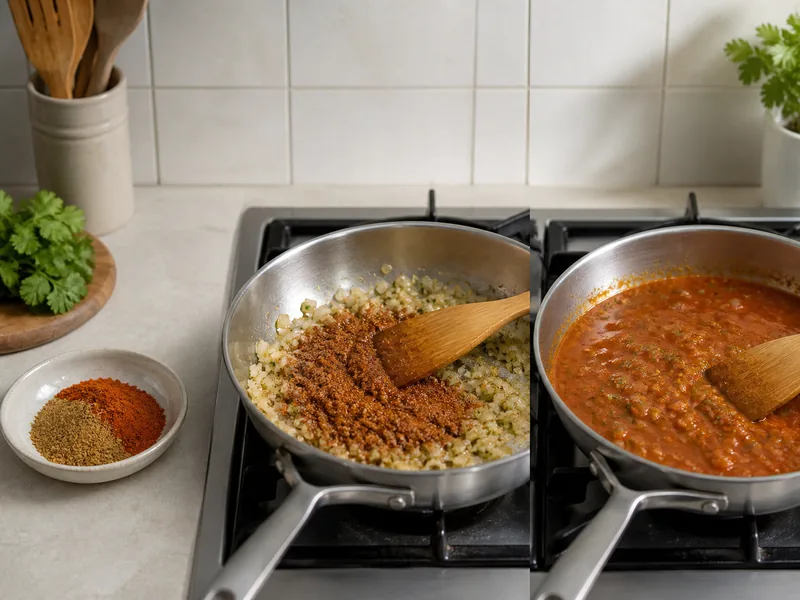
- Seeds: Direct fat first.
- Powders: Brief bloom only.
- Liquid: Ends dry frying.
- Garam masala: Late aromatic finish.
A bitter smell means the powder went too far. Remove the darkened paste where practical and rebuild a smaller amount in clean fat rather than hiding burnt spice under more seasoning.
When Cumin Is the Dish, a Substitute Will Still Taste Different
The point when cumin omission remains obvious depends on how few other aromas share the plate. Jeera rice, plain hummus, cumin lamb, and cumin-led beans expose the missing spice much more clearly than a crowded curry or seasoned taco filling.
In jeera rice, whole seeds provide both the first aroma from hot fat and visible texture against pale grains.
Fennel can copy the cooking event, but its sweetness makes the rice a deliberate variation rather than a quiet repair.
Hummus leaves ground cumin nearly uncovered beside chickpea, tahini, lemon, and garlic. Coriander with a trace of smoked paprika supplies warmth, yet too much smoke becomes a separate flavor before the missing cumin depth is restored.
A cumin-led meat rub also concentrates the problem on the surface. Test the substitute on one small piece because smoke, fennel sweetness, and cardamom perfume all grow more obvious as the crust dries and browns.
Complex dishes give a substitute more support. Tomato, chile, browned onion, herbs, and several spices can absorb a measured blend, provided overlapping salt and aromatics are reduced before the replacement enters.
Use the dish name as a final boundary. When cumin appears in the name or supplies the first recognizable aroma, present the result as a coriander, fennel, or spice-blend version instead of claiming that the original flavor survived unchanged.
Jeera rice, cumin-heavy hummus, a cumin-led lamb rub, or some styles of chili depend on cumin as an identifying aroma rather than background support. Replacing it creates a variation, even when the new food is balanced.
This boundary prevents a common mistake: increasing a weaker substitute until its own character becomes overpowering. The best result may be lighter than the original, but it should still taste intentional.