
Which Coriander Seed Substitute Preserves Its Citrus Lift?
Keep warm citrus, whole-seed texture, and cuisine balance aligned in curries, brines, bread, and rubs.
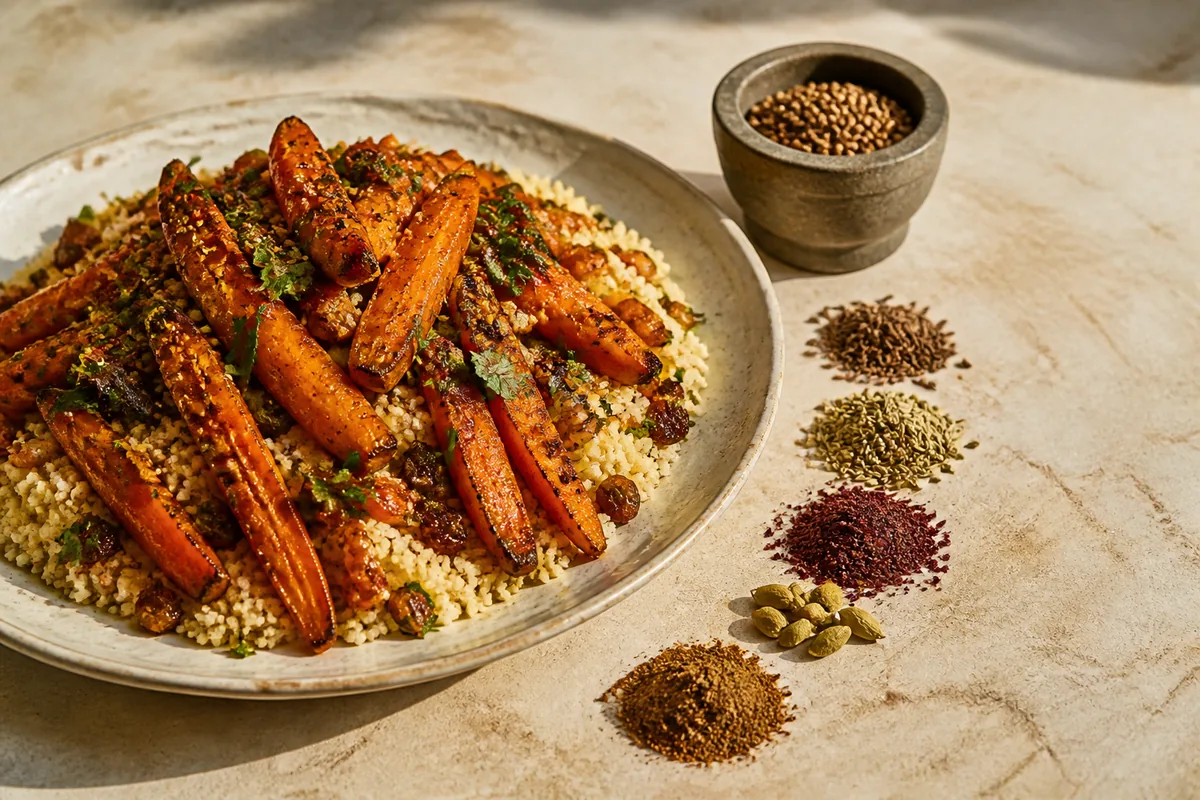
A two-part blend of cumin and fennel is the best general coriander seed substitute for cooked savory food, used at the same total volume. Fennel, cumin, sumac with cardamom, and garam masala cover different seed, earth, citrus, or blend jobs, so whole and ground coriander need different answers.
Five Coriander Seed Substitutes for Citrus, Warmth, or Texture
Coriander seed occupies an unusual middle position. It is warm enough to round cumin and chile, yet its linalool-rich aroma brings a light lemon impression that keeps a curry, rub, or pickle from becoming heavy.
The strongest pantry reconstruction combines cumin with fennel seed. Cumin supplies dry earthiness and fennel supplies a sweeter aromatic seed, while the other choices preserve only one side of coriander's role.
| Number | Substitute | Starting ratio for 1 tsp coriander seed | Best use | Main change |
|---|---|---|---|---|
| 1 | Cumin and fennel seed | 2/3 tsp + 1/3 tsp | Curry, lentils, tagine, meat rub | Heavier, faintly anise-like |
| 2 | Fennel seeds | 1/2 tsp | Sausage, bread, pickles, cabbage | Sweeter and licorice-like |
| 3 | Cumin | 1/2 tsp | Curry, chili, beans, lamb, lentils | Darker and less citrusy |
| 4 | Sumac and cardamom | 1/2 tsp + 1/8 tsp | Rubs, couscous, carrots, grains | Tarter and more perfumed |
| 5 | Garam masala | 1/2 tsp | Dal, curry, biryani, vegetables | Adds a whole warming blend |
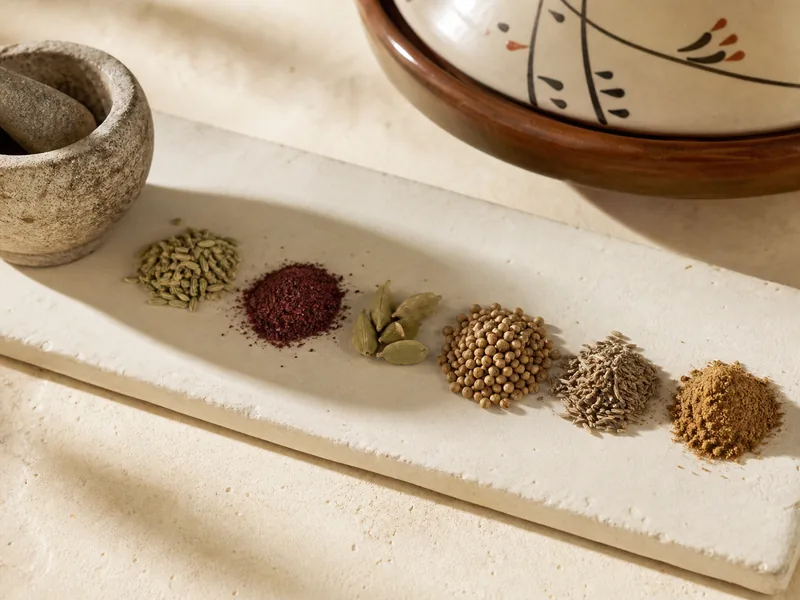
- Cumin and fennel: Balanced reconstruction.
- Fennel: Seed texture and sweetness.
- Cumin: Earthy base.
- Sumac and cardamom: Bright aroma.
- Garam masala: Wider blend change.
1. Cumin and Fennel Seed
Mix two-thirds teaspoon cumin with one-third teaspoon fennel seed for each teaspoon coriander seed.
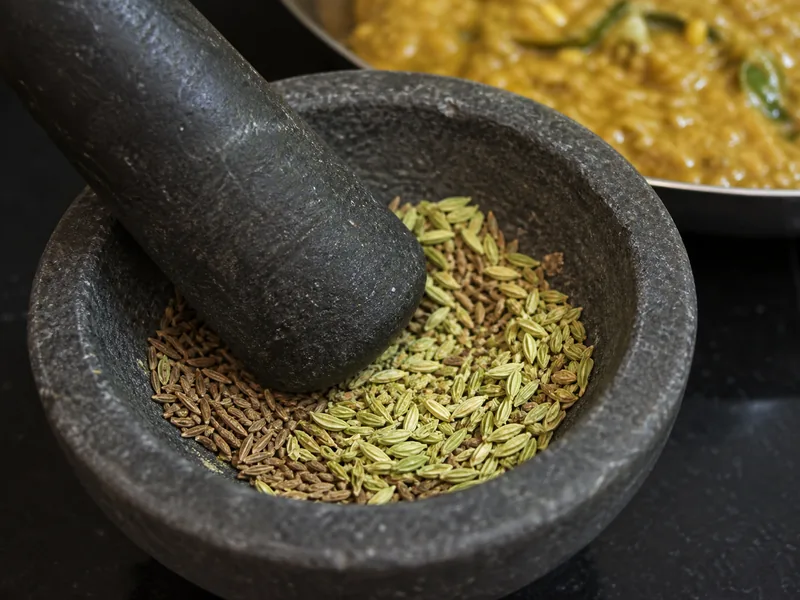
- Cumin: Dry earthy foundation.
- Fennel: Fragrant seed lift.
- Partial crush: More even release.
Use the same total volume in curry, lentils, tagine, roasted vegetables, or a savory meat rub.
The combination works because the two spices divide coriander's job. Cumin brings a dry earthy foundation, while fennel supplies a fragrant whole seed and prevents the replacement from becoming entirely dark and musky.
It still lacks coriander's clean lemon lift, and too much fennel introduces licorice.
Crush the spices together for a ground application, or keep both coarse only when the recipe can accept visible seed texture.
Provides warm savory weight and a dry finish.
Provides aromatic lift and a heat-stable seed.
Optional only when a tart note belongs in the dish.
2. Fennel Seeds
Use half a teaspoon fennel seeds for one teaspoon coriander seed in sausage, bread, pickle brine, cabbage, or tomato sauce. Fennel keeps a visible seed and tolerates long heat, which makes it more practical than a fine powder in those foods.
The flavor moves from lemon warmth toward sweet anise. That change suits pork, tomato, and some breads, but it can make a citrus-led marinade or North African rub taste noticeably softer.
Crush large seeds for dough and sausage so they distribute evenly. Leave them whole in brine, where a slower release helps prevent one early taste from controlling the final jar.
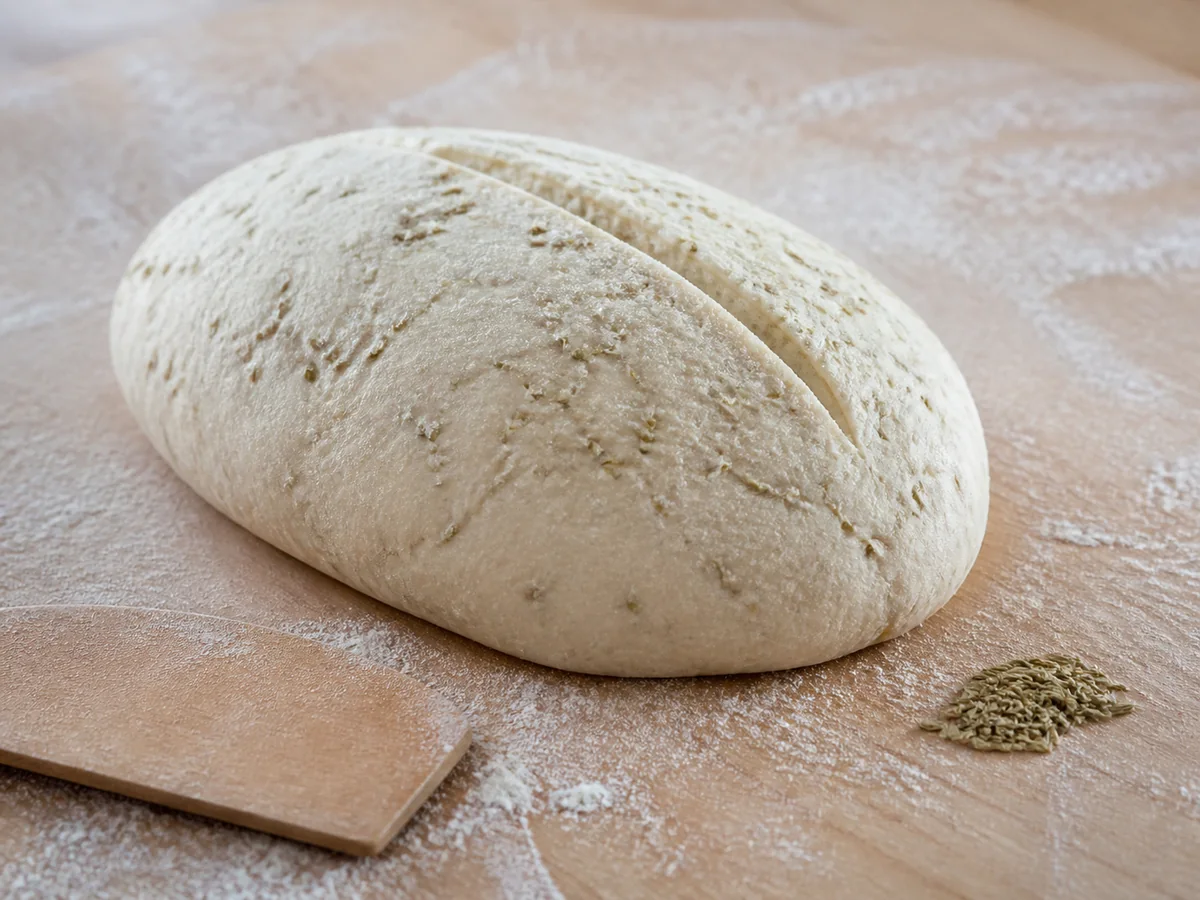
- Light crush: Breaks the large seeds without turning them to powder.
- Even spread: Prevents concentrated seed pockets in the loaf.
- Raw dough: Shows distribution before baking fixes the seeds in place.
- Intact sample: Makes fennel's elongated form easy to identify.
3. Cumin
Start with half a teaspoon cumin for one teaspoon coriander seed in curry, chili, beans, lamb rub, or lentils. Cumin overlaps with coriander's warm savory side but carries a darker aroma dominated by cuminaldehyde rather than a light citrus impression.
That darkness can be useful when coriander was supporting a meat or legume dish.
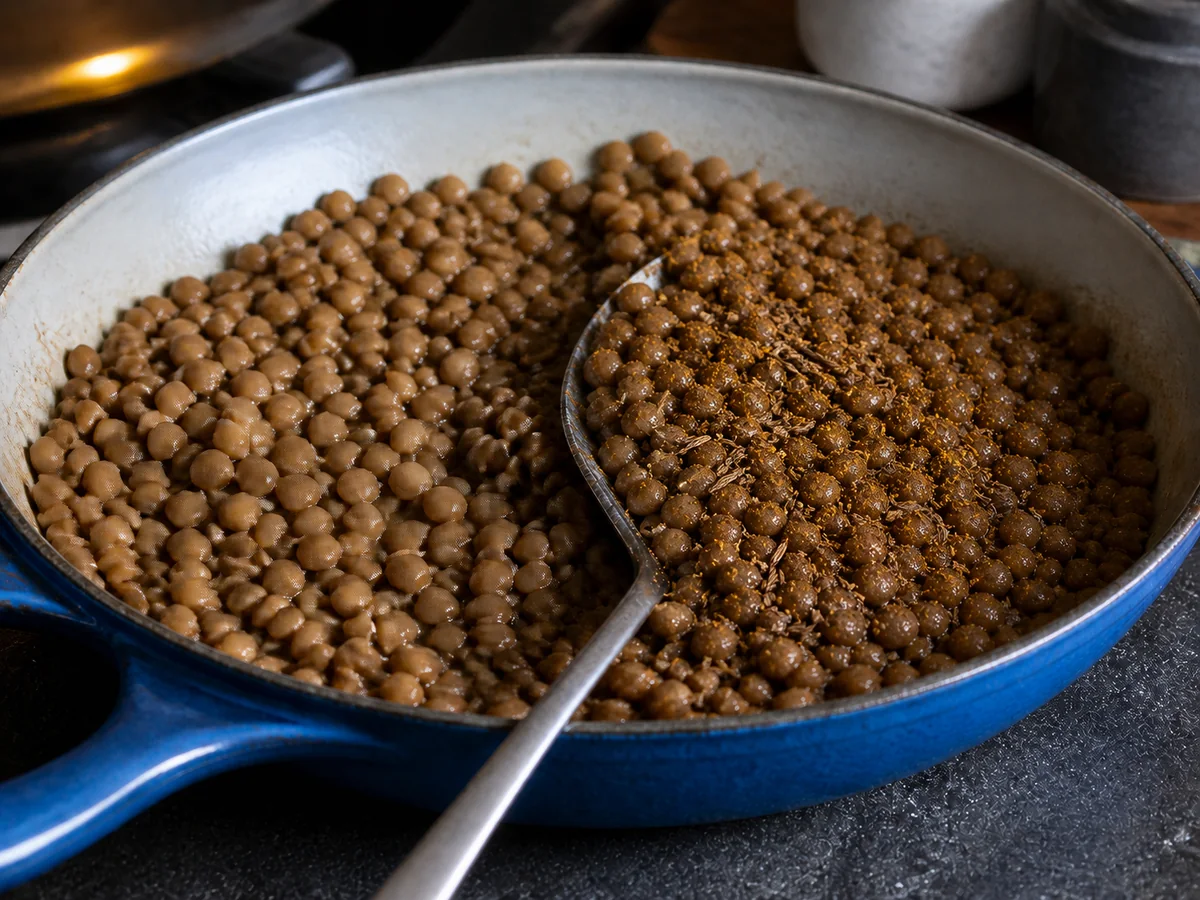
- Plain half: Keeps the original lentil base visible.
- Seasoned half: Shows cumin's darker savory direction.
- Whole and ground cumin: Identifies the substitute in both useful forms.
- Single fold: Encourages gradual mixing and tasting.
It becomes a problem in baking, witbier, bright pickle liquid, or any mixture where coriander is the main aromatic identity.
Toast whole cumin briefly when a roasted flavor belongs, then cool it before grinding. Ground cumin added to a very hot dry pan can scorch before the rest of the food is ready.
4. Sumac and Cardamom
Combine half a teaspoon sumac with one-eighth teaspoon cardamom for each teaspoon ground coriander. This is a brightness-first replacement for dry rubs, couscous, grain salad, roasted carrots, or food that can accept tartness.
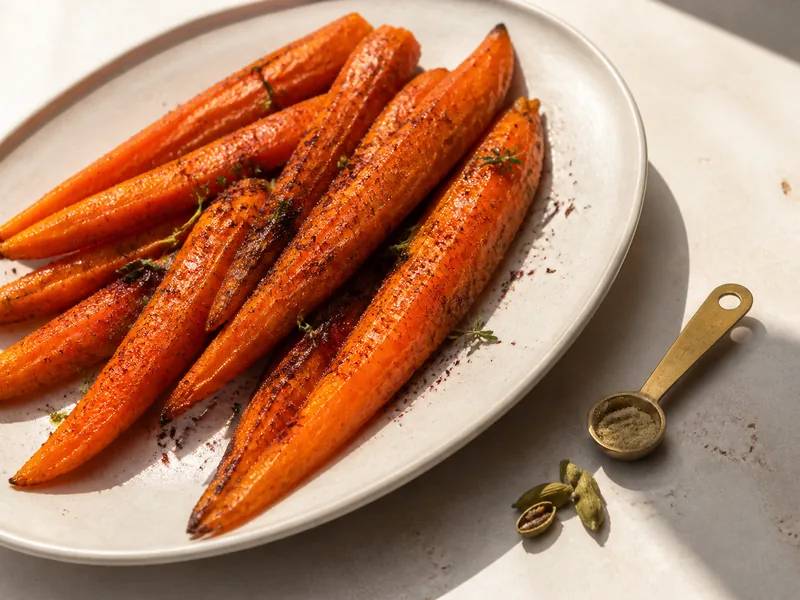
- Sumac: Dry sour brightness.
- Cardamom: Concentrated floral lift.
- Tiny measure: Protects savory balance.
Sumac supplies dry sour fruit while cardamom supplies a floral citrus aroma. Together they recreate a top-note effect, but they lack coriander's warm nutty body and should not be used as a visible seed replacement.
Cardamom is the limiting ingredient.
Measure the small amount carefully, because a rounded quarter-teaspoon can turn a savory rub perfumed and sweet before sumac has a chance to read as citrus.
5. Garam Masala
Use half a teaspoon garam masala for one teaspoon ground coriander in dal, curry, biryani, or cooked vegetables. Many blends contain coriander and cumin, but they also bring cardamom, cinnamon, clove, pepper, or other warming spices.
The blend works when that wider aromatic direction already belongs in the dish. It is a poor answer for pickles, bread, sausage, or a simple coriander rub because it changes several seasoning decisions at once.
Reduce overlapping spices in the recipe and add garam masala near the end of cooking. Long boiling mutes its volatile top notes, leaving warmth without the freshness that made the substitution useful.
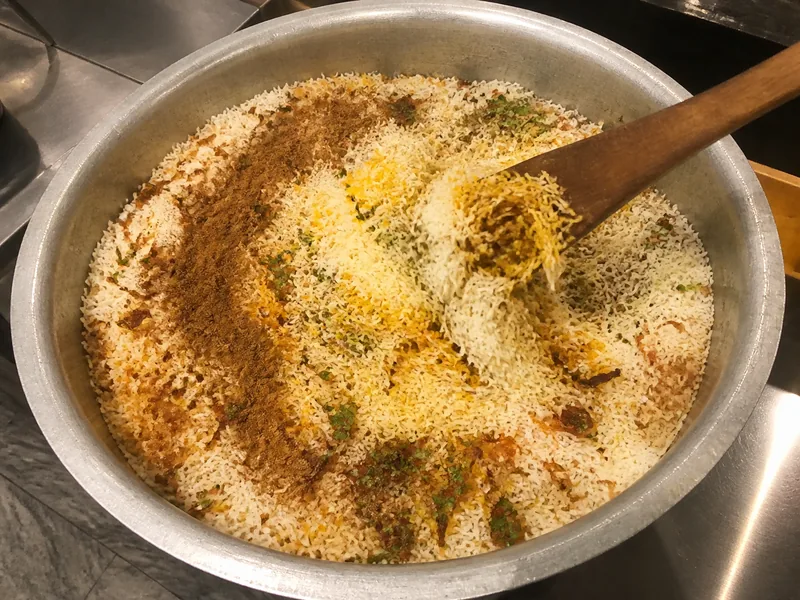
- Late addition: Clearer aroma.
- Partial coverage: Easier dose control.
- Gentle fold: Even distribution.
Whole Seeds and Ground Spice Need Different Replacements
A teaspoon of whole seed contains air gaps that ground powder does not. Match the recipe's stated form before using any volume ratio, then reduce a freshly ground replacement slightly if its aroma is especially strong.
Pickling liquid needs a seed that can be strained or remain pleasantly firm. Fine powder clouds the brine, settles on vegetables, and reaches full strength before a whole coriander seed would have finished extracting.
Bread and sausage expose coarse pieces in each bite. Crack larger fennel seeds so the replacement spreads evenly, while keeping enough texture to preserve the intended seed experience.
A sauce presents the opposite job because even dispersion matters more than visible texture. Grind cumin and fennel together, add them through fat or moist aromatics, and judge the flavor only after the powder has hydrated.
Whole coriander seeds release slowly in brine, remain visible in bread, and can be toasted before grinding.
Ground coriander disperses immediately through sauce or a rub, so its substitute has to match particle size as well as flavor.
Fennel and cumin can stand in as whole seeds when their flavor drift is acceptable. Sumac, cardamom, and garam masala belong only in ground applications because they cannot copy the texture or slow extraction of a round seed.
Keep fennel whole for gradual extraction and visible seed texture.
Crush fennel so the larger seeds spread through every portion.
Use whole cumin or fennel cautiously. Fine powders can burn before they disperse.
Grind the substitute to match the other seasonings and prevent gritty pockets.
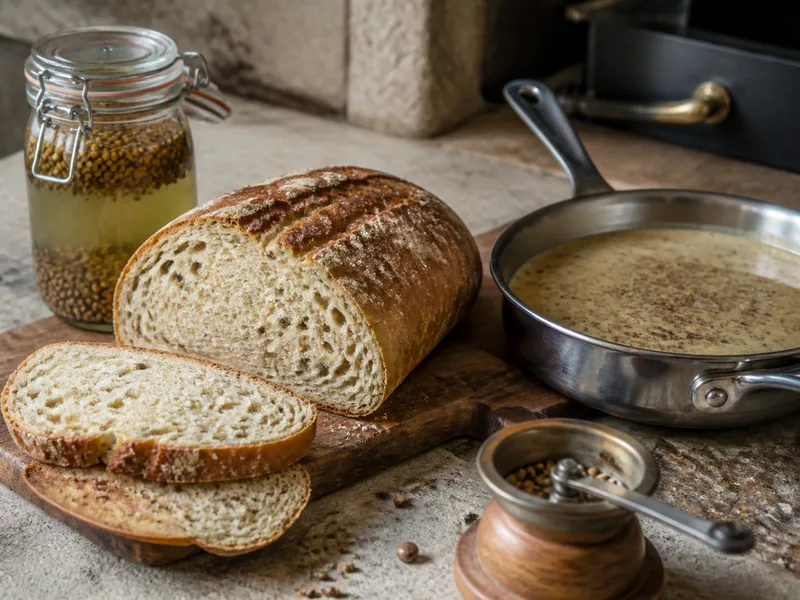
- Brine: Slow extraction.
- Bread: Texture remains visible.
- Tempering: Heat-stable whole particles.
- Sauce: Fine dispersion.
Converting a whole-seed recipe to powder also removes the tiny bursts of aroma that occur when a diner bites a seed. Even a flavor-compatible powder can therefore make the food seem flatter and more uniform.
Toasting Can Close the Gap or Push It Wider
Dry heat makes coriander nuttier and softens some of its bright edge.
Toasting can move cumin toward coriander's warm roasted body. It also makes fennel sweeter and cumin darker, so more heat is not always a closer match.
Warm a dry pan, add one small test portion, and move the seeds continuously.
Remove them when the aroma becomes fuller and the color changes only slightly, then transfer them off the hot metal because carryover heat continues cooking.
- Heat the empty pan gentlyStrong direct heat creates burnt spots before the whole seed warms.
- Add one measured layerCrowded seeds heat unevenly and hide color changes.
- Move and smellStop at a fuller aroma, before visible smoke or dark edges.
- Cool before grindingA hot grinder traps steam and can turn the powder pasty or stale-smelling.
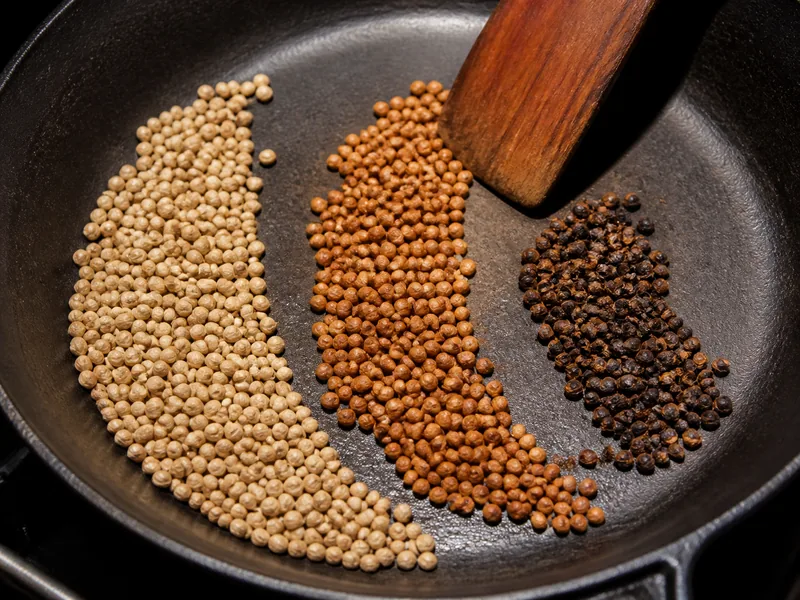
- Raw: Sharp, separate aromas.
- Fragrant: Fuller and nuttier.
- Dark edge: Flavor begins to narrow.
- Smoke: Stop and discard.
Cardamom and garam masala do not benefit from the same treatment. Their fine particles and delicate aromas are better added to moist food or warm fat for a short interval.
Grinding time matters because coriander and its replacements lose aromatic top notes after their protective seed coats are broken. A freshly ground cumin-fennel mixture tastes fuller than the same mixture left open on the counter, even though the measured ratio has not changed.
Grind only the amount needed, let toasted seeds cool first, and place the powder in the recipe promptly. A hot seed releases steam in the grinder and can smear its oils across the container instead of producing a loose, even powder.
Particle size should follow the food. A fine powder belongs in a smooth sauce or rub, while a coarse crack can provide intentional bursts in sausage, bread, or a chunky pickle relish.
Do not compensate for stale powder only by increasing the amount. More flat cumin or fennel adds bitterness and bulk without restoring coriander's missing high aroma, so a fresher small batch is the better correction.
Curry, Pickles, Bread, and Sausage Do Not Share One Winner
Cuisine-specific limits matter because coriander seed does a different amount of identity work in each seasoning tradition.
A replacement that keeps a lentil curry balanced may redirect a North African rub, a European pickle, or a wheat beer enough to be obvious.
South Asian curry can accept cumin with fennel when coriander sits among several other spices. Keep cumin controlled, because turmeric, chile, and browned onion already provide weight and the missing job is often lift rather than more darkness.
Middle Eastern and North African mixtures expose cardamom, sumac, and cumin differently. The sumac-cardamom option belongs in a bright rub or grain dish, while garam masala adds a distinctly South Asian warm-spice pattern that can blur the intended profile.
European-style pickles and breads need physical seeds as well as aroma. Whole or cracked fennel preserves that behavior, but its anise sweetness should agree with cabbage, pork, rye, or the chosen brine before the full batch is seasoned.
Sausage magnifies spice through fat and repeated bites. Cook a small patty with the proposed fennel or cumin ratio, cool it briefly, and judge the aftertaste before mixing seasoning through the remaining meat.
Some applications leave almost no room for substitution.
Coriander-led witbier, a coriander crust, or a blend designed to demonstrate coriander will taste like a new recipe, so the honest choice is to name the variation or wait for the seed.
Curry can accept cumin and fennel together because sauce integrates the spices and other aromatics fill the gaps. Garam masala also works there when the wider blend is welcome and the existing warm spices are reduced.
Pickles need a seed that remains intact in liquid. Fennel is the practical choice when sweetness suits the vegetables, while ground cumin, sumac, and garam masala can cloud the brine and release too aggressively.
Bread exposes both seed size and sweetness in every bite. Crush fennel, use less than the coriander amount, and avoid cardamom unless the loaf is meant to take a sweet aromatic turn.
Sausage can absorb fennel's anise note and cumin's earthiness, but the choice changes the style.
A neutral claim would be misleading, so name the variation and season a small test patty before mixing the full batch.
- Curry: Cumin and fennel rebuild warm body. Garam masala is a wider late-stage option.
- Pickles: Whole fennel preserves seed behavior but sweetens the brine.
- Bread: Crushed fennel distributes better than large whole seeds.
- Sausage: Test a small cooked portion because fennel and cumin redirect the style.
Coriander Seed and Cilantro Leaves Are the Same Plant, Not the Same Swap
Cilantro is the leaf of the coriander plant, but the leaf and dry seed have different aromas, water content, texture, and cooking behavior. A handful of leaves cannot replace a teaspoon of seed in brine, bread, a dry rub, or a ground spice blend.
The distinction is especially important in US recipes, where coriander usually means the seed and cilantro means the leaf. Read the preparation method as well as the ingredient name before selecting a replacement.