
Chili Powder Substitutes That Control Heat and Rebuild Flavor
Rebuild the blend, control pure chile heat, and protect chili, tacos, rubs, and soup.
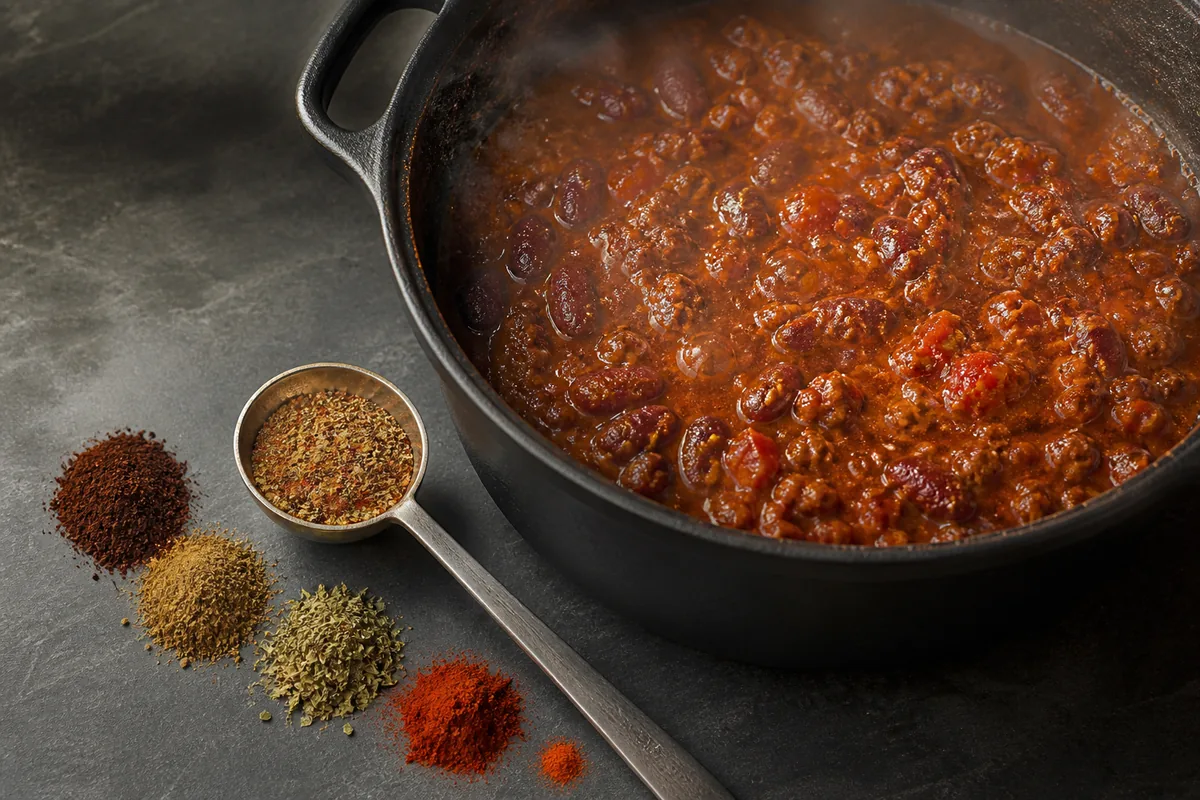
The closest chili powder substitute is a measured blend of ancho chile, cumin, and oregano because American chili powder is itself a seasoning blend. Paprika-based mixtures, chipotle, taco seasoning, and smoked paprika work when the dish needs a different balance of color, smoke, convenience, or heat.
Five Chili Powder Substitutes, From Full Blend to Pure Chile
American-style chili powder is usually a blend based on ground chile, with cumin, oregano, garlic, and sometimes salt. A jar labeled ancho, chipotle, cayenne, or pure chile powder contains a narrower and often hotter product, so the label has to be understood before the ratio is chosen.
The closest salt-free reconstruction uses ancho chile, cumin, and oregano. Faster alternatives can preserve color, smoke, or convenience, but none should be measured by redness alone.
| Number | Substitute | Starting ratio for 1 tbsp chili powder | Best use | Main change |
|---|---|---|---|---|
| 1 | Ancho, cumin, oregano | 2 tsp + 1/2 tsp + 1/4 tsp | Chili, beans, sauce, braise | Fruitier, salt-free blend |
| 2 | Paprika, cumin, cayenne | 2 1/2 tsp + 1/2 tsp + pinch | Tacos, soup, roast vegetables | Cleaner pepper flavor |
| 3 | Chipotle powder | 1 tsp | BBQ, black beans, beef chili | Much smokier and hotter |
| 4 | Taco seasoning | 2 tsp | Taco meat, burritos, quick beans | Salt and possible starch |
| 5 | Smoked paprika, cayenne | 2 3/4 tsp + pinch | Rubs, corn, potatoes, smoky chili | Smoke without earthy blend |
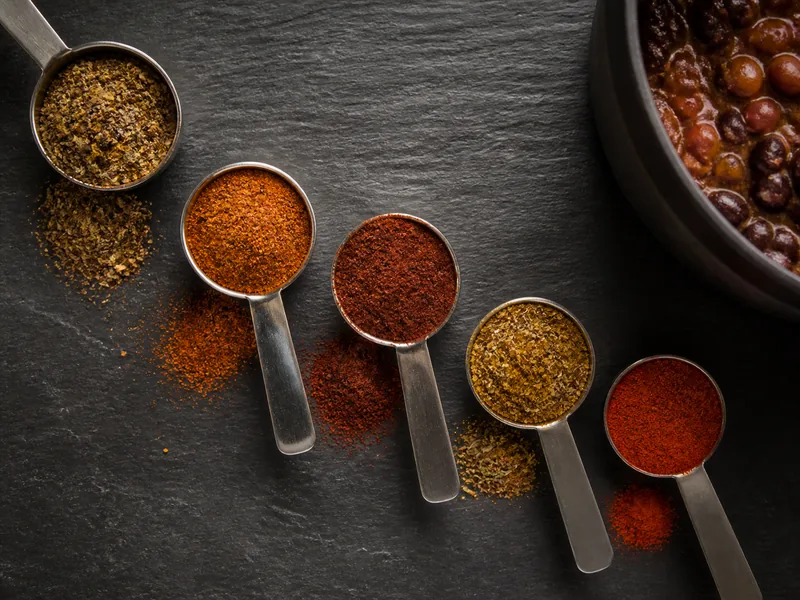
- Ancho blend: Closest rebuild.
- Paprika blend: Color with controlled heat.
- Chipotle: Smoke first.
- Taco seasoning: Convenience with salt.
- Smoked paprika: Smoke and color shortcut.
1. Ancho Chile, Cumin, and Oregano
For one tablespoon chili powder, combine two teaspoons ancho powder, half a teaspoon cumin, and one-quarter teaspoon oregano.
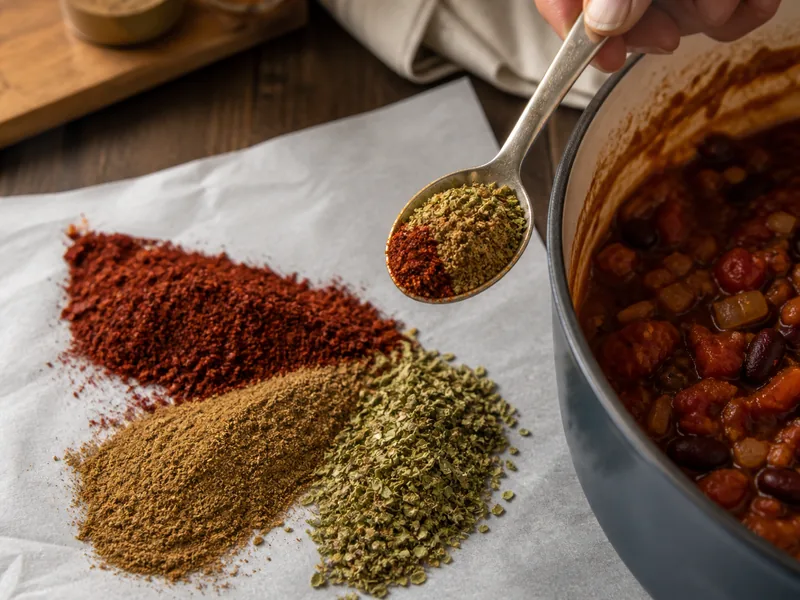
- Ancho: Broad mild chile body.
- Cumin: Earthy middle.
- Oregano: Dried-herb finish.
This formula restores the broad pepper base, earthy middle, and dried-herb finish that a pot of chili or beans expects.
Ancho is a dried poblano with mild heat and dark fruit character, so it gives the blend body without making cayenne the main event. The result can taste fruitier than a commercial jar, and it still needs garlic if the recipe relied on chili powder to supply that note.
Add garlic only if an eligible ingredient is already present in the recipe rather than inventing a blind amount. Bloom the measured blend briefly in fat, add liquid as soon as it smells fragrant, and reserve cayenne for a later heat check.
Mild dried-chile body, dark fruit, and red-brown color.
Earthy depth that keeps the pepper from tasting one-dimensional.
Dry herbal lift associated with chili and Tex-Mex seasoning.
2. Paprika, Cayenne, and Cumin
Mix two and one-half teaspoons paprika with half a teaspoon cumin and one small pinch cayenne for each tablespoon chili powder. This is the practical supermarket-pantry answer for taco meat, tortilla soup, roasted squash, or beans.
Paprika supplies red color and a mild pepper base, while cayenne supplies concentrated heat.
Keeping those jobs separate is the advantage because you can deepen color without forcing the dish hotter.
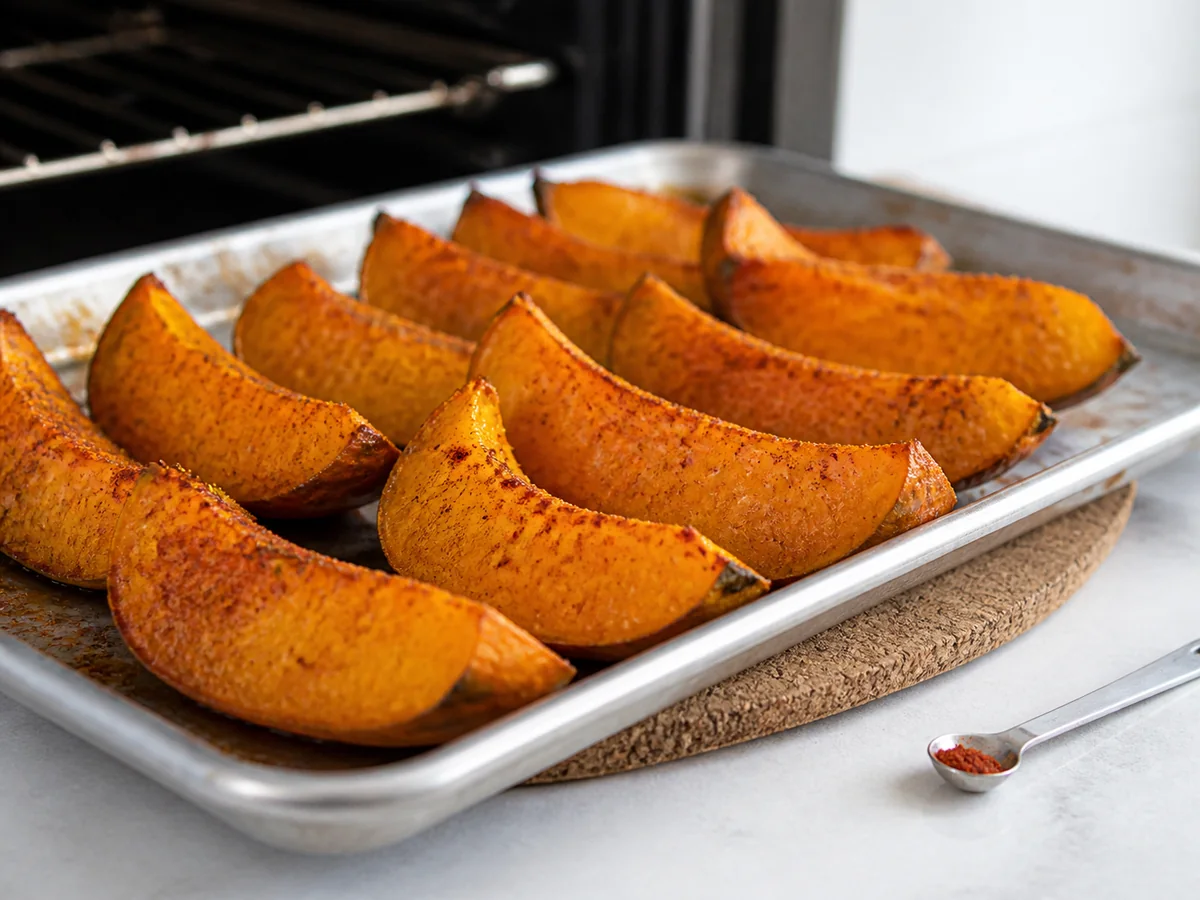
- Roasted squash: A broad surface makes the red coating easy to judge.
- Paprika base: Supplies color without forcing extra heat.
- Cumin layer: Rebuilds the earthy note found in many chili powder blends.
- Tiny cayenne measure: Add heat by pinches after tasting.
This blend lacks ancho's raisin-like depth and oregano's herbal edge. Add oregano separately when chili or enchilada sauce needs it, but leave it out of a rub whose herb profile is already complete.
3. Chipotle
Start with one teaspoon chipotle powder for one tablespoon chili powder.
Use it in barbecue rubs, black beans, beef chili, or smoky tomato sauce where both smoke and moderate heat belong.
Chipotle is smoked ripe jalapeño, so it cannot replace the cumin, oregano, and garlic in a seasoning blend. Increasing it to chase missing earthiness only makes the food smokier and hotter.
Add cumin separately and let the food simmer before judging.
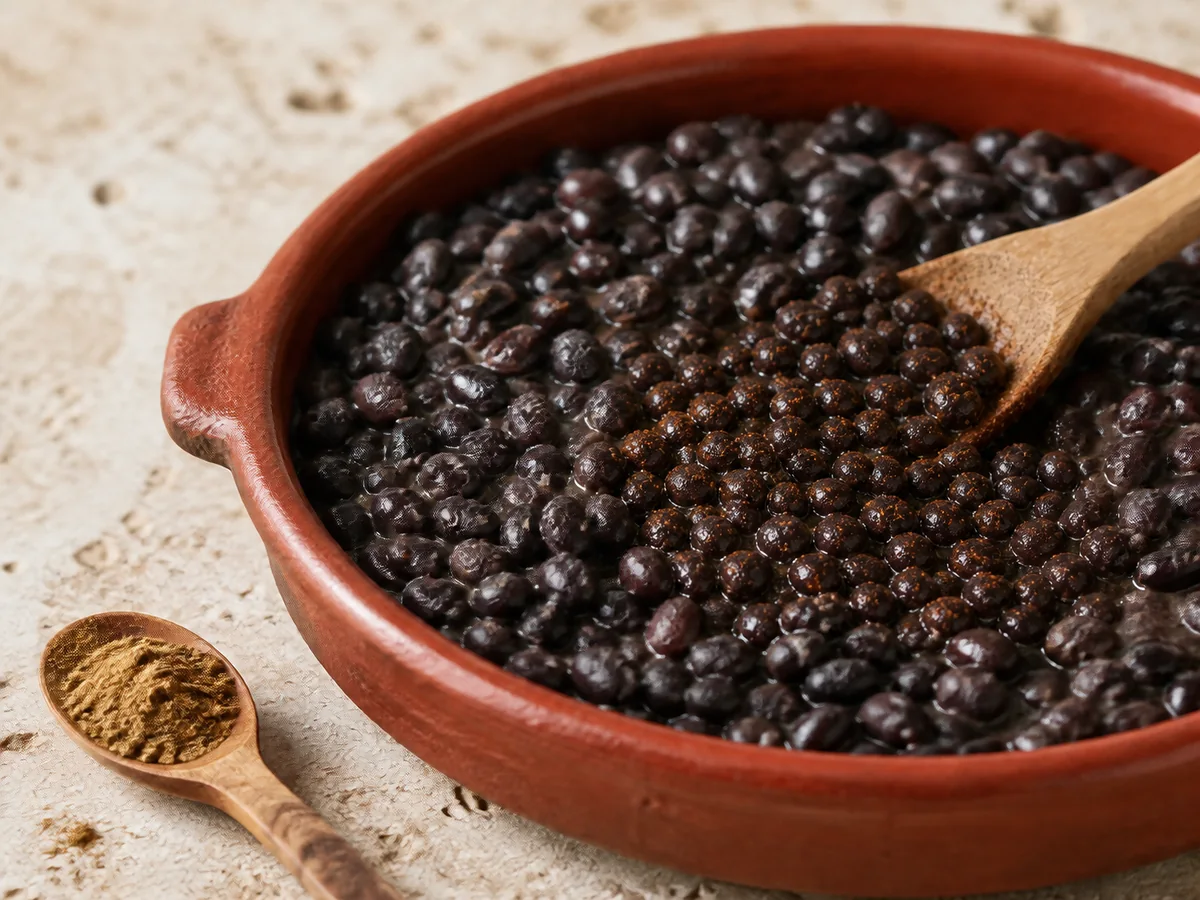
- Seasoned half: Fine brick-red powder shows where chipotle entered the beans.
- Plain half: Preserves a comparison point for smoke and heat.
- Separate cumin: Adds earthiness without increasing chipotle intensity.
- Simmer first: Heat and moisture reveal the final strength of the powder.
If smoke is already prominent from bacon, charred tomatoes, or a grill, choose an ancho or paprika path instead.
4. Taco Seasoning
Use two teaspoons taco seasoning for one tablespoon chili powder in ground meat, burrito filling, taco soup, or quick beans. Many formulas already contain chile, cumin, garlic, oregano, and salt, so the flavor family fits even though the proportions differ.
Read the ingredient label for salt and starch. A salted packet can over-season a recipe that also calls for broth, canned beans, cheese, or a separate salt dose, while starch can thicken a soup more than expected.
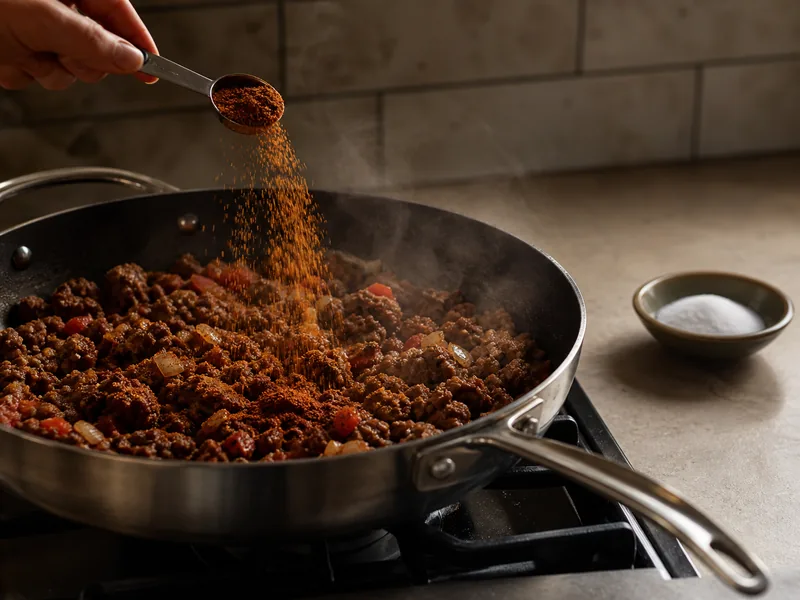
- Blend first: Let its salt disperse.
- Other ingredients: Count their sodium.
- Final taste: Add salt only if needed.
Taco seasoning is a convenience choice rather than the cleanest match. It works best in the foods named on its label and less well in a dry rub where sugar, starch, or salt can scorch.
5. Smoked Paprika and Cayenne
Combine two and three-quarter teaspoons smoked paprika with a pinch of cayenne for each tablespoon chili powder. Choose this shortcut for grilled corn, potatoes, dry rubs, or chili that genuinely benefits from smoke.
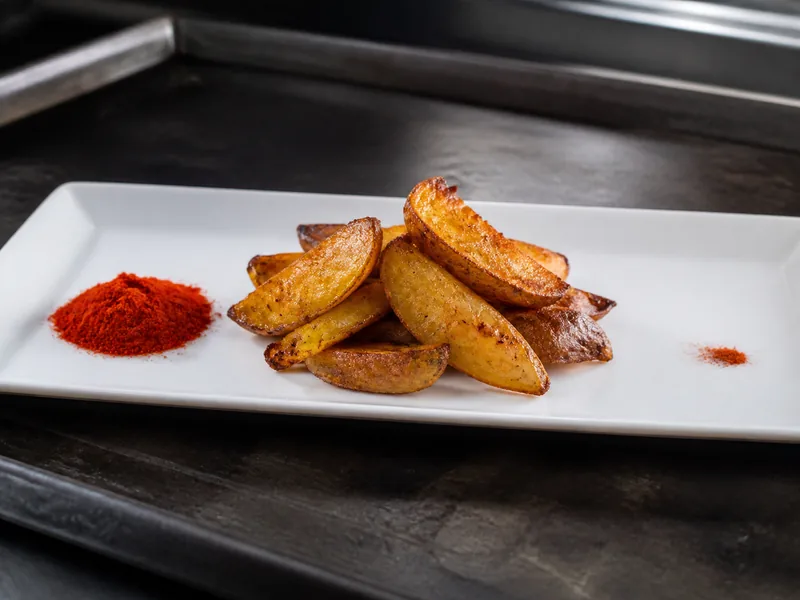
- Paprika: Color and smoke.
- Cayenne: Small heat dose.
- Dry surface: Flavor concentrates.
The mixture controls smoke and heat separately but leaves out cumin's earthiness and oregano's herb character. Add those elsewhere only when the recipe has space for them, because a complex rub may already cover both jobs.
Smoked paprika can turn bitter when it sits in very hot dry fat.
Stir it into warm oil briefly, then follow with wet ingredients or place it in a rub that cooks on the food rather than on the bare pan.
Read the Label Before You Measure
The first ingredient usually identifies what occupies most of the jar.
Chile pepper first suggests a pepper-led product, while salt or starch first signals that the seasoning will affect more than aroma.
A blend that lists cayenne near the end can still become hot at tablespoon scale. Test a pinch in warm oil or cooking liquid rather than tasting dry powder, which delivers concentrated particles directly to the tongue.
Packet directions also reveal intended strength. A product designed to season one pound of meat should be treated as a complete seasoning dose, not as a neutral tablespoon of chile powder.
Record the brand and measured adjustment when a replacement works. Chili powders vary enough that a successful ratio for one jar may not transfer cleanly to the next.
The word chili can describe a seasoning blend in a US recipe or a pure powdered pepper in another market. Ingredient order gives a more reliable answer than the color on the front of the jar.
- Several ingredients: Chile pepper followed by cumin, oregano, garlic, or salt signals a seasoning blend.
- One named pepper: Ancho, chipotle, cayenne, Kashmiri chile, or another cultivar signals a more focused powder.
- Salt near the front: Reduce other salt before the substitute enters the food.
- Starch or flour: Expect the seasoning to thicken sauce and brown faster in a dry pan.
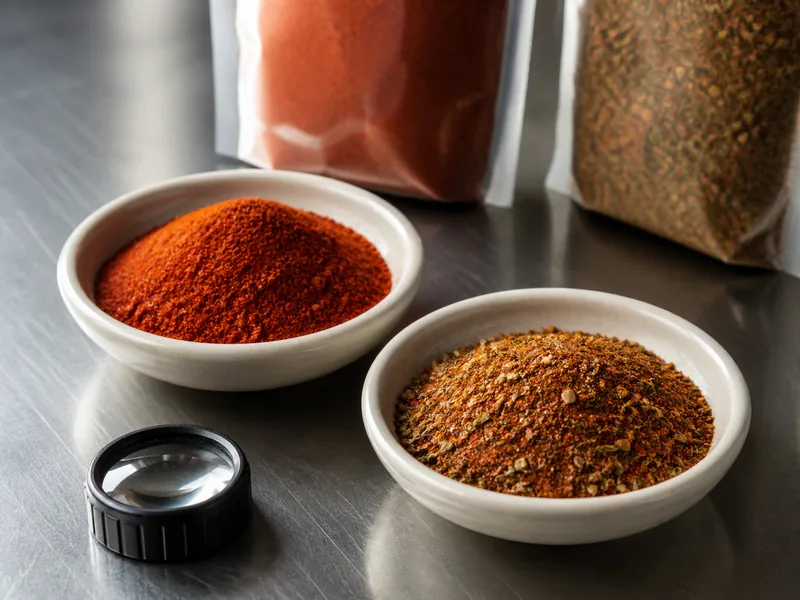
- Uniform powder: Likely one pepper.
- Speckled blend: Multiple spices may be present.
- Salt crystals: Recheck sodium.
- Fine starch: Expect thickening.
Pure cayenne and chipotle should begin far below the requested chili-powder volume. Mild ancho or paprika can occupy more of that volume because they supply pepper body without the same heat load.
Regional language can reverse the expected meaning. A US recipe that asks for a tablespoon of chili powder usually expects a mild blend, while a recipe naming Kashmiri chile, cayenne, ancho, or another specific pepper expects a more focused product.
The requested volume is a useful clue. Several tablespoons in a pot of chili are plausible for a mild blend but dangerous for cayenne, and a small fraction of a teaspoon often signals concentrated heat rather than broad seasoning.
Color cannot settle the question because mild paprika and hot cayenne can look similarly red.
Smell a small pinch away from the steaming pot: cumin and oregano suggest a blend, while a clear single-pepper aroma suggests that heat and supporting spices still need separate decisions.
When the label is unclear, season a spoonful of the cooking liquid in a small cup before dosing the whole pan. That test reveals heat, smoke, salt, and thickening with far less food at risk.
Match the Substitute to Chili, Tacos, Rubs, or Soup
Long-simmered chili gives ancho, cumin, and oregano time to integrate, which makes the reconstructed blend the strongest answer. Add it after browning aromatics, then let the first dose cook into the liquid before deciding what is missing.
Taco filling cooks quickly and often includes other salted toppings. A paprika-cumin-cayenne mixture offers clean control, while taco seasoning is useful only when its salt is counted as part of the whole meal.
Dry rubs concentrate whatever touches the surface.
Chipotle or smoked paprika can be effective there, but a heavy smoke dose becomes harsher as the crust dries and browns.
Broth exposes raw cayenne and dusty paprika more clearly than a thick sauce does. Bloom the powder gently, add liquid promptly, and use ancho when the soup needs pepper flavor without sharp heat.
Rebuild the blend with ancho, cumin, and oregano.
Control color and heat with paprika, cumin, and a cayenne pinch.
Use chipotle or smoked paprika only when smoke belongs in the finished crust.
Favor mild ancho or paprika and keep pure hot pepper low.
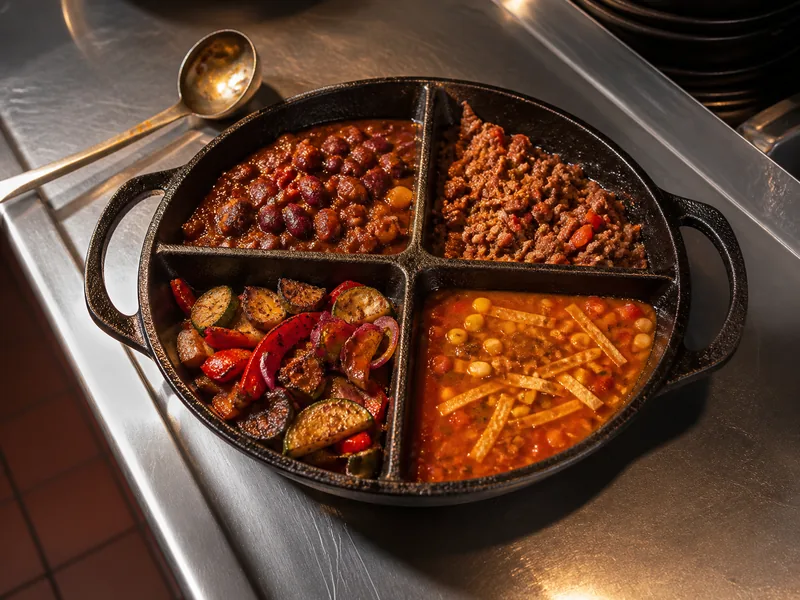
- Chili: Blend integration.
- Tacos: Salt and speed.
- Rubs: Smoke concentration.
- Soup: Harsh heat exposure.
Bloom Red Powders Without Burning Them
Fine red powders need only brief contact with warm fat before they darken.
The useful cue is a fuller pepper aroma, not smoke rising from the pan.
Add the powder after onions or other moist aromatics have cooked, stir until the fat turns evenly red, then add tomato, broth, or another wet ingredient. This stops dry frying and spreads the seasoning through the dish.
- Lower the heatMove the pan away from fierce direct heat before adding fine powder.
- Stir through the fatCoat the powder evenly instead of leaving dry islands on the pan.
- Watch the colorAdd liquid before paprika or ground chile turns brown at the edges.
- Simmer before correctingLet cumin, oregano, and chile integrate before adding another dose.
Ground cumin can tolerate a little more blooming than paprika, but the whole mixture follows its most scorch-prone ingredient. If the first smell is bitter or acrid, remove the darkened paste where possible and restart the seasoning in clean fat.
Rescue a Pot That Turned Too Hot or Too Smoky
To repair an overly hot substitution, stop adding spices and increase the unsalted food that carries them. Extra beans, tomato, broth, meat, or vegetables reduce capsaicin in every serving, while another seasoning blend only introduces more variables.
Keep the added base similar to the original dish.
Water alone can make chili thin and separate, but crushed tomato, cooked beans with their liquid, or unsalted stock can lower heat while preserving body.
Smoke requires the same dilution-first response. Sweetness may distract from a harsh smoky edge for one bite, yet it does not remove smoke and can turn a savory pot into a sweet, smoky one.
Fat can soften how chile heat reaches the palate, which is why sour cream or avocado helps at serving time. It does not correct the pot itself, so do not use a dairy garnish as proof that the seasoning underneath is balanced.
Acid is a finishing adjustment after concentration is under control. Lime or vinegar can wake up a dull expanded base, but too much acid makes the burn feel sharper and should be tested in one cooled spoonful first.
Rebuild missing cumin or oregano only after the larger base has simmered together.
A measured salt-free blend restores depth more safely than another dose of chipotle, cayenne, or salted taco seasoning.
Excess heat and excess smoke are different problems. Cayenne heat feels sharp and persistent, while too much chipotle or smoked paprika leaves a heavy campfire aroma even when the food is not painfully hot.
Remove any undissolved spice paste first. Expand the remaining food with unsalted beans, tomato, broth, vegetables, or the original base, then rebuild salt and aromatics after the concentration falls.
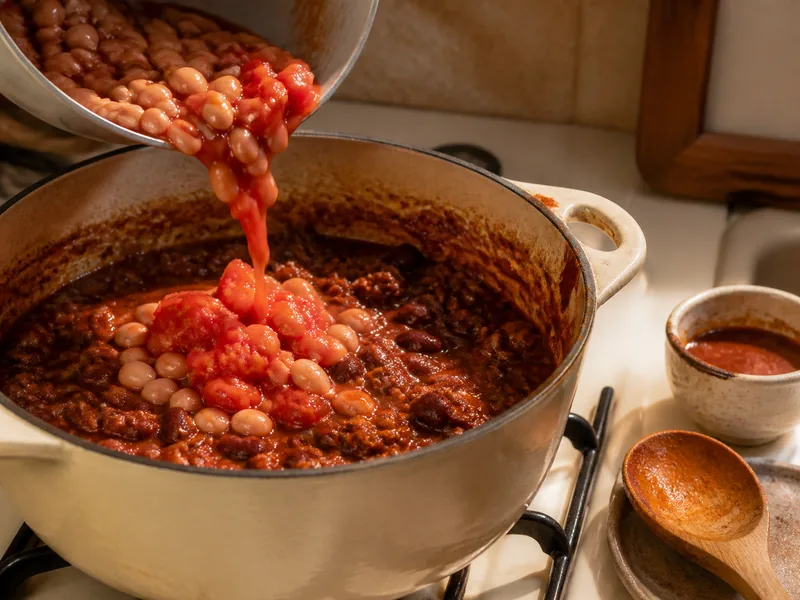
- Remove: Undissolved hot paste.
- Expand: Unsalted original ingredients.
- Simmer: Let the correction combine.
- Rebuild: Salt, cumin, and herbs last.
Fat from dairy, avocado, or meat can soften how heat is perceived at serving, but it does not restore a missing spice blend. Finish the repair by tasting for salt, cumin, oregano, and pepper body as separate questions.