
Which Ancho Chili Powder Substitute Fits the Recipe?
Match ancho's mild fruit, dark color, and sauce body without adding unwanted smoke or heat.
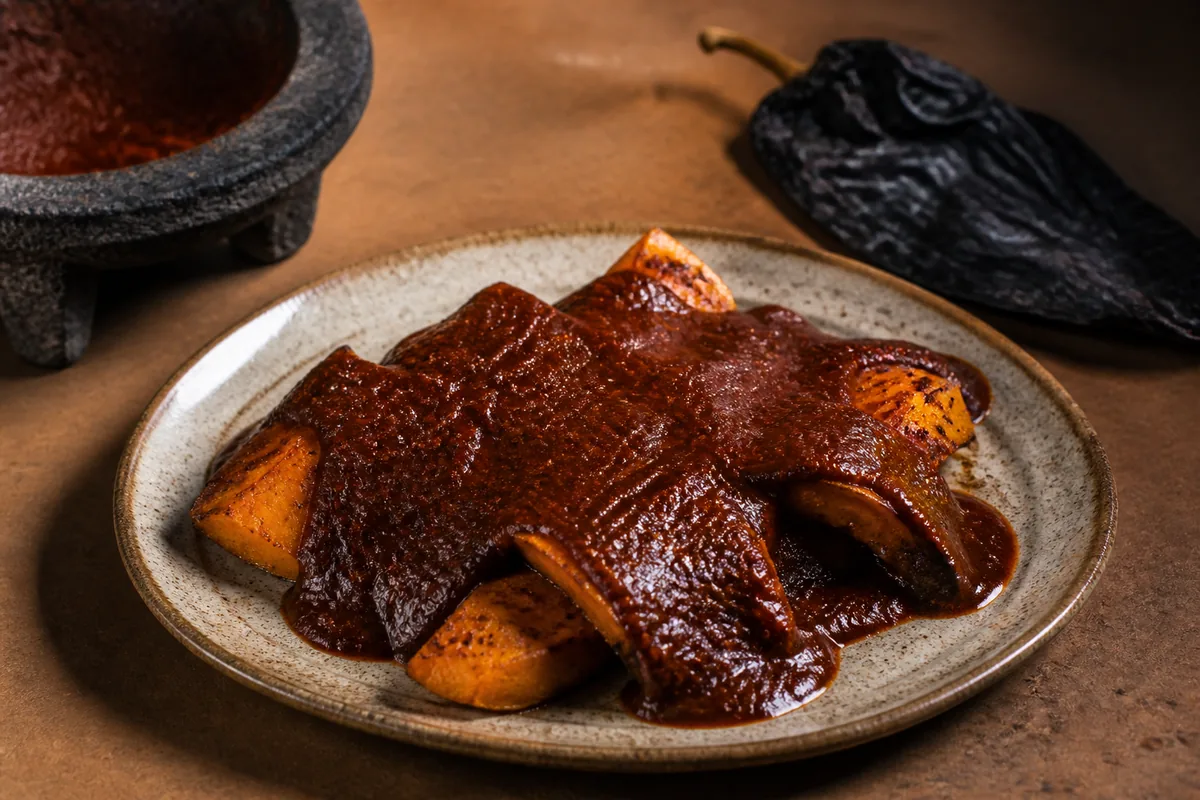
The closest ancho chili powder substitute is a whole dried ancho chile that you stem, seed, and grind. When that is unavailable, use paprika for mild color, chipotle powder for a smoky dish, or crushed Aleppo pepper where coarse texture and brighter fruit fit.
Four Ancho Chile Powder Substitutes for Different Jobs
Ancho chile powder comes from a dried ripe poblano, so it tastes mildly hot with raisin, prune, and cocoa-like notes rather than the sharp burn of a hot red pepper. That distinction matters because many jars labeled chili powder are seasoning blends with cumin, salt, and other ingredients.
Read the ingredient panel before measuring a replacement.
A jar containing only ground ancho is a pure chile powder, while an American-style chili blend can redirect mole, enchilada sauce, or a meat rub before the missing ancho is even considered.
A whole ancho chile gives the closest flavor because it is the same pepper in another form. Paprika is the safest mild powder when color matters more than dried-fruit depth, chipotle suits food that can carry smoke, and Aleppo pepper gives a brighter fruity flake.
| Number | Substitute | Starting ratio for 1 tsp ancho powder | Best use | Main change |
|---|---|---|---|---|
| 1 | Whole ancho chile | 1 tsp freshly ground | Mole, sauces, chili, rubs | Coarser when home-ground |
| 2 | Paprika | 1 tsp | Rice, beans, soup, mild rubs | Less fruit and depth |
| 3 | Chipotle powder | 1/2 tsp | Barbecue sauce, beans, smoky rubs | Hotter and much smokier |
| 4 | Aleppo pepper | 1 1/4 tsp, crushed | Roasted vegetables, eggs, meat | Brighter tang and visible flakes |
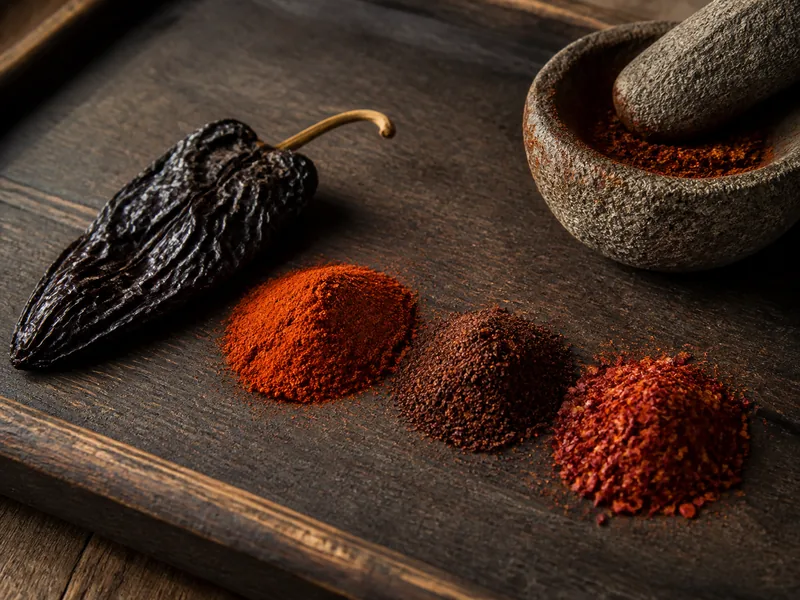
- Whole ancho: Same pepper and closest flavor.
- Paprika: Mild color without raisin depth.
- Chipotle: Smoke and extra heat.
- Aleppo pepper: Bright fruit in coarse flakes.
1. Whole Ancho Chile
Stem and seed a pliable dried ancho, warm it for a few seconds per side in a dry pan, then cool and grind it. Replace packaged ancho powder by volume after grinding, beginning with one teaspoon fresh powder for each teaspoon the recipe requests.
A medium dried chile commonly produces more powder than one small recipe needs. Grind only until the pieces pass through a spice sieve, then store the remainder away from heat and light rather than forcing all of it into the dish.
Brief warming wakes the chile's dried-fruit aroma, but black patches make the powder bitter. Press the chile only until it becomes fragrant and slightly flexible, then move it off the pan before the skin smokes.
For a smooth sauce, tear the toasted chile into hot water and soak it until flexible, usually about 15 to 20 minutes. Blend with some soaking liquid, strain only when the dish needs a polished texture, and remember that this puree performs a thickening job that loose powder does not.
2. Paprika
Use one teaspoon sweet paprika for each teaspoon ancho powder in rice, beans, soup, dry rubs, and sauces where mild red color is the first priority. Paprika disperses evenly and adds gentle pepper sweetness, but it cannot reproduce ancho's raisin-like middle or dark finish.
Paprika works best when the recipe already contains tomato, browned onion, dried fruit, cacao, or another ingredient that supplies depth.
In a very simple chile sauce, the missing ancho character remains obvious even when the color looks convincing.
The label must say sweet or mild paprika. Hot paprika raises heat, and smoked paprika introduces the same smoke problem as chipotle even though the pepper itself is different.
- Starting ratio
- 1 teaspoon sweet paprika per 1 teaspoon ancho powder
- Best for
- rice, beans, soup, color-first sauces, and mild rubs
- Main tradeoff
- clean red color with less dried-fruit depth
- Adjust
- add a small chipotle pinch only when smoke already belongs in the recipe
Mix paprika with the other dry seasoning before it touches moist food. Fine powder clumps on a wet surface, creating a few red patches that taste stronger while the rest of the dish stays pale.
3. Chipotle Powder
Begin with half a teaspoon chipotle powder for each teaspoon ancho powder in barbecue sauce, beans, chili, meat rubs, or a marinade designed to taste smoky. Chipotle is a smoked ripe jalapeno, so it brings more capsaicin heat and a distinct wood-smoke aroma.
Do not raise chipotle simply because the sauce still looks too light. Fill the missing color with sweet paprika and keep the chipotle dose tied to the amount of smoke the finished dish can carry.
Dry rubs expose the difference even faster because the powder sits on the food's surface. Mix chipotle thoroughly with paprika, salt, and the other seasoning so no concentrated patch reaches the pan.
A smoky bean pot or grilled meat can absorb that change and still taste coherent.
A fruit sauce, pale cream, or delicate vegetable soup usually cannot, so choose paprika or whole ancho instead of trying to hide the smoke later.
4. Aleppo Pepper
Crush one and one-quarter teaspoons Aleppo pepper to replace one teaspoon ancho powder in roasted vegetables, eggs, beans, meat rubs, and table sauces that can show red flakes. Aleppo pepper brings moderate heat, tangy fruit, and a slightly oily texture rather than ancho's darker raisin note.
The coarse flakes distribute differently from fine powder. Grind them briefly when the seasoning must coat a broad surface, or leave them coarse when visible flecks and small bursts of chile are useful.
Aleppo works particularly well after cooking. Its brighter aroma can lift roasted squash, eggs, yogurt sauce, or beans without spending a long time in a hot pan where small flakes may darken.
Use another option in a smooth mole or glossy enchilada sauce unless you plan to grind and strain. Even then, Aleppo creates a livelier red flavor and should be treated as a deliberate direction rather than a hidden copy.
Sauces Need Fruit and Body, Not Just Red Color
A sauce built from rehydrated ancho contains soft chile flesh as well as flavor. That flesh thickens mole, chile paste, and enchilada sauce, while a teaspoon of paprika only colors the liquid already present.
Test the sauce with a spoon trail.
If the path closes immediately and the recipe expects a clingy sauce, a dry substitute has solved aroma but not structure.
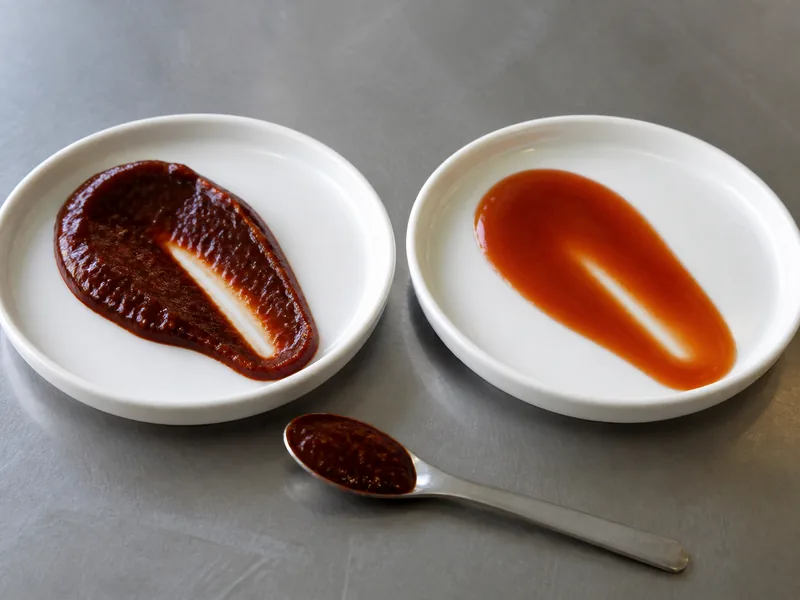
- Puree: Adds fiber and water together.
- Paprika sauce: Restores color but remains thin.
- Chipotle: Adds smoke before it adds body.
- Final test: Judge after reduction.
Use ground or rehydrated whole ancho. If puree replaces powder, reduce stock or soaking liquid as the sauce develops.
Paprika can supply mild color, but browned tomato or a small amount of dried fruit may be needed for depth.
Paprika is safe for color. Chipotle belongs only when a smoky pot is the intended result.
Ground whole ancho coats evenly. Aleppo pepper works when coarse chile flecks are acceptable.
A spoonful of tomato paste can thicken a sauce, but it also adds acidity, sweetness, and concentrated tomato. Use it only when tomato already belongs, not as a universal structural repair.
Finely blended toasted nuts, seeds, bread, or tortillas may provide body in recipes that already use them. They cannot replace ancho flavor, so correct texture and chile character as separate decisions.
Dry Rubs Expose Smoke and Heat Faster
A teaspoon of chile dispersed through a pot tastes milder than the same amount held in a crust on two pieces of food. Surface seasoning reaches the tongue before the interior dilutes it, which makes chipotle heat and smoke feel immediate.
Pat meat or vegetables dry before adding the blend. Surface water turns the seasoning into wet clumps and delays browning, while loose paprika at the pan edge can scorch before the food develops a crust.
- Mix the replacement completely with the recipe's other dry seasoning before it reaches the food.
- Coat one small test piece and let it rest until the powder hydrates against the surface.
- Cook over the heat the full batch will use, watching for deep red browning rather than black loose spice.
- Rest the test piece for two minutes so surface heat and smoke settle before tasting.
- Increase paprika for color, Aleppo for bright fruit, or chipotle for smoke as separate corrections.
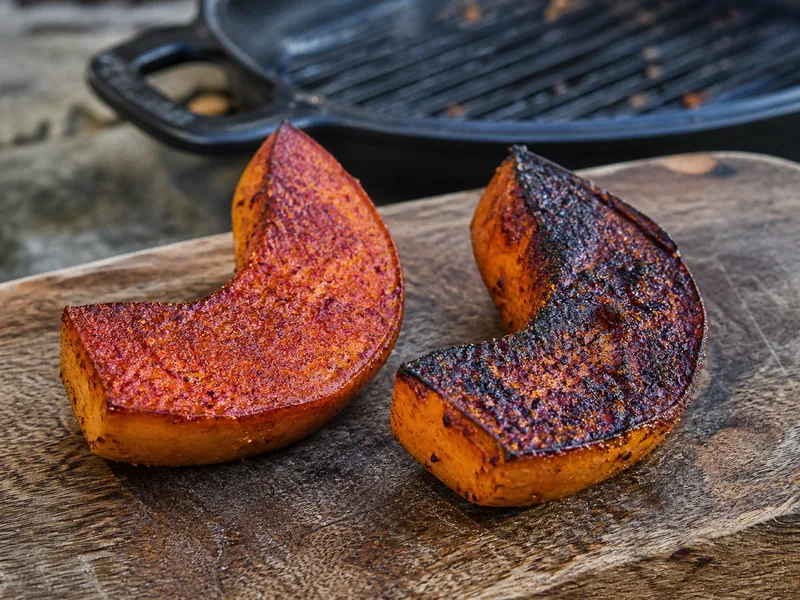
- Dry surface: Keeps the coating even.
- Paprika: Builds color and crust coverage.
- Chipotle: Controls smoke and heat.
- Aleppo: Add late if flakes may scorch.
Do not judge the blend by smelling the mixing bowl alone. Heat changes pepper aroma, and fat carries capsaicin across the cooked surface more efficiently than a dry sniff predicts.
Correct the Missing Note Instead of Adding More Chile
A weak ancho replacement usually lacks one specific quality.
Pale food needs color, a flat dark sauce may need fruit, a timid rub may need heat, and a harsh result may already contain too much smoke.
- Color is weakAdd sweet paprika in small measured portions because it raises red color with little extra heat.
- Fruit is missingAdd a little unsweetened prune puree, raisin soaking liquid, or browned tomato only when that flavor belongs in the recipe.
- Heat is weakAdd a pinch of cayenne after the sauce reaches final thickness rather than multiplying smoky chipotle.
- Smoke is strongExtend the unsmoked base. Acid can brighten the sauce, but it cannot remove smoke that is already dissolved through it.
Too much heat also requires dilution. Add more unsalted beans, tomato, stock, sauce base, meat, or vegetables as appropriate, then restore salt and acid after the capsaicin concentration falls.
Sweetness can soften the perception of heat, but it changes the dish and leaves the same amount of capsaicin present. Use a small sweet correction only when the recipe already has fruit, molasses, brown sugar, or another sweet element.
Large recipes need the same separation of jobs as small recipes.
When a recipe asks for tablespoons rather than teaspoons, scale the starting ratio first and hold back roughly one quarter. A large pot reduces slowly, so a reserved portion is safer than correcting several tablespoons of excess smoke or heat.
Measure home-ground ancho after grinding and sifting because curled chile pieces leave more air in a spoon than fine powder.
For a sauce cooking longer than 30 minutes, add most mild powder with the wet ingredients and reserve chipotle until the sauce has reduced. This timing protects fruitier notes and stops smoke from concentrating unnoticed.
A rub needs a smaller test because surface seasoning does not dilute through a pot.
Coat one bite-sized piece with the scaled blend, cook it in the same pan and fat planned for the full batch, then taste after a brief rest. This reveals whether the replacement browns cleanly and whether salt, smoke, or heat reaches the tongue first.
Freshness changes the ratio as well. A newly opened pepper powder smells vivid before heat, while an old jar may supply color but little aroma.
Do not compensate for stale powder by pouring in more until the food becomes dusty or bitter. Replace the jar, or let another ingredient supply depth while the measured chile controls color and heat.
These numbered ratios cover each eligible choice, but the final measure still belongs to the recipe's cooking time, surface area, and desired finish.
Coarse pepper flakes and fine chile powder should be measured in the form that enters the recipe. Crushing Aleppo pepper more finely packs more chile into the same spoon, so recheck the flavor after grinding instead of carrying the coarse-flake ratio forward unchanged.
For a repeat batch, note whether the spoon was loose, leveled, or packed. That small detail explains many apparent ratio changes without asking the cook to add more heat.
Write down the substitute, measured amount, batch size, and final correction after a successful test. That record separates a repeatable ratio from a lucky adjustment.
Stop once the replacement supports the food without becoming its loudest flavor. A good substitute does not have to reproduce every ancho note when the dish needs only mild color or a restrained chile background.