
Which Garam Masala Substitute Fits the Dish You Are Cooking?
Preserve warm finishing aroma without accidentally adding turmeric color, chile heat, or too much clove.
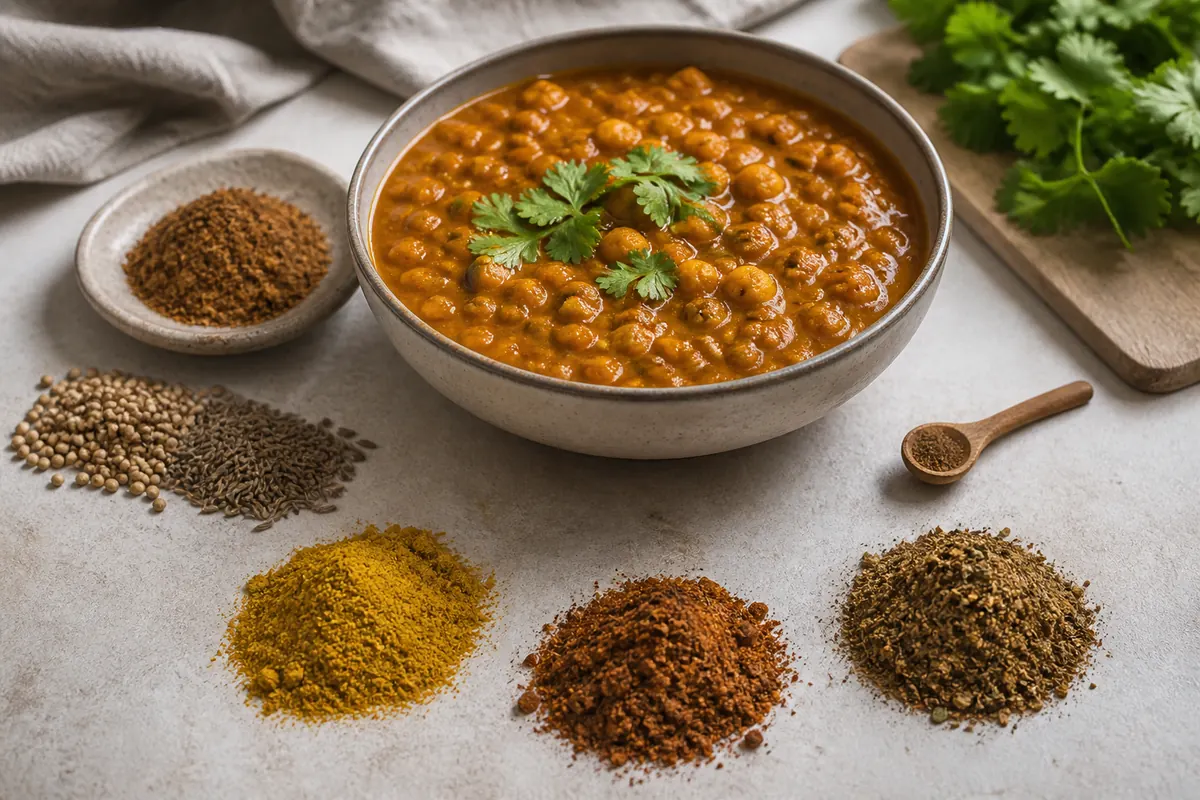
A small homemade blend is the best general garam masala substitute because you can control cumin, coriander, cardamom, cinnamon, clove, and pepper separately. Curry powder, baharat, ras el hanout, and allspice can work in narrower situations, but each moves the food in a direction you should choose deliberately.
Garam Masala Replaces Aroma, Not Chile Heat
The best garam masala substitute preserves warm aromatic lift rather than chile heat.
A small homemade mixture gives you the closest control because garam masala is a family of blends, not one fixed formula.
The word garam refers to warming spices. Cardamom, cinnamon, clove, mace, nutmeg, and black pepper can create that impression without a red chile being present.
Cumin and coriander often give the blend a savory base, while the smaller aromatic spices rise above it.
Regional and household formulas change the proportions, and some leave out spices that another cook considers central.
That variation gives you room to make a useful replacement. It does not make every brown spice blend interchangeable.
- Warm aroma
- Cardamom, cinnamon, clove, pepper, mace, or nutmeg create fragrance without requiring chile heat.
- Chile heat
- Curry powder, ras el hanout, and other blends may contain chile even when garam masala would not.
- Color
- Turmeric-heavy curry powder can turn a pale sauce or rice yellow.
- Timing
- Ground garam masala is often added late enough to preserve its most volatile aroma.
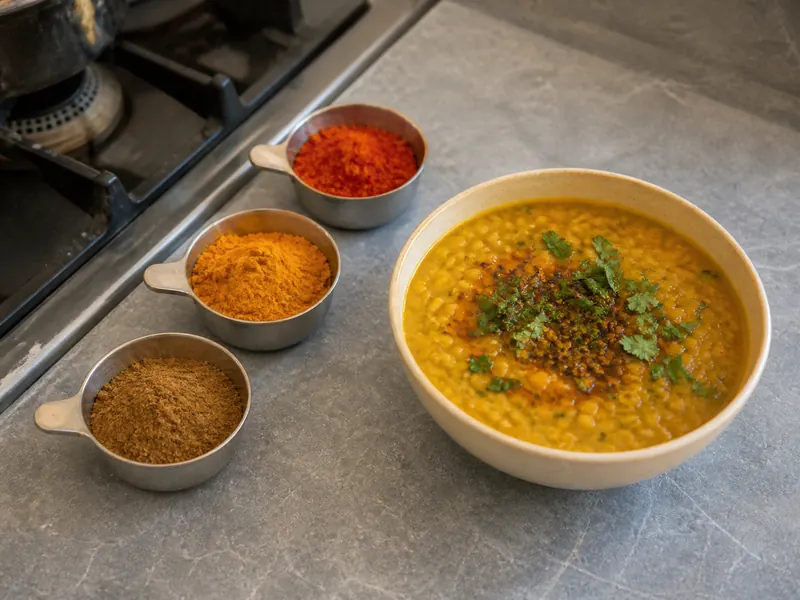
- Brown blend: Garam masala supplies aromatic warmth without requiring chile.
- Yellow blend: Curry powder often brings turmeric color.
- Red powder: Chile heat is a separate choice rather than the meaning of garam.
Smell the available blend before measuring it.
If turmeric, chile, clove, rose, or black pepper is easy to identify from the jar, expect that same note to become the main tradeoff in a mild dish.
The cooking stage matters too. A substitute added to bare hot oil behaves differently from one folded into dal after the simmer.
Five Garam Masala Substitutes for Different Dishes
A homemade mixture is the closest general answer because it rebuilds the main spice families without importing a second blend's identity.
Curry powder is the fastest broad shortcut, while baharat and ras el hanout make sense when the dish can accept their regional direction.
Ground allspice is a narrow emergency correction. It supplies one dark aromatic layer, but it cannot reproduce the cumin, coriander, cardamom, and pepper around it.
| Number | Substitute | Starting ratio for 1 tsp garam masala | Best use | Main change |
|---|---|---|---|---|
| 1 | Small homemade garam masala | About 1 tsp | Dal, curry, butter chicken, spiced rice | Fresher but less integrated |
| 2 | Curry powder | 3/4 tsp | Tomato curry, lentils, soup, vegetable stew | Yellower and earthier |
| 3 | Baharat | 3/4 tsp | Roasted vegetables, lamb, chicken, chickpeas | More peppery and often redder |
| 4 | Ras el hanout | 1/2 tsp, then up to 3/4 tsp | Carrots, chickpeas, lamb, tomato braises | More floral and variable |
| 5 | Ground allspice | 1/4 tsp | Spiced rice, minced meat, baked fruit, oatmeal | Clove-like warmth without a savory base |
1. A Small Homemade Garam Masala
For one teaspoon garam masala, combine one-half teaspoon ground cumin, one-quarter teaspoon ground coriander, and one-eighth teaspoon ground cardamom.
Add one small pinch each of cinnamon, clove, and black pepper.
Cumin and coriander form the savory base. Cardamom sits above them, while cinnamon and clove need much less volume because their aroma becomes recognizable quickly.
- Build the baseMeasure cumin and coriander into a small bowl.
- Add the high noteStir in the smaller cardamom measure.
- Add pinchesUse a small pinch each of cinnamon, clove, and black pepper.
- Smell the mixtureAdd another pinch of cardamom only if cumin still dominates.
- Season the foodAdd the mixture near the recipe's garam masala stage, then taste after it disperses.
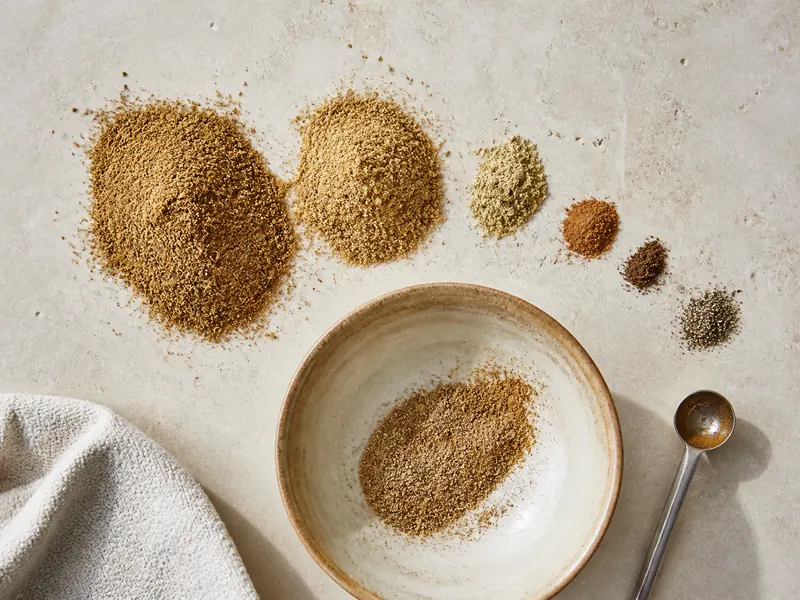
- Largest measures: Cumin and coriander form the savory base.
- Smaller measure: Cardamom lifts the aroma.
- Pinches: Cinnamon, clove, and pepper should not lead.
This ratio is an emergency reconstruction, not a claim that one recipe represents every region or household. It works because the quantities are unequal and each spice has a defined job.
Use it in dal, chickpea curry, butter chicken, vegetable curry, or spiced rice.
If the original recipe already measures cumin or coriander, reduce those separate additions before the replacement enters.
A blend made from stale preground spices may taste flatter than the missing jar. Adding more clove will not restore freshness, and it usually makes the mixture medicinal instead.
2. Curry Powder
Use three-quarters teaspoon curry powder for each teaspoon garam masala when the food already welcomes turmeric and an earthier cooked spice base.
Tomato curry, lentils, soup, and vegetable stew can absorb that shift better than pale korma or plain rice.
Curry powder and garam masala often share cumin, coriander, pepper, or other warm spices. Curry powder commonly adds turmeric, and the label may also list mustard, fenugreek, ginger, or chile.
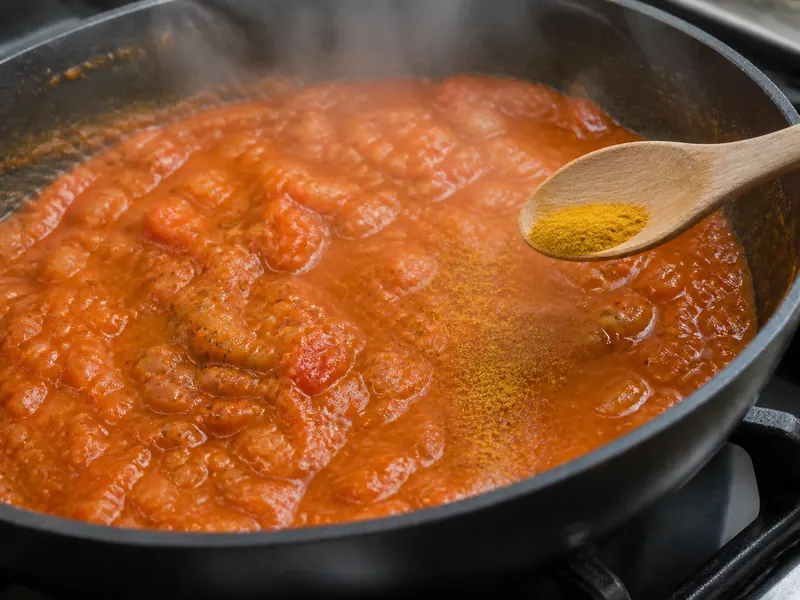
- Level measure: Begin with three-quarters of the missing garam masala volume.
- Moist sauce: Fine powder disperses without scorching.
- Clean patch: Compare the original red-brown color before stirring.
Add the curry powder later than you normally would when it is standing in for a finishing garam masala.
Stir it into moist food rather than scorching the fine powder in bare oil.
Taste after one minute of gentle heat. If the dish already reads as turmeric-led, adding more curry powder will deepen the wrong quality rather than recover the missing aroma.
3. Baharat
Start with three-quarters teaspoon baharat for one teaspoon garam masala in roasted food, meat, chickpeas, or a tomato-rich braise. Many versions overlap through cumin, cinnamon, clove, cardamom, and black pepper.
Paprika and allspice often make baharat redder, sweeter, or more peppery than garam masala.
That direction sits naturally on a browned surface, but it can flatten the cardamom-led finish of a mild dal or cream sauce.
The dry surface welcomes paprika, pepper, cumin, and cinnamon.
Browning and fat carry baharat's stronger pepper note.
Tomato and caramelized edges absorb the regional shift.
Skip baharat when red color and black pepper would become obvious.
Use the homemade mixture when cardamom lift matters more than roast seasoning.
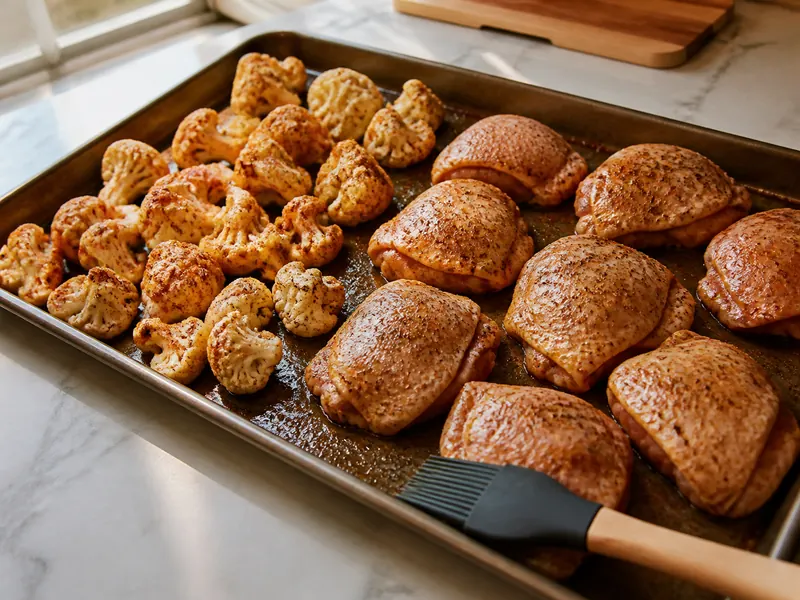
- Cauliflower: Dry edges carry paprika and pepper.
- Chicken: Fat and browning soften the regional shift.
- Thin coating: Keep the blend integrated rather than paste-thick.
Reduce black pepper or paprika already in the recipe before adding baharat. A tiny pinch of cardamom can raise the aroma, but only after the food has been tasted with the substitute fully dispersed.
This is a deliberate cross-regional change. It can make a good plate of food without making the seasoning equivalent to garam masala.
4. Ras el Hanout
Begin with one-half teaspoon ras el hanout for one teaspoon garam masala.
Increase to three-quarters teaspoon only when the blend tastes warm and peppery rather than distinctly floral.
Ras el hanout formulas vary widely. Cumin, coriander, cinnamon, cardamom, ginger, pepper, or turmeric may overlap with garam masala, while rose, lavender, mace, anise, or chile can create a different top note.
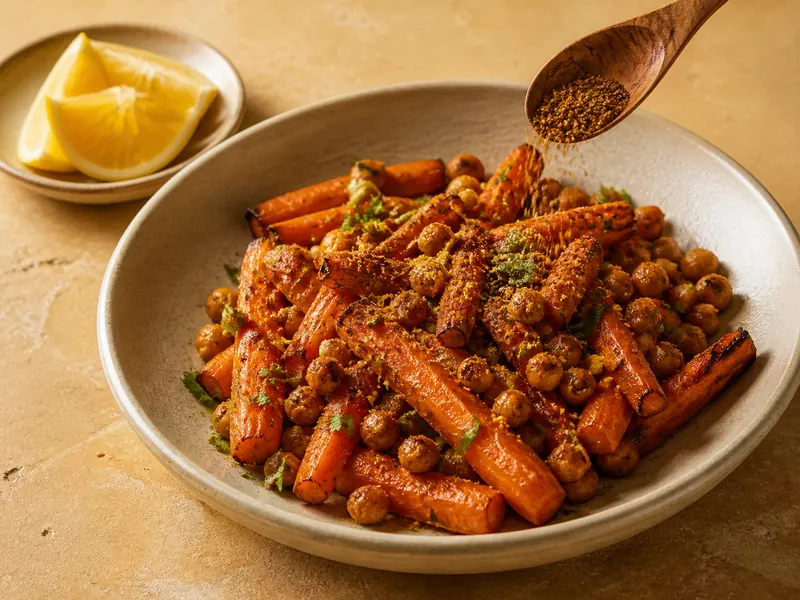
- Small veil: Begin below a one-for-one ratio.
- Browned vegetables: Caramelized edges absorb aromatic complexity.
- Acid held back: Taste before adding lemon.
Roasted carrots, chickpeas, lamb, and tomato braises give that complexity room. Mild cream sauces and delicate lentils expose perfumed or licorice-like notes much faster.
Read the label before adding acidic garnish. Preserved lemon or a sharp squeeze of juice can make a floral blend feel brighter and more separate rather than hiding it.
Add ras el hanout near the end for this substitution and taste away from direct heat.
Stop when you can name the floral note, because a larger dose will not bend it back toward garam masala.
5. Ground Allspice
Use one-quarter teaspoon ground allspice for one teaspoon garam masala only when the recipe needs a small dark-spice accent. Allspice suggests clove, cinnamon, and nutmeg even though it is one berry rather than a mixture of those spices.
It lacks cumin, coriander, cardamom, and the broader pepper structure of garam masala.
A one-for-one substitution therefore tastes blunt and clove-heavy.
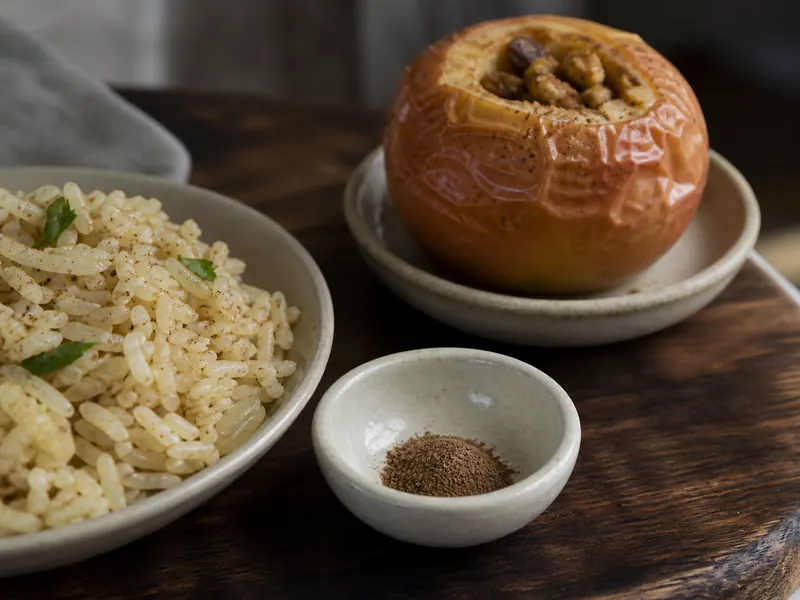
- Quarter teaspoon: A small amount keeps clove-like aroma controlled.
- Rice: Add cumin or coriander separately when the base needs them.
- Baked apple: Sweet food can use allspice without a savory base.
Sweet food is the easiest fit because it may need cinnamon-clove warmth without cumin or coriander. In a curry, allspice works only when the missing garam masala was a quiet background measure rather than a defining finish.
A pinch can be useful in a small pot.
A larger amount does not become more complete, so omission is cleaner once allspice begins to lead.
Match the Substitute to Curry, Dal, Rice, or Sweet Food
The same jar changes character with moisture, fat, browning, and cooking time.
Choose the replacement from the food in front of you rather than from the ingredient name alone.
Creamy sauces magnify clove and cardamom because there is little acidity or surface browning to distract from them. Thin dal exposes raw ground spice if the substitute goes in at the final second and never has time to disperse.
Biryani and pulao may already contain whole cardamom, cinnamon, cloves, or peppercorns.
Adding a full homemade blend on top can duplicate the very aromas you were trying to replace.
Use the homemade mixture and keep clove at a pinch. Curry powder may alter the color too much.
Use the homemade mixture for a clean finish or curry powder when turmeric already belongs.
Count the whole spices first, then replace only the missing ground finish.
Baharat fits browned surfaces, while ras el hanout suits food that welcomes floral complexity.
Use a restrained allspice dose or the cinnamon-cardamom portion of the homemade mixture without cumin and coriander.
Roasted food gives you the widest margin because browning, fat, and a dry surface integrate peppery blends. A pale sauce gives you the narrowest margin because every color and high aromatic note remains exposed.
Timing follows the same logic.
Add a broad replacement early only when the recipe wants a cooked spice base, and reserve the final small addition for aroma.
Adjust Existing Spices Before You Add the Substitute
Read the full ingredient list before rebuilding the missing blend.
A recipe that already contains cumin, coriander, cardamom, cinnamon, or cloves needs a smaller correction than one that relies on garam masala for all of its warm aroma.
When cumin and coriander are already strong, keep those recipe measures and add only the smaller aromatic part of the homemade mixture. Start with one-quarter teaspoon cardamom plus a pinch each of cinnamon, clove, and black pepper for every teaspoon of garam masala that is missing.
In butter chicken or korma, begin with half of the chosen replacement after the sauce has finished simmering.
Fat carries cardamom and clove across the whole spoonful, so taste after the blend has dispersed before adding the second half.
Dal needs a short settling period. Stir in the replacement near the end, keep the pot at a gentle simmer for one or two minutes, then taste a spoonful that includes both lentils and liquid.
For biryani or pulao, count every whole pod, clove, peppercorn, and cinnamon piece already in the pot.
A late one-quarter to one-half teaspoon of ground replacement may be enough when those whole spices have supplied the base aroma.
Baharat and ras el hanout require a different adjustment on roasted food. Reduce black pepper or paprika already in the seasoning before adding the substitute, because a dry browned surface concentrates both notes.
Sweet food should not receive the savory base simply because the missing ingredient was called garam masala.
Use the allspice option or a restrained mixture of cinnamon and cardamom, then leave out cumin, coriander, pepper, and chile.
These adjustments protect the recipe from double seasoning. They also let the substitute fill the missing aromatic space instead of competing with spices that are already present.
Whole Garam Masala Needs a Different Decision
Whole garam masala usually means intact cardamom pods, cinnamon, cloves, peppercorns, bay leaf, or related spices bloomed in fat or simmered in the dish.
Ground powder cannot copy their slow release or their ability to be removed before serving.
Fine spice dropped into bare hot oil darkens much faster than a whole pod or bark shard. It can scorch before the onion or liquid enters, leaving bitterness that no late garnish repairs.
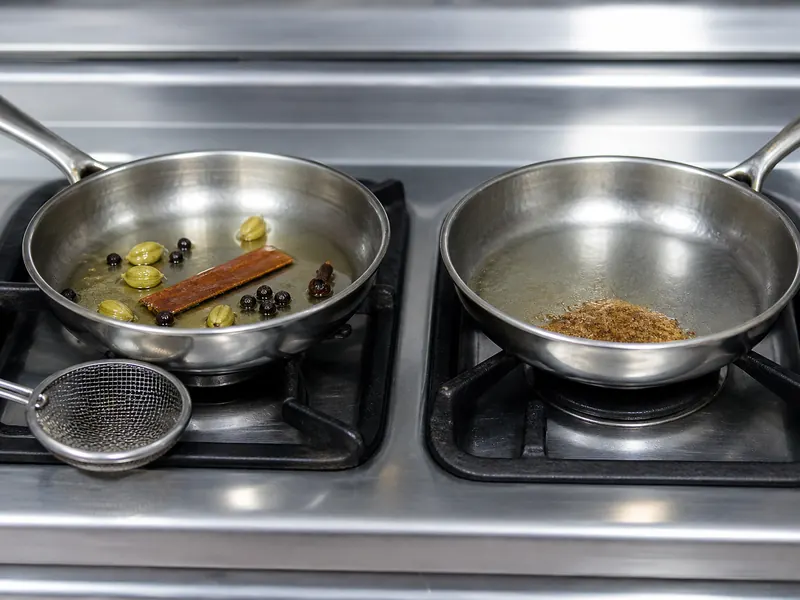
- Whole pan: Pods, bark, cloves, and peppercorns tolerate a brief bloom.
- Ground pan: Fine particles expose more surface to heat.
- Separate correction: Add ground seasoning after moisture enters.
- Read the methodConfirm that the recipe blooms intact spices at the beginning.
- Use the whole spices you haveChoose cardamom, a short cinnamon piece, one or two cloves, and several peppercorns in the proportions the dish can carry.
- Bloom brieflyStop when the aroma rises and before the small spices blacken.
- Add aromatics or liquidMove into the recipe before the whole spices overtoast.
- Make a separate late correctionUse a small ground substitute only if the finished food still lacks aromatic lift.
This distinction matters in biryani and pulao, where whole spice form remains visible and the rice should stay clean.
Ground curry powder can cloud the grains and add a yellow color that the original method never requested.
If you lack every whole spice, skip the bare-oil stage. Add a measured ground replacement after onion, tomato, stock, or another moist ingredient creates a safer carrier.
Taste for the Direction of the Mistake
A replacement should be corrected according to the direction it moved the food.
Adding a second random blend usually creates a longer ingredient list without restoring garam masala's finishing aroma.
- Too yellow or earthyCurry powder or turmeric is leading. Stop adding it and restore freshness with coriander leaf or a small cardamom pinch when appropriate.
- Too pepperyBaharat or black pepper is leading. Dilute with unsalted sauce, lentils, vegetables, or dairy rather than adding sweetness automatically.
- Too floralRas el hanout or excess cardamom is exposed. Increase the unseasoned base and delay lemon until the floral note settles.
- Too clove-heavyAllspice, clove, or a strong garam masala component is dominant. Add more base and fat, then stop using warm spice.
- Flat but not wrongAdd a very small amount of the homemade mixture off heat and wait for it to disperse before deciding again.
Turmeric color cannot be removed after it disperses, so the repair is dilution rather than concealment. Acid can brighten a heavy dish, but it may also make a floral spice stand farther apart from the sauce.
Fresh coriander can restore a high green note without adding another warm spice.
Extra fat can soften pepper and clove, provided the dish has room for more richness.
Omission is often the cleanest choice when the recipe asks for only a small finishing pinch and every available option introduces a stronger identity. The dish may lose one aromatic layer, but it will keep its intended color, heat, and balance.