
Which Allspice Substitute Fits the Dish and Spice Form?
Match allspice's clove-like warmth and peppery edge to the dish that needs replacing.
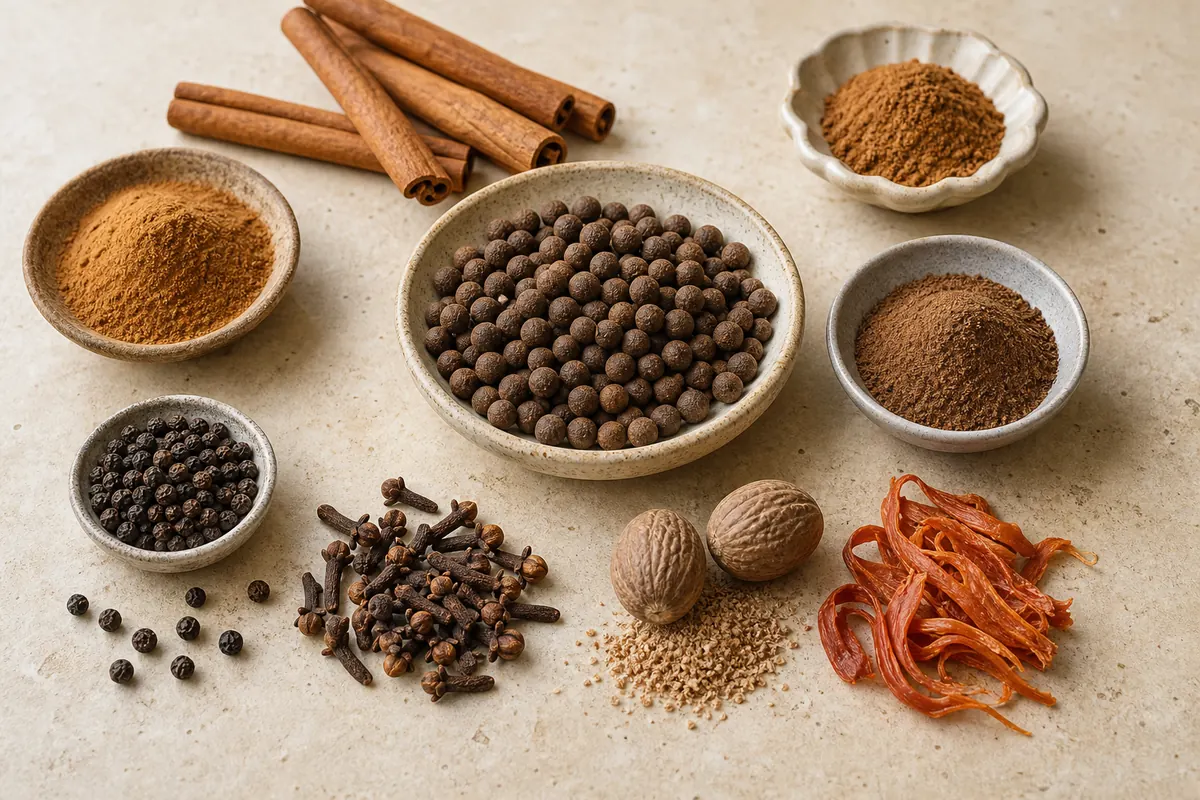
The best allspice substitute is 1/2 teaspoon cinnamon plus 1/2 teaspoon ground cloves for each teaspoon of ground allspice. Use a gentler blend in pale baking, add peppery bite separately in savory food, and build a removable spice sachet when the recipe calls for whole berries.
5 Allspice Substitutes by Flavor Job
Allspice tastes like several familiar spices, but it is the dried berry of one plant rather than a premixed seasoning.
Its aroma recalls cinnamon, cloves, and nutmeg, with a peppery finish that becomes more important in meat, beans, and long-cooked sauces.
The closest pantry replacement for one teaspoon of ground allspice is 1/2 teaspoon ground cinnamon mixed with 1/2 teaspoon ground cloves. That published substitution works as a measured starting point, but delicate cake batter often needs less clove and savory food may need black pepper to restore bite.
For half a teaspoon of allspice, scale the blend to 1/4 teaspoon cinnamon plus 1/4 teaspoon cloves.
Choose the option by the job allspice performs in the recipe. A fruit filling can accept cinnamon sweetness, a dark braise can carry clove, and a jerk-style seasoning loses its character when allspice is replaced only with a sweet baking blend.
| Number | Substitute | Starting ratio for 1 tsp ground allspice | Best use |
|---|---|---|---|
| 1 | Cinnamon and cloves | 1/2 tsp cinnamon + 1/2 tsp cloves | General baking, fruit, sauces |
| 2 | Pumpkin pie spice | 3/4 tsp | Quick breads, pies, sweet drinks |
| 3 | Mace | 1/2 tsp | Pale cakes, custards, cream sauces |
| 4 | Nutmeg | 1/2 tsp | Quick bread, fruit, squash, creamy sauces |
| 5 | Black pepper | 1/2 tsp | Meat, beans, gravy, braises |
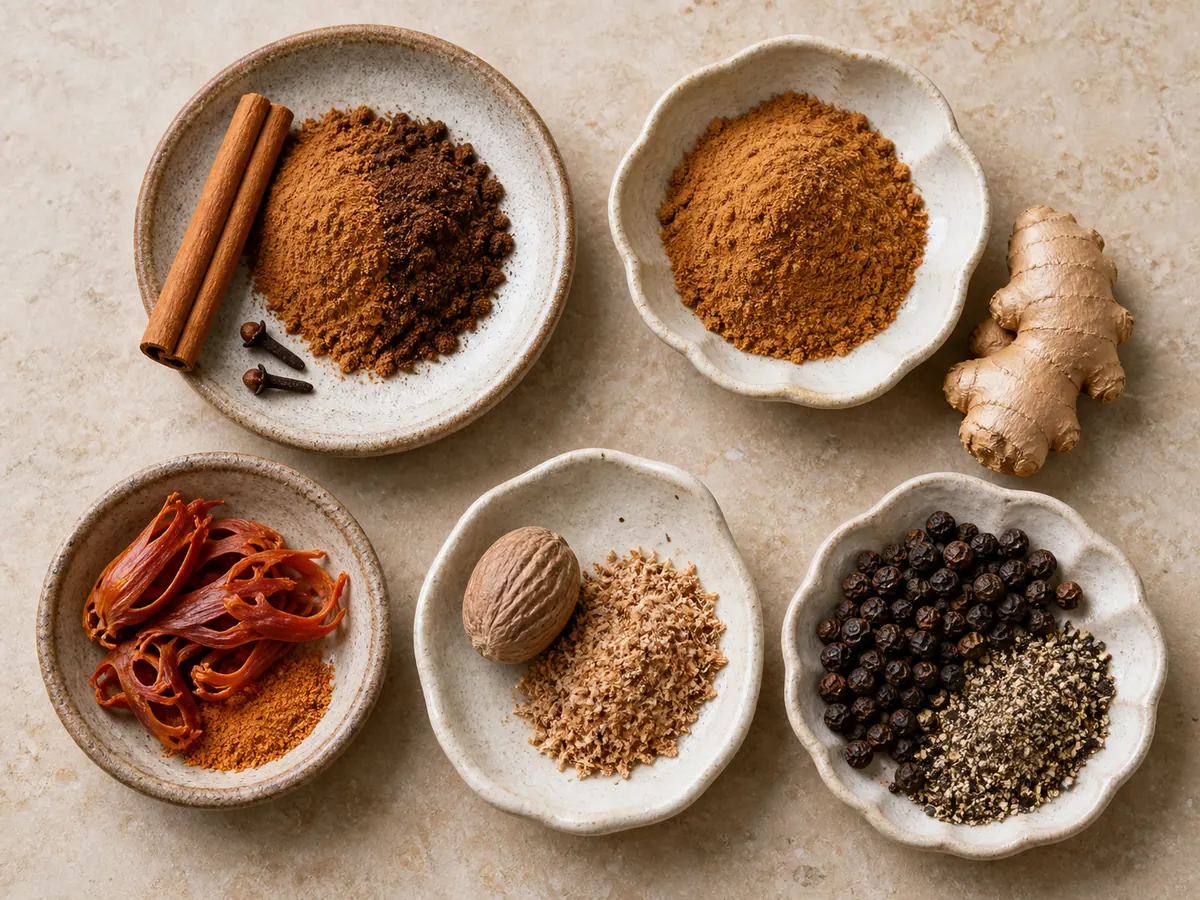
- Cinnamon and cloves: Closest measured pantry blend.
- Pumpkin pie spice: Convenient for sweet recipes.
- Mace and nutmeg: Gentler fragrant options.
- Black pepper: Directional savory replacement.
1. Cinnamon and Cloves
Mix 1/2 teaspoon ground cinnamon with 1/2 teaspoon ground cloves for every teaspoon of ground allspice.
The combination supplies cinnamon's woody sweetness and the direct clove aroma that makes allspice recognizable.
- Starting ratio
- 1/2 teaspoon cinnamon plus 1/2 teaspoon ground cloves per 1 teaspoon ground allspice
- Best for
- cakes, cookies, fruit filling, sauces, and general replacement
- Main tradeoff
- brighter cinnamon and a more direct clove finish
- Adjust
- reduce the clove portion in pale batter, custard, or cream
Blend the spices before measuring them into the recipe so one bite does not receive a pocket of clove. In a strongly flavored molasses cake, meat sauce, or fruit preserve, the full teaspoon blend can usually disperse without one note standing alone.
A pale butter cake or dairy sauce exposes clove more clearly. Use 1/2 teaspoon cinnamon with 1/4 teaspoon cloves first, then reserve the remaining clove for a final aroma check after the mixture is fully combined.
This blend replaces ground allspice, not the physical behavior of whole berries. Powder spreads through a liquid and cannot be removed after a long infusion.
2. Pumpkin Pie Spice
Start with 3/4 teaspoon pumpkin pie spice for each teaspoon of ground allspice in quick bread, fruit dessert, spice cake, or a sweet drink. Most versions contain cinnamon, ginger, nutmeg, and cloves, so the blend reaches the same warm-spice family while adding a clear ginger note.
- Starting ratio
- 3/4 teaspoon per 1 teaspoon ground allspice
- Best for
- pumpkin bread, fruit desserts, spice cake, and sweet beverages
- Main tradeoff
- extra ginger and a formula that changes by brand
- Adjust
- read the ingredient list before adding more cinnamon or cloves
Check the label because some blends already contain allspice and others lean heavily toward cinnamon.
If the recipe separately calls for ginger, cinnamon, or nutmeg, subtract a little of that spice before increasing the pumpkin blend.
Keep this option in sweet food unless a particular savory recipe already uses those baking-spice notes. It can make gravy, beans, or a meat rub smell like pie before it replaces the missing peppery edge.
3. Mace
Use 1/2 teaspoon ground mace for each teaspoon of ground allspice in pale cakes, custards, cream sauces, meat mixtures, or a light braise. Mace gives a fragrant nutmeg-like warmth without the direct clove edge that can dominate delicate food.
- Starting ratio
- 1/2 teaspoon per 1 teaspoon ground allspice
- Best for
- pale cakes, custards, cream sauces, meat mixtures, and light braises
- Main tradeoff
- more floral and nutmeg-like with no clove bite
- Adjust
- do not increase it to chase allspice's peppery finish
Mix the mace through the full base before assessing it because the fine powder can gather in one fragrant patch. Its lighter color also keeps pale sauces and custards from taking on the darker flecks of a pepper-heavy replacement.
Mace replaces the softer warm side of allspice.
It needs a separate pinch of black pepper only when a savory dish clearly misses bite after the first cooked taste.
4. Nutmeg
Use 1/2 teaspoon ground nutmeg for each teaspoon of ground allspice in custard, quick bread, fruit dessert, squash, or a creamy sauce. Nutmeg brings rounded sweetness and woodiness, but it leaves out clove strength and peppery heat.
- Starting ratio
- 1/2 teaspoon per 1 teaspoon ground allspice
- Best for
- custard, quick bread, fruit desserts, squash, and creamy sauces
- Main tradeoff
- soft sweet aroma without clove or pepper notes
- Adjust
- avoid repeated additions because freshly grated nutmeg becomes perfumed quickly
Freshly grated nutmeg can smell stronger than an older preground jar, so use a level half measure and mix completely before adding more. It works best when the recipe already has fruit, dairy, squash, or brown sugar to carry its softer aroma.
Nutmeg cannot turn a savory rub into an allspice replacement on its own.
Pair it with black pepper only when the dish needs dry bite, and keep that correction out of delicate baking.
5. Black Pepper
For meat seasoning, gravy, beans, or a braise, start with 1/2 teaspoon ground black pepper for each teaspoon of ground allspice. Black pepper restores the dry bite that sweet baking blends miss, although it contributes none of allspice's cinnamon-and-clove aroma.
- Starting ratio
- 1/2 teaspoon per 1 teaspoon ground allspice
- Best for
- meat seasoning, gravy, bean dishes, and savory braises
- Main tradeoff
- dry pepper bite without allspice's sweet aroma
- Adjust
- use it only when the dish needs bite more than a close aromatic match
Mix the pepper into the other seasoning before it reaches the food.
Coarse grains concentrated on a meat surface feel hotter than the same amount dispersed through a pot of beans or a pan sauce.
Add nutmeg or a very small pinch of cloves only after a cooked test shows that aroma is missing. Black pepper is a directional savory substitute and does not belong in custard, pale cake, or fruit filling.
Baking Needs the Blend, Not the Peppery Edge
Sugar and fat hold warm spice aroma, which is why a small excess of cloves can become more obvious after a cake cools.
Judge the mixed batter rather than smelling the dry spice directly, then reserve the final clove addition until the cinnamon has dispersed.
A dark gingerbread, molasses cookie, or fruitcake can support the full cinnamon-and-clove blend. The strong base provides enough bitterness, caramelization, and fruit aroma to keep clove from becoming the only recognizable note.
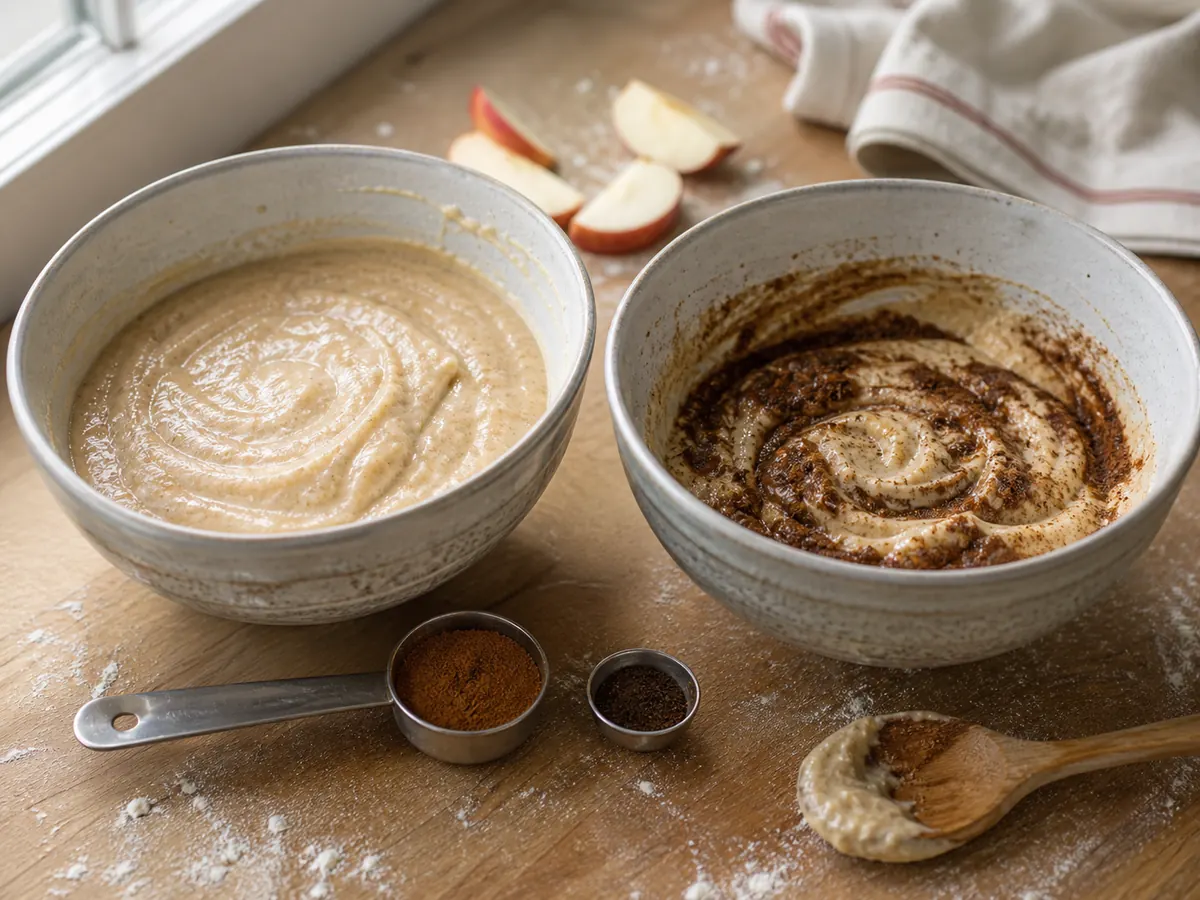
- Pale cake: Begin with less clove.
- Molasses batter: Can carry the full blend.
- Fruit filling: Cinnamon alone may be enough.
- Custard: Nutmeg is gentler than clove.
Fruit filling and oatmeal can move toward cinnamon without damaging the basic result. Pumpkin pie spice is useful in quick breads and squash desserts, but its ginger can duplicate another measured spice already present in the recipe.
Use cinnamon with half the planned clove, then assess the cooled crumb.
Use the full cinnamon-and-clove blend because the dark base can carry it.
Start with cinnamon alone when a sweeter result is welcome.
Use nutmeg sparingly and omit pepper or heavy clove.
Mix a new unspiced portion into a clove-heavy batter when ingredients and pan size allow. Adding more sugar or vanilla can cover the first taste, but it does not remove the sharp aromatic concentration.
Savory Food Needs Bite as Well as Sweet Spice
Allspice brings peppery warmth to meat, beans, tomato sauces, brines, and braises.
A baking blend can supply aroma in those dishes, but cinnamon and clove without pepper may leave the seasoning sweet and strangely detached from the browned food.
Use black pepper and nutmeg when the dish needs bite first. Add only a small pinch of cloves after the pepper is dispersed, since thin gravy and broth reveal clove faster than a dense meat mixture does.
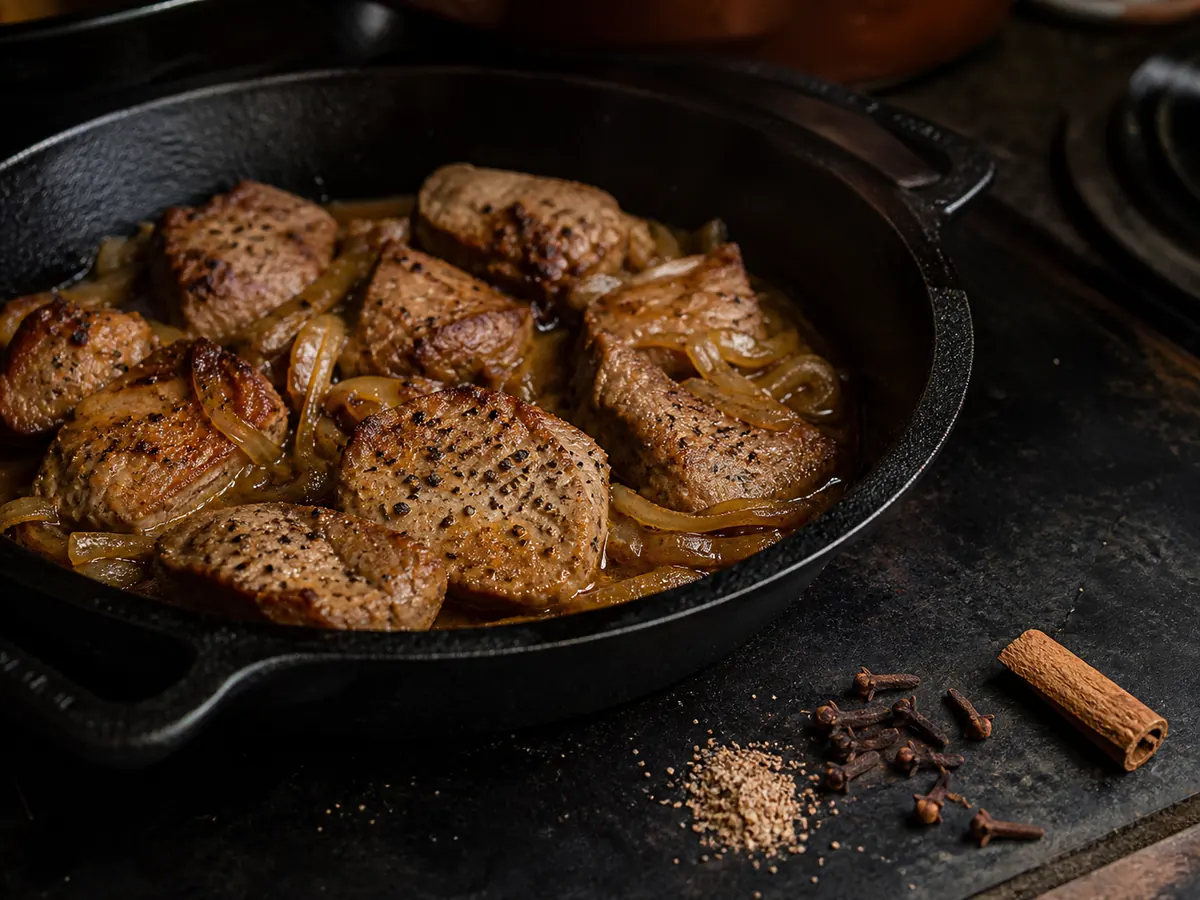
- Meat surface: Keep pepper coarse enough to remain noticeable.
- Braising liquid: Disperse nutmeg and cinnamon evenly.
- Clove: Add only after the first cooked aroma check.
- Jerk-style food: A pantry blend cannot fully recreate allspice berries.
Jerk-style seasoning deserves a stricter boundary because allspice is a defining ingredient rather than a background pinch. Black pepper, cinnamon, and clove can make a useful warm rub, but they produce a different seasoning and should be described that way.
| Dish | Useful starting option | Adjustment |
|---|---|---|
| Meat rub | Black pepper and nutmeg | Add a pinch of cloves only after a test portion cooks |
| Braise | Cinnamon and cloves | Use less clove in a thin liquid |
| Beans | Black pepper and nutmeg | Let the pot simmer before increasing nutmeg |
| Gravy | Black pepper with a pinch of cinnamon | Keep clove out unless the sauce is dark and strongly flavored |
Bloom ground spices briefly in the dish's cooking fat only when the recipe already uses that technique. Clove and cinnamon can scorch, so move into liquid as soon as they smell aromatic and do not wait for visible browning.
Whole Berries Need a Removable Infusion
Whole allspice berries release flavor gradually and can be removed from cider, pickle brine, stock, or a braise.
A ground replacement changes that physical job because powder disperses, clouds clear liquid, and continues flavoring the dish after a whole spice would have been taken out.
Build a small sachet when the recipe needs removable spice. For every six allspice berries, begin with a one-inch cinnamon piece, two whole cloves, and four black peppercorns, then remove the packet as soon as the liquid has enough warm aroma.
- Break a cinnamon stick into a small piece that fits inside muslin or a tea filter.
- Add two whole cloves and four black peppercorns for each six allspice berries being replaced.
- Tie the packet securely and add it when the original whole berries would enter the liquid.
- Taste the liquid before the end of cooking because clove may extract faster than the missing berries.
- Remove the sachet when the aroma is balanced, even if the braise or cider needs more time.
Keep the packet below the liquid surface but away from the hottest dry edge of the pot. Crushing the cloves or peppercorns speeds extraction and makes the timing less forgiving, so leave them whole for the first attempt.
A metal tea infuser also works when its holes are small enough to retain whole cloves and peppercorns.
Pickle brine should be judged before the vegetables finish resting because its spice aroma can strengthen during storage. Use a fresh sachet for another batch rather than guessing at the strength left in a packet that has already simmered.
Correct a Substitute Before It Dominates
Identify the note that is too strong before changing anything.
Clove excess feels sharp or numbing, cinnamon excess reads sweet and woody, pepper excess catches in the throat, and too much nutmeg can seem dusty or perfumed.
The most reliable correction is more of the original unseasoned base. Add plain batter, fruit, sauce, stock, beans, or meat in a measured portion, then restore salt, sugar, and acid only after the spice concentration falls.
Add unspiced base and extend the fruit, tomato, or dairy already in the recipe.
Dilute with the original base instead of adding pepper to fight sweetness.
Add unsalted liquid or solids and let the dish rest before retasting.
Extend the base and reinforce an existing savory herb or fruit note only if the recipe already uses it.
Retaste a cooled spoonful or a cooled crumb because steam can exaggerate aroma above a hot pot. A mixture that smells aggressive while boiling may settle, while clove in a finished cake can become clearer after the crumb cools.
Stop when the food tastes balanced on its own. The repaired dish does not need to imitate allspice perfectly if the substitute now supports the fruit, meat, sauce, or liquid without announcing itself.