
Choose a Sazon Substitute for Rice, Beans or Meat
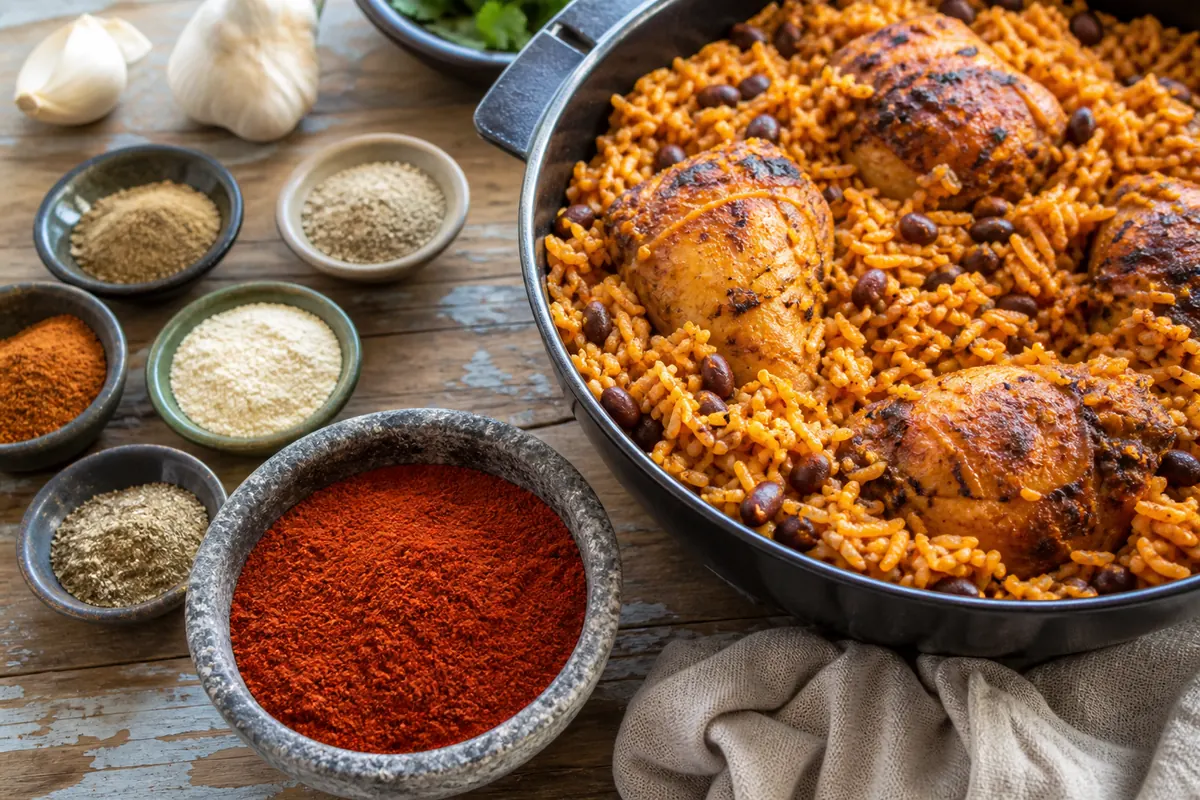
Sazón Separates Into Color, Aromatics, and Savory Salt
The closest Sazón seasoning substitute is a homemade blend of annatto, garlic powder, cumin, coriander, oregano, and controlled salt. It rebuilds the orange color and core aromatics without forcing the salt or savory enhancer found in some packets.
Sazón describes a family of seasoning blends rather than one universal formula.
Goya's current coriander-and-annatto product lists monosodium glutamate, salt, dehydrated garlic, cumin, coriander, and annatto among its ingredients. Other Sazón versions can use different colorings, pepper, saffron-style flavor, tomato, or reduced sodium.
That variation makes the packet name less useful than the job it performs in the food.
Annatto gives rice, oil, meat, and stew an orange-gold cast. Garlic, cumin, and coriander form the aromatic middle, while salt and MSG strengthen the savory base.
- Color
- Annatto creates an orange-gold hue that spreads most evenly through fat and cooking liquid.
- Earthy aroma
- Cumin gives beans, rice, and meat a warm foundation.
- Bright aroma
- Coriander keeps the blend from tasting only dark and earthy.
- Savory seasoning
- Salt and optional MSG affect the whole dish rather than color alone.
A cook can therefore fix pale color without adding another salted packet. The same logic allows more garlic or coriander without making the rice aggressively orange.
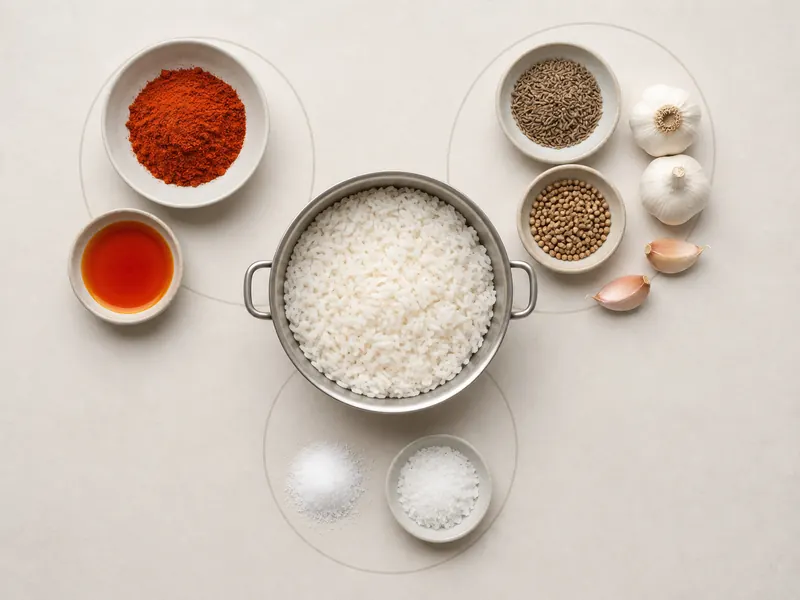
- Annatto: Orange-gold color.
- Cumin and coriander: Aromatic body.
- Garlic: Savory base.
- Salt and MSG: Final intensity.
The dish decides which job matters most.
White rice exposes annatto color clearly. Dark beans and tomato stew may hide the hue, while chicken skin and a pale marinade show both the color and any uneven powder patches.
Start with unsalted spices when the recipe already uses broth, cured meat, olives, or canned beans. Those ingredients can bring enough sodium that a packet-equivalent salt dose becomes excessive.
Four Sazón Substitutes with Different Color and Salt Tradeoffs
Choose the homemade blend for the closest control. Adobo plus annatto is the fastest savory shortcut, taco seasoning fits chile-friendly beef and beans, and paprika works when annatto is unavailable and a redder hue is acceptable.
| Number | Substitute | Starting ratio | Best use | Main change |
|---|---|---|---|---|
| 1 | Homemade annatto, cumin, coriander, and garlic | About 2 tsp per packet | Rice, beans, chicken, stew | Closest controlled blend |
| 2 | Adobo seasoning with annatto | 1 tsp blend | Chicken, pork, beans | Pepperier and often saltier |
| 3 | Taco seasoning with annatto or paprika | 3/4 tsp blend | Beef, beans, grilled meat | Hotter and chile-forward |
| 4 | Paprika, cumin, and garlic | 1 tsp blend | Vegetable rice, soup | Redder and less citrusy |
1. Homemade Annatto, Cumin, Coriander, and Garlic Blend
For one packet, mix one teaspoon ground annatto, half a teaspoon garlic powder, and a quarter teaspoon each of cumin and coriander, plus a pinch of oregano. Add salt only after checking the other ingredients in the recipe.
This formula is a practical reconstruction, not a proprietary copy.
Annatto owns most of the color. Cumin supplies earthiness, coriander adds a lighter citrus-like aroma, and garlic gives the mixture the familiar savory foundation.
- Measure the colorStart with 1 tsp ground annatto.
- Build the baseAdd 1/2 tsp garlic powder.
- Balance the aromaticsAdd 1/4 tsp each cumin and coriander.
- Add the upper noteUse only a small oregano pinch.
- Hold the saltSeason the complete cooking liquid after broth and canned food enter.
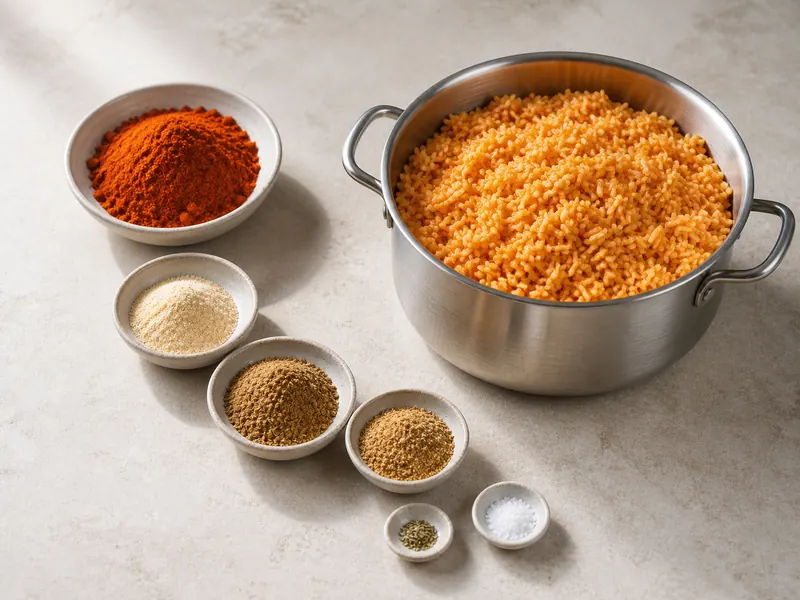
- Annatto: Largest measure.
- Garlic: Savory base.
- Cumin and coriander: Balanced pair.
- Oregano: Small upper note.
- Salt: Held for tasting.
For rice, stir the dry blend into warm oil with the onions or other aromatics. Add the liquid as soon as the oil turns evenly orange so the fine powder does not scorch.
The rice will look lighter before it cooks.
Pigment disperses through the expanding grains and liquid, so judge the color after the pot has simmered rather than adding a second annatto spoon immediately.
MSG is optional in a homemade version. If you use it, begin with a small pinch and reduce salt because both strengthen the savory impression even though MSG contains less sodium by weight than table salt.
Beans may need no added enhancer when their cooking liquid already includes ham, bacon, broth, or concentrated tomato.
2. Adobo Seasoning with Annatto
Use three-quarters teaspoon adobo seasoning plus one-quarter teaspoon ground annatto for each teaspoon of Sazón.
This shortcut supplies garlic, salt, and pepper while annatto restores the orange color.
Read the adobo label before measuring.
Some blends lead with salt, while others contain more garlic, oregano, pepper, or turmeric. A salty adobo should enter before any separate recipe salt.
Whisk the blend into oil and citrus, then taste the liquid before salting.
Rub lightly and let annatto disperse through the surface fat.
Add during the simmer and wait until the liquid reduces before correcting salt.
Stir into the aromatic base, then account for broth, olives, and cured meat.
Adobo usually gives a pepperier result than a coriander-annatto Sazón packet. That extra pepper suits roast chicken and pork better than delicate yellow rice.
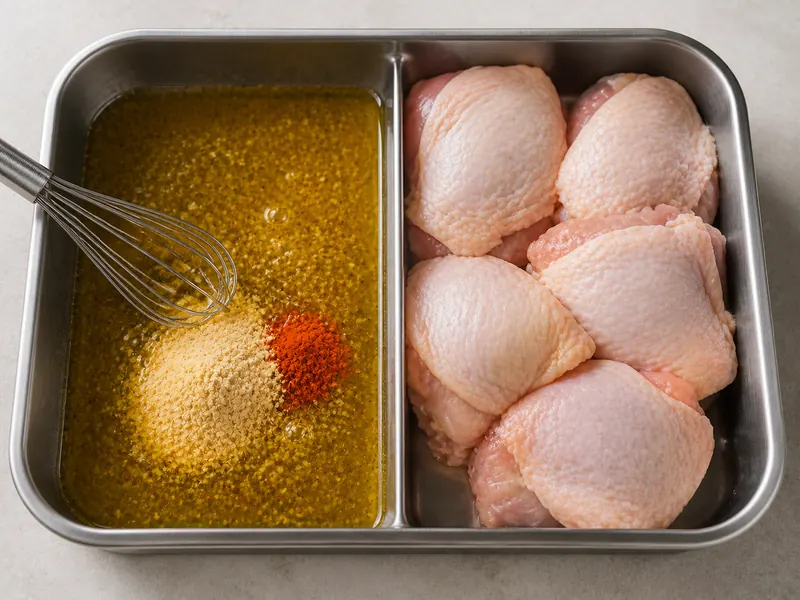
- Adobo: Garlic, pepper, and salt.
- Annatto: Orange color.
- Oil: Pigment carrier.
- Citrus marinade: Chicken context.
Marinades make salt difficult to judge by tasting raw liquid after it has touched meat. Mix and taste a clean portion before the chicken or pork enters.
Reserve some salt for after cooking.
Surface seasoning can taste strong on the browned exterior while the center remains mild, so slice a piece and taste both together before correcting the whole batch.
In beans, add adobo early enough for garlic and pepper to integrate. Hold the annatto until there is a little fat or hot liquid to disperse it evenly.
3. Taco Seasoning with Annatto or Paprika
Use half a teaspoon taco seasoning plus one-quarter teaspoon ground annatto for each teaspoon of Sazón. This is a deliberate chile-forward substitute for ground beef, dark beans, chili, and grilled meat.
Taco seasoning overlaps with Sazón through cumin, garlic, and sometimes oregano.
It usually adds more chile and may include onion, starch, sugar, or a substantial amount of salt. Those additions can redirect plain rice or a mild chicken stew.
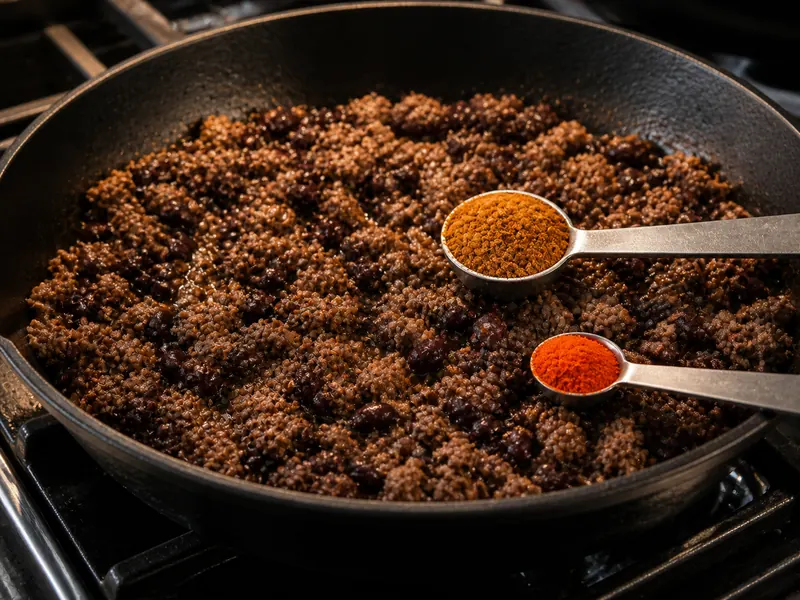
- Small taco dose: Controlled chile.
- Annatto: Color correction.
- Browned beef: Strong context.
- Dark beans: Color matters less.
Use paprika instead of annatto only when a redder result is acceptable. Paprika can deepen a tomato-based pot without the yellow-orange hue expected in classic seasoned rice.
Brown the meat first when the taco blend contains starch or sugar. Drain excess fat if needed, then add the seasoning with enough water to prevent fine powder from scorching.
Taste after the liquid reduces.
Salt, chile, and cumin all concentrate as water leaves the pan. An early correction can become harsh by the time the meat is ready.
For a grilled rub, mix the small dose with oil so it coats evenly. Keep sugar-containing blends away from intense direct flame because they darken faster than an unsweetened homemade mix.
4. Paprika, Cumin, and Garlic
Use half a teaspoon paprika, a quarter teaspoon cumin, and a quarter teaspoon garlic powder for each teaspoon of Sazón. Add a coriander pinch when you have it, then season with salt separately.
This fallback works without annatto.
Paprika gives a red-orange color rather than annatto's warmer orange-gold, and it adds a mild pepper flavor. The change suits vegetable rice, soup, beans, and roasted vegetables.
Bloom the paprika briefly in oil after onions soften.
Fine red powder can burn on a dry pan, so add the cooking liquid when the oil becomes evenly colored and the aroma opens.
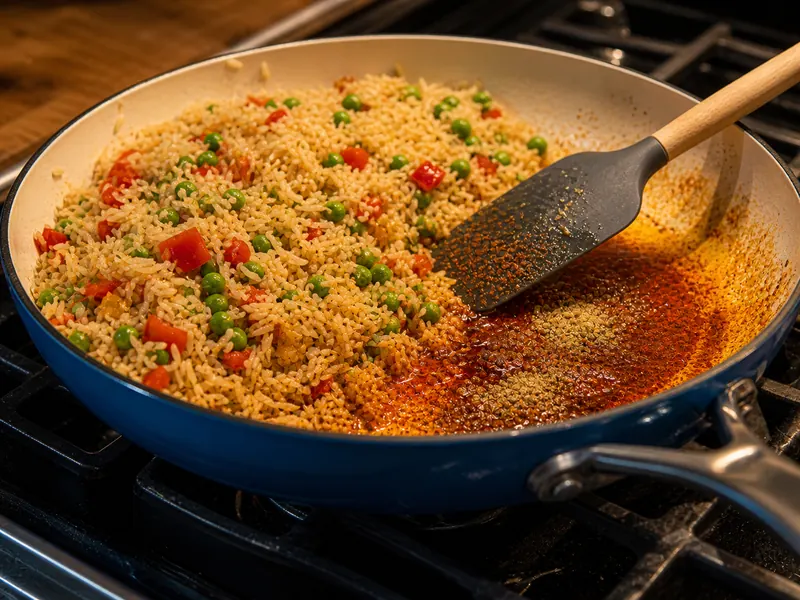
- Paprika: Red-orange hue.
- Cumin: Earthy base.
- Garlic: Savory aroma.
- Oil: Even dispersion.
Smoked paprika is a separate decision. Its smoke remains after cooking and can make beans or grilled vegetables taste intentional, but it distracts in pale rice and delicate chicken.
Coriander matters more than its small ratio suggests.
It lifts the dark cumin and garlic base, so the substitute can taste heavy without it. Add a small squeeze of lime at service only when acidity already belongs in the dish.
Bloom Color Gently and Correct Salt After the Liquid
Annatto and paprika color food most evenly when their pigment reaches fat before a large amount of water enters. Warm the spices in oil briefly, watch for even color, and add liquid before the powder darkens at the pan edge.
The visual cue matters more than a fixed number of seconds.
A wide hot skillet can scorch powder quickly, while a heavy pot over low heat gives the pigment more time to disperse.
- Cook the aromaticsSoften onion, pepper, or garlic in the recipe fat.
- Add the color blendStir annatto or paprika through the warm oil.
- Stop before browningAdd broth, tomato, or water when the oil is evenly colored.
- Account for salty ingredientsInclude broth, canned beans, olives, or cured meat.
- Taste near the final volumeCorrect salt, coriander, chile, or color separately.
Rice absorbs the seasoned liquid rather than keeping spice only on the surface. Taste the broth before the pot is covered, but remember that reduction will concentrate salt.
A liquid that tastes slightly under-seasoned can finish balanced.
Beans require a later checkpoint because their cooking liquid changes thickness. Salt and spices that seem weak in a thin pot become stronger after starch and reduction concentrate them.
Marinades need even dispersion across a smaller liquid volume.
Whisk the powder into oil before adding citrus or water, then keep a clean spoonful aside for tasting. Do not taste marinade that has contacted raw meat.
If the color remains pale after cooking, bloom a small annatto or paprika correction in a separate teaspoon of warm oil. Stir that colored oil into the food instead of dropping dry powder onto cooked rice.
A salty pot needs dilution, not more aromatics.
Add unsalted liquid or more of the main food when the recipe allows, then restore cumin, coriander, or garlic without additional salt.
Scale the Substitute to the Food and Its Salt
Treat the packet-equivalent blend as a starting measure, then scale it against the amount of food and the salt already in the pot.
One homemade batch replaces the seasoning work of a common small packet, but packet weights and formulas vary. A recipe that names a packet gives you a useful baseline rather than a guarantee that every teaspoon of another product has the same strength.
Rice spreads the blend through every grain because the cooking liquid carries dissolved salt and suspended pigment into the pot. Two cups of dry rice usually need more total seasoning than two cups of cooked beans served as a side, yet the rice can still become too salty when broth replaces water.
Begin with one homemade packet replacement for about two cups of dry rice when the original recipe calls for one packet.
Hold back the salt portion if the pot contains salted broth, bouillon, olives, cured meat, or canned tomato with added sodium.
The liquid should show clear orange color before the rice is covered, but it may taste only moderately seasoned. Water leaves during cooking, and the final grains will carry a stronger salt impression than the early broth.
Beans follow a different path because their liquid can move from thin to thick as starch releases and the pot reduces. Add about half the intended aromatic blend early, then judge the remaining cumin, coriander, garlic, and salt when the beans approach their serving consistency.
A full packet-equivalent dose can fit a large pot of plain beans.
The same amount can dominate a small pan of canned beans that already contains salt, tomato, pork, or a seasoned sauce.
| Food | Starting amount | What to hold back | Best checkpoint |
|---|---|---|---|
| 2 cups dry rice | 1 homemade packet replacement | Salt when using broth or bouillon | Taste liquid before covering and rice after resting |
| 3 to 4 cups cooked beans | 1/2 to 1 homemade packet replacement | Salt and optional MSG | Taste near final thickness |
| 1 pound chicken or pork | 1/2 to 1 homemade packet replacement | Salt in a brine or salty marinade | Taste a cooked center slice |
| 1 pound ground meat | About 1/2 homemade packet replacement | Salt in taco blend or sauce | Taste after liquid reduces |
| 1 cup marinade | About 1/2 homemade packet replacement | Salt before raw meat enters | Taste a reserved clean spoonful |
Meat uses seasoning on its surface unless the blend enters a ground mixture, brine, or injected liquid. A pound of chicken thighs can carry more visible annatto than a pound of thin cutlets because the thicker pieces present less surface area for the same weight.
Start with half a homemade packet replacement for one pound of meat when Sazón is one part of a marinade. Move toward the full amount only when the marinade is otherwise unsalted and the finished meat needs the orange color across a broad surface.
Ground beef distributes the powder more evenly, but reduction concentrates every salted ingredient in the pan.
Brown the meat, add the blend with a small amount of water, and taste after that water cooks away.
A marinade requires its own clean tasting step. Mix the oil, citrus, aromatics, and seasoning first, reserve a spoonful before raw meat enters, then decide whether the liquid needs salt or more coriander.
Color should scale more cautiously than garlic or cumin because annatto can make a small batch look fully seasoned before its flavor is balanced. Add half the planned annatto first when testing an unfamiliar powder, since grind and pigment strength can differ between products.
When a larger batch looks pale but tastes correct, bloom a small extra annatto measure in warm oil and distribute that colored oil through the food.
This changes appearance with less disruption to salt and savory intensity.
The reverse correction matters too. A batch that looks strongly orange may need no more color even when it tastes flat, so add unsalted garlic, cumin, coriander, or a small amount of salt according to the missing quality.
Scaling by multiplication works best for the unsalted homemade blend. Doubling a salty adobo or taco seasoning can also double sodium, chile, sugar, and starch that the dish did not need.
For those shortcuts, increase the blend in smaller steps and keep annatto separate.
The food reaches the intended color and aroma sooner when each correction solves one specific gap.
Finish by tasting the food in the form it will be served. Rice needs a short rest, beans need their final thickness, and meat needs a cooked interior sample before the last salt decision is reliable.
When Color Matters Less Than the Dish
Annatto color matters most in pale rice, light broth, chicken skin, and dough where the orange-gold hue is part of the expected result. Dark beans, tomato sauce, and browned beef can hide the color while still needing garlic, cumin, and coriander.
In those darker foods, use the aromatic blend without annatto when that is what the pantry allows.
The dish may taste complete even when it does not look like packet-seasoned rice.
- - Use the full homemade blend for pale rice, chicken, and light stews.
- - Add annatto to adobo when color matters and salt is already controlled.
- - Reserve taco seasoning for beef, beans, tomato, and grilled food.
- - Use paprika when a redder hue and mild pepper flavor fit.
- - Skip the color powder in dark food that already looks complete.
Omission can be cleaner when the packet was only one of several seasonings. Sofrito, tomato, broth, olives, garlic, and cumin may already cover most of the practical job.
Do not double those ingredients automatically.
Taste the food after it cooks, identify the missing quality, and correct color, salt, garlic, cumin, coriander, or chile one at a time.
A dish can be savory enough without MSG, and it can be colorful enough without annatto. The useful substitute is the one that solves the actual gap without importing a second problem.