
Which Adobo Do You Mean: Seasoning or Braise?
Separate the powder, wet rub, and Filipino braise before choosing a ratio or cooking method.
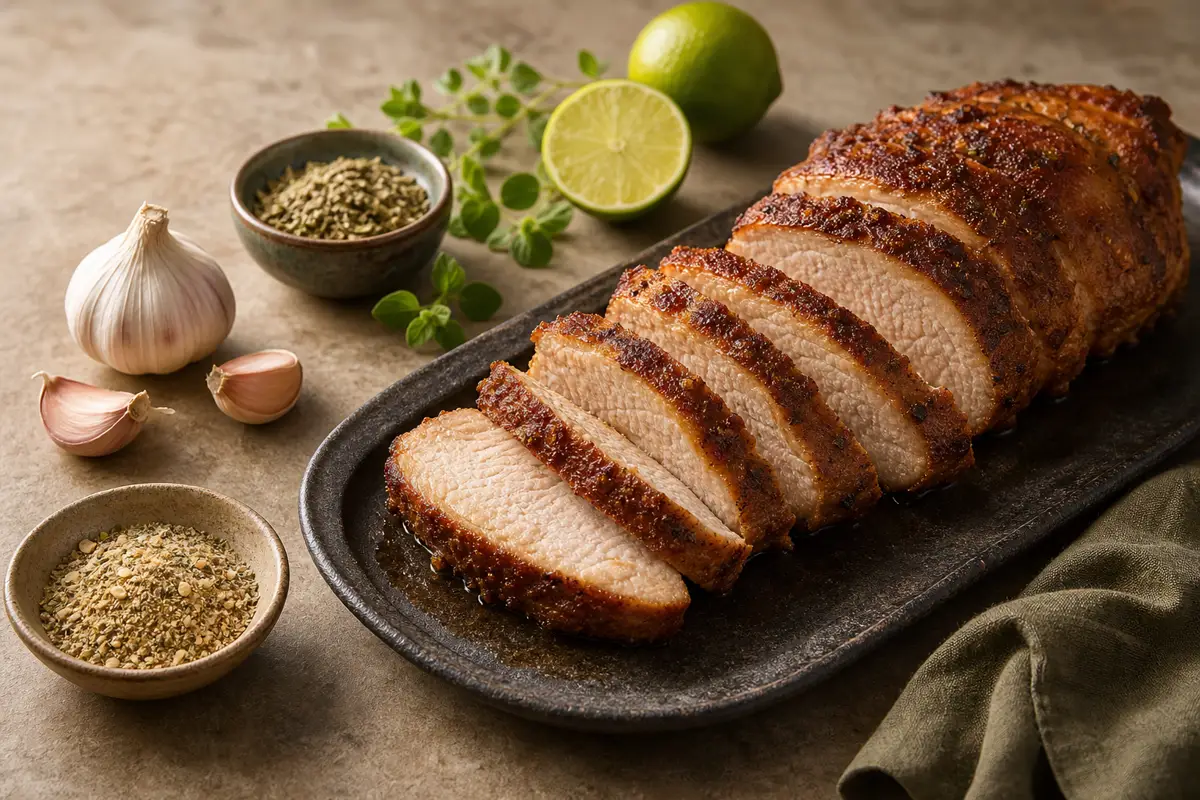
Adobo seasoning is usually a dry Latin or Caribbean garlic-oregano blend, while wet adobo is a coating and Filipino adobo is a vinegar-led braise. Check whether the jar already contains salt, then season by food weight and cooking method.
What kind of adobo does the recipe mean?
The measurement reveals which adobo a recipe means. Tablespoons of powder point to seasoning, while a marinating step needs liquid and fresh aromatics.
Puerto Rican adobo seco commonly combines garlic, oregano, pepper, and salt. Adobo mojado moves related flavors into a paste with oil, vinegar, or citrus.
Filipino adobo uses vinegar, garlic, peppercorns, and often soy sauce or salt as a braising liquid.
A dry spoonful cannot perform that cooking job.
| Form | What it contains | Cooking job |
|---|---|---|
| Dry seasoning | Garlic, oregano, pepper, salt or salt-free spices | Season before roasting, searing, or simmering |
| Wet adobo | Fresh garlic, oregano, oil, citrus or vinegar | Coat and marinate meat or vegetables |
| Filipino adobo | Vinegar, soy sauce or salt, garlic, peppercorns, bay | Braise meat, seafood, or vegetables |
The word on the page is not enough. Look for powder measurements, liquid ingredients, and the named cuisine before choosing a substitute.
A supermarket spice aisle usually means adobo seco. A refrigerated tub near fresh sofrito is more likely a moist paste with shorter storage needs.
A recipe that browns meat immediately needs surface seasoning.
A covered pot with several cups of vinegar needs a braising method instead.
Does the adobo jar already contain salt?
Salt often appears first on a commercial adobo label, so a full spoon can behave like seasoned salt. Brined chicken, cured pork, canned beans, bouillon, and stock reduce the room left.
Taste a pinch of the blend before measuring. If salt arrives before garlic and oregano, treat the jar as seasoned salt rather than pure spice.
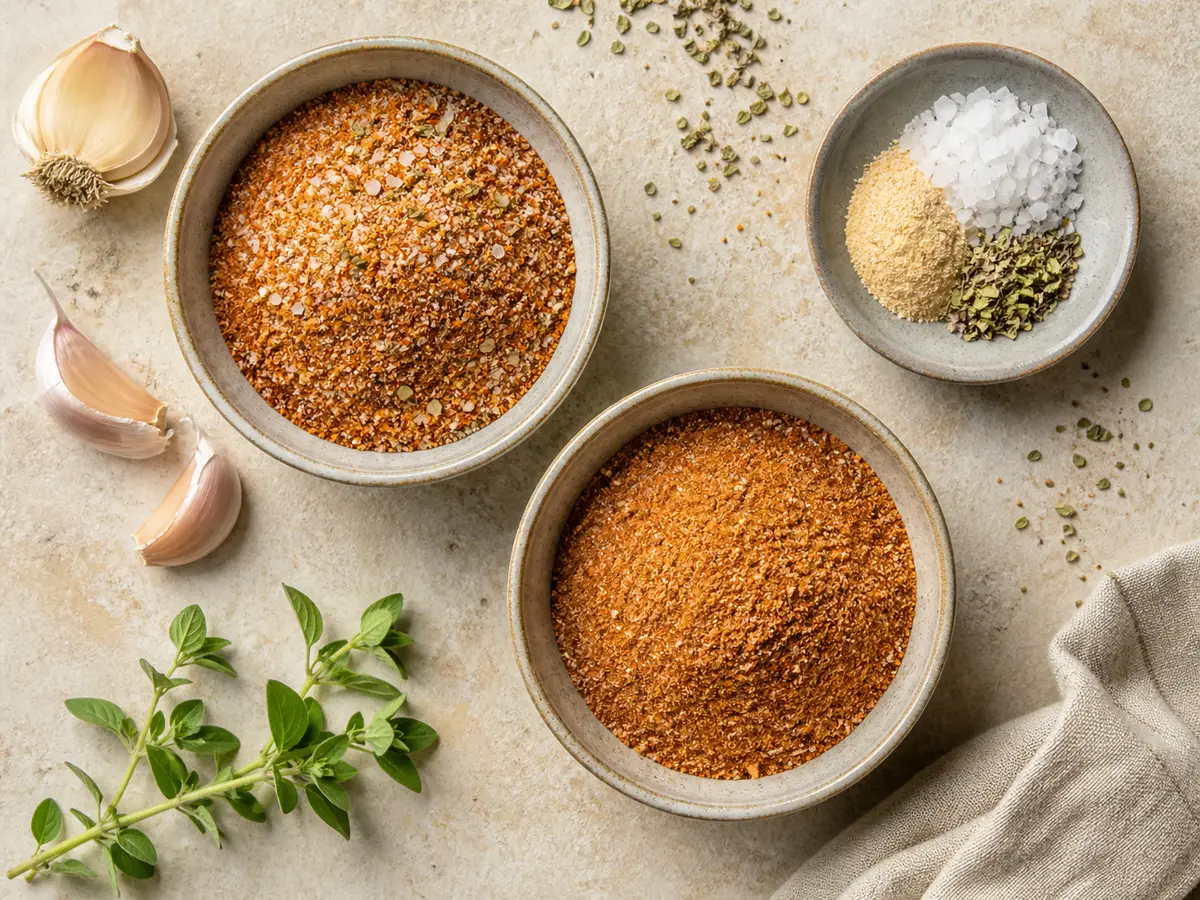
- Salted jar: Reduce other salt and taste later in the cook.
- Salt-free mix: Season the food first, then add the aromatic blend.
- Brined food: Start with half the normal adobo amount.
For an unsalted blend, start around one teaspoon per pound of meat.
A salted blend may need half that amount, depending on the label.
Salt moves deeper during a rest, while garlic and oregano stay nearer the surface. This is why separate seasoning gives you more control.
Use ingredient order on the label to compare two jars. Sodium per serving matters only after you match the serving size.
Weighing salt is most useful for a large roast.
For a small pan of beans, add the blend in two rounds and taste after simmering.
Fine commercial powder packs more densely than flaky homemade oregano. Compare sodium by gram when two labels use different teaspoon serving sizes.
What gives dry adobo its garlic-oregano backbone?
Garlic supplies the broad savory base, while oregano gives dry adobo its herbal edge.
Black pepper sharpens that base without turning it into a chile blend. Onion powder often widens the savory flavor, especially in commercial versions.
Ground cumin appears in some blends, but it should remain a background note.
Dried oregano must remain clear. Paprika, ground turmeric, or annatto may contribute color.
- Backbone: Garlic and oregano should remain clear after cooking.
- Support: Black pepper and onion add bite and savory breadth.
- Optional color: Paprika, turmeric, or annatto can tint the food without defining every blend.
- Variable salt: Sodium is a formulation choice, not the identity of adobo.
A long ingredient list is not automatically better. The blend needs a readable garlic-oregano center that survives heat.
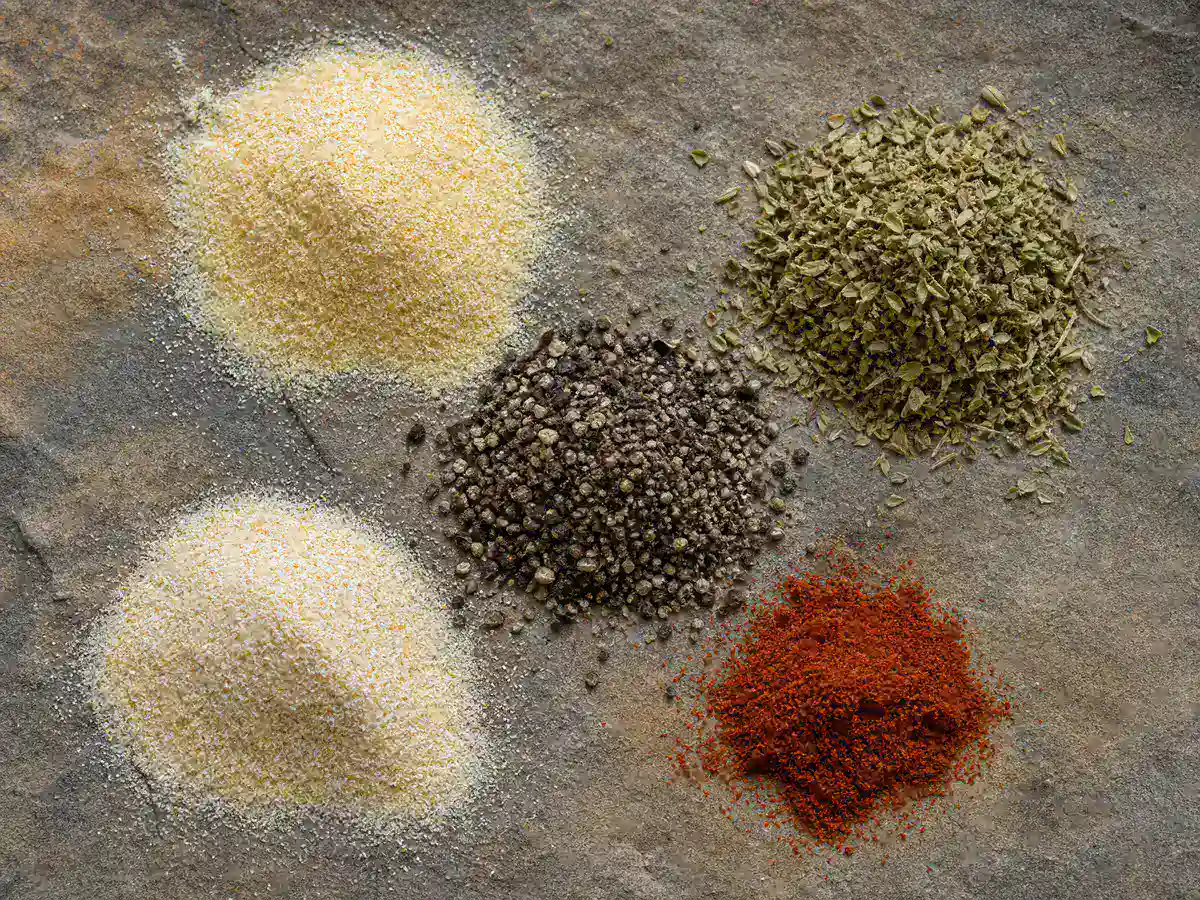
- Garlic: Forms the savory base.
- Oregano: Keeps the blend herbal and distinct.
- Pepper: Adds a dry edge without chile heat.
Once the backbone is clear, a measured batch tests whether those choices survive cooking.
Make the first batch without salt, then season each dish separately. This keeps the blend useful with canned, cured, and brined foods.
Combine two tablespoons garlic powder with one tablespoon dried oregano and one tablespoon black pepper.
Add two teaspoons onion powder for a broader savory base. One teaspoon cumin and one teaspoon paprika are optional branches, not fixed rules.
| Ingredient | Starting amount | What it changes |
|---|---|---|
| Garlic powder | 2 tablespoons | Main savory body |
| Dried oregano | 1 tablespoon | Herbal identity |
| Black pepper | 1 tablespoon | Dry pungency |
| Onion powder | 2 teaspoons | Rounder background |
| Cumin | Up to 1 teaspoon | Earthier, warmer direction |
| Paprika | Up to 1 teaspoon | Color and mild pepper sweetness |
Rub the oregano between your fingers before mixing. Breaking the leaves releases aroma and prevents large flakes from separating in the jar.
Shake the jar before every use because the fine garlic settles differently from oregano. Scale the formula by parts only after tasting one batch.
Add salt at the stove or table. That single choice makes the homemade version easier to use across more foods.
Taste the mix after it sits overnight because garlic powder hydrates from the surrounding air. If oregano disappears, add more leaves rather than more cumin.
For a redder blend, choose sweet paprika. Smoked paprika can make a stovetop dish taste grilled before any browning occurs.
Freshly ground pepper stays aromatic longer than preground pepper. Use a medium grind so it remains distributed with the oregano.
Should adobo stay dry or become a wet coating?
Dry adobo needs a short rest on meat so salt and garlic hydrate before the surface hits the pan.
Chicken and pork can rest for 15 to 30 minutes at room temperature before cooking. Longer refrigerated contact works when the blend is not heavily salted.
Fish needs less time because its thin surface takes seasoning quickly. Five to ten minutes is enough for most fillets.
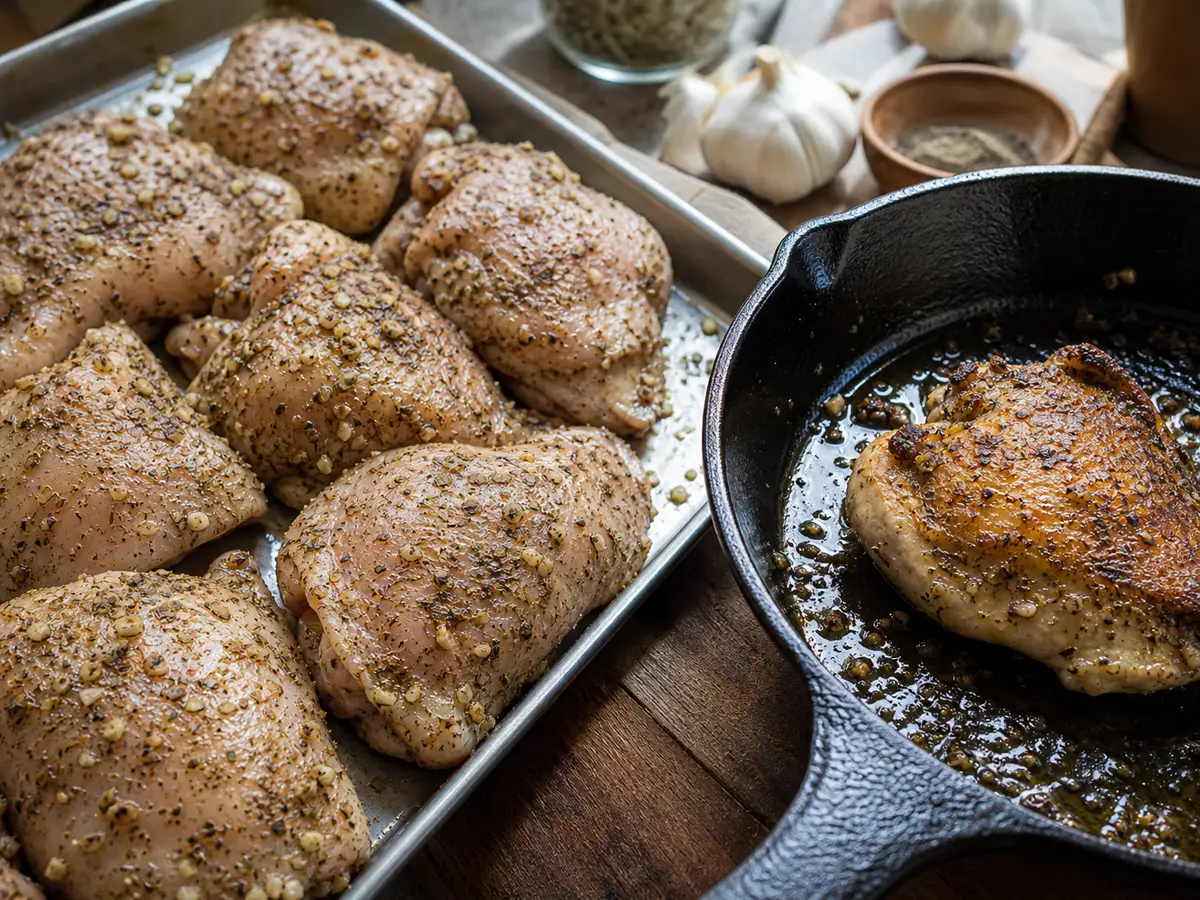
- Chicken: Rest 15 to 30 minutes before searing or roasting.
- Fish: Use a lighter coat and shorter contact.
- Beans and rice: Stir the blend through liquid for even distribution.
Wipe away wet puddles before searing. Loose garlic powder can scorch if it sits in concentrated clumps over extreme heat.
For beans or rice, add adobo to the cooking liquid rather than dusting the finished surface. Hydration spreads oregano and pepper through the pot.
The timing of ground spices matters here because garlic powder browns faster than whole peppercorns.
Roasting gives the coating steady heat, while pan searing creates hot spots. Turn seared pieces before the garlic reaches a dark bitter crust.
On skin-on chicken, season beneath loose skin as well as outside. The inner layer reaches the meat while the outer layer flavors the crisp surface.
For tofu, press out water before seasoning and oil the surface lightly. The dry coating then browns instead of sliding off with released moisture.
For rice, bloom half the blend with the aromatics and add the rest to the broth. This keeps oregano present after absorption.
Wet coating changes the decision because oil improves adhesion while acid changes both flavor and surface texture.
Dry adobo becomes a wet rub when oil and a small amount of citrus or vinegar turn the powder into a clinging paste.
Oil spreads the seasoning over irregular surfaces. Acid brightens pork and chicken, but it also changes texture during a long rest.
For one pound of pork, mix two teaspoons salt-free adobo with one tablespoon oil and two teaspoons citrus juice.
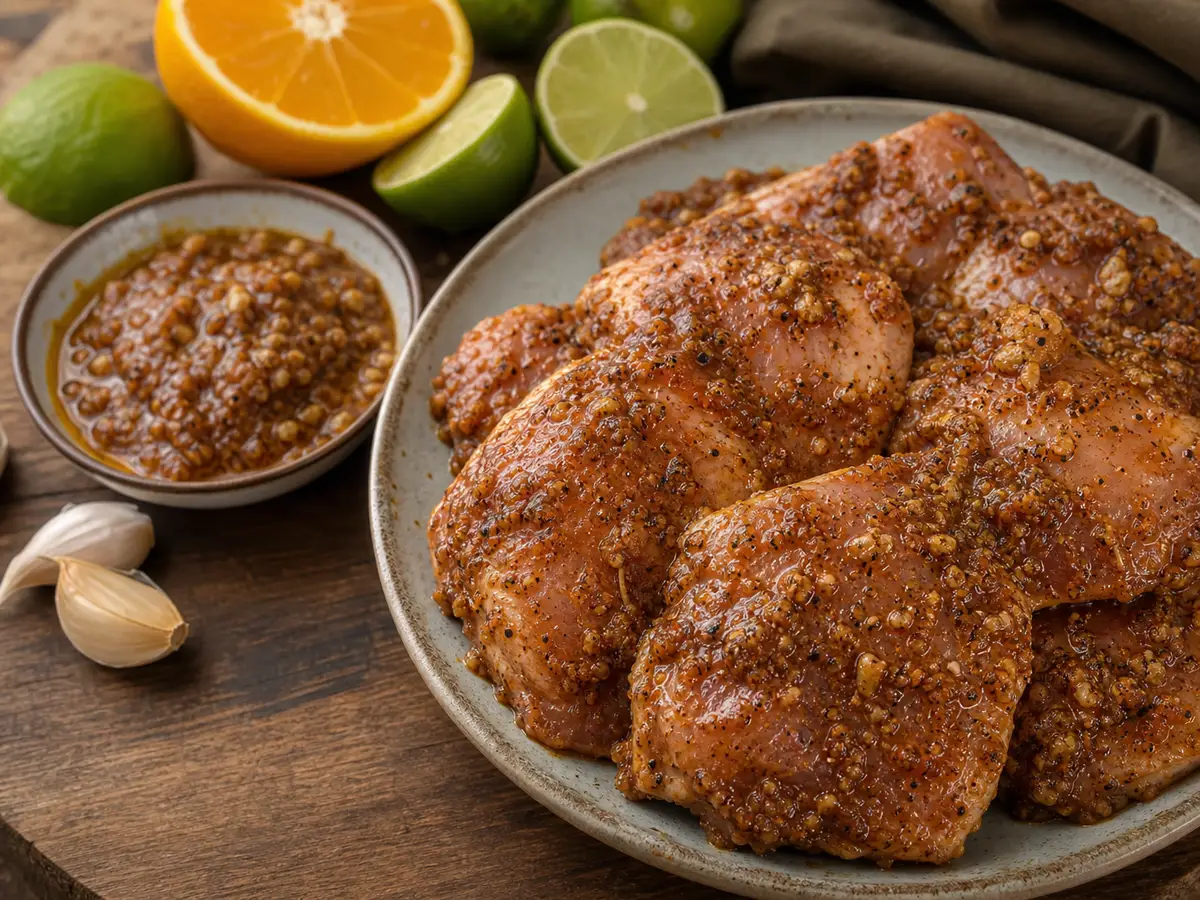
- Correct texture: The paste coats the meat in a thin film.
- Too wet: Liquid pools and blocks browning.
- Too acidic: Long contact can firm the surface of fish.
Keep fish contact brief and reduce the acid. A dry coating is often the safer choice when the fillet will cook quickly.
This paste still differs from Filipino adobo. It seasons the surface before cooking instead of creating a vinegar braising liquid.
Refrigerate meat during any rest longer than 30 minutes. Bring thick cuts out only while the cooker heats, then discard paste that touched raw meat.
Reserve clean paste before coating if you want a finishing brush. Cook that portion briefly so raw garlic loses its harsh edge.
Citrus zest adds aroma without loosening the paste. Use it when the meat must brown hard or when extra juice would make the coating run.
Which substitutes can replace the garlic-oregano job?
No single packaged blend replaces every adobo form, so start with the job the recipe needs.
For dry seasoning, use garlic powder, oregano, and black pepper. Add salt separately, then taste the cooked food before changing the ratio.
Taco seasoning adds more chile and cumin, which moves the dish toward a different profile. Italian seasoning lacks the garlic and pepper backbone.
For a wet rub, add oil and citrus to the garlic-oregano mix. For Filipino adobo, use the recipe liquid rather than a dry blend substitute.
The substitute-by-job method preserves function before chasing a label. Use flavor balancing after cooking if acid or cumin pulls the dish away from adobo.
What do you do when adobo has already oversalted the dish?
Most adobo accidents are salt accidents, and salt cannot be lifted back out.
Add unsalted bulk first. More rice, potato, beans, or plain stock spreads the same salt through a larger pot, which is the only move that genuinely lowers the concentration.
Acid buys cover while you work. A squeeze of lime or a spoon of vinegar makes the salt read brighter rather than heavier, though it removes none of it.
Fat softens the edge the same indirect way, because coconut milk, cream, or a little oil coats the tongue so the salt lands less sharply.
Skip the raw potato trick.
A potato absorbs water and a proportional amount of salt with it, so it dilutes nothing that simply adding liquid would not dilute better.
Then rebuild the garlic and oregano you just diluted. Reach for plain garlic powder and dried oregano, because more adobo would return the salt you spent the last ten minutes spreading out.
Aroma and clumping reveal when adobo is fading
Buy a small jar whose garlic and oregano are clear when opened. A salty smell with little herb aroma signals a weak blend.
Humidity makes salt and garlic powder clump, especially when the jar is shaken over a steaming pot.
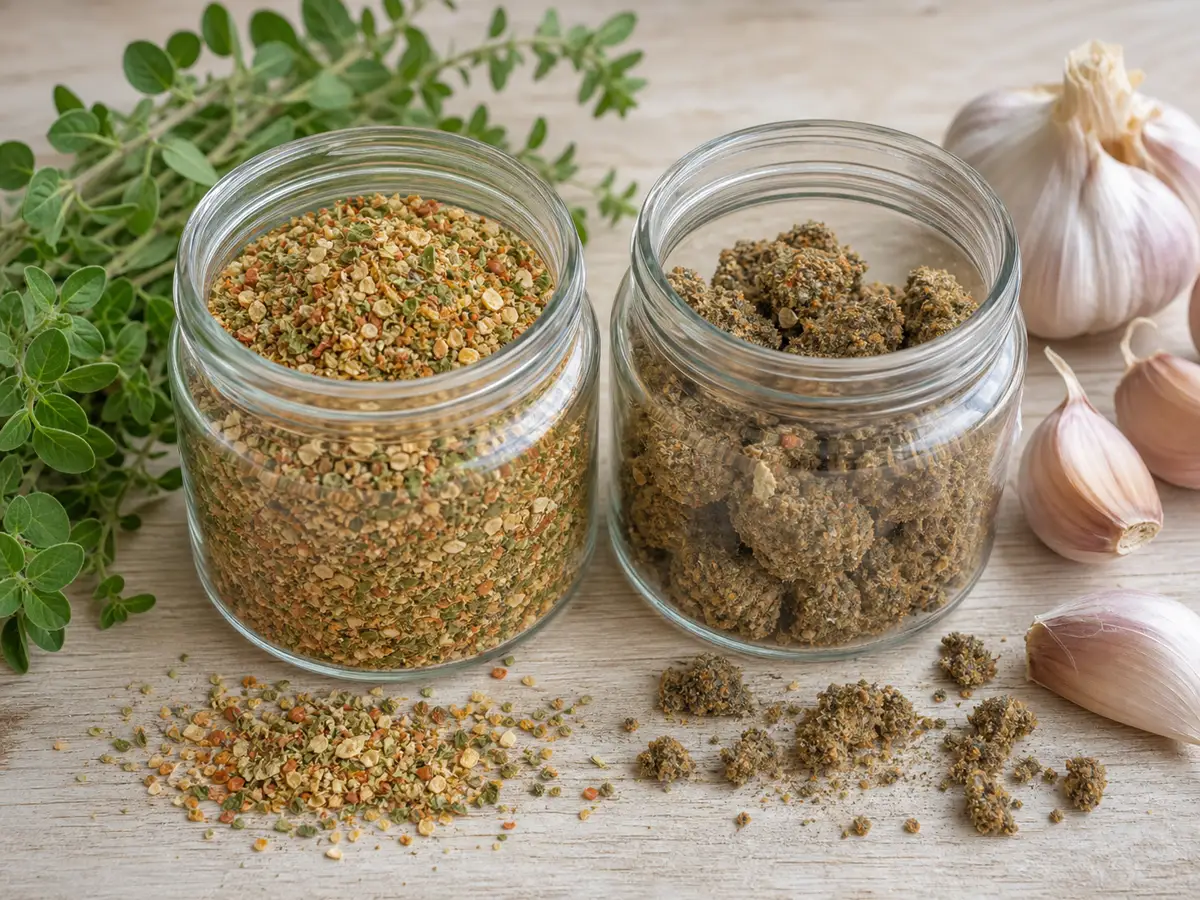
- Keep: Loose powder with clear garlic and oregano.
- Use soon: Aroma is softer but the powder remains dry.
- Replace: Damp clumps, musty odor, or almost no aroma.
Store the jar airtight, away from heat and steam. Make only enough homemade blend to finish while the garlic still smells lively.
Mark the mixing month on homemade adobo. Smell it beside fresh oregano after three months, because gradual aroma loss is difficult to notice.
A dry clump may break apart and remain usable. Discard the jar when clumps feel damp, smell musty, or follow contact with raw food.
Do not refill a partly empty jar with a new batch. The older powder can dull the aroma and hide moisture at the bottom.
Wash and dry the container fully between batches. Even a few water drops can cake garlic powder around the lid.