
What Is Annatto, and Why Does Its Form Matter?
Choose seed, powder, paste, or oil by the color, texture, and seasoning your dish needs.
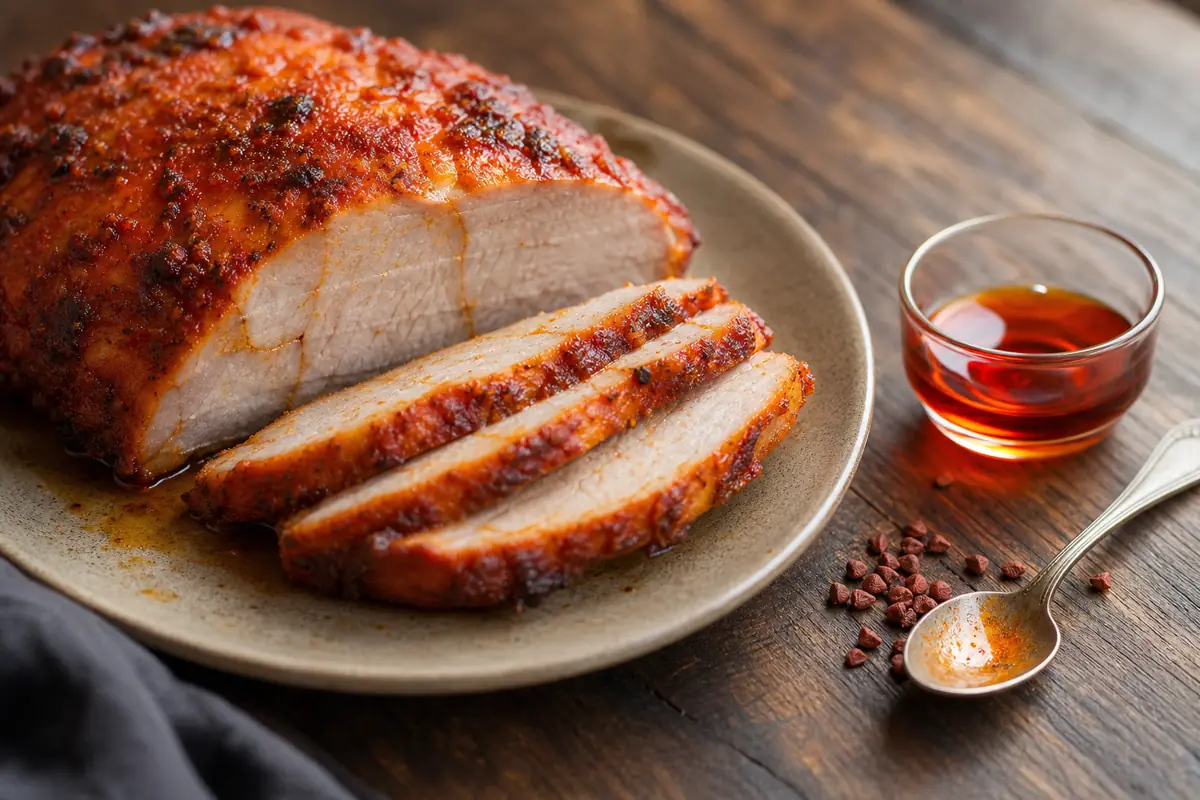
Annatto and achiote name the same brick-red seed from the achiote tree. Use whole seeds to infuse oil, powder for direct seasoning, and achiote paste when you want a seasoned acidic marinade, because the forms are not equal spoon for spoon.
Is annatto the same as achiote?
Annatto and achiote are two names for the same seed from Bixa orellana, a tropical tree native to the Americas.
Annatto is common in English ingredient lists, while achiote is the Spanish name you will often see in Latin American recipes and markets.
The naming gets confusing because a packet labeled achiote may hold plain ground seed, a seasoned paste, or a commercial seasoning mix.
Read the full label before measuring. Plain annatto has one ingredient, while achiote paste may include garlic, oregano, cumin, pepper, salt, acid, and other seasonings.
Annatto's strongest contribution is orange-red color. It gives foods a mild earthy, peppery note, but it does not provide the heat of a red chile.
That distinction matters in a Mexican spice pantry, where dried chiles build fruit, body, and heat while annatto handles color and a quieter earthy base.
| Form | What it contains | Best kitchen job | Main caution |
|---|---|---|---|
| Whole seeds | Hard dried annatto seeds | Infusing oil or broth | Strain before serving |
| Ground annatto | Plain milled seed | Dry seasoning and quick color | Can feel gritty if added late |
| Achiote paste | Annatto with aromatics, salt, and acid | Marinades and cooked sauces | Brands vary in strength and salt |
| Annatto oil | Pigment infused into cooking oil | Rice, sauté bases, and smooth sauces | High heat can turn it bitter |
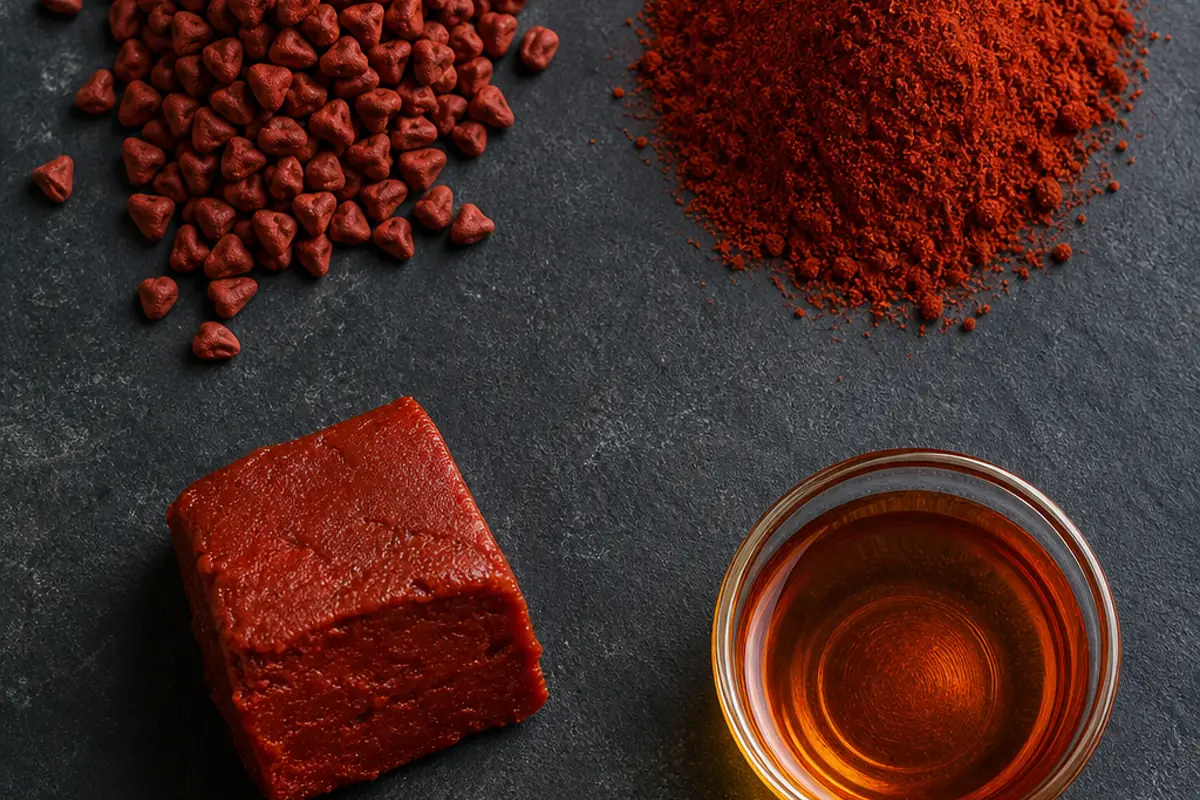
- Whole seed is best treated as an infusion ingredient.
- Powder disperses quickly but must cook into liquid or fat.
- Paste brings other spices and acid along with the annatto.
If a recipe says only achiote, use the surrounding instructions as a clue. A marinade usually expects paste, while colored oil usually starts with whole seed.
What does annatto taste like?
Annatto tastes mildly earthy, peppery, and a little nutty, but its color usually reaches the eye before its flavor reaches the tongue.
At a normal coloring dose, annatto should sit behind garlic, citrus, chile, herbs, or meat rather than announce itself as the main spice.
Whole seeds release clean color into warm fat with only a quiet toasted note. The seeds themselves stay very hard and are unpleasant to bite.
Ground annatto tastes more obvious because the entire seed remains in the food. It can seem woody or chalky when dry powder is scattered over a finished dish.
Achiote paste tastes stronger because it is a compound seasoning. Garlic, dried oregano, cumin, pepper, and acid may be more noticeable than the annatto itself.
Bitterness is a warning, not a normal flavor note. It usually means whole seeds scorched in oil or too much dry powder concentrated in one spot.
Taste annatto in the cooked food rather than from the jar. Raw powder is dry and blunt, while fat and gentle heat reveal its softer earthy side.
Which annatto form should you use?
Choose annatto by the texture and seasoning already built into the dish, not by whichever red product is easiest to scoop.
Whole seeds are best when you want colored fat without seed particles. Warm them in oil, strain them, and cook with the clear orange oil.
Annatto oil is the quickest smooth option for rice, beans, stews, and sautéed aromatics. It spreads pigment evenly through fat-coated ingredients.
Ground annatto works in a dry rub or wet seasoning when the powder has time to hydrate. Mix it with oil or liquid before it touches the food.
Achiote paste belongs in marinades and cooked sauces where garlic, acid, herbs, and other spices make sense. Treat it like a seasoned concentrate, not plain red powder.
Commercial pastes vary, so there is no dependable spoon-for-spoon conversion. One block may be salty and sharp, while another is mild and dense.
Start with less paste than a recipe's amount of plain ground annatto, loosen it, then adjust salt and acid after it dissolves.
| Desired result | Best form | Why it works | Avoid |
|---|---|---|---|
| Clear orange cooking fat | Whole seeds or prepared oil | Pigment moves into fat and solids are strained | Leaving hard seeds in the dish |
| Evenly colored rice | Annatto oil | Oil coats grains before liquid enters | Dry powder sprinkled on cooked rice |
| Citrusy meat marinade | Achiote paste | Seasoning and acid cling to the surface | Assuming the paste is unsalted |
| Dry spice mixture | Ground annatto | Powder distributes through other spices | Using coarse seed in a rub |
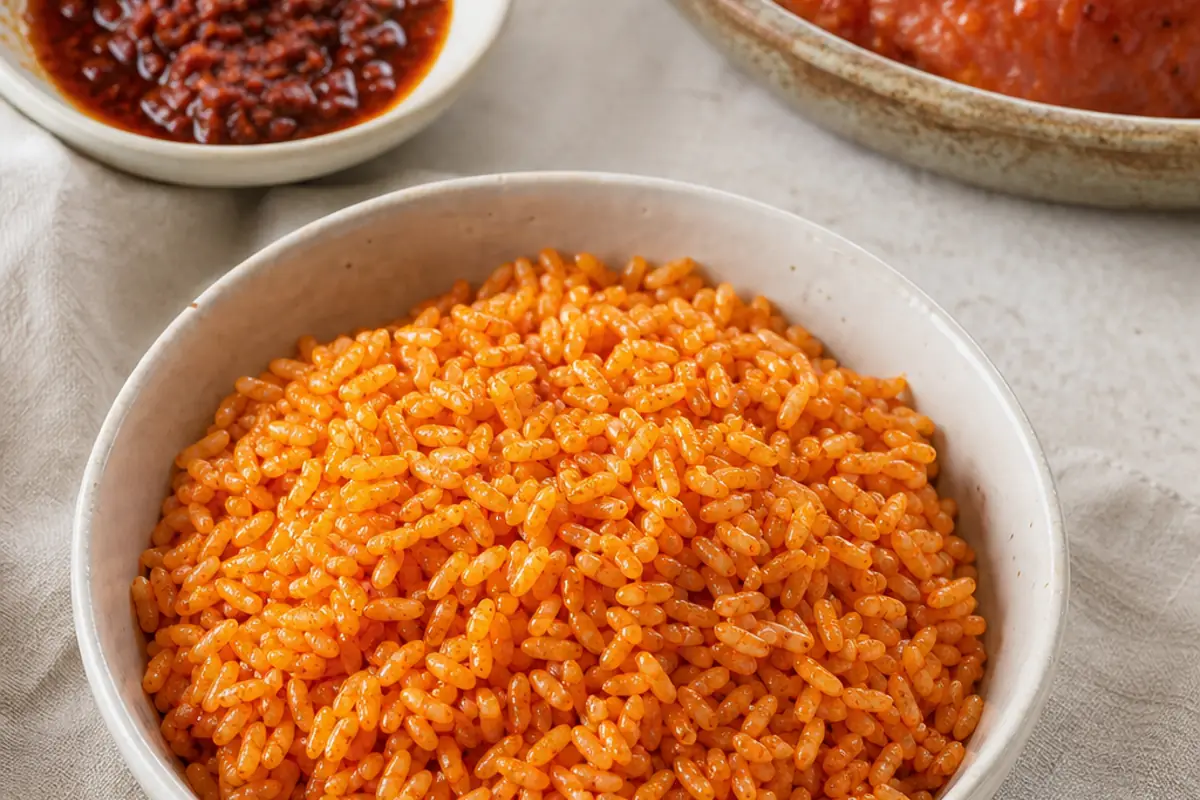
- Oil gives the cleanest color in rice and sauté bases.
- Powder needs moisture so the seed does not feel sandy.
- Paste should be thinned and tasted before extra salt is added.
The same logic applies when choosing whole versus ground spices. Form changes how quickly flavor appears and whether solids stay in the meal.
How do you make annatto oil without bitterness?
Start annatto oil with about 2 tablespoons of whole seeds for 1 cup of neutral oil, then adjust future batches to the color you prefer.
Combine the seeds and oil in a cool small pan. A cold start gives you more control than dropping seeds into already shimmering fat.
Warm the pan over low heat until the oil turns orange-red and the seeds begin to release tiny bubbles. The oil should not smoke.
Stir or swirl so the bottom seeds do not sit against one hot spot. Color can develop in a few minutes, depending on the pan and burner.
Stop when the oil is vivid and the seeds are still red-brown. Blackening seeds and a toasted-bitter smell mean the heat went too far.
This is gentler than blooming ground spices, because the goal is pigment extraction without frying the hard seed.
- Cold start: Put seed and oil together before turning on the burner so color develops gradually.
- Low heat: Look for colored oil and light bubbling, not smoke or darkened seed.
- Clean strain: Pour through a fine strainer while the oil is warm and keep every hard seed out of the food.
- Small batch: Make only what you will use soon because the bright aroma and color fade during storage.
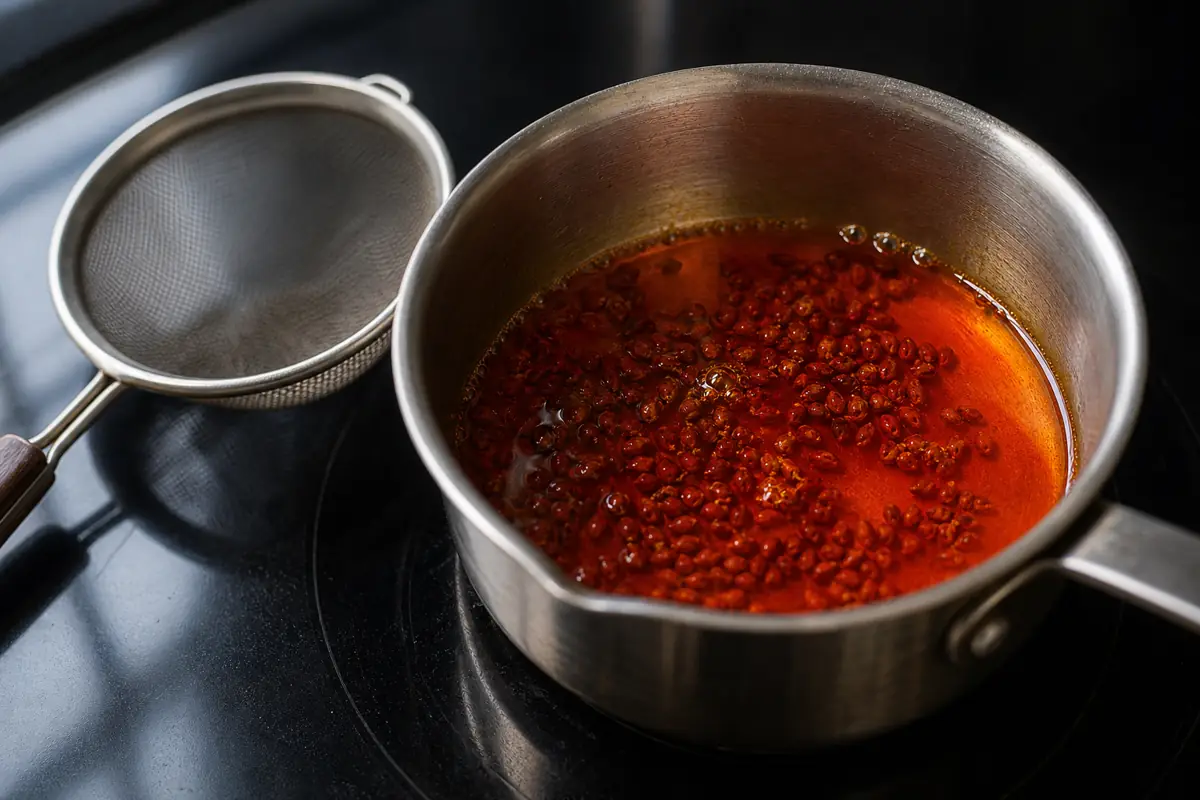
- Keep the oil below smoking temperature.
- Strain while the seed color remains red-brown.
- Discard a batch that smells burned rather than trying to dilute it.
Use fresh oil in rice, beans, soup bases, stews, or marinades. Refrigerate leftovers in a clean sealed jar and discard oil with a stale or rancid smell.
If the batch scorches, restart. More plain oil can lighten the color, but it cannot remove burned compounds from the finished infusion.
How do you cook with achiote paste?
Achiote paste works best when you loosen it into a pourable marinade or sauce before it touches meat, fish, vegetables, or beans.
Check the ingredients first. Many blocks already contain salt, garlic, earthy cumin, oregano, pepper, cloves, or vinegar.
Acid helps spread the paste and suits its common cooking roles. Sour orange is traditional in several dishes, while lime, orange, or vinegar can build a practical substitute.
Mash the paste with liquid a little at a time until no dry lumps remain. Add oil when you need better coating and browning on the food.
The mixture should brush or pour without falling off in thick clumps. Dense pockets can taste salty, chalky, or raw after the outside is cooked.
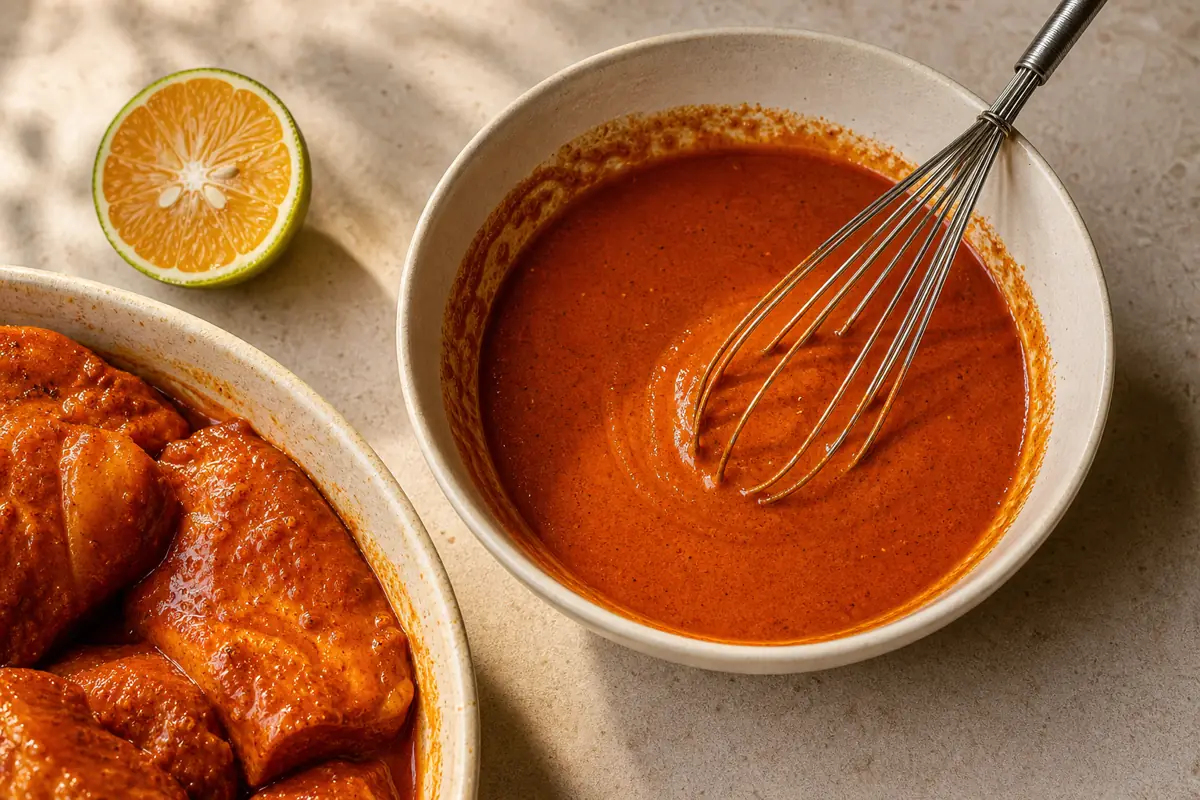
- Whisk out dry pockets before marinating.
- Taste for salt because commercial paste may already contain it.
- Cook the coating fully so the raw seed taste softens.
Let the seasoned coating cook with the food rather than using a thick raw spoonful as a finishing condiment. Heat softens its earthy edge and cooks the added aromatics.
This is one specific use of the broader spice paste technique, where fat, water, and heat must reach the ground ingredients evenly.
If the cooked sauce still tastes dusty, add a little liquid and simmer longer. If it tastes too salty, extend the unsalted base instead of adding more citrus.
What foods work best with annatto?
Annatto works best when a dish needs warm orange-red color, mild earthiness, and enough fat or liquid to distribute the pigment.
Rice is a natural match because annatto oil coats each grain before the cooking liquid enters. The result is even color without sandy powder.
Braises and stews give ground annatto time to hydrate. Tomato, onion, garlic, and stock carry its quiet flavor without requiring a large dose.
Achiote paste suits pork, chicken, fish, and firm vegetables when an acidic marinade can penetrate or cling during cooking.
Filipino-style annatto oil can color sautéed garlic and onion before noodles, rice, or stewed ingredients enter the pan.
- Rice and grains: Coat the dry grains with strained annatto oil for even color before adding broth.
- Beans and stews: Add oil or hydrated powder early enough for the pigment to spread through the liquid.
- Roasted or braised meat: Use thinned achiote paste when citrus, garlic, and oregano fit the seasoning.
- Noodles and sauté bases: Color the cooking oil first, then add aromatics and the main ingredients.
Annatto also colors commercial cheese and butter, but that use tells you about appearance rather than a recipe's seasoning direction.
Pair annatto with citrusy coriander, cumin, oregano, garlic, and acidic fruit when you want the seed to support a savory marinade.
What can you substitute for annatto?
The best annatto substitute depends on whether the missing job is orange color, mild earthiness, or the full seasoning of achiote paste.
For orange-red color, mild sweet paprika is usually the easiest option. It brings more pepper flavor and may make the dish redder.
A small amount of ground turmeric gives strong yellow-orange color, but it tastes more bitter and earthy than annatto.
Saffron can color rice, yet its floral aroma and cost make it a poor general swap. Save properly bloomed saffron for dishes that want its flavor.
To replace achiote paste, combine paprika with garlic, oregano, cumin, pepper, salt, and a fitting acid. The result copies the seasoning job, not the exact seed flavor.
| What the dish needs | Useful substitute | Starting move | What changes |
|---|---|---|---|
| Orange-red color | Sweet paprika | Use a modest equal-volume start | More pepper flavor and red tone |
| Yellow-orange color | Turmeric | Start with about one-quarter as much | Stronger earthy bitterness |
| Colored cooking oil | Paprika-infused oil | Warm gently and strain if needed | More toasted pepper aroma |
| Seasoned achiote paste | Paprika, garlic, oregano, cumin, and acid | Build a thin marinade and taste | No true annatto pigment or seed note |
Do not chase the exact color by adding a large amount of a stronger spice. A vivid substitute can change bitterness, heat, or sweetness before it matches the shade.
Use a substitute-by-job approach when color is secondary. Keeping the dish's acid, salt, and main aromatic balance matters more than perfect orange.
How do you buy, store, and fix annatto?
Buy whole annatto seeds that look brick red rather than dusty brown, and choose small packages if you use them only for occasional oil.
Ground annatto should smell lightly earthy when opened and should not contain damp clumps. A faded powder gives weak color and encourages overdosing.
Keep seeds and powder sealed away from light, heat, and stove steam. Light fades the pigment even when the jar still looks full.
Follow the package directions for achiote paste after opening. Many refrigerated pastes contain moisture and seasonings that make them less shelf-stable than dry seed.
Annatto stains porous boards, pale towels, and some plastic. Use a washable glass or metal bowl when mixing a concentrated paste.
| Problem | Likely cause | Best correction |
|---|---|---|
| Food feels gritty | Dry powder or seed solids remain | Add liquid and simmer, or strain the sauce |
| Oil tastes bitter | Seeds scorched during extraction | Discard and restart over lower heat |
| Marinade has red lumps | Paste was not loosened first | Whisk with liquid before recoating the food |
| Color looks weak | Old seed or too little fat contact | Use fresher annatto and extract gently |
| Dish tastes too salty | Seasoned paste already contained salt | Extend with unsalted base and recheck acid |
General spice storage rules still apply, but annatto gives an extra visual warning because fading pigment often arrives with fading flavor.
Strain a gritty sauce and keep cooking if the flavor is sound. Restart a burned oil, because dilution cannot turn scorched seed back into clean color.
Replace annatto when it needs several times the normal amount to color food. More stale powder adds texture before it restores the missing pigment.