
Which Taco Seasoning Substitute Fits Your Dish?
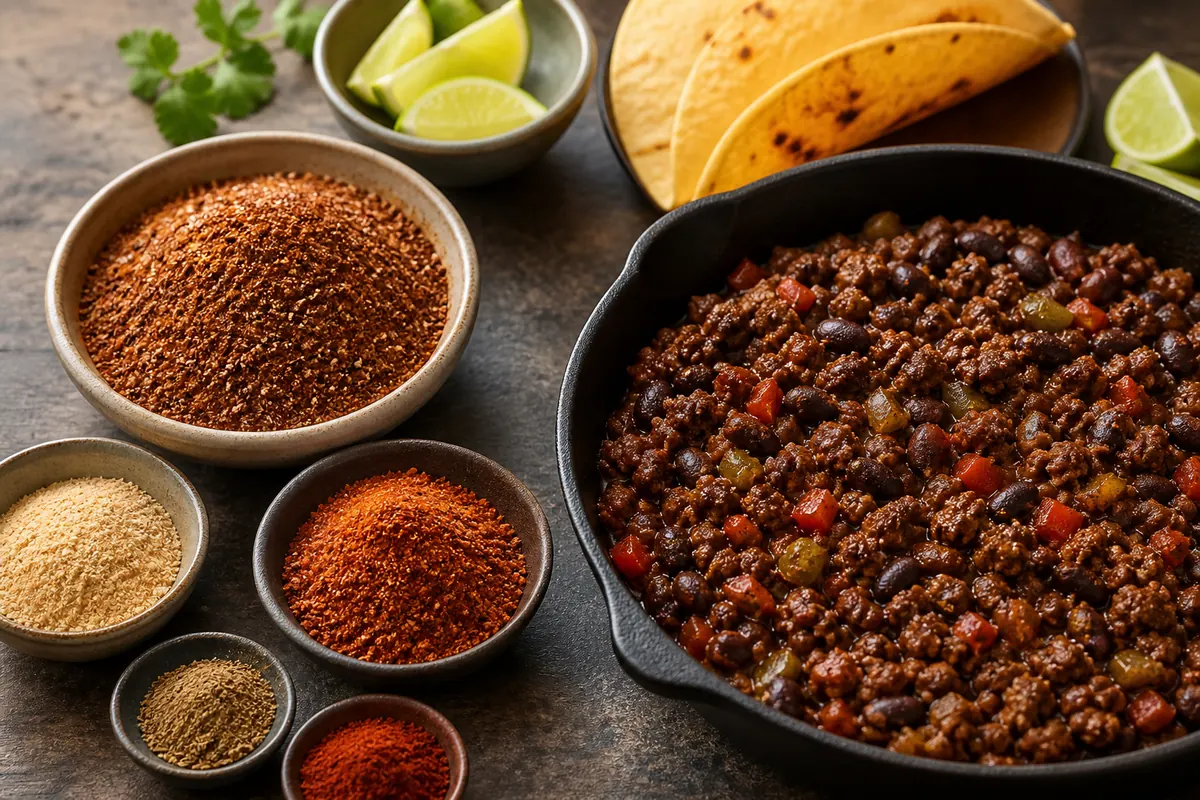
Taco Seasoning Has a Chile-Cumin Core and Two Packet Extras
The closest taco seasoning substitute is a homemade mix of two teaspoons chili powder, one teaspoon cumin, half a teaspoon paprika, and smaller amounts of garlic, onion, oregano, and optional cayenne. Keep salt and thickener outside the blend so the filling can be corrected after it reduces.
Taco seasoning is a formula rather than one spice.
The recognizable core is a mild chile base supported by cumin, paprika, garlic, onion, and a dry herbal note. Cayenne can raise heat without forcing more cumin into the pan.
American chili powder may already contain cumin, oregano, garlic, and salt. Read its ingredient line before treating it like pure ground chile.
Commercial packets add another layer of variation.
Some contain substantial salt, sugar, starch, anti-caking ingredients, or flavorings, while others are close to a simple spice blend.
- Chile base
- Mild chili powder supplies red pepper flavor and most of the volume.
- Earthiness
- Cumin creates the familiar warm backbone.
- Aromatics
- Garlic, onion, and oregano fill the middle.
- Heat and salt
- Cayenne and salt should stay adjustable.
- Coating
- Packet starch may thicken the pan but is not required for flavor.
A substitute can match the spices while producing a thinner sauce. That is not a failure when the filling reduces into a glossy coating on its own.
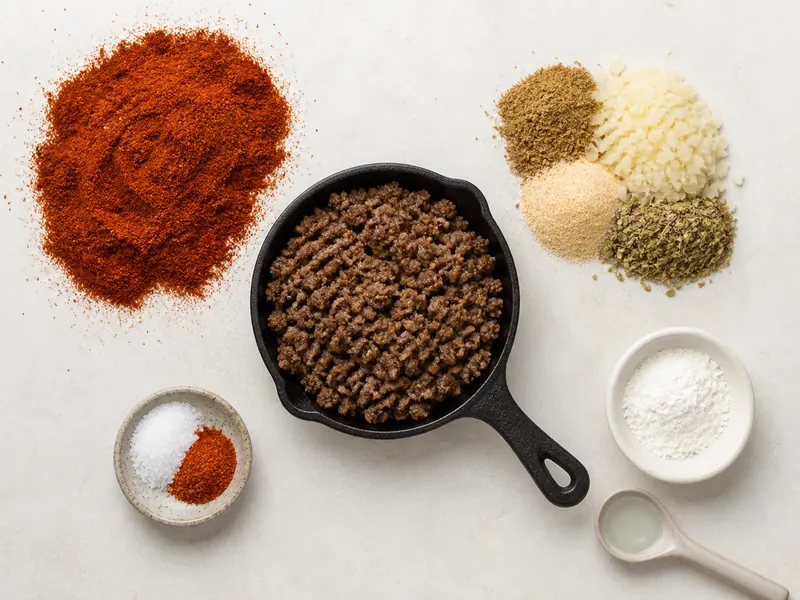
- Chile and paprika: Pepper base and color.
- Cumin: Earthy identity.
- Garlic and oregano: Aromatic support.
- Salt and starch: Optional packet controls.
The filling also changes what the blend needs. Fatty beef carries a full spice dose, lean chicken exposes cumin quickly, and canned beans may arrive with enough sodium already.
Choose the replacement by its missing jobs, not by whether the powder looks brown-red.
Three Taco Seasoning Substitutes with Different Salt and Heat
The homemade blend gives the closest control. Adobo works when you restore cumin and chile, while Cajun seasoning fits food that welcomes extra cayenne, pepper, and herbs.
| Number | Substitute | Starting ratio for one packet | Best use | Main change |
|---|---|---|---|---|
| 1 | Homemade chile-cumin blend | About 1 1/2 tbsp | Beef, beans, vegetables, rice | Closest control without salt or starch |
| 2 | Adobo plus cumin and chili powder | 2 tsp total | Chicken, pork, beans | Saltier and pepperier |
| 3 | Cajun seasoning plus cumin | 1 1/4 tsp total | Shrimp, corn, chicken | Hotter and more herbal |
1. Homemade Chile, Cumin, Paprika, and Aromatics
Mix two teaspoons chili powder, one teaspoon cumin, half a teaspoon paprika, and a quarter teaspoon each garlic powder and onion powder.
Add a pinch of dried oregano and black pepper. Include cayenne only when the filling needs more heat, then add salt after cooking.
This homemade mix is a taco seasoning replacement for a one-pound batch, not a universal copy of every packet.
The broad chili powder base gives pepper flavor and color. Cumin stays clearly present without becoming the dusty or bitter main taste.
- Measure the chile baseUse 2 tsp mild chili powder.
- Add the backboneMix in 1 tsp ground cumin.
- Deepen the colorAdd 1/2 tsp paprika.
- Fill the middleAdd 1/4 tsp each garlic and onion powder plus an oregano pinch.
- Hold two controlsAdd cayenne and salt only after checking the filling.
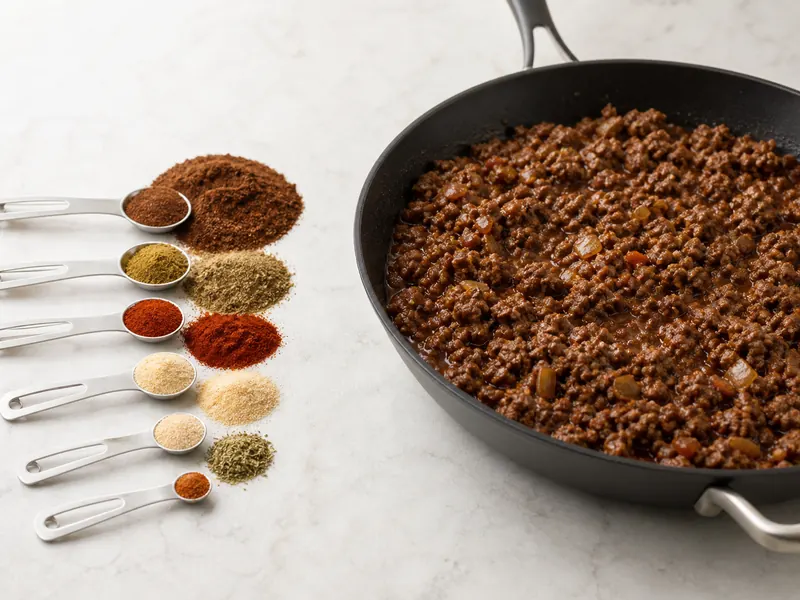
- Chili powder: Largest measure.
- Cumin: Half the chile measure.
- Paprika: Color support.
- Cayenne: Optional heat.
Whisk the powders before they reach the pan. Pale garlic pockets and dark cumin pockets can survive when the blend is tipped from a narrow jar without mixing.
Brown meat first, then stir in the seasoning for a brief fragrant moment. Add water before the fine powder catches on the dry metal.
For beans, begin with about two-thirds of the mix. Their cooking liquid and existing salt determine whether the remaining seasoning is useful.
For storage, multiply the salt-free formula and keep it airtight away from the stove. Measure about one and one-half tablespoons for each pound, then taste the cooked food before adding more.
2. Adobo Seasoning with Cumin and Chile
Read the adobo label before measuring. Salt often leads the formula, although garlic, oregano, pepper, turmeric, and other ingredients vary between products.
Use one teaspoon adobo seasoning plus half a teaspoon cumin and half a teaspoon mild chili powder for one packet replacement.
Adobo supplies much of the garlic, pepper, and savory base.
The added cumin restores the earthy identity, while chili powder brings the red pepper volume that all-purpose adobo usually lacks.
Mix the shortcut with oil and cook in a wide pan.
Apply lightly and taste the browned meat before salting.
Add during the final simmer because liquid reduction concentrates salt.
Coat with oil so the powder adheres before roasting.
Use only when the label is not strongly salt-forward.
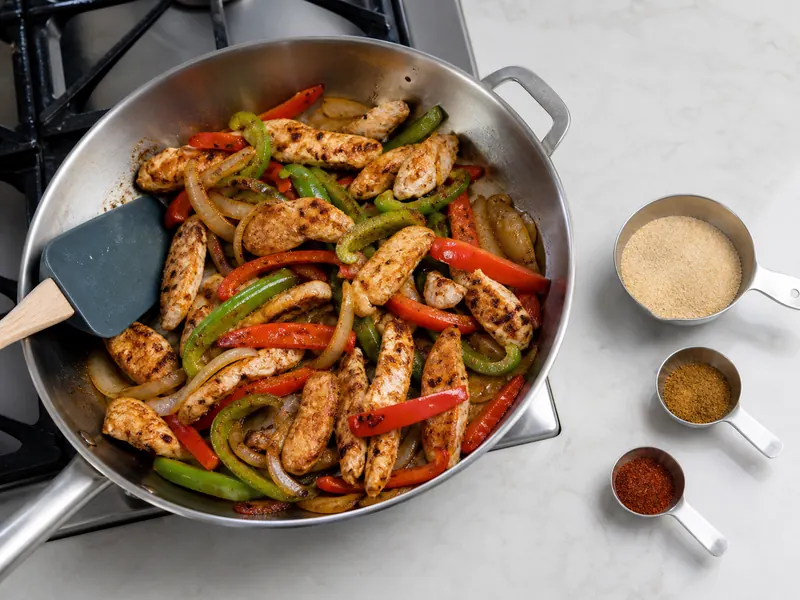
- Adobo: Garlic, pepper, and salt.
- Cumin: Earthy correction.
- Chili powder: Pepper base and color.
- Chicken: Quick wide-pan context.
Hold all separate salt until the filling is done. A spoonful tasted while the pan is still watery understates the sodium that remains after evaporation.
Adobo can make chicken and pork taste savory quickly, but its pepper profile is different from the homemade blend. That change is less obvious beside onions, peppers, tomato, or browned meat.
If the filling is pale but salty enough, add paprika or unsalted chili powder. Another adobo spoon would deepen sodium at the same time it changes color.
This shortcut is poor for a recipe that already contains salty broth, cheese, olives, or cured meat. Use the homemade mix when several sodium sources are already committed.
3. Cajun Seasoning with Cumin
Use three-quarters teaspoon Cajun seasoning plus half a teaspoon cumin for one packet replacement in shrimp, chicken, corn, or charred vegetables. Begin lower when the Cajun label lists salt first.
Cajun blends usually bring paprika, cayenne, garlic, onion, black pepper, and herbs. They often lack the strong cumin note that makes taco seasoning recognizable.
This is a deliberate hotter, more herbal direction.
Shrimp and corn can support it because sweetness, char, and a short cooking time keep the pepper blend lively.
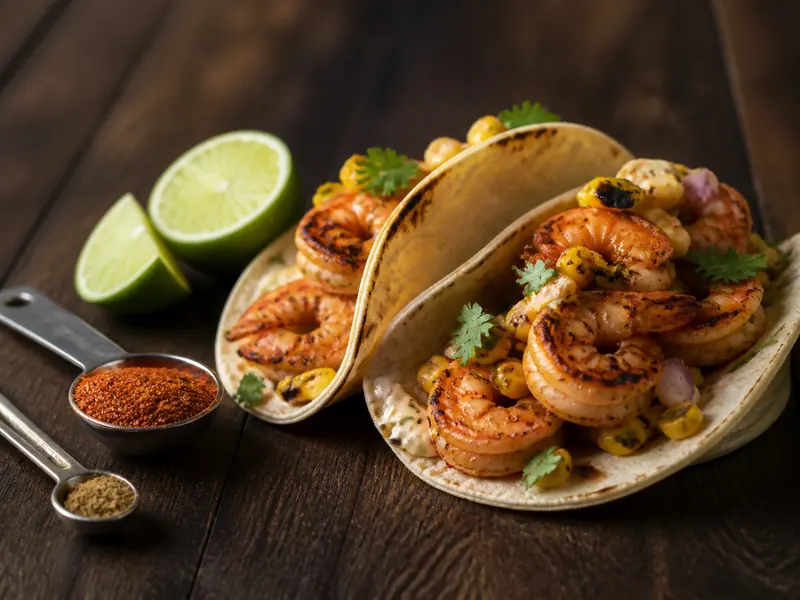
- Cajun blend: Pepper heat and herbs.
- Cumin: Taco-style backbone.
- Shrimp and corn: Strong context.
- Lime: Final brightness.
Add the blend after shrimp is nearly cooked or mix it with oil before a very brief sear. Powder left on a hot empty skillet burns faster than the seafood finishes.
For chicken, coat the pieces with oil and use a wide pan. Crowding releases water, which prevents browning and can leave the spice tasting boiled rather than toasted.
Beans expose the shortcut's herb and salt differences more clearly. Use the homemade blend unless the Cajun direction is part of the meal.
Read the Chili Powder and Shortcut Labels Before Scaling
The name chili powder does not guarantee a jar of pure ground chile.
Many American products are blends that already contain cumin, garlic, oregano, paprika, cayenne, or salt. A formula built on that jar needs smaller supporting measures than one built on a single ground chile.
Read the ingredient list from the first item through the last before mixing the packet replacement. Ingredients appear in descending order by weight, so a salt-first adobo deserves a different starting dose from one led by garlic and pepper.
The list reveals overlap, but it does not provide exact percentages. Use it to decide what to withhold, then let the cooked filling decide whether the missing amount belongs.
Cumin is the easiest ingredient to duplicate.
When chili powder already lists cumin near the beginning, add half the planned separate cumin and cook a small sample. More can enter later, while an earthy dusty filling is difficult to reverse.
Garlic and oregano create a similar issue at lower volume. A shortcut containing both may need only chile and cumin rather than the full homemade aromatic measure.
| Label clue | What is probably already present | First adjustment |
|---|---|---|
| Chili powder lists cumin | Part of the earthy backbone | Cut separate cumin in half |
| Chili powder lists garlic and oregano | Aromatic support | Withhold those small measures |
| Adobo lists salt first | Significant sodium | Use a smaller adobo dose and no early salt |
| Cajun blend lists cayenne or red pepper | Direct heat | Omit separate cayenne |
| Packet lists starch or maltodextrin | Thickening or bulking | Judge sauce body after reduction |
| Blend lists sugar | Faster browning and sweetness | Keep away from intense dry heat |
Salt needs a separate comparison because a teaspoon of two blends can carry very different sodium. Check the nutrition panel at the serving size shown, then translate that serving into the actual amount you plan to use.
A tiny listed serving can make the sodium number appear modest. If the recipe uses several servings of the blend, multiply before adding broth, cheese, salsa, canned beans, or another salty ingredient.
Starch and maltodextrin change texture as well as volume. A packet with thickener can look finished while plenty of water remains, whereas a spice-only blend relies on evaporation or an optional slurry.
Do not add cornstarch merely because the original packet contained it.
Ground meat often releases enough fat and protein to form a coating after reduction. Beans contribute starch naturally, and tomato paste can add body when its flavor belongs.
Sugar also changes the cooking method. A sweetened shortcut can darken on direct heat before chicken, pork, or vegetables are cooked through.
Add a small amount of liquid soon after the spice becomes fragrant. This protects the sugar and fine pepper powder while distributing the seasoning through the food.
Compare aroma after the blend warms, not by smelling the dry jar alone.
Raw cumin seems dusty, raw garlic can smell harsh, and chile heat is difficult to judge until fat and moisture carry it across a bite.
For an unfamiliar product, season a few spoonfuls of cooked beans or a small meat patty before committing the full pan. That test exposes salt, cumin, cayenne, sweetness, and thickening in the finished form.
Record the adjusted ratio if the jar will be used again. The next batch should begin from the cooked result rather than restart from the generic name on the label.
Scale the Blend to Meat, Beans, Vegetables, and Rice
One pound is a useful reference, but beef, chicken, beans, vegetables, and rice do not distribute seasoning the same way. Fat, water, surface area, and existing sodium all change the result.
| Food | Starting amount | Carrier | Best checkpoint |
|---|---|---|---|
| 1 lb ground beef | 1 1/2 tbsp homemade blend | 1/2 cup water | Taste after glossy reduction |
| 1 lb chicken | 1 to 1 1/2 tbsp | Oil plus a little water | Taste a cooked center piece |
| 3 cups cooked beans | 2 tsp to 1 tbsp | Bean liquid or broth | Taste near final thickness |
| 1 lb roast vegetables | 2 tsp to 1 tbsp | Thin oil coating | Taste after browning |
| 1 cup dry rice | 1 to 2 tsp | Cooking liquid | Taste liquid before covering |
Ground beef carries a full dose because fat dissolves aromatic compounds and the seasoning disperses through small pieces. Drain only excessive grease before adding the blend.
Lean chicken needs a smaller start.
Cumin and cayenne stand out on a low-fat surface, especially when the pieces are thin.
Beans require a later decision. Canned beans may contain salt, while a homemade pot can reduce from thin broth to a thick serving consistency.
Add about two teaspoons to three cups of cooked beans, simmer, then decide whether the remaining blend belongs.
Roast vegetables lose water and concentrate their surface coating. Oil them lightly, distribute the powder, and leave space between pieces so they brown instead of steaming.
Rice needs the seasoning dissolved through its cooking liquid. Dry powder scattered over finished rice tastes chalky and creates strongly seasoned patches.
Reduce other salt when the cooking liquid contains broth, bouillon, tomato, or canned beans. The homemade blend makes that adjustment easier because sodium is not hidden inside the spoon.
Reduce the Pan Before Correcting Salt, Heat, or Thickness
Brown the main filling before adding the substitute. Browning creates flavor and removes raw moisture that would trap the spices in a pale watery pan.
Stir the blend through the hot food for about thirty seconds, then add water or unsalted broth.
- Brown the fillingRemove raw moisture and develop color.
- Warm the blendStir briefly until the aroma opens.
- Add liquidUse about 1/2 cup for one pound of ground meat.
- Simmer uncoveredLet the liquid reduce around the filling.
- Correct the finishAdjust salt, heat, acid, or thickness only after the pan coats a spoon.
A half cup of liquid usually distributes a one-pound meat batch. Lean meat, a narrow pan, or beans may need a little more.
The pan is ready when a spoon dragged through the filling leaves a clean path briefly. Seasoned liquid should cling to the food without forming a watery ring.
Taste at that stage.
Salt, cayenne, and cumin all seem weaker before water evaporates.
Packet starch can thicken early and hide excess water. The homemade and shortcut blends may need only additional simmering, not a thickener.
For a packet-like sauce, whisk one teaspoon cornstarch into two teaspoons cold water. Stir the slurry into a simmering one-pound batch and cook until the cloudy appearance clears.
Never shake dry cornstarch directly over wet filling because it forms pale lumps. Keep it optional when meat fat and reduction already create a coating.
A dry pan needs water one tablespoon at a time.
A soupy pan needs more uncovered cooking or a wider surface, not another dose of spice.
If the finished filling is too hot, extend it with unsalted meat, beans, tomato, or vegetables. More salt, sugar, or acid can distract the first taste but does not remove capsaicin.
Add Acid and Fresh Toppings After the Filling Is Balanced
The dry substitute should finish its work before lime, salsa, onion, herbs, or cheese enter the decision.
Taste the reduced filling for chile, cumin, garlic, heat, and salt first. Fresh toppings can brighten the assembled bite, but they make an unreliable mask for a filling that is already too salty or hot.
Lime adds acid and aroma. It can wake a flat meat or bean mixture after cooking, yet it does not remove sodium and can make an oversalted bite seem sharper.
Salsa contributes moisture, chile, tomato, acid, and its own salt.
Spoon it onto one test taco before loosening the entire pan or adding another dose of dry seasoning.
Fresh acid and citrus aroma
Moisture, tomato, chile, and acid
Crunch and sharp aroma
Green finishing aroma
Salt, fat, and richness
Cooling fat and soft texture
Cheese, pickled vegetables, and salted crema can raise sodium across the complete meal. Keep the filling slightly below its final salt target when several salty toppings are planned.
Raw onion and herbs solve a different problem. They add fresh aroma and texture that more garlic powder, oregano, or cumin cannot reproduce.
Assemble one complete bite with the tortilla, filling, sauce, and intended toppings.
That test is more useful than tasting another spoonful from the pan because the meal changes dilution, salt, acid, and texture together.
Correct the filling only when the complete bite still lacks a quality the filling owns. Add toppings when the missing quality is freshness, moisture, crunch, cooling fat, or table-side acid.
When a Taco-Style Direction Does Not Fit the Dish
A taco seasoning substitute changes more than heat. Cumin, dried oregano, garlic, and the red chile base can redirect delicate food even at a modest dose.
- - Use the homemade blend when the filling needs the full chile-cumin identity.
- - Choose adobo only when its salt and pepper fit the other ingredients.
- - Reserve Cajun seasoning for food that welcomes extra cayenne and herbs.
- - Use a thin homemade dusting on fish or mild vegetables.
- - Skip the shortcut when salsa, cheese, cured meat, or sauce already dominates.
Delicate fish usually needs only paprika, a little cumin, garlic, and salt rather than a full packet-equivalent dose.
The thin surface and short cooking time make heavy powder obvious.
Plain rice may be better with cumin and garlic alone when it supports a strongly seasoned main dish. Another full blend can make every part of the plate taste identical.
Fresh salsa, cheese, pickled vegetables, and seasoned beans add salt, acid, chile, and aroma at service. Taste the assembled bite before correcting the filling in isolation.
Adobo or Cajun seasoning should be recognizable as a choice, not hidden behind the name taco seasoning.
Use them where the change helps the food and return to the homemade ratio when it does not.
The useful replacement preserves the chile-cumin backbone while leaving room for the actual filling, cooking method, and toppings. Stop once the complete meal tastes balanced rather than forcing one packet's strength into every pan.