
Which Pink Peppercorn Substitute Fits Your Dish?
Choose for floral aroma, rosy color, resin, or gentle warmth instead of treating every pepper alike.
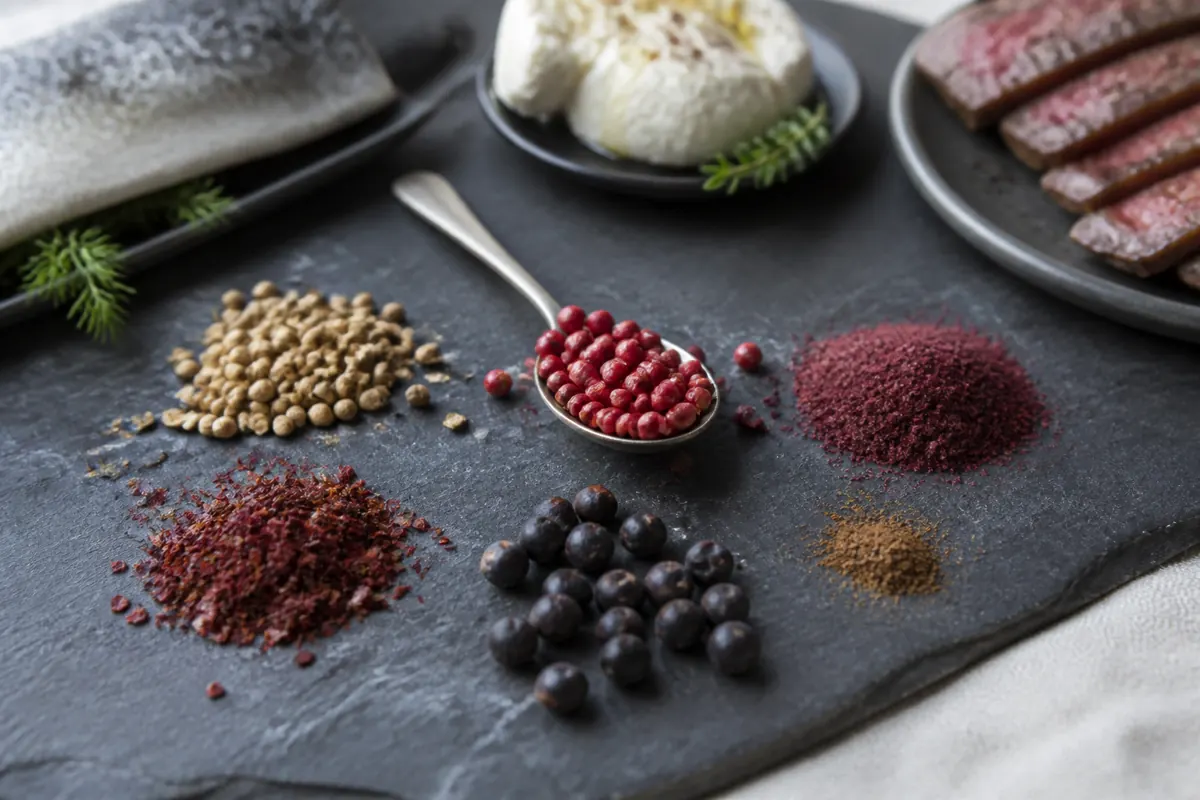
Five Pink Peppercorn Substitutes by Sensory Job
Pink peppercorns contribute a fragile berry shell, rosy color, and a floral-resinous aroma with much less bite than black pepper. They come from Schinus trees rather than the Piper nigrum vine, so replacing them spoon for spoon with ordinary pepper changes both heat and texture.
Choose Coriander seed when perfume matters in fish or cream sauce. Aleppo pepper is the better visual finish, juniper berries preserve the pine-like direction in rich meat, sumac adds tart fruit and burgundy color, and allspice belongs only in dark, strongly flavored food.
| Number | Substitute | Starting ratio for 1 tsp pink peppercorn | Best use | Main change |
|---|---|---|---|---|
| 1 | Coriander seed | 1 tsp, lightly cracked | Fish, cream sauce, vinaigrette | Tan and more lemony |
| 2 | Aleppo pepper | 1 tsp | Cheese, vegetables, salads | Warmer chile finish |
| 3 | Juniper berries | 1/2 tsp, crushed | Game, pork, terrine | Darker and more resinous |
| 4 | Sumac | 3/4 tsp | Salads, labneh, flatbread | Tart powder, no berry pop |
| 5 | Allspice | 1/4 tsp, ground | Braise, meat sauce, pâté | Clove-like warmth |
1. Coriander Seed
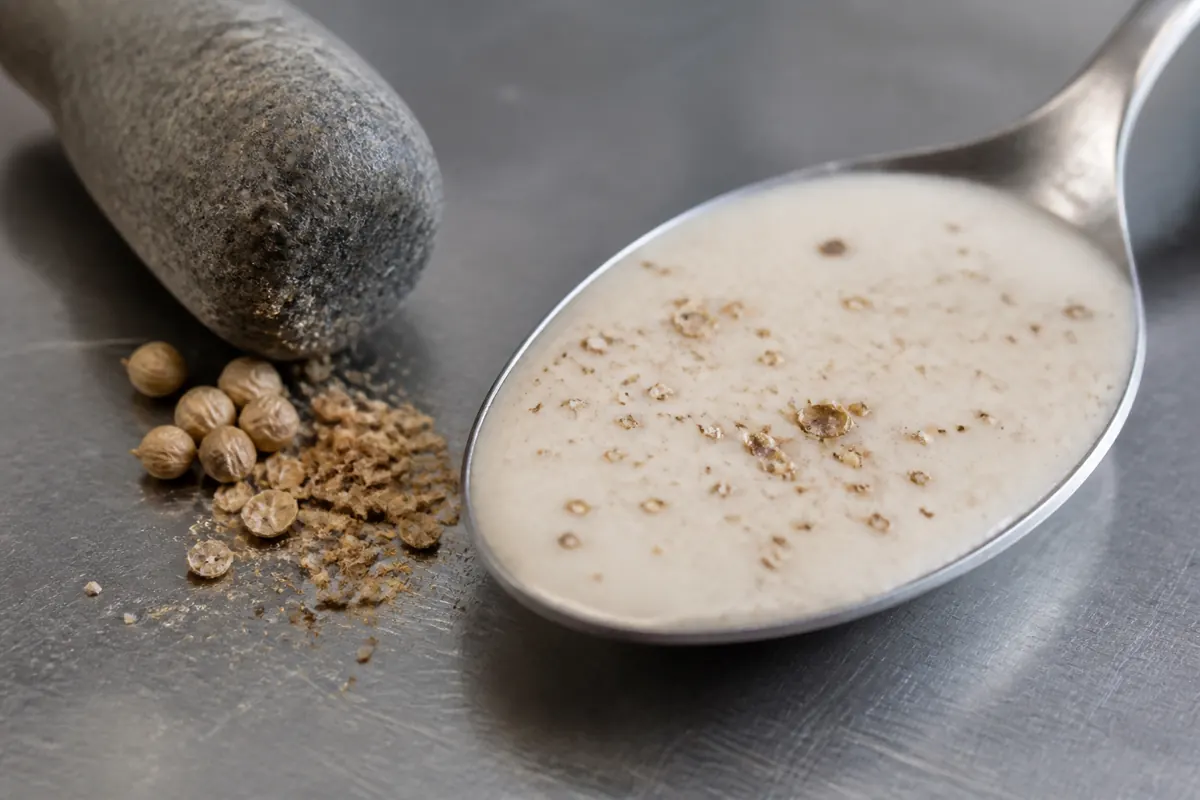
Use one teaspoon lightly cracked coriander for each teaspoon of pink peppercorn in fish, cream sauce, vinaigrette, or cured salmon. Its citrus-floral aroma follows the missing berry more closely than ordinary black pepper does.
Coriander is pale tan and lacks the soft pink shell, so it cannot preserve a decorative finish.
Crack it just enough to expose the interior, since fine powder spreads a stronger lemony flavor through every bite.
- Light crack: Faster perfume.
- Pale sauce: Color loss stays visible.
- Late addition: Brighter aroma.
In a butter or cream emulsion, coriander needs time to move from cracked seed into the fat, but it does not need a long boil.
Add it after the sauce has thickened, simmer for one or two minutes, then remove the pan from direct heat. This timing keeps the citrus top note while allowing the harder fragments to soften slightly.
Cold cured fish needs a different sequence because there is no later cooking step. Crack the measured coriander, fold it through the cure or dressing, and wait fifteen minutes before adding more.
Salt and acid sharpen the seed's dry edge, so a portion that tastes mild on the board can feel complete against salmon.
2. Aleppo Pepper
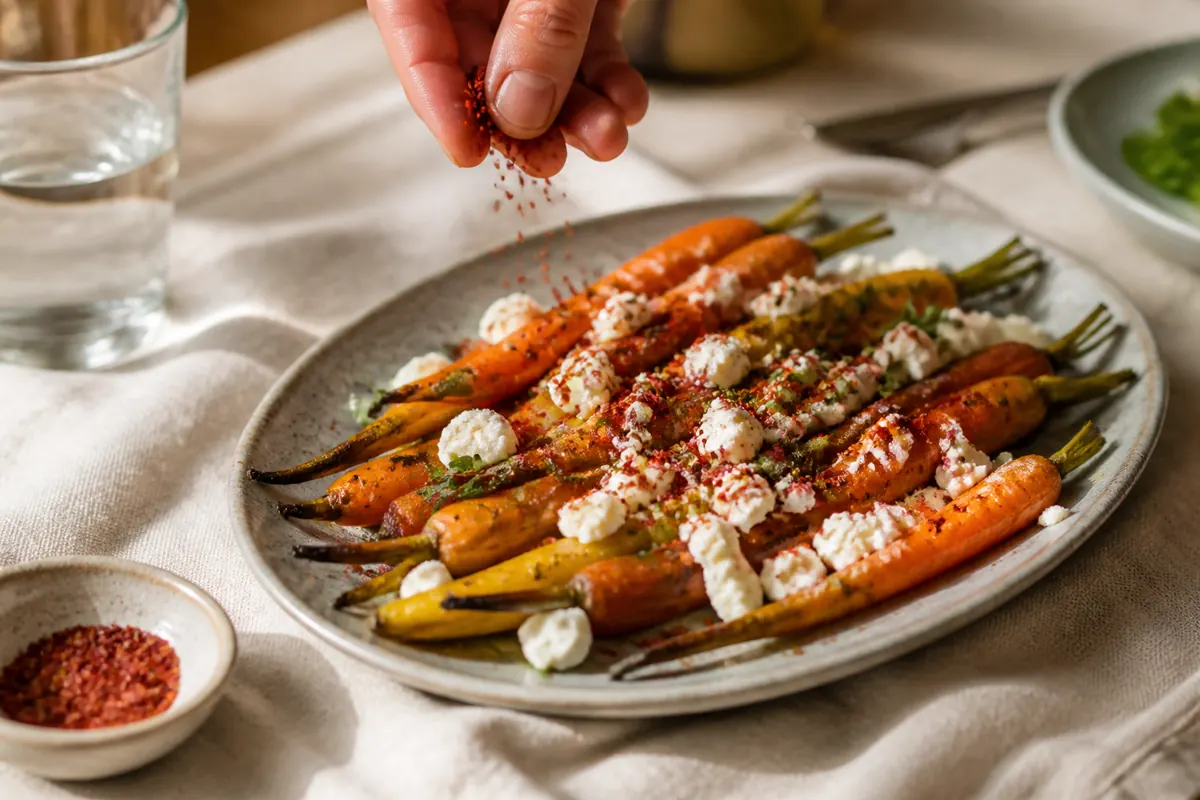
Use Aleppo pepper at equal volume when the pink scatter across goat cheese, roasted carrots, salad, or eggs matters more than pine-like perfume.
The coarse burgundy flakes look intentional at service and bring moderate fruity warmth.
Aleppo is a chile, so it adds actual heat that pink peppercorn contributes only gently. Add it after cooking and reduce any other chile in the recipe before deciding whether the equal-volume start is balanced.
On goat cheese, the fat softens the chile warmth and keeps the burgundy flakes distinct. A sharp vinaigrette exposes more heat, so begin below equal volume when another chile is already present.
Roasted vegetables can take the full starting ratio because their browned edges give the flakes a savory base.
- Color: Burgundy rather than rose.
- Texture: Flake instead of berry.
- Heat: Noticeably warmer.
3. Juniper Berries
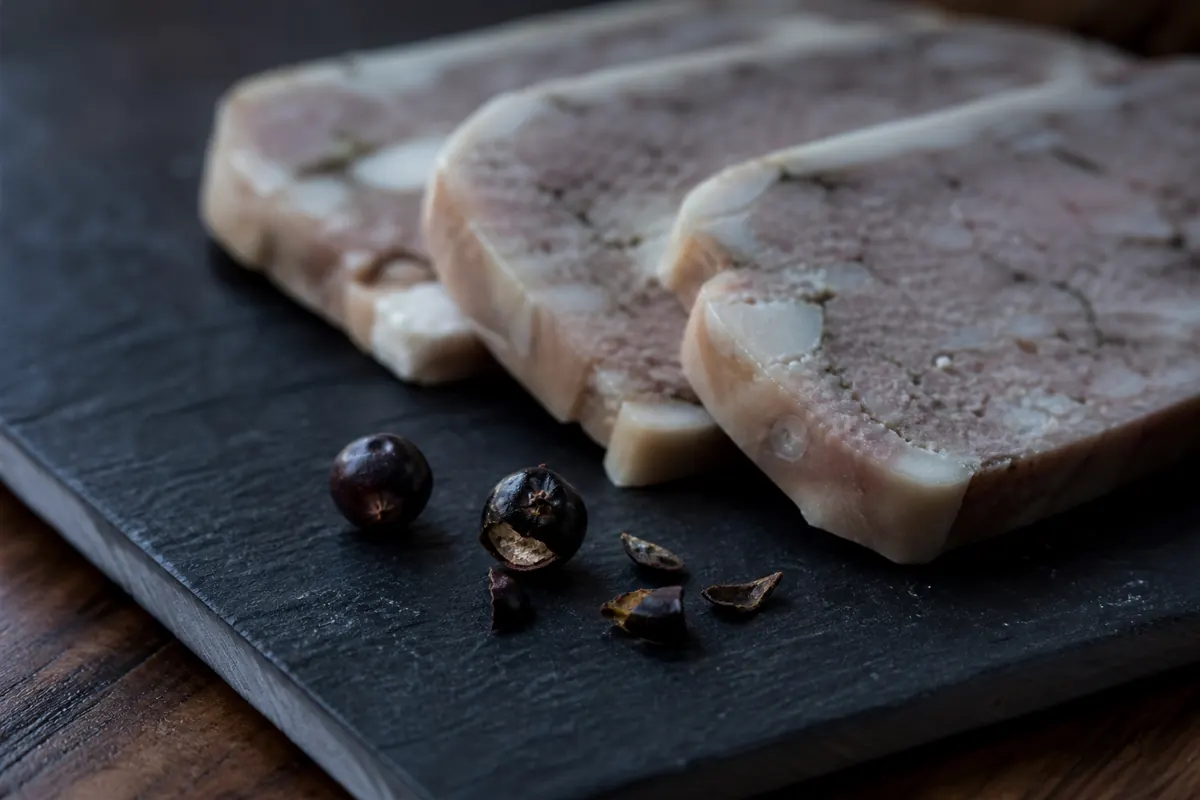
Juniper covers the resinous side of pink peppercorn in duck, venison, pork, terrine, and cured fish. Begin with half a teaspoon crushed juniper for one teaspoon pink peppercorn because the dark berry carries a stronger, gin-like aroma.
Crush only the measured berries and give them brief contact with cooking fat or moist meat.
Long simmering at full volume can push the dish toward medicinal pine, and the dark fragments do not work as a delicate garnish.
- Reduced volume: Resin stays controlled.
- Rich meat: Absorbs the stronger aroma.
- Dark berry: Visual match is lost.
Juniper also needs a dish with enough fat or gelatin to carry its aroma. Lean white fish exposes the bitter pine edge, while duck, pork shoulder, and a coarse terrine distribute the same measured amount across richer bites.
In a pan sauce, remove large fragments before the final reduction so their extraction does not continue unchecked.
The dark color is a practical warning as well as a visual tradeoff.
If crushed juniper looks heavy against the food, the flavor is likely moving beyond a supporting role. Reserve it for preparations where the dark specks belong instead of trying to hide them with finer grinding.
4. Sumac
Start with three-quarter teaspoon sumac for one teaspoon pink peppercorn in salads, labneh, goat cheese, flatbreads, or finished vegetables. It preserves burgundy color and a fruity impression, but the sensation comes from acidity rather than berry perfume.
Reduce lemon juice or vinegar before adding sumac, then taste the complete dressing.
The powder has no berry pop and turns creamy food uniformly pink-brown, so it works better as a dusting than as a texture substitute.
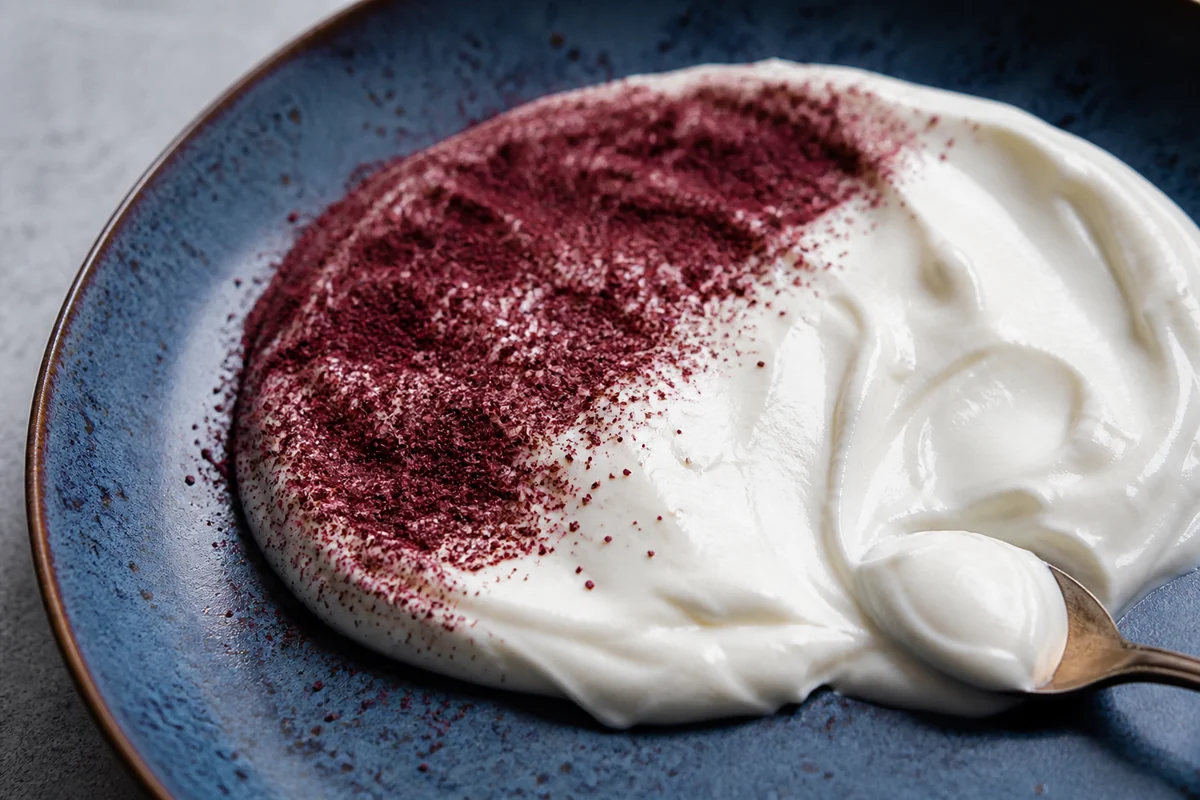
- Surface dusting: Keeps burgundy contrast.
- Mixed through: Colors the whole base.
- Acid check: Reduce lemon first.
Labneh makes the tradeoff easy to see.
A surface dusting gives separate tart hits, while sumac stirred through the bowl colors every spoonful and makes the acidity feel continuous.
Flatbread and roasted vegetables need a different finish because steam can dull the powder. Add sumac after the food leaves the oven, then let residual heat release its fruit without cooking away the bright edge.
Do not use sumac to imitate whole berries in a peppercorn crust. Its fine particles season the surface evenly, but they cannot supply the soft shell or intermittent aromatic pop.
5. Allspice
Use one-quarter teaspoon ground allspice for one teaspoon pink peppercorn in braises, game rubs, meat sauce, or pâté.
Its warm resin and pepper-clove character can support dark food where neither pink color nor a soft berry texture survives cooking.
Mix allspice into fat or liquid rather than sprinkling it at service. The ground spice disperses completely and becomes louder during simmering, so a second dose should wait until the sauce has reduced.
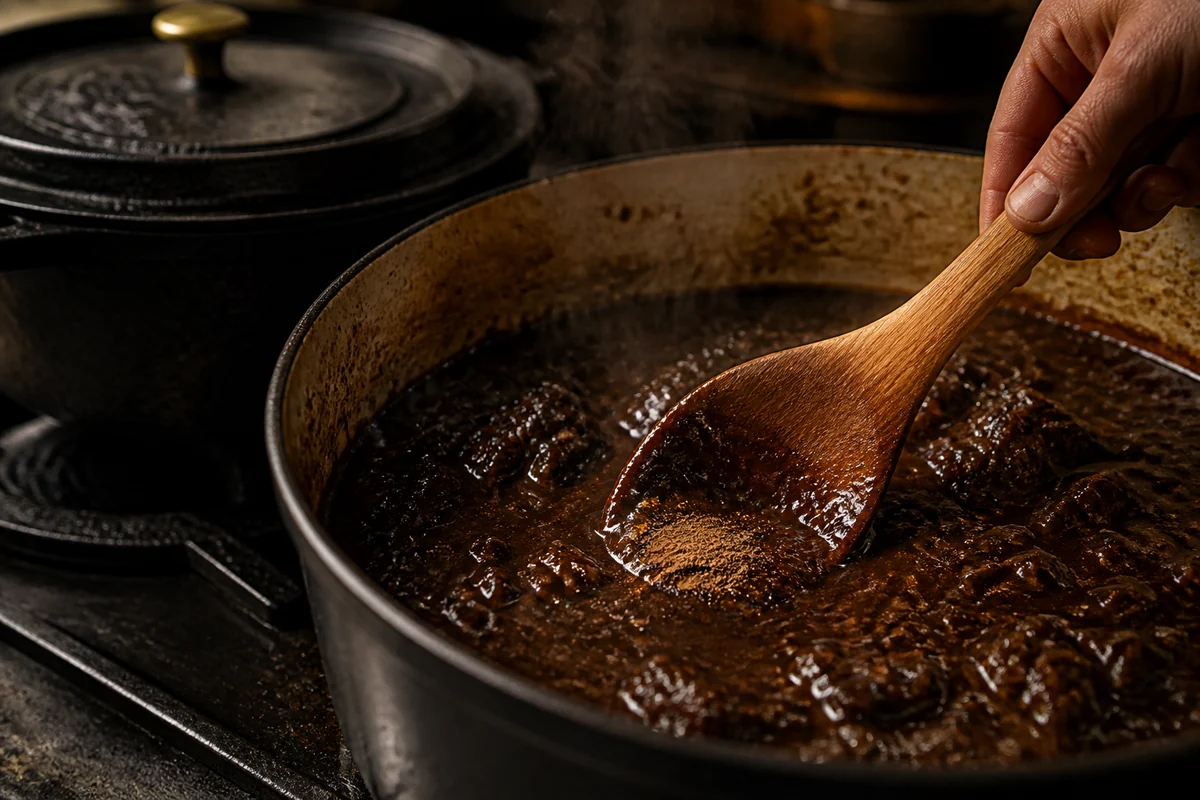
- Ground form: Full dispersion.
- Dark sauce: Hides the color loss.
- Reduction: Intensifies clove warmth.
A braise gives allspice enough liquid, fat, and browned flavor to hold its pepper-clove character.
A pale pan sauce exposes the same quarter teaspoon as a separate sweet-spice note.
Judge allspice after the sauce reaches its final volume. Reducing by half concentrates the spice along with salt and meat juices, so an early correction can become excessive by service.
Crushing Controls Aroma More Than Volume
Pink peppercorn shells collapse easily, while coriander and juniper need deliberate pressure to expose their aromatic interiors. That difference means an equal teaspoon can release at a very different speed after grinding.
Whole coriander stays quiet in a fast pan sauce, but powder can dominate the same sauce before it reaches the plate. Juniper moves even faster once crushed because its resinous oils are concentrated in a small berry.
- Measure firstSet the ratio while the substitute is still whole or in its listed form.
- Match the textureCrack for a sauce or cured fish, grind only for a smooth rub or braise.
- Add at the right stageGive juniper brief heat, keep Aleppo and sumac for the finish, and let allspice simmer.
- Taste after extractionJudge the sauce, not the dry spice, before adding more.
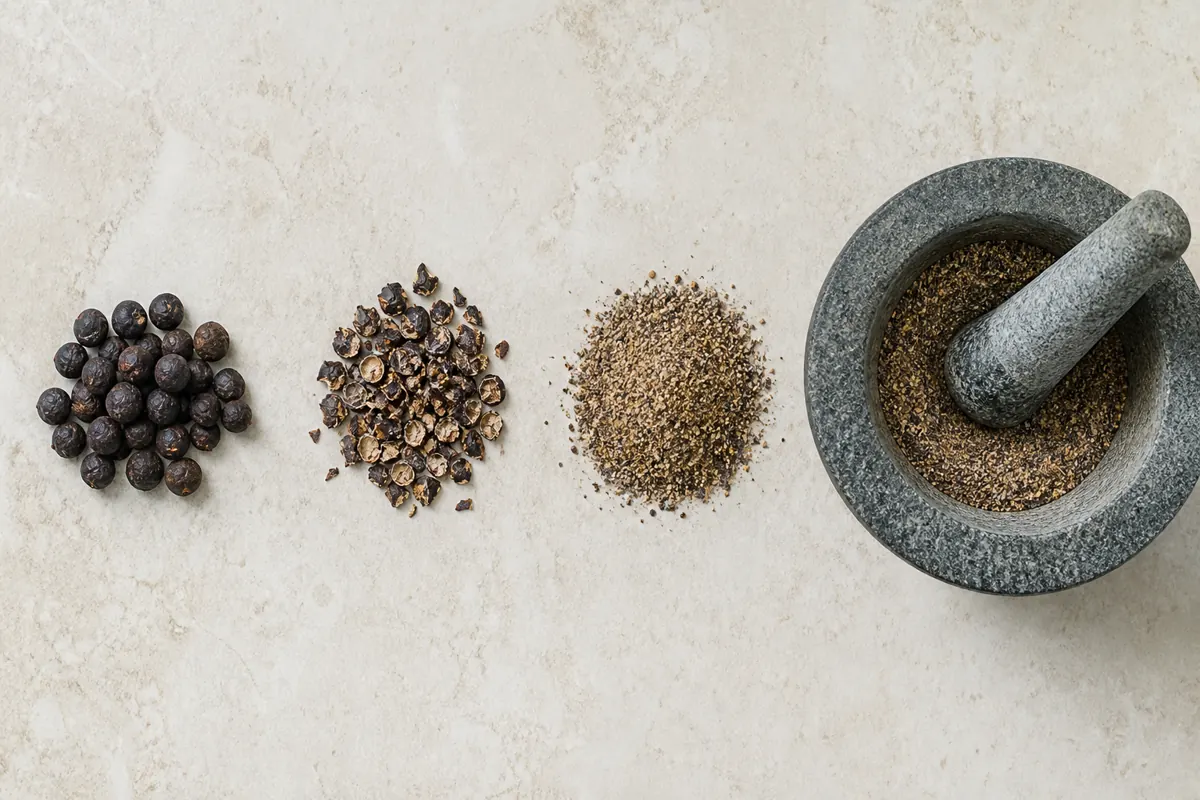
- Whole: Slow and uneven release.
- Cracked: Aromatic bursts.
- Ground: Fast full dispersion.
Acid and fat change perception as well. Sumac tastes sharper after lemon is added, while coriander and allspice seem rounder in butter or cream because fat carries their aroma across the palate.
Resting time matters most when a cracked seed enters a cold preparation.
Coriander in vinaigrette or cured fish needs about fifteen minutes for salt and acid to reach the broken interior. Taste too early and the cook may add a second spoon before the first one has released its full citrus character.
Warm sauce gives faster feedback because fat carries the aroma as soon as the seed heats. Remove the pan from direct heat before the final judgment so steam does not hide the top notes.
Serving temperature changes the apparent strength once more. Chilled cheese mutes coriander and allspice, while room-temperature terrine exposes juniper quickly.
Sauces, Garnishes, and Rich Meat Need Different Answers
A pale cream sauce exposes dark fragments and aggressive heat, so coriander is the safest starting point.
Crack it coarsely, finish the sauce, and accept that the visual pink accent will disappear.
Garnishes reverse that priority.
Aleppo pepper or sumac makes a finished plate look deliberate, while coriander resembles crumbs and juniper looks heavy against fresh cheese or salad.
Rich meat can carry more resin and warm spice than fish or dairy. Juniper fits game and terrine, while allspice supports a dark braise after the texture of whole berries is no longer important.
Use cracked coriander for aroma and keep dark spices out.
Use Aleppo for warm color or sumac when tartness also helps.
Choose coriander for brightness or a very small juniper dose for resin.
Use juniper or allspice, then let cooking fat soften the strong edges.
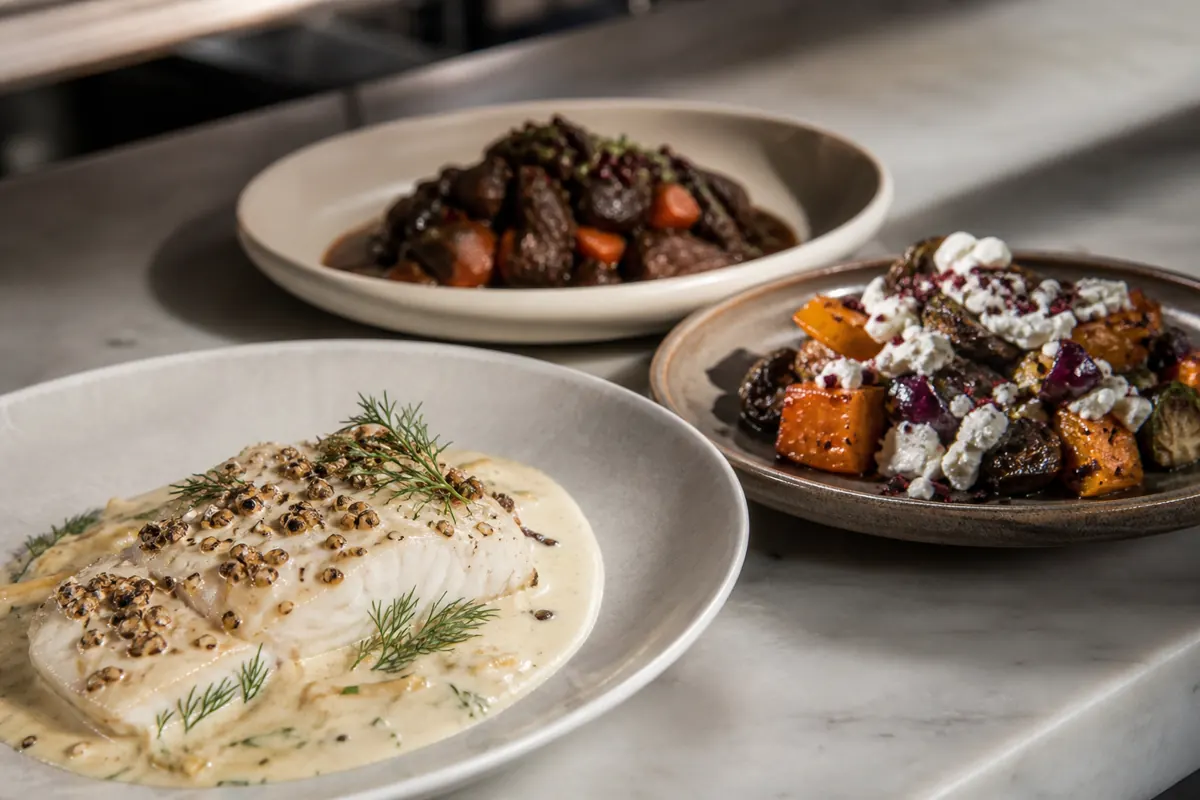
- Sauce: Protect perfume and color.
- Garnish: Preserve visible contrast.
- Rich meat: Tolerates darker resin.
Black pepper is useful only when the recipe expected pepper heat rather than pink peppercorn's berry character. Use about half the volume of coarsely cracked black pepper and expect a sharper bite with none of the floral sweetness.
Hold finishing substitutes until the plate is nearly ready.
Aleppo pepper darkens under prolonged heat, and sumac loses its bright tart edge when it simmers in liquid. Their value comes from the final visible and aromatic contrast, so cooking them with the sauce solves the wrong problem.
Timing also affects how several seasonings share the palate.
Use pairing and timing to keep a color substitute from competing with an earlier pepper, citrus, or resinous spice. Add the replacement at one clear checkpoint, then taste the complete dish before another strong finish enters.
A mixed peppercorn mill is not a reliable measured fallback because its percentage of pink berries is unknown.
If the mill already contains black, white, green, and pink pieces, use it only where broader pepper heat is acceptable. Do not increase the grind merely to chase the few pink fragments.
Brined, Dried, and Fresh Pink Peppercorns Set Different Baselines
A recipe written for brined pink peppercorns expects soft berries, salt, and a little preserving acidity. Dry berries are lighter, more aromatic, and easier to crush, so the missing ingredient's form changes what a useful replacement must do.
Drain brined peppercorns before measuring, then taste the liquid that clings to them. If the recipe uses the berries in a pan sauce, part of their effect may come from that salty acidic film rather than from berry perfume alone.
Coriander or juniper can replace aroma, but neither replaces moisture or salt. Add the dry substitute first, then correct the finished sauce with a few drops of mild vinegar and only enough salt to restore balance.
Do not pour pink peppercorn brine into a replacement by guesswork.
Commercial brines vary widely, and a tablespoon can make a reduced sauce harsh before the substitute has had time to release aroma.
Dry pink peppercorns create the opposite problem. Their hollow husks occupy more spoon volume than dense juniper or ground allspice, which is why equal spoonfuls produce an aggressive result with those options.
Cracked coriander comes closest to the dry berry's light bulk. Juniper and allspice need the smaller ratios in the table because each measured spoon carries more concentrated flavor into the food.
Fresh pink peppercorn clusters are softer and greener than the dry product sold in most spice jars. They can bring a juicy herbal quality to fish, fruit, and cream sauces that a dried substitute cannot reproduce directly.
For a fresh cluster garnish, separate appearance from seasoning.
Aleppo pepper or sumac can provide a visible red finish, while a small amount of coriander in the sauce supplies aromatic lift.
Replace aroma first, then correct salt and acidity after reduction.
Compare spoon density and keep juniper or allspice below equal volume.
Split the job between a red garnish and a mild aromatic in the food.
Add the substitute late because exposed oils release faster.
Texture matters when the original berries remain visible. A smooth cream sauce can accept finely cracked coriander, but a coarse juniper fragment may feel woody and a dusting of sumac can make the surface look dry.
Strain a sauce when aroma matters but particles do not. For a garnish, choose a substitute whose final texture belongs on the plate rather than forcing a strongly flavored berry to imitate the shape.
Taste after the sauce rests for one minute.
Fat holds coriander and juniper aroma. Serving warmth makes both aromas easier to smell, so an immediate correction straight from the pan can overshoot.
When Omission Protects the Dish
Leave pink peppercorn out when it appears as a small decorative accent and every available replacement would introduce a louder named flavor. A plain white sauce usually loses less from missing pink flecks than it does from excessive juniper or chile.
Omission also makes sense in delicate desserts where the berry was optional decoration. Sumac adds acid, Aleppo adds chile heat, and allspice changes the sweet-spice profile more than a few missing pink fragments do.
- The amount is only a pinch: Finish the dish, then decide whether color or aroma is actually missing.
- Another pepper is already present: Do not increase black pepper automatically, because that raises heat rather than fruit.
- The dish is pale and delicate: Coriander is the only subtle aromatic choice, and omission may look cleaner.
- The pink berries define the presentation: Wait for the real ingredient when their whole shape is central to the plate.
Taste the food at serving temperature before correcting it. Chilled dairy suppresses aroma, while warm sauce releases coriander, juniper, and allspice quickly enough that a quiet first taste can become complete at the table.