
Which Maggi Seasoning Substitute Fits Your Dish?
Match the salt, savory depth, and cooking job before choosing a replacement
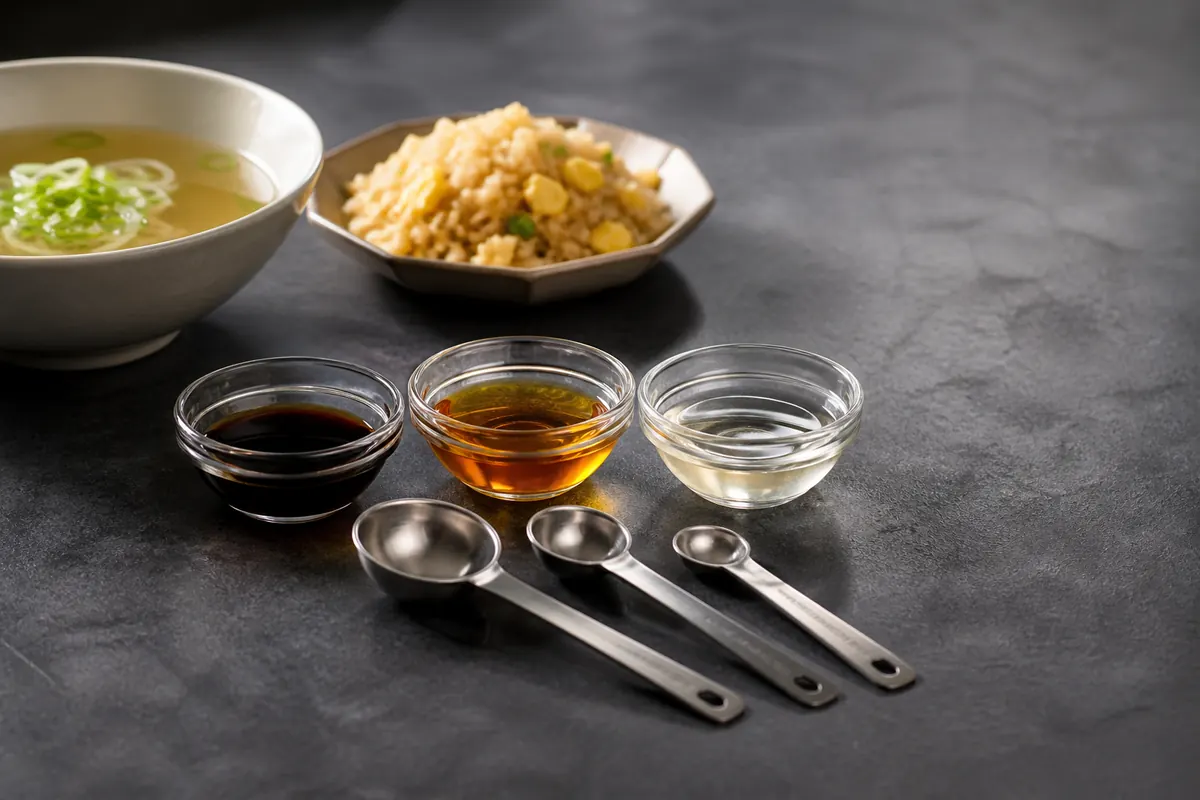
Match Maggi's Four Jobs Before Choosing a Bottle
For one teaspoon of Maggi liquid seasoning, start with one-half teaspoon soy sauce and one-half teaspoon Worcestershire sauce in a cooked savory dish. The pair combines salty fermented depth with tang and aromatic complexity, but you should choose another route when the food must be vegetarian, gluten-free, or free from soy.
Maggi liquid seasoning is a concentrated dark condiment, not a bouillon cube dissolved in water and not one of the brand's sweet or hot table sauces.
Recipes usually call for a small volume because that teaspoon supplies several effects at once.

- Dark samples: Similar color does not prove equal salt.
- Pale broth: Exposes color and aroma changes.
- Small measure: Concentrated seasonings need a restrained test.
The ingredient list also changes by market. One official UK description identifies hydrolyzed wheat protein as its savory base, while a commercial specification for a Thai cooking seasoning lists fermented soy sauce, salt, sugar, glutamate, ribonucleotides, acid, and caramel color.
Read the bottle named in the recipe when that detail matters. A substitute only needs to reproduce the function the dish uses, yet an allergen decision must come from the exact product label rather than the color or brand family.
A pale chicken broth mainly needs clean savoriness and controlled salt. A dark beef gravy can absorb extra color and Worcestershire spice, while a fried rice pan usually welcomes the direct soy character that would stand out in a soft-cooked egg.
The best replacement therefore changes with the food.
Choose the liquid whose unavoidable difference already belongs in the recipe, then correct one remaining quality after cooking.
Five Maggi Seasoning Substitutes for Different Dishes
The options below begin with one teaspoon of Maggi liquid seasoning.
They are starting measures for a recipe, not promises that two brands contain the same sodium or taste equally strong.
| Replacement | Starting amount for 1 teaspoon Maggi | Best fit | Main change |
|---|---|---|---|
| Soy sauce plus Worcestershire | 1/2 teaspoon each | Gravy, stew, meat marinade | More tang and spice |
| Regular soy sauce | 1 teaspoon | Fried rice, noodles, stir-fry | Clearer soy aroma |
| Tamari or liquid aminos | 1 teaspoon | Soup, tofu, vegetables | Brand-dependent salt or sweetness |
| Fish sauce plus water | 1/2 teaspoon each | Beef broth, pork, deeply flavored soup | Fish aroma and lighter color |
| MSG, salt, and warm water | 1/8 teaspoon MSG, a small salt pinch, 1 teaspoon water | Seasoned soup or sauce | No dark color or condiment aroma |
1. Soy Sauce Plus Worcestershire
Soy sauce plus Worcestershire gives the closest common-pantry match.
Mix one-half teaspoon regular soy sauce with one-half teaspoon Worcestershire sauce to replace one teaspoon Maggi in gravy, stew, meatloaf, or a dark marinade. Soy sauce carries the salt and fermented savoriness, while Worcestershire adds acid, sweetness, and spice that make the mixture feel broader than soy sauce alone.
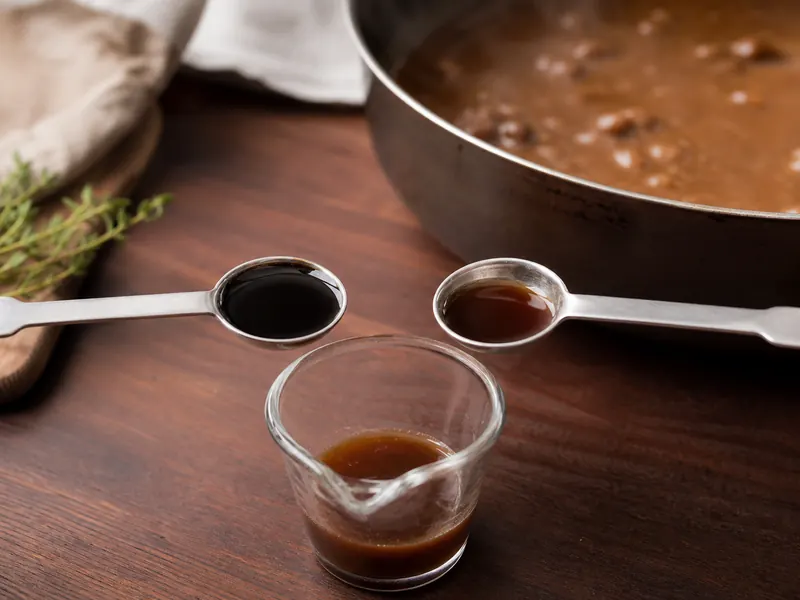
- Soy sauce half: Supplies salt and fermented savory depth.
- Worcestershire half: Adds acid, sweetness, and spice.
- Small mixing cup: Keeps the one-teaspoon replacement measurable.
- Beef gravy: Shows the dark cooked food that absorbs the broader flavor.
The combination works best where heat and dilution soften its sharper edges.
In a delicate consommé or on a fried egg, the vinegar, tamarind, molasses, and spice notes found in many Worcestershire sauces can become more obvious than the quality you wanted to replace.
Reduce Worcestershire to one-quarter teaspoon and raise soy sauce to three-quarters teaspoon when the dish already contains tomato, vinegar, wine, or another clear acid. Keep the equal blend for beef, mushrooms, caramelized onions, and other dark ingredients that can support its sweeter spice.
Do not add the mixture and the recipe's full salt dose together. Cook the sauce long enough for the substitute to disperse, then taste a cooled spoonful before deciding whether any separate salt remains necessary.
2. Regular Soy Sauce
Regular soy sauce fits fried rice and stir-fries.
Use one teaspoon regular or light soy sauce for one teaspoon Maggi when the condiment enters fried rice, noodles, stir-fried vegetables, or a cooked pan sauce. This is the simplest single-bottle replacement because the texture is thin and the salty savory effect survives high heat.

- Bare hot edge: Starts aroma release before the sauce meets the food.
- Thin stream: Prevents one dark salty pocket.
- Banked rice: Leaves room for controlled contact with the wok.
- Wok spatula: Tosses the seasoning through as steam leaves.
Regular soy sauce has a recognizable fermented soy aroma that Maggi made from hydrolyzed wheat protein does not share.
That difference is usually welcome in a wok, but it becomes a flavor change in European soups or on bread, eggs, and other simple foods where Maggi is used at the table.
Add soy sauce around the bare hot edge of the wok rather than pouring it into one mound of rice. Toss immediately, then wait until surface moisture has evaporated before judging salt, since wet rice can make the first taste seem weaker than the finished batch.
- 1. Hold back the recipe's separate salt.
- 2. Add the measured soy sauce around the hot pan edge.
- 3. Toss until no dark streaks remain and steam begins to ease.
- 4. Taste one warm spoonful, then add salt or another few drops only if needed.
Avoid sweet soy sauce and thick dark soy sauce as direct one-to-one swaps. Sweet soy changes sugar and viscosity, while dark soy can turn rice or pale sauce much darker without supplying the expected savory concentration.
3. Tamari or Liquid Aminos
Tamari or liquid aminos can fit a dietary need after you check the exact label.
Start with one teaspoon tamari or liquid aminos for one teaspoon Maggi in soup, tofu, vegetables, or a marinade.
Both can supply a thin salty liquid with concentrated savoriness, but neither name guarantees the same ingredients, sodium, or sweetness across brands.

- Two ingredient panels: Require separate checks rather than one category assumption.
- Dark and amber samples: Show that color does not reveal composition.
- Magnifying glass: Makes package evidence the decision tool.
- Unbranded bottles: Keep the comparison about ingredients, not a product claim.
Tamari is often brewed with little or no wheat, yet only a specifically labeled gluten-free product should carry that decision. Its rounded soy flavor suits broth and dipping applications, although it can taste more distinctly fermented than Maggi.
Liquid aminos made from soybeans are not a soy-free choice. Coconut aminos avoid soy in many products, but their noticeable sweetness and lower savory intensity can pull fried rice, gravy, or broth away from the intended result.
Taste coconut aminos before using them in a sweet marinade that already contains sugar, honey, or fruit. Reduce that sweet ingredient first, because adding more salt later will not remove an unexpectedly sugary finish.
4. Fish Sauce and Water
Mix one-half teaspoon fish sauce with one-half teaspoon water to replace one teaspoon Maggi in beef broth, pork marinade, braised meat, or a deeply flavored soup.
The dilution restores the requested liquid volume while keeping the fish sauce dose below a full teaspoon.

- Half teaspoon fish sauce: Restrained aromatic dose.
- Equal water: Restores liquid volume.
- Steaming broth: Heat and dilution soften the edge.
Fish sauce carries intense fermented seafood aroma and substantial salt, but it contributes little of Maggi's dark brown color. Heat and a large pot of broth soften the aroma without erasing it, which is useful when meat, garlic, onion, or toasted spices already give the dish a strong base.
Pros
- High savory impact from a small volume.
- Thin texture disappears into broth and marinade.
- Works with beef, pork, mushrooms, garlic, and browned onion.
Cons
- Not vegetarian or vegan.
- Can remain obvious in pale eggs, cream sauce, and uncooked dips.
- Does not supply the same dark color.
Add the diluted mixture early enough to cook in a braise or soup, then taste after reduction. Liquid loss concentrates fish sauce quickly, so a pot that seemed mild at the start can become salty near the end.
Reject this option when seafood allergens, vegetarian food, or a clean table-condiment aroma matters. Soy sauce, a compatible amino sauce, or the MSG solution gives a more controllable result in those cases.
5. MSG, Salt, and Water
Dissolve one-eighth teaspoon MSG and a small pinch of salt in one teaspoon warm water to replace one teaspoon Maggi in an already aromatic soup, gravy, or sauce.
This route rebuilds savory intensity and liquid volume, but it does not provide brown color, acid, sweetness, or a fermented condiment aroma.

- MSG crystals: Measured source of glutamate.
- Small salt pinch: Separate sodium correction.
- Warm water: Dissolves and restores volume.
Use the solution where garlic, onion, mushrooms, browned meat, tomato, or toasted spices already supply aroma and color. In plain rice, eggs, or a table dip, its clean savory effect can feel incomplete because nothing replaces the condiment's darker aromatic edge.
MSG is measured as a dry flavor enhancer rather than poured one-to-one with a liquid seasoning. A full teaspoon of dry MSG would be an extreme substitution error, which is why the small spoon and dissolved test matter.
Dissolve the crystals completely before adding them to clear broth. Undissolved pockets can create isolated intense tastes and make the cook increase or reduce the batch for the wrong reason.
Choose by Dish, Because the Same Substitute Changes in the Pan
Soup and stew provide dilution, long contact, and time for sharp aromas to settle. The soy and Worcestershire blend fits dark versions, while a compatible amino sauce or the MSG solution keeps a pale broth cleaner.
Fried rice and noodles concentrate seasoning as steam leaves.
Regular soy sauce belongs here because the wok already supports its aroma, but the measured amount should enter before any final salt.

- Broth: Dilutes a strong aroma.
- Fried rice: Concentrates salt as steam leaves.
- Marinade: Can absorb controlled acid.
- Cooked egg: Exposes color and aroma at the surface.
A meat marinade can accept the extra acid in Worcestershire or the strong savoriness of diluted fish sauce. Account for every salty liquid in the bowl before adding salt, since the uncooked marinade is not a reliable final taste for meat safety reasons.
Eggs, buttered vegetables, bread, and finished rice expose the substitute at the surface. Tamari or a mild liquid amino can work in drops, while fish sauce and Worcestershire are more likely to announce their own identity.
Tamari, compatible liquid aminos, or MSG solution for controlled color.
Equal soy sauce and Worcestershire for broad cooked depth.
Regular soy sauce added around the hot pan edge.
Soy-Worcestershire or diluted fish sauce when the recipe suits it.
Start with a few drops of a mild single sauce and judge the exposed aroma.
A cold dip gives acid, sweetness, and fish aroma nowhere to hide.
Use less than the cooked ratio, rest the mixture for a minute, and taste it with the actual food rather than from an empty spoon.
Correct Salt Last and Keep the First Test Small
Test a new substitute in one tablespoon of finished food before adding it to the full pot.
Add one drop or a measured fraction to that spoonful, stir, and compare it with an unseasoned spoonful beside it.
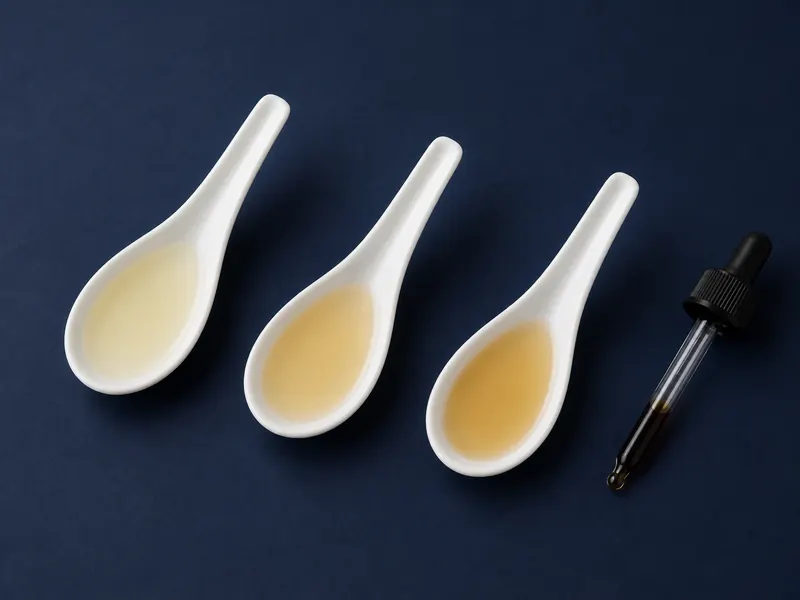
- First spoon: Unseasoned reference.
- Second spoon: Low measured dose.
- Third spoon: Stronger comparison.
- Dropper: Reproducible small additions.
Warm food can make salt seem less obvious than it will after cooling, and reduction raises concentration further. Let a soup sample cool enough to taste comfortably, while a pan sauce should be judged near its final thickness.
- Too salty: Increase the unseasoned food or liquid base rather than masking it with sugar.
- Too sweet: Reduce coconut aminos or sweet soy, then restore savoriness with a less sweet option.
- Too acidic: Reduce Worcestershire and use more regular soy sauce in the next measured portion.
- Too fishy: Dilute with the recipe base and switch the remaining dose to soy, amino sauce, or MSG solution.
- Too pale: Correct browning only when color affects the dish, not as proof of flavor strength.
- Too flat: Add a few more drops after salt, sweetness, and acidity already balance.
Change one quality at a time.
Another full teaspoon of a mixed substitute raises salt, acid, sweetness, color, and aroma together, which makes a nearly correct dish harder to repair.
Record the bottle and amount when the result works, especially with liquid aminos, tamari, fish sauce, and regional Maggi formulas. The next batch can begin from a known measure instead of repeating the same label comparison and salt test.