
Which Rosemary Substitute Fits the Cooking Time and Dish?
Match rosemary's woody durability with the right herb form for roasts, bread, sauce, beans, or infusion.
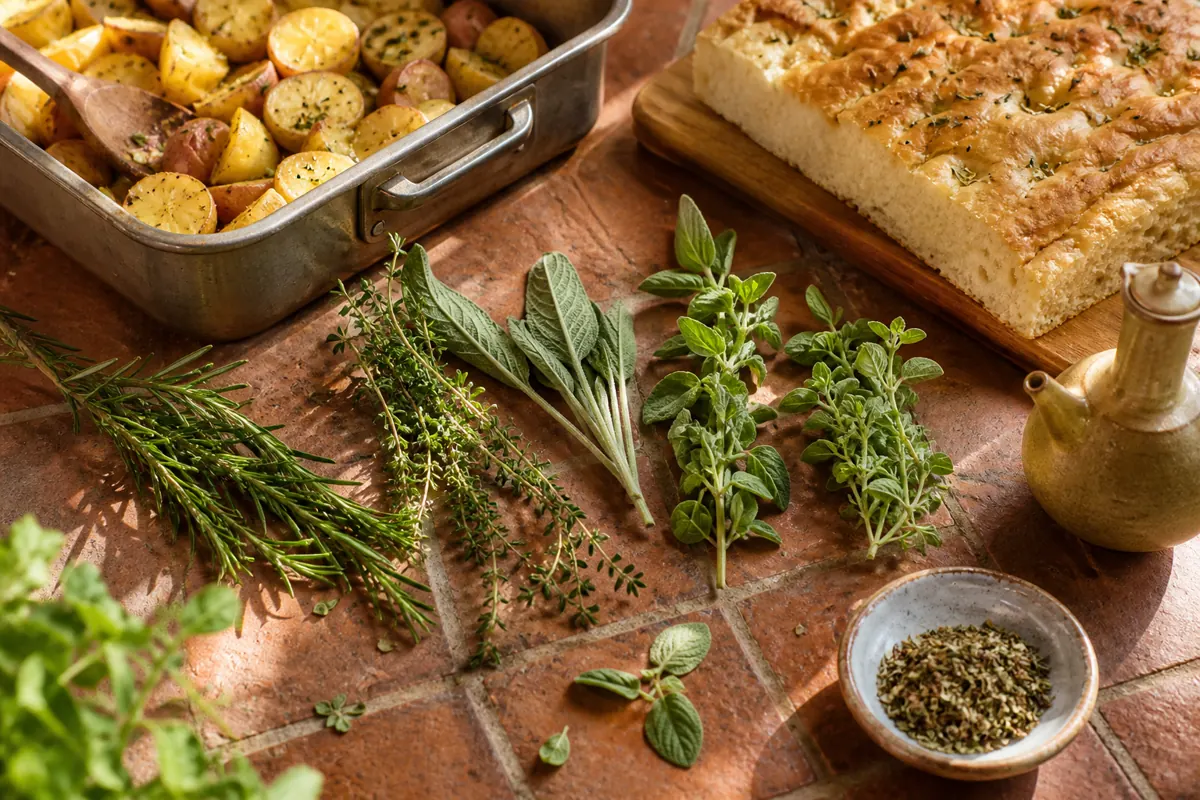
Five Rosemary Substitutes Ranked by Cooking Behavior
Rosemary supplies a pine-like aroma, a woody needle texture, and unusual endurance under long heat. The best replacement must fit the cooking method as well as the flavor, because a soft herb added too early can vanish while an aggressive dry herb can dominate.
Thyme is the broadest replacement for roasts, potatoes, beans, and bread. Sage fits fatty meat, marjoram softens delicate food, oregano belongs in tomato-led cooking, and Herbes de Provence supplies a wider Mediterranean blend.
| Number | Substitute | Starting ratio for 1 tsp dried rosemary | Best use | Main change |
|---|---|---|---|---|
| 1 | Thyme | 1 tsp | Roasts, potatoes, beans, bread | Softer and less piney |
| 2 | Sage | 1/2 tsp | Pork, poultry, squash, stuffing | Earthier and stronger |
| 3 | Marjoram | 1 tsp | Chicken, vegetables, sauce | Sweeter and less durable |
| 4 | Oregano | 1/2 tsp | Tomato sauce, beans, lamb | Peppery and cuisine-specific |
| 5 | Herbes de Provence | 1 tsp | Roasts, gratin, bread | Broader, sometimes floral |
1. Thyme
Use one teaspoon dried thyme for one teaspoon dried rosemary in roast poultry, potatoes, beans, stew, or bread dough. Thyme tolerates long cooking and keeps an herbal background without rosemary's pronounced pine or tough needles.
Fresh thyme can replace fresh rosemary at equal chopped volume, but add some of the tiny leaves later when the dish needs a bright finish.
A whole thyme sprig also works in liquid that will be strained, although it releases more gently than rosemary.
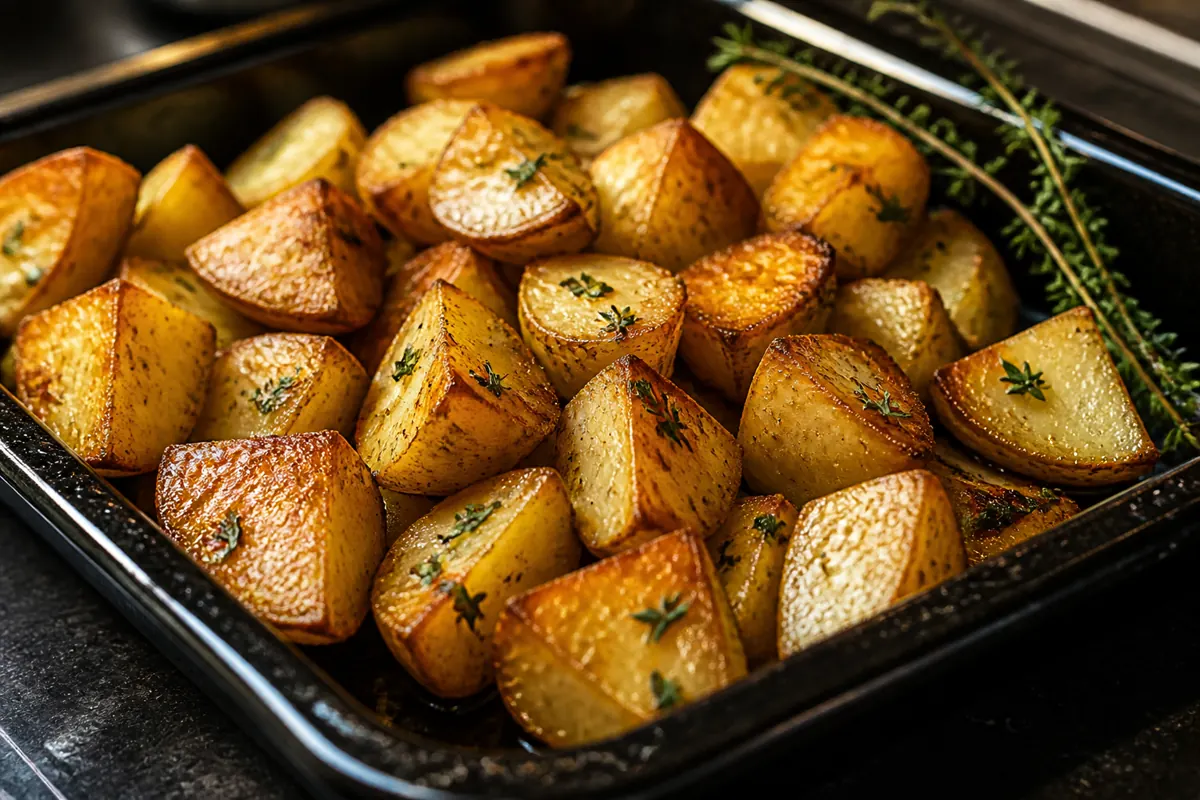
- Small leaf: Better edible texture.
- Long heat: Aroma remains present.
- No pine: Result tastes gentler.
Thyme is especially useful when rosemary was meant to sit in the background rather than define the dish.
In beans or stew, add dried thyme with the liquid so the small leaves soften and release gradually. For a roast, mix it into oil and reserve a small fresh pinch for service only when the food benefits from a brighter herbal top note.
The substitution becomes less convincing in a recipe built around charred rosemary stems or a rosemary-skewer aroma. Thyme can season the food, but it cannot reproduce smoke from woody rosemary stems.
In that case, keep the thyme in the marinade and use an ordinary skewer rather than treating the stem as interchangeable equipment.
2. Sage
Begin with half a teaspoon dried sage for one teaspoon dried rosemary in pork, poultry, squash, brown butter, or stuffing.
Sage has enough camphor-like strength to stand beside rendered fat, but it becomes more earthy and bitter than rosemary when overused.
Cook sage in fat so its broad leaf flavor spreads across the dish. Keep it away from delicate fish and raw dressing unless the recipe already expects a clear sage identity.
Brown butter is a useful checkpoint because sage becomes aromatic before the milk solids turn dark. Add the measured leaf once the butter foams, then remove the pan from direct heat if the aroma becomes camphor-like.
Stuffing tolerates sage more easily than a pan sauce because bread and stock distribute the dose across many bites.
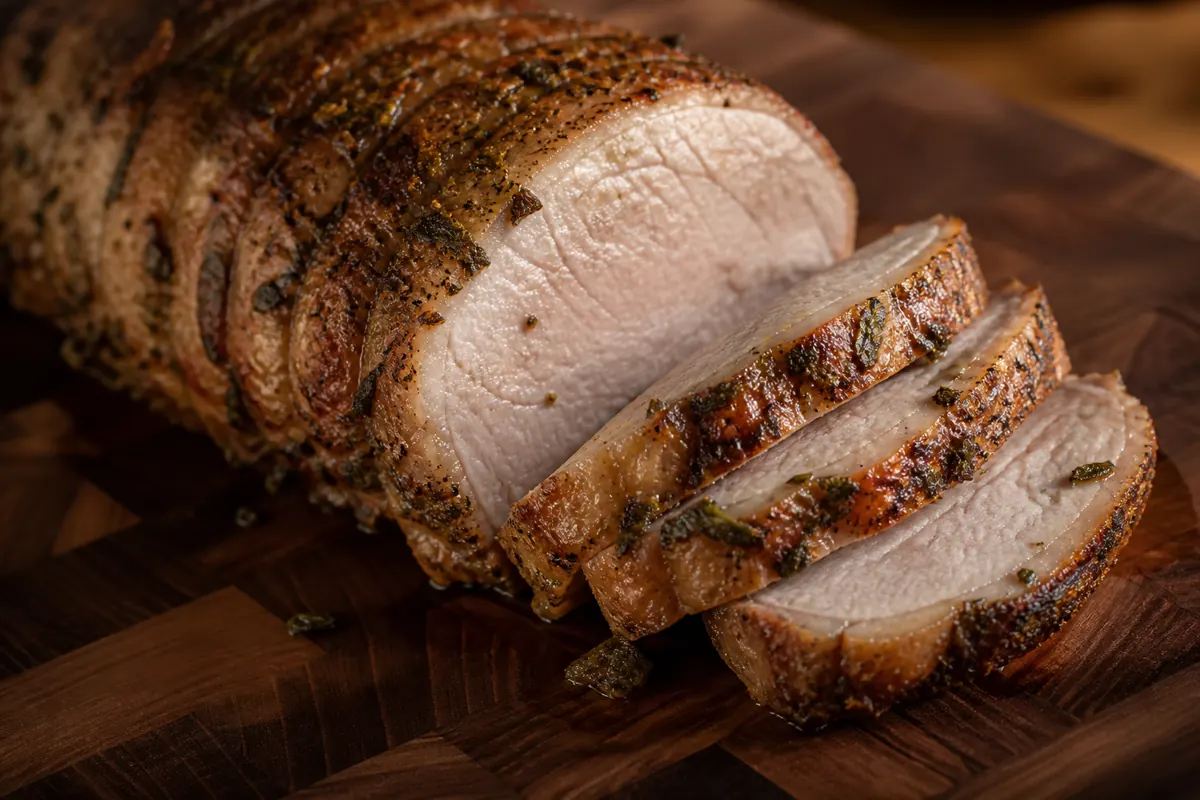
- Half volume: Controls intensity.
- Rendered fat: Spreads aroma.
- Rich meat: Supports the earthier shift.
3. Marjoram
Use one teaspoon dried marjoram for one teaspoon dried rosemary in chicken, vegetables, beans, stuffing, or a short-cooked sauce. Its sweet, soft aroma keeps food herbaceous without the resinous edge that some diners dislike in rosemary.
Marjoram loses definition under prolonged dry heat.
Add it during the final third of cooking, or protect it in a moist filling where steam softens the leaf and retains more aroma.
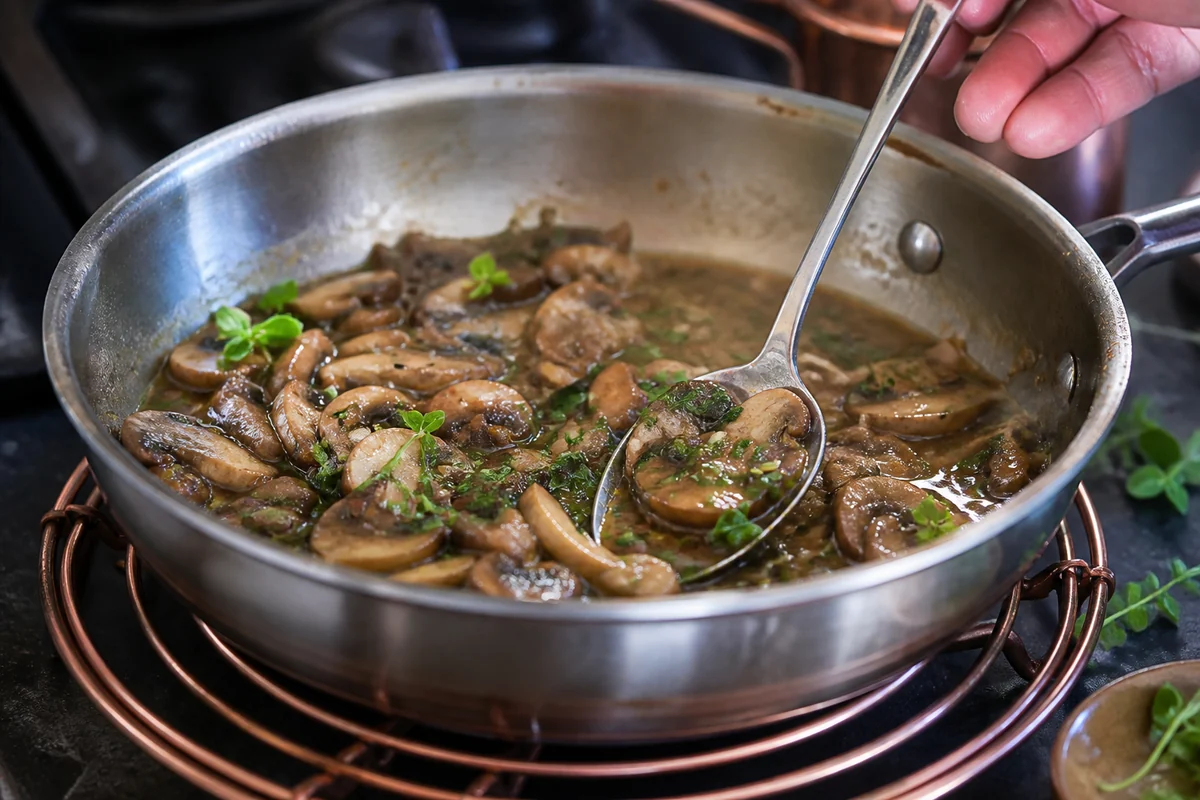
- Late addition: Protects gentle aroma.
- Moist sauce: Softens fine leaves.
- Short finish: Avoids flavor loss.
Marjoram suits quick pan sauces because its aroma emerges without a long extraction. Add it after the onions or mushrooms have browned and after the pan has been deglazed.
Five to ten minutes in the moist sauce is usually enough to soften dried leaves without cooking away their gentle character.
In bread, marjoram should stay inside the dough or filling rather than form the main dry topping.
Its fine leaves can brown before a thick loaf finishes baking. Thyme or a restrained dry blend is sturdier on the exposed surface, while marjoram works better where dough moisture protects it.
4. Oregano
Use half a teaspoon dried oregano for one teaspoon dried rosemary in tomato sauce, bean stew, grilled lamb, or roasted vegetables.
Oregano brings a peppery, sometimes bitter leaf character that fits tomato and garlic but changes focaccia or cream sauce more dramatically.
Crush it directly into a moist sauce so the dry leaf hydrates. Do not scatter the full amount over finished food, where its sharp edge remains exposed and the recipe reads as oregano-led.
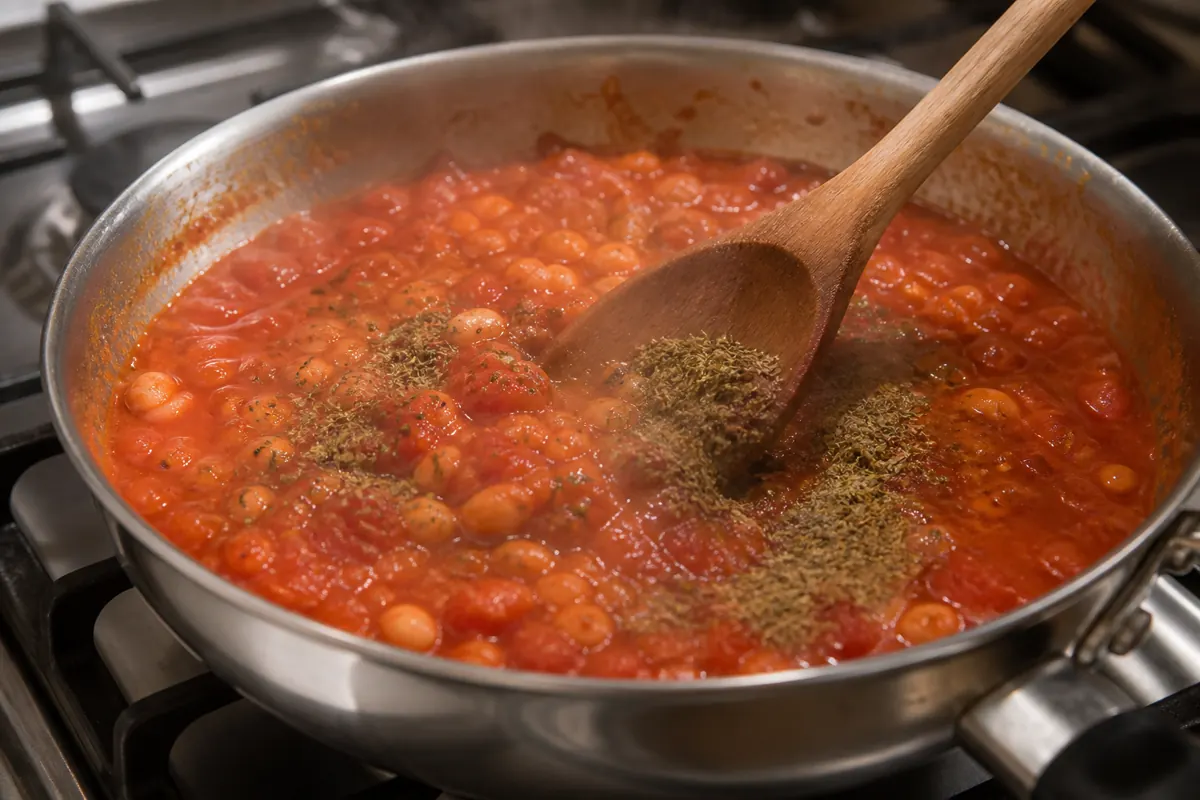
- Tomato base: Natural flavor bridge.
- Half volume: Limits bitterness.
- Moist heat: Softens the leaf.
Grilled vegetables can take oregano's sharper edge when char, garlic, and olive oil already frame the flavor.
Plain focaccia exposes the missing pine aroma and makes the substitution feel less natural.
5. Herbes de Provence
Replace dried rosemary with equal Herbes de Provence in roast chicken, vegetables, gratin, or savory bread. The blend can include thyme, savory herbs, marjoram, rosemary, and sometimes lavender, so it preserves a broad dry-herb structure rather than one pine note.
Read the label before using it in gravy or beans.
Lavender can feel balanced on a browned vegetable surface and strangely perfumed in a pale, reduced sauce.
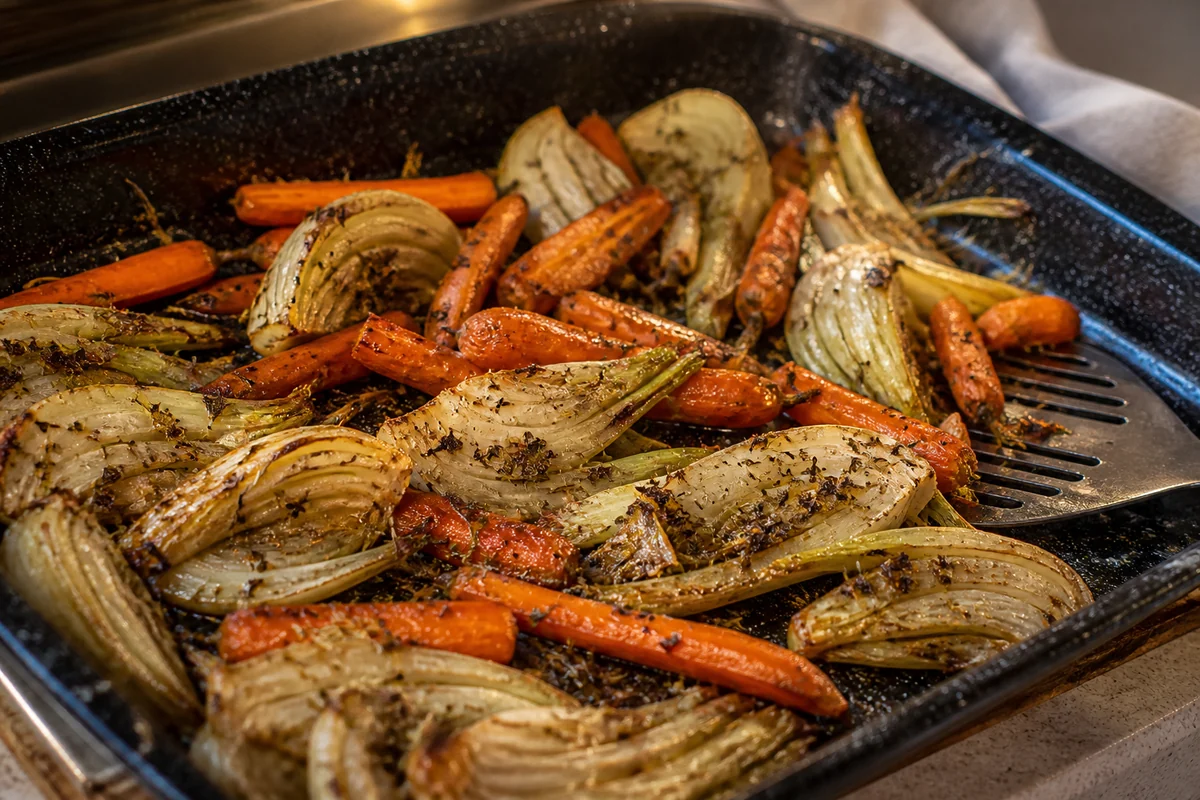
- Mixed herbs: Wider aromatic direction.
- Browned surface: Supports possible lavender.
- Visible flakes: Check texture before serving.
This blend is useful when rosemary was only one part of a Mediterranean roast profile. It is less convincing when a recipe names rosemary as the defining aroma, such as a rosemary loaf or a simple rosemary oil.
Fresh rosemary also contributes physical structure that chopped substitutes lack.
A sprig can sit under roasting meat, perfume hot oil, or act as a basting brush. Chopped thyme or sage replaces aroma in those cases, but the cook still needs a rack, brush, or removable bundle to replace the sprig's physical job.
Ground herbs demand the most restraint because every particle contacts the food immediately.
Mix ground rosemary or a ground substitute into oil before it enters dough or a rub. This grinding method prevents concentrated powder pockets and makes a half-teaspoon easier to distribute across a large surface.
Fresh, Dried, and Ground Herbs Do Not Share One Ratio
One tablespoon chopped fresh rosemary is a practical starting equivalent for one teaspoon dried rosemary. Fresh leaves contain water and occupy more space, while drying concentrates aroma and makes the needle texture more persistent.
Ground rosemary releases faster than intact dried needles. Use about half a teaspoon ground for one teaspoon whole dried rosemary, then disperse it through oil, dough, or liquid so no dusty green pockets remain.
The conversion changes again when the recipe calls for a whole sprig.
A sprig perfumes liquid and is removed, while a teaspoon of chopped herb stays in every bite.
For a rub, particle size matters as much as volume. Crush dry thyme or Herbes de Provence until the pieces match the salt crystals, then mix them through oil before they touch the meat.
Bread needs a finer texture than a braise. Coarse needles or broad sage fragments remain obvious in a soft crumb, so choose thyme or finely crushed mixed herbs when the replacement will be eaten rather than strained.
| Recipe calls for | Starting equivalent | Best timing | Texture note |
|---|---|---|---|
| 1 tbsp fresh rosemary | 1 tsp dried rosemary | Add dried earlier | Needles remain noticeable |
| 1 tsp dried rosemary | 1 tbsp chopped fresh rosemary | Add some fresh later | Softer, brighter leaf |
| 1 tsp dried needles | 1/2 tsp ground rosemary | Mix into fat or liquid | Fast, uniform release |
| 1 rosemary sprig | 2 to 3 thyme sprigs | Infuse and remove | Gentler whole-herb extraction |
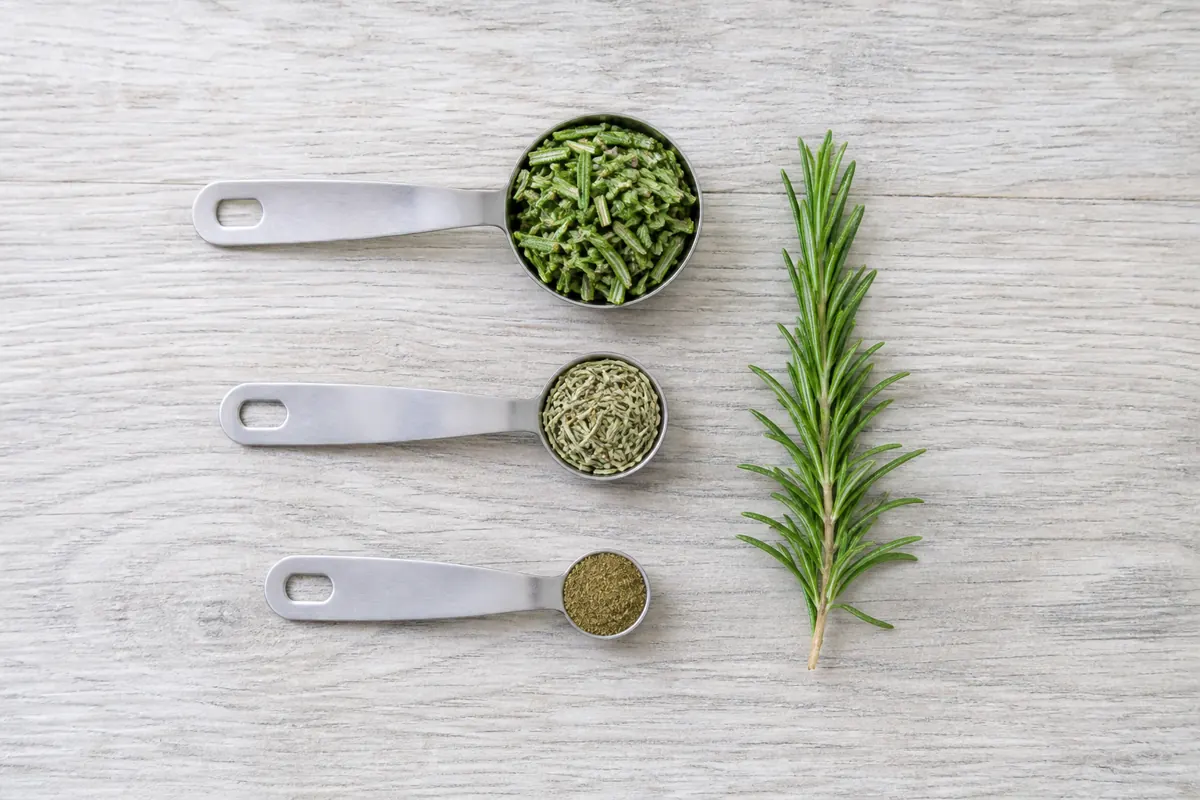
- Fresh tablespoon: More water and volume.
- Dried teaspoon: Concentrated leaf.
- Ground half-teaspoon: Fast dispersion.
The substitute's form should follow the original form whenever possible. Replace chopped fresh rosemary with chopped fresh thyme or marjoram, and replace dry needles with dried thyme or a dry blend when the dish needs long heat.
Match the Herb to Roast, Bread, Sauce, or Beans
Roasting rewards thyme, sage, or Herbes de Provence because fat holds the herbs against the food and heat rounds their sharper edges.
Crush dried leaves before mixing them with oil so particle size stays even across the surface.
Bread dough needs aroma that survives proofing and baking without leaving tough fragments. Thyme is the easiest edible option, while a finely crushed dry blend gives wider flavor without long rosemary needles.
Tomato sauce and beans favor oregano, thyme, or marjoram according to cooking time. Oregano fits a strong tomato base, thyme handles a long bean simmer, and marjoram suits a lighter sauce added later.
Thyme for balance, sage for richness, or Herbes de Provence for a broad crust.
Thyme gives the cleanest edible texture; crush any dry blend very finely.
Oregano makes the cuisine shift coherent, while thyme remains quieter.
Thyme handles long simmering; marjoram gives a softer late finish.
Acid makes oregano and thyme seem sharper, while fat makes sage and blended herbs feel rounder. Taste after lemon, tomato, butter, or oil is fully incorporated because the base changes how the substitute is perceived.
Focaccia reveals both particle size and baking endurance.
Fresh thyme leaves can remain on the surface, but dried oregano may scorch at exposed edges and broad sage pieces can become papery. Press delicate herbs into oil-filled dimples or keep them inside the dough rather than scattering every substitute the same way.
Beans reward a slower sequence.
Add sturdy thyme early, add marjoram later, and remove any whole herb bundle before the liquid thickens. Good pairing and timing preserves the herb's useful stage instead of asking a larger dose to survive the wrong one.
Roast vegetables need enough oil for contact but not a wet coating.
Toss the substitute with oil and salt in a bowl, then spread the vegetables in one layer. Herbs trapped under overlapping pieces stay green and soft, while exposed fragments can darken.
Even distribution matters as much as ratio.
Oil, Water, and High Heat Expose Different Weaknesses
Rosemary tolerates hot oil and long roasting because its tough leaves release aroma slowly. Softer substitutes can taste convincing in the mixing bowl and then disappear or scorch before the food reaches the table.
Oil carries thyme, sage, oregano, and marjoram across a larger surface than water does. A measured teaspoon in a tablespoon of oil can season an entire vegetable tray, while the same amount dropped into a watery broth may remain localized until the leaves hydrate.
For a marinade, crush dry thyme or sage between your fingers before whisking it into oil. Let the mixture stand for ten minutes so the fat collects aroma, then coat the food evenly instead of leaving herb clumps on one side.
Marjoram needs gentler treatment.
Add it to a quick pan sauce after the strongest sizzling has stopped, because prolonged dry heat strips its sweet top note and leaves little of the quality that made it a useful rosemary alternative.
Oregano can survive a tomato sauce but becomes sharp on a dry roast. Keep it inside a moist base or mix it with enough oil to prevent exposed flakes from blackening.
Thyme or a restrained sage dose can survive the full cook.
Oregano can soften and spread without scorching.
Marjoram belongs near the end after direct heat eases.
A tied thyme and bay bundle preserves slow infusion and removal.
High heat also changes particle behavior. Finely ground herbs release quickly but burn on an exposed crust, while broad leaves can turn papery and detach from bread or vegetables.
Aim for small visible flakes on food that will roast uncovered. Reserve powder for wet marinades, sausage mixtures, or sauces where fat and liquid protect it from direct oven heat.
Water extracts a greener, quieter profile.
In beans, soup, or braising liquid, add sturdy thyme early and taste again after reduction because the same herb becomes more concentrated as water evaporates.
Acid can make a substitute seem brighter without making it more like rosemary. Lemon supports thyme on chicken or potatoes, but too much acid can turn oregano sharp and make sage feel medicinal.
Garlic creates another amplification point.
A heavy garlic rub plus sage can become dense and savory. Thyme leaves more room for the food itself.
Reduce the stronger partner before increasing the herb.
Taste from the finished cooking medium whenever possible. The herb left on a spoon, the oil around roasted vegetables, and the reduced braising liquid reveal different strengths even when they started from the same measured dose.
If the substitute has already faded, add a small fresh portion at the end instead of doubling the original amount. That late layer restores aroma without loading the dish with scorched or exhausted leaves.
A Removable Sprig Has a Different Replacement Job
A whole rosemary sprig often perfumes a braise, stock, or pan of oil and is removed before service.
Chopped dry herbs cannot copy that job without leaving leaves throughout the food.
Tie thyme sprigs with a bay leaf when the liquid will simmer long enough to extract them, then lift the bundle out before reducing the sauce. The result is gentler and less piney, but it preserves the clean removal that the recipe intended.
- Choose whole sturdy herbsUse two or three thyme sprigs and one bay leaf for a long braise.
- Tie the bundleKitchen twine keeps small stems out of the finished food.
- Infuse gentlyKeep the herbs below the liquid and taste after thirty minutes.
- Remove before reductionConcentrating the sauce with the bundle still inside can make bitterness stronger.
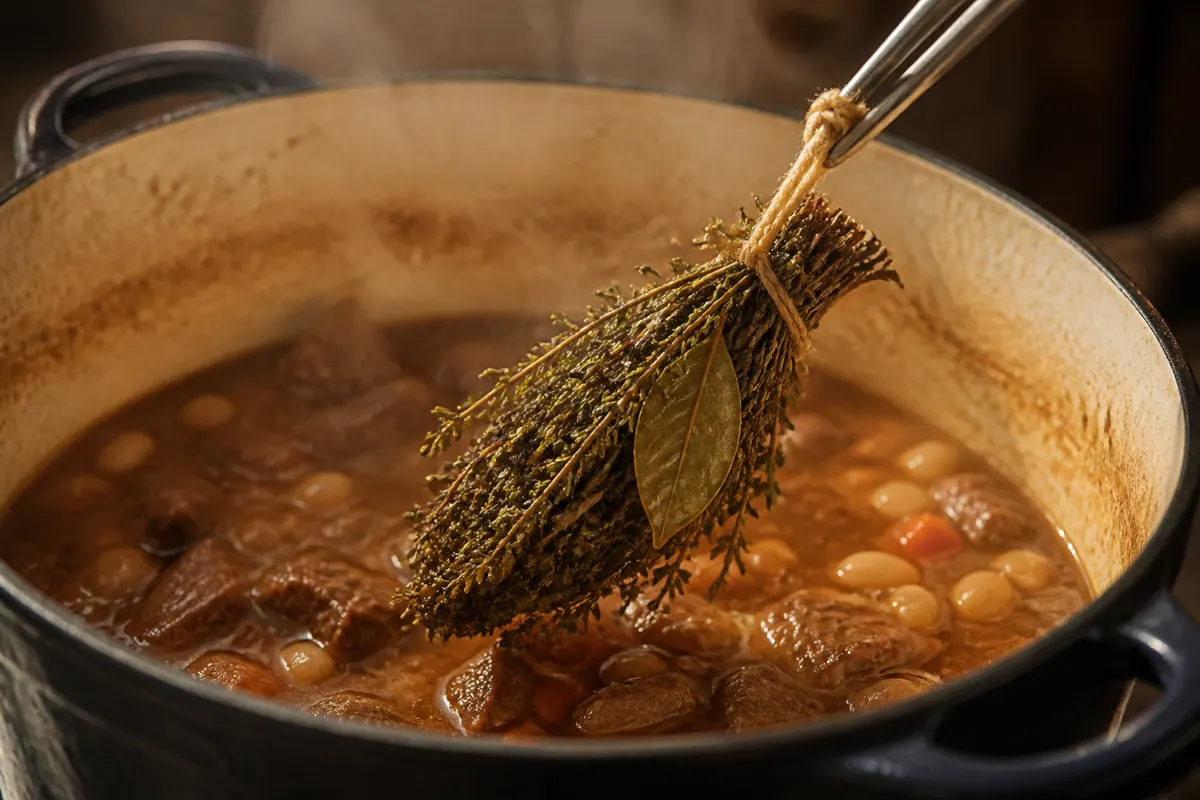
- Whole stems: Slow release.
- Kitchen twine: Clean removal.
- Early removal: Prevents concentrated bitterness.
Omit rosemary when it is a minor background herb and the available replacement would redirect a delicate dish. A missing half sprig in a complex stew is less disruptive than a large sage or oregano dose that announces itself in every bite.