
Which Apple Pie Spice Substitute Fits the Dessert?
Keep cinnamon in front while matching the filling, batter, oatmeal, or cider in front of you.
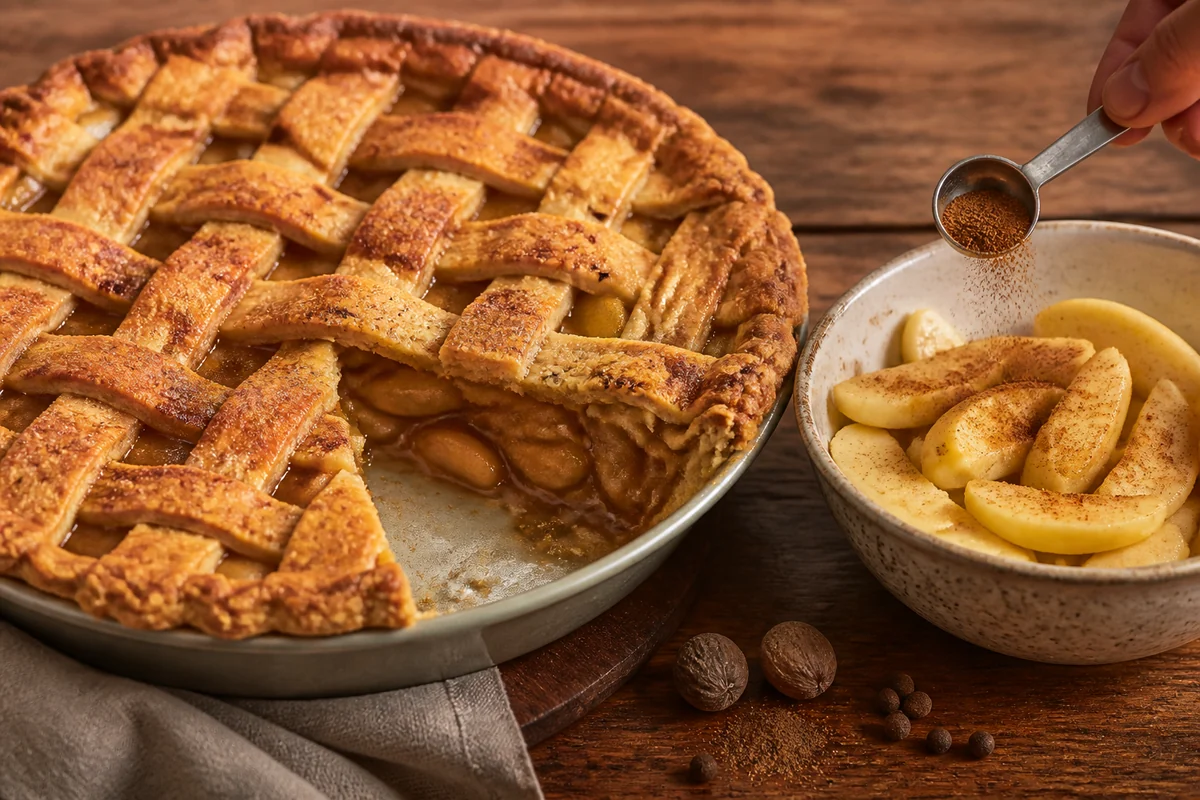
Pumpkin pie spice is the easiest apple pie spice substitute and usually works at equal volume. Use only three-quarter volume when the label or dry aroma suggests that ginger and clove may overpower a reducing apple filling.
5 Apple Pie Spice Substitutes by What the Dessert Can Carry
Pumpkin pie spice is the closest ready-made substitute because it shares the cinnamon, nutmeg, and allspice backbone found in many apple pie blends. Its extra ginger or clove may become obvious in a thin fruit filling, so the label and the dessert both affect the starting ratio.
Plain cinnamon is the safest one-jar fallback when you want a familiar apple-dessert aroma without adding a stronger supporting note. Allspice, nutmeg, and cardamom work more selectively because each moves the fruit in a different direction.
| Number | Substitute | Starting ratio for 1 tsp apple pie spice | Best use | Main change |
|---|---|---|---|---|
| 1 | Pumpkin pie spice | 1 tsp, or 3/4 tsp if clove-heavy | Pie, muffins, cookies, oatmeal | More ginger and clove |
| 2 | Cinnamon | 3/4 tsp | Filling, crumble, oatmeal, pancakes | Less depth |
| 3 | Allspice | 1/2 tsp | Dark cake, chutney, cider | Clove-like and peppery |
| 4 | Nutmeg | 1/4 tsp | Custard, butter cake, baked apples | Perfumed without cinnamon |
| 5 | Cardamom | 1/4 tsp | Tart apples, buns, light cake | Citrus-floral direction |
These ratios assume ground spice going into a recipe that will be mixed and cooked. A surface sprinkle or freshly grated nutmeg tastes more concentrated, so it needs a smaller first addition.
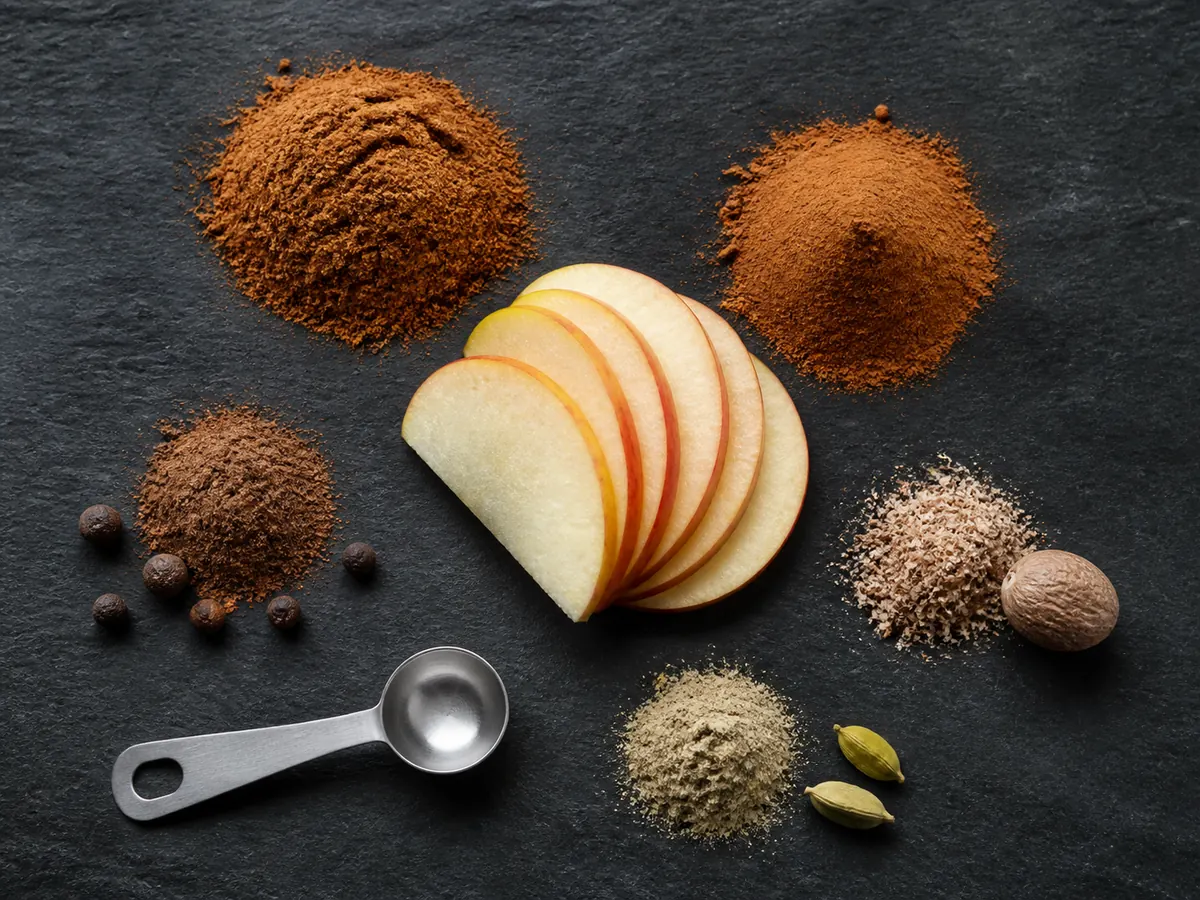
- Pumpkin pie spice: Closest ready-made overlap.
- Cinnamon: Safest simple fallback.
- Allspice and nutmeg: Concentrated supporting notes.
- Cardamom: Brightest change of direction.
1. Pumpkin Pie Spice
Use one teaspoon pumpkin pie spice for each teaspoon of apple pie spice in muffins, cookies, oatmeal, crumble, and most pie fillings. Reduce the starting amount to three-quarter teaspoon when cloves appear early on the ingredient label or dominate the dry aroma.
- Starting ratio
- 1 teaspoon per 1 teaspoon apple pie spice
- Best for
- pie filling, muffins, quick bread, cookies, crumble, and oatmeal
- Main tradeoff
- extra ginger and clove with less cinnamon dominance
- Adjust
- begin at 3/4 teaspoon when the blend smells sharply clove-led
The two blends overlap because both usually begin with cinnamon and support it with nutmeg and related sweet spices. Pumpkin formulas commonly lean harder on ginger and cloves, which gives squash depth but can turn delicate apples medicinal or sharp.
Check whether the recipe separately calls for ginger, cloves, nutmeg, or cinnamon. A one-for-one substitution can duplicate those spices before the filling loses water in the oven.
Pumpkin pie spice is especially forgiving in cake batter and oatmeal.
Flour, fat, or oats spread the blend through a larger base, while a shallow tart places the same amount against a thinner layer of fruit. Use the lower ratio in that tart and reserve the remainder until the apples are fully coated.
2. Cinnamon
Start with three-quarter teaspoon cinnamon for each teaspoon of apple pie spice in apple filling, crumble, oatmeal, pancakes, or cinnamon-forward cake. It supplies the aroma most people identify first, even though nutmeg and allspice are missing.
- Starting ratio
- 3/4 teaspoon per 1 teaspoon apple pie spice
- Best for
- apple filling, crumble, oatmeal, pancakes, and cinnamon-forward cake
- Main tradeoff
- familiar sweetness without nutmeg or allspice depth
- Adjust
- add the reserved quarter teaspoon only after the apples are coated and smelled together
Cinnamon works because the blend is normally cinnamon-dominant, not because cinnamon reproduces every supporting note. The simpler flavor can be an advantage when tart apples, browned butter, caramel, or toasted nuts already provide complexity.
Do not keep adding cinnamon to chase the missing nutmeg.
Excess cinnamon dries the aroma and makes an apple dessert taste like cinnamon candy, while the low rounded note still remains absent. Use the three-spice formula below when you have more than one jar available.
3. Allspice
Use one-half teaspoon allspice for each teaspoon of apple pie spice in dark apple cake, molasses cookies, chutney, cider, or a brown-sugar filling. Its clove-like aroma and peppery finish make a smaller measure feel complete in strongly flavored food.
- Starting ratio
- 1/2 teaspoon per 1 teaspoon apple pie spice
- Best for
- dark apple cake, molasses cookies, chutney, cider, and brown-sugar filling
- Main tradeoff
- concentrated clove-like depth with a peppery finish
- Adjust
- keep the measure level and pair it with cinnamon only when a classic profile matters
Allspice is one dried berry rather than a premixed apple seasoning. It recalls cinnamon, cloves, and nutmeg, but its sharper finish becomes clearer in pale custard or a lightly sweetened tart.
Dark sugar, molasses, and long cooking give that finish somewhere to settle. A cold cream dessert exposes it, so use closer to one-quarter teaspoon there or choose cinnamon instead.
Allspice can support cider because steam carries its aroma above the cup.
Tie whole berries in a removable packet when the drink calls for an infusion rather than loose ground powder.
4. Nutmeg
Start with one-quarter teaspoon nutmeg for each teaspoon of apple pie spice in custard pie, butter-rich cake, doughnuts, cream, or baked apples. Nutmeg supplies rounded warmth but leaves out the cinnamon note that makes the result taste immediately familiar.
- Starting ratio
- 1/4 teaspoon per 1 teaspoon apple pie spice
- Best for
- custard pies, butter cake, doughnuts, cream, and baked apples
- Main tradeoff
- rounded depth without cinnamon and a perfumed excess risk
- Adjust
- use a level measure and reduce it further when grating from a fresh whole seed
Freshly grated nutmeg can smell much stronger than an old preground jar. Grate over a measuring spoon rather than directly over the bowl, since an unmeasured mound is difficult to remove from wet batter.
Butter and dairy carry nutmeg well, which makes it useful in custard or cream beside apples. In a lean fruit filling, the same measure stands alone and can turn dusty as the juice reduces.
Nutmeg is a supporting substitute, not a complete apple pie profile.
Choose it when the recipe already includes cinnamon or when the buttery base matters more than a classic pie aroma.
5. Cardamom
Use one-quarter teaspoon ground cardamom for each teaspoon of apple pie spice in tart apple filling, braided bread, buns, pear-apple desserts, or a light cake. The citrus-floral aroma makes sharp fruit feel brighter, but it moves the dessert away from the standard American blend.
- Starting ratio
- 1/4 teaspoon per 1 teaspoon apple pie spice
- Best for
- tart apple filling, braided bread, buns, pear-apple desserts, and light cake
- Main tradeoff
- citrus-floral lift instead of cinnamon-led warmth
- Adjust
- combine with existing cinnamon only when the recipe can carry both aromas
Green cardamom belongs here, while black cardamom is smoky and unsuitable for delicate apple desserts. Preground cardamom also fades quickly, so smell the jar before assuming that one-quarter teaspoon will be noticeable.
Cardamom fits firm, acidic apples and Scandinavian-style buns better than soft low-acid fruit. Its bright aroma can lift a buttery dough, yet the same note competes with caramel sauce or heavy clove.
Stop at the first clear cardamom aroma.
Increasing the dose until it matches cinnamon by volume will cover the apple and may make the crumb taste perfumed.
Build One Teaspoon From Cinnamon, Nutmeg, and Allspice
For a close one-teaspoon reconstruction, combine two-thirds teaspoon cinnamon with one-sixth teaspoon nutmeg and one-sixth teaspoon allspice. The total stays at one teaspoon, and cinnamon still occupies twice the combined volume of the supporting spices.
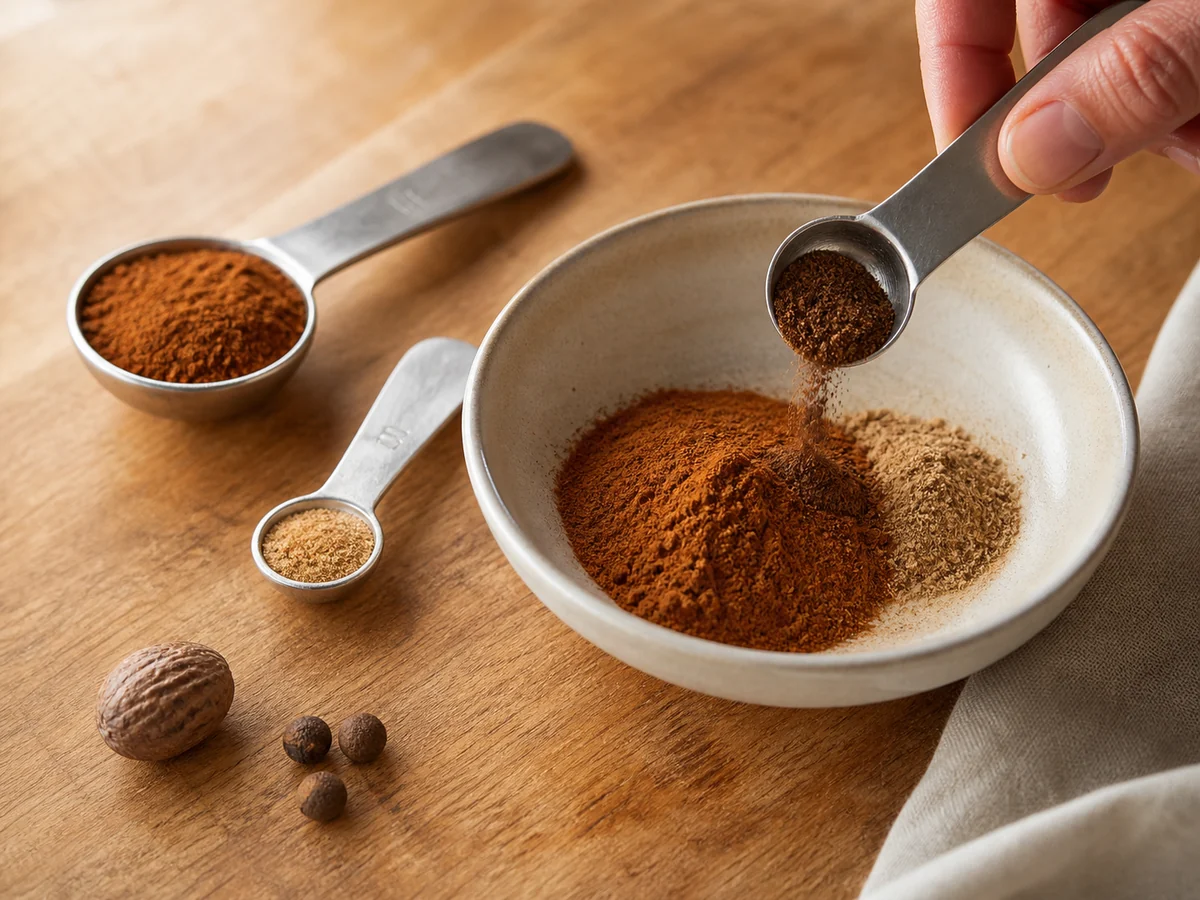
- Cinnamon: Two-thirds teaspoon forms the base.
- Nutmeg: One-sixth teaspoon adds rounded warmth.
- Allspice: One-sixth teaspoon adds darker depth.
- Mix first: Even distribution prevents concentrated pockets.
That scaled formula follows the common cinnamon, nutmeg, and allspice structure without making a jar that may sit unused. It contains no sugar, so it can enter filling, batter, glaze, oatmeal, or cider without changing the recipe's sweetness.
One-sixth teaspoon is awkward when your spoon set stops at one-eighth.
Use a level one-eighth teaspoon plus a small pinch for each supporting spice, or make three teaspoons at once with two teaspoons cinnamon and one-half teaspoon each nutmeg and allspice.
- Level each measure instead of scooping a rounded mound from the jar.
- Combine the cinnamon, nutmeg, and allspice in a small dry bowl before adding them to wet ingredients.
- Break up nutmeg or allspice lumps against the side of the bowl so no bite receives a concentrated pocket.
- Add the full blend where the recipe calls for apple pie spice, then mix through the complete base.
- Smell the mixed filling or batter before adding any separate cinnamon, cloves, ginger, or cardamom.
Mixing first matters most in apple filling because dry powder clings to damp patches. A pocket of allspice can survive stirring and become much stronger after the surrounding juice evaporates.
If you prefer a brighter blend, replace half of the allspice portion with cardamom. That is an intentional variation for tart fruit, not a closer copy of a standard commercial jar.
Pie Filling, Cake Batter, and Cider Concentrate Spice Differently
Apple filling concentrates a replacement as heat drives water from the fruit, so the raw mixture should smell slightly quieter than the baked result you want. Cake batter dilutes the same spoon through flour, fat, eggs, and sugar.
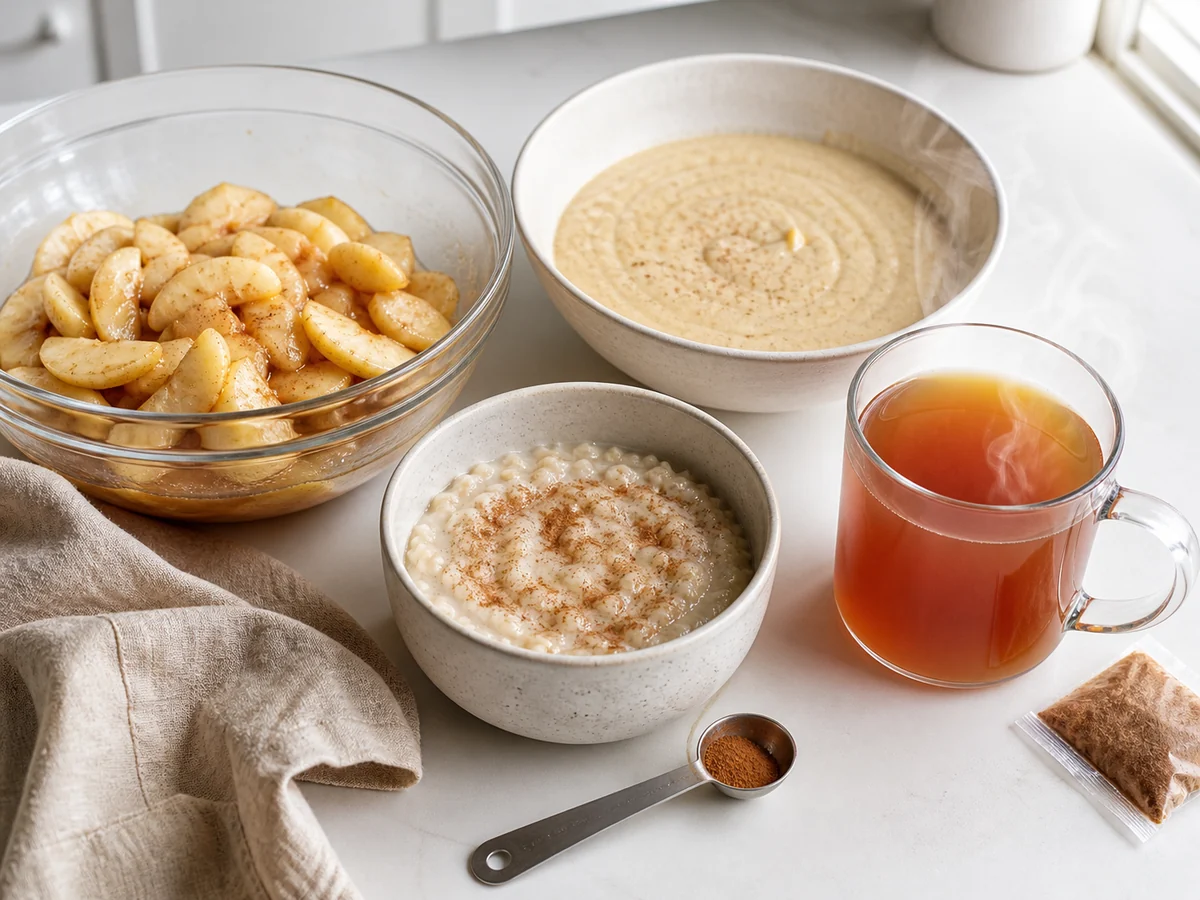
- Filling: Fruit juice concentrates as it bakes.
- Batter: Flour and fat disperse the spice.
- Oatmeal: Surface powder needs mixing into liquid.
- Cider: Steam makes the aroma seem stronger.
Oatmeal presents a different problem because fine spice can remain near the surface instead of dispersing through a deep batter. Whisk the substitute into the cooking liquid before adding oats when you want even flavor.
Cider releases volatile aroma with steam, which makes allspice or nutmeg seem stronger at the nose than on the tongue.
Infuse conservatively and taste a cooled spoonful before increasing the spice.
Use pumpkin pie spice or the three-spice blend, then hold back one-quarter of the planned amount until every apple slice is coated.
A 1:1 pumpkin pie spice swap is usually safe because flour and fat distribute the extra ginger and clove.
Cinnamon at three-quarter volume gives the familiar result without leaving sharp allspice pockets.
Use half-volume allspice or a restrained pumpkin blend and judge the aroma after the drink is hot.
Apple variety changes the decision as well. Firm tart apples can carry cardamom or extra cinnamon, while soft low-acid apples lose their own aroma sooner under clove and nutmeg.
Taste the fruit mixture cold and again after a small spoonful has warmed briefly in a pan. The warm test reveals volatile spice aroma and gives a better preview than tasting dry powder alone.
Pumpkin Pie Spice Can Push Clove Ahead of Apple
Read the pumpkin pie spice label before using equal volume in apple filling. Cinnamon should lead, while ginger and cloves should appear as supporting ingredients rather than the first aroma from the open jar.
Brand formulas differ, and ingredient lists do not reveal exact percentages.
Your dry aroma check therefore matters more than assuming every pumpkin blend behaves like the last one you bought.
- Cinnamon order: Confirm that cinnamon appears first on the ingredient list.
- Clove aroma: Start at three-quarter volume when cloves dominate the open jar.
- Separate spices: Reduce recipe ginger, cloves, or nutmeg that the blend already supplies.
- Fruit layer: Use less in a shallow tart than in a deep cake or thick crumble.
- Crumb topping: Keep extra spice in the topping only when the fruit layer remains restrained.
Clove becomes especially obvious after apple juice evaporates and sugar concentrates. Ginger creates a different sharpness, so adding more cinnamon may broaden the aroma without removing either problem.
A deep muffin or quick bread can carry the full ratio because batter surrounds every spice particle. Thin sliced apples under a crust offer less dilution and deserve the lower starting amount.
Repair an Over-Spiced Apple Filling Before Baking
Correct an over-spiced filling before it enters the crust, while you can still change its volume and redistribute the seasoning. The most reliable repair is more sliced apple with no added spice.
Identify the dominant note before adjusting sugar or acid. Cinnamon feels dry and woody, clove feels sharp or numbing, nutmeg smells dusty or perfumed, and cardamom rises with a citrus-floral edge.
Add unseasoned apple and a small amount of the recipe's existing lemon juice if the fruit becomes flat after dilution.
Extend the filling with apple because sugar can soften bitterness but cannot remove the penetrating aroma.
Add plain fruit and let the mixture rest before deciding whether butter or dairy already in the recipe needs adjustment.
Dilute with apple and reinforce only the cinnamon already present instead of adding another floral spice.
Recheck the thickener after adding fruit because a larger filling releases more juice.
Scale the recipe's cornstarch, flour, or tapioca in proportion to the added apple rather than leaving the pie watery.
Sugar should follow the fruit, not serve as the first repair. Extra sweetness can hide bitterness on the first taste while leaving an aggressive clove or cardamom aroma above the baked pie.
Let the corrected filling rest for several minutes, then taste a cold slice and the accumulated juice together. Stop when apple leads and the supporting spice remains recognizable without becoming the first flavor.