
Which Carom Seed Substitute Matches Aroma or Seed Texture?
Replace ajwain's thyme-like bite while protecting tempering, dough texture, and the balance of savory dishes.
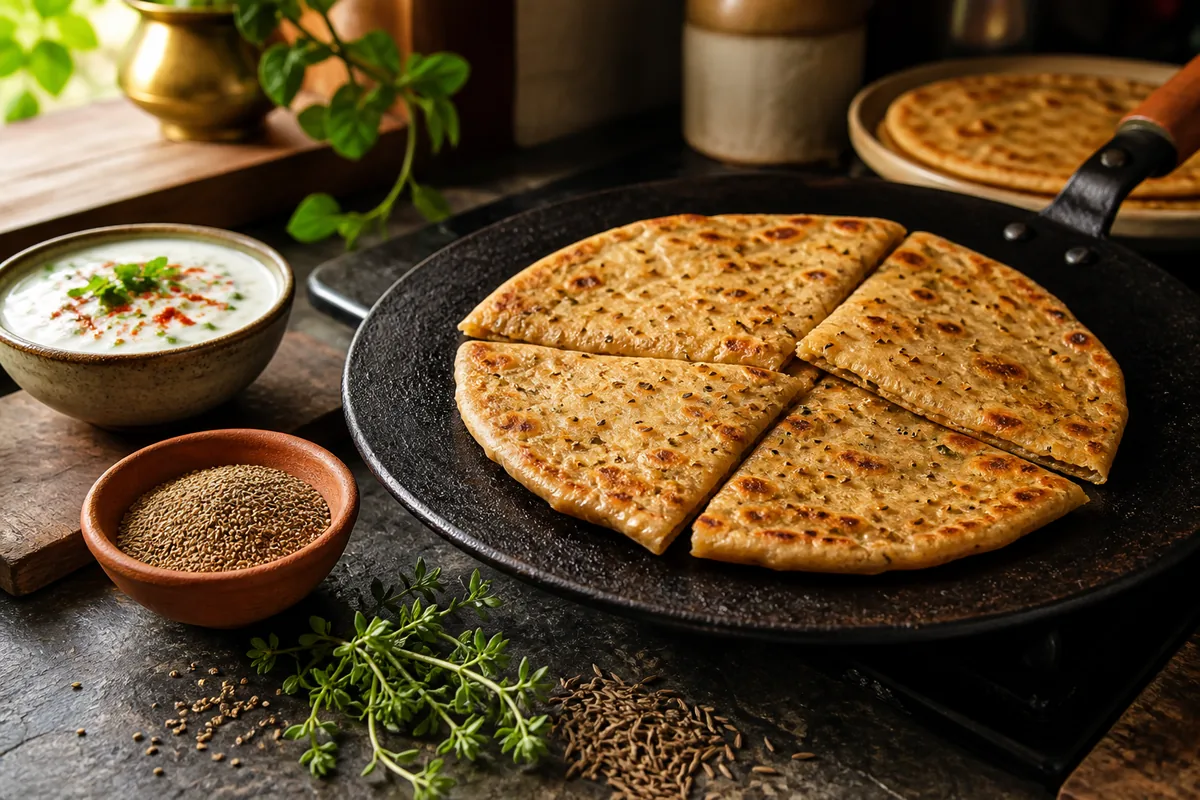
Dried thyme is the closest common carom seed substitute for aroma at a one-for-one starting ratio. Use cumin, fennel, or nigella when the recipe needs a whole seed for tempering or dough, and treat each as a directional replacement rather than a flavor copy.
Five Carom Seed Substitutes by Aroma or Seed Function
Carom seed, also called ajwain, is a small seed-like fruit with a strong thyme aroma and bitter peppery bite. It can be kneaded into flatbread, simmered with beans, or crackled briefly in hot fat, which gives it jobs that a leafy herb cannot copy.
Dried thyme is the closest common aroma replacement. Oregano with black pepper rebuilds herbal bitterness and dry bite, while cumin, fennel, and nigella preserve different parts of whole-seed behavior.
The five choices are not equal flavor matches.
Cumin and nigella belong when visible seed texture or tempering matters, while thyme belongs when the food only needs ajwain's sharp herbal direction.
| Number | Substitute | Starting ratio for 1 tsp carom seed | Best use | Main change |
|---|---|---|---|---|
| 1 | Dried thyme | 1 tsp | Beans, curry, fillings, dough | No seed texture |
| 2 | Oregano and black pepper | 3/4 tsp + 1/8 tsp | Tomato curry, vegetables, fillings | More herbal and peppery |
| 3 | Cumin seeds | 1 tsp | Tempering, lentils, potatoes, flatbread | Earthier with no thyme aroma |
| 4 | Fennel seeds | 1/2 tsp | Flatbread, biscuits, mild vegetables | Sweeter and anise-like |
| 5 | Nigella seeds | 3/4 tsp | Bread topping, pickles, tempering | Oniony and peppery |
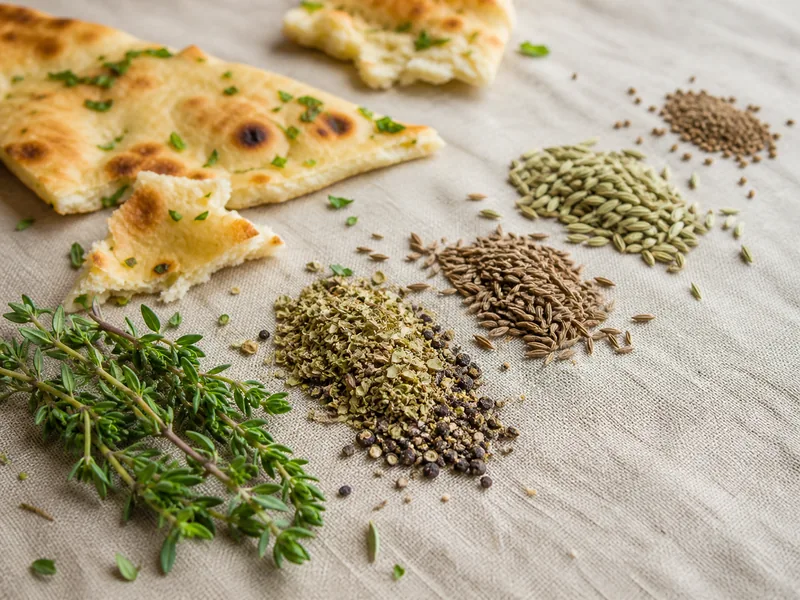
- Thyme: Closest herbal aroma.
- Oregano and pepper: Bitter bite without seeds.
- Cumin and fennel: Whole-seed texture with flavor drift.
- Nigella: Tempering and bread texture first.
1. Dried Thyme
Use one teaspoon dried thyme for each teaspoon carom seed in beans, vegetable curry, savory pastry filling, or dough where whole-seed texture is optional.
Ajwain's association with thymol explains why the aromas overlap so clearly.
Rub the dried leaves between your fingers to make them finer before mixing. Smaller leaves spread more evenly through dough and sauce, but they still cannot create the crackle or visible speck of a whole seed.
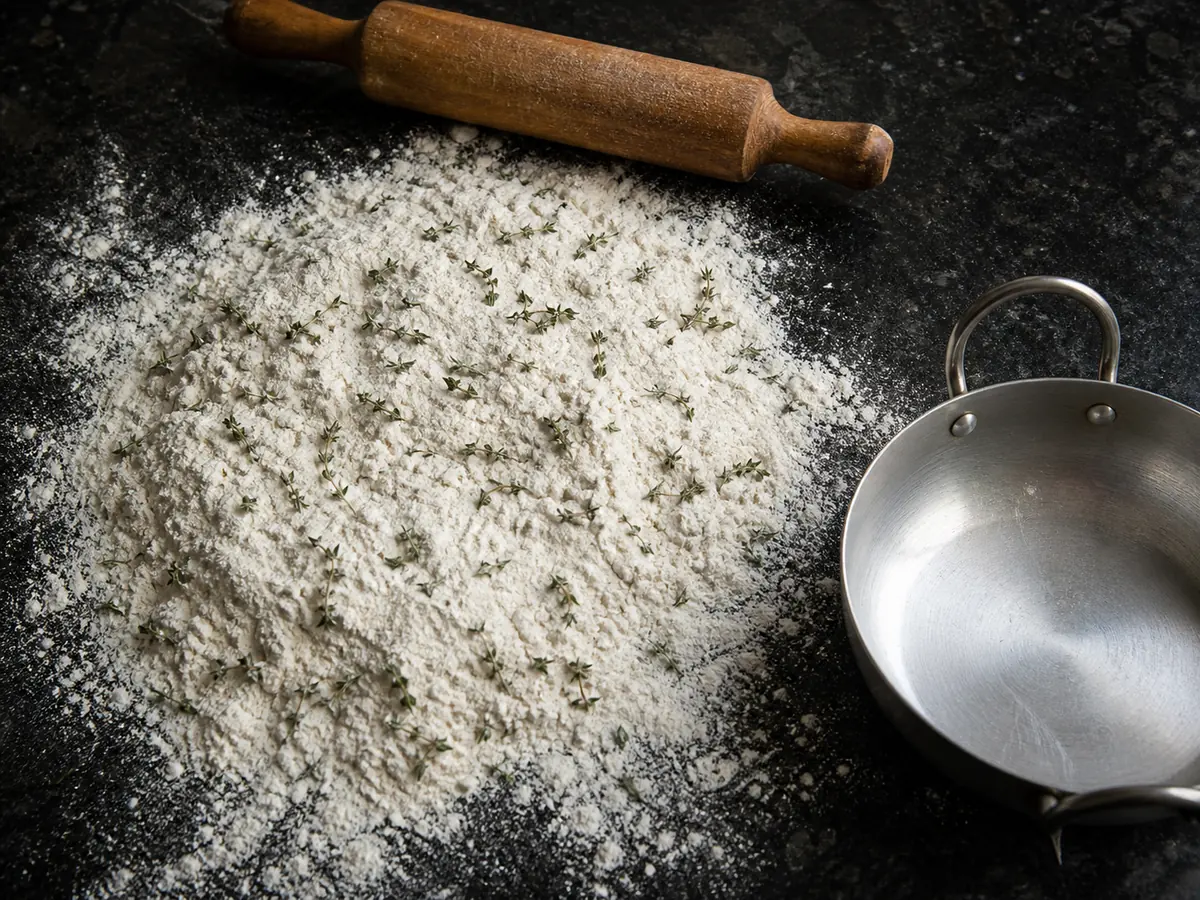
- Flour first: Distributes the leaves before water forms the dough.
- Fine thyme: Preserves aroma without pretending to be a seed.
- Empty pan: Thyme can scorch before it behaves like ajwain.
Thyme can enter a bean pot or curry early enough to hydrate. In flatbread dough, mix it through the flour before adding water so the leaves do not gather in one damp patch.
Fresh thyme is less concentrated by volume and leaves stems in the food unless it is stripped carefully. Use dried thyme for the measured replacement, then choose fresh leaves only when the dish already suits a fresh herbal finish.
2. Oregano and Black Pepper
Mix three-quarter teaspoon dried oregano with one-eighth teaspoon black pepper for each teaspoon carom seed.
Use the blend in bean dishes, tomato-based curry, roasted vegetables, and savory fillings that can carry a more Mediterranean herbal direction.
Oregano supplies bitterness and a pungent dried-herb note, while black pepper restores some of ajwain's dry throat-catching bite. Neither ingredient behaves like a seed, and a heavy oregano dose can make the whole dish dusty or medicinal.
- Starting formula
- 3/4 tsp dried oregano plus 1/8 tsp black pepper per 1 tsp carom seed
- Best for
- beans, tomato curry, roasted vegetables, and savory fillings
- Main tradeoff
- more oregano identity with no seed texture
- Adjust
- add oregano during cooking and reserve part of the pepper for the final taste
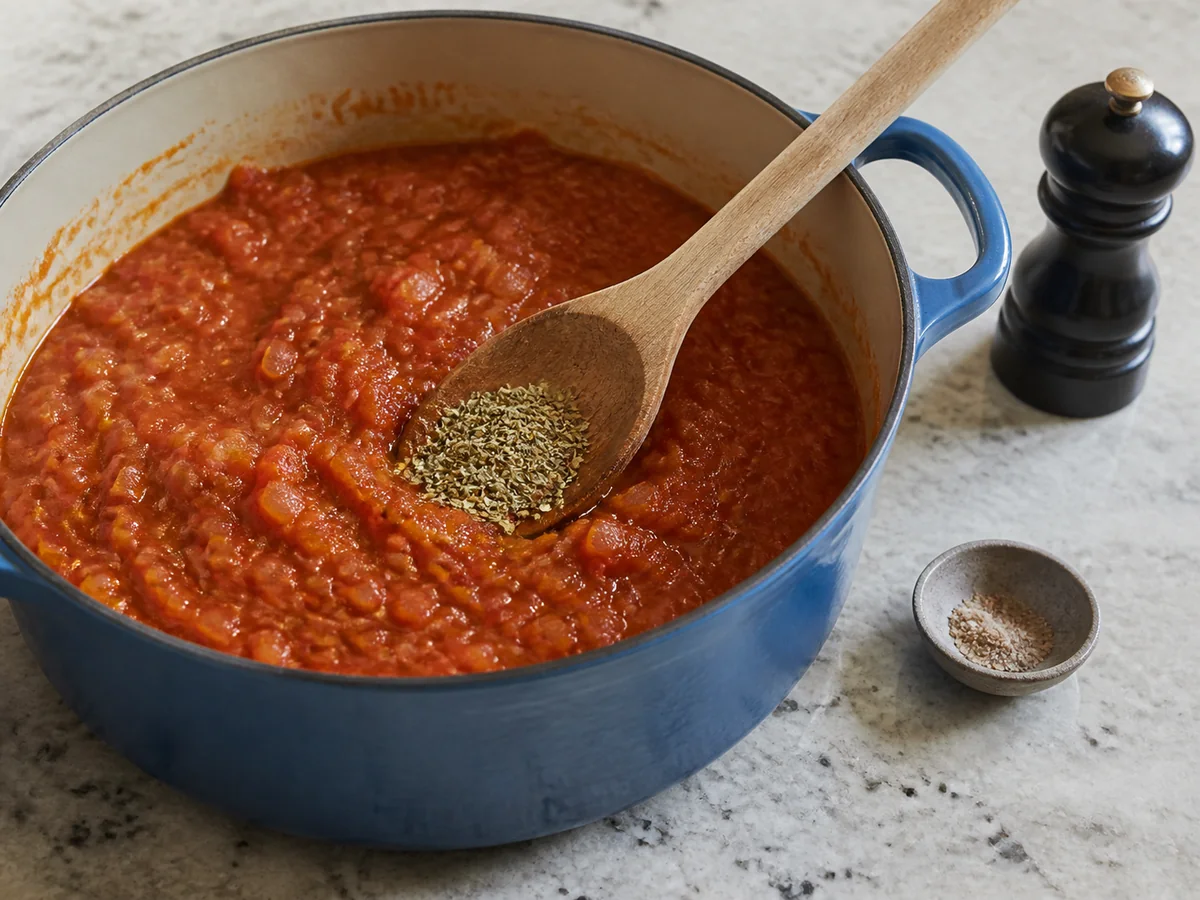
- Moist base: Hydrates oregano and prevents scorching.
- Pepper grinder: Keeps the dry bite adjustable.
- Small finish pinch: Avoids making the curry dusty or harsh.
Add the oregano after onions or other moist base ingredients begin cooking, then move into sauce or vegetables before the leaves scorch. Black pepper can be divided, with some cooked into the food and the remainder added after steam settles.
This formula works badly in a delicately seeded bread.
The flavor may be useful, but the crumb loses the expected small aromatic points and gains visible leaf fragments instead.
3. Cumin Seeds
Use one teaspoon cumin seeds for each teaspoon carom seed when the recipe needs whole seeds in tempering, lentils, potatoes, flatbread, or savory dough.
Cumin crackles in hot fat and remains visible, but its aroma is earthy and warm rather than sharply herbal.
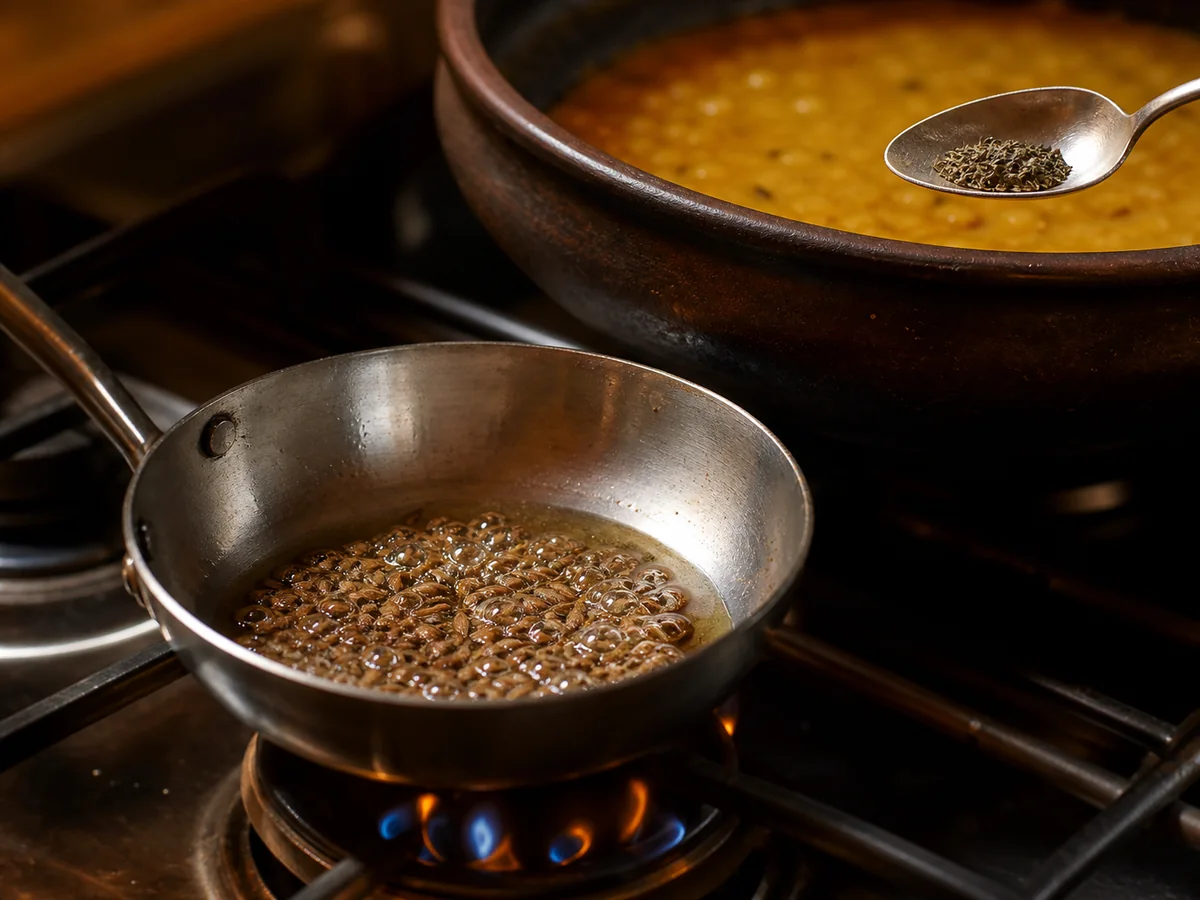
- Bubbling cumin: Handles tempering and visible seed texture.
- Moist lentils: Give thyme a safer place to hydrate.
- Separate spoon: Prevents fine leaves from burning in the oil.
Add cumin at the temperature the recipe uses for whole spices and remove the pan from direct heat if the seeds darken rapidly. They should smell nutty and earthy, not blacken or produce acrid smoke.
Cumin is strongest when seed function matters more than aroma.
A small pinch of dried thyme can be added later in a bean pot or vegetable curry if the cooked dish still misses ajwain's herbal lift.
In flatbread, lightly crush some cumin and leave some whole. The mixed texture spreads flavor without turning the dough into cumin powder or leaving every seed concentrated at the surface.
4. Fennel Seeds
Begin with half a teaspoon fennel seeds for each teaspoon carom seed in flatbread, savory biscuits, cabbage, carrots, and mild vegetable dishes. Fennel is larger, sweeter, and more anise-like, so a full one-for-one measure can redirect the food.
Crush the seeds lightly before adding them to dough. The broken surface releases aroma while the fragments still create a seed texture after baking.
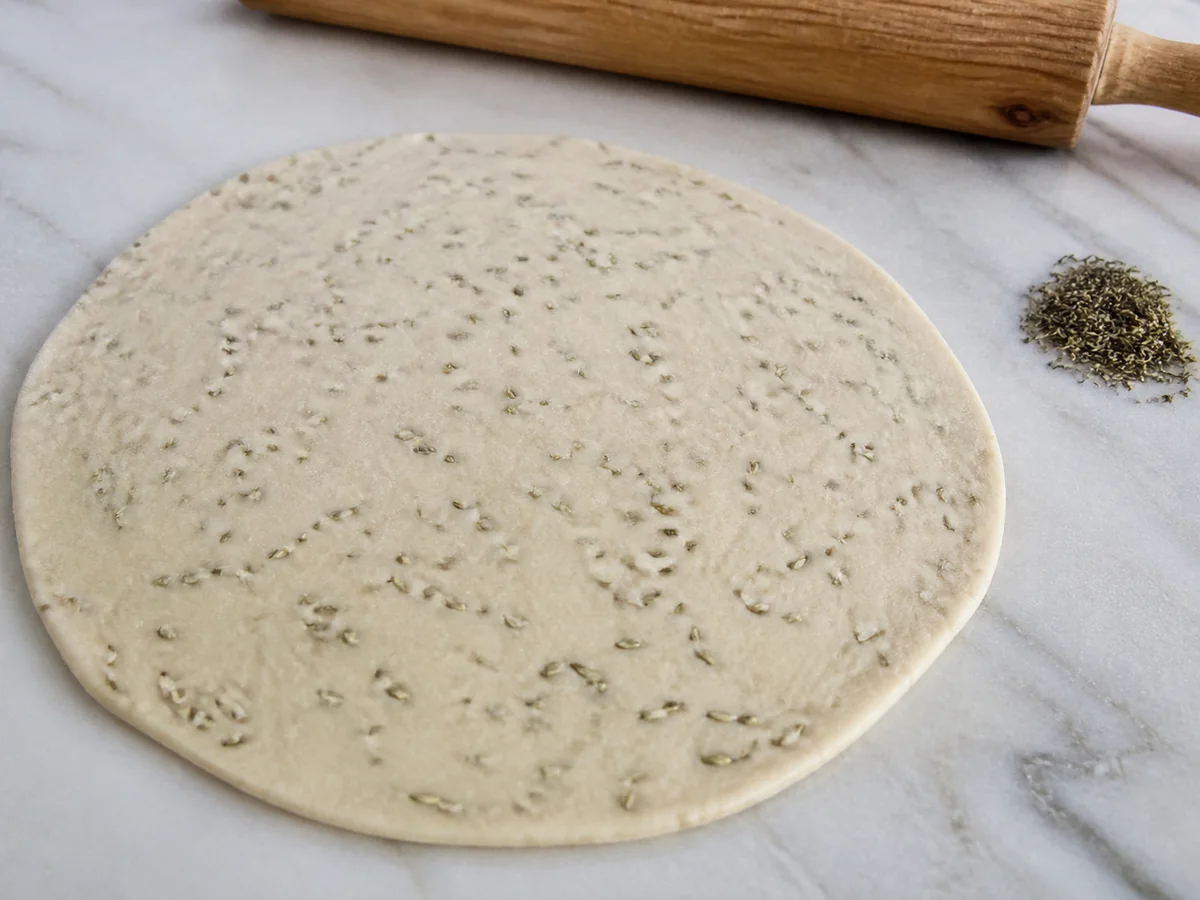
- Crushed pieces: Release aroma while keeping seed texture.
- Half measure: Limits the sweeter anise direction.
- Separate thyme: Adds sharpness without hiding the fennel dose.
Fennel becomes sweeter and nuttier as it toasts. That can suit browned bread and root vegetables, but it moves farther from ajwain's bitter thyme-like bite.
Use a pinch of dried thyme with fennel when the dish needs both seed texture and herbal sharpness. Keep the two additions separate so sweetness and pungency can be corrected independently.
Crush fennel lightly and add a small thyme pinch only if the dough needs sharper aroma.
Use the half ratio because butter and browning make fennel taste sweeter.
Fennel's sweetness can support the vegetable instead of copying ajwain.
Prefer thyme or cumin because anise sweetness may soften the dish too far.
5. Nigella Seeds
Use three-quarter teaspoon nigella seeds for each teaspoon carom seed on flatbread, in savory pastry, pickles, or vegetable tempering. Nigella preserves an angular whole seed that survives heat, but its flavor is oniony, peppery, and slightly bitter rather than thyme-like.
This is a texture-first replacement.
It belongs where a crackling seed accent or black visual fleck matters and where the dish can accept nigella's own recognizable flavor.
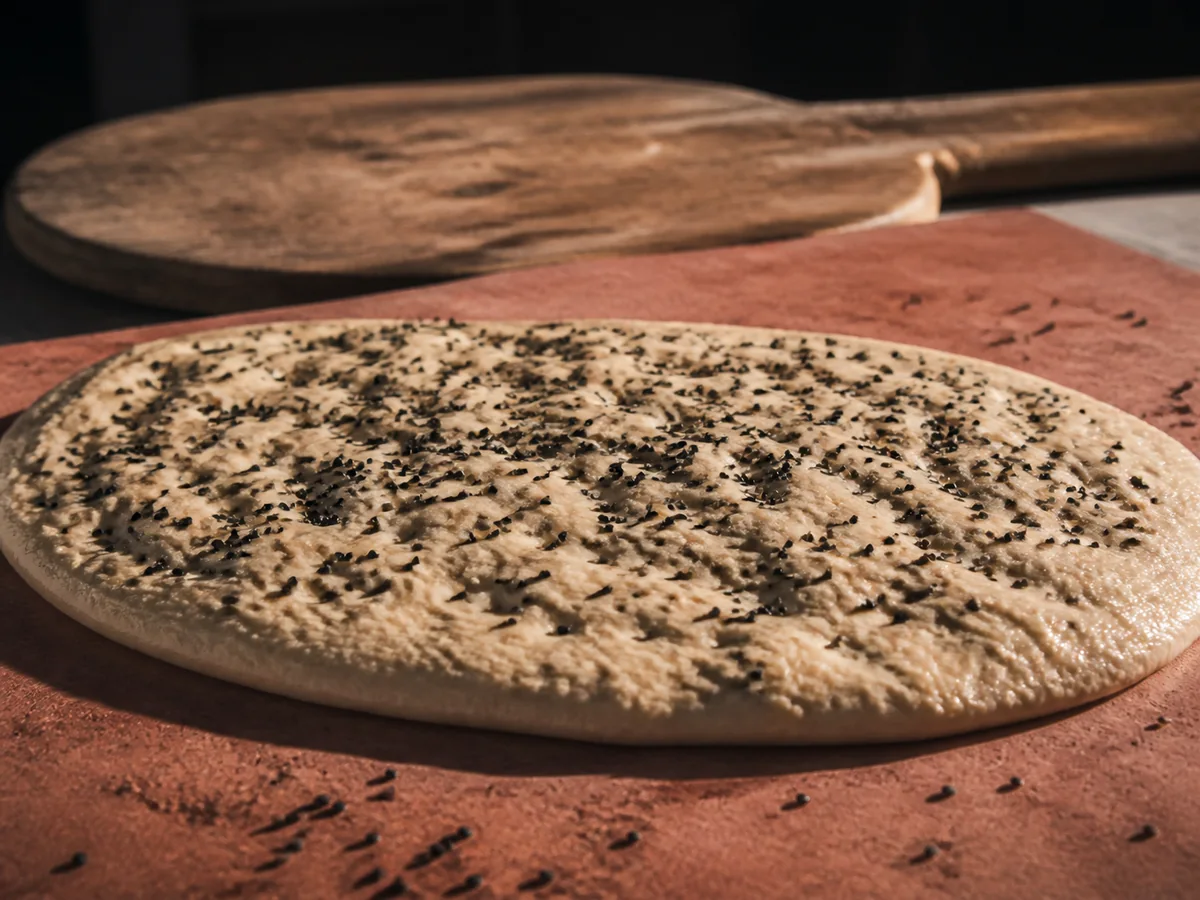
- Damp dough: Holds the seeds on the surface.
- Angular flecks: Preserve the visible seed job.
- Low angle: Makes seed density easier to judge before baking.
Nigella can toast quickly because the seeds are small and dark, making visual browning difficult to judge. Remove the pan from heat when they smell nutty and begin to move in the oil rather than waiting for a color change.
On bread, press the seeds into the surface so they adhere instead of falling onto the baking tray and scorching. In pickles, accept that the flavor direction changes even when the seed remains visible.
Leafy Herbs Cannot Crackle in Tempering Oil
Ajwain can enter hot oil as a whole seed and release aroma while the fat carries it through the dish.
Dried thyme and oregano have much more exposed surface area, so the leaves darken before they can mimic that same step.
Use cumin or nigella when the sound, seed texture, and hot-oil timing matter. Use dried thyme after the hottest stage, when onions, vegetables, legumes, or liquid can protect and hydrate the leaves.
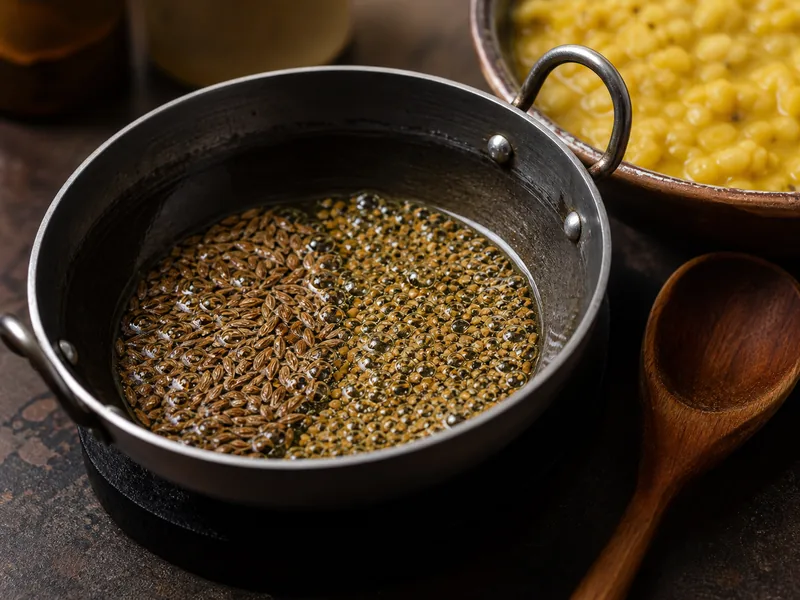
- Whole seed: Briefly sizzles and remains visible.
- Dried leaf: Blooms faster and can scorch.
- Residual heat: Safer for thyme and oregano.
- Moist ingredients: Stop the hottest frying stage.
| Replacement form | Heat method | Useful result | Main risk |
|---|---|---|---|
| Cumin or nigella seed | Brief direct sizzling | Toasted seed aroma and texture | Burning while waiting for color |
| Dried thyme | Residual heat or moist base | Closest herbal aroma | Dark bitter leaves |
| Oregano and pepper | Add with moist ingredients | Herbal bite through the dish | Scorched oregano or pepper dust |
| Fennel seed | Gentle brief toast | Sweet nutty seed | Excess sweetness |
A small steel tadka pan keeps the oil deep enough to surround whole seeds, but it also heats quickly. Have the next wet ingredient ready before the seeds enter so the cooking can stop at fragrance rather than smoke.
Do not pour water into dangerously hot oil to rescue scorched herbs. Move the pan off heat and restart the small seasoning portion if the leaves have already blackened.
Flatbread, Beans, and Fried Batter Need Different Answers
Flatbread uses carom as both aroma and visible seed. Cumin, fennel, or nigella can preserve that physical cue, while thyme can restore part of the scent in the dough.
Beans and lentils do not require a seed bite in every spoonful. Dried thyme can disperse through the pot, or cumin can carry the tempering while thyme enters with the moist ingredients.
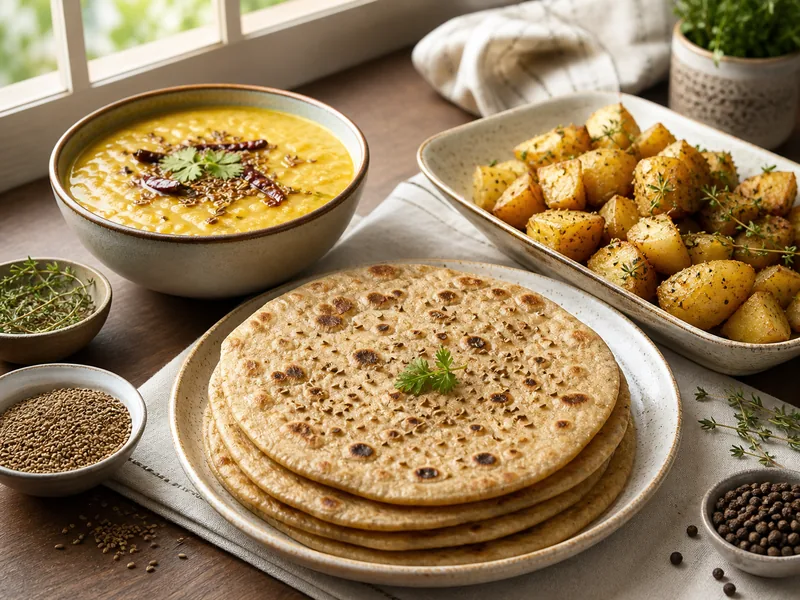
- Flatbread: Preserve texture with cumin, fennel, or nigella.
- Beans: Split cumin tempering from thyme aroma.
- Fried batter: Keep loose herbs inside the mixture.
- Pickles: Choose a seed and accept flavor drift.
Use cumin for an earthy seed, fennel for sweetness, or nigella for peppery texture, with optional thyme mixed into the flour.
Temper cumin, then add thyme after the legumes or liquid enter.
Mix fine thyme or oregano inside the batter rather than scattering leaves into hot oil.
Nigella or fennel preserves seed texture, but each creates a distinct flavor direction.
Thyme handles aroma; cumin or fennel handles visible toasted seed.
A famous ajwain bread or snack becomes a variation when another seed leads it. That boundary is more honest than increasing a substitute until its own flavor overwhelms the food.
Carom, Caraway, and Celery Seed Are Different Spices
The English names around ajwain cause confusion.
Carom seed is ajwain, but caraway and celery seed are separate ingredients with different aromas and cooking behavior.
Smell is the fastest practical check. Carom has a strong thyme-like medicinal aroma, cumin smells earthy, fennel smells sweet and anise-like, and nigella smells peppery and onion-like after crushing.
- Carom or ajwainSmall ridged brown seeds with a sharp thyme aroma.
- CuminLonger brown seeds with earthy warmth and no strong thymol smell.
- FennelLarger greenish seeds with sweet licorice aroma.
- NigellaSmall angular black seeds with peppery onion-like flavor.
- Unclear packageCheck the botanical or regional name rather than trusting a loose English translation.
Do not manufacture a link or assume an unverified package is caraway simply because the seeds look similar. Crush one seed and compare the aroma before the spice reaches a full pot or dough batch.
Repair a Bitter or Overly Herbal Substitute
Blackened thyme or oregano tastes acrid and cannot be repaired with sweetness. Remove the burnt seasoning and oil where practical, then restart that small cooking stage before combining it with the main dish.
If unburnt herbs simply dominate, extend the original unseasoned base. Add more beans, vegetables, dough, sauce, or filling, then restore salt and acid only after the herb concentration falls.
- Remove any whole burnt leaves or the small scorched oil portion before it spreads.
- Extend the dish with an unseasoned ingredient already present in the recipe.
- Cook long enough for dried herbs to hydrate before deciding they remain too strong.
- Add cumin for seed warmth or fennel for sweetness only if that direction belongs in the dish.
- Retaste after cooling slightly, then stop before another herb becomes the new problem.
Fennel can soften bitterness by adding sweetness, but it does not neutralize oregano or recreate ajwain. Cumin adds warm seed aroma but does not restore the missing thymol note.
No substitute is neutral in a recipe that showcases ajwain.
In plain paratha, mathri, or a seed-led snack, cumin, fennel, and nigella announce a new identity even when texture works. Dried thyme echoes aroma but cannot provide the same small seed or hot-oil behavior.
Decide whether the dish can become a variation before measuring anything.
For dough, mix a test portion the size of one flatbread and let it rest as long as the full batch. Hydration softens dried leaves, while crushed seeds release more aroma as they sit.
For tempering, test no more than a pinch in a spoonful of oil.
Cumin should sizzle and deepen without turning black. Nigella needs an even shorter watch, and dried thyme should enter after the fiercest heat so leaves do not burn.
Storage changes the result because crushed seeds lose aroma faster than whole seeds.
Keep cumin, fennel, nigella, and carom whole until needed, then crush only the test amount. Dried thyme and oregano should smell clearly herbal when rubbed between warm fingers.
These five numbered options cover aroma-first and texture-first choices. The best one matches the cooking method's physical behavior before flavor is adjusted.
Buy small amounts when a seed is used rarely. A fresh modest jar produces a clearer test than a large stale bag whose weak aroma encourages overmeasuring.
The replacement is finished when the bread, beans, vegetables, or batter tastes balanced on its own. It does not need to announce a perfect carom imitation when the original seed was unavailable.