
Choose a Tarragon Substitute for the Dish You Are Cooking
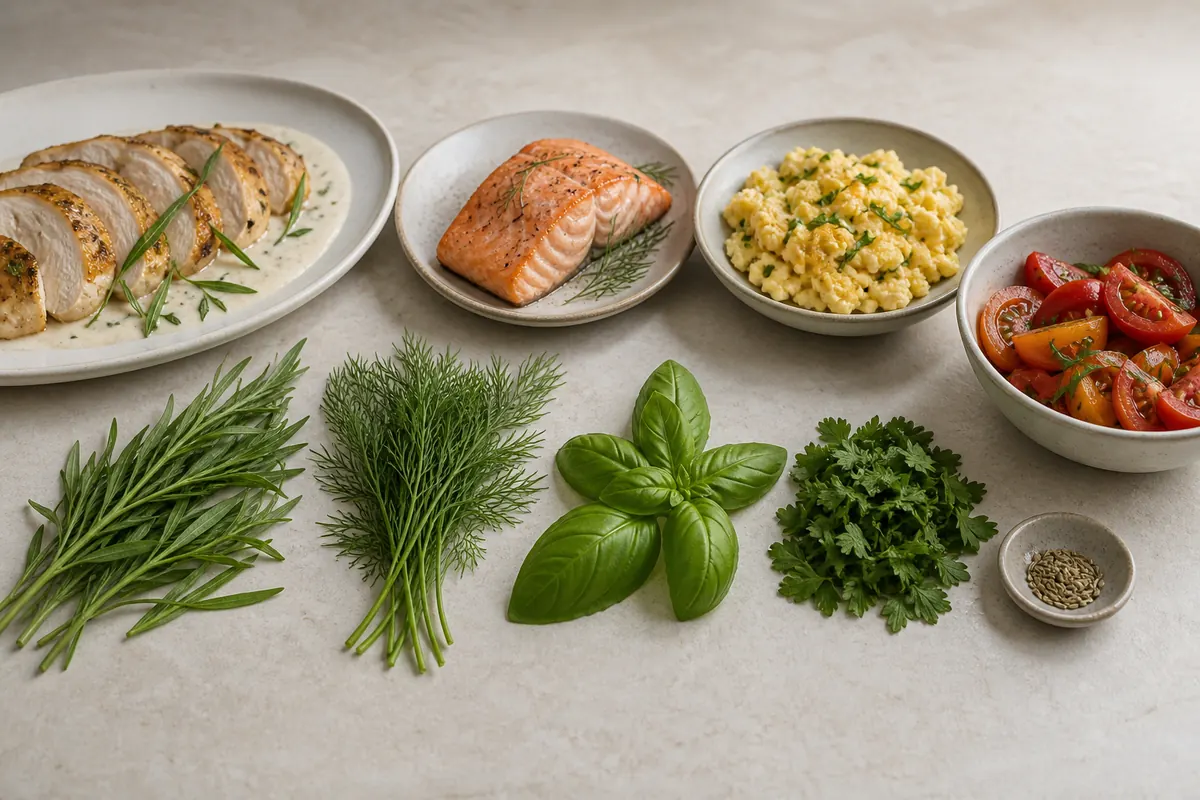
Tarragon Contributes Anise, Green Freshness, and Late Aroma
The best tarragon substitute depends on the dish. Use fresh dill for fish, potatoes, eggs, and cool dairy sauces, basil for tomato and chicken, or one tablespoon parsley with up to a quarter teaspoon lightly crushed fennel seed when you need to rebuild the anise note separately.
French tarragon tastes sweet and anise-like with a tender green finish. A faint peppery edge keeps the leaf from tasting as sugary as licorice candy.
Russian tarragon is a different cooking ingredient despite sharing the name. Its broader leaves taste grassy, faint, and slightly bitter, so a weak packet may be the wrong plant rather than an old version of the right one.
- Sweet anise
- French tarragon gives a clear licorice-like aroma without seed texture.
- Tender green leaf
- Fresh pieces disappear softly into sauce, egg, and dressing.
- Late aroma
- The high notes leave with steam, so fresh leaf usually finishes the dish.
- Fat and acid
- Butter, cream, egg yolk, and vinegar carry the aroma differently.
- Small dose
- Too much turns every other ingredient into background.
Anise is only one part of the replacement.
Star anise, anise seed, or a large fennel dose can copy the direction while making the dish hard, woody, or candy-like.
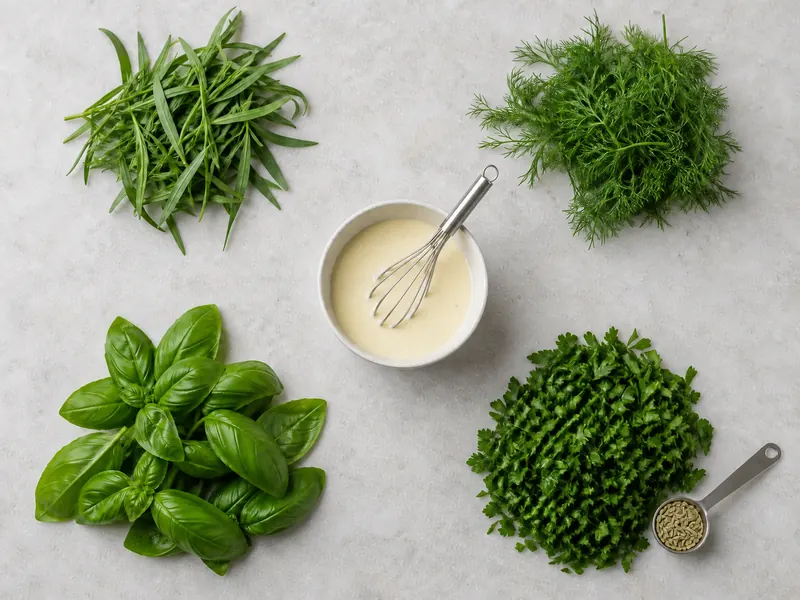
- Dill: Fine texture and a green lightly anise direction.
- Basil: Sweet broad-leaf aroma that suits tomato and chicken.
- Parsley and fennel: Green finish and anise background measured separately.
Fresh and dried tarragon also behave differently. Dried leaf keeps a concentrated deeper anise note but loses much of the green top aroma and soft texture.
The carrier decides how obvious the difference becomes. Butter and cream magnify anise, vinegar captures it, and a watery soup lets a delicate late herb disappear quickly.
Before choosing a swap, identify whether the recipe needs background infusion, chopped fresh leaf, or both. One substitute can handle one layer while another handles the second.
The recipe language usually reveals the job. Sprigs simmered with vinegar or cream point to infusion, while chopped leaves folded through at the end point to fresh aroma and soft texture.
A request for both stems and leaves needs two decisions. Crushed fennel seed can support the early background, while dill, basil, or parsley supplies the late green layer.
Test the replacement in the carrier the dish will use.
A fennel pinch that seems quiet on a dry spoon can spread strongly through warm butter, and dill that smells vivid on the board can soften inside yogurt.
Temperature changes the verdict as well. Taste a warm sauce after it rests for one minute, then taste a cool dressing after several minutes of contact before increasing the dose.
Keep the first test small when the sauce depends on egg yolk or expensive fish. Stir the proposed ratio into one tablespoon of sauce or dairy so anise, sweetness, and grassiness can be judged without risking the entire batch.
Three Tarragon Substitutes for Different Dishes
Dill, basil, and parsley with fennel seed are useful because each solves a different cooking problem. None should be treated as a universal spoon-for-spoon copy across every sauce, meat, vegetable, and dressing.
| Number | Substitute for 1 tbsp fresh tarragon | Best use | Main change |
|---|---|---|---|
| 1 | 1 tbsp fresh dill, hold back the final quarter | Fish, potatoes, eggs, yogurt | Greener and less sweet |
| 2 | 1 tbsp fresh basil | Tomato, chicken, vinaigrette | Sweeter and more basil-led |
| 3 | 1 tbsp parsley plus up to 1/4 tsp crushed fennel seed | Chicken sauce, cream, eggs | Seed aroma with a separate green finish |
Chervil is the closest soft herb in flavor and delicacy, but it is uncommon in many markets and has no canonical profile in this site inventory. When you can buy it, use about twice the tarragon volume because its anise note is milder.
The three options below are easier to find and have distinct limits. Choose by the food and cooking stage rather than by which green herb is nearest to the cutting board.
1. Dill for Fish, Potatoes, Eggs, and Cool Sauces
Dill tastes grassy, citrusy, and lightly anise-like.
Its fine fronds also give a soft texture that sits naturally in yogurt, sour cream, eggs, potatoes, and fish sauce.
Start with the same volume of chopped fresh dill as the requested fresh tarragon, but hold back the final quarter. Taste the finished dish before adding it because fresh dill can turn a quiet cream sauce grassy.
The green citrus lift suits salmon, trout, cod, and cool sauces.
Butter and starch soften dill's grassy edge.
A small late dose stays fresh without taking over the yolk.
Cool dairy carries the leaf aroma without long heat.
Dill fits the vegetable even when tarragon would have been sweeter.
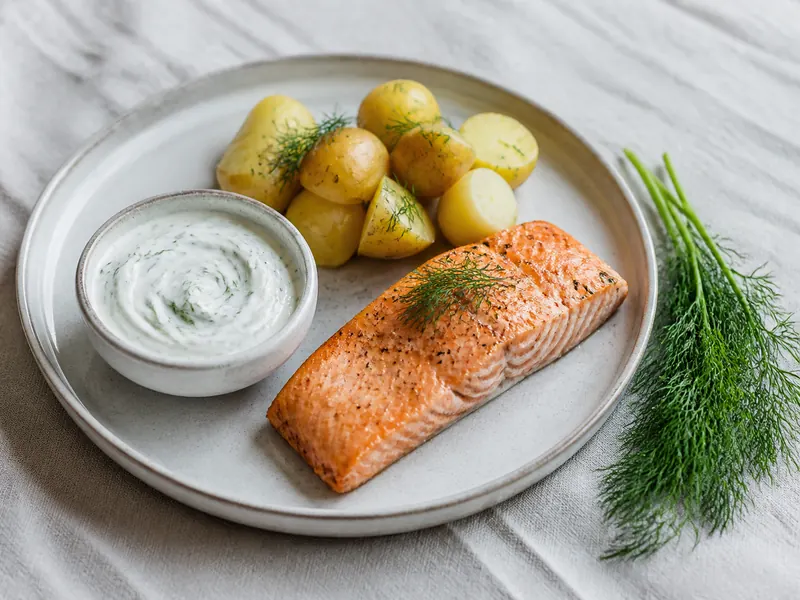
- Dill fronds: Tender texture and quick aroma.
- Cool dairy: Protects the fresh notes from prolonged heat.
- Fish: Welcomes a greener direction.
- Potatoes: Soften the herb with butter and starch.
Add dill after the pan leaves strong heat. A long simmer removes the high aroma and leaves only a quiet herbal background.
Dill is less convincing in a butter-heavy French sauce where sweet anise defines the identity. Use half the amount there, or choose the parsley-fennel method so the anise can be controlled separately.
Fresh dill is a poor direct conversion for dried tarragon in a braise. The fresh fronds should finish the dish, while a tiny fennel infusion can supply the earlier background note.
2. Basil for Tomato, Chicken, and Vinaigrette
Basil shares part of tarragon's sweet aromatic family, especially in varieties with a faint anise edge. It brings broad, juicy leaves and a familiar basil identity rather than the narrow peppery finish of French tarragon.
Use an equal volume of fresh basil as a starting point.
Tear or slice the leaves near serving time so cut surfaces do not blacken and lose aroma while the dish waits.
Basil suits tomato because its sweetness and green aroma already belong beside the fruit's acid. A tarragon tomato salad becomes a basil tomato salad, but the dish remains coherent.
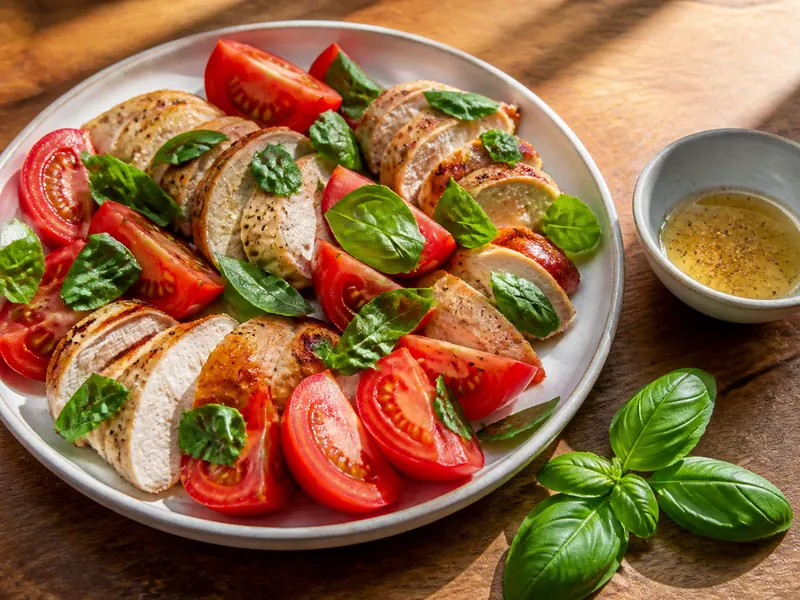
- Basil: Sweeter and broader than tarragon.
- Tomato: Welcomes the cuisine shift.
- Chicken: Carries either herb when seasoning stays light.
- Vinaigrette: Protects the fresh aroma from heat.
Chicken also accepts the shift, especially with lemon, tomato, or olive oil. In a cream sauce, begin with three-quarters of the tarragon volume because warm basil can become sweet and perfumed.
Do not simmer fresh basil through the entire sauce. Add stems or a small bruised piece early only when background aroma is useful, then finish with fresh torn leaf.
Thai basil can carry a stronger anise note than common sweet basil, but it also brings pepper and a Southeast Asian association. Use it only when that direction fits the complete meal.
3. Parsley with a Tiny Fennel Seed Dose
Parsley and fennel seed divide tarragon's work into two ingredients. Parsley supplies tender green leaf and fennel supplies the anise background, which makes the ratio easier to control than a large dose of one seed spice.
For each tablespoon of fresh tarragon, use one tablespoon chopped parsley and no more than a quarter teaspoon lightly crushed fennel seed.
Begin with one eighth teaspoon in delicate egg or cream sauces.
- Crush a tiny seed doseBreak 1/8 to 1/4 tsp fennel seed so the aroma can escape.
- Infuse the backgroundWarm the seed in butter, cream, or vinegar without frying it dark.
- Strain when neededRemove hard pieces from smooth sauce or custard.
- Add the green finishStir in 1 tbsp chopped parsley after strong heat stops.
- Taste the complete dishAdd another parsley pinch before increasing fennel.
Whole fennel seed is too hard for a silky sauce and releases aroma slowly. Light crushing exposes the interior, while straining keeps the finished texture smooth.
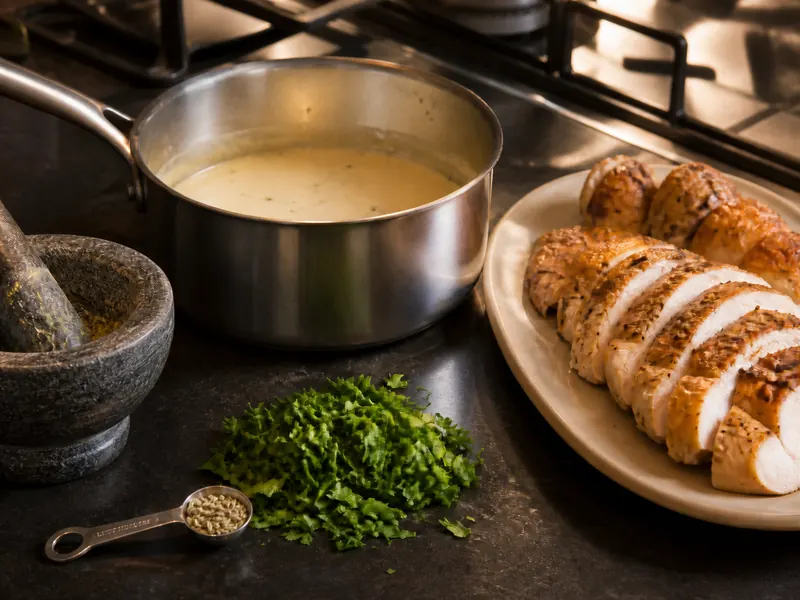
- Parsley: Fresh green volume and soft texture.
- Fennel seed: Concentrated anise in a small measured dose.
- Infusion: Gives seed time without leaving hard pieces.
- Chicken sauce: Carries both layers in butter or cream.
The method works in chicken sauce, cream sauce, vinaigrette, and eggs. It is especially useful when dried tarragon was meant to simmer early and fresh tarragon was meant to finish the dish.
Fennel seed becomes sweet and dominant when doubled casually. If the first taste already reads as licorice, add more unseasoned sauce or food before considering another herb.
Parsley cannot recreate tarragon by itself, but it prevents the replacement from tasting like seed-flavored butter. Its clean green finish restores the leafy part of the experience.
Convert Fresh and Dried Forms Before Comparing Ratios
Fresh tarragon and dried tarragon are not equal by volume. A useful starting conversion is one teaspoon dried tarragon for one tablespoon chopped fresh leaf.
Dried leaf is concentrated because water has left, yet its aroma is flatter and its texture needs time to soften.
It belongs earlier in sauce or braise than fresh leaf does.
| Recipe asks for | Dill | Basil | Parsley and fennel |
|---|---|---|---|
| 1 tbsp fresh tarragon | 1 tbsp fresh dill | 1 tbsp fresh basil | 1 tbsp parsley plus up to 1/4 tsp seed |
| 1 tsp dried tarragon | 1 tsp dried dill, start lower | 1 tsp dried basil, expect a larger shift | 1 tsp dried parsley plus 1/8 tsp seed |
| 2 tsp fresh finishing leaf | 2 tsp fresh dill | 2 tsp torn basil | 2 tsp parsley with seed already infused |
| Long infusion | Small seed background plus fresh dill later | Basil stem briefly, fresh leaf later | Crushed fennel early, parsley late |
Dried dill and dried basil do not behave exactly like their fresh forms. They lose much of the high green aroma, so use the table as a starting point and taste after hydration.
Rub dried leaves between your fingers before measuring. A jar that smells like hay will not regain fresh character when the amount is doubled.
When the recipe requests dried tarragon for a long cook, the parsley-fennel method gives the most control. Infuse the seed early and save fresh parsley for the end rather than cooking both together.
When the recipe requests fresh chopped tarragon at service, prefer fresh dill or basil. Dried substitutes add leaf dust and deeper aroma where the dish needs soft green pieces.
Allow a dried herb at least five to ten minutes in liquid before judging it. The flavor can seem weak while the leaf is dry and stronger after the sauce rests.
Finely powdered dried herbs pack more densely than intact leaves. Begin with half the table amount when dill or basil has been ground to dust, then wait for hydration before adding the rest.
A dry rub needs a different checkpoint because no sauce can soften the leaf.
Mix the powder with oil or softened butter first so it spreads across chicken or fish instead of collecting in bitter green patches.
For a cold dressing, make the substitute several minutes before serving. Acid and oil need contact time to soften dried leaf and release fennel aroma, while fresh leaf should still be folded in near the end.
Split Sauce Flavor Between Infusion and the Final Stir
Tarragon works unusually well in butter, cream, egg yolk, and vinegar because those carriers hold its anise aroma.
A successful substitute needs to respect both the carrier and the moment the herb enters.
Classic tarragon sauces often build two layers. Stems or some leaf flavor an early vinegar or fat infusion, while chopped fresh leaves restore the aroma after strong heat stops.
- Choose the background noteUse a tiny crushed fennel dose or a small dill stem portion.
- Infuse gentlyWarm it in vinegar, butter, or cream without a hard boil.
- Strain for smoothnessRemove seed and coarse stems when texture matters.
- Finish off heatAdd chopped dill, basil, or parsley at the end.
- Rest and tasteGive the fat or acid a minute to carry the aroma before correcting.
Butter magnifies fennel seed quickly, so one eighth teaspoon may be enough for four servings of sauce. Cream softens the first impact but carries the sweetness across the entire bite.
Vinegar extracts seed and herb aroma while adding its own sharpness. Use white wine vinegar when you want a clean background rather than cider or malt flavor.
Do not boil the fresh finishing herb. Steam removes the exact high notes that make dill, basil, or parsley useful at the end.
For a smooth egg sauce, strain crushed fennel seed from the reduction before yolk and butter are emulsified. Stir chopped parsley or a small dill amount through only after the sauce is stable.
Béarnaise is a special boundary because tarragon is structural to the sauce.
A fennel-parsley or dill version can taste good beside steak, but it should be described as an herb butter sauce rather than an exact Béarnaise.
If the sauce tastes flat after the early infusion, add a small fresh herb pinch before adding more seed. Freshness and anise intensity are different problems.
Match the Substitute to Chicken, Fish, Eggs, and Tomato
The same replacement changes character as the food changes. Fat carries aroma, delicate protein exposes strong seed spice, and tomato acid makes sweet basil feel natural.
| Dish | Best starting substitute | Amount | Timing | Main risk |
|---|---|---|---|---|
| Chicken in cream | Parsley plus fennel | 1 tbsp plus 1/8 tsp seed per 4 servings | Seed early, parsley late | Licorice-heavy sauce |
| Roast chicken with tomato | Basil | 1 tbsp per 4 servings | Finish after roasting | Cuisine shifts toward basil |
| Fish with yogurt or butter | Dill | 1 tbsp per 4 servings | Fold in off heat | Grassy sauce if overused |
| Omelette or scrambled eggs | Dill or parsley-fennel | 1 tsp fresh herb per portion | Add just before setting | Herb dominates mild egg |
| Tomato salad | Basil | 1 tbsp torn leaf per 4 servings | Toss before serving | Bruised blackened leaves |
| Vinaigrette | Basil or parsley-fennel | 2 tsp fresh herb per 1/2 cup | Steep seed, add leaf late | Hard seed texture |
Chicken gives you the widest choice. Basil suits lemon, tomato, or olive oil, while parsley and fennel fit butter, cream, shallot, and white wine.
Fish needs more restraint because its delicate flesh leaves strong anise exposed. Dill is the safest option, especially with yogurt, sour cream, potato, cucumber, or lemon.
Eggs carry herb aroma through yolk fat but have little competing flavor. Begin with a teaspoon of fresh leaf per portion and add it before the eggs fully set.
Tomato welcomes basil's sweetness and broad green aroma.
The result is no longer tarragon-led, yet the fruit, acid, and herb still make a complete dish.
Cream magnifies every option. Taste after the sauce rests for a minute because fennel, dill, and basil all spread more fully through warm fat than they do in the mixing bowl.
Correct Excess Anise, Grassiness, or Flatness at the Right Layer
A replacement can fail through too much anise, too much green herb, a cuisine shift, or lost late aroma. Those problems need different corrections.
| Symptom | Likely cause | First correction |
|---|---|---|
| Licorice dominates | Too much fennel seed | Increase unseasoned sauce or food and remove visible seed |
| Sauce tastes grassy | Too much dill or long warm contact | Add unseasoned dairy or butter and a small acid adjustment |
| Dish tastes sweet and perfumed | Too much basil in warm fat | Dilute with the dish base and hold other sweet ingredients |
| Herb disappears | Fresh leaves cooked too long | Add a small fresh portion off heat |
| Leaf tastes dusty | Old dried herb or no hydration | Replace the jar or rest it in liquid before judging |
| Hard bits interrupt sauce | Whole fennel seed left in | Strain and use lightly crushed seed next time |
Excess fennel cannot be canceled with sugar, salt, or lemon. Increase the unseasoned base, then restore salt and acid only after the anise falls back into the background.
Dill grassiness often comes from quantity or timing. More cream or butter can round the edge, while a small lemon adjustment can make the green note feel intentional.
Basil sweetness becomes obvious in warm cream. Dilute the sauce and use pepper, acid, or savory chicken juices to restore balance rather than adding another herb.
Flatness after long cooking usually means the volatile finishing aroma escaped.
A small fresh pinch off heat solves that problem more directly than another early dose.
Old dried herb adds dusty leaf without high aroma. Smell the jar before increasing it and replace the herb when rubbing a pinch releases almost nothing.
Record the ratio that worked for the actual bunch or jar. Fresh dill strength, basil variety, and fennel seed age can change the useful amount between shopping trips.
When No Substitute Should Pretend to Be Tarragon
Some recipes use tarragon as a background accent, while others are defined by it. Substitution is safer in the first group than the second.
- - Use dill when fish, potato, egg, cucumber, or cool dairy can welcome a greener herb.
- - Use basil when tomato, chicken, vinaigrette, or olive oil can welcome a sweeter herb.
- - Use parsley and a tiny fennel infusion when anise and green leaf need separate control.
- - Omit the anise note when a delicate fish, custard, or cream sauce would expose it too strongly.
- - Rename a tarragon-defined sauce when the replacement creates a different but useful result.
Chervil would be the closest delicate herb when it is available, but its mildness still requires roughly twice the tarragon volume. Lack of availability is why it is not the main practical answer here.
Fines herbes changes when tarragon and chervil are both absent. Chives and parsley can still make a clean egg or fish finish, but the blend loses its quiet anise thread.
Béarnaise without tarragon becomes a different sauce even when the butter, yolk, shallot, and vinegar technique remains excellent.
Serve the variation honestly instead of increasing fennel until it mimics a label.
Delicate cream soup may be better with parsley alone. A seed-driven anise note can draw more attention than the missing tarragon ever would.
Omission is also reasonable when another strong ingredient already leads. Mustard, capers, smoked fish, tomato, or a sharp vinaigrette may leave no useful space for a replacement.
Choose a substitute when the missing herb performed a clear job that another ingredient can fill. Stop when matching the name would make the food less balanced.