
Which Chive Substitute Works Best in Your Dish?
Replace chives by deciding whether the food needs allium flavor, green color, or a delicate finish.
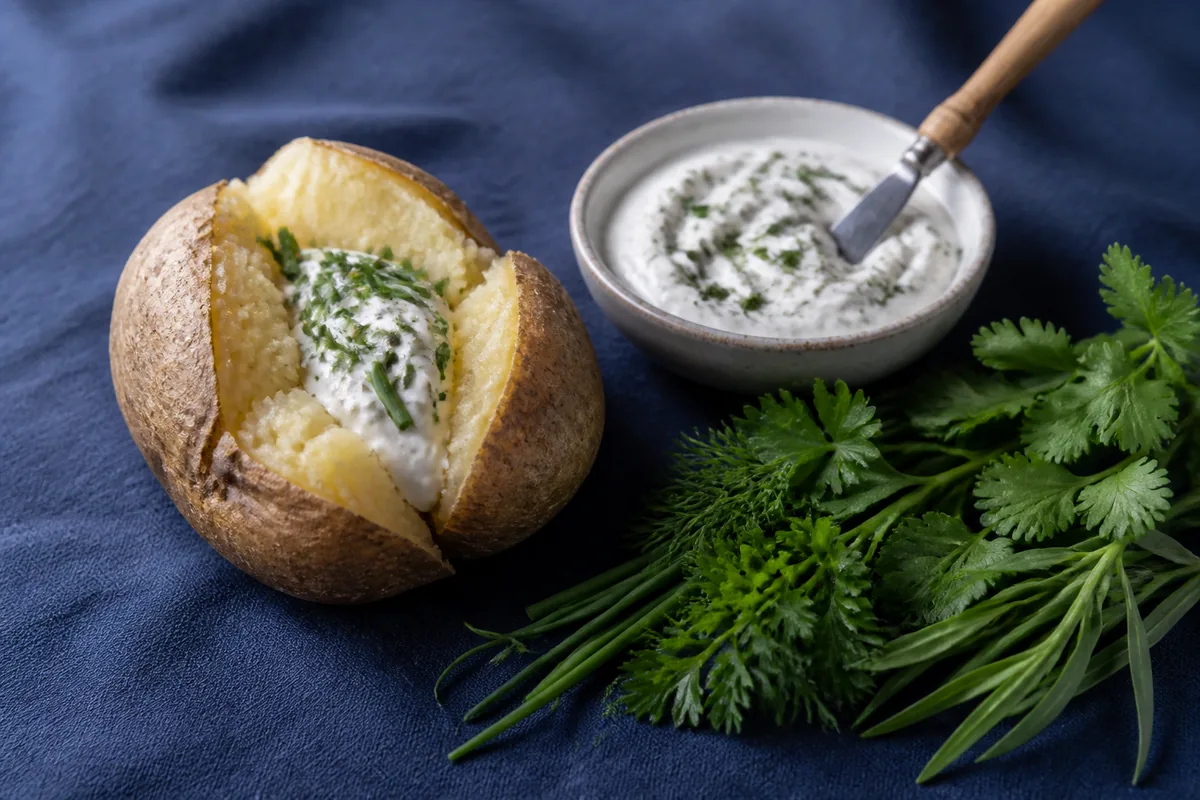
Freeze-dried chives are the closest substitute for fresh chives, using one teaspoon for every two teaspoons fresh. Parsley, dill, cilantro, and tarragon can replace the green finish in specific dishes, but each changes the flavor direction and needs its own ratio.
Five Chive Substitutes for Flavor, Color, or a Late Finish
Fresh chives give food a mild onion note, tender hollow-leaf texture, and clean green color without the crunch of chopped bulb onion. They usually enter eggs, potatoes, dips, soups, butter, and fish near the end, so timing is part of what has to be replaced.
Freeze-dried chives are the only direct option in this list because they come from the same herb. Parsley, dill, cilantro, and tarragon preserve color or a fresh herbal finish, but none should be described as an onion-flavor match.
| Number | Substitute | Starting ratio for 1 tbsp fresh chives | Best use | Main change |
|---|---|---|---|---|
| 1 | Freeze-dried chives | 1 1/2 tsp | Dip, potatoes, eggs, soup, butter | Softer aroma, drier texture |
| 2 | Parsley | 1 tbsp | Potatoes, egg salad, soup, butter sauce | Green freshness, no allium |
| 3 | Dill | 2 tsp | Sour cream, potato salad, fish, cucumber | Brighter and pickle-like |
| 4 | Cilantro | 2 tsp | Tacos, rice bowls, noodle soup, lime sauce | Citrus-herb direction |
| 5 | Tarragon | 1 tsp | Omelets, chicken salad, fish, cream sauce | Sweet anise aroma |
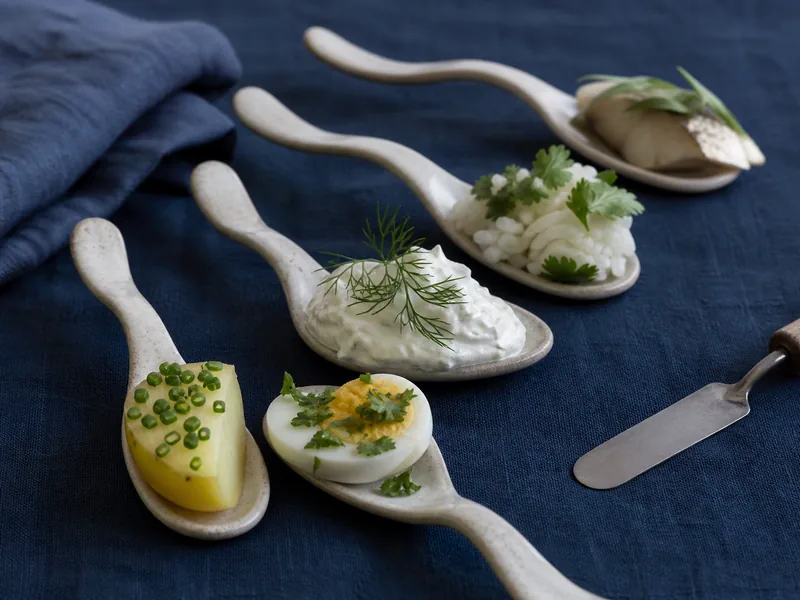
- Freeze-dried chives: Direct flavor path.
- Parsley: Clean color and freshness.
- Dill: Dairy and fish affinity.
- Cilantro: Citrus-led cuisines.
- Tarragon: Anise note for sauces.
1. Freeze-Dried Chives
Use one and one-half teaspoons freeze-dried chives for one tablespoon chopped fresh chives. McCormick gives the equivalent as one teaspoon dried for two teaspoons fresh, which makes this the only measured same-herb conversion among the options.
Stir the flakes into mashed potatoes, sour cream, soup, scrambled eggs, or softened butter while moisture is available. A few minutes of contact softens the pieces and releases more aroma than sprinkling them onto a dry plate immediately before serving.
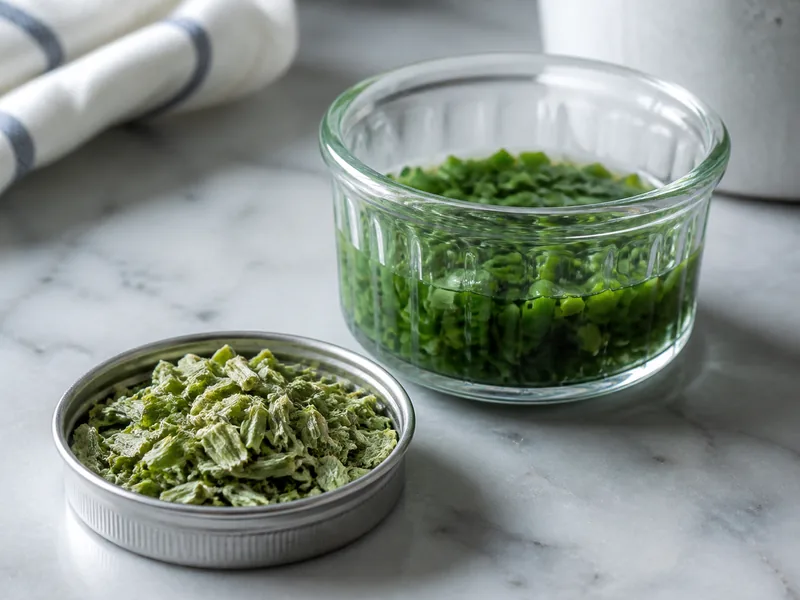
- Dry flakes: Brittle texture.
- Short hydration: Softer pieces.
- Use the liquid: It holds chive flavor.
The tradeoff is texture. Freeze-dried leaves can look papery on deviled eggs or a delicate sauce, and their aroma lacks some of the fresh-cut sulfur note that makes garden chives distinctive.
2. Parsley
Use an equal tablespoon of finely chopped parsley when the food needs green contrast and a clean herbal finish more than onion flavor.
Parsley suits mashed potatoes, egg salad, clear soup, and butter sauces because it does not compete strongly with a mild base.
Flat-leaf parsley brings a firmer leaf and a slightly peppery green taste. Chop it more finely than chives so large pieces do not change the bite of a smooth dip or soft egg filling.
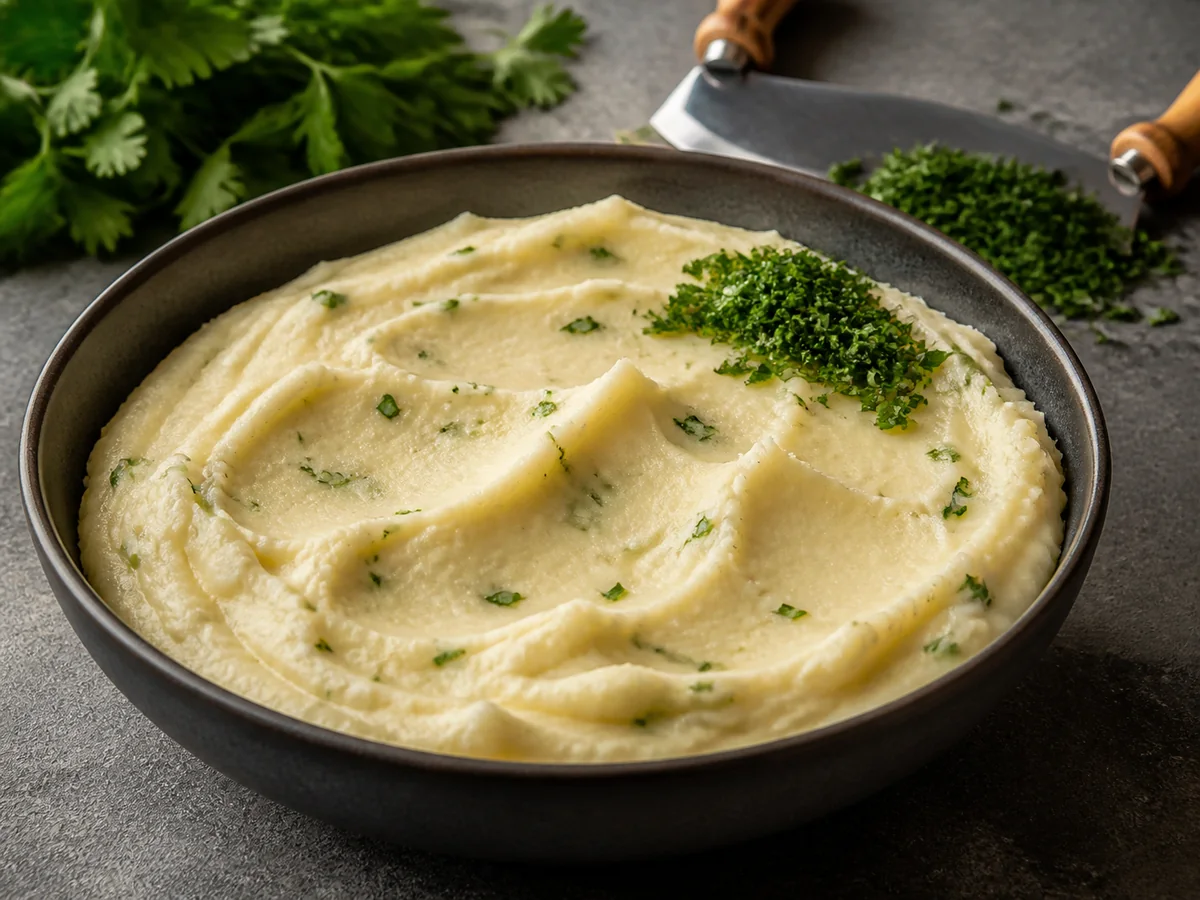
- Fine pieces: Small parsley fragments disperse more like sliced chives.
- Smooth potatoes: The soft base reveals any coarse leaf texture.
- Flat leaves: Parsley adds freshness without an onion flavor.
- Mezzaluna: Repeated chopping creates an even garnish rather than large torn pieces.
Parsley cannot fill the allium gap.
If that missing bite is essential, the result should be presented as a parsley variation rather than pushed with more leaf volume.
3. Dill
Start with two teaspoons chopped dill for one tablespoon chives in sour cream, yogurt sauce, potato salad, salmon, or cucumber dishes. Dill's feathery leaves keep the finish delicate, but its aroma is more recognizable and needs a smaller starting volume.
Cold dairy softens dill's sharper edge and carries its aroma, which is why the swap feels coherent in dip.
Eggs can amplify the herb into a pickle-like direction, so use less there and keep the first tasting portion small.
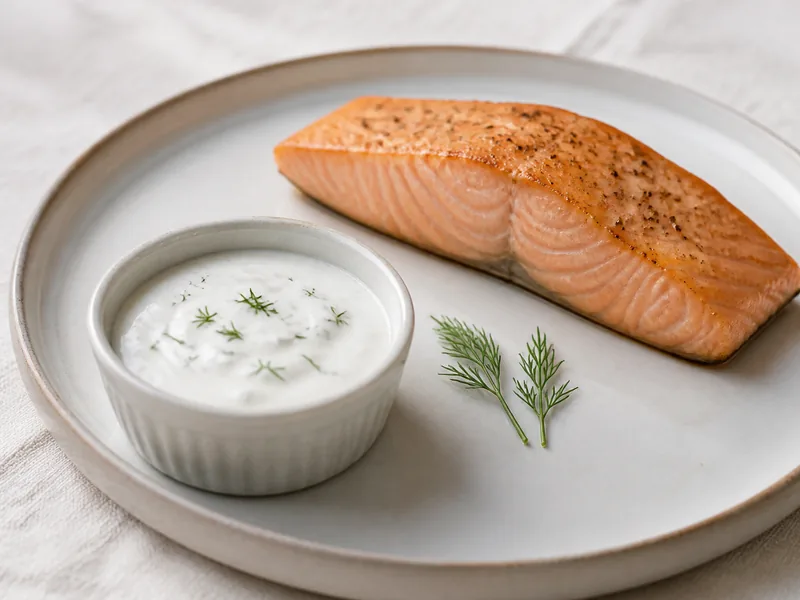
- Cold dairy: Softens dill's edge.
- Salmon: Supports the herb direction.
- Small dose: Keeps pickle aroma controlled.
Add dill after cooking or during the final minute. Long heat dulls its green color and lifts away the fresh aroma that justified choosing it.
4. Cilantro
Use two teaspoons chopped cilantro for one tablespoon chives in tacos, rice bowls, noodle soup, salsa-adjacent sauces, or food already seasoned with lime.
Its citrus-herb character can provide the same late burst of freshness while changing the cuisine direction openly.
Choose tender leaves and upper stems, then chop just before serving. Cilantro darkens and loses its top notes when it sits in hot soup, so offer it at the table when diners can add it to individual bowls.
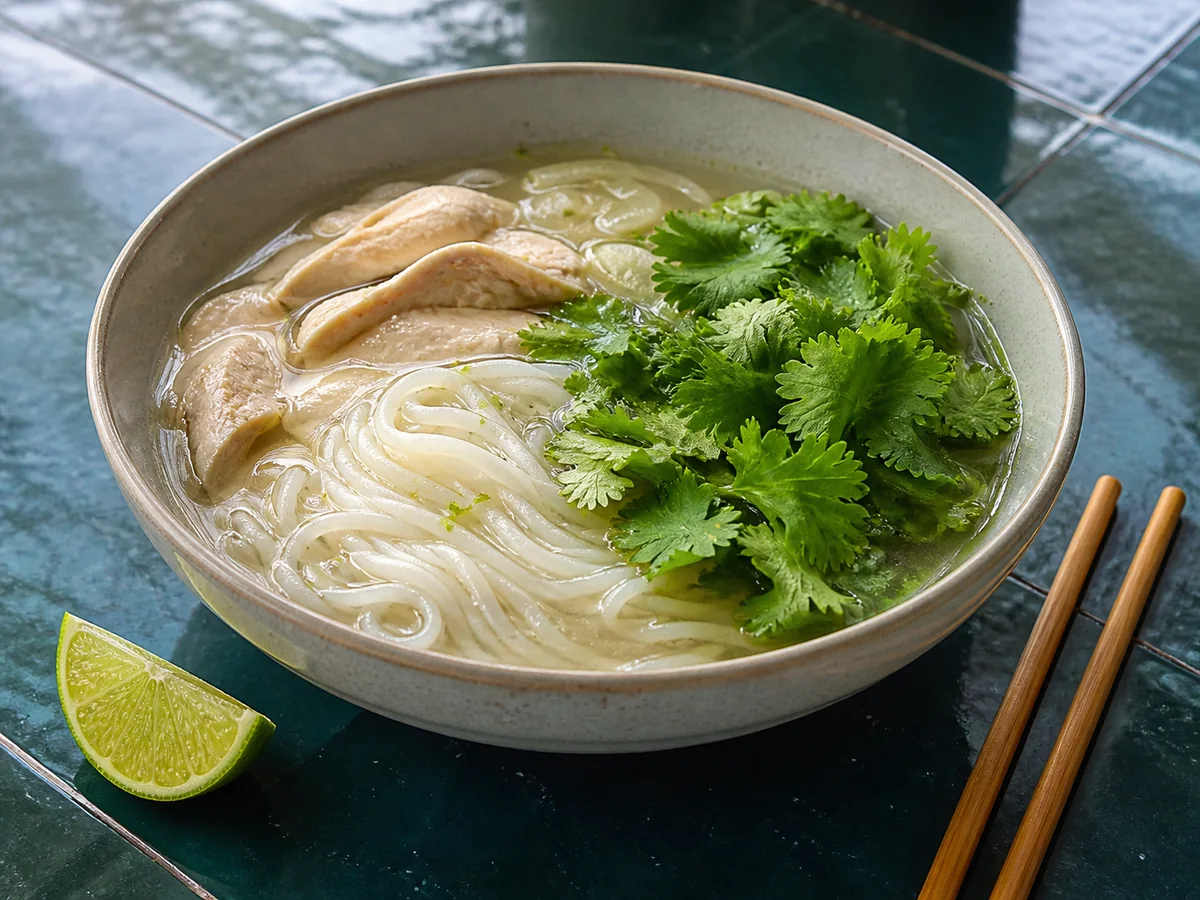
- Finished soup: Add cilantro after the heat is off to protect its fresh aroma.
- One-sided garnish: Taste the changed direction before stirring.
- Tender leaves: Use upper leaves and stems for a soft bite.
- Lime wedge: Cilantro fits best when the dish already welcomes citrus.
Do not move this option into baked potatoes, French omelets, or chive butter merely because the color matches.
In those foods, cilantro's flavor becomes the headline rather than a quiet finish.
5. Tarragon
One teaspoon chopped tarragon can replace one tablespoon chives in omelets, chicken salad, fish, or a butter or cream sauce. The low ratio matters because tarragon's sweet anise aroma is much more concentrated than chives' mild onion note.
Tarragon works when the dish already welcomes its French sauce character.
Fat carries the aroma well, so a small amount in butter or cream can seem fuller after a minute than it did on the cutting board.
Chop the leaves finely and add them near the finish. If the first taste already reads as licorice, increase the base rather than trying to cover the herb with more seasoning.

- Heat off: Protects top notes.
- Fine chop: Spreads a small dose.
- One-end test: Easy to judge before adding more.
Heat Separates a Garnish From a Cooking Herb
Fresh chives wilt quickly and lose much of their cut aroma under a long simmer. A replacement chosen for freshness should therefore enter at the same late stage, while a replacement chosen to season the whole dish may need different handling.
Freeze-dried chives can hydrate in warm soup or potatoes without a long cook. Parsley tolerates brief heat, but its brightest color still arrives when most of the leaf is folded in after the burner is off.
Dill and cilantro belong at the finish.
Tarragon is the exception among the fresh alternatives because it can infuse warm fat for a short time. Prolonged boiling still turns its perfume flat.
- Cook the base firstFinish eggs, soup, potatoes, or sauce before exposing delicate leaves to heat.
- Hydrate dried chivesStir them into moist food while it is still warm and let them soften.
- Fold in fresh herbsAdd parsley, dill, or cilantro off heat so color and aroma remain clear.
- Taste after one minuteWarm fat can amplify tarragon and dill, so judge after they disperse.
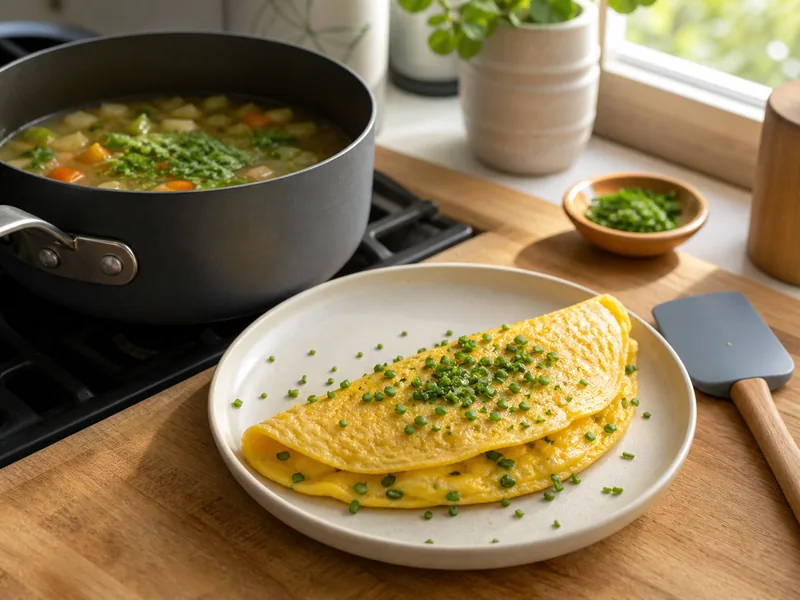
- Eggs: Finish off heat.
- Soup: Hydrate dried chives while warm.
- Fresh dill: Keep the aroma late.
- Tarragon: Brief warm-fat contact only.
A dark, limp garnish is evidence that the herb entered too early. The repair is a small fresh finish, not another full dose cooked through the food.
Dairy, Eggs, Potatoes, and Fish Need Different Green Notes
Sour cream and yogurt soften strong herbs while carrying their aroma across the palate.
Dill fits that environment, freeze-dried chives rehydrate there, and tarragon can become too perfumed unless measured carefully.
Eggs already contain sulfur compounds, which makes genuine chive flavor feel natural. Parsley gives a cleaner result, while tarragon creates a deliberate French direction and cilantro creates a much brighter one.
Potatoes absorb salt and aroma, so a modest herb dose may seem quiet until the whole dish is seasoned. Mix first, correct salt, then judge whether the herb needs another small addition.
Fish exposes aggressive herbs because the flesh is delicate. Dill belongs with salmon and yogurt, parsley suits butter sauce and white fish, and tarragon works best when the sauce can carry its anise note.
Freeze-dried chives give the closest result. Dill creates a brighter variation.
Parsley gives clean freshness. Tarragon fits when anise is an intentional direction.
Freeze-dried chives hydrate well. Parsley keeps the flavor neutral.
Dill with salmon or yogurt, parsley with mild butter sauces, tarragon in a measured cream sauce.
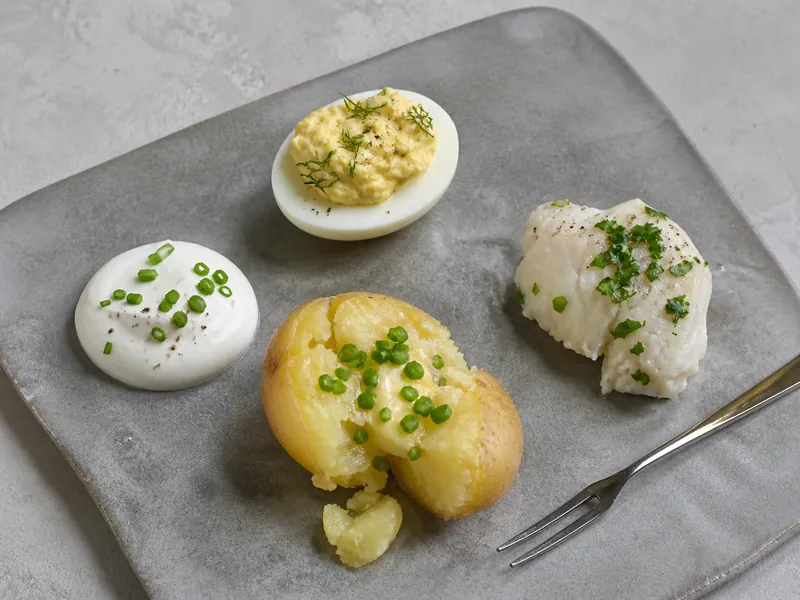
- Dairy: Carries aroma.
- Eggs: Amplify sulfur and herbs.
- Potatoes: Absorb seasoning.
- Fish: Exposes strong flavor drift.
The cut changes the result before the herb reaches the food. Chives form small hollow rings, parsley forms flat flecks, dill forms fine fronds, and cilantro or tarragon can leave broader pieces that feel coarse on eggs or in smooth dairy.
Match the substitute to the expected bite.
Mince parsley and tarragon finely for sauces, keep dill feathery on fish, and slice cilantro gently so bruised dark edges do not make a fresh garnish look tired.
Quantity also depends on whether chives were structural or incidental. A tablespoon scattered over four bowls asks mainly for color and a late aroma, while a quarter-cup folded through biscuits or dumpling dough contributes moisture distribution and repeated flavor in every bite.
For a high-volume use, freeze-dried chives remain the honest first choice because unrelated herbs would redefine the dough. If they are unavailable, reduce the replacement volume and describe the result by the herb actually used rather than forcing a nominal chive equivalence.
Fresh and Freeze-Dried Chives Are Not Equal by Volume
Freeze-drying removes water while preserving the same herb, so the dried pieces occupy less space and taste more concentrated at first contact. That is why one tablespoon fresh chives begins around one and one-half teaspoons freeze-dried rather than at equal volume.
Moisture in the dish determines when the texture recovers. Stir dried chives into sour cream, yogurt, soup, or softened butter early enough to hydrate, then wait ten minutes before correcting the amount.
A dry finish behaves differently.
Sprinkled directly over roasted potatoes or eggs, freeze-dried pieces can remain papery and release their aroma unevenly, so moisten them with a few drops of water before garnishing.
Fresh leaves lose their clean edge when chopped far in advance. Cut them shortly before serving with a sharp knife, since crushed wet edges darken and transfer more onion aroma to the board than to the food.
Package age matters more than color alone. Dried chives can remain green after their aroma has faded, and increasing a stale dose adds dry flakes without recovering the gentle onion note.
Rub a pinch between your fingers before committing it to a dip.
A clear onion aroma supports the listed ratio, while an odorless jar should be replaced rather than measured more aggressively.
Fresh chives contain water and occupy more volume, while freeze-dried flakes are light and concentrated. The two-to-one fresh-to-dried conversion is a useful starting point, but texture and hydration decide whether it feels complete.
- Dip: Stir dried chives in early enough to soften before serving.
- Butter: Mix into softened butter, then rest it so the fat captures the aroma.
- Eggs: Add dried chives to the wet egg mixture or fold them into the hot curds off heat.
- Soup: Stir them into the finished pot and wait briefly before the final seasoning check.
A dry garnish on deviled eggs or a smooth sauce may still look coarse after the flavor has hydrated. In that case, crush the flakes more finely or choose parsley for appearance rather than increasing the dried amount.
When the Green Garnish Should Be Skipped
A substitute should solve a flavor or presentation need that the dish actually has. Green flecks alone do not improve a smooth white sauce when their herb aroma conflicts with the intended seasoning.
Consider the diner's expectation before choosing a strong herb. Dill in salmon and cilantro in tacos feel coherent, while either herb can distract from a restrained omelet or baked potato.
The size of the serving matters because a garnish repeats across every bite. Season one plated portion first, then scale the chopped herb only after its aroma remains balanced from beginning to end.
If the recipe already has onion, scallion, or another allium, parsley may be enough for color. The existing ingredient can carry the onion flavor while the substitute stays in a narrower visual role.
Green color does not justify an unrelated flavor. A clear broth, mild cream sauce, or carefully seasoned omelet can taste more coherent without a garnish than with a heavy cilantro or tarragon substitute.
The stop rule is simple: preserve the dish before preserving the color.
Chives are delicate, and the best replacement sometimes copies that restraint rather than their appearance.