
Which Anise Seed Substitute Preserves Flavor and Texture?
Choose a gentle seed, strong pod, mixed spice, or leafy herb without overwhelming the dish.
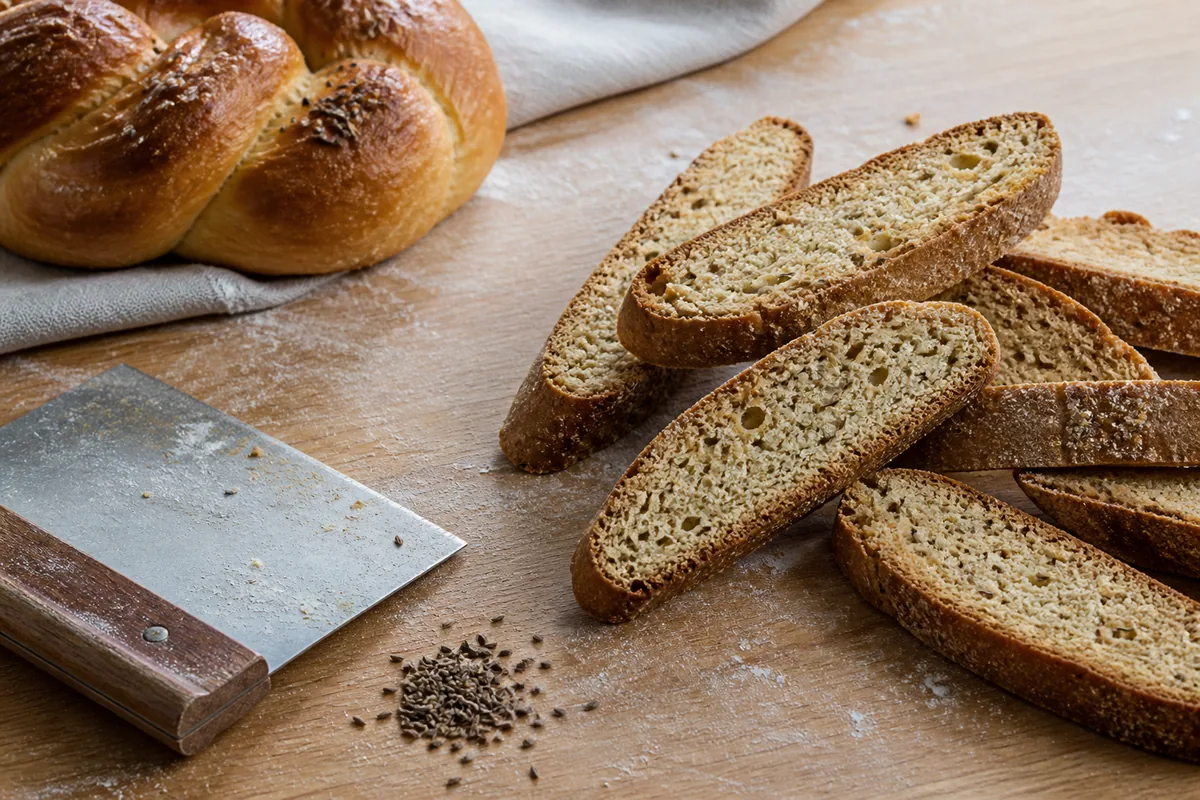
Fennel seed is the best all-purpose anise seed substitute at a one-for-one starting ratio. Use much less star anise in liquids, reserve Chinese five-spice for food that welcomes its extra warm spices, and use tarragon only when the dish needs anise aroma rather than seed texture.
Four Anise Seed Substitutes Ranked by Form and Strength
Anise seed gives breads, cookies, sausage, syrups, and warm drinks a direct sweet licorice aroma. The tiny seeds can also remain visible and release flavor gradually, so the correct replacement depends on whether the recipe needs aroma alone or an actual seed.
Fennel seeds are the safest seed-for-seed choice because their sweetness belongs to the same aromatic family without matching anise's full intensity. Star anise is closer in direct aroma but far stronger, Chinese five-spice adds several other flavors, and tarragon supplies a green anise note without any seed texture.
| Number | Substitute | Starting ratio for 1 tsp anise seed | Best use | Main change |
|---|---|---|---|---|
| 1 | Fennel seeds | 1 tsp | Bread, biscotti, sausage, braises | Sweeter and gentler |
| 2 | Star anise | 1/4 tsp ground or 1 pod point | Syrup, fruit, tea, broth | Much stronger and sharper |
| 3 | Chinese five-spice | 1/4 tsp | Dark cake, braised meat, glazed nuts | Adds cinnamon, clove, and pepper |
| 4 | Tarragon | 1/2 tsp dried or 1 tsp fresh | Eggs, cream, chicken, fish | Green herb with no seed texture |
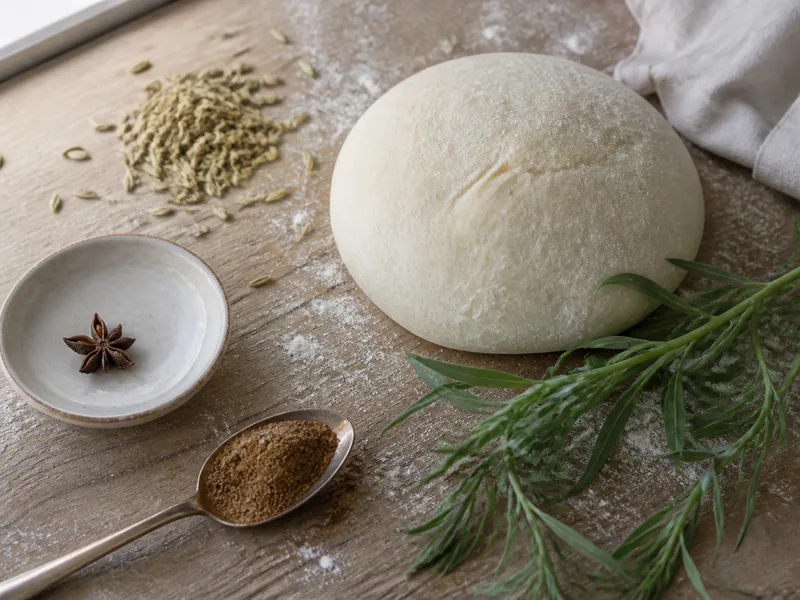
- Fennel: Closest whole-seed fallback.
- Star anise: Strong removable infusion.
- Five-spice: Mixed warm-spice direction.
- Tarragon: Savory leafy aroma.
1. Fennel Seeds
Use one teaspoon fennel seeds for each teaspoon anise seed in bread, biscotti, sausage, braises, and pickling liquid. Fennel is sweeter, greener, and usually gentler, which makes an equal first measure safer than the same amount of star anise.
Whole fennel seeds are larger than anise seeds.
Lightly crush them when the recipe expects ground anise or when a fine dough should not contain prominent hard seeds.
- Starting ratio
- 1 teaspoon fennel seeds per 1 teaspoon anise seed
- Best for
- bread, biscotti, sausage, braises, and pickling liquid
- Main tradeoff
- sweeter and softer with a greener finish
- Adjust
- crush large seeds and reserve a small portion until the cooked aroma is clear
A brief dry toast can deepen fennel's nutty sweetness, but it also moves the flavor farther from clean anise. Toast only when the original recipe warms its seeds or when browned dough and meat can carry that extra note.
In sausage, mix the crushed seeds through cold meat and fat before cooking a test patty. Fat spreads the aromatic oil, so the raw mixture smells weaker and less integrated than the cooked result.
2. Star Anise
Use one-quarter teaspoon ground star anise for each teaspoon anise seed, or begin with one broken point from a whole pod in a small pan of syrup, poached fruit, tea, or broth. Star anise gives a concentrated, sharp licorice aroma and can become medicinal when measured like a small seed.
A whole point is useful because it can be removed. Ground star anise disperses through dough or liquid and needs an even smaller first measure in a pale cookie, cake, custard, or cream.
Never leave broken woody fragments in bread, sausage, or a smooth filling. They do not soften like small seeds and create an unpleasant hard bite even when the flavor level is correct.
Star anise fits long liquids better than visible-seed recipes.
Its clean intensity suits poached pears, spiced syrup, or a dark broth, while fennel is more forgiving in biscotti and rye-style bread.
3. Chinese Five-Spice Powder
Begin with one-quarter teaspoon Chinese five-spice for each teaspoon anise seed in dark cakes, braised meat, glazed nuts, or spiced syrup. Star anise often leads the blend, but cinnamon, cloves, fennel, and Sichuan pepper can add warmth, sweetness, citrus, or a light numbing effect.
Check the recipe for those spices before adding the blend. A cake that already contains cinnamon and cloves can become heavy before its anise note reaches the intended strength.
- Dark cakeThe extra warm spices can merge with molasses, cacao, or dried fruit.
- Braised meatFive-spice belongs when the sauce already supports its sweet and savory direction.
- Glazed nutsA small dose spreads through sugar and fat without requiring seed texture.
- Pale cookie or custardUse fennel or a tiny ground star-anise measure instead because the extra clove is easier to notice.
Five-spice is not a neutral pantry shortcut. Its advantage is complexity in a dish that needs complexity, and that same complexity makes it a poor replacement in Italian anise cookies or a simple seed-studded bread.
4. Tarragon
Use half a teaspoon dried tarragon or one teaspoon chopped fresh tarragon for each teaspoon anise seed in eggs, cream sauce, chicken, fish, and savory fillings. Tarragon contributes a focused green anise aroma, but its leaf texture and herbal bitterness move the dish away from seed spice.
Add dried tarragon with enough moisture and time to soften. Add fresh tarragon in the final minutes or after heat so steam does not carry away the aroma before serving.
This replacement belongs in savory food where the leaves make sense.
It does not belong in biscotti, seeded bread, sausage that expects whole spice, or a syrup that needs a removable infusion.
Tarragon becomes monotonous at high volume. Mix it through the full sauce or filling before increasing it, then stop when the aroma supports the butter, cream, egg, chicken, or fish instead of becoming the only recognizable flavor.
Whole Seeds Change Bread and Sausage Texture
Anise seed performs a physical job in dough and meat. Whole seeds create small aromatic points, while lightly crushed seeds distribute their oil and soften the contrast between bites.
Replacing them with powder changes that rhythm. The aroma spreads more evenly, but a pale crumb or smooth sausage loses the visible seed and may taste stronger at the first bite because more surface area is exposed.
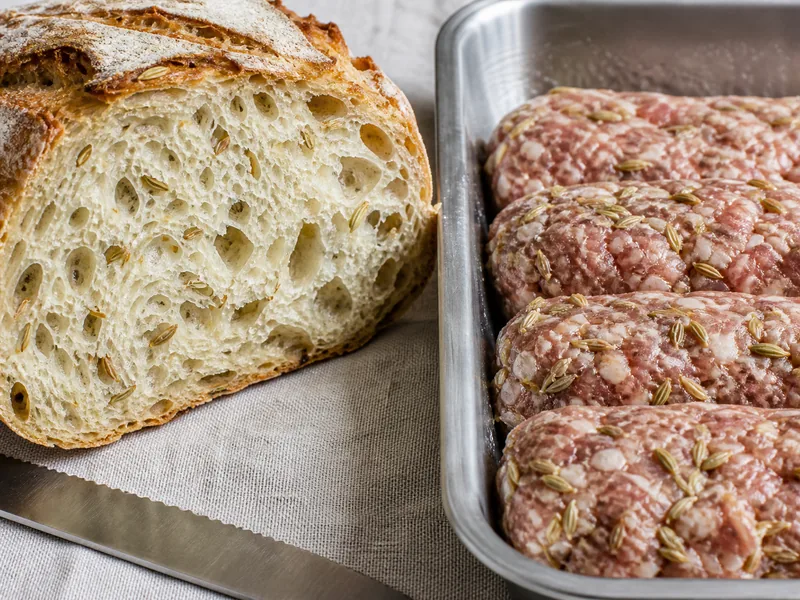
- Bread: Crush large fennel only enough to distribute it.
- Sausage: Cook a test patty before increasing spice.
- Powder: Reduces texture and raises exposed surface area.
- Star anise: Keep woody fragments out of the food.
Use whole or lightly crushed fennel and let the dough hydration soften the seeds before baking.
Fennel preserves the expected seed flecks. Ground star anise gives aroma but a different crumb.
Mix crushed fennel through cold fat and cook a small test patty before correcting the batch.
Ground fennel or a restrained star-anise measure avoids hard seed pieces.
Do not grind seeds long enough to warm them in the mill. Heat and exposed surface release volatile aroma before the spice reaches the dough or meat.
If a recipe calls for ground anise, grind fennel immediately before use and measure after grinding. A spoon of whole seeds contains more empty space than the same spoon packed with fine powder.
Star Anise Needs an Extraction Clock
Hot liquid extracts star anise much faster than a bread dough extracts small anise seeds.
The cook controls strength through both amount and contact time.
Break one clean point from a whole pod rather than crushing the entire star. Add it when the liquid begins to warm, then taste at short intervals once steam carries a clear licorice aroma.
- Add one star-anise point to the small pan of syrup, fruit liquid, tea, or broth.
- Taste after five minutes, using a cooled spoonful so heat does not hide sweetness or exaggerate aroma.
- Remove the point when the licorice note is slightly lighter than the final target.
- Finish cooking without the spice and taste again after the liquid has reduced.
- Cool another spoonful before deciding whether a second brief infusion is necessary.
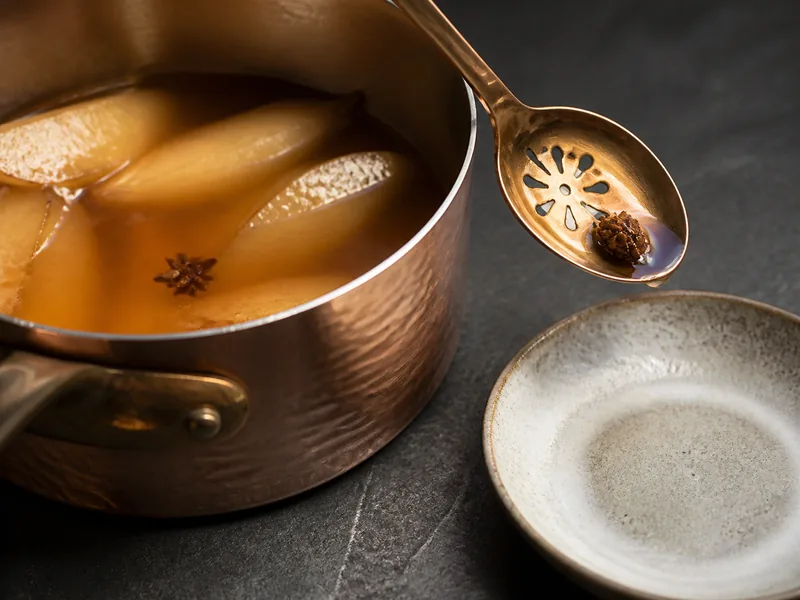
- Small dose: Begin with one point.
- Cooled taste: Reveals the real balance.
- Early removal: Accounts for later reduction.
- Ground form: Cannot be taken back out.
Ground star anise cannot use this removal method. Add it with the smallest measuring spoon available, mix completely, and allow the batter or liquid to rest before judging.
Match the Substitute to Sweet or Savory Food
Sweet dough can carry fennel's extra sweetness because sugar, butter, and browning integrate it. A dark cake may welcome five-spice, but a delicate cookie exposes its clove and pepper more sharply.
Sausage and braised meat need a different test. Fennel keeps seed texture, tarragon supplies a soft herb note in a sauce, and five-spice changes the cuisine as well as the missing aroma.
| Dish | Strong starting choice | Avoid |
|---|---|---|
| Seeded bread | Fennel seeds | Tarragon leaves or star-anise fragments |
| Pale cookies | Ground fennel | Full-volume five-spice |
| Poached fruit | One star-anise point | Loose tarragon |
| Sausage | Crushed fennel | Ground five-spice unless the flavor is intended |
| Cream sauce | Tarragon | Whole fennel when a smooth texture is required |
A recipe whose name depends on anise will become a variation when the seed changes.
That is acceptable when the result remains balanced, but the cook should not keep adding substitute until the original name seems justified.
Repair Licorice Flavor Before It Becomes Numbing
Remove a whole star-anise point immediately when the liquid tastes too strong. Continued heat cannot pull the extracted aroma back into the pod.
For powder in dough, syrup, sauce, or filling, add more of the original unspiced base. Extend dough with flour, fat, liquid, and leavening in the recipe's existing proportions, or extend a syrup with its original water and sugar ratio.
Salt does not neutralize star anise, and extra fat may spread the aroma more evenly rather than weaken it. A cooled test is the reliable checkpoint because heat changes both sweetness and aroma perception.
The recipe's rest time can change the apparent strength of every anise replacement.
Cookie dough and enriched bread often rest before baking, giving crushed fennel more time to release oil into fat and moisture. Taste a baked test piece rather than increasing raw dough from aroma alone.
Sausage needs the same cooked test because cold fat traps aroma until the patty heats.
For syrup or poaching liquid, record both the star-anise amount and the minutes it stays in the pan. Repeating contact time is more reliable than treating one pod point as a fixed spoon measure.
Ground five-spice develops differently because it cannot be removed.
Mix it into a small portion of batter, glaze, or braising liquid, then compare that portion with the unseasoned base. If clove or pepper appears before anise, changing to fennel or a brief star-anise infusion is cleaner than adding more blend.
Fresh tarragon should be judged after chopping because cutting exposes aromatic oil and changes a loose handful into a compact measure.
If dried tarragon has faded to gray and smells mainly of hay, more leaves add bitterness without restoring a clean anise note. Use a fresher herb or another option.
Placement changes how a seed replacement tastes after baking.
Fennel mixed through dough releases aroma into the crumb, while seeds pressed on the surface toast harder and reach the nose first. If the original anise sat inside the dough, keep most fennel inside rather than moving the whole measure to the crust.
Ground star anise needs protection from direct surface heat.
Mix the small measure through flour, sugar, or another dry ingredient before it reaches wet dough. This prevents one concentrated spot and reduces the chance that exposed powder turns harsh before the center finishes baking.
Use the first fully cooled cookie or bread slice as the final test because warm steam can make licorice aroma seem stronger than it will at the table.
A practical batch note should name the form, amount, contact time, and food tested. Those details make the successful ratio repeatable.
Cooling matters in custard, syrup, and glaze because sweetness and licorice aroma read differently at serving temperature. Save one spoonful for a cooled taste before seasoning the entire batch again.
Stop once the food tastes complete even if the replacement is not an exact copy. Fennel bread can be slightly sweeter, and a tarragon cream sauce can be greener, provided the substitute no longer overwhelms the food it was meant to support.