
Tandoori Masala Substitutes for Marinades and High Heat
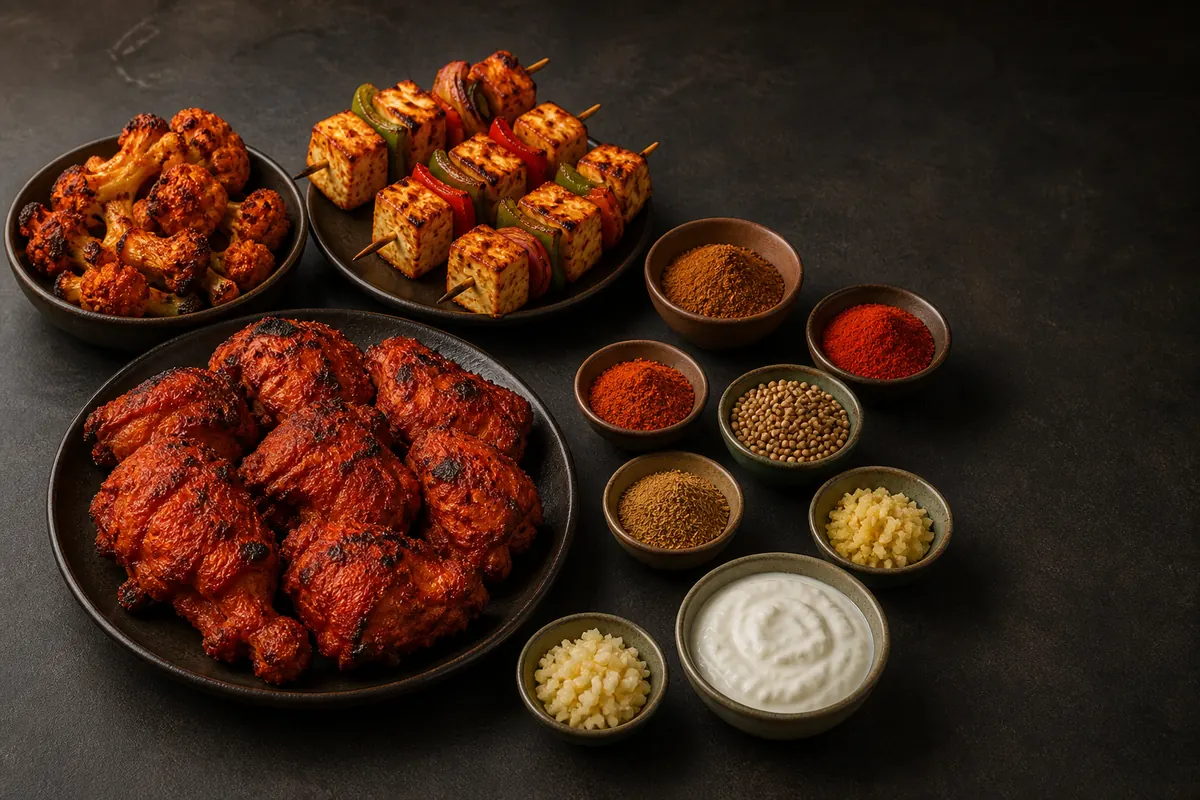
Tandoori Masala Is the Dry Part of a Larger Marinade
The closest quick substitute combines two teaspoons garam masala with half a teaspoon paprika, half a teaspoon mild chile powder, and small pinches of ginger and garlic. Use that mixture for each tablespoon of tandoori masala the recipe requests, then handle yogurt, lemon, and salt separately.
Tandoori masala usually begins with a broad coriander and cumin base. Red chile adds pepper flavor and color, while ginger, garlic, black pepper, fenugreek, cardamom, cinnamon, and clove fill smaller aromatic roles.
No single formula fixes those proportions. A commercial jar may also contain salt, amchur, turmeric, or color, so its ingredient list matters more than how red the powder appears.
- Seed base
- Coriander and cumin provide citrusy volume and earthy depth.
- Red pepper
- Mild chile and paprika control color before cayenne controls heat.
- Aromatics
- Ginger, garlic, fenugreek, and black pepper give savory lift.
- Warm spice
- Cardamom, cinnamon, and clove should remain supporting notes.
- Wet carrier
- Thick yogurt, acid, salt, and a little fat turn powder into a coating.
The dry replacement cannot supply every job in the finished marinade.
Yogurt gives the coating body, acid brightens it, salt seasons the food, and a little oil helps the surface brown.
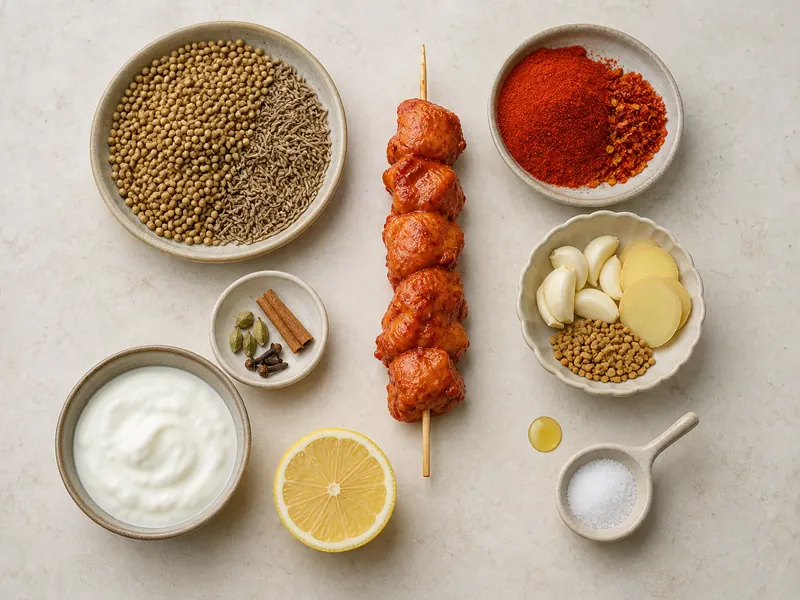
- Dry base: Coriander, cumin, red pepper, aromatics, and warm spice.
- Wet body: Thick yogurt holds the seasoning on the food.
- Controls: Lemon, salt, and oil remain adjustable.
Replacing the powder but skipping the carrier produces seasoned food, not a tandoori-style coating. Replacing the yogurt with extra lemon creates a thin acidic liquid that runs off before the surface can brown.
Treat the spice choice and the marinade choice as two decisions. That separation gives you room to correct heat, salt, acidity, and thickness without rebuilding everything.
A label check can narrow the work before anything is measured. Coriander, cumin, chile, ginger, and garlic near the front mean the jar already covers most of the dry structure.
Salt, amchur, and food color need a different response. Salt reduces what belongs in the yogurt, amchur reduces the need for lemon, and added color changes appearance without filling a missing flavor.
Compare aroma as well as ingredients. A faded jar cannot be rescued by doubling it because more stale powder adds dry bitterness while the missing cardamom, ginger, and pepper aromas remain absent.
Test half a teaspoon of the corrected blend in a spoonful of warm yogurt.
The small test reveals whether clove, turmeric, cayenne, or fenugreek leads before an entire batch of food is committed.
Three Tandoori Masala Substitutes That Preserve Different Jobs
Garam masala gives the nearest fast route because it already contains many warm spices. Curry powder can work for earthy vegetables and dark-meat chicken, while a scratch blend gives the clearest control over color, heat, and fenugreek.
| Number | Substitute for 1 tbsp tandoori masala | Best use | Main change |
|---|---|---|---|
| 1 | 2 tsp garam masala plus 1/2 tsp paprika and 1/2 tsp mild chile | Chicken, paneer, firm fish | Needs ginger, garlic, and optional fenugreek |
| 2 | 2 tsp curry powder plus 1/2 tsp paprika and 1/2 tsp garam masala | Cauliflower, potatoes, chickpeas | More turmeric and a yellower result |
| 3 | Coriander-led scratch blend | Paneer, chicken, vegetables | Most measuring but full control |
1. Garam Masala with Paprika, Chile, Ginger, and Garlic
Garam masala supplies cardamom, cinnamon, clove, cumin, coriander, and pepper in varying proportions. It usually lacks the red pepper volume, garlic, ginger, and clear fenugreek note that help a tandoori marinade survive yogurt and high heat.
For each tablespoon required, start with two teaspoons garam masala. Add half a teaspoon paprika, half a teaspoon mild chile powder, and a small pinch each of ground ginger and garlic.
- Build the warm coreMeasure 2 tsp garam masala.
- Restore red colorAdd 1/2 tsp sweet paprika.
- Add pepper flavorMix in 1/2 tsp mild chile powder.
- Restore savory aromaAdd small pinches of ginger and garlic.
- Check the missing edgeCrush in kasuri methi when available, then salt the marinade separately.
Fresh ginger-garlic paste can replace the two dry pinches. Add about one teaspoon paste to the yogurt for every pound of food, then reduce other liquid if the marinade loosens.
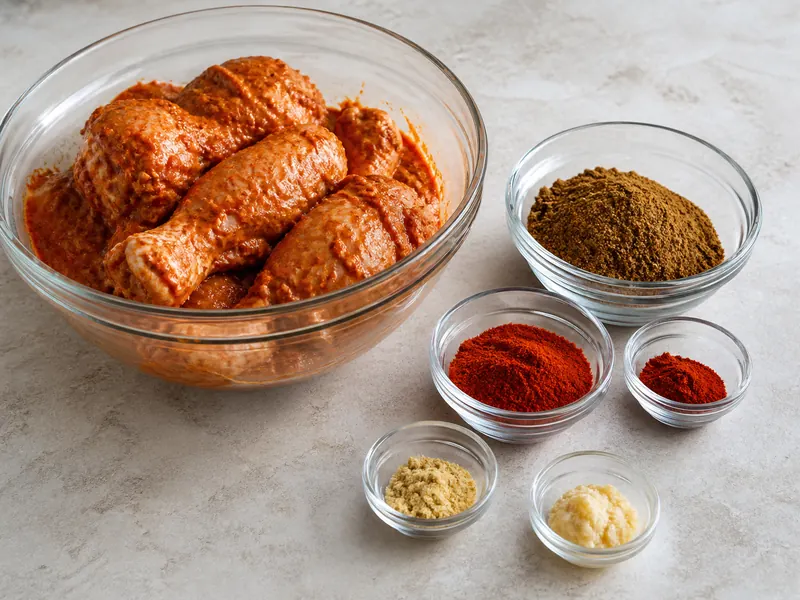
- Garam masala: Warm aromatic core.
- Paprika: Red color without a large heat increase.
- Mild chile: Pepper flavor and controlled heat.
- Ginger and garlic: Savory marinade aroma.
Crumbled dried fenugreek leaf adds the most recognizable missing edge. Use a generous pinch of leaf, but keep ground fenugreek seed much smaller because it becomes bitter quickly.
This correction suits chicken and paneer because their mild surfaces leave room for the warm spice. On fish, use a thinner coating and less garam masala so cardamom and clove do not dominate the short cook.
2. Curry Powder with Paprika and Garam Masala
Curry powder often contains coriander, cumin, turmeric, fenugreek, and chile, which covers much of the earthy base. Its turmeric-led color and early-cook character move the result toward yellow curry unless paprika and warm spice redirect it.
Use two teaspoons curry powder, half a teaspoon paprika, and half a teaspoon garam masala for each tablespoon of tandoori masala.
Add fresh ginger and garlic to the yogurt, then withhold any extra turmeric.
This shortcut fits cauliflower, potatoes, chickpeas, and dark-meat chicken. Those foods can carry the extra turmeric and fenugreek without letting one earthy note take over.
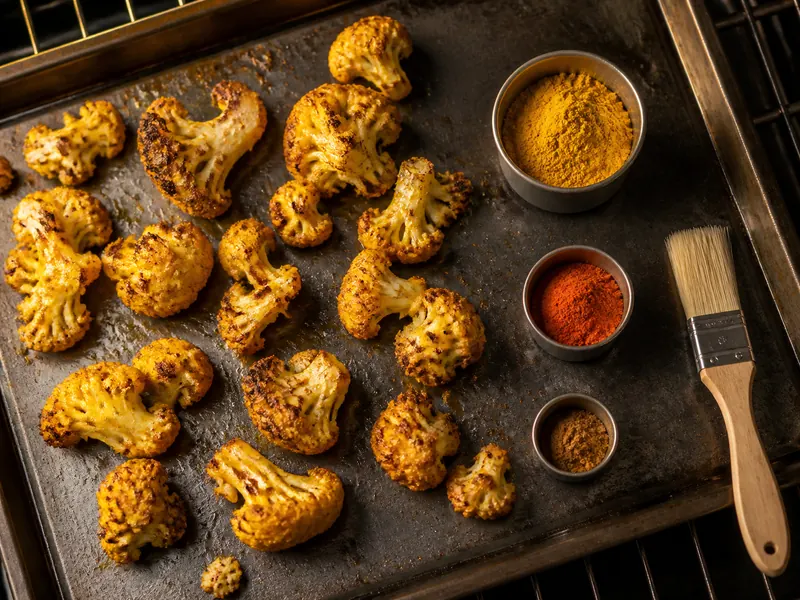
- Curry powder: Seed spice, turmeric, and possible fenugreek.
- Paprika: Redder color with mild heat.
- Garam masala: Cardamom, cinnamon, clove, and pepper aroma.
- Cauliflower: A dense surface that carries the turmeric shift.
Read the curry powder label before salting. Some blends contain salt, and a Madras-style product may already carry enough chile to make the additional mild chile unnecessary.
The shortcut is weaker for white fish or a delicately seasoned paneer dish. Turmeric can become the first taste, which changes the dish rather than merely replacing a missing jar.
3. Coriander, Cumin, Red Pepper, and Warm Spices
A scratch blend is the best choice when you have individual spices and want the marinade to stay red, coriander-led, and salt-free. The ratio should descend sharply because clove, cardamom, fenugreek seed, and cayenne are stronger than coriander.
Mix two teaspoons coriander with one teaspoon cumin, half a teaspoon paprika, and a quarter teaspoon mild chile powder. Add small pinches of ginger, garlic, black pepper, crumbled fenugreek leaf, cardamom, and cinnamon, then add only a tiny pinch of clove.
| Ingredient | Starting amount | Main job |
|---|---|---|
| Ground coriander | 2 tsp | Citrusy volume and broad base |
| Ground cumin | 1 tsp | Earthy depth that survives grilling |
| Paprika | 1/2 tsp | Red color and mild pepper body |
| Mild chile | 1/4 tsp | Pepper flavor and controlled heat |
| Ginger and garlic | Small pinch each | Savory aromatic lift |
| Fenugreek leaf | Generous pinch | Green maple-like aroma |
| Cardamom and cinnamon | Small pinch each | Warm high aroma |
| Clove | Tiny pinch | Deep pungency |
Ground fenugreek seed is not an equal replacement for the dried leaf.
Use only a trace of seed, since a heavy hand makes the entire coating bitter.
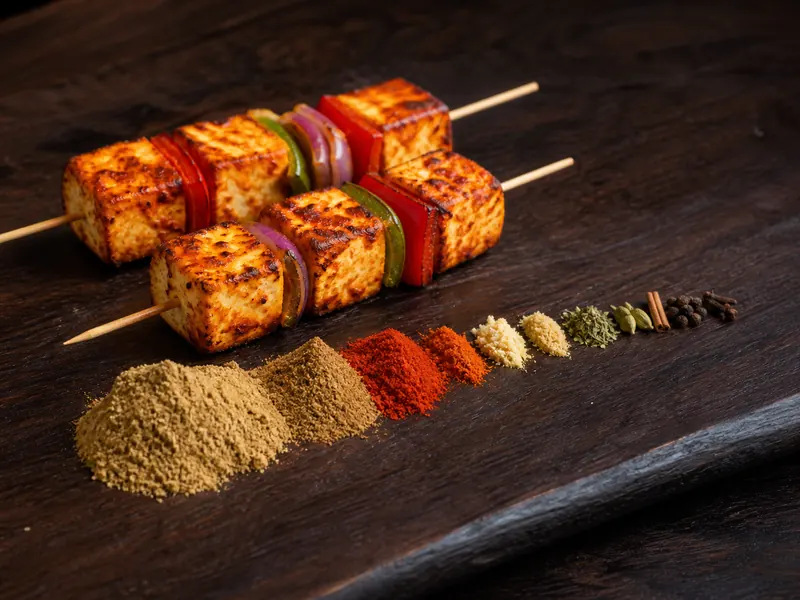
- Coriander: Largest measure.
- Cumin: Half the coriander measure.
- Red pepper: Color and moderate heat.
- Clove: Smallest warm-spice measure.
Whisk the powders before they meet yogurt so clove and cayenne cannot collect in one pocket. For a larger batch, keep salt and amchur outside the storage jar so different marinades remain adjustable.
The scratch mix works especially well on paneer and vegetables. Their surfaces need a balanced coating, but they do not need the preset salt or acid that some commercial formulas carry.
Build the Yogurt Marinade After Choosing the Powder
For one pound of chicken or paneer, begin with two tablespoons of the chosen substitute, half a cup of thick plain yogurt, one tablespoon lemon juice, and measured salt. Add one teaspoon ginger-garlic paste when the dry replacement does not already supply a vivid fresh aroma.
Thick yogurt holds the spice against irregular surfaces. Thin yogurt releases whey after salt is added, which carries color and seasoning into the bottom of the bowl.
- Choose thick yogurtDrain loose yogurt or use a Greek-style product.
- Mix the powder firstBreak every dry spice pocket before food enters.
- Add acid with restraintBegin with 1 tbsp lemon juice per pound.
- Season the carrierDissolve measured salt through the yogurt.
- Add a little fatMix in 1 tsp oil when the food is very lean.
- Coat and refrigerateKeep the layer thin enough to cling without pooling.
Lemon adds brightness and some surface tenderizing, but it does not replace yogurt body. More juice makes the marinade runnier and can turn the outside of fish or small chicken pieces chalky.
Salt needs to be mixed through the carrier rather than scattered over the food later.
A salted commercial substitute requires less added salt, so taste the prepared marinade before raw meat enters it.
A teaspoon of oil helps distribute fat-soluble color and aroma. Too much oil weakens yogurt cling and encourages the coating to slide as the food heats.
Let the mixed marinade stand for five minutes before judging it. Ground coriander absorbs moisture, paprika deepens in color, and dried garlic loses some of its raw edge.
If the bowl becomes stiff enough to form clumps, loosen it with yogurt rather than a large pour of lemon. If it forms a watery ring, drain the food and rebuild the carrier more thickly.
The replacement itself can also change thickness. A commercial curry powder may contain starch or fine salt, while a scratch blend of pure spices absorbs moisture without creating the same smooth body.
Add the final spoon of yogurt only after the spices hydrate. A mixture that looks loose at first can thicken within several minutes as coriander, garlic powder, and fenugreek take up moisture.
Taste a clean sample before raw meat is added.
The marinade should taste slightly stronger than the finished food, but salt, cayenne, and clove should remain readable rather than harsh.
For vegetables or paneer, reserve a little clean marinade before coating. That portion can brush dry spots during cooking without bringing raw-meat liquid back to the tray.
Change the Dose and Marinating Time for Each Food
Chicken, paneer, fish, and vegetables do not accept the same spice dose or resting time. Their water, fat, surface structure, and sensitivity to acid change how quickly the coating acts.
| Food | Starting substitute | Yogurt carrier | Refrigerated time | Main risk |
|---|---|---|---|---|
| 1 lb chicken pieces | 2 tbsp | 1/2 cup thick yogurt | 4 to 12 hours | Watery coating on crowded pieces |
| 1 lb paneer | 1 to 1 1/2 tbsp | 1/3 cup thick yogurt | 30 minutes to 2 hours | Soft cubes breaking during turns |
| 1 lb cauliflower | 1 1/2 tbsp | 1/4 cup yogurt plus oil | 30 minutes to 2 hours | Steaming under thick clumps |
| 1 lb firm fish | 1 tbsp | Thin yogurt coat | 15 to 30 minutes | Acid-softened surface |
| 3 cups chickpeas | 2 tsp | Oil rather than yogurt | Coat and roast promptly | Dry powder patches |
Chicken pieces can take several refrigerated hours because the thicker surface benefits from salt and spice contact. Bone-in pieces need shallow cuts or smaller portions so the coating and cooking heat reach useful depth.
Paneer needs less time because the goal is surface flavor, not tenderizing. Pat the cubes dry, coat them gently, and turn them once rather than repeatedly breaking softened edges.
Cauliflower holds paste in every crevice. Use a thinner layer, leave space on the tray, and let hot air reach the cut faces so the yogurt dries before the florets steam.
Firm fish needs the lightest dose and shortest rest.
Fifteen to thirty minutes is enough for most fillets, and the coating should remain thin enough to cook before the flesh softens.
Chickpeas and nuts need oil rather than a heavy yogurt coat. Their dry surfaces concentrate seasoning, so a smaller amount of substitute covers more food than it would in a wet chicken marinade.
Keep any food with raw meat refrigerated while it marinates. Discard the used liquid unless it is boiled and cooked safely as part of the finished dish.
Piece size changes the schedule inside each category. Small boneless chicken cubes season and cook faster than whole thighs, while a thick cauliflower stem needs more oven time than the floret around it.
Use the table as a starting point and inspect the food rather than extending every rest. The surface should hold an even coat with no watery puddle, and delicate fish should remain firm when lifted.
Salted store blends need a small trial on paneer and chickpeas because those foods do not dilute sodium like juicy meat. Begin with two-thirds of the listed powder dose, cook one sample, and add more to the remaining batch only when the center tastes flat.
A deep red marinade is not automatically stronger.
Paprika can create vivid color with gentle heat, while a brown garam masala correction may carry more clove and cardamom even when it looks muted.
Use Fierce Dry Heat Without Burning the Replacement
A tandoor surrounds food with intense radiant heat, while a home broiler attacks from one direction. The home method needs full preheating, airflow, and a thin coating so the spices brown before the center dries.
Lift each piece from the marinade and wipe away heavy ridges. A thin even film browns more reliably than thick paste that remains wet underneath and blackens on top.
- Preheat fullyHeat the grill, oven, or broiler before the tray enters.
- Raise the foodUse a rack so hot air reaches the underside and drips escape.
- Leave spacePrevent released moisture from steaming neighboring pieces.
- Watch the edgesTurn when raised areas develop dark patches.
- Finish thick pieces safelyCook through at gentler heat before a short final broil when needed.
Red color is not the doneness cue. Look for dry edges, dark spots on raised surfaces, and a cooked center appropriate to the food.
Fine garlic, paprika, and fenugreek can scorch on bare metal. Keep coated food on a rack or lined tray and move it farther from the element when the powder darkens before the center is ready.
Brush a small amount of oil or ghee onto the surface before the final high-heat pass. Fat improves browning and releases warm-spice aroma without turning the marinade into an oily liquid.
Large bone-in chicken pieces may need oven heat before the broiler.
Trying to cook them only under fierce top heat creates a bitter outside and an underdone center.
Paneer, fish, and cauliflower finish faster. Pull them when the coating has browned and the interior texture is right, even if they never reach the same char as chicken.
A two-stage cook gives thick food more control. Roast chicken at a steady oven temperature until the center is nearly done, then move it under a fully heated broiler for a short browning pass.
Thin paneer, fish, and vegetables can often use direct high heat from the start. Their centers reach serving texture before a thin yogurt film has time to burn.
Watch the drips as well as the food. Clear moisture means the tray is still steaming, while sizzling fat and darkening edges show that the surface has entered the browning stage.
Rotate the tray when the back edge colors faster than the front. Do not keep turning individual pieces merely to copy an even restaurant-red surface because each movement can tear paneer, fish, or softened coating.
Diagnose Color, Bitterness, and a Sliding Coating Separately
Each failure points to a different owner.
Adding more powder to every dull, thin, or bitter coating usually makes the next batch worse.
| What you see or taste | Likely cause | Best correction |
|---|---|---|
| Yellow rather than brick red | Turmeric-first curry powder | Add paprika and reduce curry powder next time |
| Very hot but still not red | Too much cayenne | Use mild chile or paprika for color |
| Bitter aftertaste | Excess fenugreek seed, clove, or scorched powder | Reduce the forceful spice and lower surface heat |
| Marinade pooled below the food | Thin yogurt or too much lemon | Drain the yogurt and rebuild a thicker carrier |
| Raw dusty flavor | Crowding or insufficient preheat | Space the food and use stronger dry heat |
| Black outside with an underdone center | Thick coating or piece too large | Wipe the coat thinner and stage the cook |
A yellow result can still taste good when curry powder was the chosen shortcut. Correct it only when the dish needs the red pepper character, since color alone does not measure spice quality.
Cayenne adds heat much faster than it builds an opaque red coating. Sweet paprika or a mild red chile handles color without pushing every bite beyond the intended heat.
Bitterness can come from ground fenugreek seed, an oversized clove dose, or scorched garlic. Taste the uncooked powder and inspect the cooked surface before deciding which source is responsible.
Pooling begins upstream with yogurt thickness and liquid balance. Wiping the food at the tray cannot rescue a marinade that separated in the bowl.
Raw dusty flavor means the coating steamed or never warmed enough. Use a wider tray, a raised rack, and a fully heated oven before increasing the spice dose.
Write down the corrected ratio after one successful cook. Commercial garam masala and curry powder vary, so the useful adjustment belongs to the jar actually in your kitchen.
When a Tandoori-Style Replacement Is the Wrong Direction
A tandoori-style replacement brings red pepper, coriander, cumin, ginger, garlic, warm spice, tang, and a browned yogurt coating.
Some foods need only one or two of those qualities.
- - Use the garam masala correction when chicken or paneer needs a full aromatic marinade.
- - Use the curry powder shortcut when turmeric suits cauliflower, potatoes, or chickpeas.
- - Use the scratch blend when salt, heat, and color need separate control.
- - Simplify to coriander, cumin, and paprika for delicate fish or mild vegetables.
- - Skip the yogurt coating when the recipe needs a sauce or a dry finishing aroma.
Delicate white fish can taste perfumed under a clove-heavy garam masala correction. A smaller mix of coriander, cumin, paprika, garlic, and salt may support the fish without redefining it.
A saucy curry needs spices that bloom into fat and liquid, not a coating designed to dry under fierce heat. Curry powder may fit that method, but it should be treated as the sauce base rather than disguised as tandoori masala.
Garam masala alone belongs near the end when a dish needs warm aroma without red pepper or yogurt. Adding paprika, chile, and ginger-garlic would create a different job that the recipe never requested.
Mild vegetables may need only cumin, coriander, paprika, oil, and salt. The complete reconstruction can make every tray taste identical and hide the vegetable's own sweetness.
Choose the full substitute when the food needs both the spice profile and the high-heat marinade. Choose a smaller seasoning move when either half would fight the dish.