
Which Smoked Paprika Substitute Fits Your Cooking Method?
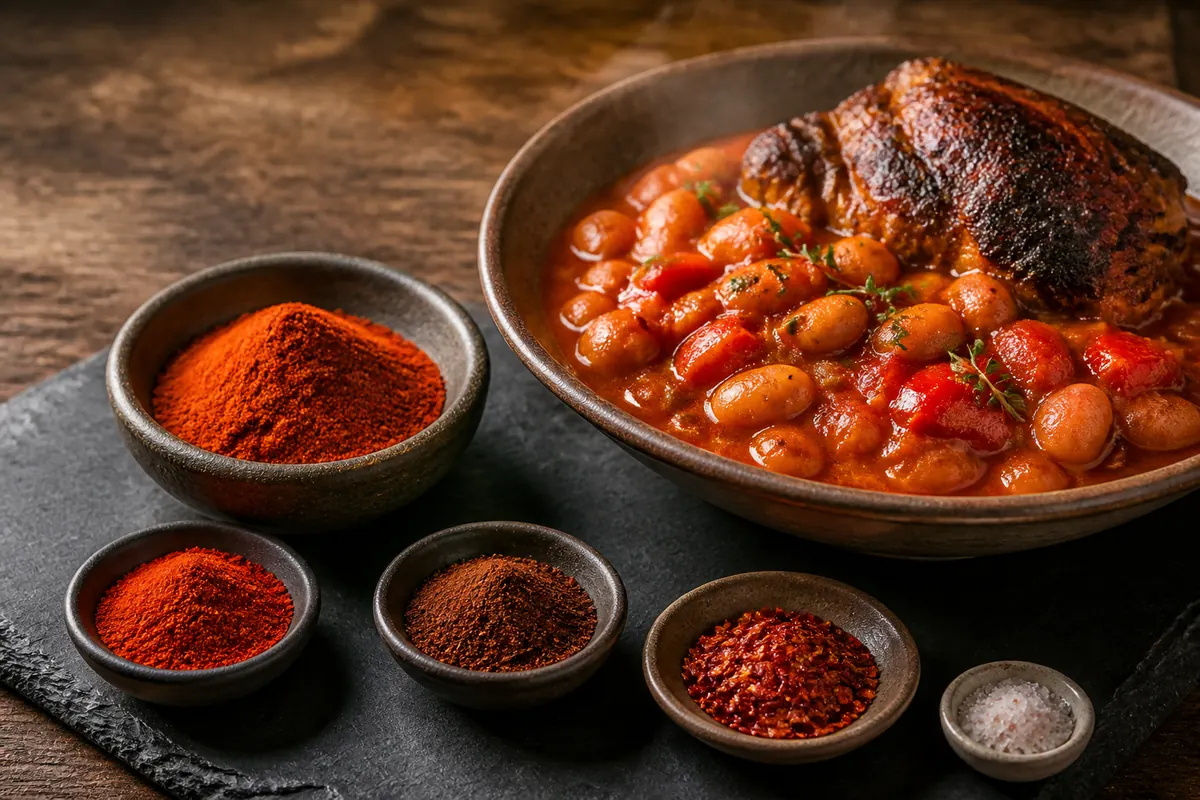
Smoked Paprika Combines Red Pepper with Real Wood Smoke
The closest controllable smoked paprika substitute is regular paprika plus a very small amount of smoked salt or liquid smoke. This rebuilds red color and smoke separately, so you can keep the dish mild and correct its salt at the end.
Smoked paprika is more than ordinary paprika with a smoky aroma added after grinding.
The protected specification for Pimentón de la Vera describes ripe red peppers dried with smoke from oak or holm oak before milling. That drying process gives the powder its deep red color and distinctive wood-smoke character.
The pepper variety still matters.
Smoked paprika can be sweet, bittersweet, or hot, which means a recipe may depend on mild color, chile warmth, wood smoke, or all three at once.
- Red color
- Paprika pigments tint oil, sauce, beans, and meat rubs.
- Pepper body
- The dried fruit contributes sweetness and a rounded red-pepper flavor.
- Wood smoke
- Smoke drying adds an aroma that ordinary paprika does not contain.
- Heat
- Sweet and hot smoked paprika need different replacements.
A useful substitute begins by identifying which of those controls the dish exposes. Bean stew may need smoke and color, while a dry rub may also need the fine powder to coat meat evenly.
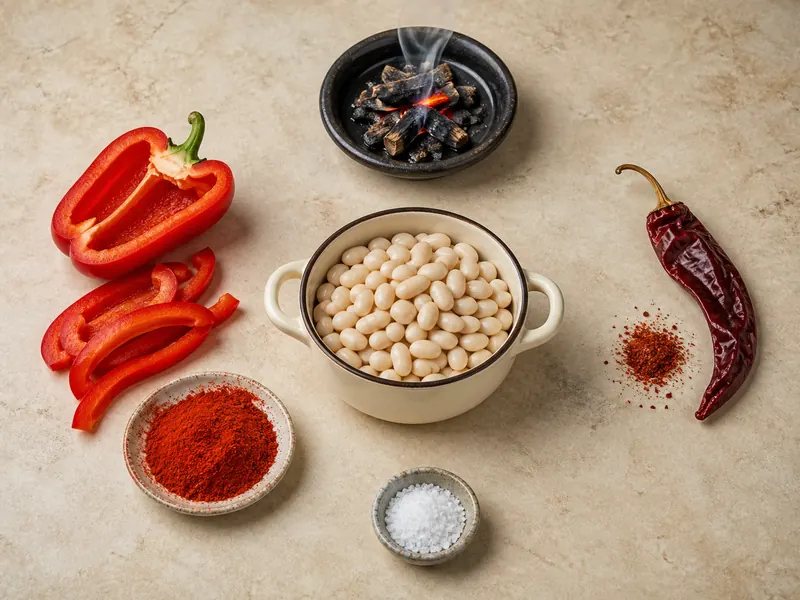
- Paprika: Red color and pepper body.
- Smoke: A separate aromatic layer.
- Heat: Sweet or hot style.
- Salt: A concern when smoke comes from smoked salt.
Regular paprika restores the red base without increasing heat much. A smoked ingredient can then supply aroma in an amount suited to the pot rather than the spoonful of powder named in the recipe.
Chipotle solves a different problem because its smoke arrives with concentrated jalapeño heat. Ancho and Aleppo pepper preserve parts of the red-pepper character, but neither replaces true wood smoke by itself.
The starting question is therefore practical. Decide whether the missing teaspoon was supposed to color a whole pot, season a crust, announce smoke, or finish the dish with visible red pepper.
Four Smoked Paprika Substitutes with Different Heat and Salt
Use regular paprika with a separate smoke source for the closest control. Choose chipotle when extra heat belongs, ancho when deep fruit matters more than smoke, and Aleppo pepper when a coarse red finish suits food that already has char.
| Number | Substitute | Starting ratio for 1 tsp | Best use | Main change |
|---|---|---|---|---|
| 1 | Regular paprika plus smoked salt or liquid smoke | 3/4 tsp paprika plus a tiny smoke measure | Beans, soup, sauce, stew | Closest control with salt caution |
| 2 | Chipotle powder | 1/4 tsp | Chili, barbecue, black beans, beef | Hotter and darker |
| 3 | Ancho chile powder | 3/4 tsp | Pork rubs, sweet potato, dark sauce | Fruitier with little true smoke |
| 4 | Aleppo pepper | 1/2 tsp | Roast vegetables, eggs, grains | Coarse, fruity, and unsmoked |
1. Regular Paprika with Smoked Salt or Liquid Smoke
Use three-quarters teaspoon regular paprika for each teaspoon smoked paprika.
Add a small pinch of smoked salt when the recipe can give up an equal amount of ordinary salt. For a wet pot, liquid smoke can work instead, but begin with one drop because products differ greatly in strength.
Regular paprika carries the red color and mild pepper body.
The separate smoke measure lets you stop before a soup or bean pot tastes like ash, and it avoids the chile increase that comes with chipotle.
- Add the red baseStart with 3/4 tsp regular paprika.
- Choose the smoke formUse a tiny smoked-salt pinch for dry food or one liquid-smoke drop for wet food.
- Account for saltRemove the same amount of ordinary salt when smoked salt enters.
- Cook and tasteLet the smoke disperse before adding more.
- Correct one variableAdd paprika for color or smoke for aroma, not both automatically.
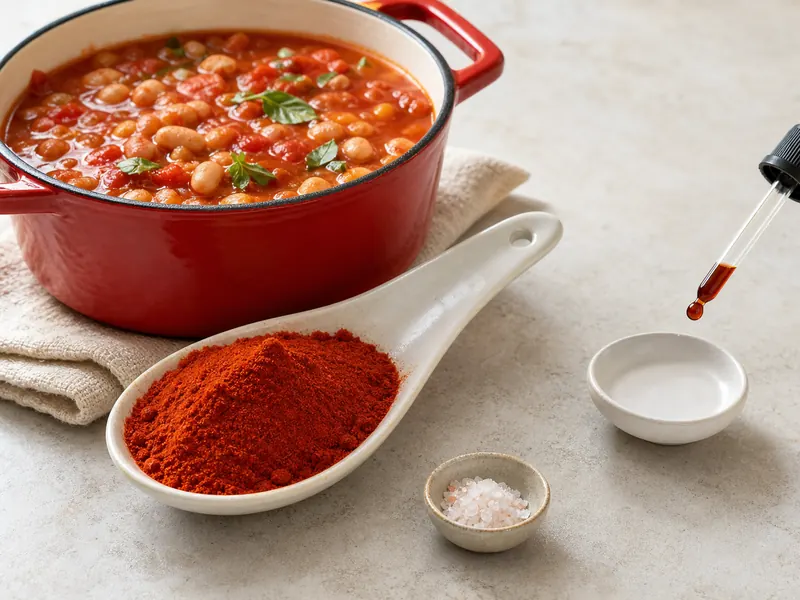
- Regular paprika: Main measure.
- Smoked salt: Tiny dry-food option.
- Liquid smoke: Dropwise wet-food option.
- Bean stew: Taste after dispersion.
Stir paprika into warm oil after onions soften, then add liquid before the powder scorches. The brief fat contact spreads red pigment and removes the raw dusty edge.
Smoked salt belongs later in a reducing pot.
Beans, tomato sauce, and stew can lose a large amount of water, so a balanced early pinch may become too salty near the final volume.
Liquid smoke disperses most evenly through broth, tomato, sauce, or a marinade. Keep it out of one dry patch because a concentrated bite can taste bitter even when the whole batch needs more aroma.
This reconstruction is less convenient than one powder, but it is the only option here that keeps color, heat, smoke, and salt under separate control.
2. Chipotle Powder
Begin with one-quarter teaspoon chipotle powder for each teaspoon smoked paprika. Chipotle supplies real smoke and red chile flavor, but it can make a previously mild recipe hot.
Do not start at equal volume.
Chipotle is a smoked ripe jalapeño, so smoke and capsaicin arrive together. The powder also tastes darker and more earthy than sweet smoked paprika.
Black beans, chili, barbecue sauce, beef, and grilled mushrooms can support that shift. Pale potatoes, creamy soup, eggs, and mild chicken reveal the extra heat much sooner.
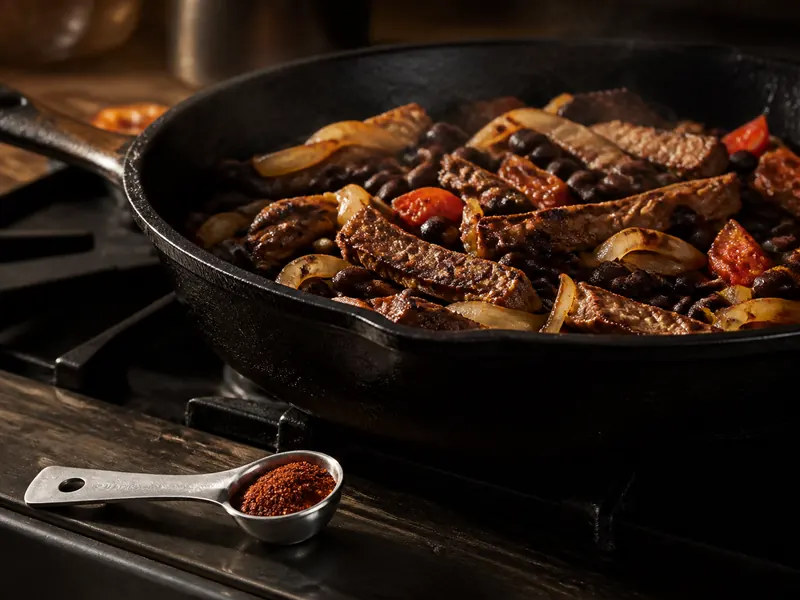
- Chipotle: Smoke and heat together.
- Black beans: Dark base.
- Charred beef: Strong cooking context.
- Small measure: Conservative start.
Add chipotle with enough moisture or fat to distribute it. Fine powder sitting on a hot dry pan can become bitter before the rest of the food is seasoned.
Taste after several bites rather than one.
Chile heat builds across a serving, and smoke becomes more noticeable as steam and aroma reach the nose.
When the result is too hot, extend the dish with unsalted beans, tomato, broth, vegetables, or the original sauce base. Sugar may distract from heat, but it does not remove capsaicin or smoke.
Use chipotle as a deliberate flavor change, not as the default answer simply because both powders are smoked.
3. Ancho Chile Powder
Choose ancho chile powder when the recipe needs deep red pepper flavor and gentle warmth more than obvious smoke.
Start with three-quarters teaspoon ancho for each teaspoon smoked paprika.
Ancho is the dried ripe poblano, with a red-brown color and a sweet dried-fruit character. It tends toward raisin, cocoa, and mild earthiness rather than the clean wood-smoke aroma of Pimentón de la Vera.
The broader, fruitier flavor works in pork rubs, bean pots, sweet potatoes, dark sauces, and tomato-based braises. It can make a pale cream sauce look brown and taste heavier.
Fruit and mild heat suit browned meat.
The chile sweetness meets caramelized edges.
Deep color matters more than exact smoke.
Raisin-like notes can merge with tomato or cacao.
The browner hue and fruit are easy to notice.
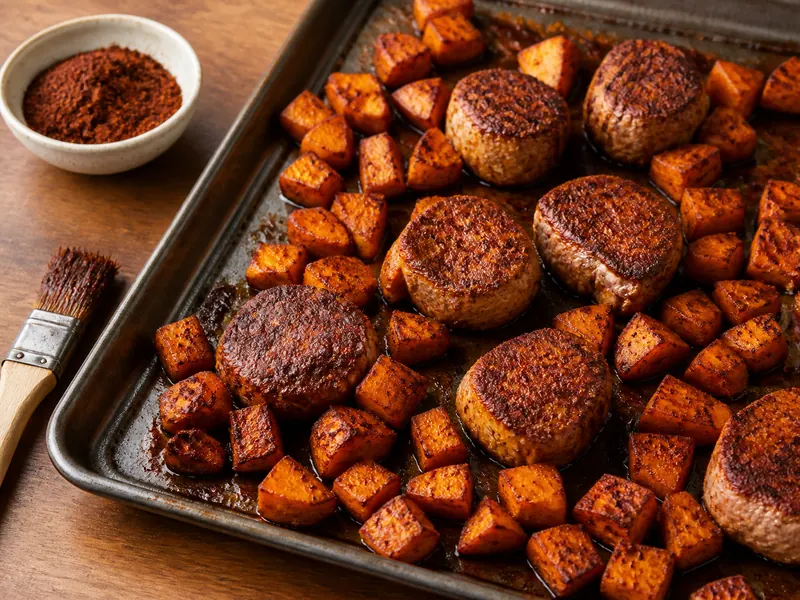
- Ancho: Fruity pepper body.
- Roast edges: Browning support.
- Color: Deeper and browner.
- Smoke: Still missing unless added separately.
A tiny smoked-salt pinch can fill the missing aromatic direction, but only when the recipe has room to lose ordinary salt. Keep ancho and smoked salt in separate containers until the final seasoning is clear.
Bloom ancho gently in oil for a sauce or apply it with oil as a rub. Direct high heat can darken the natural sugars and fine chile particles before the food browns.
Ancho should not be described as a smoked-paprika copy.
It is the better choice when the recipe can exchange bright red smoke for deeper dried-fruit flavor without losing its identity.
4. Aleppo Pepper for a Fruity Finish
Use half a teaspoon Aleppo pepper for each teaspoon smoked paprika in roasted vegetables, eggs, yogurt, grains, and grilled chicken. Its moderate heat and fruity aroma give the dish a vivid red-pepper finish, but the coarse flakes remain visible.
This choice works best after cooking or near the end. Char from a grill or deeply roasted edge can supply some of the dark aromatic context that the flakes lack.
Aleppo pepper is not smoke-dried in the same way as Pimentón de la Vera.
Its value lies in a soft chile warmth, fruitiness, and texture that makes a finished dish feel intentionally seasoned rather than like a failed smooth-powder substitution.
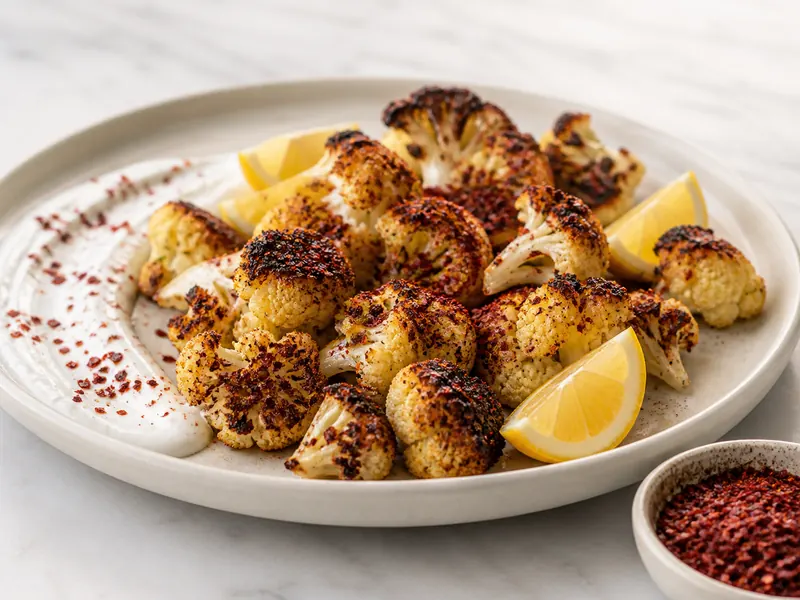
- Aleppo: Coarse fruity flakes.
- Roast char: Dark aromatic support.
- Lemon: Bright finish.
- Timing: Add late.
A smooth tomato sauce, sausage mixture, or pale cream will expose the flake texture. Grind the pepper only when its fruit and heat fit the dish, since grinding does not add the missing smoke.
Finish with a small amount, wait for the oil on the food to release its aroma, and add more only if the red-pepper note remains quiet.
Measure Smoked Salt and Liquid Smoke by Different Rules
Smoked salt and liquid smoke can supply a similar dark aroma, but they cannot share one measuring rule.
Smoked salt is still a seasoning salt. Every pinch increases sodium, and the salt remains in the pot when steam carries water and some aroma away.
Replace part of the recipe salt rather than adding smoked salt on top of the full amount. In a reducing sauce or bean pot, reserve at least half the final salt decision until the food reaches its serving thickness.
A dry rub exposes smoked salt directly on the crust. Mix the pinch through all the paprika and other spices before it touches the meat, since one concentrated patch can taste much saltier and smokier than the rest.
Liquid smoke behaves as a concentrated aromatic liquid.
Its strength varies by product, so a fixed teaspoon conversion would give false confidence. Begin with one drop in a small or medium wet dish, stir completely, and judge the aroma only after it has dispersed.
Liquid smoke disperses through the cooking liquid without adding sodium.
Add liquid smoke early enough to integrate, but hold smoked salt until near final volume.
A tiny smoked-salt portion distributes more reliably than one wet spot.
Mix liquid smoke into oil and other liquid before meat enters.
Use smoked salt only when the finished food still needs salt.
Batch size changes distribution, but it does not make a large first dose safer. A bigger pot gives one drop more places to spread, while a second drop can still move the aroma from subtle to dominant.
Taste a cooled spoonful when possible. Steam can make smoke seem stronger at the nose while heat hides some salt on the tongue.
Marinades need a clean sample before raw meat enters. Whisk paprika and the smoke source into the oil or liquid, reserve a spoonful for tasting, then decide whether the mixture needs salt.
Do not taste any marinade after it has contacted raw meat.
For a rub, cook a small test piece when the batch is valuable or the smoked salt is unfamiliar. The browned sample reveals sodium, chile heat, and smoke together in the form you will actually eat.
Liquid smoke cannot fix pale color, and smoked salt cannot provide the mild pepper body of paprika. Keep regular paprika available so a later correction can deepen red color without another smoke dose.
Stop when the food smells gently smoky from normal eating distance. If the aroma announces itself before the spoon reaches your mouth, adding more is unlikely to improve the finished dish.
Add Smoke According to the Cooking Method
Wet food gives concentrated smoke somewhere to disperse. Soup, beans, tomato sauce, and stew can absorb one liquid-smoke drop across many spoonfuls, while paprika supplies body and color.
Add the smoke after the main liquid enters.
Steam carries aroma quickly, so stir and smell the whole pot before deciding that a second drop is necessary.
- Wet potBloom the red powder briefly, add liquid, then disperse smoke.
- Reducing sauceHold smoked salt until the final volume is close.
- Dry rubMix paprika or ancho with oil and use a tiny smoked-salt portion.
- GrillCount existing char before adding another smoke source.
- FinishAdd Aleppo flakes or fresh red pepper aroma after the strongest heat.
A dry rub exposes every granule at the surface. Mix paprika, ancho, or a restrained chipotle dose with oil so the powder coats evenly and does not fall into concentrated patches.
Smoked salt changes the whole crust.
Measure it as salt rather than as a spice, then reduce the plain salt in the rub by the same amount.
Grilled food already carries smoke, char, and browned fat. Regular paprika or Aleppo pepper may be enough because another smoke product can make the crust taste artificial or bitter.
Long braises soften sharp pepper notes but also lose volatile aroma through steam. Put color and pepper body into the cooking base, then reserve a tiny smoke correction for the final minutes.
A finishing garnish needs a different texture test.
Fine paprika disappears into oil or sauce, while Aleppo flakes remain visible and offer a distinct bite.
Choose that texture because the plate benefits from it. Do not grind flakes into a smooth sauce merely to imitate the missing powder when regular paprika would integrate better.
Correct Smoke, Heat, Color, and Salt Separately
Taste the finished food and name the dominant defect before adding more substitute. A pale dish, a flat dish, a hot dish, and an oversmoked dish need different corrections.
| Problem | Likely cause | Direct correction |
|---|---|---|
| Pale but smoky enough | Too little red pigment | Bloom regular paprika in a little oil and stir it in |
| Red but not smoky | Paprika replaced color only | Add one tiny smoke increment and wait |
| Too hot | Chipotle dose too high | Extend with the unsalted original base |
| Too smoky | Concentrated smoke source | Dilute with the original base and add no more char |
| Too salty | Smoked salt plus recipe salt | Add unsalted liquid or food, then restore unsalted pepper |
| Bitter | Powder scorched or smoke was excessive | Dilute if mild; restart when bitterness defines the pot |
Excess smoke needs dilution with the original food.
More tomato, beans, broth, vegetables, or sauce base lowers the smoke concentration without adding another competing aroma.
Acid can brighten a heavy pot, but it does not remove wood smoke. Use lemon or vinegar only when that acidity already belongs in the dish.
Excess heat also requires more unseasoned base. Dairy can soften the experience in a suitable dish, yet the capsaicin remains and the recipe may not welcome cream or yogurt.
Pale color is the easiest problem to isolate.
Warm regular paprika in a spoonful of oil just until the oil turns red, then stir that colored fat through the food.
Do not add chipotle solely for a darker surface.
When salt is excessive, unsalted liquid or more of the main food must come first. Restore paprika, ancho, garlic, cumin, or herbs afterward without adding another smoked-salt pinch.
A scorched powder problem can be permanent. If the pan smells acrid before liquid enters, move unburned food to a clean pan or restart rather than spreading blackened chile through the batch.
When Omission Is Cleaner Than a False Smoke Flavor
Smoke is central in some chorizo-style seasonings, barbecue rubs, bean dishes, and Spanish stews. A pepper-only substitute changes those foods, so use the controlled paprika-and-smoke reconstruction or accept a distinct version.
Other dishes already carry grilled edges, bacon, roasted tomato, charred onion, or a smoked meat. Regular paprika may supply the missing red color while the food provides enough smoke on its own.
- - Rebuild color and smoke separately when both define the dish.
- - Use chipotle only when extra jalapeño heat belongs.
- - Choose ancho when dried-fruit depth matters more than smoke.
- - Finish with Aleppo when visible flakes and existing char suit the plate.
- - Omit added smoke when grilled or smoked ingredients already dominate.
Pale cream sauce, delicate fish, and simple eggs can expose liquid smoke or smoked salt immediately. In those foods, ordinary paprika or no replacement may taste cleaner than an obvious artificial smoke correction.
The same restraint applies to garnishes.
A recipe may ask for smoked paprika only to add red dust on top, and a small regular-paprika finish can preserve the appearance without changing every bite.
Taste the complete dish before replacing a teaspoon automatically. Identify whether it lacks red color, pepper body, smoke, heat, or salt, then correct the one quality the food actually needs.
The best substitute does not have to recreate every part of smoked paprika. It has to preserve the part that makes this particular dish work without importing too much chile, sodium, grit, or smoke.