
Which Paprika Substitute Matches Color, Heat, or Smoke?
Identify the paprika type first, then replace only the job the dish needs
Identify Whether Paprika Is Supplying Color, Heat, or Smoke
Use smoked paprika one for one only when smoke belongs in the dish, or use ancho chile powder one for one when sweet paprika is adding mild red-pepper character to beans, braises, and dark sauces. For hot paprika, start with one-eighth teaspoon cayenne plus seven-eighths teaspoon of a mild pure red pepper powder rather than replacing the full spoon with cayenne.
Paprika is a family of ground red Capsicum peppers, so the label matters before the ratio does.
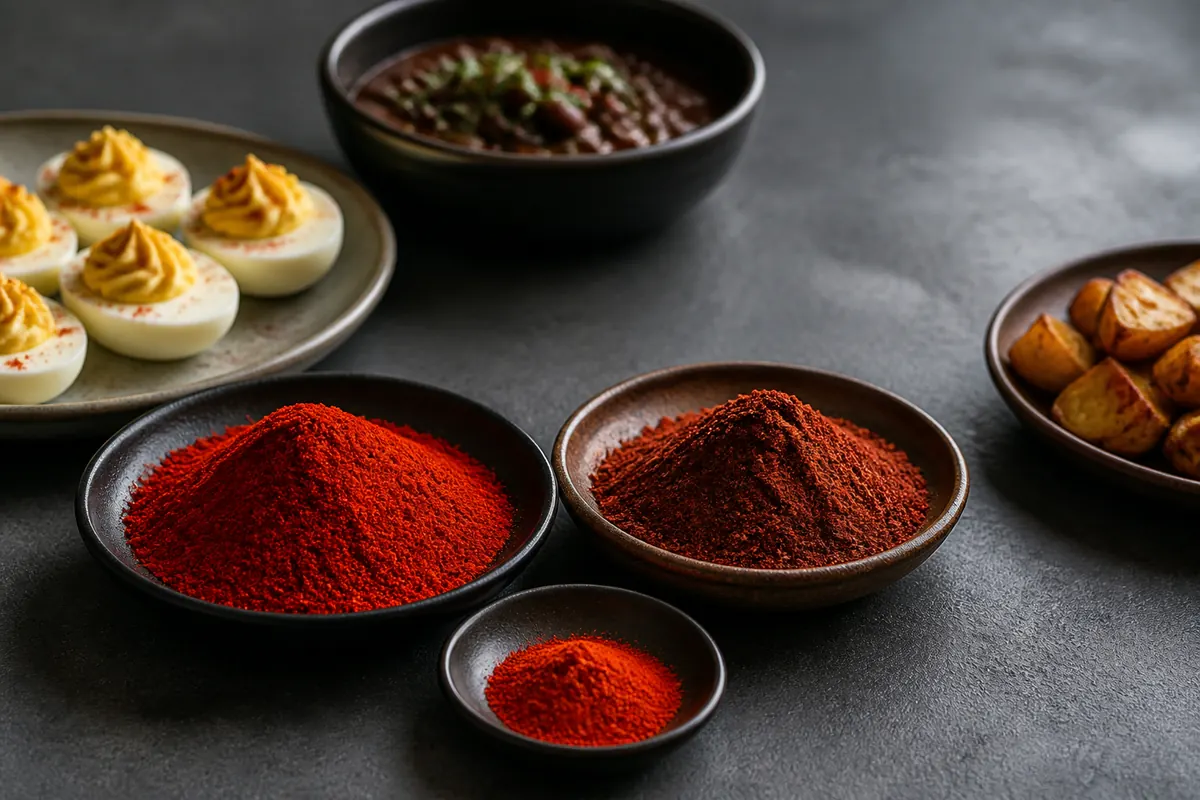
A recipe for deviled eggs may use sweet paprika mainly for a red surface and mild aroma, while a goulash or paprikash depends on enough powder to shape the sauce itself. A barbecue rub can welcome smoke that would make a cream sauce taste as though it came from a grill.
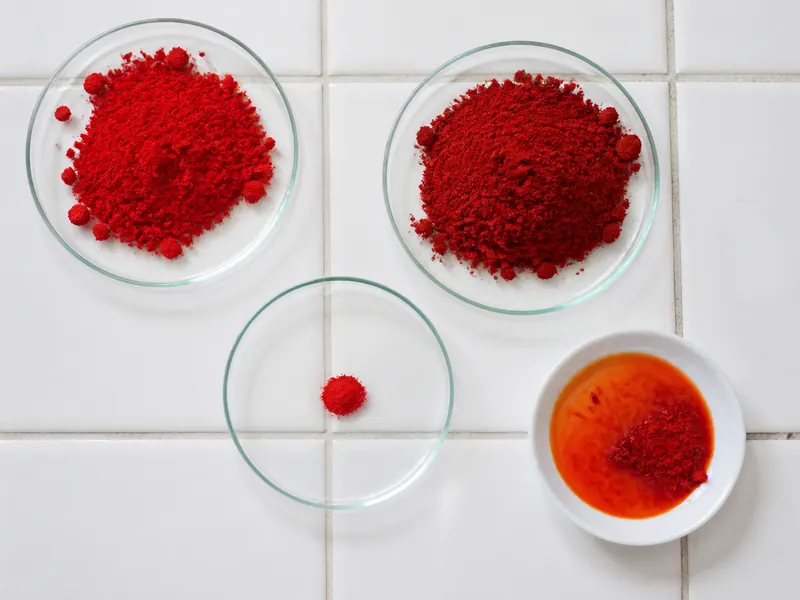
- Bright red powder: Color and mild pepper body.
- Deep red powder: Smoke or darker fruit.
- Tiny hot measure: Heat without matching bulk.
- Red oil: Pigment disperses through fat.
Check whether the recipe says sweet, Hungarian, hot, smoked, or Spanish paprika. When it says only paprika, the surrounding food provides the next clue.
Hungarian labels can describe several sweetness and heat grades. Spanish paprika can be sweet, bittersweet, hot, or smoked.
The country name alone does not settle the ratio.
Eggs, pale sauces, chicken, and garnish usually need restraint because color and aroma stay exposed. Beans, beef, pork, roasted vegetables, and long stews can absorb a darker or smokier replacement, although they still cannot hide an extreme cayenne dose.
Do not assume a product labeled chili powder is a pure pepper powder.
In American stores, chili powder often means a seasoning blend containing ground chiles plus cumin, garlic, oregano, and sometimes salt. That mixture can work in chili or taco-style food, but it changes a Hungarian stew, sausage formula, or simple egg garnish in several directions at once.
When the jar gives no type, taste a damp pinch instead of swallowing dry powder. Stir a small amount into a spoon of warm water or oil, then judge smoke and heat after the powder hydrates.
Choose a Pure Pepper Powder That Fits the Missing Job
The three options below remain identifiable pepper powders with published ingredient profiles. Each one preserves a different part of paprika, so the best choice follows the dish rather than a universal ranking.
| Replacement | Start for 1 teaspoon paprika | Best fit | Dominant change |
|---|---|---|---|
| Smoked paprika | 1 teaspoon when smoke fits | Roasts, pork, beans, barbecue rubs | Clear wood smoke |
| Ancho chile powder | 1 teaspoon in dark savory food | Beans, chili, braises, meat rubs | Darker fruit and mild heat |
| Cayenne plus mild red powder | 1/8 teaspoon plus 7/8 teaspoon mild powder | Hot stew, spicy sauce, heat-forward rub | Sharper heat |
1. Smoked Paprika When Smoke Belongs in the Dish
Use one teaspoon smoked paprika for one teaspoon sweet or hot paprika in roast potatoes, pork, beans, barbecue rubs, grilled vegetables, and dark stews where a wood-smoke note supports the food.
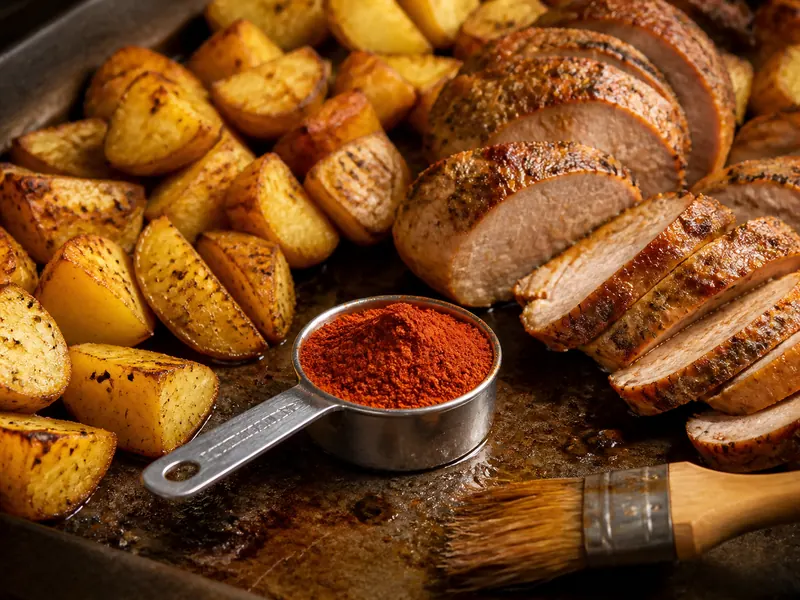
- Red spoon: One-to-one volume start.
- Browned potatoes: Smoke supports crisp roast flavor.
- Sliced pork: Rich meat carries the darker aroma.
The ratio replaces powder volume and red color, but it does not make the aroma neutral. Smoke remains noticeable after simmering and becomes especially clear when the dish contains dairy, eggs, white beans, or mild fish.
A half-teaspoon is the safer first move for deviled eggs, mayonnaise dressing, cream sauce, or a final garnish.
Add smoked paprika near other dry spices in a rub so it distributes before touching damp meat. In a stew, stir it through softened onion and fat briefly, then add liquid before the powder darkens.
For roasted vegetables, mix the powder with oil before coating the tray. Dry smoked paprika scattered over wet vegetables can form concentrated bitter patches instead of an even red surface.
Smoked paprika may also carry heat, so read whether the jar says sweet, bittersweet, or hot.
A hot smoked product replacing sweet paprika changes two axes at once. Use less, then restore missing red color with a mild pure pepper powder rather than increasing the smoky jar.
Cold potato salad and mayonnaise hold smoke at the surface for every bite, which makes half a teaspoon a more informative test than seasoning the full bowl at once.
2. Ancho Chile Powder for Mild Heat and Dark Fruit
Choose ancho chile powder for beans, chili, beef braises, dark sauces, and meat rubs where a brown-red color and dried-fruit depth fit naturally.
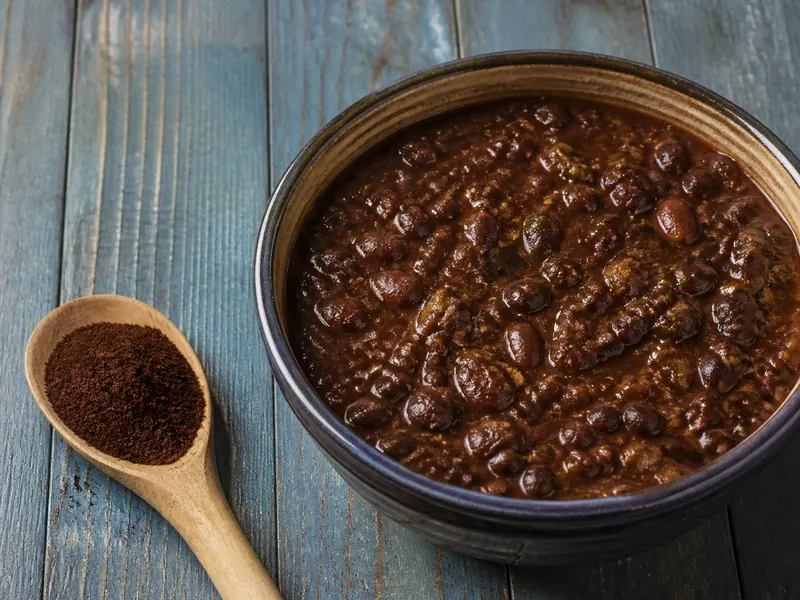
- Ancho spoon: Mild fruit and gentle heat.
- Dark beans: Accept brown-red color.
- Deep sauce: Supports a longer pepper finish.
Ancho is the dried form of ripe poblano pepper and usually tastes fruitier and earthier than sweet paprika.
Start one to one in a dark savory dish, then taste before adding the recipe's other chile. Ancho is mild by chile standards but it is not heat-free, and its low warming note can build when the recipe uses several tablespoons.
Pros
- Pure pepper powder without the cumin and garlic found in many chili blends.
- Mild enough for beans, beef, pork, mole-like sauces, and slow braises.
- Provides useful red-brown body and dried-fruit depth.
Cons
- Darker and browner than bright sweet paprika.
- More identifiable fruit and earth in eggs or cream.
- Not a close garnish color for deviled eggs or pale potatoes.
Use three-quarters teaspoon instead of a full teaspoon when the food is lightly seasoned or pale. The smaller start leaves room to correct color or warmth after the ancho has cooked into the base.
Ancho works well in a dry rub when meat will brown, because the darker powder joins the crust. It is less suitable for dusting over hummus, eggs, cottage cheese, or finished potatoes where people taste the powder before it hydrates.
Whole ancho pieces ground at home must be dry and brittle before processing, and the powder should be sifted for rubs.
Large leathery flakes do not distribute like fine paprika and may scorch at the surface. Measure the finished powder rather than converting one whole chile into an assumed teaspoon amount.
Ancho powder also absorbs sauce moisture as it cooks, so judge its dark fruit after several minutes rather than adding a second spoon while the first still tastes dry.
In tomato-free beans, the powder's brown-red cast becomes the main sauce color, which can look intentional in a braise but muddy in a pale soup.
3. Cayenne Only When Heat Is the Main Job
Use one-eighth teaspoon cayenne plus seven-eighths teaspoon of a mild pure red pepper powder for one teaspoon hot paprika. If no mild red powder is available, use only the one-eighth teaspoon cayenne for heat and accept that the recipe will lose paprika's powder volume, sweetness, and some red color.
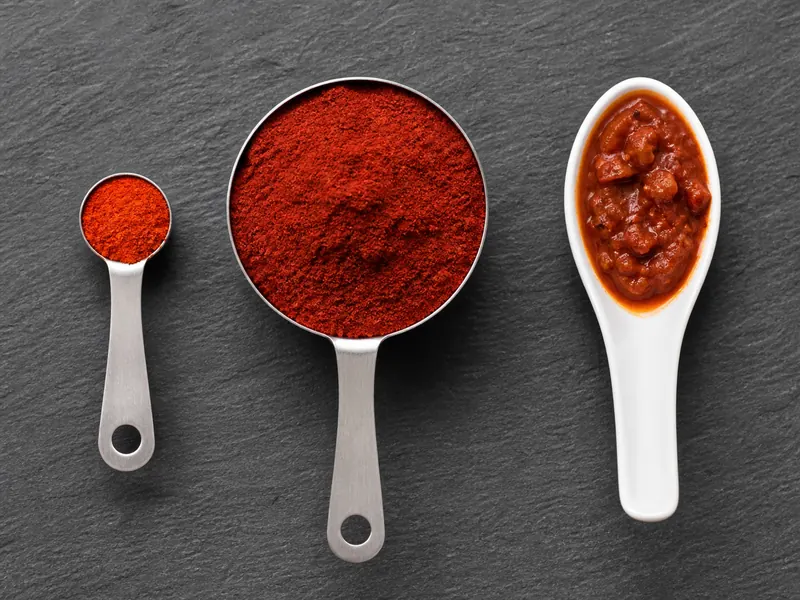
- Tiny cayenne: Sharp heat correction.
- Large mild measure: Red color and pepper body.
- Stew sample: Cooked test before scaling.
Cayenne is much hotter than sweet paprika and is usually sharper than hot paprika, so it cannot replace a full teaspoon by itself.
The mild portion of the mixture controls distribution as well as flavor. A tiny cayenne pinch spread through nearly a teaspoon of mild powder is less likely to form one intensely hot spot in a rub, sausage mixture, or dry seasoning.
- 1. Measure seven-eighths teaspoon mild pure red pepper powder into a small dish.
- 2. Add one-eighth teaspoon cayenne and stir until no dark red streaks remain.
- 3. Cook the mixture in a spoonful of the recipe base.
- 4. Let the sample cool enough to taste safely.
- 5. Increase cayenne by a small pinch only when the finished dish needs more heat.
Judge cayenne after it has dispersed in fat or liquid, because tasting dry powder exaggerates the first contact and does not show how the full dish carries heat.
Do not use the mixture as a dry garnish on deviled eggs or pale dip until it has been tested. The cayenne remains exposed on the tongue when no cooking liquid distributes it.
A dish with fresh chiles, hot sauce, black pepper, or another cayenne dose may need no added heat at all.
In that case, use a mild red powder alone for paprika's color and bulk. Replacing the visual job does not require recreating heat the recipe already gets elsewhere.
When no mild red powder exists, dissolve the cayenne in the recipe fat or liquid before adding it so one tiny dry clump cannot create a concentrated hot bite.
A creamy sauce may seem to mute cayenne at first, but each additional pinch remains in the batch and becomes clearer after the food cools.
When the mixture is too hot, add more unseasoned food rather than sugar. Sugar changes the dish and may only distract from capsaicin, while dilution lowers the hot powder in every serving.
Match the Substitute to Pale Food, Rubs, Stews, and Garnishes
Pale food reveals red color, dark flecks, and smoke immediately. Use a mild pure pepper powder when available, or start with half the proposed smoked paprika or ancho amount in eggs, cream sauce, chicken, white fish, potatoes, and light dips.
A dry rub concentrates heat at the food's surface and loses no spice into cooking water.
Blend cayenne through the full rub before it touches meat, and count every other hot ingredient. Smoked paprika can work one to one when the meat will roast or grill, while ancho gives a darker crust with less smoke.
Stews provide dilution and enough cooking time for ancho's fruit or smoked paprika's wood note to join onions, meat, beans, and tomato. They also reduce, so judge salt and heat near final thickness rather than at the first simmer.
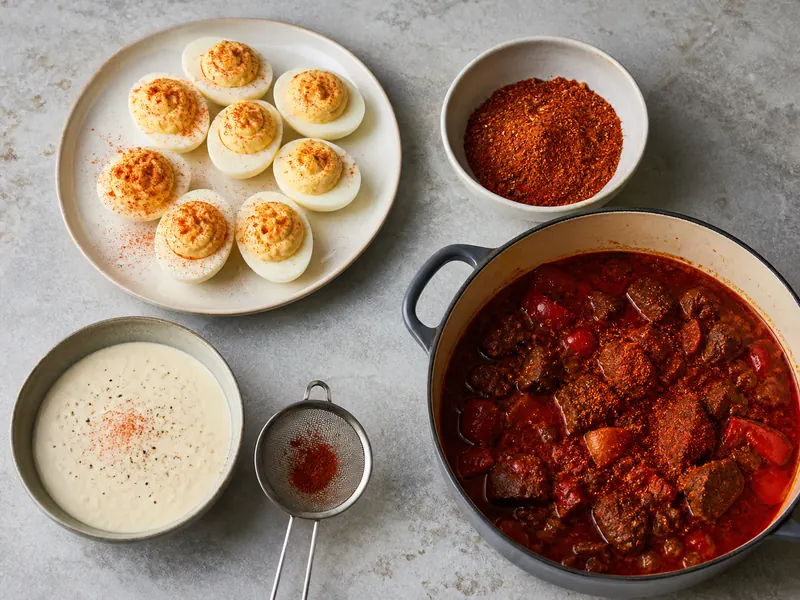
- Eggs: Color and dry aroma stay exposed.
- Rub: Heat concentrates at the surface.
- Stew: Liquid disperses powder before reduction.
- Cream sauce: Smoke and brown color stand out.
Garnish has no cooking stage to soften bitterness or sharp heat. Dust a tested powder through a fine sieve and stop as soon as the food gains the intended color.
Use the mildest available pure red powder, or half smoked paprika when smoke is welcome.
Smoked paprika for roast character, ancho for dark fruit, or diluted cayenne for heat.
Ancho or smoked paprika can cook into the base at a measured one-to-one start.
Begin below one to one because smoke and brown-red color remain obvious.
Favor mild powder and test the dry taste before dusting the full plate.
Sausage and meat mixtures need especially even distribution because the seasoning cannot be corrected after stuffing or shaping. Mix a small cooked test patty before seasoning the full batch.
The test reveals both heat and color in the actual fat level. A powder that seems mild in water can taste fuller when meat fat carries it across the palate.
For garnish, test the powder on one egg half or one spoon of dip and wait a minute, because dry heat and smoke arrive before the food can dilute them.
Bloom Briefly, Then Correct Color, Heat, and Smoke Separately
Paprika and its red-pepper substitutes release color into fat, but fine powder burns quickly on dry hot metal. Lower the heat, stir the powder through oil for several seconds, and add the next wet ingredient as soon as the fat turns evenly red and fragrant.
The oil should shimmer gently rather than smoke before the powder enters, since a smoking pan can scorch fine red pepper during the time it takes to reach for broth or tomato.
Measure the wet ingredient in advance and keep it beside the stove so the bloom ends on the visual cue instead of continuing while you open a can or fill a cup.
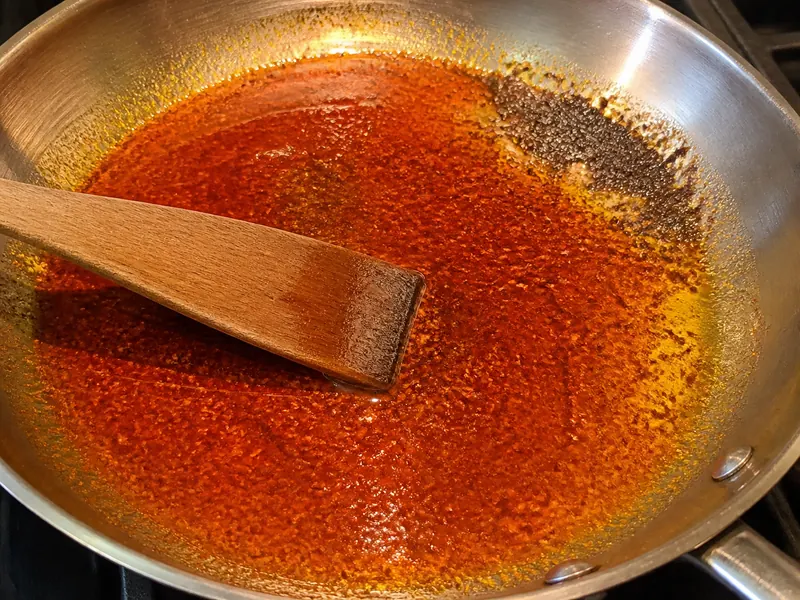
- Glossy red oil: Pigment has dispersed.
- Brief stirring: Keeps fine powder moving.
- Brown patch: Bitter scorched powder.
- Wet ingredient: Stops the dry frying stage.
McCormick Science Institute advises adding paprika toward the end because heat diminishes both color and flavor. That guidance is especially useful for garnish, eggs, and quick sauces, while a stew can divide the dose between the cooked base and a smaller late addition.
A brown or acrid smell means the powder has scorched.
Do not cover that bitterness with more paprika. Move the unburned food to a clean pan when possible, leave the dark sediment behind, and rebuild the spice in fresh oil at lower heat.
- Too paleAdd a mild pure red powder late, then give it enough moisture or fat to disperse.
- Too hotIncrease the unseasoned base, dairy, broth, beans, or vegetables according to the recipe.
- Too smokyDilute with the recipe base and stop adding smoked ingredients.
- Too brownUse a brighter mild powder rather than more ancho.
- Bitter after fryingTransfer away from scorched sediment and restart the spice step.
- Flat aromaAdd a small late dose after the long-cooked base is complete.
Correct one axis at a time. More smoked paprika raises color, pepper flavor, and smoke together, while more cayenne increases heat without restoring mild sweetness.
Acid can brighten a finished stew, but it does not remove smoke or capsaicin. Add lemon, vinegar, or tomato only when the dish already needs acidity rather than using it as a universal repair.
Keep red powders away from stove heat and steam after opening.
Paprika's vivid color and aroma fade during storage, and a larger spoon of stale powder cannot reproduce a fresh jar. Smell and inspect the powder before blaming the recipe or increasing the dose.