
Chipotle Powder Substitutes for Smoke and Heat
Choose smoke, heat, fruit, and texture separately, then scale the swap for the food in front of you.
The best all-purpose chipotle powder substitute is three-quarter teaspoon smoked paprika plus one-eighth teaspoon cayenne for each teaspoon of chipotle powder. That measured pair restores smoke and moderate heat independently, which makes it easier to adjust chili, beans, sauces, marinades, and dry rubs without overshooting either one.
Five Chipotle Powder Substitutes Ranked by Smoke and Heat
Chipotle powder carries wood smoke, chile heat, dried-fruit sweetness, red-brown color, and a fine texture in one spoonful.
No single common powder reproduces all five jobs equally well.
The most reliable options either rebuild smoke and heat with two ingredients or deliberately preserve one trait while giving up another.
Start below equal volume on dry food because a thin crust presents spice more directly than a pot of beans does.
| Number | Substitute | Starting ratio for 1 tsp chipotle powder | Best use | Main correction |
|---|---|---|---|---|
| 1 | Smoked paprika and cayenne | 3/4 tsp + 1/8 tsp | Chili, beans, sauces, rubs | Add heat separately |
| 2 | Ancho chili and smoked paprika | 3/4 tsp + 1/4 tsp | Braises, mole-style sauces, marinades | Accept a milder finish |
| 3 | Smoked paprika | 3/4 tsp | Dry rubs, roasted vegetables, eggs | Keep mild or add cayenne |
| 4 | Ancho chili | 1/2 tsp | Beans, braises, dark sauces | Accept the missing smoke |
| 5 | Chili flakes and paprika | 1/4 tsp + 1/2 tsp | Tomato sauce, soup, coarse rubs | Grind for even texture |
These are starting ratios for pure, salt-free spices.
A commercial seasoning that contains salt, sugar, garlic, or other flavorings is a different product and should not be measured as pure chipotle powder.
Use the label as a concentration check before using the table.
A jar that lists salt first may need to replace both the chipotle and part of the recipe salt, while a pure ground chile changes only flavor and heat. This distinction matters most in rubs and reduced sauces because neither gives you much unseasoned liquid for correction.
1. Smoked Paprika and Cayenne
Combine three-quarter teaspoon smoked paprika with one-eighth teaspoon cayenne for each teaspoon of chipotle powder. This is the best overall replacement because smoke and heat stay on separate controls.
Smoked paprika supplies the wood-fired aroma and red color, but most versions are much milder than chipotle. Cayenne closes that heat gap without forcing you to add another full spoonful of smoked powder.
The pair is especially useful in a wet pot, where you can stir, simmer, and taste again.
In a dry rub, reduce the cayenne to a small pinch because it remains concentrated on the food's surface.
Add the cayenne last when the recipe already includes another hot chile.
For a pound of ground meat, mix the smoked paprika through the whole batch and cook one teaspoon-sized patty before adding cayenne. The browned test exposes surface heat more accurately than raw meat or an uncooked rub.
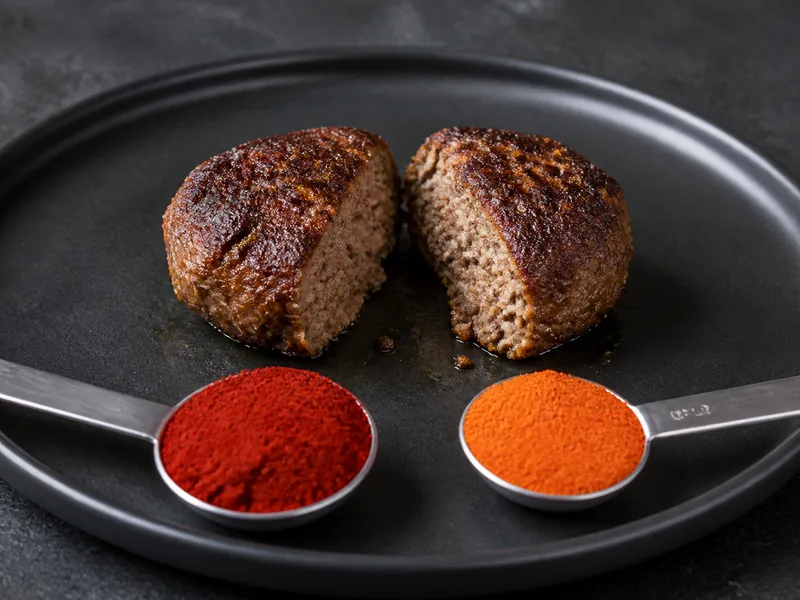
- Separate powders: Smoked paprika and cayenne remain independent adjustments.
- Cooked sample: Browning reveals the heat delivered at the food's surface.
- Small batch: One patty protects the rest of the meat from an overly hot ratio.
- No equal-volume guess: The brighter cayenne stays at the smaller starting amount.
Acid can make a moderate dose feel brighter without reducing the amount of capsaicin. If a tomato sauce seems hotter after it sharpens, dilute the sauce instead of trying to cancel the burn with more smoke.
This separation also gives you a clean mild version for people who want smoke without much heat. Use the smoked paprika alone, then pass hot sauce at the table rather than making the entire batch hotter.
2. Ancho Chili and Smoked Paprika
Mix three-quarter teaspoon ancho chili with one-quarter teaspoon smoked paprika for each teaspoon of chipotle powder. Choose this pair when dark chile fruit matters more than a forceful burn.
Ancho can suggest raisin, plum, or dried cherry, depending on the jar and the food around it. Smoked paprika adds the missing fire-cured aroma without covering that fruit with excessive heat.
This option works well in a long sauce because both powders soften into the liquid.
It is less convincing on a plain grilled surface, where chipotle's sharper heat would normally arrive before the sweeter chile flavor.
Do not increase the smoked paprika merely because the blend tastes mild. More smoke does not restore heat, and too much can make the sauce taste ashy.
Raise cayenne separately only when the dish needs it.
In beans, add the ancho component early enough to hydrate and reserve the smoked paprika until the last third of cooking. That order keeps the fruit integrated while preserving more of the smoke aroma.
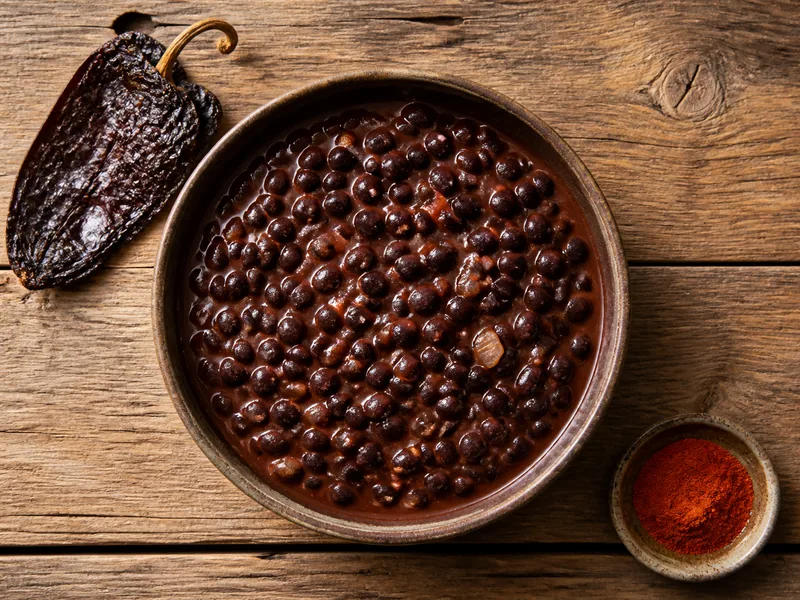
- Broad ancho pod: The dried poblano identifies the fruit-first base.
- Moist beans: A wet dish gives the powder time to hydrate and disperse.
- Separate paprika: Smoke can enter later without adding more ancho.
- Dark sauce: The blend suits braises and beans better than a plain grilled surface.
A marinade follows the opposite risk pattern because most of it may be discarded before cooking. Season the food rather than judging the leftover liquid, and do not double the powder merely because the raw marinade smells quiet.
3. Smoked Paprika
Use three-quarter teaspoon smoked paprika for each teaspoon of chipotle powder when smoke and color matter but heat does not. It is the simplest one-jar option for roasted vegetables, eggs, mild sauces, and family-style dry rubs.
Read the label before measuring. Sweet, hot, and smoked paprika are not interchangeable names, and a jar marked only paprika may supply color without any smoke.
On potatoes or cauliflower, three-quarter volume gives useful color without coating every edge in powder. Oil distributes the aroma, so toss thoroughly before deciding that more is needed.
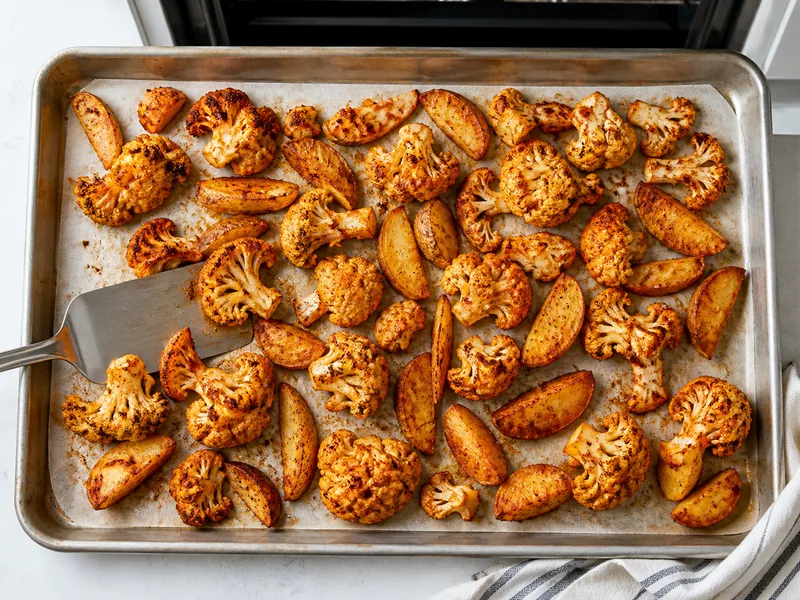
- Even coating: Fine paprika reaches the vegetable surfaces without gritty flakes.
- Browned edges: Exposed powder needs attention near the end of roasting.
- No cayenne: The dish stays mild while retaining smoke and red color.
- Oil film: Thorough tossing spreads aroma before you decide to add more.
In scrambled eggs, begin with one-half volume. Eggs expose smoke quickly because there is little acidity or long simmering to soften it.
Leaving the dish mild can be the correct decision. A substitute should serve the people eating it, not chase an abstract flavor match at any cost.
Smoked paprika varieties also differ in intensity.
Open a new jar beside the food. Begin with one-half teaspoon when its aroma reaches you immediately because a forceful smoke note can become bitter during roasting.
Watch the last minutes of high-heat cooking.
Powder sitting on an exposed vegetable edge can darken faster than powder suspended in sauce, so turn or toss the food before that coating scorches.
4. Ancho Chili
Start with one-half teaspoon ancho chili for each teaspoon of chipotle powder in beans, braises, and dark sauces.
It preserves dried-chile fruit and a deep red-brown color while moving the result away from smoke.
Ancho is a deliberate compromise rather than an incomplete version of chipotle. Use it when the food already has char from a grill, roasted vegetables, or deeply browned meat and therefore does not need another smoky signal.
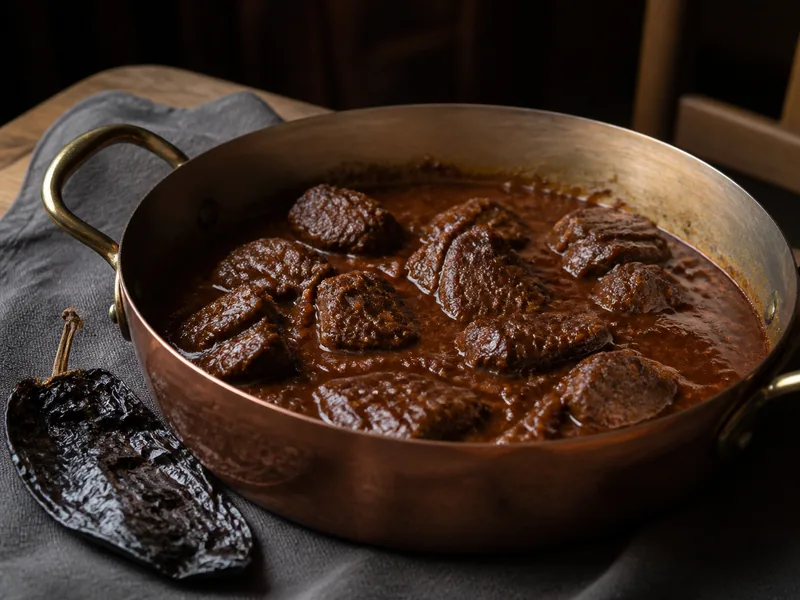
- Broad dried pod: Ancho is a dried poblano rather than a smoke-dried jalapeño.
- Dark sauce: Its fruit integrates well with browned meat and long cooking.
- Gentle heat: The braise can reduce without starting from chipotle's stronger burn.
- No smoke cue: This is an intentional flavor change, not an exact match.
Its mildness also helps in a sauce that reduces for a long time. The fruit becomes rounder while chipotle heat would have remained present and might have concentrated past the intended level.
Do not add liquid smoke as an automatic correction. It supplies no chile body and can dominate a small pan with only a drop.
If ancho seems dull in a long braise, first check salt and reduction rather than adding another large dose. A watery sauce hides dried-chile fruit, and reducing the liquid may reveal the amount already present.
Whole ancho also needs a different conversion from ground powder. Toasted, soaked, and blended chile brings water and pulp, so it belongs in a recipe adjustment rather than the teaspoon table above.
5. Chili Flakes and Paprika
Finely grind one-quarter teaspoon chili flakes and combine them with one-half teaspoon paprika for each teaspoon of chipotle powder.
Use this fallback in tomato sauce, soup, chili, or a coarse-textured rub when the pantry has neither smoked paprika nor ancho.
Paprika restores powder volume and red color. The flakes carry heat, but their seeds and skin fragments do not disperse as evenly as chipotle powder.
Grind the flakes before they enter a smooth sauce. If they remain coarse, one spoonful can taste quiet and the next unexpectedly hot.
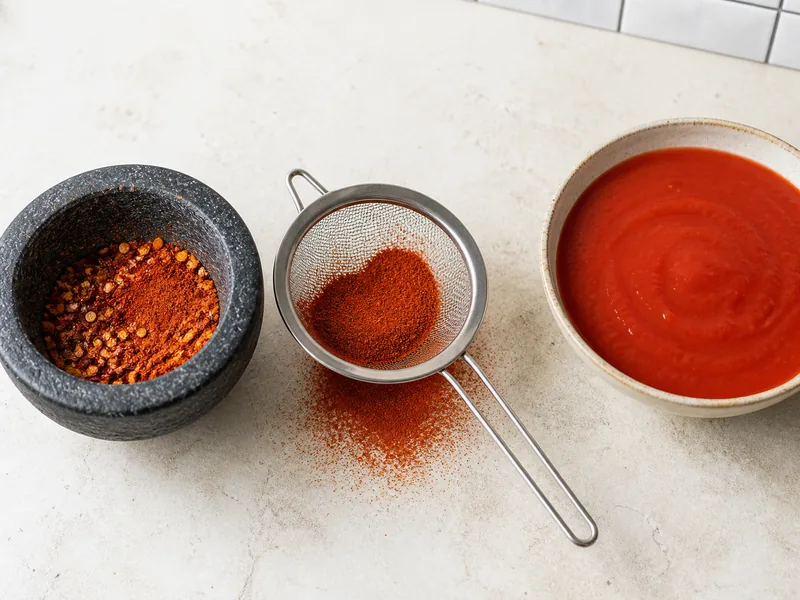
- Coarse flakes: Seeds and skin create uneven pockets of heat.
- Mortar stage: Grinding narrows the particle-size difference.
- Fine sieve: Removing larger fragments protects a smooth texture.
- Plain sauce: The final surface makes any missed flakes easy to notice.
The exact heat depends on the flakes, so begin with half of the listed flake amount when the jar is unfamiliar. You can add more after the liquid has simmered for five minutes and the pieces have hydrated.
Accept that this combination tastes like unsmoked red chile. It is useful because it preserves heat, color, and pantry convenience, not because it imitates chipotle closely.
Texture becomes the deciding issue in a butter, mayonnaise, or thin pan sauce. Grind the flakes to a powder in a mortar, then pass them through a small sieve if visible skin pieces would feel gritty.
In soup, that extra work may be unnecessary because simmering softens the flakes and the dish already contains varied textures. Let the intended surface decide how fine the substitute must be.
What Chipotle Powder Contributes Before You Replace It
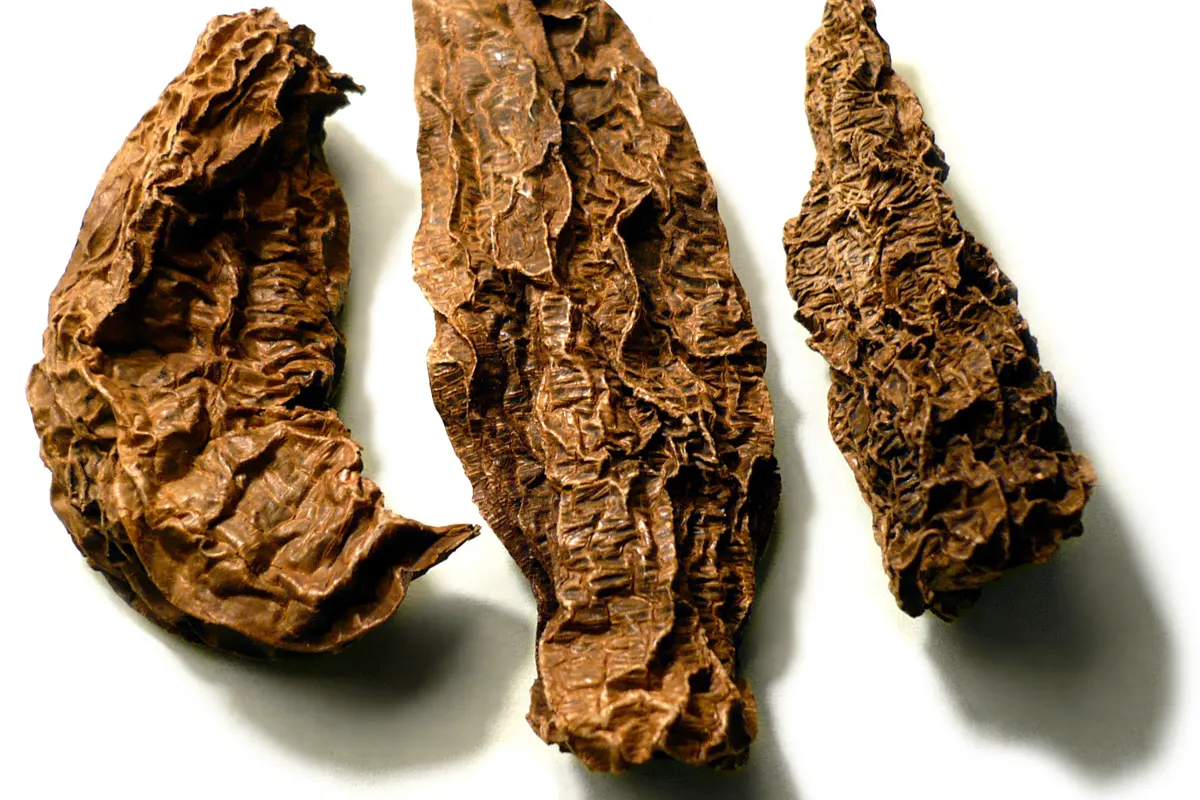
Chipotle is a smoke-dried ripe jalapeño.
Drying concentrates the fruit while smoke deposits aromatic compounds on its wrinkled surface.
Grinding spreads both signals through food more evenly than chopped chile pieces.
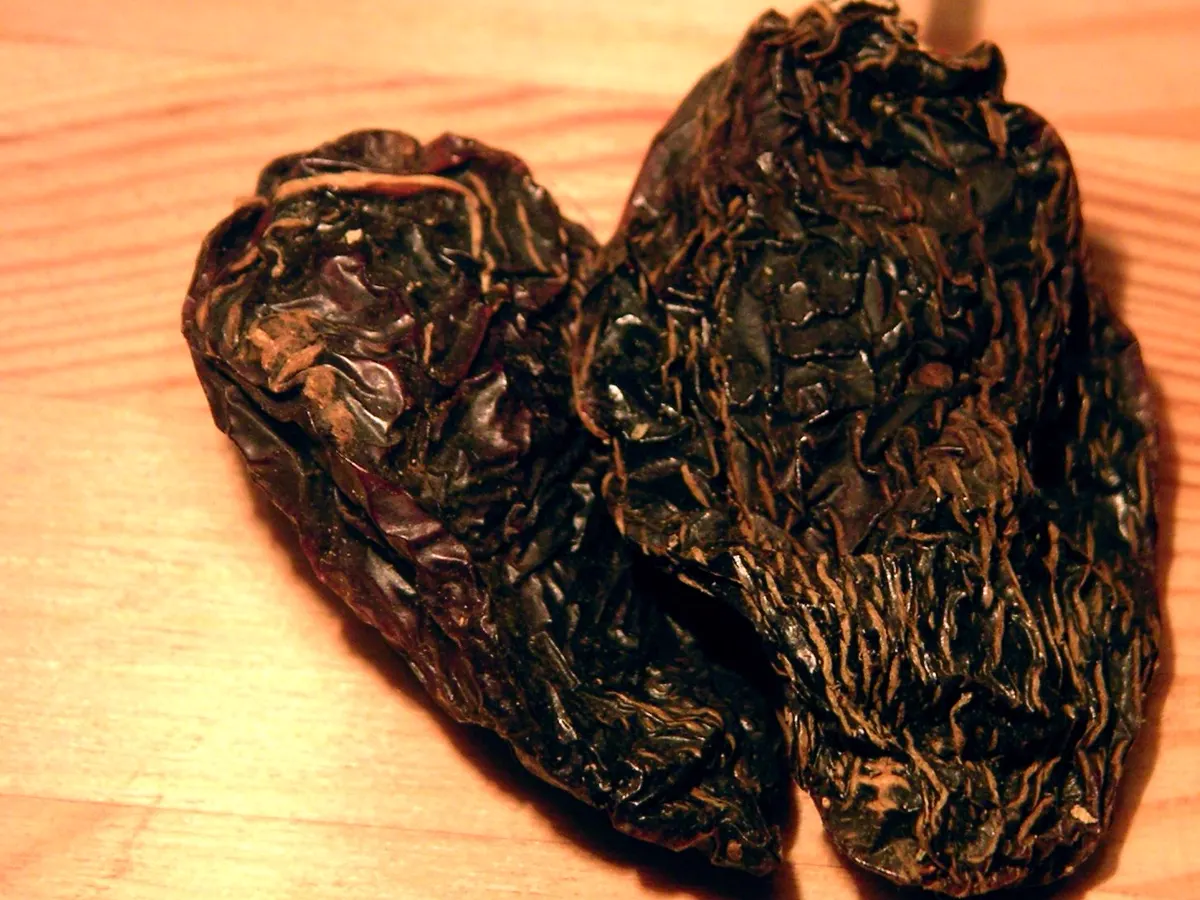
- Dark skin: Smoke drying and ripening create a deeper brown-red appearance than ordinary sweet paprika.
- Wrinkled flesh: Water loss concentrates the chile before it is ground.
- Fine powder: Grinding removes the large pieces that would otherwise create uneven bites.
- Two controls: Smoke and heat can be rebuilt separately when the whole ingredient is unavailable.
Before choosing a substitute, decide which signal the recipe would miss first. A barbecue rub may need smoke, while a dark sauce may rely more on chile fruit and moderate heat.
Taste the base before seasoning it.
Charred vegetables, bacon, a wood grill, or a deeply browned crust may already supply enough smoky aroma. Adding a full smoke-focused replacement can stack the same signal twice.
A pale bean soup has no such support and exposes the missing smoke more clearly.
Color is the easiest trait to fake and the least useful one to judge alone. Paprika can make a sauce look correct while leaving it flat, and cayenne can make it hot while leaving it unsmoked.
Smell a pinch in your palm, then taste the food without it. That quick separation tells you whether the missing job is aroma, heat, or dried-chile body.
Fat carries smoke aroma efficiently.
The same amount therefore smells stronger in cheese dip or an oily marinade than in a lean broth. Give a fatty mixture several minutes before deciding that the first addition disappeared.
Heat perception has its own timing.
A quick taste catches smoke first. Cayenne can build after swallowing, so pause before making the second adjustment.
If the recipe already includes oil, meat fat, or cheese, use the lower smoked-paprika amount first. The finished aroma will travel farther than it does in a lean broth.
Wet Dishes Give You Room to Correct in Stages
A pot of chili or beans gives you liquid, bulk, and time to distribute a substitute. A glaze loses water as it cooks, while a dry rub stays concentrated on a thin surface that reaches the tongue first.
One ratio cannot behave identically in all three places.
Texture and bloom timing change the result as much as the measured amount.
Fine powder releases aroma quickly in warm oil and coats a dry surface evenly. Coarse flakes hydrate slowly, create local hot spots, and need either extra simmering time or grinding before they can stand in for chipotle powder.
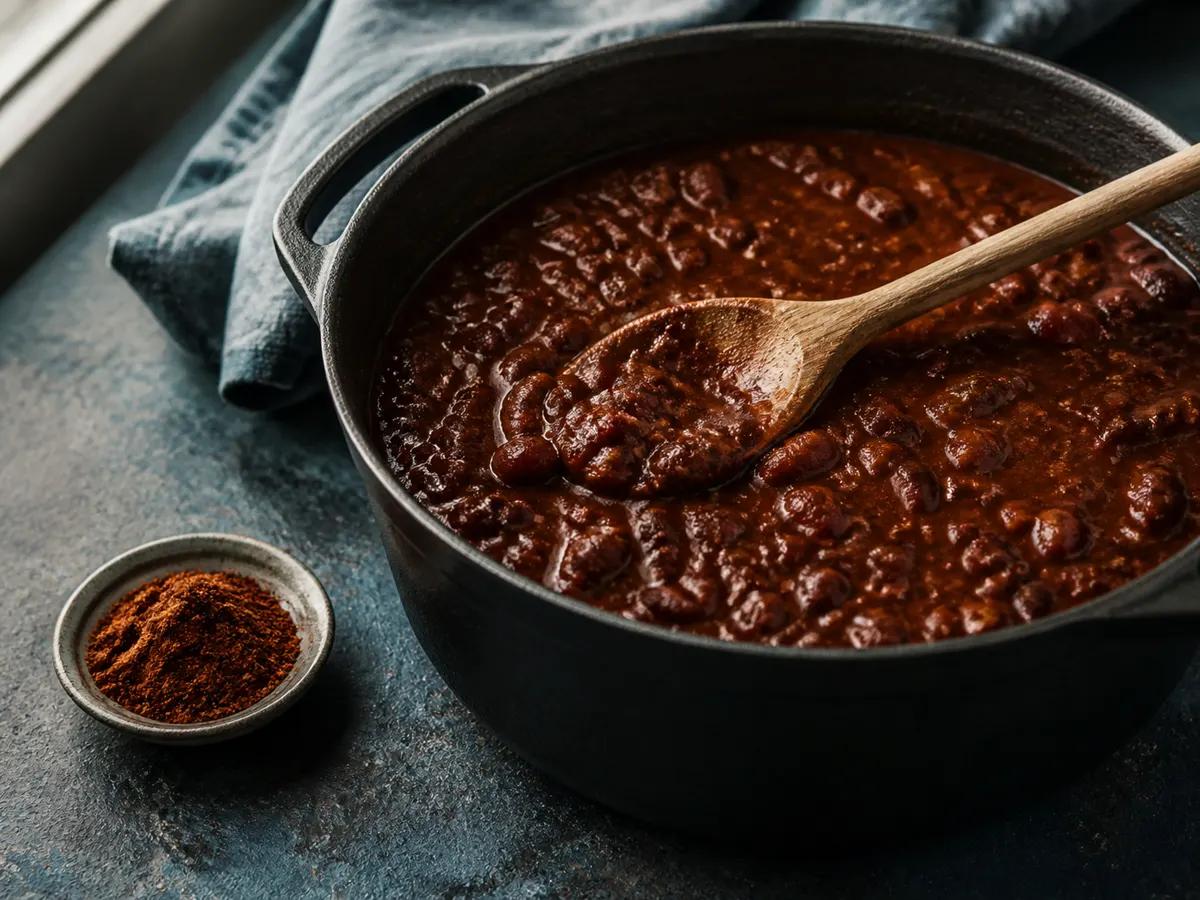
- Wet pot: Start with half to three-quarter of the planned amount.
- Glaze: Hold back cayenne until the sugar and liquid have reduced.
- Dry surface: Use less heat because every bite contacts the coating directly.
- Final taste: Cool one spoonful so steam does not hide smoke or exaggerate aroma.
- Chili and beansAdd the smoke component with the cooked base, then add the hot component after the liquid has circulated it.
- Barbecue sauce or glazeReduce first, because sugar, smoke, salt, and heat all become stronger as water leaves.
- Dry rubCut the cayenne portion by half for a thin piece of food, then cook one test piece before seasoning the full batch.
- SoupAdd the substitute early enough for coarse chile to hydrate, but reserve a pinch for the final aroma check.
- Dip or spreadMix below the target amount and rest for ten minutes because fat carries smoke and the powder continues to hydrate.
Blooming a small sample reveals raw bitterness and excessive smoke before either spreads through the dish.
Keep the temperature moderate because fine chile powder scorches quickly.
Ten seconds is an observation window, not a universal cooking time.
Pull the pan earlier when the oil is already hot or the powder is very fine, and give a coarse flake mixture a few seconds longer only at low heat. The useful signal is a fuller aroma without black specks or a burnt smell.
- Warm one teaspoon of the recipe's cooking oil over medium-low heat.
- Add one measured pinch of the proposed substitute and stir for ten seconds.
- Remove the pan as soon as the aroma opens, before the powder darkens.
- Mix the bloomed pinch into one tablespoon of the food or sauce.
- Cool the sample briefly, then judge smoke first and heat second.
If the sample tastes bitter, discard it rather than adding sweetness. Scorched chile stays bitter, and sugar only creates a sweet bitter sauce.
If it tastes smoky but quiet, add cayenne rather than another spoonful of smoked paprika. When it burns before the smoke registers, add more unseasoned food or choose the ancho-based option for the next batch.
Ancho Preserves Fruit but Not Wood Smoke
Whole ancho pods are broad and dark, while chipotles are smaller, denser, and visibly wrinkled from smoking.
Once both are ground, their similar brown-red color hides a major processing difference.
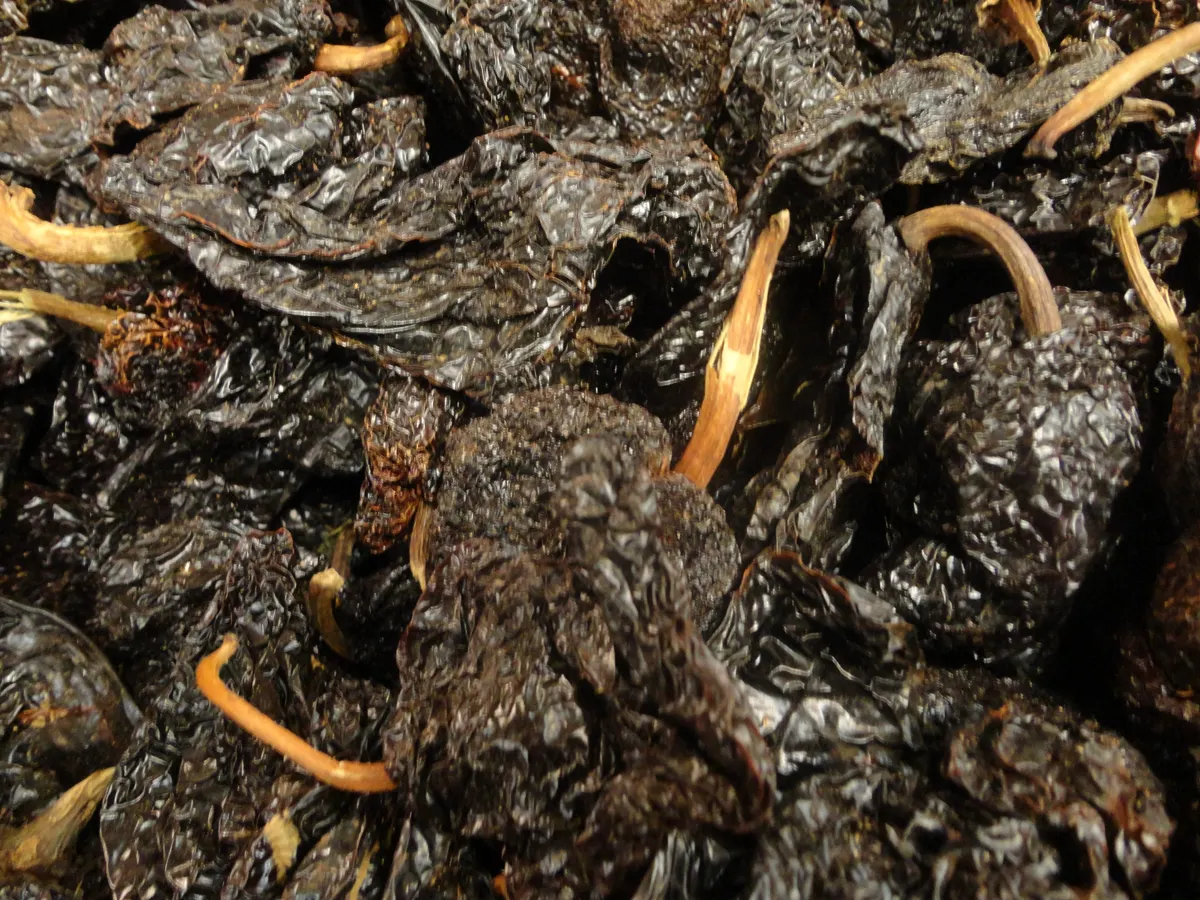
- Broad pods: Ancho has a wider, flatter shape than smoke-dried jalapeño fruit.
- Fruit first: Its flavor often reads as raisin-like or plum-like in a cooked sauce.
- Mild heat: It gives room to add cayenne separately when needed.
- No hidden smoke: Ordinary drying does not perform the same job as smoke drying.
Choose ancho alone in a braise with deeply browned meat or fire-roasted vegetables. Those cooked surfaces already provide a charred direction, so a second smoke signal may be unnecessary.
For a marinade that will hit a grill, ancho can also be enough. Actual flame and browning contribute aromas that a stovetop sauce lacks.
In a cold dip, the missing smoke is much more obvious because no cooking step replaces it. Use the smoked-paprika pair or wait for chipotle when the dip contains only a few ingredients.
Ancho makes more sense in a cooked dark sauce where its fruit can merge with browned food.
The visible pod comparison is a choice cue rather than proof that two dark powders perform the same job.
Some Recipes Need Actual Chipotle
Substitution is safest when chipotle powder is one supporting teaspoon inside a large pot. It becomes less convincing as the recipe grows simpler and chipotle moves into the name, aroma, and first taste of the dish.
Chipotle sauce, chipotle mayonnaise, and a minimal chile butter expose every missing trait.
The smaller the ingredient list, the less room there is for a replacement to hide.
A large stew can absorb a modest change in smoke or fruit because meat, beans, vegetables, and cooking liquid create other signals. In a three-ingredient spread, the chile is the structure as well as the seasoning.
- Count the other flavors: A busy stew can absorb a measured compromise more easily than a three-ingredient sauce.
- Identify the first aroma: If smoke must arrive before every other note, use a smoked ingredient or postpone the dish.
- Check the physical form: Coarse flakes remain visible in smooth sauce and can create hot pockets.
- Protect the salt and acid balance: Adobo sauce adds moisture, salt, acid, and often sweetness, so it is not a spoon-for-spoon powder replacement.
- Test one portion: A dry rub is cheap to test on one piece and difficult to remove from an entire roast.
Skip the swap when the recipe is designed to teach, compare, or showcase chipotle itself. A substitute may still taste good, but it cannot show what smoke-dried jalapeño contributes.
You can also change the dish deliberately. An ancho sauce, a smoked-paprika rub, or a cayenne-hot soup can each be successful when you stop presenting it as chipotle flavored.
The practical boundary is simple.
Substitute when the recipe needs a background job, and find actual chipotle when its smoke, fruit, and heat define the result.