
Which Ginger Substitute Works for Fresh and Ground Forms?
Match wet rhizomes to savory food and dry warm spices to baking before measuring a substitute.
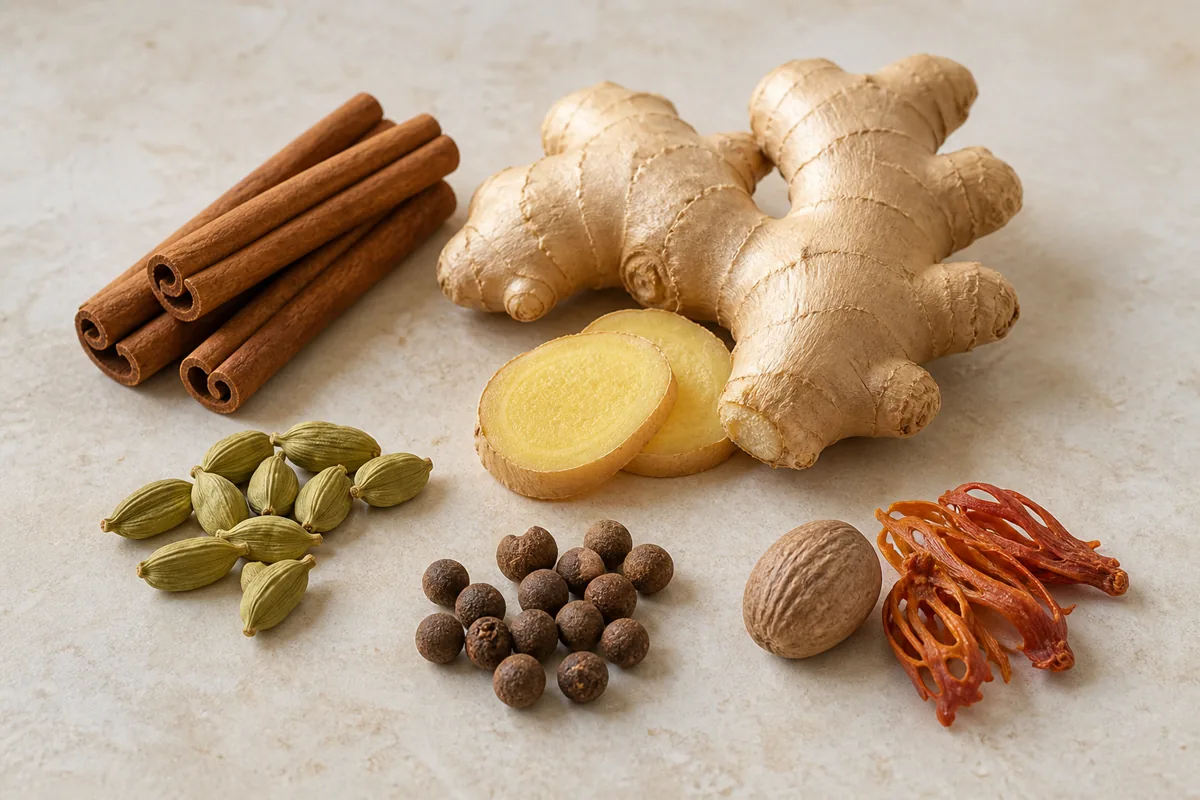
Ground ginger can replace fresh ginger in wet cooked food at 1/4 teaspoon per tablespoon, while galangal or turmeric better preserve a fresh rhizome form. For baking, use a smaller amount of allspice, mace, or cardamom rather than adding wet pulp.
6 Ginger Substitutes Split by Form
Ground ginger is the quickest replacement for fresh ginger in a wet cooked dish, but it cannot supply juice, fibers, or a bright raw bite.
Galangal and turmeric are better fresh-form choices for savory food, while allspice, mace, and cardamom belong to baking.
Confirm which form the recipe names before measuring anything.
These six numbered options separate fresh-form replacements from dry baking spices. One tablespoon of grated fresh ginger and one teaspoon of ground ginger do not perform the same job, so they cannot share one replacement list or one universal ratio.
| Number | Substitute | Starting ratio | Best use |
|---|---|---|---|
| 1 | Ground ginger | 1/4 tsp per 1 tbsp fresh | Sauce, braise, baking |
| 2 | Galangal | 2 tsp per 1 tbsp fresh | Curry, soup, stir-fry |
| 3 | Fresh turmeric | 1 tbsp per 1 tbsp fresh | Curry, lentils, aromatic base |
| 4 | Allspice | 1/4 tsp per 1 tsp ground ginger | Cake, cookie, fruit |
| 5 | Mace | 1/2 tsp per 1 tsp ground ginger | Custard, cake, pale sauce |
| 6 | Green cardamom | 1/4 tsp per 1 tsp ground ginger | Chai, fruit, baking |
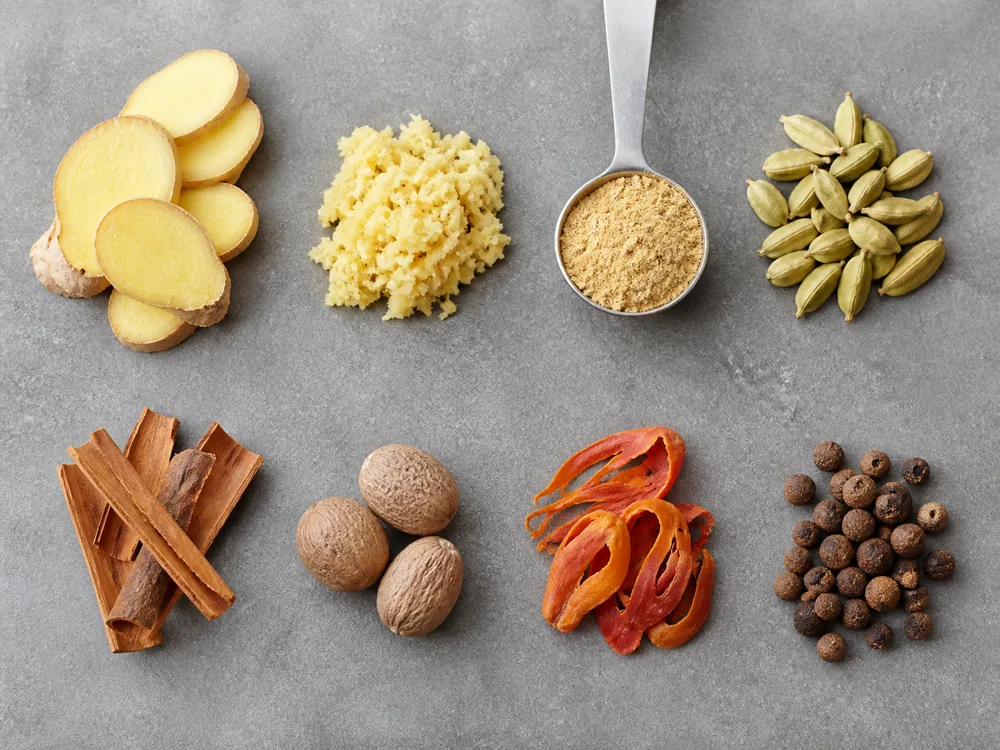
- Fresh side: Galangal and turmeric change a savory aromatic base.
- Dry side: Allspice, mace, and cardamom belong in baking.
- Same ingredient: Ground ginger gives ginger warmth without fresh juice.
- First decision: Match the form before comparing flavor.
1. Ground Ginger
Use 1/4 teaspoon ground ginger for every 1 tablespoon grated or minced fresh ginger. Whisk it into liquid or another wet ingredient so the powder hydrates instead of forming hot dusty pockets.
This is the only substitute that keeps ginger's recognizable warm direction. Drying changes the sharper fresh-root character, however, so the result tastes rounder and sweeter with no crisp fibers or ginger juice.
Ground ginger works in braises, soups, sauces, marinades, and any cooked mixture where texture does not matter. Add it after the hottest dry-oil stage because fine powder scorches faster than moist grated root.
Do not use the conversion for julienned garnish, ginger juice, pickled ginger, or a raw dipping sauce.
The powder cannot create visible snap and may remain chalky when it never receives enough moisture or heat.
2. Galangal
Start with 2 teaspoons finely minced galangal for every 1 tablespoon fresh ginger. Cut the firm rhizome across the grain and mince it more finely than ginger so hard pieces do not remain in a dumpling filling or stir-fry.
Galangal supplies rhizome heat and a citrus edge, but its aroma is piney, peppery, and less juicy. It works in Southeast Asian curry, soup, braise, and hot aromatic bases that can accept that clear change of direction.
Add the mince at the original ginger stage and give it enough contact with fat or liquid to soften its surface. Thick galangal coins can also infuse broth, though they should remain visible or come out before serving.
Do not use galangal in gingerbread, cake, tea, or a raw grated garnish.
Increasing the amount makes the food more resinous without restoring fresh ginger's clean juice and familiar bite.
3. Fresh Turmeric
Use 1 tablespoon grated fresh turmeric for 1 tablespoon grated fresh ginger in curry, lentils, rice, or a savory aromatic base. Wear gloves or protect a pale board because the yellow pigment stains far more strongly than ginger.
Fresh turmeric matches the wet rhizome form and grates into a similar pulp. Its flavor is earthier, dustier, and more bitter, with less sharp heat and no direct ginger aroma.
Bloom it briefly with the other aromatics, then add liquid before the fine pulp catches. Black pepper or chile already present in the recipe can supply some missing heat, but neither should be increased automatically.
Avoid this swap in pale cream sauce, clear broth, white cake, lemonade, or any food where color is part of the expected result.
Once turmeric has colored the mixture, dilution can soften the yellow but cannot remove it.
4. Allspice
Use 1/4 teaspoon ground allspice for every 1 teaspoon ground ginger in cake, cookies, fruit filling, and warm drinks. Mix it through the dry ingredients before liquid enters so every bite receives the same small dose.
Allspice contributes cinnamon, clove, and nutmeg-like warmth rather than ginger heat. It can hold the warm-spice position in a recipe where ginger shares the stage with sugar, butter, fruit, or several other spices.
The quarter measure matters because allspice becomes clove-like as the dose rises. A full one-to-one swap can make a pale cake taste dark and medicinal before it begins to resemble the missing ginger.
Do not use allspice for fresh ginger in stir-fries, curry paste, dressing, or broth.
It solves a dry baking-spice problem and creates a new one when forced into a savory aromatic base.
5. Mace
Use 1/2 teaspoon ground mace for every 1 teaspoon ground ginger. Choose it for sponge cake, custard, cream sauce, fruit, or another pale preparation where cinnamon or allspice would add a darker clove direction.
Mace supplies warm, fragrant spice with a lighter color and a finer sweetness. It lacks ginger's peppery lift, so the food will taste softer and more rounded rather than sharp.
Add mace with flour or whisk it into warm dairy before the mixture thickens. Give the spice time to disperse because a visible pinch on finished food can taste woody and concentrated.
Stop at half volume in the first batch.
Mace can move from delicate to perfumed quickly, and adding black pepper later does not turn that floral warmth back into ginger.
6. Green Cardamom
Use 1/4 teaspoon ground green cardamom for every 1 teaspoon ground ginger in chai, fruit desserts, sweet bread, and fragrant cakes. Grind seeds from green pods when possible because old preground cardamom loses its high aroma rapidly.
Cardamom brings lemon, flowers, and eucalyptus instead of ginger's root warmth. It works when the recipe welcomes a brighter perfume and when other spices keep that perfume from standing alone.
Mix it into the dry spice portion or infuse lightly crushed pods in liquid and remove them. The pod method changes the measuring logic, so use one or two pods for a batch rather than spooning whole shells by ground volume.
Do not use cardamom in a neutral gravy, stir-fry, meat marinade, or recipe where ginger should provide heat without a recognizable floral note.
A small omission is cleaner than a strong cardamom redirect.
Fresh Ginger Swaps Must Replace Juice and Bite
Fresh ginger changes a savory dish through moisture as well as flavor. Grated pulp releases juice into marinades and sauces, while minced pieces create small bursts in a stir-fry or filling.
Galangal supplies a firm rhizome and turmeric supplies wet pulp, but neither recreates both the texture and heat. Choose galangal when piney citrus suits the cuisine, and turmeric when earthiness and yellow color already belong in the dish.
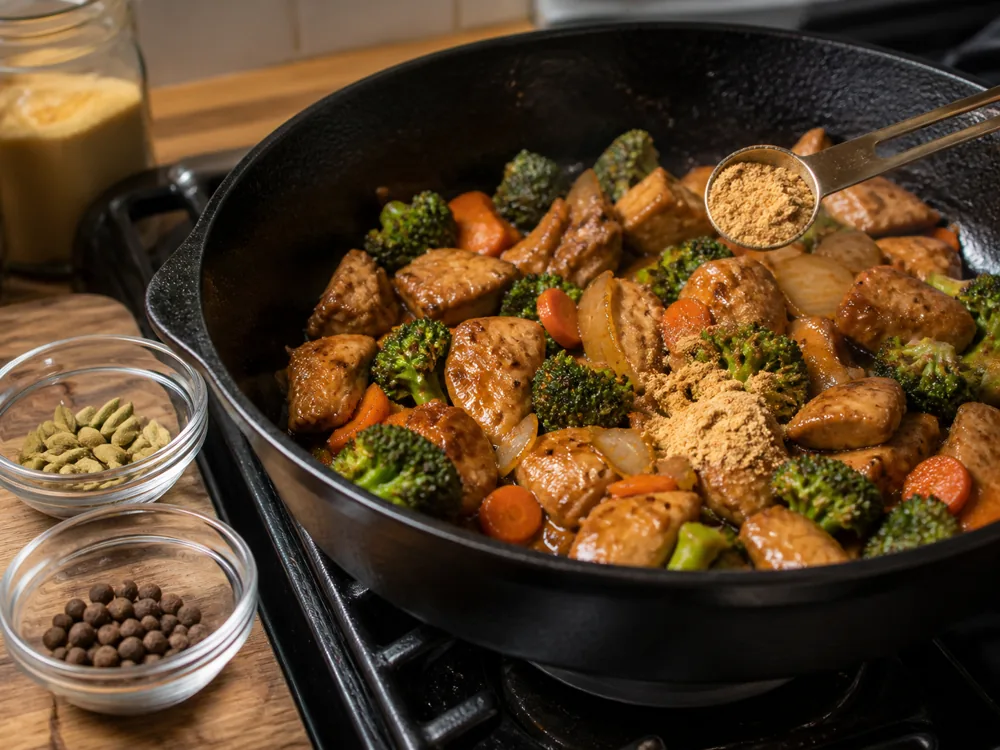
- Galangal: Mince across the grain and expect firmer pieces.
- Turmeric: Grate finely and expect immediate yellow color.
- Ground ginger: Add only after moisture can protect the powder.
- Hot pan: Keep the next wet ingredient ready.
Ground ginger can cover background warmth in a sauce but cannot replace a tablespoon of aromatic pulp by volume. Its quarter-teaspoon conversion is a concentration boundary, and another wet ingredient must carry the sauce texture.
- Stir-fry: Choose galangal when a piney rhizome fits the other aromatics.
- Curry or lentils: Choose turmeric when earthiness and yellow color already belong.
- Wet braise: Ground ginger can provide quiet warmth after hydration.
- Marinade: Keep the missing fresh juice in mind before judging thickness.
- Visible garnish: Wait for fresh ginger instead of using powder.
If the aromatic base looks dry after the swap, do not pour in random water while the oil is hot.
Add the recipe's next liquid a little earlier or use a small amount of its sauce ingredient to protect the spices.
Baking Swaps Need Dry Warmth
Ground ginger spreads through flour and survives the oven as a dry warm note. Allspice, mace, and cardamom can replace that role, but each one pulls the bake toward a different aroma family.
Use allspice where dark sugar, apple, pumpkin, or molasses can support clove-like depth. Use mace in a pale batter or dairy-rich filling, and use cardamom where citrus, pear, tea, or enriched bread welcomes flowers.
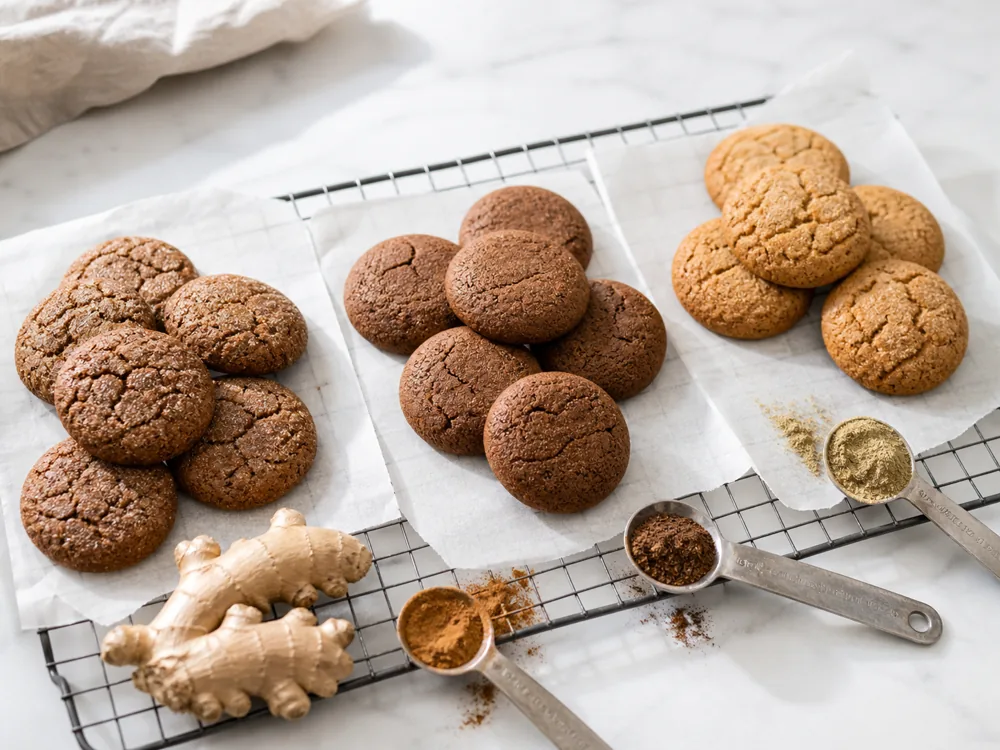
- Allspice test: Darker clove-cinnamon warmth.
- Mace test: Pale, soft, nutmeg-like fragrance.
- Cardamom test: Bright floral and citrus aroma.
- Small batch: Bake one spoonful before changing the full formula.
| Substitute | Use per 1 tsp ground ginger | Best partners | Main risk |
|---|---|---|---|
| Allspice | 1/4 tsp | Molasses, apple, pumpkin | Clove domination |
| Mace | 1/2 tsp | Dairy, vanilla, pale cake | Perfumed finish |
| Green cardamom | 1/4 tsp | Citrus, pear, tea | Eucalyptus direction |
Do not add fresh turmeric or galangal to batter merely because both are rhizomes. Their moisture, fibers, and savory aroma alter crumb structure before they solve the missing dry-spice role.
If ginger was one of several warm spices, omission may leave a cleaner bake than another assertive spice.
Cinnamon, nutmeg, or clove already in the formula may cover the background without needing a fourth replacement.
Raw Ginger Exposes Every Weak Substitute
Tea, dressing, dipping sauce, and grated garnish expose a substitute because no long cooking integrates rough texture or dusty powder. Fresh ginger juice is sharp, clean, and fiber-free when strained, and none of the listed dry spices can copy that combination.
Ground ginger works in hot tea when it can hydrate and settle, though the drink may remain cloudy. Galangal can infuse sliced in hot liquid, but its pine aroma becomes obvious in a simple cup.
Raw turmeric tastes earthier and stains the whole preparation. Cardamom, mace, and allspice turn a savory dressing toward baking spice, so they should stay out unless the recipe already points that way.
A small amount of missing ginger can be omitted from a complex dressing.
Add acid, salt, or chile only when the dressing independently needs them, not as a three-ingredient attempt to imitate one root.
Correct Moisture, Color, and Heat After the Swap
Judge the dish only after the substitute has reached its working state. Ground spices need hydration, galangal needs cooking, turmeric colors fat immediately, and cardamom aroma expands as it warms.
If ground ginger leaves a sauce too dry, add the recipe's own liquid rather than extra oil. If galangal remains hard, simmer longer or strain large pieces instead of grinding the finished sauce around them.
Turmeric color cannot be corrected with another spice.
Extend the uncolored base if appearance matters, then reduce the turmeric ratio in the next batch.
- Too dry: Restore liquid already present in the formula.
- Too fibrous: Strain large pieces or cook longer before blending.
- Too yellow: Extend the pale base and do not add a color opponent.
- Too perfumed: Dilute cardamom, mace, or allspice with unseasoned mixture.
- Too weak: Wait for hydration or cooking before increasing the dose.
- Wrong direction: Stop adding substitutes and accept a coherent variation.
Change one variable and taste again after it has spread through the food. Stacking allspice onto turmeric or cardamom onto galangal makes the source of the problem harder to identify and rarely moves the dish closer to ginger.