
Which Pumpkin Pie Spice Substitute Fits Your Recipe?
Mix the closest four-spice replacement or choose one controlled fallback for pie, cake, oatmeal, or drinks.
Build the Closest Replacement from Four Jars
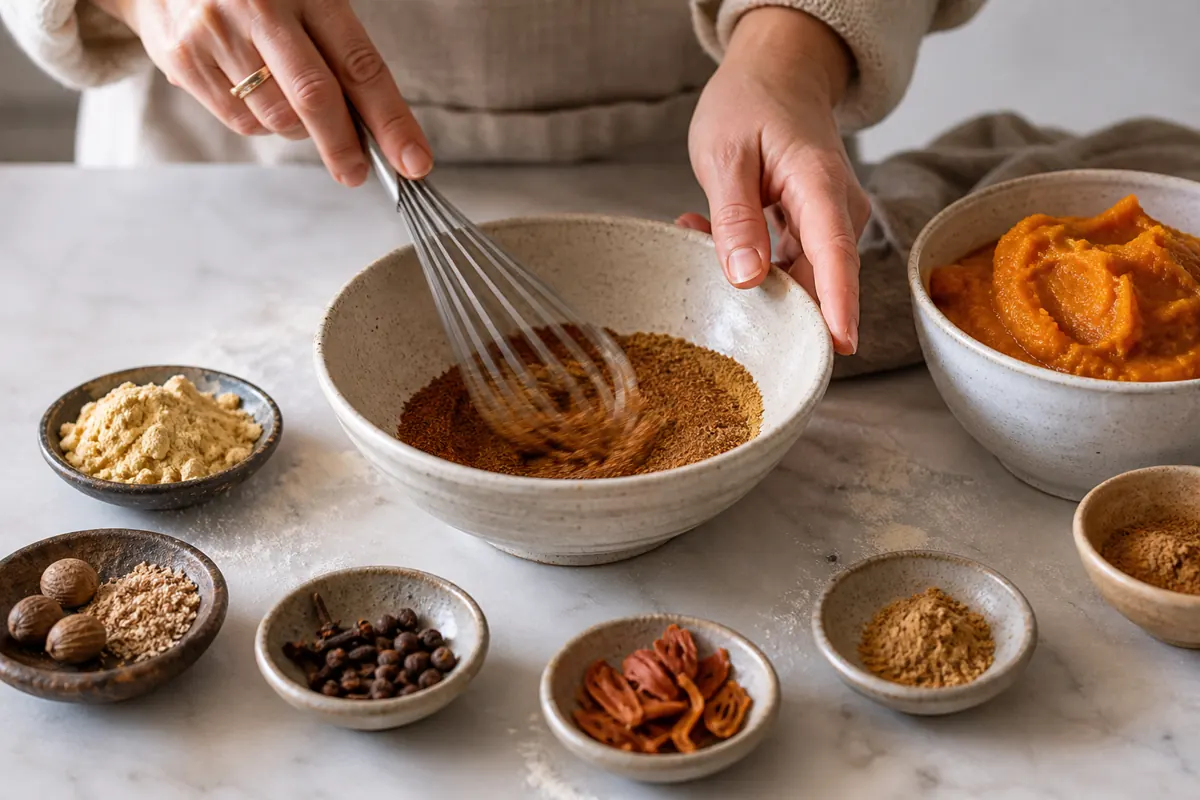
Pumpkin pie spice is a cinnamon-led blend, not one spice and not a fixed universal formula. The closest replacement comes from combining the jars that usually sit inside the commercial blend, then scaling the mixture to the recipe.
For one tablespoon, combine two teaspoons cinnamon, half a teaspoon ginger, one-quarter teaspoon nutmeg, and one-quarter teaspoon cloves. The remaining quarter teaspoon can be cinnamon for a softer blend or ginger for more bite.
For a one-teaspoon recipe, use two-thirds teaspoon cinnamon plus small pinches of ginger, nutmeg, and cloves. A level measure matters because a rounded clove spoon can dominate the finished pie even when the other ingredients are correct.
- Measure the cinnamon basePut two teaspoons level cinnamon into a dry bowl.
- Add supporting heatWhisk in half a teaspoon ginger and one-quarter teaspoon nutmeg.
- Control the cloveAdd one-quarter teaspoon level cloves, never a rounded measure.
- Choose the final quarterUse cinnamon for a softer blend or ginger for a brighter one.
- Mix from the bottomBreak every dark clove streak before storing or using the batch.
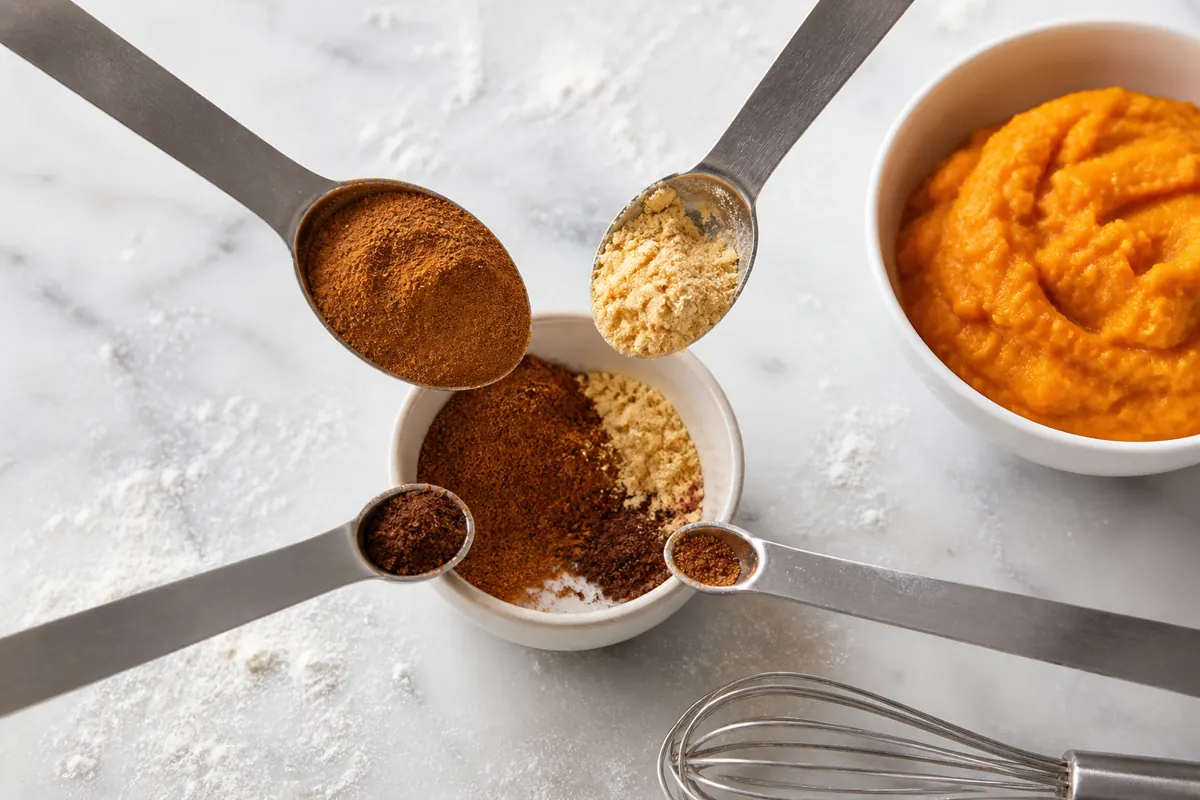
- Cinnamon: Main volume.
- Ginger: Bright heat.
- Nutmeg: Rounded perfume.
- Cloves: High-impact depth.
The homemade blend can be tuned before it enters the recipe.
Use the cinnamon-heavy final quarter teaspoon for pumpkin pie, pancakes, and oatmeal where softness helps. Use the ginger-heavy version for quick bread or drinks that need more contrast against sugar and dairy.
Clove should remain fixed while the other proportions move.
Its aroma is strong enough that doubling the batch by eye can create a harsh bottom note. Level every clove measure, whisk the batch, then smell a pinch on warm pumpkin purée before seasoning the full filling.
This formula sits inside the wider logic of baking spices: concentrated spices need smaller roles when fat, sugar, and heat will carry them through the entire bake.
Five Single-Spice Fallbacks for Different Results
A single spice cannot reproduce a blend, but it can preserve the direction a particular recipe needs. Cinnamon is the broadest fallback, allspice suits dark baking, nutmeg favors creamy bases, ginger favors drinks and quick breads, and mace gives a lighter nutmeg-like finish.
| Number | Substitute | Starting ratio for 1 tsp pumpkin pie spice | Best use | Main change |
|---|---|---|---|---|
| 1 | Cinnamon | 3/4 tsp | Pie, oatmeal, pancakes, quick bread | Simpler and sweeter |
| 2 | Allspice | 1/2 tsp | Dark cake, muffins, baked apples | Peppery and clove-like |
| 3 | Nutmeg | 1/4 tsp | Custard, cheesecake, milk drinks | More perfumed |
| 4 | Ginger | 1/4 tsp | Drinks, gingerbread, quick bread | Hotter and brighter |
| 5 | Mace | 1/4 tsp | Buns, custard, butter cake | Floral nutmeg direction |
1. Cinnamon
Use three-quarter teaspoon cinnamon for one teaspoon pumpkin pie spice in pumpkin pie, oatmeal, pancakes, cookies, or quick bread. Cinnamon already supplies most of the familiar blend volume, so this fallback preserves the broad sweet-wood aroma without introducing a new direction.
The result lacks ginger heat, nutmeg perfume, and clove depth.
Add no extra cinnamon merely because those notes are absent, since more of the base spice makes the recipe drier and flatter rather than more complete.
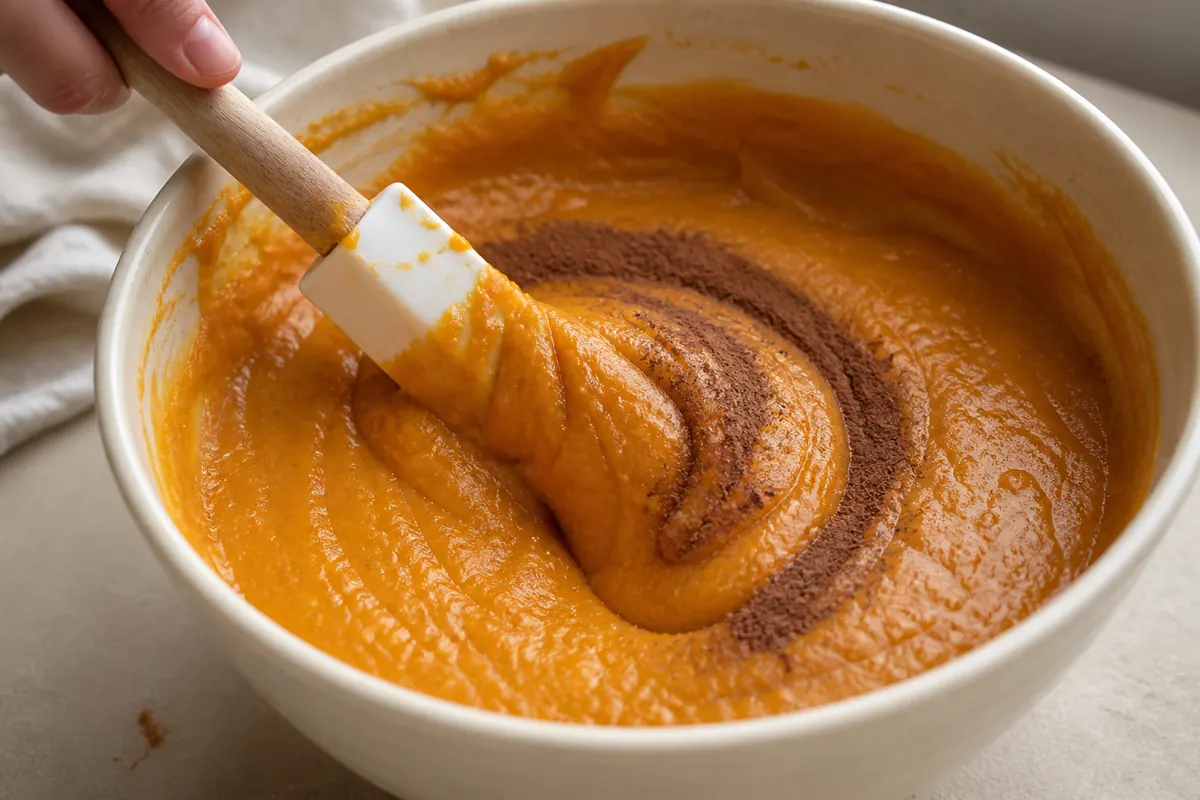
- Orange filling: Shows even dispersion.
- Three-quarter volume: Avoids dry excess.
- Missing support: Flavor becomes simpler.
Cinnamon intensity depends on both variety and freshness, so three-quarter teaspoon is a starting point rather than a promise of identical strength. Smell the jar before measuring and reduce a particularly sharp fresh cinnamon slightly in a drink or uncooked filling.
A quiet older jar may need replacement, since adding extra powder can dry the surface of oatmeal or batter without restoring lost aroma.
The missing ginger and clove notes are easier to accept in simple breakfast food than in a pie named for the complete blend.
Use cinnamon alone in pancakes or oatmeal when speed matters. Reconstruct the blend for pie filling when guests expect layered spice in every slice.
2. Allspice
Begin with half a teaspoon allspice for one teaspoon pumpkin pie spice in molasses cake, dark muffins, cookies, baked apples, or a dense loaf.
Allspice suggests cinnamon, clove, and pepper at once, so a smaller volume can make a dark bake feel layered.
Its clove-like character is too obvious in a pale latte or gentle custard. When the recipe already contains cinnamon, leave that amount unchanged and use allspice only for the missing background depth.
Molasses, browned butter, and toasted nuts give allspice enough dark flavor to join without standing alone.
A lightly sweetened milk drink offers no such cover and makes the peppery edge immediate.
Baked apples sit between those cases. Begin at half volume, distribute the spice through sugar before coating the fruit, and let cinnamon already in the recipe carry the familiar base.
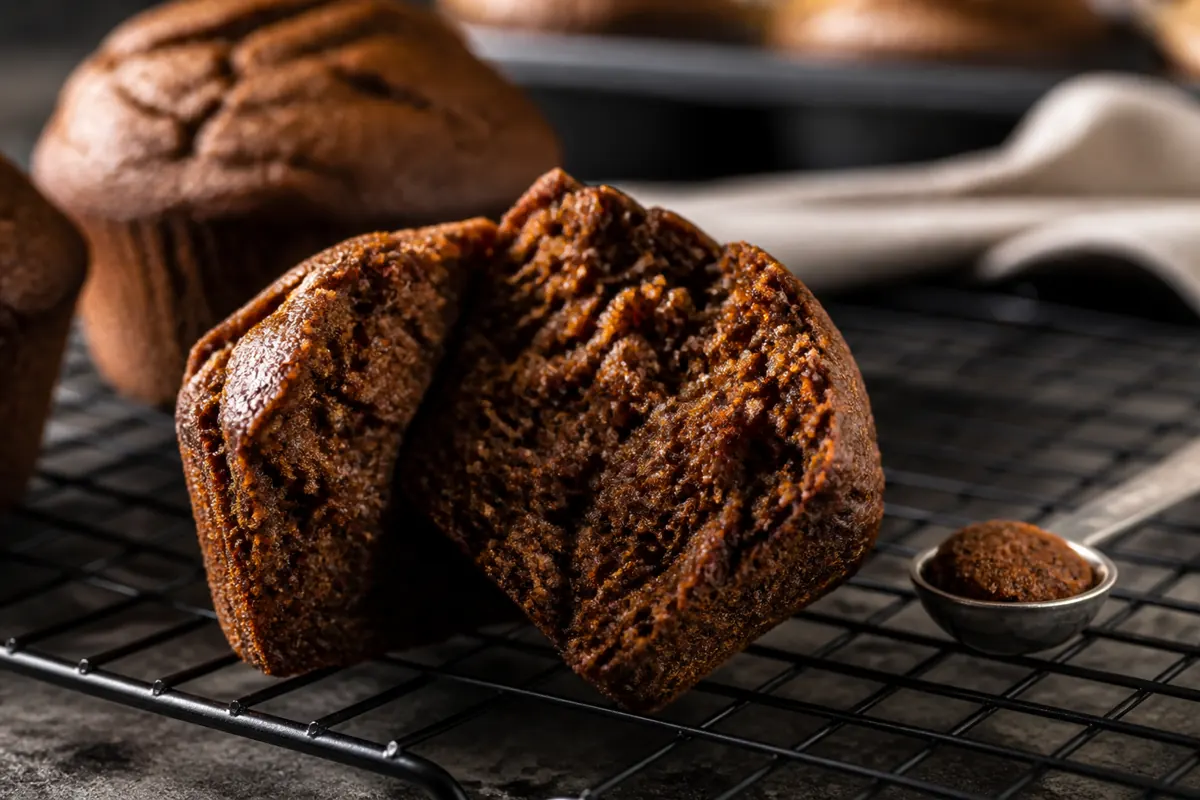
- Dark crumb: Holds stronger spice.
- Half volume: Keeps clove controlled.
- Molasses: Connects warm depth.
3. Nutmeg
Use one-quarter teaspoon nutmeg for one teaspoon pumpkin pie spice in custard, cheesecake, pumpkin pudding, or a milk drink. Nutmeg blooms in creamy fat and adds a sweet, woody perfume without the dry heat of ginger.
Fresh grating releases aroma quickly, so stop at the measured start and let the dairy base warm before judging it.
A larger dose can turn medicinal while the recipe still lacks cinnamon body.
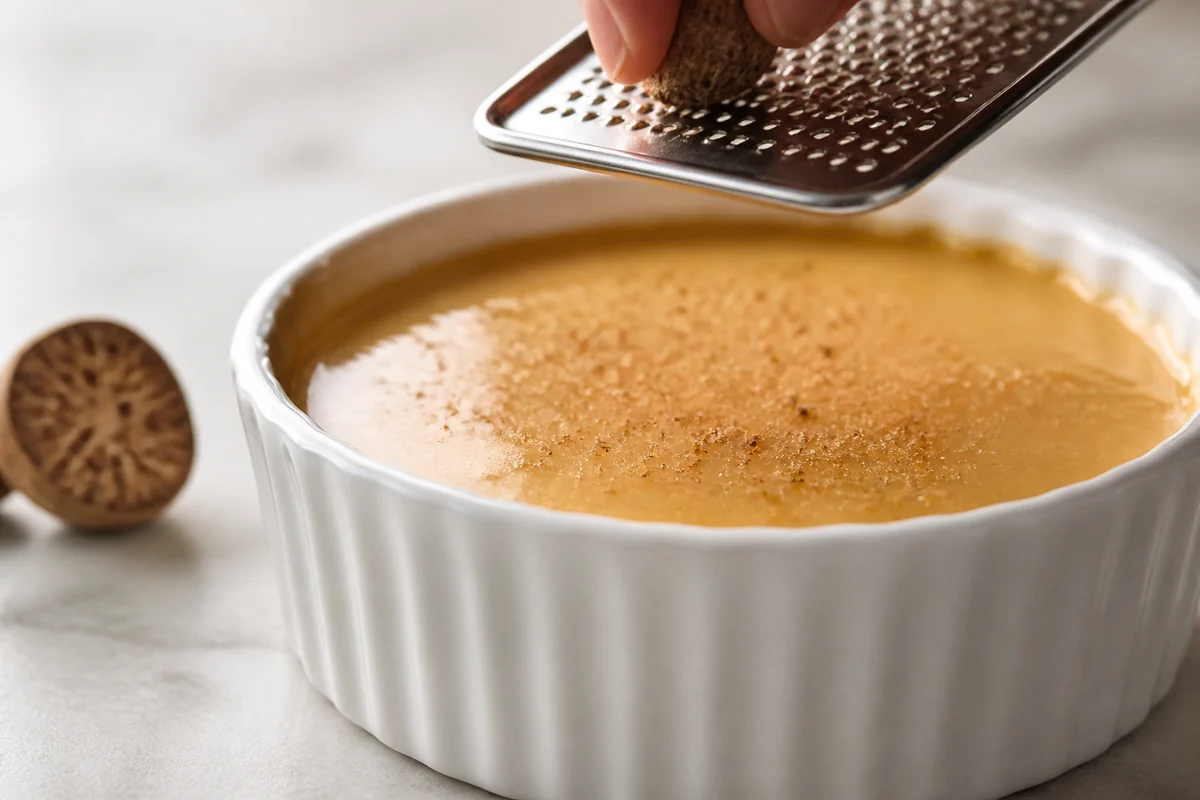
- Fresh grating: Fast aroma release.
- Creamy base: Carries a small dose.
- Sparse dusting: Prevents medicinal excess.
Nutmeg works best when it can dissolve its aroma into fat.
Warm custard, cream cheese, and whole milk carry a small grating across the palate, while water-based drinks expose powder and bitterness. Add nutmeg after the dairy warms but before eggs set, then stop when the aroma is recognizable at the surface.
Freshly grated nutmeg is more vivid than pre-ground powder. Measure the grated mound loosely rather than packing it into the spoon.
The goal is a controlled aromatic accent, not the full volume that a cinnamon-led blend would occupy.
4. Ginger
Use one-quarter teaspoon ground ginger for one teaspoon pumpkin pie spice in pumpkin drinks, gingerbread, quick bread, or oatmeal.
Ginger brings a clean dry heat and slight citrus edge that cuts a sweet or creamy base.
Whisk it into a warm drink before adding more because liquid delivers the heat immediately. Batter spreads ginger across flour and fat, so the same quarter teaspoon tastes quieter after baking.
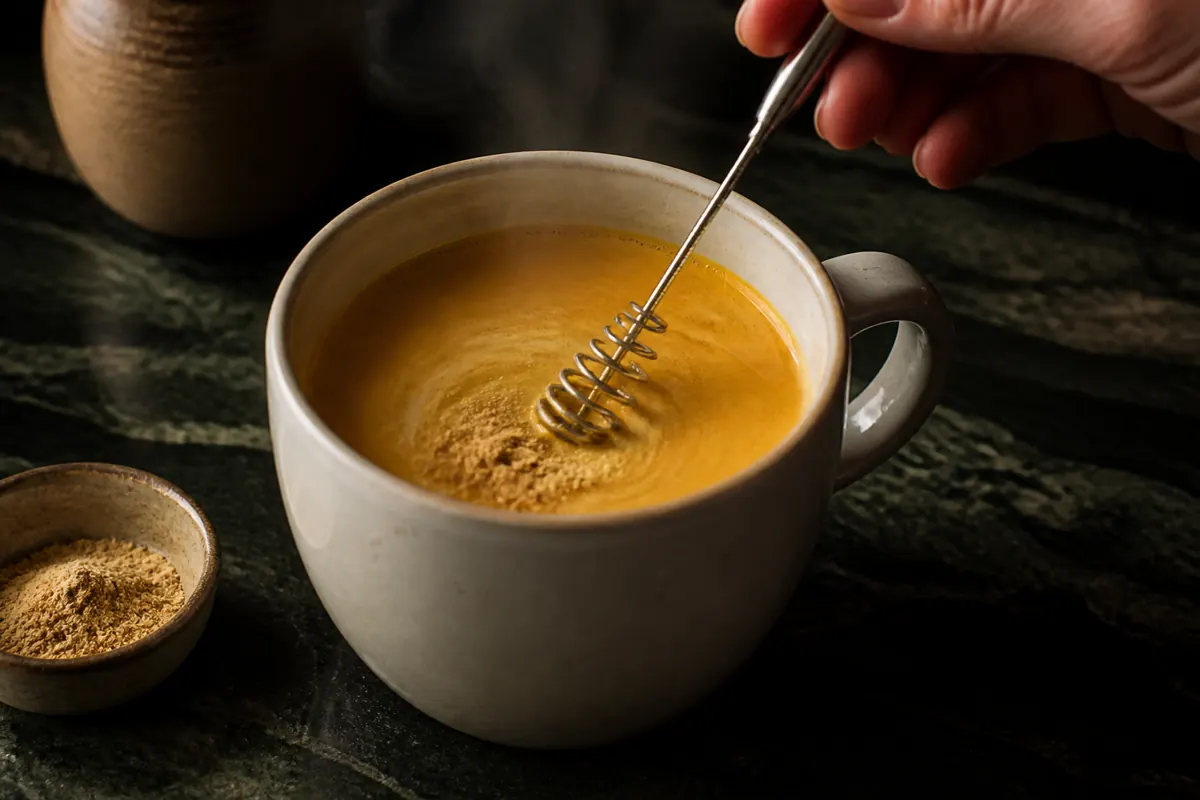
- Warm liquid: Immediate heat.
- Small whisk: Even dispersion.
- Quarter teaspoon: Controlled starting point.
Ground ginger also changes during baking.
Its sharp first impression becomes rounder as batter heats and moisture leaves, so raw batter is not a perfect forecast of the crumb. Keep the listed starting ratio unless the recipe has been baked with that exact ginger before.
In oatmeal, add ginger with the liquid rather than dusting it over the finished bowl.
Hydration spreads the fine powder and prevents one hot patch. Cinnamon can be added later for aroma, but the ginger needs time in moisture to distribute evenly.
5. Mace
Use one-quarter teaspoon ground mace for one teaspoon pumpkin pie spice in buns, custard, butter cake, or baked apples.
Mace comes from the aril around nutmeg and gives a lighter, slightly floral version of nutmeg-like warmth.
It lacks cinnamon body and ginger heat. Let cinnamon already present in the recipe remain the base rather than increasing mace, which becomes sharp and perfumed when it carries the whole blend alone.
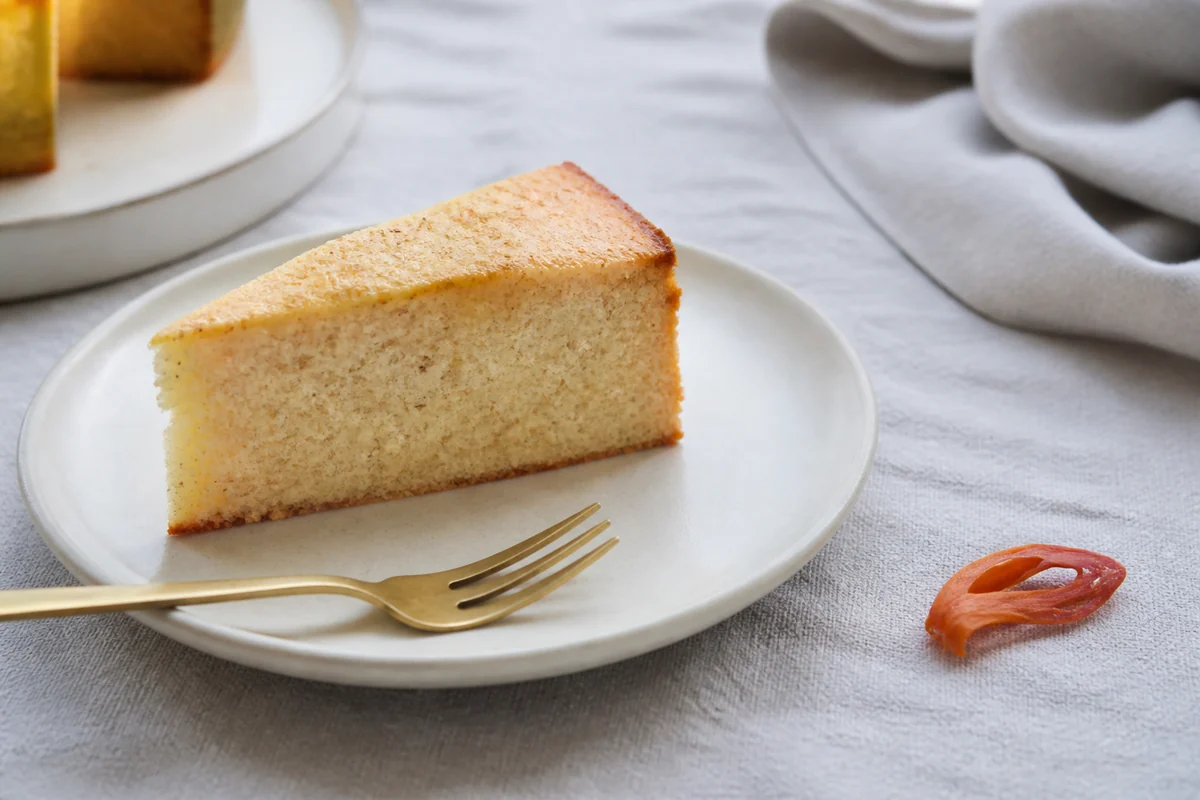
- Light crumb: Keeps the aroma exposed.
- Quarter teaspoon: Restrained starting dose.
- Existing cinnamon: Supplies the missing base.
Butter cake gives mace enough fat to spread while keeping the crumb pale and delicate. Dark molasses or heavy chocolate buries its finer aroma and makes allspice a more economical choice.
In baked apples, mix mace with the sugar before filling the fruit so the powder distributes evenly.
If cinnamon is absent, the result will read as mace and apple rather than a complete pumpkin-spice profile.
An intact mace blade is useful for identification but not for direct volume conversion. Grind only the amount needed, then measure the powder loosely because packed mace becomes stronger than the listed quarter teaspoon suggests.
Pie Filling, Cake Batter, Oatmeal, and Drinks Amplify Different Notes
Pumpkin pie filling contains moisture, egg, sugar, and dairy, which spread spices broadly and soften ginger heat during baking. Cinnamon is the safest solo fallback, while nutmeg can support custard character at a much smaller volume.
Cake and muffin batter dilutes spices through flour and fat.
Allspice or ginger can survive that structure, particularly when molasses, brown sugar, or browned crust supports their stronger direction.
Oatmeal absorbs water and continues thickening after the spice is added. Stir cinnamon or ginger into the cooking liquid, then wait until the oats hydrate before correcting the dose.
Drinks expose ground spices immediately and leave sediment when powders are not whisked well. Nutmeg and ginger need their smallest starting amounts here, while cinnamon can float in dry rafts unless it first meets a small amount of warm liquid.
Cinnamon preserves the base; a tiny nutmeg dose can support the custard.
Allspice fits dark crumb, while ginger stays clear after baking.
Cinnamon is broad and forgiving; ginger gives a brighter breakfast.
Use nutmeg or ginger sparingly and whisk before the final sweetness check.
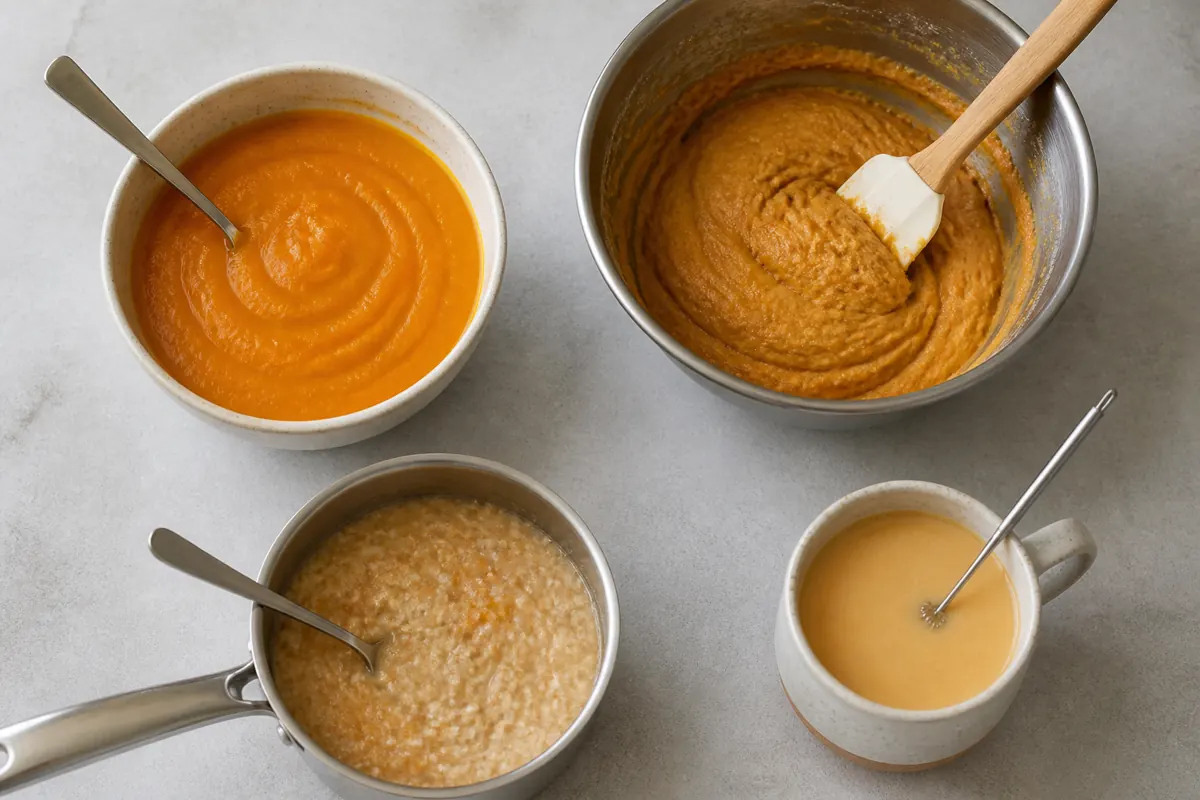
- Pie filling: Moist baked dilution.
- Cake batter: Flour and fat buffer spice.
- Oatmeal: Absorption continues.
- Drink: Immediate aroma and heat.
Pumpkin purée varies in water content, and that difference changes how quickly spice reaches the palate.
A loose homemade purée may need longer baking and can soften the first taste of cinnamon. A dense canned purée holds the spice close, so judge the complete filling after sugar, dairy, and eggs are incorporated rather than seasoning the purée alone.
Brown sugar and molasses support allspice and ginger more readily than white sugar does.
Their darker flavors make the single-spice shift feel intentional in muffins or cookies. In pale custard, nutmeg or mace keeps the aroma cleaner and avoids a peppery clove direction.
Use pairing principles to protect the recipe's strongest existing notes.
Maple, vanilla, chocolate, citrus, and browned butter each change which fallback feels balanced. The substitute should support that ingredient rather than force every pumpkin recipe toward the same holiday profile.
Test the Substitute in the Recipe Base Before Baking
A dry pinch can smell balanced and still behave differently after it meets pumpkin, sugar, dairy, or hot water. Test the substitute in the same kind of base as the recipe before committing the full dose.
For pie or custard, stir a small measured portion of the spice into one tablespoon of pumpkin purée and one teaspoon of the recipe's sugar. Warm that sample briefly so the cinnamon, ginger, nutmeg, or mace opens in the same moisture and sweetness as the filling.
A cold sample understates aroma, while a very hot sample can make ginger seem stronger than it will after cooling. Let the spoonful stand for a minute, then smell and taste it at a comfortable serving temperature.
Cake batter cannot be tasted safely after raw egg enters.
Mix the spice into a spoonful of butter and sugar before the eggs, or reserve a little flour and liquid for an egg-free test paste.
Oatmeal offers a forgiving test because the spice can hydrate directly in one spoonful. Wait until the starch thickens before correcting, since dry cinnamon on the surface tastes stronger than the same dose dispersed through the bowl.
Drinks need the smallest increments. Fine spices remain suspended in milk or coffee, and a quarter teaspoon added too quickly can create a gritty final sip even when the first taste seems mild.
- Pie or custard: Warm the measured spice with pumpkin and sugar, then taste after one minute.
- Cake or muffins: Use an egg-free butter-sugar or flour-liquid sample.
- Oatmeal: Let starch hydrate the spice before adding more.
- Milk or coffee: Whisk a small dose thoroughly and check the final sip for sediment.
- No safe sample: Keep the first batch conservative and correct at serving with a seasoned topping.
Correction depends on what leads. Add cinnamon when the sample lacks familiar warmth, ginger when the pumpkin tastes heavy, and nutmeg or mace when dairy needs a higher aromatic note.
Do not correct a clove-heavy sample with more of every other spice.
Increase the unseasoned recipe base or rebuild the tested spoonful, because clove remains forceful after baking and becomes harder to hide as moisture leaves.
Brown sugar and molasses deepen allspice and clove, while white sugar leaves ginger and cinnamon easier to identify. Use the sweetener planned for the recipe or the test will predict the wrong balance.
The sample is a decision tool rather than a miniature final dessert. Once one note stops dominating and pumpkin remains recognizable, use that ratio in the full batch and measure it before mixing.
Scale a Batch Without Letting Clove Take Over
Scale the reconstructed blend by multiplying every ingredient, not by pouring extra cinnamon into an approximate pile. Level spoons keep the high-impact cloves and nutmeg proportional as the batch grows.
Whisk from the bottom of a wide bowl until no dark streaks remain.
Dense fine particles can settle during storage, so shake the closed jar before each later measure rather than assuming every spoon contains the same balance.
Scale the cinnamon first, then calculate ginger and nutmeg from that base before measuring clove. This order makes a decimal or spoon error visible before the highest-impact spice enters the bowl.
For a large batch, divide the finished mix between two shallow bowls and whisk each one separately before combining them. A deep jar makes it harder to lift settled clove and nutmeg back through the cinnamon.
- Keep cloves level: A rounded quarter teaspoon can dominate several tablespoons of blend.
- Break nutmeg clumps: Press them through a small sieve before they form concentrated bites.
- Use a wide bowl: It exposes unmixed streaks that a narrow jar hides.
- Label the formula: Record whether the final quarter teaspoon was cinnamon or ginger so the next batch behaves the same way.
Store the blend away from stove heat and steam, then smell it before use. When the aroma has flattened, make another small batch rather than compensating with a larger spoon that changes texture and sweetness balance.