
Which Mint Substitute Fits Your Recipe and Dish?
Match cooling aroma, green volume, and dish context before changing the herb
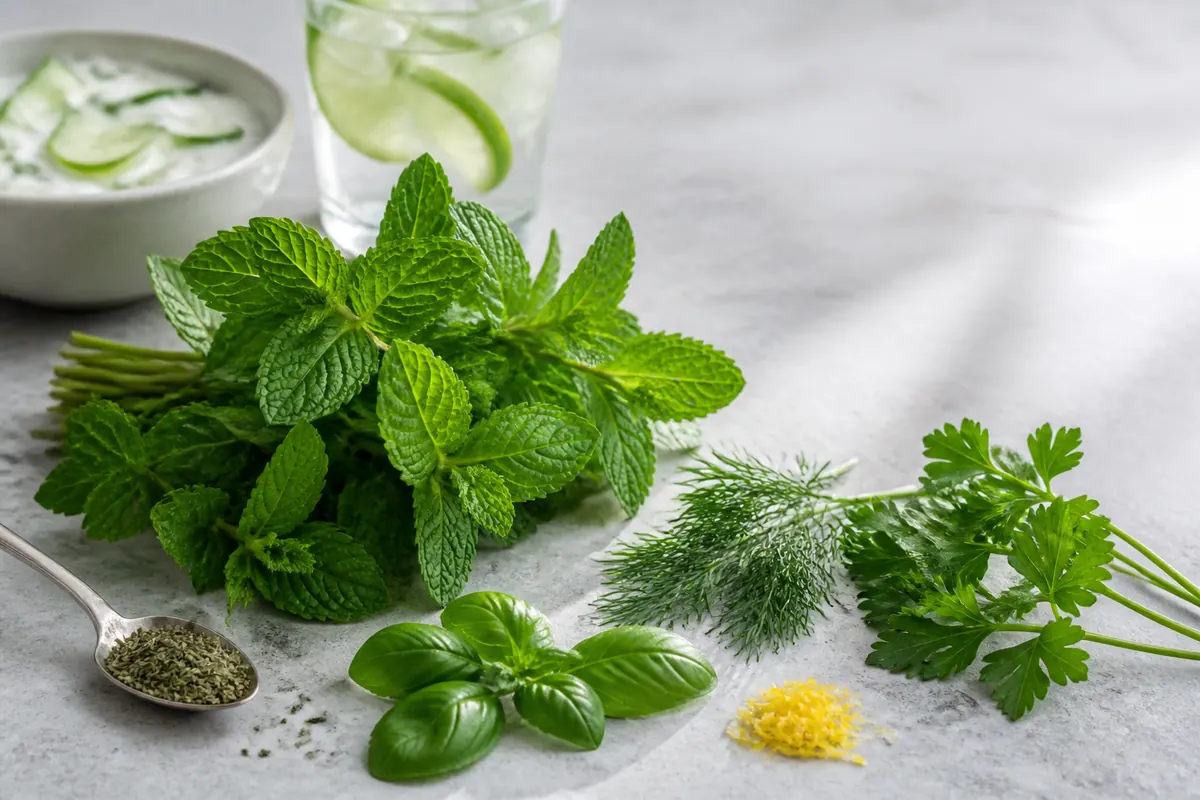
Mint's Cooling Aroma and Green Volume Are Separate Jobs
Use one teaspoon dried mint for one tablespoon chopped fresh mint when the recipe still needs recognizable mint flavor. In savory food where another herb is acceptable, start with an equal chopped volume of basil and expect a sweeter, pepperier result without the cooling finish.
The word mint can refer to several plants and forms that do not behave identically. Spearmint is common in salads, yogurt sauces, lamb dishes, and tea, while peppermint carries a stronger cooling character that belongs more naturally in candy, chocolate, and assertive drinks.
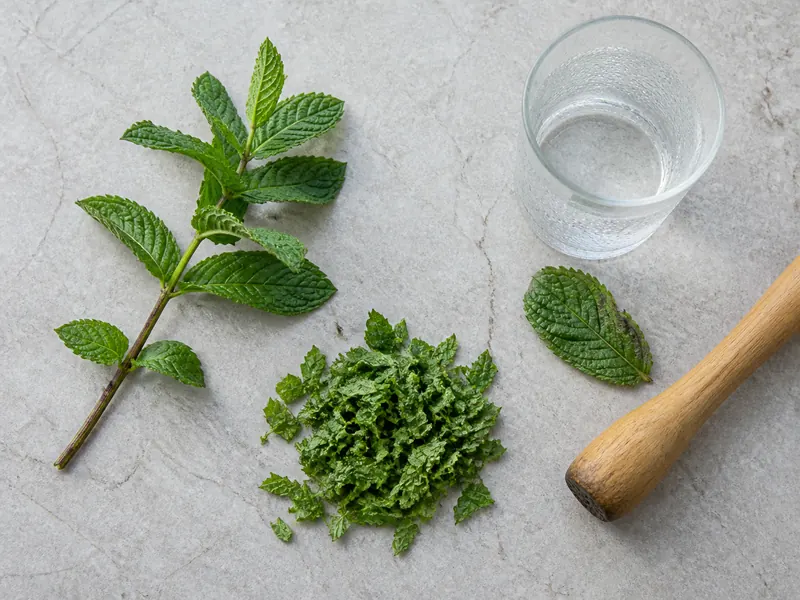
- Whole sprig: Fresh identity and garnish.
- Bruised leaf: Released aroma for drinks.
- Chopped leaves: Physical volume in salad.
- Cool drink: A use where mint identity stays exposed.
A tablespoon in a yogurt sauce mostly supplies aroma and green flecks. A packed cup in tabbouleh changes the salad's physical balance, while a few muddled leaves in a drink provide a named flavor that no amount of parsley can recreate.
Look at the form before the recipe name. Fresh leaves, dried flakes, peppermint extract, mint tea, and mint syrup have different concentration, water, sugar, and texture, so they cannot share one universal ratio.
No non-mint herb is a faithful replacement when cooling aroma defines the result. You can still make good food with basil, cilantro, dill, or parsley, but the dish moves in a new direction and should be judged on that result.
Fruit exposes that direction quickly, so use basil with strawberries, cilantro with citrus and chile, or parsley with grain rather than assigning one green herb to every fruit salad.
Choose the Replacement by the Dish's Missing Quality
The most useful choice is the herb whose natural character already belongs with the other ingredients. Ratios below are conservative starts because leaf age, variety, chopping, and packing change the actual amount in a spoon.
| Replacement | Start for 1 tablespoon chopped fresh mint | Best fit | Main change |
|---|---|---|---|
| Dried mint | 1 teaspoon | Yogurt, soup, dressing, cooked filling | Less fresh texture |
| Basil | 1 tablespoon torn leaves | Savory salad, lamb, peas, vegetables | Sweet pepper instead of cooling |
| Cilantro | 1/2 tablespoon chopped leaves | Lime salad, salsa, chutney | Citrus pungency |
| Dill | 1 tablespoon chopped fronds | Yogurt, cucumber, potato, fish | Grassy anise note |
| Parsley plus lemon zest | 1 tablespoon plus 1/8 teaspoon zest | Grain salad, couscous, garnish | Mild green bulk and citrus |
1. Dried Mint When the Recipe Still Needs Mint
Dried mint is the closest broad substitute because it preserves the herb's identity.
Use one teaspoon rubbed dried mint for one tablespoon chopped fresh mint in yogurt sauce, soup, dressing, cooked meat filling, or a marinade.
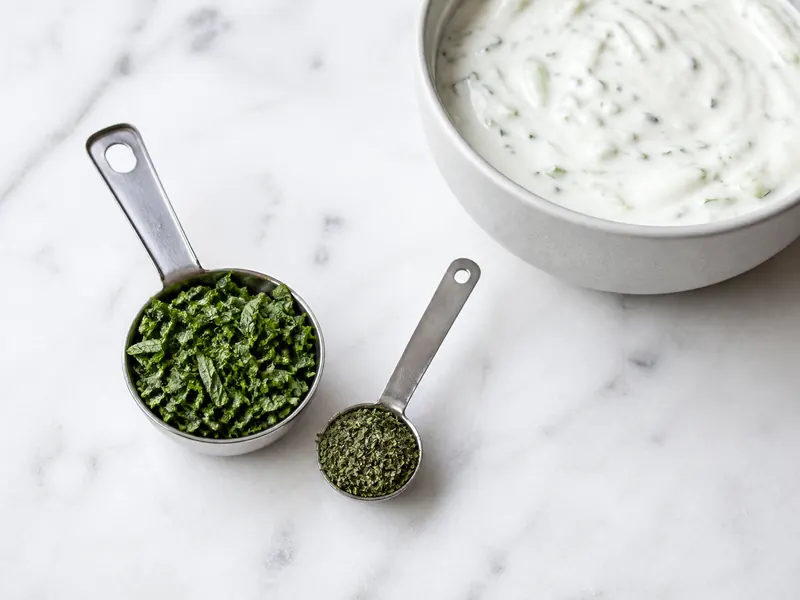
- Fresh tablespoon: Leaf volume and bright aroma.
- Dried teaspoon: Concentrated flavor with no soft texture.
- Yogurt base: Moisture hydrates the flakes.
Rub the dried leaves between your fingers before measuring so large flakes break up and distribute. Stir them into a moist ingredient, then wait five minutes before deciding whether the flavor is weak.
- 1. Rub the dried mint gently to release aroma and remove tough stems.
- 2. Measure one teaspoon loosely rather than packing the spoon.
- 3. Stir it into yogurt, broth, dressing, or another moist part of the recipe.
- 4. Rest for five minutes, then taste before adding another pinch.
Dried mint cannot restore the soft bite of fresh leaves in tabbouleh or a large herb salad. Pair it with a mild fresh green such as parsley only when the recipe needs both mint flavor and visible leaf volume.
Smell the jar before using it. Brown, dusty flakes with little aroma will not become lively through a larger dose, and adding more stale herb mainly increases dry texture.
In a hot soup, add dried mint early enough to hydrate but reserve a small pinch for the final minute when the first dose has lost its upper aroma.
2. Basil for Savory Salads, Sauces, and Lamb
Use one tablespoon torn basil for one tablespoon chopped mint in tomato-cucumber salad, lamb, peas, beans, savory sauces, and cooked vegetables.
Basil keeps the tender fresh-herb role but replaces mint's cooling sweetness with a warmer, peppery, slightly clove-like aroma.
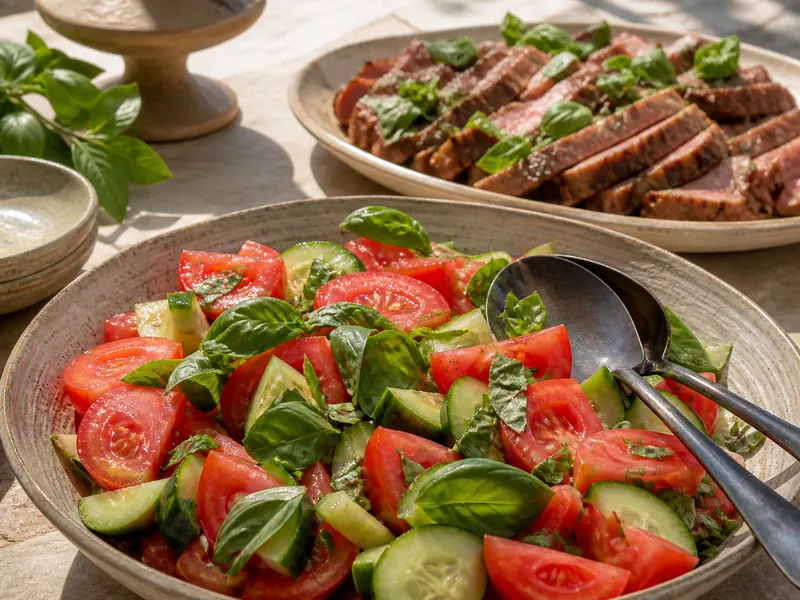
- Torn leaves: Preserve tender texture.
- Fresh salad: Keeps aroma exposed.
- Grilled lamb: Supports the warmer herb direction.
Add basil at the finish or during the final minute of cooking. Long heat darkens the leaves and drives off the aroma that made it useful as a fresh substitute.
Basil is especially effective when tomatoes, olive oil, garlic, eggplant, lamb, or summer vegetables already support it. Reduce the starting amount when the leaves smell strongly of clove or anise, since some basil varieties dominate more quickly than common sweet basil.
A large bunch of basil can replace mint's leaf volume in a salad, yet the wider leaves change texture. Tear them across the leaf rather than stacking a dense ribbon that clumps in one bite.
Thai basil brings firmer leaves and a clearer anise note than common sweet basil, so begin with half the listed volume when that is the only bunch available.
For peas or lamb, taste basil with the cooked main ingredient because fat and browned meat make its warmer aroma feel fuller than it does on the cutting board.
3. Cilantro for Lime-Heavy Salads and Salsas
Choose cilantro when lime, chile, onion, cucumber, tomato, or toasted cumin already points the dish toward its citrus-pungent character. Start with one-half tablespoon chopped cilantro for one tablespoon mint, then increase only after tasting the dressed food.
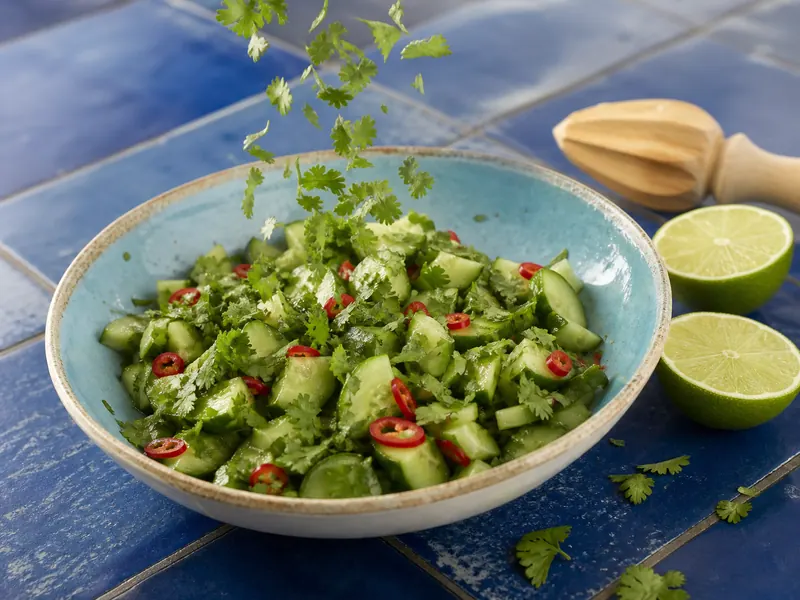
- Tender cilantro: Smaller starting volume.
- Lime halves: Existing citrus direction.
- Cucumber salad: Fresh context with no long cooking.
Cilantro is more assertive than flat-leaf parsley and can read as soapy to some people. That response makes it a poor emergency swap when you do not know the table's preference.
Pros
- Keeps a fresh leafy finish in salsa, salad, rice, and chutney-like sauces.
- Pairs naturally with lime, chile, onion, and cumin.
- Tender stems can add useful crunch when chopped finely.
Cons
- Does not provide mint cooling or gentle sweetness.
- Its aroma is polarizing and remains obvious when raw.
- Poor fit for mint tea, chocolate, cream dessert, and most European pea dishes.
Use mostly leaves and the thin upper stems when texture matters. Thick lower stems provide more crunch and a stronger green taste than a recipe expecting soft mint leaves.
Taste cilantro in the complete dressing rather than by itself. Acid and salt change how quickly its aroma reaches the palate, while oil spreads it across every bite.
A cilantro chutney or green sauce can carry more leaves than a scattered garnish because chile, acid, and oil distribute the stronger aroma through the serving.
Fold cilantro into warm rice after the heat is off, since trapped steam softens the leaves without cooking away all of their fresh character. Skip cilantro in melon, berries, and cream unless lime and chile already make that sharp green direction an intentional part of the dish.
4. Dill for Yogurt, Cucumber, Potatoes, and Fish
Use one tablespoon chopped dill for one tablespoon mint in cucumber yogurt, cold soup, potato salad, cooked fish, peas, and creamy dressing.
Dill replaces generic fresh lift with a grassy, slightly anise-like direction that these foods already accept.
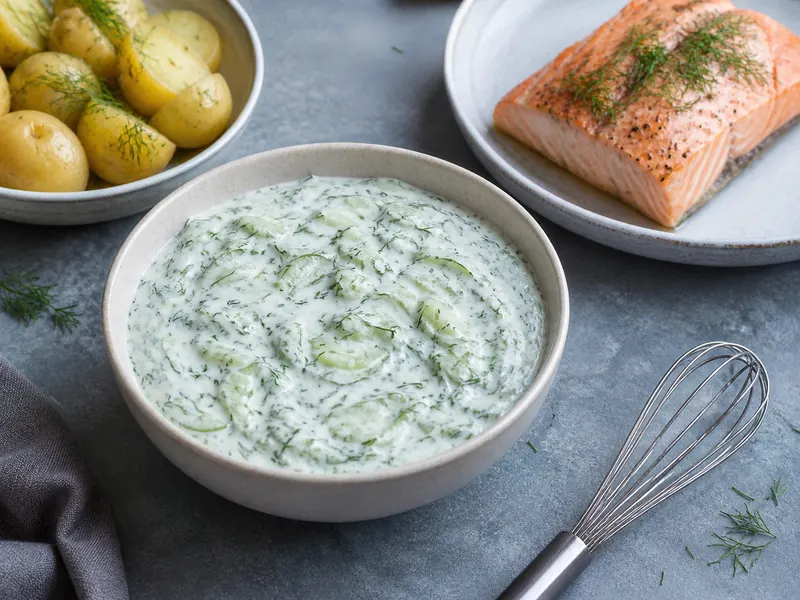
- Cucumber yogurt: Moist base for even distribution.
- Cooked salmon: Supports dill's grassy aroma.
- Potatoes: Mild food that accepts the flavor shift.
Young fine fronds are tender enough to stand in for chopped mint texture, although mature dill can smell much stronger. Begin with two teaspoons when the bunch is coarse or intensely aromatic, then raise the amount after the sauce rests.
Equal chopped volume gives fresh green flecks and a familiar dairy pairing.
Add after cooling so the herb stays distinct.
Use in sauce or at the finish rather than under long high heat.
Stir through the finished base and rest before adjusting.
Reject the swap because the anise-grass direction remains exposed.
Dill does not make a mojito, mint tea, or mint chocolate filling. Its value comes from the food family around it, not from a close chemical resemblance to mint.
For a warm sauce, add half near the end and reserve half for serving. This keeps some integrated flavor while protecting the fresh upper aroma.
Dill seed is not a leaf substitute because its harder texture and stronger caraway-like flavor belong earlier in cooking and cannot replace a tablespoon of tender fronds.
5. Parsley Plus Lemon for Green Volume Without Strong Aroma
Use one tablespoon chopped flat-leaf parsley plus one-eighth teaspoon finely grated lemon zest for one tablespoon mint in grain salad, couscous, peas, vegetables, and a generous green garnish. Parsley supplies mild leaf volume, while the tiny zest measure restores brightness without pretending to create mint cooling.
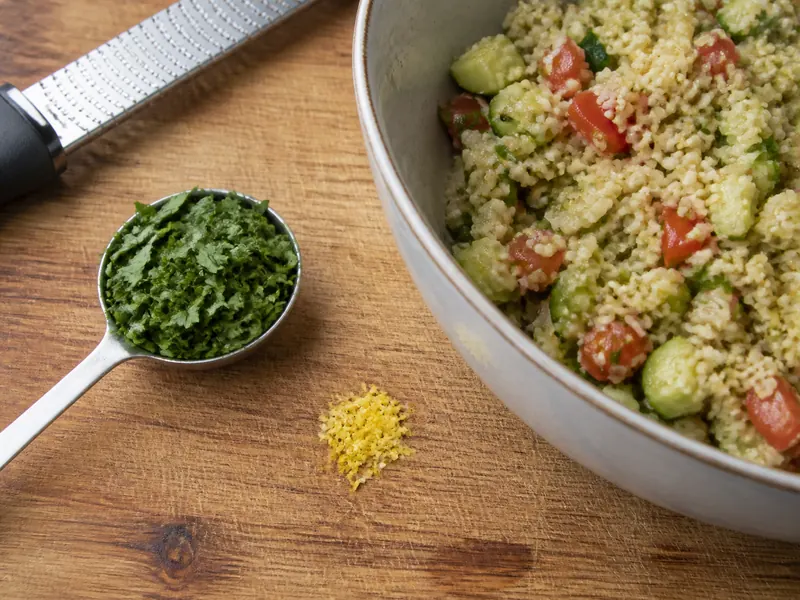
- Parsley tablespoon: Mild green bulk.
- Tiny zest pinch: High aromatic correction.
- Bulgur salad: A dish where leaf volume matters.
This is the safest approach when a recipe uses a large handful of mint for bulk but another dominant herb would redirect every bite. Flat-leaf parsley is softer than curly parsley and mixes more evenly through grains.
Grate only the yellow outer skin and stop before the bitter white pith. Mix the zest through the parsley before adding both to the dish so one mouthful does not receive the entire aromatic dose.
Parsley and lemon cannot rescue a drink or dessert built around mint identity. They solve leaf volume and bright garnish in savory food, which is a narrower and more useful promise.
Curly parsley stays springier and more noticeable in the mouth, so chop it more finely or use slightly less when flat-leaf parsley is unavailable.
Zest contributes aromatic oil without changing the salad's water balance, which makes it safer than lemon juice in a grain mixture that is already fully dressed.
Drinks and Desserts Need True Mint or a Deliberate New Flavor
Mint tea, a mojito-style drink, mint chocolate, peppermint candy, and mint ice cream expose the herb with little savory background to absorb a change. Use another true mint form or accept that the recipe will become a different flavor.
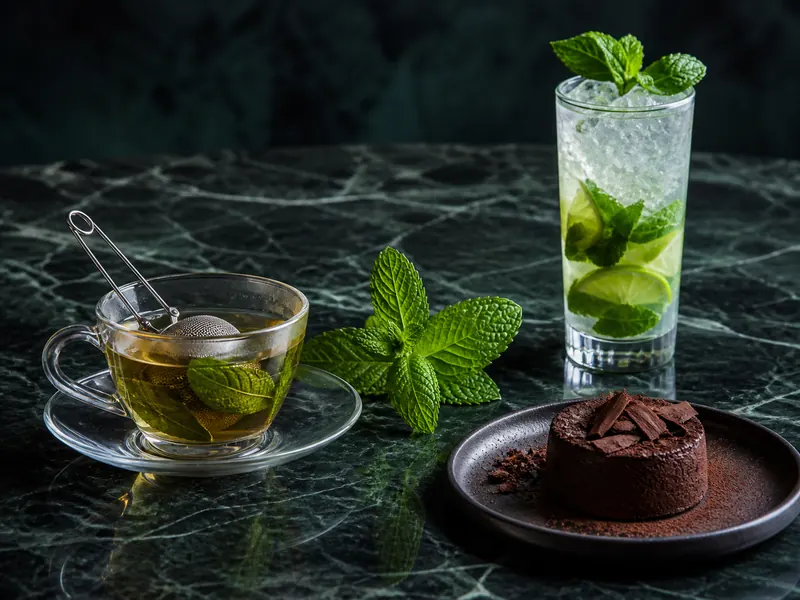
- Mint tea: The herb is the infusion.
- Lime drink: Bruising releases aroma at the surface.
- Chocolate: Cooling contrast defines the pairing.
For tea, dried spearmint or peppermint tea leaves are the practical fallback. Keep the water just off a hard boil and begin with the package's tea measure rather than converting a culinary teaspoon blindly.
A lime drink can become a basil or cilantro drink, but neither should be presented as indistinguishable from mint. Name the new herb so the person drinking it expects the correct aroma.
Chocolate and cream amplify small amounts of extract because fat carries the aroma through the mouth. Add one drop to a separated spoonful of filling or cream, then scale from that test instead of dosing the whole bowl at once.
When no true mint product exists, choose a deliberate alternate such as citrus zest, vanilla, or coffee according to the dessert. The result may be excellent, but it answers a different flavor question.
Mint syrup can replace both flavor and sweetness in a drink, so reduce the recipe's simple syrup by the same volume before judging whether another pour is needed.
Fresh peppermint is a sharper choice than spearmint in chocolate and strong tea, while spearmint usually fits lime drinks and gentle dairy desserts with less medicinal intensity.
Add Tender Herbs Late and Test the Chopped Volume
Basil, cilantro, dill, parsley, and fresh mint are tender herbs whose aroma fades with prolonged cooking. Add them during the final minute or after the heat unless the recipe specifically needs them softened into a filling.
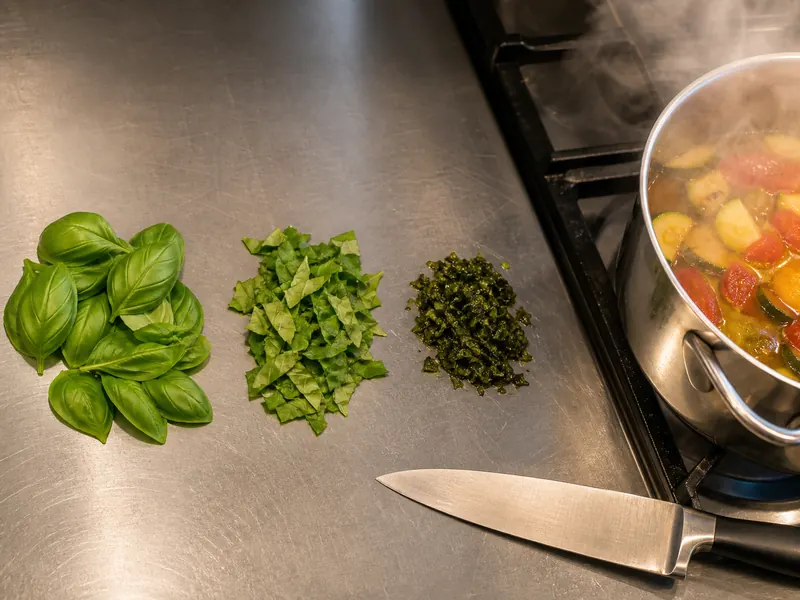
- Whole leaves: Best condition before prep.
- Coarse tear: Fresh surface with limited bruising.
- Dark mince: Aroma and color already declining.
- Finished pot: Add near the end.
Measure after chopping in the style the recipe expects. One tablespoon of finely packed parsley contains much more leaf than a loose tablespoon of torn basil, so a volume ratio is only a starting comparison.
- Fresh herbWash, dry thoroughly, and chop shortly before use.
- Dried mintRub, add to moisture, and rest for five minutes before judging.
- Hot foodStir tender herbs in near the finish.
- Cold sauceRest after mixing so salt and acid can change the perceived aroma.
- Large saladCheck leaf volume and texture as well as flavor.
- Strong resultAdd more unseasoned food rather than stacking another herb on top.
Dry leaves before cutting because surface water encourages clumping and makes the chopped measure inconsistent. A sharp knife or gentle tearing also limits the dark bruised edges produced by repeated chopping.
Test the substitute in one spoonful of dressed salad, sauce, or cooked food. Taste it with the main ingredient, since plain herbs can seem stronger alone and disappear once dairy, grain, meat, oil, or acid surrounds them.
Stop when the dish tastes coherent, even if it no longer tastes like mint. The point of a non-mint substitute is to make the available herb serve the food, not to force a false flavor match.
When a recipe calls for a packed cup rather than a spoonful, weigh the original herb if possible because leaf size and compression make volume conversion increasingly unreliable.
Keep washed tender herbs dry and cold until chopping, since trapped moisture and pressure create dark edges before the substitute reaches the finished food.