
South Asian Spices
South Asian cooking blooms whole spices in hot fat before anything else enters the pan, so form and sequence…
8 guides Browse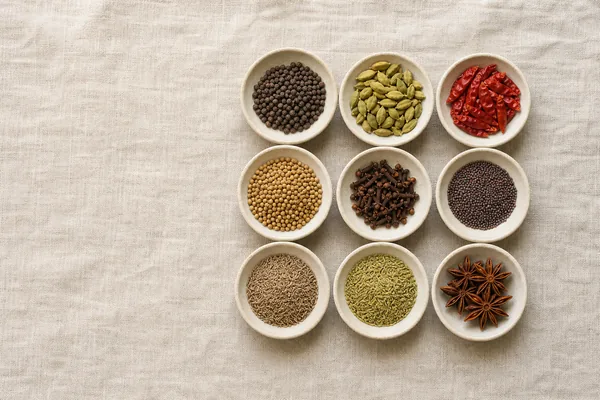
A spice belongs to the cooking that grew up around it, and that history explains the quantities a recipe expects. These twenty-three profiles are grouped by the region whose kitchens built the technique, from South Asian tempering to the smoked chiles of the Americas.
Origin, flavour compounds, and substitution ratios, taken from food science rather than from packaging copy.
Each group narrows the section to one kind of decision.
South Asian cooking blooms whole spices in hot fat before anything else enters the pan, so form and sequence…
8 guides BrowseMediterranean cooking seasons with tart and resinous notes more than with heat, and it usually adds them…
5 guides BrowseEast Asian cooking leans on aromatics that infuse a liquid rather than season a surface, so most of them go…
4 guides BrowseThe New World gave the rest of the world its chiles, its vanilla, and its annatto, and with them a habit of…
5 guides BrowseWest and East African cooking uses pepper-family spices that never entered the European trade in quantity, so…
1 guide Browse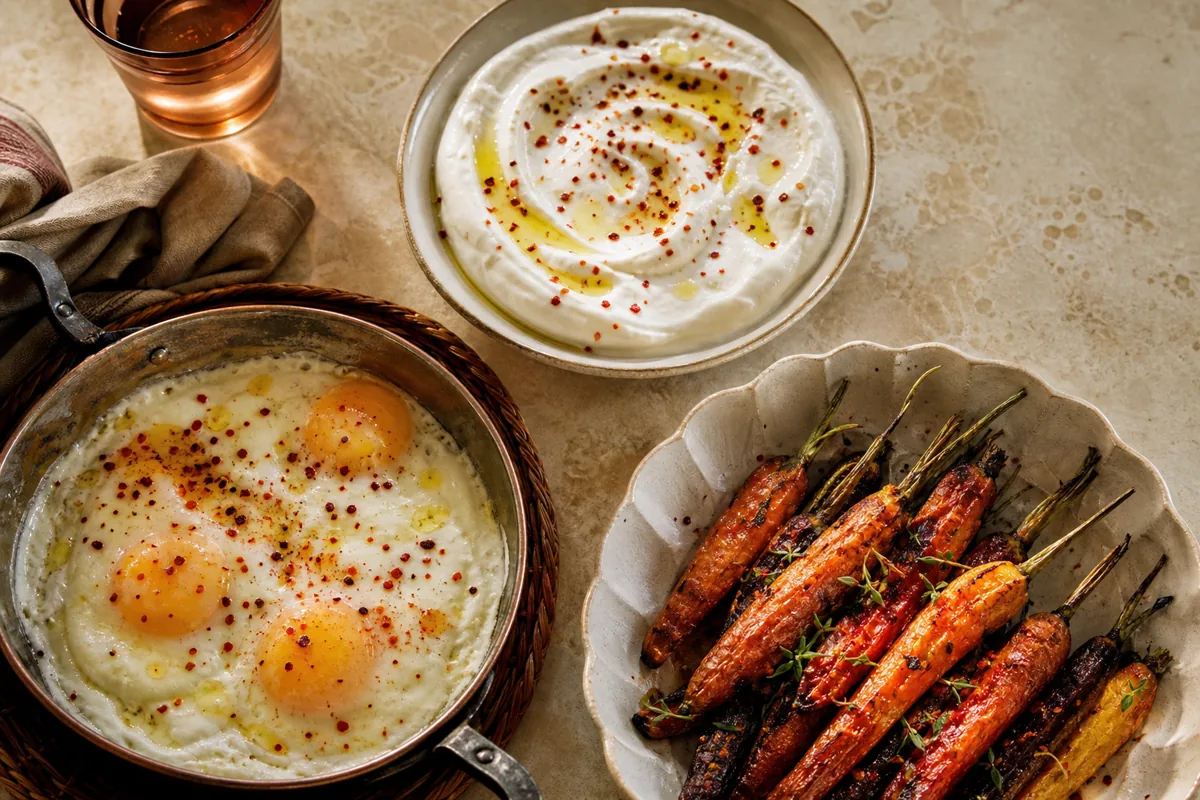
Aleppo pepper brings moderate, slow-building heat with raisin, tomato, and lightly earthy notes, so start with one-half…
Read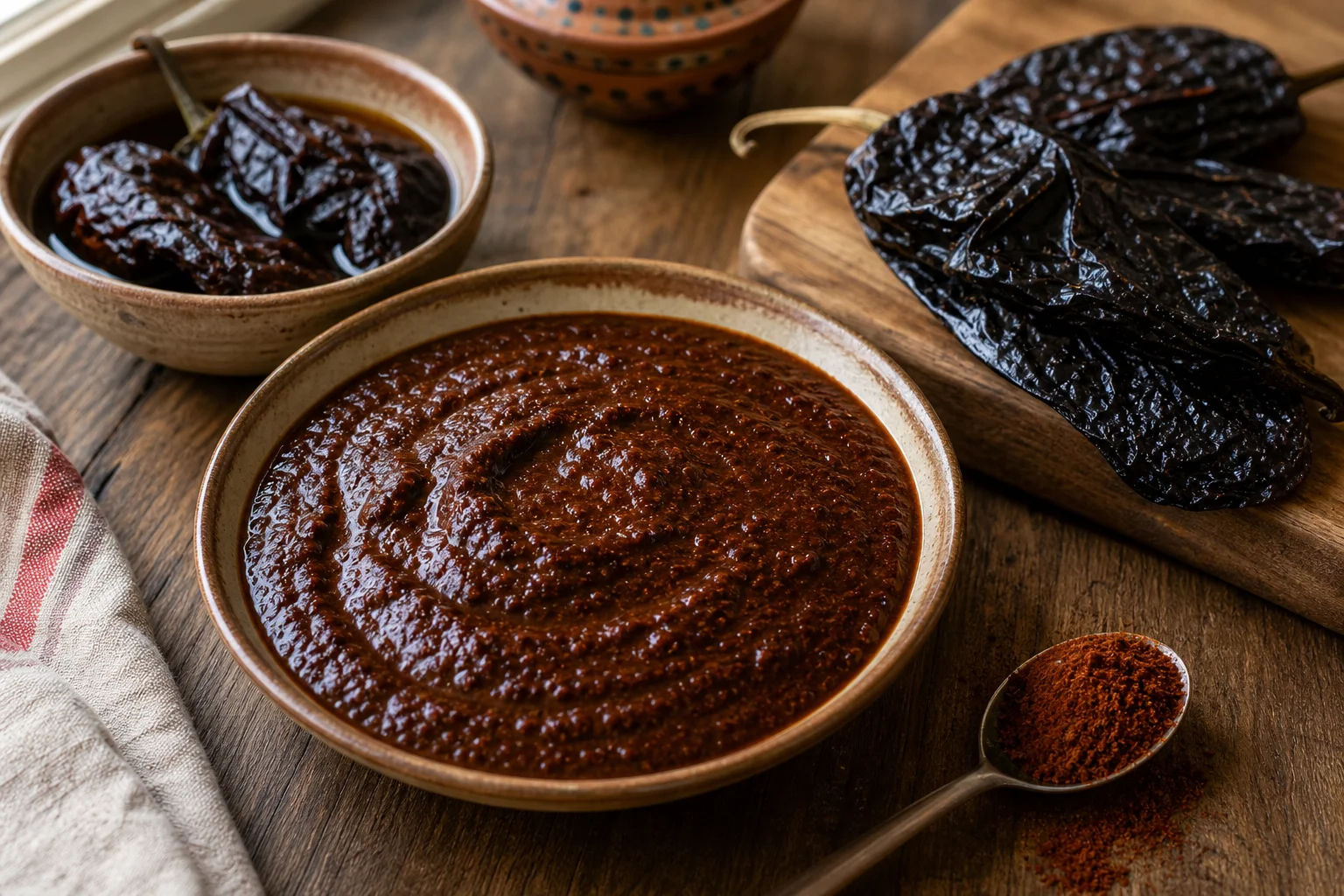
Ancho chili is a dried ripe poblano with mild heat, dark fruit flavor, and gentle earthy sweetness. Use whole dried…
Read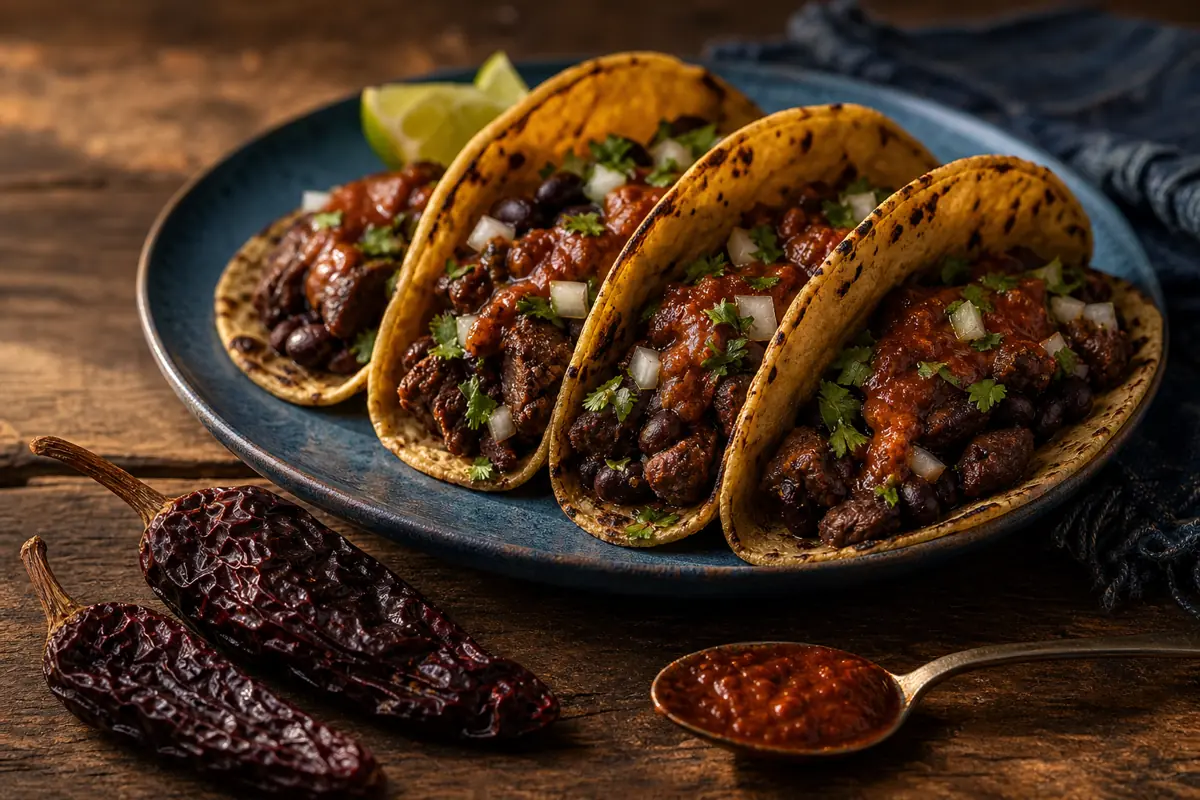
Chipotle is usually a ripe red jalapeño preserved through smoking and drying, and dark morita tastes fruitier and stays…
Read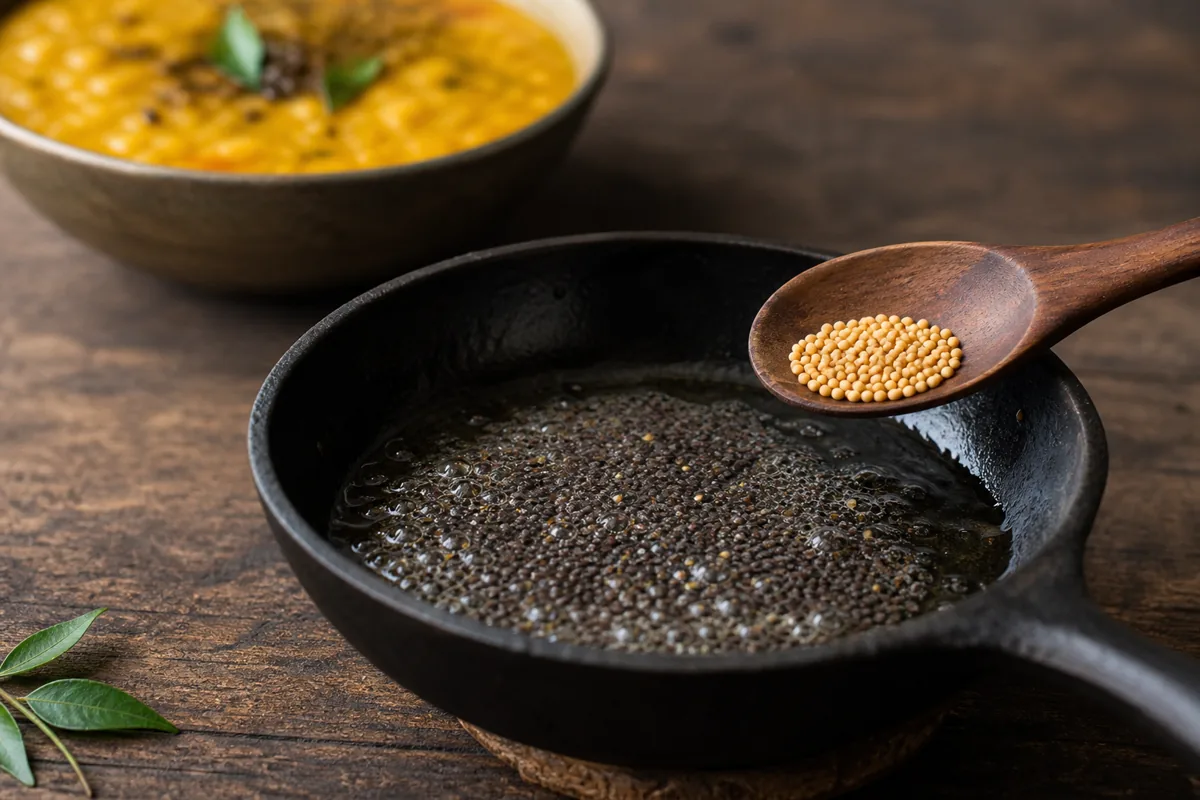
Keep mustard seed whole and pop it in hot oil for a nutty tempering, or crush it with cool liquid for sharp mustard…
Read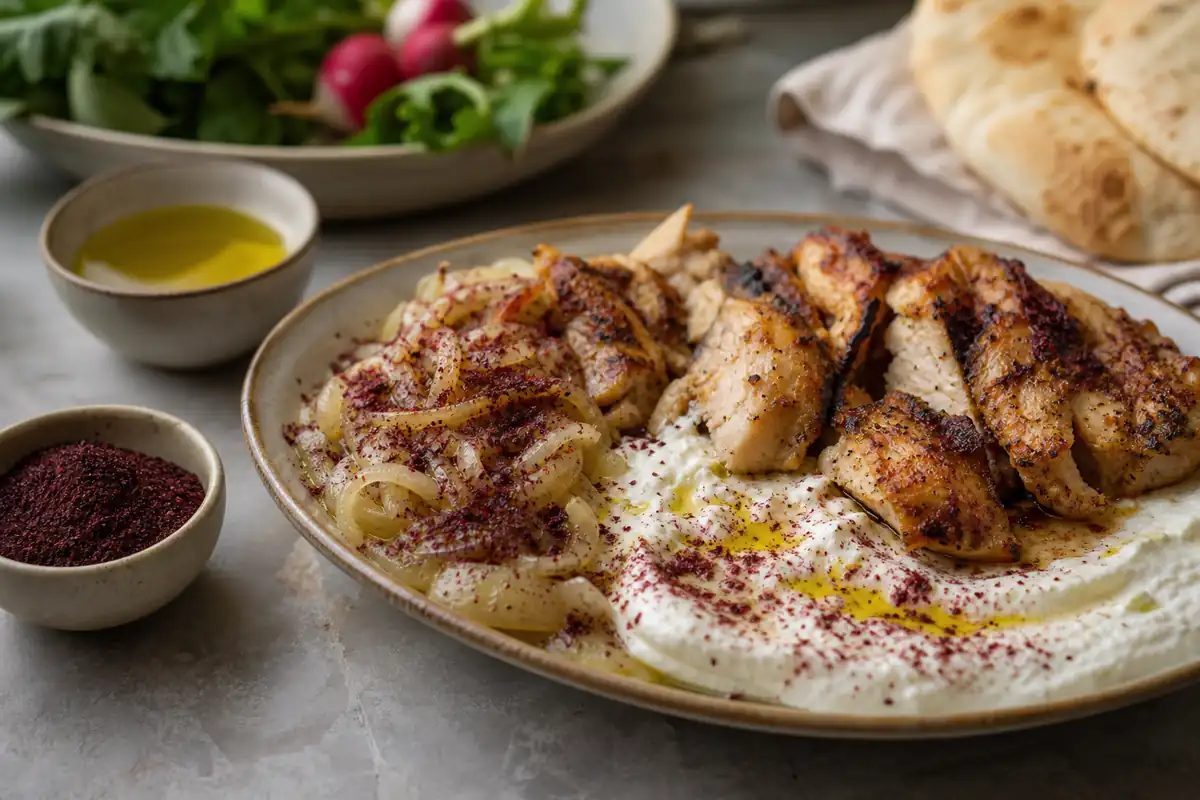
Culinary sumac is dried and ground Rhus coriaria fruit that gives food tart, fruity acidity without adding liquid. Use…
Read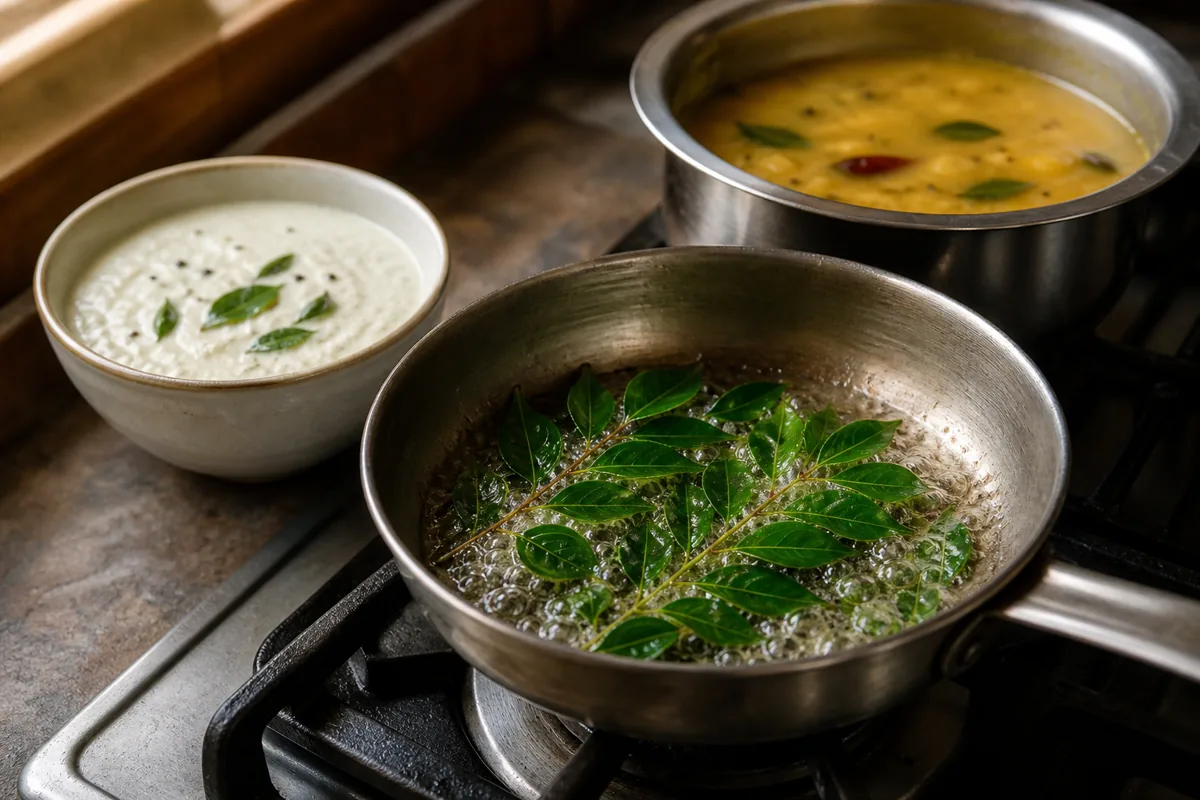
Curry leaves are aromatic leaves used whole, torn, or chopped, rather than the ground spices sold as curry powder. For…
Read
Grains of paradise are West African seeds from the ginger family, not true peppercorns. Freshly cracked seed tastes…
Read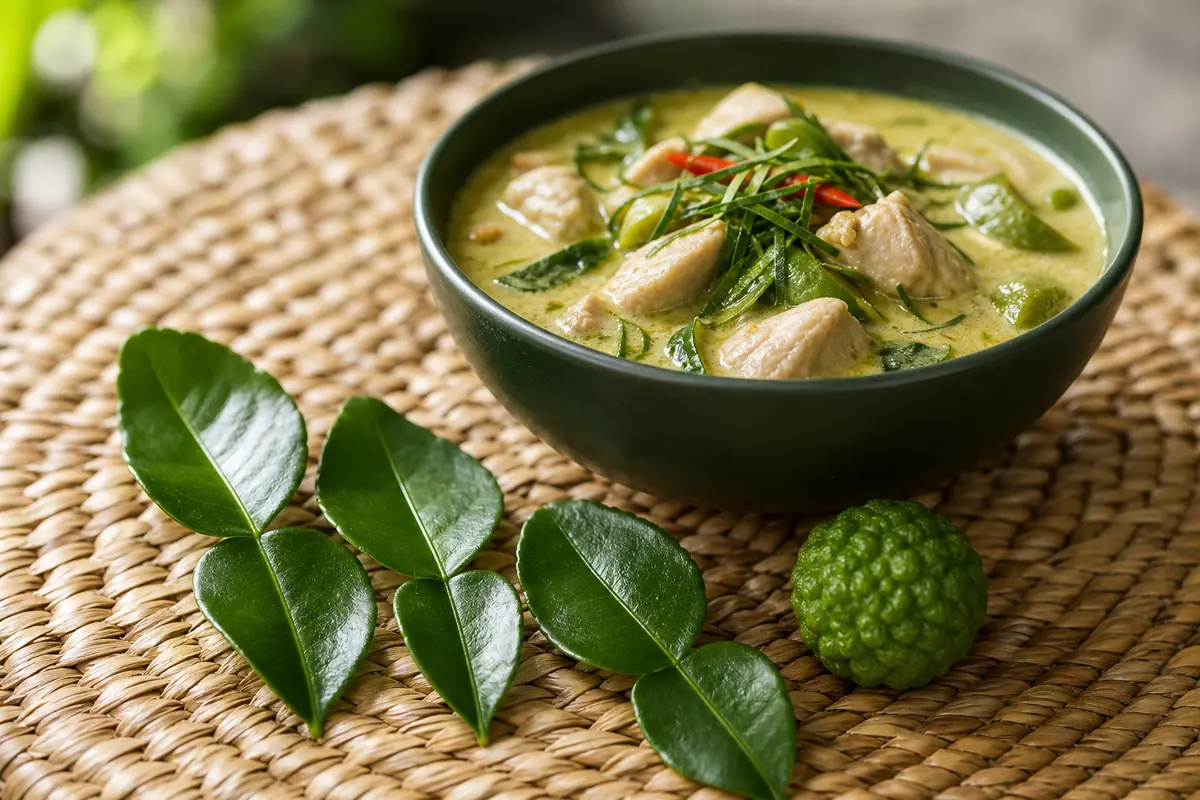
Makrut lime leaves are the same ingredient sold as kaffir or Thai lime leaves. Tear whole leaves to perfume soup and…
Read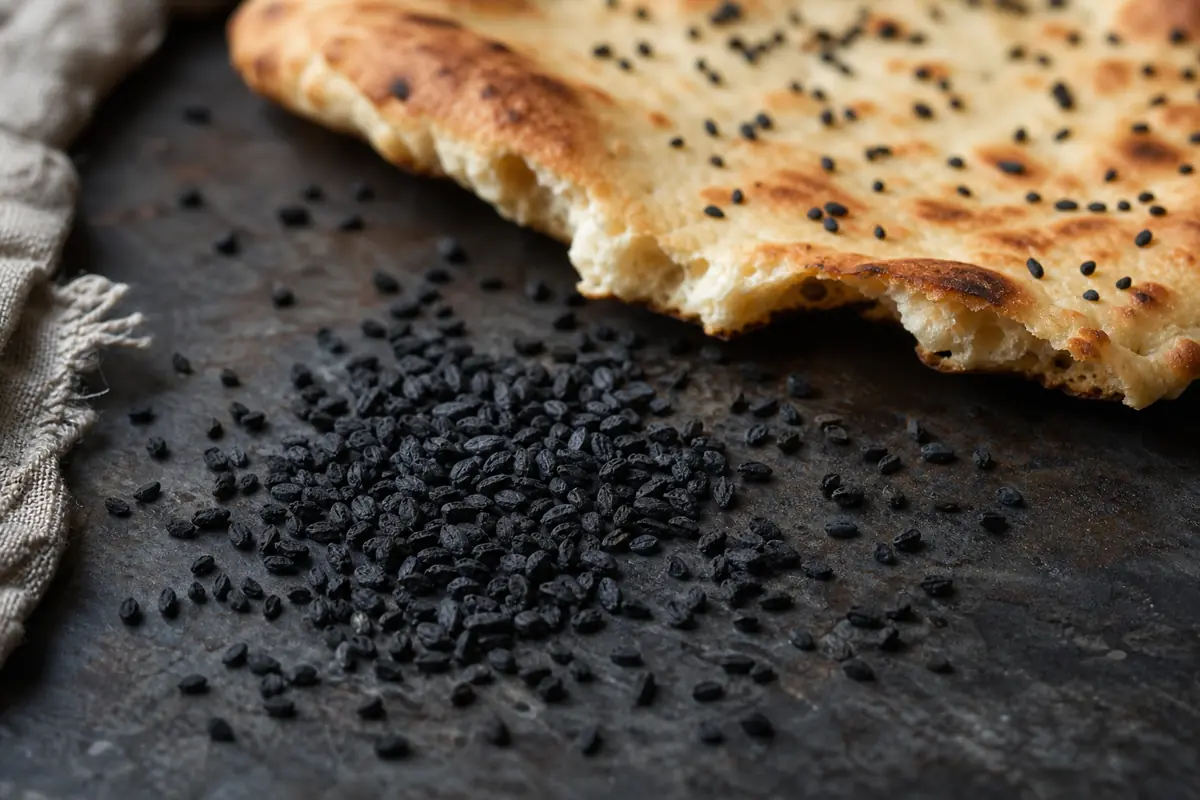
Nigella seeds are small, angular Nigella sativa seeds with peppery, onion-like, herbal flavor and a dry crunch. Toast…
Read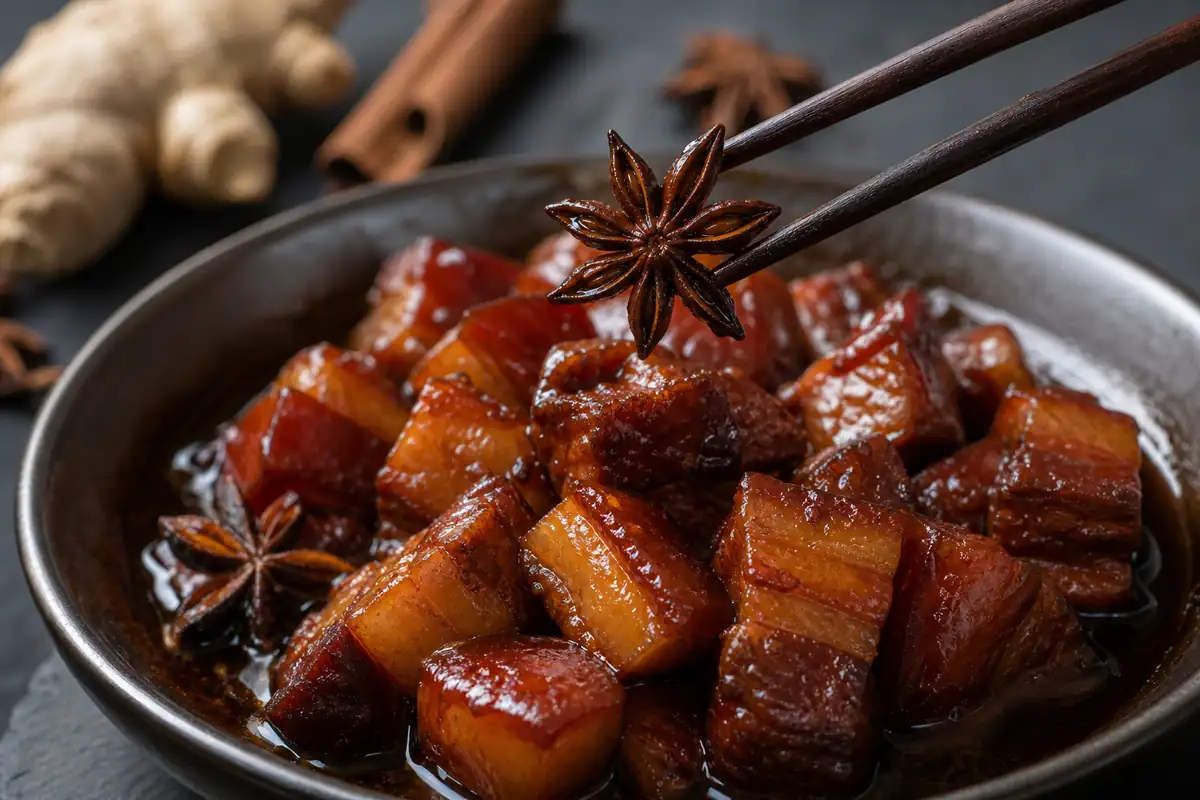
Star anise is the dried fruit of Illicium verum, with a strong sweet aroma created mainly by anethole. Start with one…
Read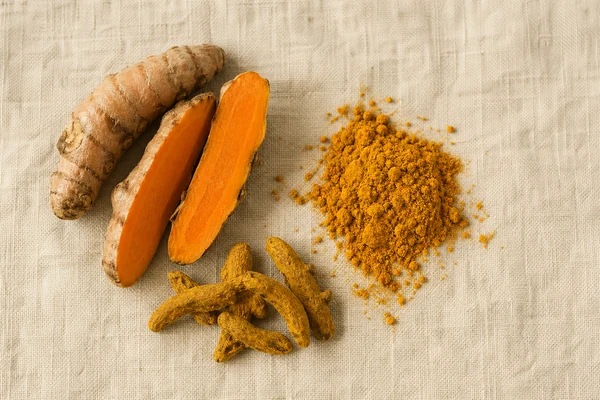
Turmeric is a deeply practical cooking spice that works best when bloomed in fat, and fresh and dried behave as…
Read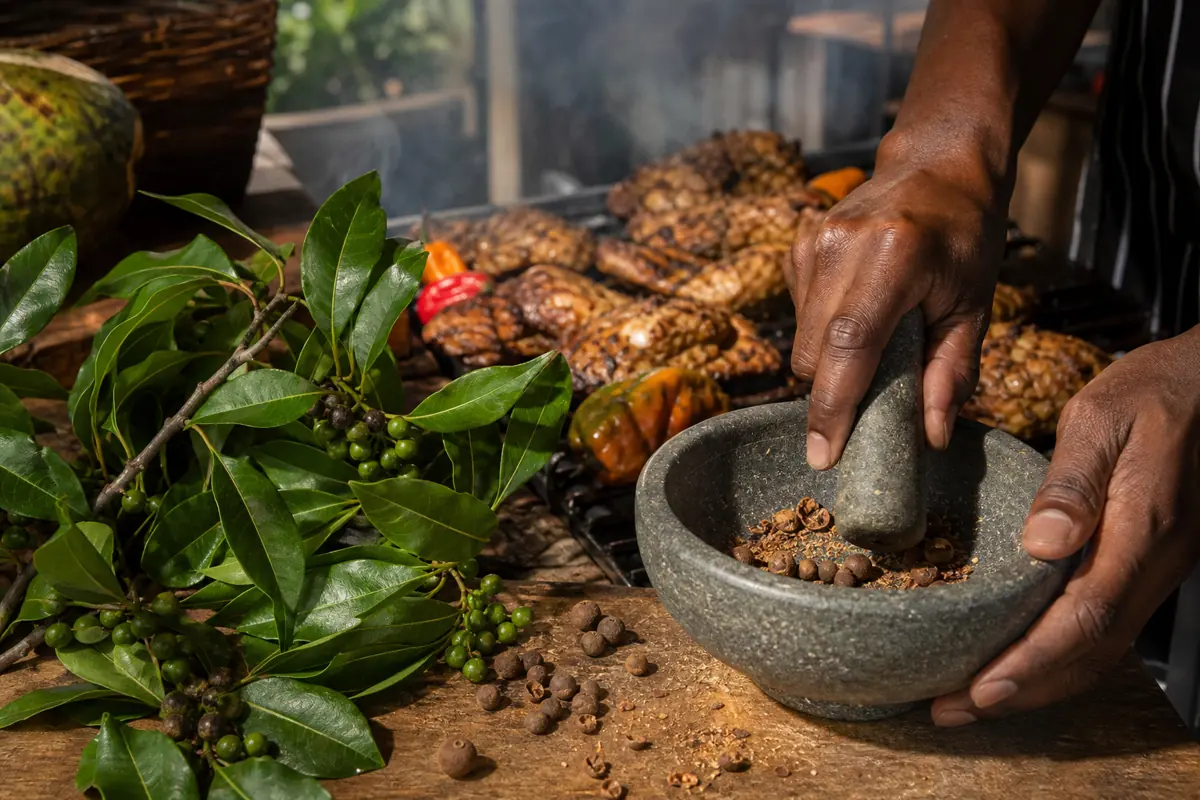
Allspice is one dried unripe Pimenta dioica berry with clove-led, woody, peppery aroma, and Jamaican pimento is central…
Read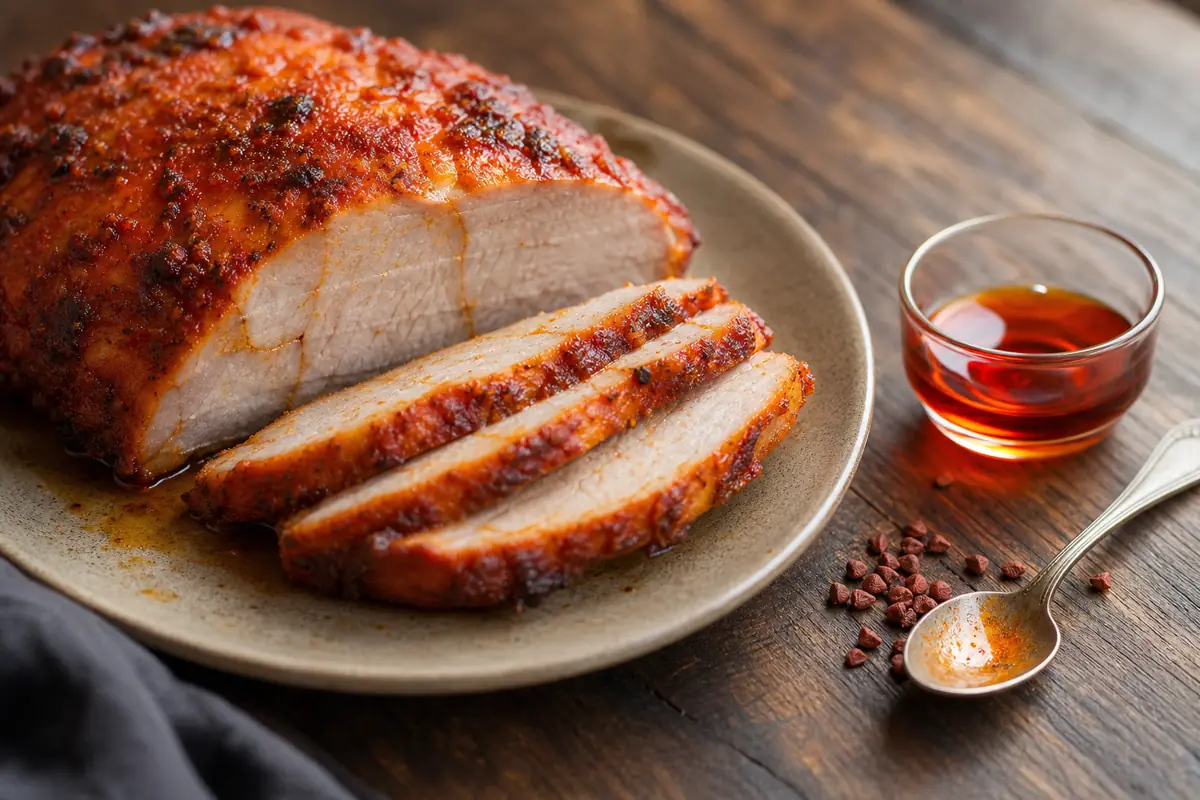
Annatto and achiote name the same brick-red seed from the achiote tree. Use whole seeds to infuse oil, powder for…
Read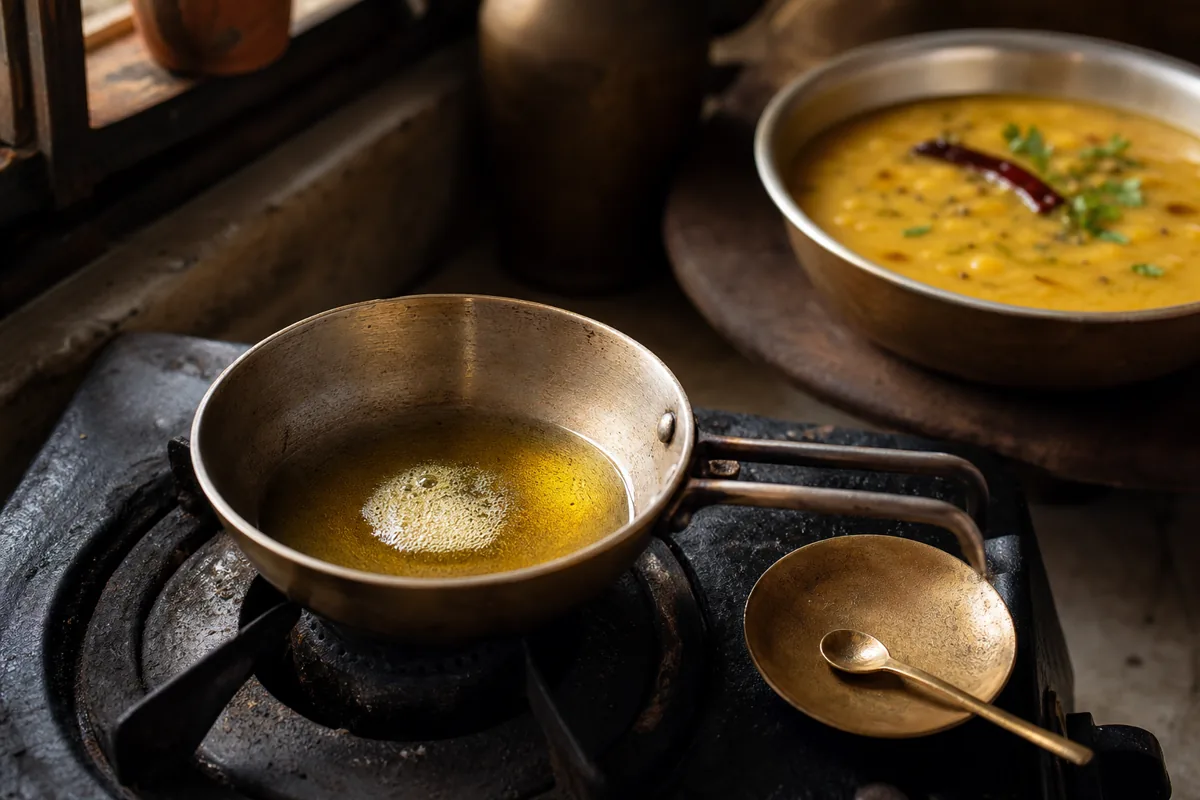
Start with one-sixteenth teaspoon of compounded asafoetida for four servings and fry it in hot fat for a few seconds…
Read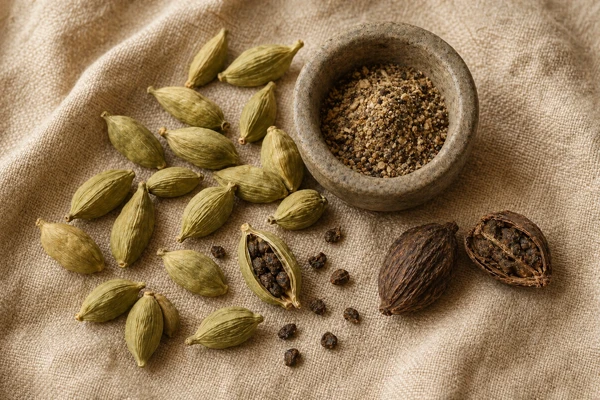
Green and black cardamom are completely different plants with incompatible flavors, never substitute one for the other…
Read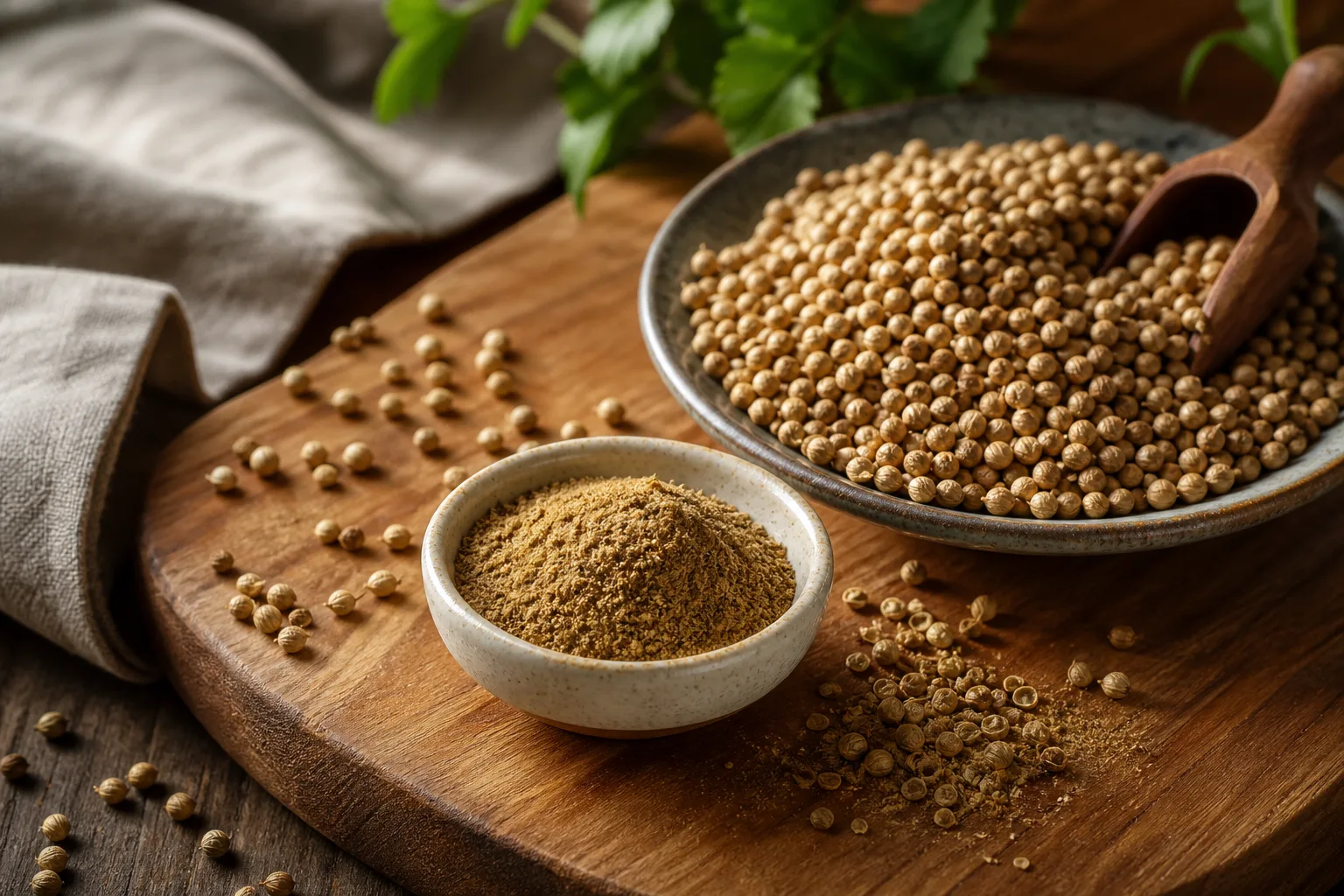
Coriander seed tastes citrusy, nutty, and gently sweet, with no chile heat. Use it when a dish needs brightness without…
Read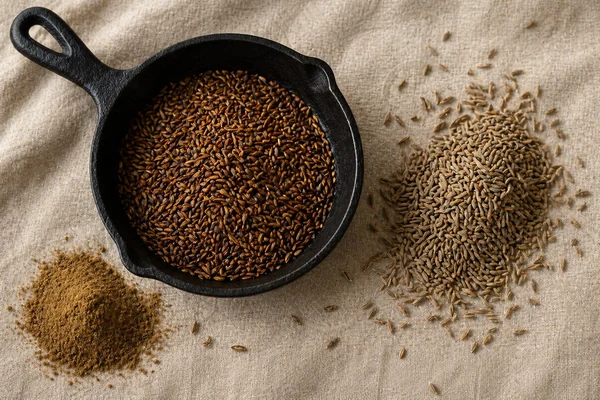
Cumin supplies the earthy bass note, cuminaldehyde, that anchors other flavors in place across Indian, Mexican, and…
Read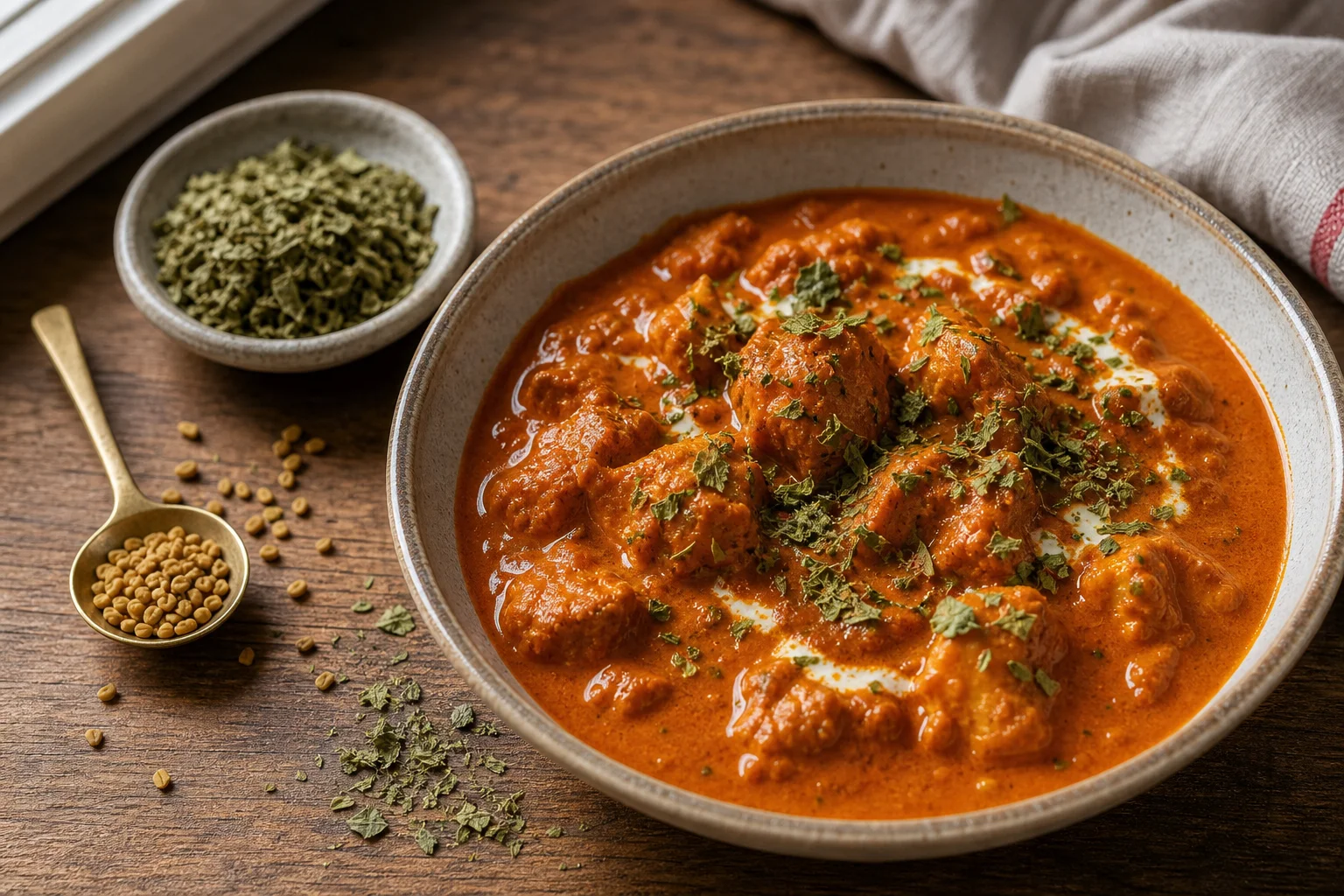
Fenugreek can mean hard yellow seeds or dried fenugreek leaves called kasuri methi. Seeds taste bitter, nutty, and…
Read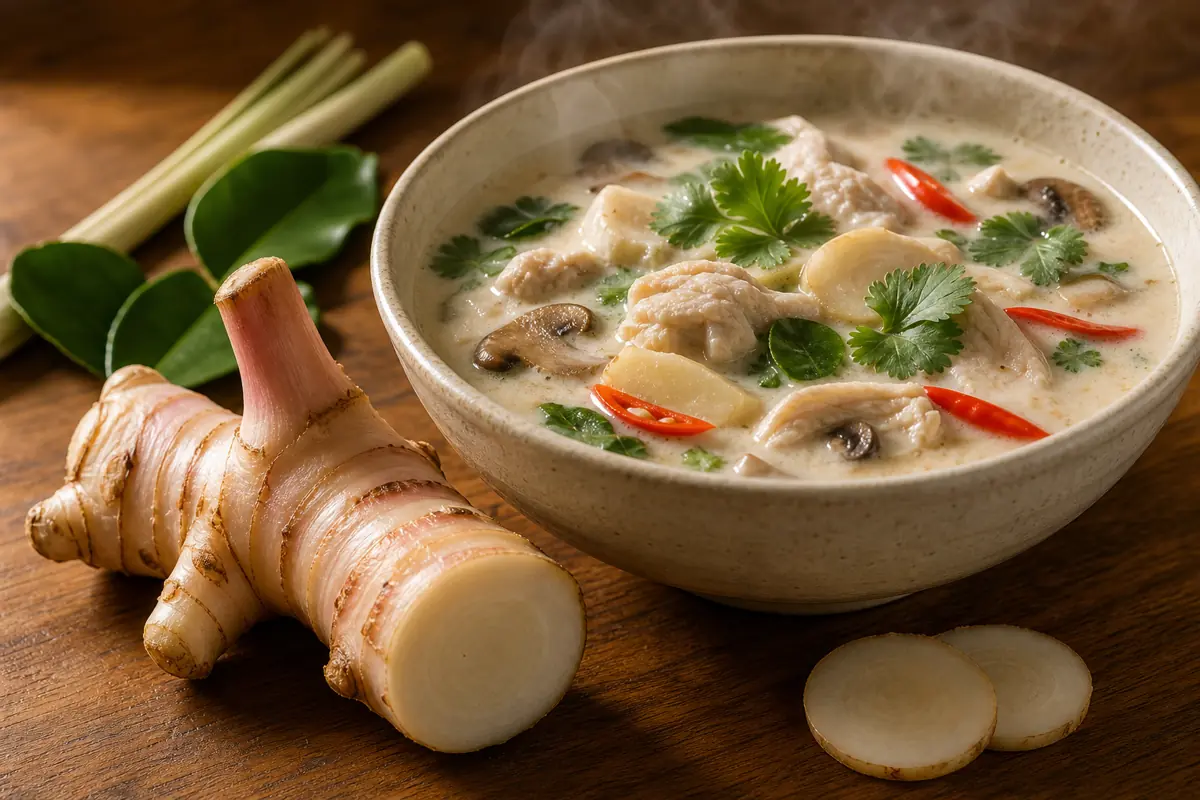
Galangal is a pale, firm rhizome with a piney citrus aroma that ginger cannot fully copy. Slice it across the grain to…
Read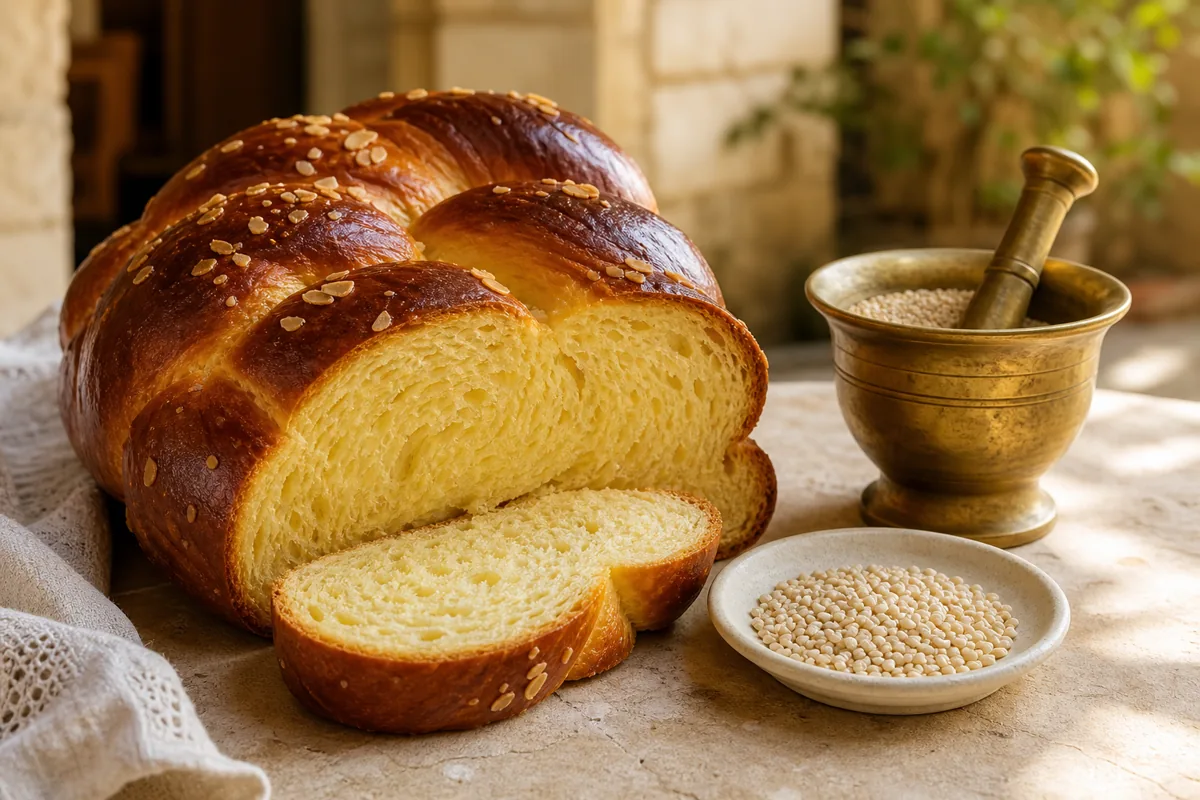
Mahlab is the kernel inside the stone of the St Lucie cherry, with cherry, almond, floral, and faintly bitter notes…
Read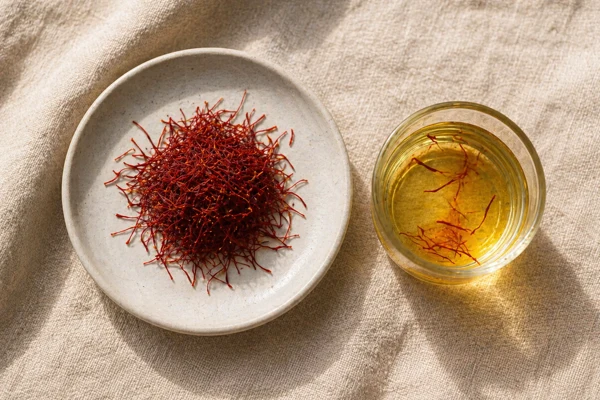
Real saffron releases golden color gradually while its red threads remain visible, and it needs a measured warm-liquid…
Read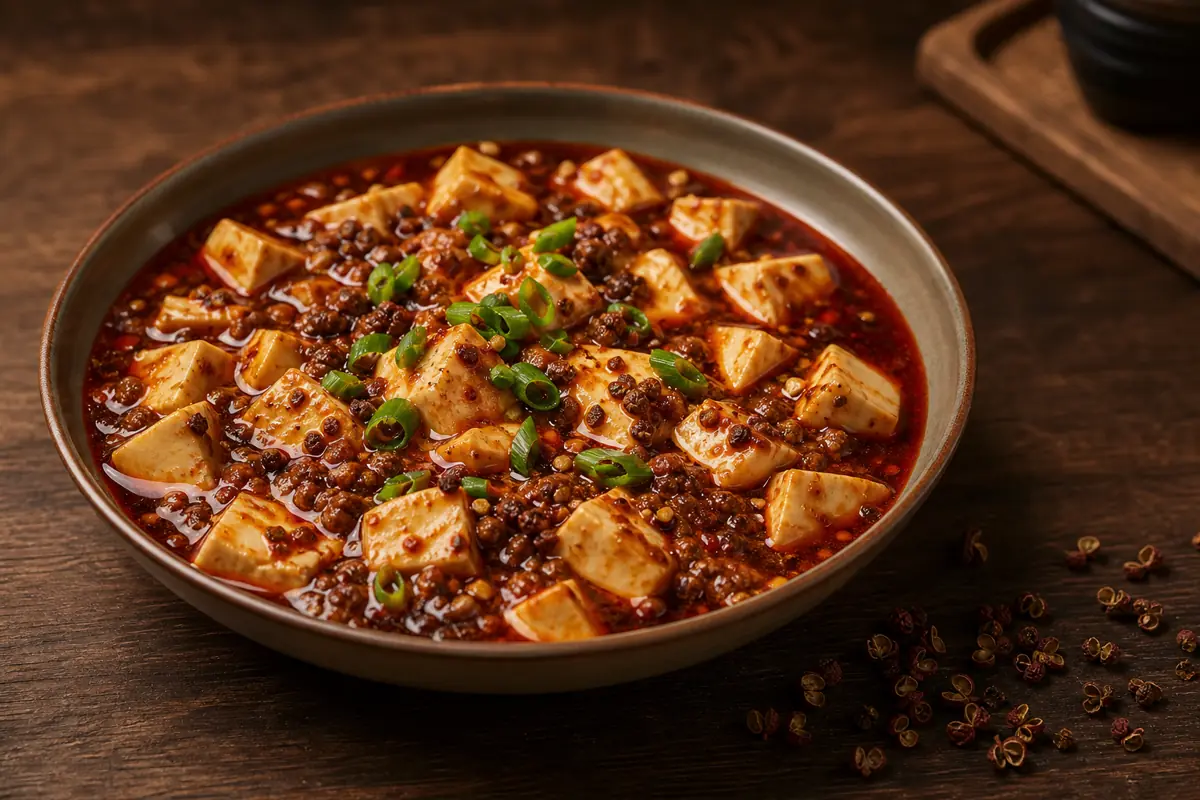
Sichuan peppercorn is the dried husk of a Zanthoxylum fruit, not a true peppercorn or chile. Hydroxy-alpha-sanshool…
Read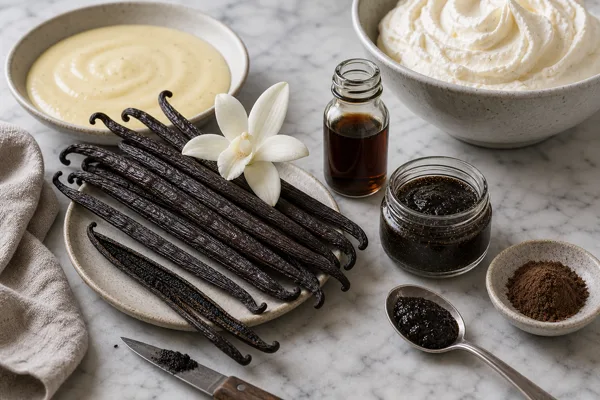
Imitation vanilla has 1 flavor compound while real vanilla has 250+, and the price reflects 12–15 months of…
ReadNothing at this heat level yet.